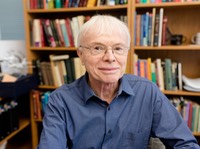
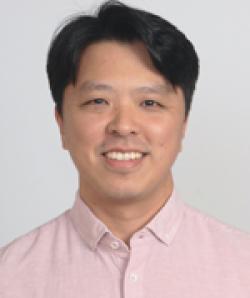
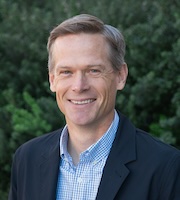
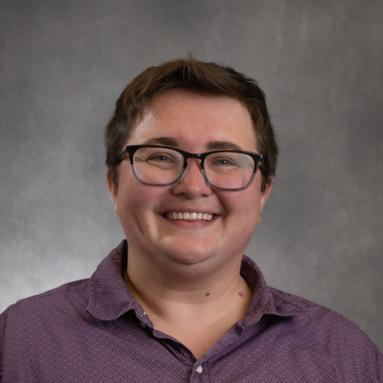
Vicente Díaz López is a Full Professor in the Department of Mechanical Engineering at Carlos III University of Madrid. He serves as Director of the Duque de Santomaró Institute of Motor Vehicle Safety and Director of the Master's Degree in Railway Engineering. Academic Department: Mechanical Engineering Research Group: Experimental Mechanics, Calculations and Transport Group (MECATRAN) Contact: vdiaz@uc3m.es Research Interests span automotive and railway engineering, focusing on: Intelligent tire systems for grip and friction estimation Vehicular dynamics and stability control Braking efficiency and safety analysis Structural mechanics in transport systems Sensor fusion and neural networks for vehicle parameter estimation Roadworthiness testing methodologies Recent Publications demonstrate expertise in: Brake force estimation techniques Intelligent tire development Vehicle roll stability control Structural failure analysis in transport Low-cost sensor systems for driver monitoring Projects include: Principal investigator of the fBrake software suite (2014–present) for braking efficiency analysis Multiple contracts with technical inspection agencies (ITV) and companies like Bombardier Patent development for driving style evaluation systems
Ana Muñoz Sánchez is an Associate Professor in the Department of Mechanical Engineering at University Carlos III of Madrid, where she conducts research in composite materials, additive manufacturing, and manufacturing processes. Her work bridges theoretical modeling with practical applications, particularly in drilling processes, ballistic protection, and engineering education. Her research focuses on several key areas within mechanical engineering and materials science: Composite materials machining, particularly carbon fiber reinforced polymers (CFRP) Tool wear analysis and optimization of drilling parameters Numerical modeling of manufacturing processes Additive manufacturing applications in medical and educational contexts Ballistic protection systems Engineering education tools and methodologies Dr. Muñoz Sánchez's publication record demonstrates consistent contributions to both fundamental manufacturing research and practical educational applications. Her recent work shows a strong emphasis on improving manufacturing processes for composite materials while simultaneously developing innovative educational tools, including specialized resources for visually impaired students. Her research combines computational methods with experimental validation to address complex engineering challenges. She has secured funding from multiple Spanish research agencies for projects including "DIGITDRILL - Digitalization of industrial drilling process" and "DISEÑO AVANZADO, FABRICACIÓN Y ENSAYO DE PROTECCIONES BALÍSTICAS DE CABEZA (PROTECT_BAL)". Her work has practical applications in aerospace, medical simulation, and inclusive education.
Francesca Alvaro is a researcher in the Department of Mechanical, Energy and Management Engineering at the University of Calabria, Italy. Her work is situated within the College of Engineering, where she contributes to advanced research in robotics and biomechanical systems for medical applications. Her research focuses on robotics for upper limb neuromotor rehabilitation , leveraging multibody dynamics and digital twin technologies to model and optimize human-robot interaction in therapeutic settings. This includes developing and analyzing robotic devices that assist in patient recovery through precise biomechanical modeling and control strategies. The recent publications highlight a strong trend in rehabilitation engineering and human-centered robotics , particularly in the development of digital twins for personalized therapy and accurate parameter estimation of robotic rehabilitation systems. These efforts bridge mechanical engineering with clinical applications, emphasizing simulation, modeling, and system integration. Scientific Awards: No scientific awards listed in the provided text. Francesca Alvaro is involved with PhD researchers, indicating potential advisory or mentoring roles within her department. While no specific grants are mentioned, her research output suggests participation in projects related to assistive robotics and smart rehabilitation systems. She collaborates with researchers such as Rocco Adduci, Michele Perrelli, Francesco Tedesco, and Domenico Mundo, indicating active engagement in interdisciplinary teams. She is associated with research labs focused on mechanical systems and robotics within the Department of Mechanical, Energy and Management Engineering. These labs likely support the design, simulation, and testing of robotic rehabilitation platforms using multibody dynamics and real-time control frameworks.
Hans Martin Kjer is an Associate Professor in the Department of Applied Mathematics and Computer Science at the Technical University of Denmark (DTU), where he is affiliated with the UltraSound and Biomechanics group within the Visual Computing Center and the Center for Fast Ultrasound Imaging. His research bridges engineering and medical imaging, with a strong emphasis on developing and validating advanced ultrasound techniques for biomedical applications. Research Interests: His work focuses on super-resolution ultrasound imaging, microvascular analysis, 3D reconstruction of biological structures, and image registration. He applies computational methods to improve the resolution and accuracy of ultrasound, particularly in renal and lymph node vasculature imaging. His research contributes to the UN Sustainable Development Goals in health and well-being through innovative diagnostic tools. Publication Trends: Over the past several years, Kjer has consistently published in high-impact journals and conferences in biomedical engineering and imaging. His recent work emphasizes the validation of super-resolution ultrasound against micro-CT, realistic 3D blood flow simulation, and the application of AI in enhancing imaging resolution. These studies reflect a strong trend toward quantitative, reproducible, and clinically relevant imaging solutions. Scientific Contributions: While no specific awards are listed, his leadership in major research projects and frequent collaborations with leading experts in ultrasound (e.g., Jørgen Arendt Jensen) underscore his significant role in the field. Advising and Funding: Kjer serves as a supervisor and principal investigator in several funded research initiatives, including AI for Extreme Super-Resolution CT , 3DIM: 3D Imaging Center , and QIM: Center for Quantification of Imaging Data from Max IV . He mentors PhD students and collaborates across disciplines, contributing to both biomedical and materials science imaging projects. Laboratories and Teams: He is an integral member of the Center for Fast Ultrasound Imaging and the Visual Computing Center at DTU. These teams focus on cutting-edge ultrasound technologies, image processing algorithms, and multimodal imaging integration, positioning Kjer at the forefront of computational biomedical imaging in Denmark.
Thomas J.R. Hughes is the Peter O’Donnell Jr. Chair in Computational and Applied Mathematics and a Professor of Aerospace Engineering and Engineering Mechanics at The University of Texas at Austin. He is affiliated with the Oden Institute for Computational Engineering and Sciences (Oden Institute), where he leads the Computational Mechanics Group. His research focuses on computational mechanics, isogeometric analysis, and biomedical modeling. Education: B.E. and M.E. in Mechanical Engineering from Pratt Institute; M.S. in Mathematics and Ph.D. in Engineering Science from the University of California, Berkeley. Research Interests include Isogeometric Analysis (integrating CAD and FEA), stabilized numerical methods for fluid flows, patient-specific biomedical simulations, and phase-field modeling. His work spans applications in cardiovascular systems, tumor growth, and geophysical flows. Hughes has authored over 150 journal articles, with recent contributions on isogeometric analysis, fluid-structure interaction, and computational geosciences. Notable awards include the von Neumann Medal (USACM), Gauss-Newton Medal (IACM), and Worcester Reed Warner Medal (ASME). He is a member of the National Academy of Engineering. His group advises students and postdocs in computational methods and collaborates with centers like the Oden Institute’s Computational Visualization Center. Current projects include isogeometric analysis, nanoparticle drug delivery, and ice sheet modeling.
Juhwan Lee, PhD, is a Research Assistant Professor in the Department of Biomedical Engineering at the Case School of Engineering, Case Western Reserve University. His research focuses on developing AI-driven methodologies for coronary artery disease (CAD) assessment, particularly leveraging non-contrast CT calcium scoring and optical coherence tomography (OCT) imaging. He specializes in automated plaque characterization, stent analysis, and predictive modeling of cardiovascular outcomes using deep learning and finite element analysis. His technical innovations include automated OCT/CT feature extraction, image registration between OCT and CT, and AI-based risk stratification for high-risk plaques. Recent work emphasizes translating epicardial adipose tissue and calcification data from CT scans into clinical tools for MACE prediction and stent performance evaluation. Key publications (2020–2025) highlight advancements in OCT-based plaque segmentation, AI prediction of stent expansion, and computational analysis of calcified coronary lesions. His team’s OCTOPUS software for stent analysis is a notable contribution to clinical imaging. Despite significant contributions to cardiovascular AI, no scientific awards are explicitly mentioned in the provided texts. Teaching responsibilities are listed but not detailed.
Jason T. DeJong is a Professor of Civil & Environmental Engineering at the University of California, Davis, and Director of the Center for Geotechnical Modeling. He earned a B.S.C.E. from UC Davis and an M.S.C.E. and Ph.D. from Georgia Tech. His research focuses on soil characterization, bio-mediated geotechnics, earthquake engineering, and sustainability, with over $40M in grants and 250+ publications. He chairs ISSMGE TC102 (In situ Testing) and advises civil infrastructure projects globally. Education: B.S.C.E., University of California, Davis M.S.C.E., Georgia Institute of Technology Ph.D., Georgia Institute of Technology Research Interests: Soil liquefaction mitigation via MICP (microbially induced calcite precipitation) Bio-inspired engineering for anchorage systems Geotechnical sustainability and life cycle assessment (LCA) Dynamic behavior of coarse-grained soils Advanced field testing techniques (e.g., CPT, vane shear) Recent Research Trends: His 2023–2025 work emphasizes bio-cementation applications, hypergravity testing for permafrost thawing, and optimizing MICP treatment for soil improvement. Articles highlight interdisciplinary methods combining DEM modeling, centrifuge testing, and LCA frameworks to address geotechnical challenges. Awards: ASTM International Hogentogler Award (2018, 2021) ASCE Huber Research Prize (2019) ICE TK Hsieh Prize (2020) ASCE Fellow (2022) Grants & Advising: Dr. DeJong oversees ~$40M in funded projects and actively mentors students in geotechnical earthquake engineering, dam safety, and sustainable infrastructure. He leads the NSF ERC for Bio-mediated and Bio-inspired Geotechnics, fostering collaboration between academia and industry. Labs & Teams: Directs the UC Davis Center for Geotechnical Modeling and co-leads the NHERI centrifuge facility. Collaborates with global partners on bio-geo projects and advanced testing methodologies.
Zoe Reidinger is an Associate Teaching Professor in the Biomedical Engineering Department at Worcester Polytechnic Institute (WPI). She holds a BS in Biomedical Engineering from Virginia Commonwealth University (2008) and a PhD in Biomedical Engineering from WPI (2015). Her research focuses on biomaterial fabrication and tissue engineering, alongside innovative pedagogical approaches to foster inclusive and experiential learning environments for LGBTQ+ students in STEM. She is actively involved in institutional initiatives to improve campus climate and student empowerment through mentorship and project-based learning. Reidinger’s academic contributions span both technical and educational spheres. Her work in tissue engineering includes advancements in bioreactor design and cell phenotype studies, while her educational research explores inclusive pedagogy and LGBTQ+ student success in engineering. She has been recognized for her efforts in diversity and inclusion, including being part of WPI’s 2022 Annual Awards and the 2023 DEIB Champions of Diversity Awards. Her teaching philosophy emphasizes open-ended projects and student autonomy to build independence and passion for learning. Education: PhD in Biomedical Engineering, Worcester Polytechnic Institute (2015) BS in Biomedical Engineering, Virginia Commonwealth University (2008) Key Research Themes: Biomaterials and Tissue Engineering Inclusive STEM Education LGBTQ+ Campus Climate Professional Highlights: Recipient of 2022 WPI Faculty and Staff Awards 2023 DEIB Champions of Diversity Award Lead in multiple interdisciplinary research projects Her work extends beyond academia through collaborations with museums and public institutions, such as developing STEM activities for the Museum of London and enhancing accessibility at the Tower of London. She currently serves as a mentor in WPI’s project-based learning initiatives and maintains an active role in promoting LGBTQ+ inclusion in engineering education.
Dr. David Zopf is an Associate Professor in the Department of Otolaryngology – Head and Neck Surgery at the University of Michigan's Medical School. His research focuses on integrating additive manufacturing (3D printing) into medical applications, particularly in pediatric craniofacial reconstruction, surgical simulation, and tissue engineering. He leads initiatives in developing 3D-printed bioscaffolds for ear and nose reconstruction, high-fidelity surgical simulators, and devices to improve outcomes for pediatric patients with obstructive sleep apnea and velopharyngeal insufficiency. His work emphasizes translational research, bridging engineering and clinical practice. Key projects include nasal and auricular tissue engineering using biocompatible scaffolds, surgical training tools for complex procedures (e.g., laryngeal cleft repair, microtia reconstruction), and evaluating telemedicine in otolaryngology. Dr. Zopf collaborates internationally on 3D-printed temporal bone models and has pioneered low-cost simulation courses for fellows. He also investigates the impact of surgical interventions like adenotonsillectomy on pediatric health outcomes. Publications highlight advancements in surgical simulation, biomaterial design, and clinical pediatric otolaryngology. His lab actively explores applications of 3D printing in emergency airway management, tracheostomy care, and pandemic-related innovations like ventilator systems. Awards and grants are not explicitly listed, but his work is supported by interdisciplinary collaborations across engineering, pediatrics, and surgery.
Carlos Tirado Cortes is a Lecturer in Interaction Design at the Discipline of Design Lab , Faculty of Architecture, Design and Planning, University of Sydney. As a virtual environments researcher, he focuses on Human-Computer Interaction and data visualization in immersive systems. Ph.D in Human-Computer Interaction (University of Technology Sydney, 2021) M.S. in Computer Game Engineering (Newcastle University, UK, 2015) B.S. in Engineering and Information Technology (Monterrey Institute of Technology, Mexico, 2012) His research explores immersive visualization for wildfire training (iFire project), VR sickness analysis, and brain-body dynamics during virtual navigation. Recent publications examine: AI-powered wildfire visualization systems Metaverse safety for children Postural instability in VR environments Fire-atmosphere interaction modeling Balance recovery techniques in immersive spaces
Mehran Koohgilani is a Principal Academic in Engineering at Bournemouth University, affiliated with the Department of Design, Engineering and Computing within the Faculty of Science and Technology. He holds a PhD from Bournemouth University and has been actively contributing to engineering education and research for decades. He is a Chartered Engineer (CEng) and a member of the Institution of Mechanical Engineers. PhD in Damage Accumulation in High Performance (Bournemouth University, 1998) MSc in Polymer Science & Engineering (University of North London, 1993) BEng (Hons) in Mechanical Engineering Design & Production (South Bank University, 1992) Mehran's research focuses on Composite Materials , Neural Networks in engineering applications , design methods , material selection , and applied technology . He has pioneered the integration of virtual reality in design education and has contributed significantly to curriculum development and accreditation of undergraduate programs in design engineering. His recent publications (2011–2025) reflect a strong trend in combining materials science with artificial intelligence for structural monitoring, particularly in marine composites. Other key themes include design education , surface engineering with nanomaterials , and corrosion protection . His work bridges theoretical modeling, experimental validation, and practical application in industry-relevant contexts. Mehran has been instrumental in supervising PhD students and is an active member of the Design Simulation Research Centre . He has led numerous teaching units in technological principles, materials & processing, and design management. His contributions extend to project supervision, particularly in final-year design engineering projects, and to co-creation in design education. His scientific leadership is evident in his role in developing and validating multiple undergraduate courses. He has also contributed to research grants and collaborative projects, though specific grant names are not listed in the provided text.
Stuart Green, M.D., is a Clinical Professor in the Department of Orthopaedic Surgery at the University of California, Irvine (UCI) School of Medicine. He is a globally recognized orthopaedic surgeon specializing in post-trauma limb reconstruction, the Ilizarov Method, and medical ethics. Dr. Green has made transformative contributions to orthopaedic surgery through innovations like the Rancho Technique and the GS/GSH Intramedullary Nail, and as co-inventor of the FDA-approved Precice Nail. He continues to serve as Medical Director for the Precice division of NuVasive and is actively involved in research, education, and ethical discourse in surgery. His research interests include: Biomechanics of external and internal fixation Limb lengthening and its effects on muscle tissue Medical ethics in surgical practice and device development Innovation in reconstructive techniques History of orthopaedic surgery Dr. Green’s extensive publication record—around 150 articles, four books, and 23 book chapters—reflects his deep engagement across clinical, ethical, and historical domains. His recent scholarly work emphasizes ethical challenges in surgeon-industry collaboration, biomechanical optimization of fixation devices, and the long-term outcomes of limb lengthening technologies. These publications demonstrate a consistent focus on improving patient outcomes through innovation, ethical rigor, and biomechanical precision. He has received significant recognition through invitations as Presidential Guest Speaker at major orthopaedic societies and keynote speaker at the ASME Biomechanics Section. His contributions were highlighted in the AAOS’s 75th-anniversary publication Moving Stories . He has served on the Ethics Committees of both the AAOS and UCI Medical Center and was a panelist on surgeon-industry ethics with federal officials. Dr. Green has advised on major research initiatives, including the development of the Precice Nail, and has led animal studies and clinical translation efforts. He has held editorial leadership roles as Deputy Editor of Clinical Orthopaedics and Related Research and Associate Editor for several orthopaedic journals. His work bridges clinical practice, research, innovation, and ethics. He is actively engaged in academic and clinical labs, including the Orthopaedic Biomechanics Laboratory at Long Beach Veterans Hospital, where he collaborates on fixation biomechanics and muscle adaptation during limb lengthening with Dr. Thay Q. Lee and Dr. Vincent Caiozzo.
Dr. Timothy McMahan is an Assistant Professor in the Department of Computer Science at the University of North Texas. His research focuses on adaptive virtual environments, neurogaming, and applying VR/AR technologies to neuropsychological assessment and training. He holds a Ph.D. in Computer Science (2016) and multiple advanced degrees from UNT. Education: Ph.D. Computer Science, University of North Texas (2014–2016) M.S. Computer Science, University of North Texas (2007–2013) B.S. Computer Science, University of North Texas (2003–2007) Postdoctorate in Computational Neuropsychology, University of North Texas (2016–2017) Research Interests: Adaptive VR environments for personalized user experiences Neurogaming applications in healthcare and education Machine learning for cognitive assessment and environmental adaptation EEG-based analysis of user engagement and cognitive workload VR tools for neuropsychological disorder diagnosis and treatment Recent work emphasizes VR applications in memory research, adaptive systems leveraging real-time ML predictions, and EEG-driven analyses of subjective experiences. Articles focus on bridging virtual and real-world interactions through computational neuroscience methods. No scientific awards or grants are explicitly listed in the provided materials. No advisees or lab affiliations are documented here.
Michael Sedlmair is a Professor at the Institute for Visualization and Interactive Systems (VIS) within the College of Engineering at the University of Stuttgart. He serves as Managing Director of VIS and leads research in augmented reality (AR), virtual reality (VR), human-computer interaction, and visualization. His work spans collaborative fabrication, motion guidance systems, educational AR/VR applications, and situated analytics. Research Themes : AR/VR for industrial tasks, haptic feedback systems, situated visualization, cross-reality transitions, music composition tools, and inclusive avatar design. Recent Articles : Focus on AR for collaborative tasks, motion guidance feedback, molecular structure learning in AR, music visualization, and accessibility studies in VR environments. His team collaborates with institutions like Mercedes-Benz AG, IMPRS-IS, and ACM/IEEE conferences. No specific awards or student advisories are mentioned in the provided texts.
Prof. Pavan Ramdya, the DSM-Firmenich Next Generation Chair in Neuroscience at École Polytechnique Fédérale de Lausanne (EPFL), leads the Neuroengineering Laboratory. His research focuses on reverse-engineering biological intelligence in Drosophila melanogaster to inspire neuroprosthetics, robotics, and AI. He holds a PhD in Neurobiology from Harvard University and completed postdoctoral training in robotics (EPFL), neurogenetics (UNIL), and bioengineering (Caltech). University: École Polytechnique Fédérale de Lausanne (EPFL) School: School of Life Sciences Academic Rank: Professor His lab employs computational, engineering, genetic, and microscopy approaches to study neural population dynamics, biomechanics, and gene expression in limb-dependent behaviors. Key research trends from his publications include neuromechanical modeling of Drosophila , sensory-motor integration, and AI-robotics synergy for biological discovery. HFSP Career Development Award Swiss National Science Foundation Eccellenza Grant UNIL Young Investigator Award in Basic Science FENS-Kavli Network of Excellence member The lab mentors doctoral researchers such as Sibo Wang, Victor Stimpfling, and Femke Hurtak, alongside postdoctoral fellows like Jasper Phelps and alumni including Victor Lobato Rios. Collaborations span robotics (Auke Ijspeert), microrobotics (Sakar), and computational imaging (Fua).