Southern University of Science and Technology (SUSTech)China
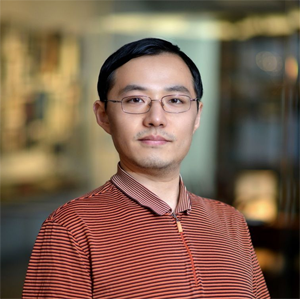
Chao Liu is an Associate Professor at the Department of Biomedical Engineering , Southern University of Science and Technology (2024.11–present). Previously, he served as an Assistant Professor at the same institution (2019–2024.11) and completed a Postdoctoral Fellowship at New York University (2016–2019) with joint appointments in the Department of Biomedical Engineering and Orthopedics at NYU Langone Health . He holds a PhD in Biomedical Engineering (2016) and MASc in Mechanical Engineering (2010) from University of Toronto , following a BASc in Engineering Science (2008). Education : PhD (IBBME, U of Toronto, 2016), MASc (Mechanical Engineering, U of Toronto, 2010), BASc (Engineering Science, U of Toronto, 2008) His research focuses on mechanobiology of stem cells , bone tissue engineering , and functional implants . He investigates how mechanical forces modulate osteogenic and angiogenic stem cells, designs implants with micro-geometry to enhance cellular activity, and develops 3D real-time imaging modalities for bone repair processes. His work spans biomechanics , regenerative medicine , and cellular mechanotransduction . The selected publications from 2022 to 2010 reveal trends in mechanical force applications for bone regeneration, pharmacological impairments in healing, nanostructured biomaterials for stem cell differentiation, and microfluidic platforms for osteocyte studies. These works are published in journals like Bone , FASEB Journal , and ACS Applied Materials & Interfaces . Scientific Awards : International Conference BME Young Investigator Award (2019), IFMRS Travel Grant (2017), ASBMR Young Investigator Grant (2016), CIHR Travel Awards (2010–2014), Ontario Graduate Scholarship (2011–2013), Barbara and Frank Milligan Fellowship (2008, 2010) Chao Liu mentors graduate students, including Zhang Jianing (2022 Master’s graduate). His lab ( https://abtrl.bme.sustech.edu.cn/ ) recruits postdocs and research assistants for projects in mechanical force applications , micro-geometric implants , and 3D imaging . He has contributed to 14 journal articles with 714 citations and presented at 6 international conferences in the past three years.
Southern University of Science and Technology (SUSTech)China
Liu Hongmei is a Researcher and Master's Supervisor at Southern University of Science and Technology's Department of Biomedical Engineering. Holding a Ph.D. from the Chinese Academy of Sciences, she specializes in micro-nano robotics and tissue engineering for tumor therapy, with over 66 publications and 12 patents. Her work bridges biomedical engineering and nanotechnology for precision cancer treatments. B.S., Biological Sciences, Harbin Normal University (2005) M.S., Botany, Northeast Agricultural University (2008) Ph.D., Biochemical Engineering, Chinese Academy of Sciences (2015) Her research focuses on biomaterials engineering , nanoparticle drug delivery , and microenvironment-responsive hydrogels . Key areas include glioma therapy, traumatic brain injury recovery, and intervertebral disc degeneration treatments. Recent work explores pH/ROS/inflammation-triggered hydrogels and bioengineered bacteria for disease modulation. Article trends show a strong emphasis on nanoparticle design (2014-2025) for glioma, hydrogel development (2017-2025) for tissue repair, and biomimetic material synthesis (2023-2025) inspired by spider silk and meniscus structures. Sub-fields span pyroptosis inhibition, epigenetic reprogramming, and microbiome engineering. Jiangsu Science and Technology Award (2020) Jiangsu Medical Science and Technology Award (2020) Jiangsu Educational Science Research Award (2021) Chinese Medical Doctor Association's Outstanding Young Scientist (2018) Liu has supervised numerous projects including National Natural Science Foundation of China grants, Jiangsu Province Key R&D Program funding, and Shenzhen City General Projects. She holds 12 Chinese invention patents and collaborates with institutions like the UNESCO Centre for Higher Education Innovation.
Southern University of Science and Technology (SUSTech)China
Dr. Xiong Yi is an Assistant Professor at the School of System Design and Intelligent Manufacturing (SDIM) at Southern University of Science and Technology (SUSTech) in Shenzhen, China. He leads the Computational Design and Fabrication (CoDeFab) research group, focusing on the integration of computational design methods with advanced manufacturing technologies, particularly in the field of additive manufacturing. Dr. Xiong has established himself as a leading researcher in computational design for additive manufacturing, with a strong international research background spanning Europe and Asia. Dr. Xiong's educational journey includes: Doctor of Science (DSc) in Engineering Design and Production from Aalto University, Finland (2012-2016) Master of Science (MSc) in Machine Automation from Tampere University of Technology, Finland (2010-2012) Bachelor of Engineering (BEng) in Mechanical Engineering from Hubei University of Technology, China (2006-2010) Dr. Xiong's research primarily focuses on computational design and fabrication methodologies, with particular emphasis on design for additive manufacturing (DfAM), intelligent manufacturing systems, and smart materials. His work bridges the gap between theoretical design principles and practical manufacturing constraints, developing novel approaches for the production of complex engineered products. He has pioneered research in continuous fiber-reinforced composite additive manufacturing, developing innovative process planning and optimization techniques that enable the production of high-performance structural components. His research in electrothermally controlled origami and 4D printing of smart materials represents cutting-edge work at the intersection of materials science, mechanical engineering, and computational design. Dr. Xiong's recent publications reveal a strong focus on continuous fiber-reinforced composites, with significant contributions to 4D printing, metamaterials, and intelligent process planning. His work integrates computational design with manufacturing constraints, creating novel approaches for topology optimization, toolpath planning, and structural design that consider both performance requirements and manufacturability limitations. The research demonstrates increasing sophistication in materials science applications, particularly in programmable materials and multi-functional structures. Dr. Xiong has received multiple prestigious awards for his research contributions, including: Best Presentation Award at the 24th Chinese Conference on Mechanisms and Machine Science (IFToMM CCMMS2024) Best Presentation Award at the International Conference on Frontiers of Additive Manufacturing Research (RAAM 2024) Best Paper Award at the International Conference on Design for 3D Printing (ICD3DP 2023) PhD Scholarship from Aalto University (2016) Research Travel Grant from the International Association for Vehicle System Dynamics (IAVSD) (2013) National Scholarship from the Ministry of Education (2008) As a dedicated educator and mentor, Dr. Xiong serves as a PhD supervisor at SUSTech and has successfully guided students who have gone on to pursue advanced studies and careers at prestigious institutions including Hong Kong Polytechnic University, Beihang University, DJI Innovations, and Singapore's A*STAR research institute. His research is supported by multiple competitive grants, including key projects from the National Key R&D Program of China, the National Natural Science Foundation of China, and provincial and municipal funding agencies. Dr. Xiong also serves on the editorial board of the Journal of Engineering Design and as a guest editor for Composites Communications, contributing to the advancement of his field through scholarly service. Dr. Xiong leads the CoDeFab research group, which maintains a strong collaborative culture focused on 'design leading manufacturing, manufacturing driving design, and digital-intelligent integration.' The group has developed several advanced manufacturing platforms, including multi-axis continuous fiber-reinforced composite additive manufacturing systems, smart composite additive manufacturing platforms, and multifunctional soft matter open manufacturing platforms. With a focus on practical applications and innovation, the CoDeFab group actively collaborates with industry partners and has established a joint laboratory to bridge academic research with industrial implementation.
Southern University of Science and Technology (SUSTech)China
Li Zhe is an Associate Professor and Doctoral Supervisor at the Department of Biomedical Engineering , Southern University of Science and Technology, since May 2024. He previously served as Assistant Professor at the same department from 2023 to 2024. His educational background includes a PhD in Analytical Chemistry from Purdue University (2019) under Prof. Chengde Mao, and a B.S. in Materials Chemistry from Peking University (2014). Research Focus: Protein design, DNA nanotechnology, bionanomaterials, and self-assembly Awards: 2023 National Natural Science Fund for Excellent Young Scientists (Overseas) 2019 Chinese Government Award for Outstanding Self-financed Students Abroad 2019 M.G. Mellon Award in Analytical Chemistry Publications: His 20+ works in high-impact journals like Science and Nature Materials emphasize computational protein design, DNA crystal engineering, and molecular actuation systems.
Prof. Huayu Tian is a Nan Qiang Distinguished Professor at the Department of Chemistry, College of Chemistry and Chemical Engineering, Xiamen University. With a Ph.D. in Polymer Chemistry and Physics from Changchun Institute of Applied Chemistry (CAS), he leads research in biomedical polymers and nanocarriers for gene/drug delivery. B.S. (1994-1998): Polymer Materials, Harbin Institute of Technology M.S. (1998-2000): Materials Science, Harbin Institute of Technology Ph.D. (2002-2005): Polymer Chemistry, Changchun Institute His work focuses on biomedical polymers , nanocarriers for gene therapy , nucleic acid vaccines , and immunotherapy , with applications in cancer treatment and sepsis management . Recent publications highlight photothermal-immunotherapy combinations , MOF-based drug systems , and microenvironment-responsive nanomaterials . Notable awards include: Jilin Province Natural Science Award (First Prize, 2021) National Outstanding Youth Fund (China) Youth Innovation Promotion Association, CAS (2016)
Southern University of Science and Technology (SUSTech)China
Xiaotian Liu is a Research Associate Professor in the Department of Neurobiology at Southern University of Science and Technology (SUSTech) , where he joined in September 2020. He is affiliated with School of Life Sciences and works within the research group of Academician Mingjie Zhang . His academic background includes a Ph.D. in Bioengineering from HKUST (2015-2019) and a B.Sc. in Biotechnology from USTC (2003-2008). His research focuses broadly on Structural and functional study of protein machinery , Molecular mechanism of biomolecular self-assembly , and Decoding and programming biological condensation formation . His work bridges structural biology, biochemical engineering, and biomaterials science, with a particular emphasis on protein structure-function relationships and their applications in biomedical and nanotechnological contexts. Across his publications from 2010 to 2023, Liu has contributed to understanding protein condensates, developing advanced bioimaging techniques, and engineering protein hydrogels for regenerative medicine. His recent work in Nature and Nature Methods highlights his leadership in fungal enzyme structural analysis and AI-driven microscopy. Hong Kong Technology Talent Scheme Postdoctoral Hub for ITF (2020) Chan Tak Kei & Wong Kwai Ying Bioengineering Student Research Award (2019) HKJEBN Scholarship for Talents (2016-2019) Xiaotian Liu is an active researcher within the Mingjie Zhang’s group , combining structural biology with materials science to address fundamental questions in cellular organization and biomedical engineering.
Heng Xu is an Associate Professor at the Institute of Theoretical and Interdisciplinary Physics within the School of Physics and Astronomy at Shanghai Jiao Tong University . His work bridges physics and biology to study living systems through quantitative methods. Education: Bachelor's in Physics (2003), Nanjing University PhD in Physics (2010), Brown University Dr. Xu's research focuses on transcriptional regulation in Drosophila melanogaster embryos, combining high-resolution fluorescence imaging , quantitative analysis , and stochastic modeling . His publications span biophysics, neurophysiology, and imaging technologies. Scientific Awards: Burroughs Wellcome Fund Career Award at the Scientific Interface (2014) Thousand Talents Program for Young Professionals (2017) Dr. Xu's lab develops optical tools for biological applications and investigates gene regulatory networks . He has contributed to single-cell analysis techniques and neuronal activity studies in model organisms.
Southern University of Science and Technology (SUSTech)China
Chaoshan Han is a Research Assistant Professor at the School of Medicine, Southern University of Science and Technology (SUSTech), specializing in exosome biology and cardiovascular therapeutics. He received his PhD in Cell Biology from Soochow University in 2019 and completed three years of postdoctoral research at the University of Alabama at Birmingham. Education: PhD in Medical Cell and Molecular Biology, Soochow University (2016-2019) MS in Developmental Biology, Southwest University (2013-2016) BS in Bioengineering, Henan University of Science and Technology (2009-2013) Dr. Han's research focuses on the role of extracellular vesicles in cardiovascular disease development and treatment. His work encompasses two major areas: optimizing stem cell-derived exosomes for therapeutic applications in ischemic diseases, and developing metabolic labeling techniques to track tissue-specific exosomal RNAs and proteins. He has pioneered methods to enrich therapeutic miRNAs in exosomes and encapsulate them in hydrogel biomaterials for sustained release at injury sites. His publication record demonstrates a research trajectory evolving from silkworm developmental biology to advanced cardiovascular exosome research. Recent work emphasizes metabolic labeling techniques for tracking cardiomyocyte-derived exosomes and their systemic effects, with significant findings on miR-208a's role in cardiac-lung communication. His publications span high-impact journals including Journal of Extracellular Vesicles (IF=17.33) and Pharmacology & Therapeutics (IF=13.4). Major Awards: AHA Postdoctoral Fellowship (2021-2023) Soochow University First Prize Scholarship (2018-2019) Outstanding Postgraduate Student of Soochow University School of Medicine (2017-2018) Member, American Heart Association (2020-) Dr. Han serves as a manuscript reviewer for Frontiers in Cardiovascular Medicine and Frontiers in Medicine. His research has generated 245 SCI citations with an h-index of 8. He has developed innovative approaches combining exosome engineering with biomaterial science to enhance therapeutic efficacy for myocardial infarction, limb ischemia, and wound healing. His laboratory focuses on cardiovascular exosome research, developing techniques for metabolic labeling of exosomal components and investigating inter-organ communication through exosomes in ischemic heart disease. Current work centers on refining exosome-based therapeutics and diagnostic tools for cardiovascular applications.
Huapan Fang is an Associate Professor at the Department of Chemistry , College of Chemistry and Chemical Engineering , Xiamen University . His research focuses on biomedical polymers, biomaterials, and polymeric carriers for nucleic acid/drug delivery, particularly in tumor immunotherapy and protein/peptide delivery. Bachelor of Polymeric Materials Science and Engineering, Hubei University (2010-2014) Doctor of Polymeric Chemistry and Physics, Changchun Institute of Applied Chemistry, Chinese Academy of Sciences (2014-2019) Postdoctoral Fellow, Soochow University (2020-2022) Huapan Fang's research explores the design of polymers for gene and drug delivery, emphasizing tumor immunotherapy, pH-sensitive systems, and biomaterials. His work includes developing nanocarriers for immune checkpoint blockade, stimuli-responsive delivery systems, and strategies for enhancing transfection efficiency. Selected publications highlight advancements in biomaterial-mediated mRNA delivery, pH-sensitive nanodetergents, and in situ polymerization for oral protein delivery. These studies span disciplines including Biomedical Engineering , Oncology , Nanotechnology , Molecular Biology , and Pharmaceutical Science , with subfields such as gene editing, tumor microenvironment modulation, and polymeric coatings.
Southern University of Science and Technology (SUSTech)China
Guoan Chen, M.D., Ph.D., is Associate Professor in the School of Medicine, Department of Human Cell Biology and Genetics, Southern University of Science and Technology (SUSTech) . After obtaining his medical degree from Xi’an Jiaotong University (1986) and advanced degrees in Pulmonary Medicine (1992) and Oncology (1999), he completed post-doctoral training at the University of Michigan, where he rose through the faculty ranks from Research Fellow to Associate Research Scientist. In 2018 he returned to China to join SUSTech. Education & Training 1981–1986 B.S. in Medicine, Xi’an Medical University (now Xi’an Jiaotong University) 1988–1992 M.S. in Pulmonary Medicine, Xi’an Jiaotong University 1996–1999 Ph.D. in Oncology, Peking Union Medical College / Chinese Academy of Medical Sciences 2000–2003 Post-doctoral Fellow, Tumor Biology Laboratory, University of Michigan Research Interests Dr. Chen’s laboratory integrates genomics, proteomics and bioinformatics to dissect the molecular basis of lung cancer. Using high-throughput platforms—gene expression microarrays, SNP arrays, miRNA arrays, RNA-seq, single-cell sequencing—his group identifies driver alterations that govern patient survival, early detection and therapeutic response. A major focus is the functional characterization of non-coding RNAs (microRNAs, lncRNAs, circRNAs) as diagnostic and prognostic biomarkers, and as therapeutic targets for overcoming metastasis and drug resistance in lung cancer. Scientific Output & Impact Across more than 130 peer-reviewed publications, Dr. Chen’s work has appeared in Nature Medicine, Nature Biotechnology, Cancer Cell, JNCI, Nature Communications, PNAS, Clinical Cancer Research, Journal of Thoracic Oncology, Autophagy and other leading journals. His studies have been cited >13 000 times (h-index 57), reflecting broad influence in thoracic oncology, cancer genomics and translational medicine. Patents & Translation U.S. Patent 7 597 890 – Methods and compositions for diagnosing lung cancer U.S. Patent Applications 20120295803 & 20150153346 – Lung cancer molecular signatures Teaching & Mentoring Since 2019 Dr. Chen has designed and taught core undergraduate courses at SUSTech: Medical Molecular Biology, Integrated Biomedical Experiments, Physiology & Pathophysiology . From 2010-2018 at the University of Michigan he mentored 2-4 visiting scholars or research fellows annually; earlier in Xi’an he instructed >150 medical students in Internal Medicine and Diagnostics and supervised residents and post-doctoral fellows. Laboratory & Collaboration Dr. Chen runs an active translational laboratory at SUSTech and maintains collaborative networks with clinicians at SUSTech Hospital and international partners, aiming to translate multi-omic discoveries into precision diagnostics and targeted therapies for lung cancer.
Southern University of Science and Technology (SUSTech)China
GE Qi is a tenured Associate Professor in the Department of Mechanical and Energy Engineering at Southern University of Science and Technology (SUSTech) , Shenzhen, China. He joined SUSTech in June 2019 after serving as Assistant Professor at the Singapore University of Technology and Design (SUTD) and as Postdoctoral Research Fellow at MIT and University of Colorado at Boulder . Education Ph.D. in Mechanical Engineering, University of Colorado at Boulder, USA (2009–2012) M.Sc. in Solid Mechanics, Zhejiang University, China (2006–2008) B.Sc. in Engineering Mechanics, Tongji University, China (2002–2006) Dr. Ge’s research integrates additive manufacturing with soft-matter mechanics , focusing on 4D printing , functional 3D printing , mechanics of soft materials , intelligent materials , soft robotics , and flexible electronics . His work pioneers shape-memory polymers , self-healing materials , reprocessable thermosets , and mechanical metamaterials , bridging fundamental mechanics with scalable manufacturing technologies. His 50+ publications in journals such as Science , Nature Communications , Advanced Materials , PRL , and JMPS showcase a trajectory from ultra-light metamaterials to programmable soft actuators, reflecting a shift from structural optimization to multifunctional, stimuli-responsive systems. Scientific & Academic Awards 2020 Microsystems and Nanoengineering (MINE) Outstanding Speaker Award 2019 Guangdong Pearl River Talents Program – High-Level Talent 2019 Shenzhen Overseas High-Caliber Personnel (Level B) 2018 IAAM Young Scientist Medal 2013 Outstanding Ph.D. Dissertation Award 2012 & 2011 ASME Haythornthwaite Foundation Travel Awards As Principal Investigator, Dr. Ge has secured over 3.5 million SGD (~18 million RMB) in competitive grants while at SUTD and continues to lead multiple projects at SUSTech. He serves on editorial boards ( Polymers and Actuators ) and as a long-time reviewer for Nature , Science Advances , Nano Letters , and JMPS . His laboratory at SUSTech focuses on next-generation additive manufacturing platforms, integrating high-resolution digital light processing, chemo-mechanical modeling, and soft-robotic applications to advance programmable materials and sustainable manufacturing.
Southern University of Science and Technology (SUSTech)China
Hong Xin is a Tenure-track Assistant Professor and Doctoral Supervisor at the Department of Biochemistry, School of Medicine, Southern University of Science and Technology (SUSTech). He received his PhD from the National University of Singapore in 2013 and completed postdoctoral training at Harvard Medical School/Howard Hughes Medical Institute (HHMI) from 2014 to 2020, focusing on circulating tumor cells (CTC liquid biopsy). His educational background includes: PhD in Biomedical Sciences, National University of Singapore (2013) Bachelor of Science (Life Sciences, Hons), National University of Singapore (2006) Dr. Hong's research focuses on CTC biology and clinical applications. His work involves establishing patient-derived CTC mouse explant models (CDX) to study metastatic mechanisms in vivo , developing microfluidic isolation systems with single-cell genomics to characterize tumor evolution, creating CTC-based biomarkers for non-invasive cancer detection, and screening therapeutic agents against CTC-mediated metastasis. His recent publications (2020-2025) reveal a strong emphasis on CTC biology across multiple cancer types (melanoma, ovarian, prostate, lung), with particular focus on metabolic reprogramming, ferroptosis, and diagnostic/therapeutic development. His work consistently combines microfluidics, single-cell analysis, and clinical oncology through interdisciplinary collaborations. His scientific achievements have been recognized with prestigious awards: AACR Scholar-In-Training Award (2020, USA) A*STAR JCO Career Development Award (2013, Singapore) Junior Research Fellowship (2007-2010, Temasek Life Sciences Laboratory) LiJen Industrial Development Medal (2006, NUS) Undergraduate Scholarship (2002-2006, Ministry of Education, Singapore) Since joining SUSTech in 2020, Dr. Hong has secured over 10 national and provincial grants including NSFC International Excellent Young Scientists grants and Provincial Innovation Programs. He serves on editorial boards for Theranostics, BMC Cancer, and Frontiers in Oncology. His laboratory in Taizhou Building Room 312 focuses on translating CTC research into clinical applications for cancer detection, monitoring, and therapeutic development.
Southern University of Science and Technology (SUSTech)China
Dr. Tianyi Kang is a Research Assistant Professor in the Department of Biomedical Engineering at the College of Engineering, Southern University of Science and Technology (SUSTech). She joined SUSTech in 2019 after completing her Ph.D. at Sichuan University, where she conducted research at the State Key Lab of Biotherapy. Her work focuses on developing functional nanomaterials for biological imaging and tumor therapy, with emphasis on translational cancer applications. Her academic credentials include: Ph.D. in Biology, Sichuan University (2016-2019) M.S. in Pharmaceutical Analysis, Sichuan University (2012-2015) B.S. in Traditional Chinese Medicine, Chengdu University of TCM (2008-2012) Dr. Kang's research integrates nanotechnology with oncology to address critical cancer treatment challenges. She pioneers photodynamic immunotherapy approaches that combine light-activated compounds with immune system engagement for targeted tumor destruction. Her biomedical imaging work develops nanomaterial-enhanced techniques for early cancer detection, while her exosome research explores natural nanovesicles as drug carriers for precision therapy. This interdisciplinary strategy bridges materials science, immunology, and clinical oncology to create novel therapeutic platforms. Analysis of her nine publications (2015-2021) reveals a consistent trajectory in nanomedicine for oncology, featuring high-impact journals like Biomaterials and Angewandte Chemie. Core themes include tumor-specific nanocarrier design, photothermal/photodynamic therapy optimization, and biomimetic systems for immune modulation. Recent work emphasizes microRNA delivery via photoacoustic forces and molecular motors for photothermal conversion, highlighting innovation in spatiotemporal control of therapeutic agents. Subfield trends show increasing focus on combination therapies that enhance efficacy while reducing systemic toxicity. Her scientific recognition includes: Guangdong Provincial Joint Fund for Young Scientists Dr. Kang secured one Youth Fund project from Guangdong Province and holds an invention patent. Though advising details are unspecified, her faculty role implies graduate student mentorship within SUSTech's Biomedical Engineering Department. Her research likely involves collaboration with Shenzhen clinical partners for translational development. Future work may expand exosome-based immunotherapies and multi-stimuli-responsive nanocarriers. She operates within SUSTech's Department of Biomedical Engineering, which provides advanced infrastructure for nanomaterial synthesis, in vivo imaging, and preclinical testing. The department's strong industry-academia partnerships in Shenzhen enable rapid prototyping and clinical validation of novel cancer therapeutics.
East China University of Science and TechnologyChina
Itamar Willner is a distinguished Israeli chemist and Professor at the Hebrew University of Jerusalem who holds significant affiliations with the East China University of Science and Technology. He was appointed as an Honorary Professor in 2007, co-established the Ministry of Education's Joint Laboratory for International Cooperation in Structurally Controlled Molecular Engineering in 2017 as international director, and was appointed an "Internationally Renowned Master Visiting Professor" in 2022. He is a Foreign Academician of the Chinese Academy of Sciences (elected 2021), member of the Israel Academy of Sciences and Humanities (2002), European Academy of Sciences and Arts (2004), and German National Academy of Sciences (2009). Professor Willner's research spans supramolecular chemistry, nanomaterials, and biomaterials, with specific focus on DNA chemical biology and optoelectronic biosensing. His pioneering work includes the construction of bio/nanofunctional self-assembly systems such as DNA molecular machines and logic gates, development of bio-nanocatalytic methods, and the innovative concept of "nucleic acid aptamers" that enhances enzyme-mimicking catalysis. His recent development of "DNA dynamic networks" provides a powerful platform for studying non-equilibrium biomolecular assembly, while his work on artificial photosynthesis systems explores novel energy dissipation mechanisms. His extensive publication record includes over 850 SCI-indexed papers in journals like Nature and Science, with more than 89,000 citations and an H-index of 142. His research has led to significant applications in molecular-supramolecular electronics, intelligent responsive materials, controllable functional interfaces, and optoelectronic/bioelectronic assembly systems, driving innovations in photo/electrochemical probes, drug delivery systems, and molecular machines. His scientific achievements have been recognized with numerous prestigious awards: Israel Prize in Chemistry Rothschild Prize EMET Award (awarded by the Prime Minister of Israel) Israel Chemical Society Gold Medal Professor Willner has served on the editorial boards of nearly 20 major academic journals including JACS, ACIE, Nano Letters, ACS Nano, Small, and ChemPhysChem. His collaborative work with Chinese scholars through the Ministry of Education's Joint Laboratory has established a significant hub for basic research, talent development, and international collaboration in precision chemistry and molecular engineering, bringing together top scientists from China and abroad.
Southern University of Science and Technology (SUSTech)China
Chen Zhongren is a Chair Professor (mapped to Professor) in the Department of Chemistry at Southern University of Science and Technology (SUSTech). He holds a Ph.D. in Chemical Engineering and Chemistry from the California Institute of Technology, advised by Nobel Laureates Grubbs and Kornfield. His academic journey includes postdoctoral research at Stanford University and industrial R&D roles at Bridgestone and Honeywell. At SUSTech, he teaches Chemical Engineering Principles (undergraduate) and Polymer Physics (graduate). His research focuses on optimizing polymer materials through molecular design, controlled polymerization, and nanostructure manipulation. Key areas include: Catalytic systems for polymer synthesis Aggregate structure control in polymers Self-assembly of block copolymers Fatigue mechanisms in composites Recent publications (2016–2024) emphasize polymerization techniques, structure-property relationships in polyolefins, and functional nanomaterials for sensing and catalysis. Notable scientific awards include: China National Distinguished Expert (2011) Shenzhen Peacock Plan Category A Talent (2017) Multiple contributions recognized by the Chinese Overseas Chinese Federation He leads a polymer research group at SUSTech and has secured major grants, including a National Key R&D Program (2021) and NSFC projects. His lab focuses on green polymer processing, high-performance elastomers, and polymer recycling.