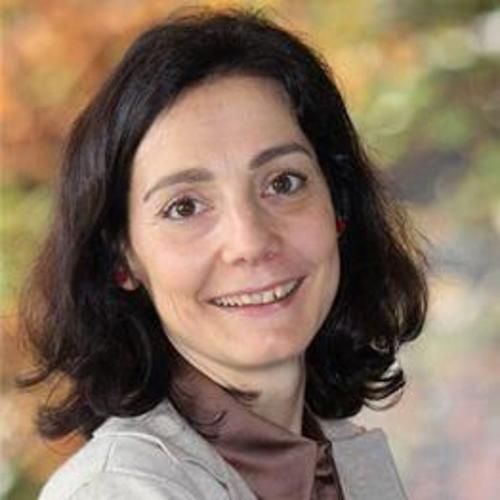
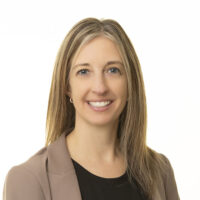
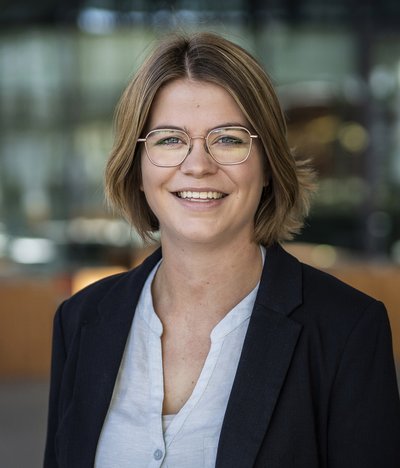
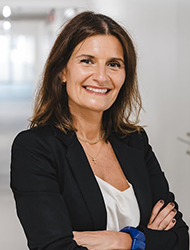
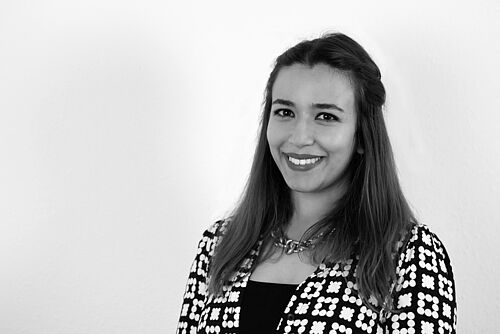
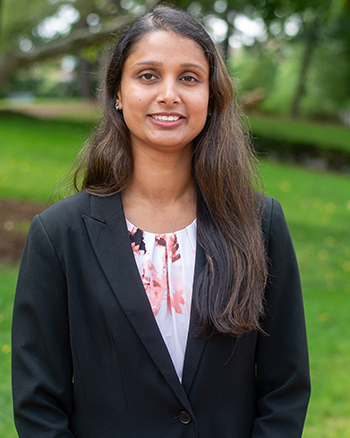
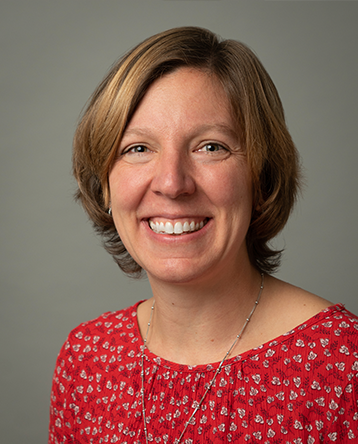
Ana Sancho Erkizia is a Professor in the Department of Biomedical Engineering and Sciences at Tecnun School of Engineering, part of the University of Navarra. Her work focuses on biomedical engineering and tissue engineering technologies. PhD in Biomedical Engineering (2008) from University of Navarra Research areas include: Tissue Engineering Nucleic Acids Technologies Capacitive Microsystems Active in the TEG Tissue Engineering and Nucleic Acids Technologies research group.
Dr. Gabriel P. López is a Distinguished Professor and Interim Chair in the Department of Chemical and Biological Engineering at the University of New Mexico (UNM), where he also serves as Vice President for Research. He holds adjunct professor appointments and has held roles at Duke University's Pratt School of Engineering, including founding director of the NSF Research Triangle Materials Research Science and Engineering Center. His research focuses on bio-interfacial phenomena, biomaterials, and self-assembly applied to medicine, biotechnology, and environmental quality. Education: Ph.D. in Chemical Engineering, University of Washington, 1991 B.S. in Chemical Engineering, University of Colorado, 1985 Dr. López has extensive leadership experience, including founding UNM's Center for Biomedical Engineering and directing its Biomedical Engineering Graduate Programs. He previously served on the Board of Directors of STC.UNM and led major interdisciplinary research initiatives. His work bridges chemical engineering with biomedical applications, emphasizing programmable self-assembly of soft matter and bio-analytical systems.
Dr. Kyla Sask is an Assistant Professor in the Department of Materials Science and Engineering and Associate Member of the McMaster School of Biomedical Engineering. Her research focuses on biomaterials development and surface modification strategies for medical devices, particularly blood-contacting applications and pediatric devices. Dr. Sask holds a B.Sc. in Chemical Engineering from Queen's University (2006) and a Ph.D. in Biomedical Engineering from McMaster University (2012). Her educational background combines engineering principles with biomedical applications. Her research examines biomaterial interfaces with biological systems, with specific interests in: Surface modification strategies for enhanced biocompatibility Protein and cell interactions at material interfaces Antithrombogenic biomaterials for blood-contacting devices Polymer functionalization using bioactive molecules Nanostructured biomaterials for medical applications Dr. Sask's publications focus on surface modification techniques including polydopamine coatings, covalent immobilization strategies, and nanostructured surfaces to control biological responses. Recent work explores multifunctional surfaces that combine antithrombotic and antimicrobial properties. She teaches courses on biomaterials synthesis and characterization, including MATLS 4LB2 (Synthesis and Characterization of Biomedical Coatings) and MATLS 4Y03 (Advanced Biomaterials: Applications and Device Design). Her industry experience includes previous work at Interface Biologics Inc. developing antithrombogenic polymer technologies.
Stephan Sylvest Keller is a Professor in the Department of Micro- and Nanotechnology at the Technical University of Denmark (DTU), affiliated with the National Centre for Nano Fabrication and Characterization and DTU Nanolab. His research lies at the intersection of materials science, microfabrication, and biomedical engineering, focusing on the development of 3D pyrolytic carbon microsystems for biosensing, neural interfaces, and bioenergy applications. His research interests include biomaterial microsystems , nanofabrication , microelectrode design , bioelectrochemical systems , and drug delivery platforms . He leverages advanced fabrication techniques such as additive manufacturing and lithography to create functional 3D carbon structures for applications in brain-on-a-chip , microsupercapacitors , and microbial energy harvesting . The recent articles highlight a strong trend in developing 3D pyrolytic carbon electrodes for electrochemical applications, spanning neuroscience, environmental remediation, and sustainable energy. Keywords across these works include bioelectrochemistry, microfabrication, and functional materials, with subfields ranging from retinal implants to microbial fuel cells and on-chip energy storage. He actively supervises multiple PhD students and leads cutting-edge projects such as INSECTS (Interdigitated Solar Electrochemical Capacitors) and MIRACLE (Microbial syntRophic metAbolism of CO2 on 3D carbon microeLectrodes for biohExanol production). His work contributes to UN Sustainable Development Goals related to clean energy and good health. His laboratory, embedded within DTU Nanolab, specializes in cleanroom-based micro- and nano-fabrication, focusing on translating engineered microsystems into biomedical and environmental applications. The team collaborates widely across disciplines, including microbiology, electrochemistry, and clinical neuroscience.
Emma Moonen is a Postdoc Researcher in the Microsystems Group at the Department of Mechanical Engineering, Eindhoven University of Technology (TU/e). She is a fellow in the national Faculty of Impact Program, focusing on commercializing sweat sensing devices for health monitoring. Her work involves discretized microfluidics and CRISPR-based analysis to enable non-invasive clinical insights from sweat. She holds a PhD (cum laude, 2024), MSc (2019), and BSc (2017) in Mechanical Engineering from TU/e. Her research spans wearable biosensors, microfluidic systems, and biomedical device development. Education: BSc in Mechanical Engineering, TU/e (2017) MSc in Mechanical Engineering, TU/e (2019) with research at the University of Cambridge on flexible electrodes for electrophysiology. PhD in Microsystems (2019–2024) under Prof. Jaap den Toonder, developing POC technology for antibody detection. Research Interests: Wearable sweat sensors, microfluidic platforms, point-of-care diagnostics, and biosensor integration. Her current projects include a hybrid patch for early health warnings and skin safety testing for electrowetting applications. Awards: PhD cum laude (2024) Grants & Roles: Funded by an NWO Faculty of Impact grant for commercializing sweat sensing devices. CTO of DXcrete, a startup potentially linked to her research. Member of the Eindhoven MedTech Innovation Center and Group Den Toonder. Labs & Teams: Eindhoven MedTech Innovation Center, Microsystems Group, and collaboration with institutions like the University of Cambridge and Jason Heikenfeld’s lab.
Ana Leite Oliveira is an Assistant Professor with Habilitation at the Escola Superior de Biotecnologia, Universidade Católica Portuguesa (UCP), where she also serves as the Director of the Master of Biomedical Engineering. She leads the Biomaterials and Biomedical Technology Laboratory at the Centre for Biotechnology and Fine Chemistry (CBQF), a key research center within the university. Her work bridges academic research and industrial innovation in advanced biomaterials. Her research is centered on natural-based biomaterials for tissue regeneration , with a strong emphasis on skin-related applications. She has pioneered work in silk sericin-based hydrogels , decellularized matrices , and supercritical CO₂ technology for sterilization and processing of biological materials. Her research aims to modulate the biofunctionality of biomaterials and ensure their safety for clinical translation, with a vision toward scalable production. Her recent publications (2019–2023) demonstrate a consistent focus on biomaterials innovation , particularly in decellularization , hydrogel development , 3D bioprinting , and wound healing . These works span high-impact journals in materials science and biomedical engineering, reflecting interdisciplinary collaboration and technological advancement in regenerative medicine. Ana Leite Oliveira has been actively involved in scientific service, serving as an Independent Expert for the European Commission since 2008. She has successfully coordinated multiple research projects funded by national, European, and private entities, demonstrating strong leadership in securing and managing research grants. Her innovation has led to 6 patents , with active collaboration with industry to develop new products and processes. She leads the Biomaterials and Biomedical Technology Laboratory , which focuses on developing advanced materials for regenerative medicine. The lab integrates expertise in biomaterials synthesis, processing, characterization, and biological evaluation, fostering a collaborative environment for training the next generation of biomedical engineers.
Hazal Kutluk is a Researcher at the Institute of Microtechnology , Faculty of Mechanical Engineering , Technische Universität Braunschweig. Her work intersects biomedical engineering and microtechnology for health applications. Academic Background: B.Sc. in Mechanical (Automotive) Engineering, Hacettepe University (2010-2015) M.Sc. in Microsystems Engineering, Albert-Ludwigs-Universität Freiburg (2015-2018) Research Focus: Developing organ-on-chip systems and microfluidic biosensors to study cellular biomechanics in bacterial infections and enable rapid biomolecule detection. Her work combines microfabrication , biomedical diagnostics , and infection mechanisms within the university's Engineering for Health initiative. Selected Publications explore trends in lab-on-a-chip diagnostics , ECM integration , and single-cell analysis , reflecting interdisciplinary approaches in biosensing and tissue engineering. Research Funding: Participated in the project Decoding Lyme Disease: From Microtechnology to Biomechanics (08/2020-02/2022), funded by 12plus6 (Faculty 4, TU Braunschweig).
Dr. Adam Wood is an Assistant Professor of Engineering at Saint Vincent College since 2020. He holds a Ph.D. in Mechanical Engineering from Carnegie Mellon University, an M.S. from the University of Illinois at Urbana-Champaign, and a B.S. from the University of Pittsburgh. His research focuses on sustainable water purification, microfabrication, and plant biology, particularly exploring biomimetic solutions for desalination using plant-derived materials and food waste. He actively engages students in research projects and career development. Dr. Wood’s work emphasizes environmental sustainability through innovative materials science, including carbon electrodes from bread and mangrove roots. His publications span desalination technologies, microfluidic cell studies, and soft robotics. He teaches courses such as Statics, Materials Engineering, and Design with Modern Materials. While no awards are explicitly noted, his research contributions highlight interdisciplinary approaches to global challenges like water scarcity and renewable materials. His advising and grants section remains underdeveloped in available texts, but his labs focus on biomimetic engineering and sustainable systems. Collaborations include studies on tumor cell behavior in soft matrices and chemotactic cell responses in microfluidics.
Shuo Li is a Professor in the Department of Macromolecular Engineering at ETH Zürich, Switzerland. His research focuses on innovative biomaterials, bioelectronic systems, and implantable medical devices. Key areas include bioresorbable materials for transient electronics, flexible/stretchable sensors, and soft robotics applications. His work integrates materials science with biomedical engineering to address challenges in tissue integration, real-time diagnostics, and programmable drug delivery. Recent projects emphasize wireless implantable sensors for continuous monitoring of physiological parameters such as blood flow, oxygen saturation, and pH levels in surgical flaps and organ grafts. He has pioneered 3D shape-morphing displays using liquid metal actuators and developed self-healing elastomeric switches for haptic interfaces. His research spans biomaterial synthesis, optoelectronics, and additive manufacturing of soft materials. Publications highlight advancements in bioresorbable platforms for drug delivery, light-controlled actuation systems, and optical probes for in vivo pharmacology. His interdisciplinary approach bridges material design, device fabrication, and clinical applications, with a focus on translating lab innovations into practical medical solutions. Advising and grants: No specific advisees or grant details listed in the provided text. However, his extensive publication record indicates active collaboration with research groups in bioelectronics, soft robotics, and biomedical engineering. Labs/Teams: Likely affiliated with ETH's Macromolecular Engineering lab and collaborate with multidisciplinary teams in materials science, robotics, and medical device development.
Prof. Dr. Volker Bucher serves as a Professor at Hochschule Furtwangen University (HFU) at the Schwenningen campus, maintaining regular office hours on Wednesdays from 10:00 AM to 11:00 AM in room D 1.09. His direct contact email is volker.bucher@hs-furtwangen.de, reflecting his active engagement with the academic community. His research centers on biomedical engineering with emphasis on medical implant development and microsystem technology. Key focus areas include biopotential recording for ophthalmic applications, atomic layer deposition (ALD) for biocompatible coatings, and intraocular sensor design. His work bridges engineering and clinical medicine to advance diagnostic and therapeutic devices, particularly for vision correction and neural interfaces. Recent projects explore ciliary muscle biopotentials for presbyopia treatment and antibacterial hydrogel coatings for orthopedic implants. Analysis of his 2023-2025 publications reveals dominant trends in minimally invasive biopotential monitoring systems, especially wireless intraocular sensors for accommodation measurement. Parallel research advances surface engineering techniques like area-selective ALD and catalytic etching to improve electrode integration and longevity in active implants. His work consistently addresses critical challenges in medical device encapsulation, sterilization resilience, and biocompatibility. Prof. Bucher actively supervises student research in medical device engineering, though specific advisee names are not documented in available sources. His extensive publication record spanning over 25 years (1997-2025) indicates sustained grant funding for projects at the intersection of microfabrication, biomaterials, and ophthalmic/neural engineering, with recent work heavily concentrated on presbyopia correction technologies and implantable sensor systems.
Maria Tenje is a Professor of Microsystems Engineering at the Department of Materials Science , Uppsala University. Since July 2021, she has served as Director of the Department of Medical Technology. She leads the EMBLA research group , focusing on miniaturized systems for life science applications through advanced micro- and nanofabrication methods integrated into microfluidic platforms. Research Interests : Her work centers on biomedical engineering , microfluidics , organ-on-chip technology , and acoustophoresis . Key areas include droplet-based microfluidics, biomaterial evaluation, and developing cell culture systems with enhanced physiological relevance. Recent publications highlight innovations in 3D acoustic mixing , antibiotic resistance detection , and microfluidic platforms for single-cell respiration . Publications Trends : Her 15 most recent articles (2021-2025) span droplet microfluidics, organ-on-chip systems, and acoustic particle manipulation. These studies explore biomaterial biocompatibility , cellular response modeling , and microscale diagnostic tools , often in collaboration with interdisciplinary teams.
Eva Pålsgård is an Associate Professor in Engineering Physics with a focus on Microsystems Engineering at Uppsala University. She currently serves as a Research Advisor at the University Administration, specifically within the Office for Technology and Natural Sciences, Unit for Research Support. Her work focuses on Horizon Europe initiatives including EIC & EIT RawMaterials, Energy, Biotechnology KIC, with expertise spanning biomaterials, energy systems, and sustainable development. Dr. Pålsgård earned her Doctor of Philosophy in Ion dynamics in insulin-producing cells. Her academic journey includes: Marie Curie Fellow (1998) Postdoctoral fellow and researcher at the University of Oxford (1994-1999) Eva's research spans multiple interdisciplinary fields with a strong focus on materials science and biomedical applications . Her work in biomaterials has led to significant contributions in bone implant technology, particularly with nano-porous alumina coatings that improve osseointegration. She has also conducted important research in energy systems , nuclear engineering , and sustainable development , with specific expertise in electrochemical energy storage and nuclear fission/fusion technologies. Her methodology often involves advanced nuclear microscopy and X-ray microanalysis techniques to study elemental distributions in biological systems. Analysis of Dr. Pålsgård's publication record reveals a clear evolution in her research focus. Early in her career, she concentrated on cellular biology, particularly studying ion dynamics in insulin-producing cells using nuclear microscopy techniques. Over time, her research shifted toward biomaterials and bone implant technology, with numerous publications on nano-porous alumina coatings for medical applications. More recently, her work has expanded into energy systems and sustainable development, reflecting her current role advising on Horizon Europe initiatives in these areas. This progression demonstrates her ability to apply fundamental materials science principles across diverse application domains. Among her notable recognitions: Marie Curie Fellow (1998) As a Research Advisor for Horizon Europe programs, Dr. Pålsgård provides strategic guidance on research funding applications, particularly in the areas of EIC & EIT RawMaterials, Energy, and Biotechnology KIC. Her extensive background in both academic research and industry (including previous positions at VINNOVA, Pharmacia Diagnostics, Q-Med, and Karolinska Institutet) gives her unique insights into translating research into practical applications. She has been involved in numerous collaborative projects bridging academia and industry in the fields of biomaterials, energy systems, and sustainable technologies. Dr. Pålsgård's research has been conducted through collaborations with multiple institutions including the University of Oxford, Karolinska Institutet, and Chalmers University of Technology. Her work on bone implant interfaces involved interdisciplinary teams combining expertise in materials science, orthopedics, and cellular biology. Currently, through her advisory role, she connects researchers across Europe working on sustainable energy solutions, raw materials innovation, and biotechnology applications.
Roman Voronov is an Associate Professor in the Department of Chemical and Materials Engineering at the New Jersey Institute of Technology (NJIT). He joined NJIT in 2013 and holds a Ph.D. in Chemical Engineering from the University of Oklahoma (2010). His research focuses on microfluidics, tissue engineering, and computational modeling, with applications in bioprinting and cell migration studies. His work emphasizes developing cost-effective materials and technologies for biomedical applications, including addressable microfluidic systems and scaffold optimization for tissue culture. Education: Ph.D., Chemical Engineering, University of Oklahoma, 2010 M.S., Chemical Engineering, University of Oklahoma, 2006 B.S., Chemical Engineering, University of Oklahoma, 2003 Research Interests: Dr. Voronov’s research combines engineering principles with biomedical applications, including: Development of low-cost microfluidic platforms for cell manipulation and tissue engineering Computational modeling of mass transport and fluid dynamics in biological systems Bioprinting and 3D fabrication of functional tissues and organs Analysis of cell migration cues and decision-making in microfluidic environments Labs and Teams: His research is supported through collaborations and access to advanced facilities, including his lab’s online presence at http://cell.engineering .
Devina Jaiswal serves as an Associate Professor of Biomedical Engineering at Western New England University, based in Sleith Hall with contact details including phone (413-782-1618) and email (devina.jaiswal@wne.edu). Her academic foundation includes advanced degrees from Pennsylvania State University and the University of Connecticut, establishing her expertise in biomaterials and cellular mechanics. Her educational background comprises: M.S. from Pennsylvania State University Ph.D. from the University of Connecticut Dr. Jaiswal's research centers on Tissue Engineering , BioMEMS , Drug Delivery , and Mechanobiology , with emphasis on mechanical micro-heterogeneity in biomimetic systems. She pioneers label-free characterization techniques and microtweezers-based stiffness analysis for 3D spheroids, bridging engineering principles with biological applications to advance regenerative medicine and cancer therapeutics through innovative biomaterial design. Her publication record (2012-2018) demonstrates consistent focus on mechanical properties of biomaterials and cellular microenvironments. Key themes include nanofiber matrix development for tissue scaffolds, osteoblast response to topographical cues, and micromagnetic cell manipulation systems. These works reveal strong interdisciplinary integration across biomedical engineering, materials science, and cell biology with direct applications in drug delivery optimization and tumor microenvironment modeling. No scientific awards are mentioned in the provided text. While specific advisees and grant funding details are not enumerated, her extensive co-authorship with researchers like Kazunori Hoshino and Kevin P. Claffey indicates active mentorship of graduate students and participation in collaborative research projects. The publication patterns suggest involvement in sustained grant-supported investigations into biomaterial mechanics and cellular response mechanisms. Dr. Jaiswal operates within a specialized laboratory environment focused on biomaterials characterization and cellular mechanics, utilizing microtweezers and micromagnetic systems for real-time single-cell analysis. Her research group maintains strong interdisciplinary connections with collaborators across multiple institutions, driving innovation in tissue engineering platforms and diagnostic microsystems.
Rosalyn Abbott is an Associate Professor in the Department of Biomedical Engineering at Carnegie Mellon University's College of Engineering. She leads the Abbott Lab which focuses on adipose tissue engineering, silk biomaterials, and non-invasive tissue assessments to study obesity and its link to type II diabetes. Her educational background includes: Ph.D. in Bioengineering from the University of Vermont (2012) MS in Biomedical Engineering from Rensselaer Polytechnic Institute (2008) BS in Biomedical Engineering from Rensselaer Polytechnic Institute (2008) Prof. Abbott's research centers on developing human adipose microenvironments that respond to stimuli hypothesized to alter disease mechanisms, particularly the transition from obese tissues to insulin-resistant type II diabetic tissues. Her lab integrates systems-based modeling with tissue engineering, perfusion bioreactors, and mechanical studies, using silk as a natural biomaterial to support long-term culture of adipose micro-environments in vitro. She is also actively involved in cellular agriculture research for sustainable meat production. Analysis of her recent publications reveals a strong focus on adipose tissue modeling, with particular emphasis on developing fat-on-a-chip systems, studying patient variability in adipose tissue, and exploring vascularized adipose constructs using decellularized matrices. Her work bridges fundamental tissue engineering with translational applications for metabolic disease research and sustainable food technologies. Among her notable scientific achievements is receiving an NSF CAREER Award for her research in biomedical engineering. Her work has been featured in various media outlets including Technology Networks' 'Teach Me in 10' episode, PCN Capital news, BuiltIn, and Tech Times. Prof. Abbott leads an active research group that includes undergraduate and graduate students. Recent lab news highlights include securing a $42M ARPA-H award for an implantable bioelectric medicine project, student successes such as Khushi graduating with her Master's and continuing as a PhD student, and presentations at various conferences. She actively mentors students who present their research at events like Meeting of the Minds. The Abbott Lab works at the interface of materials science and regenerative medicine, investigating how the 3D microenvironment affects tissue development and disease. Current research focuses on adipose tissue engineering strategies, silk biomaterials, and non-invasive tissue assessments to study obesity and its link to type II diabetes.