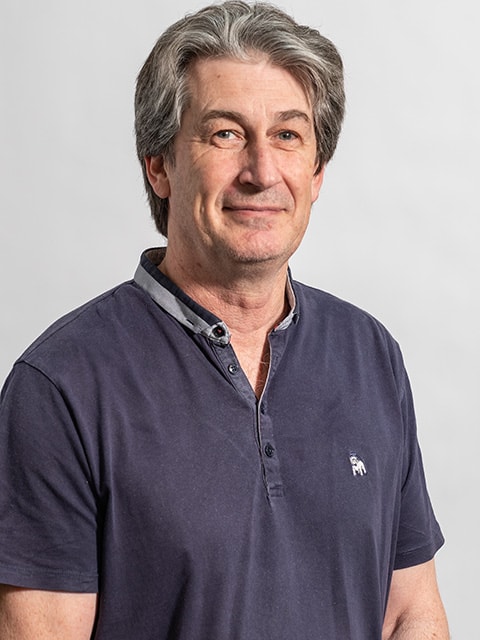
Professor Graham Sander is a Professor of Hydrology at Loughborough University, affiliated with the School of Civil and Building Engineering. His research focuses on mathematical modeling of soil erosion, unsaturated soil flow, contaminant transport dynamics, and nonlinear diffusion-convection equations. He leads the NERC-funded project on multi-dimensional soil erosion and chemical transport, collaborating with Lancaster University’s Department of Environmental Science. His academic qualifications include a BSc (Hons) and PhD. Recent research emphasizes integrating particle size-selective models to predict sediment and contaminant delivery to water bodies, supported by lab and field experiments. He has also pioneered pseudospectral methods for infiltration modeling and explored flood risk management through nature-based solutions like leaky barriers. Key contributions include advancing understanding of rainfall-driven erosion dynamics, including splash effects and rock fragment coverage impacts. His work spans experimental hydrology, numerical simulation, and interdisciplinary approaches to environmental challenges. He co-edits hydrology journals and advocates for rigorous scientific communication in the field. Grants: NERC-funded soil erosion project, Australian Research Council project on unsaturated soil flow. Labs/Teams: Collaborator with Lancaster University’s Environmental Science Department.
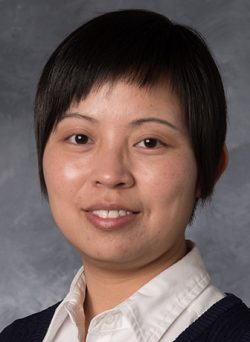
Professor Ingrid Undeland leads the Marine research group at the Division of Food and Nutrition Science, Department of Life Sciences at Chalmers University of Technology. She is a distinguished researcher with expertise spanning marine food science, lipid chemistry, and blue biorefining, having established herself as a leading figure in sustainable seafood research and marine biotechnology. Her educational background includes food science studies from Linnaeus University and a PhD in bioscience from Chalmers University of Technology and SIK (now RISE). Between 1999-2002, she was a post-doctoral fellow at University of Massachusetts Marine Station, which significantly shaped her research trajectory in marine food science. Professor Undeland's research focuses on pioneering next-generation seafood through innovative value chains from seaweed, small pelagic fish, fish side streams, mussels, and microalgae. Her specialized expertise lies in marine lipids and proteins, particularly their stabilization, isolation from complex sources, and nutritional properties including digestibility. She has extensive experience with antioxidant strategies using plant-derived side streams or extracts and fundamental studies of fish hemoglobins as pro-oxidants. Her work also encompasses innovative technologies for biomass fractionation and nutrient recycling to build blue biorefineries, along with in vitro digestion models and general seafood analytics. Beyond marine research, she explores filamentous fungi as sustainable alternative food protein sources. The trends in her recent publications reveal a strong emphasis on valorizing marine resources through advanced processing techniques. Her work increasingly focuses on sustainable extraction methods for seaweed proteins, particularly Ulva fenestrata, and developing antioxidant strategies using berry side streams to stabilize fish proteins. There's a growing interest in understanding the nutritional properties and digestibility of alternative marine proteins, along with environmental assessments of processing technologies. Her research consistently bridges fundamental science with practical applications for creating sustainable seafood value chains. Swedish representative in Nordic Lipidforum, WEFTA, and EuCheMS Editorial board member of Journal of the Aquatic Food Product Technology Member of the National Committee for Nutrition and Food Science at the Royal Swedish Academy of Sciences Co-founder of the startup company AquaFood H-index of 47 according to Google Scholar Professor Undeland has an extensive record of academic mentorship, having supervised or currently supervising 23 PhD students, 14 postdoctoral researchers, and examining over 25 MSc students. Her research is supported by numerous grants, including the WaSeaBi Project which focuses on valorizing seafood side-streams through holistic value chain design. She collaborates with various industry partners and academic institutions across Europe. Her laboratory includes technicians Dr. Karin Larsson and Dr. Rikard Fristedt, and she leads a dynamic research team working on multiple projects related to marine biorefining and sustainable seafood development. Her research group operates within well-equipped facilities at Chalmers University, with specialized laboratories for marine food analysis, protein extraction, lipid oxidation studies, and in vitro digestion modeling. The team also maintains cultivation systems for seaweed and filamentous fungi, enabling integrated research from raw material production to final product development.
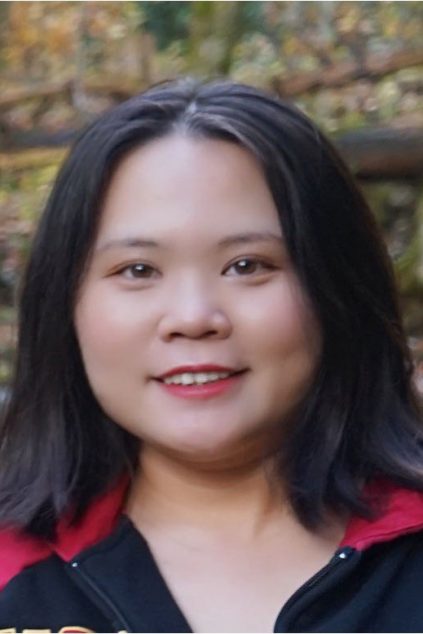
Susie Dai is a Professor in the Department of Chemical and Biomedical Engineering at the University of Missouri, with a laboratory located at the Bond Life Sciences Center. Her research bridges chemistry, biology, and engineering to address critical environmental and sustainability challenges. Education: PhD in Chemistry from Duke University; Certificate in Biomedical Engineering from Duke University; Certificate in Regulatory Science from Texas A&M University; BS in Chemistry from Fudan University Dr. Dai specializes in biological and material engineering, carbon waste conversion, contaminant remediation, and synthetic biology. She is developing RAPIMER, a lignin-based fungal scaffold for PFAS removal, and pioneering electro-microbial systems to convert CO2 into bioplastics and biofuels. Her work focuses on scalable, sustainable solutions for environmental pollutants and carbon utilization. Recent research trends include creating biomimetic materials for sustainable packaging, optimizing lignocellulosic biorefineries, and designing lignin-derived photocatalysts. She leads projects funded by Tito's Handmade Vodka's philanthropic arm for PFAS remediation and collaborates with the NSF Engineering Research Center CURB at Washington University in St. Louis. At Mizzou, Dai integrates engineering and life sciences, leveraging both Mizzou Engineering and Bond Life Sciences Center's resources. Her interdisciplinary approach combines electrochemistry, microbial engineering, and social impact analysis to advance circular bioeconomy solutions.
Dr. David Burton is a Professor in the Department of Plant, Food, and Environmental Sciences at Dalhousie University's Faculty of Agriculture. He serves as Director of the Centre for Sustainable Soil Management and leads initiatives in soil health, greenhouse gas emissions, and sustainable agricultural practices. His teaching spans undergraduate and graduate courses in soil science, nutrient management, and climate change. Research focuses on microbial metabolism in soil, nitrogen cycling, and the environmental impacts of agricultural practices. He co-founded the Atlantic Soil Health Lab and manages the Greenhouse Gas Analysis Lab. Key affiliations include the Canadian Society of Soil Science (Fellow), Soil Conservation Council of Canada, and Fertilizer Canada's 4R Research Network. Recent work emphasizes soil's role in climate resilience, including presentations on regenerative farming and soil carbon sequestration. He collaborates with government and industry to develop climate-smart soil management policies and tools for nitrogen management optimization. Awards: Fellow of the Canadian Society of Soil Science Labs: Centre for Sustainable Soil Management, Greenhouse Gas Analysis Lab, Atlantic Soil Health Lab Grants: NSERC CREATE Climate Smart Soils
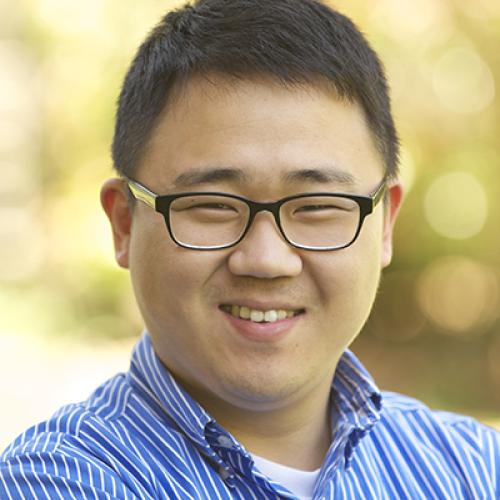
Dr. Qing Jin is an Assistant Professor of Food Science at the School of Food and Agriculture, College of Natural Sciences, Forestry and Agriculture, University of Maine. Her research focuses on economically-viable and environmentally-friendly food system innovation, with emphasis on value-added utilization of food waste and by-products through advanced processing technologies. Education: Ph.D. (2020) from Virginia Tech She teaches courses on food engineering principles (FSN 485), food engineering lab (FSN 486), food preservation (FSN 502), and co-teaches an advanced graduate seminar (AVS 633/FSN 671). Supported by the Maine Agricultural and Forest Experiment Station, her current Hatch project (ME022423) explores sustainable food industry solutions through biorefinery approaches. Her work spans food waste valorization, biofuels, bioproducts, and techno-economic analysis. Recent publications highlight her expertise in dietary fiber modification, fermentation optimization, biochar development, and polyphenol extraction from agricultural waste streams. She actively seeks undergraduate and graduate research assistants for her lab. Contact: qing.jin@maine.edu | Office: 109 Hitchner Hall | Phone: 207-581-1687
Dr.-Ing. Steffen Klamt leads the Research Group 'Analysis and Redesign of Biological Networks' at the Max Planck Institute for Dynamics of Complex Technical Systems in Magdeburg, Germany, where he has been employed since 1998. He received his Diplom-Systemwissenschaftler degree from the University of Osnabrück in 1998 and his Dr.-Ing. from the University of Stuttgart in 2005. His research focuses on computational systems biology with emphasis on metabolic engineering, biochemical networks analysis, and bioprocess optimization. He develops computational tools like CellNetAnalyzer for network analysis and StrainDesign for metabolic engineering applications. Key research areas include constraint-based modeling, minimal cut sets analysis, and dynamic optimization of metabolic processes. His recent publications demonstrate strong focus on multi-stage bioprocess optimization, enzyme cascade engineering, and novel strain development strategies for chemical production. Common themes include ATP manipulation strategies, thermodynamic constraints in metabolism, and integration of experimental data with computational models. Scientific Awards: Ernst Dieter Gilles Lecture Award Ernst Dieter Gilles Fellowship He leads a research group developing computational methods for metabolic network analysis and maintains collaborations with experimental groups for model validation and application. The group develops open-source software tools widely used in systems biology research.
Dr. Renske Hijbeek is an Associate Professor at the Plant Production Systems group of Wageningen University & Research. Her research focuses on nutrient management in arable farming systems, emphasizing soil fertility improvement through organic waste recycling, legume cultivation, and minimizing environmental impacts like greenhouse gas emissions. She teaches courses including 'The Carbon Dilemma - A Soil Perspective' and 'Analysing Sustainability of Farming Systems'. Key projects include the GRA Benchmarking Nutrient Circularity and EDF Soil Carbon Sequestration initiatives. Her work integrates agronomy with ecological principles to achieve sustainable agricultural practices globally. Research Contributions: Dr. Hijbeek's projects address nutrient circularity, soil carbon dynamics, and organic amendment efficiency across temperate and tropical regions. Recent work explores dietary impacts on nitrogen fertilizer dependency and systemic redesign of food production systems. Collaborations: Active in international collaborations like the Global Crop Nutrient Removal Database and the CATCH-C Legumes project in Tanzania. Her interdisciplinary approach bridges crop science, environmental management, and policy analysis.
Professor Emiliano Cortés is a faculty member at the Ludwig Maximilian University of Munich (LMU), where he leads research in Plasmonic and Photonic Chemistry at the Nano-Institute Munich. His work bridges the fields of nanotechnology, physical chemistry, and materials science, focusing on light-matter interactions for energy conversion applications. Dr. Cortés' research focuses on plasmonics , photocatalysis , and electrocatalysis at the nanoscale. His group investigates how the dynamics of photons, plasmon-polaritons, carriers, phonons, and molecular states influence chemical reactivity. A key aspect of his work involves developing techniques to study plasmonic systems at the single particle level and designing rational synthesis approaches for plasmonic colloidal photo and electrocatalysts. His research has significant implications for sustainable energy technologies, environmental remediation, and advanced sensing applications. Analysis of Professor Cortés' recent publications reveals a strong focus on energy conversion processes, with particular emphasis on CO2 reduction, ammonia synthesis, and hydrogen production. His work integrates plasmonic effects with catalytic processes to enhance reaction efficiencies, often through innovative interface engineering and nanostructure design. The research spans fundamental studies of charge carrier dynamics to practical applications in energy storage and environmental technologies. Professor Cortés actively mentors doctoral candidates and postdoctoral researchers, currently advertising open positions for projects on Single particle photo and electrocatalysis and Synthesis of hybrid colloids . His research group, the Hybrid Plasmonics Lab (www.hybridplasmonics.org), receives funding from various sources to support their work on plasmon-mediated chemistry for sustainable applications. The Cortés research group operates within the Nano-Institute Munich, utilizing state-of-the-art facilities for nanomaterial synthesis, characterization, and testing. Their work combines experimental approaches with theoretical modeling to understand and harness light-matter interactions at the nanoscale for practical applications in energy conversion and environmental technologies.
Dr. Heesung Woo is an Assistant Professor of Advanced Forestry at the College of Forestry, Oregon State University , specializing in robotics, sensor integration, and precision forestry. His work focuses on autonomous forestry machinery, AI-driven forest management, and sustainable practices. He advises two graduate students and collaborates internationally through research projects. Research Interests: Autonomous Forest Machinery Development Sensor Integration & ICT Solutions Precision Forestry via Remote Sensing/LiDAR/GIS Machine Learning for Forest Inventory Advanced Forestry Practices for Sustainability Publications emphasize innovative applications of technology in forestry, including LIDAR integration, harvester data analytics, and carbon offset project modeling. His work bridges engineering, environmental science, and policy. Dr. Woo leads the Advanced Forestry Lab at Oregon State, focusing on real-world deployment of cutting-edge technologies to address challenges in forest operations, sustainability, and resource optimization.
Ana Inés Torres is an Associate Professor in the Department of Chemical Engineering at Carnegie Mellon University's College of Engineering. She leads an active research group focused on sustainable process systems engineering, with affiliations at the Center for Advanced Process Decision-Making and the Wilton E. Scott Institute for Energy Innovation. Her work bridges chemical engineering with sustainability challenges, particularly in decarbonization and circular economy applications. Dr. Torres earned her educational credentials from Universidad de la República Oriental del Uruguay and the University of Minnesota: Ph.D. in Chemical Engineering, University of Minnesota (2013) Diploma in Chemical Engineering, Universidad de la República Oriental del Uruguay (2005) B.S. in Chemistry, Universidad de la República Oriental del Uruguay (2003) Her research interests span process systems engineering with a sustainability focus, particularly in chemical industry decarbonization through electrification and biomass utilization, circular economy network analysis, and environmentally-friendly rare earth element recovery processes. She integrates modeling, analysis, and optimization to design clean and sustainable chemical processes, with growing emphasis on machine learning applications in process optimization. Analyzing her recent publications reveals a strong focus on decarbonization strategies for existing industrial infrastructure, particularly oil refineries, and circular economy network design. Her work demonstrates increasing integration of machine learning with traditional process systems engineering approaches to tackle complex sustainability challenges across multiple scales, from molecular recovery processes to entire supply chain networks. Dr. Torres has received several prestigious recognitions: NSF CAREER award (2024) Dean's Early Career Fellowships award (2025) Consultant for United Nations Industrial Development Organization (UNIDO) (2024) Associate editor of Clean Technologies and Environmental Policy She actively mentors a diverse group of graduate students working on cutting-edge sustainability challenges, with recent projects focusing on circular economy networks, rare earth element recovery, and bio-refinery design. Her research has attracted significant funding, including the NSF CAREER award, and she participates in multiple collaborative initiatives through CMU's energy research centers. Dr. Torres also serves as an invited speaker at major conferences including FOCAPD and FOCAPO/CPC. Dr. Torres leads the Torres Research Group at CMU, which maintains strong connections with industry partners and international organizations including UNIDO. The group operates within CMU's robust energy research ecosystem, collaborating with the Wilton E. Scott Institute for Energy Innovation and the Center for Advanced Process Decision-Making to address complex sustainability challenges through interdisciplinary approaches.
John Bell is a Professor and Deputy Vice-Chancellor (Research and Innovation) at the University of Southern Queensland (UniSQ), based at the Springfield Campus. He holds a BSc from the University of Sydney and a PhD from the University of New South Wales (UNSW). His leadership role involves overseeing research strategy and innovation initiatives across the institution. Bell's research spans advanced materials and energy technologies, with expertise in: Nanomaterials synthesis and characterization Renewable energy generation/storage (photovoltaics, batteries) Functional polymers and composite materials Semiconductor device engineering Smart building technologies His recent publications (2022-2025) demonstrate a strong focus on sustainable energy solutions, particularly next-generation batteries, solar cells, electrochromic devices, and nanotechnology-enabled sensors. Over 80% of his recent work addresses materials innovation for decarbonization and energy efficiency.
Rhett C. Smith is a Professor of Chemistry at Clemson University, leading a research group dedicated to sustainable materials innovation since 2006. His work focuses on transforming industrial waste streams into high-performance composites through green chemistry approaches. His academic background includes: B.S. in Chemistry from the University of Toledo Ph.D. in Chemistry from Case Western Reserve University NIH Postdoctoral Fellowship at MIT Professor Smith's research pioneers waste valorization using elemental sulfur and biomass derivatives. Key areas include: Upcycling mixed plastic and food waste into structural materials Developing sulfur-based polymers for sustainable construction Creating circular economy solutions for agricultural byproducts His group's work bridges fundamental chemistry with commercial applications in South Carolina's industrial sector. Recent publications reveal a strong trend toward atom-economical processes using waste sulfur and biomass. The research emphasizes scalable technologies for plastic recycling and sustainable cement alternatives, with increasing focus on food waste upcycling and flame-retardant composites. Major recognitions include: National Merit Scholar and NIH Postdoctoral Fellowship Two-time InnoVision Award Finalist (2024 Sustainability category) Fats and Proteins Research Foundation Innovate Award Fred Bisplingoff Research Innovation Award Professor Smith has mentored over a dozen Ph.D. students to successful careers in national labs and industry. His group secured seven major grants in Spring 2024 from NSF, USDA, and industry partners to advance sustainable materials for structural applications. Current projects focus on upcycling post-consumer waste streams and developing carbon-negative building materials. The Smith Research Group operates as a collaborative hub within Clemson's chemistry department, recently expanding to include four faculty co-leaders (Tennyson, Ashlyn Smith, and Sauceda). The team maintains strong industry partnerships while promoting academic accessibility through open educational resources.
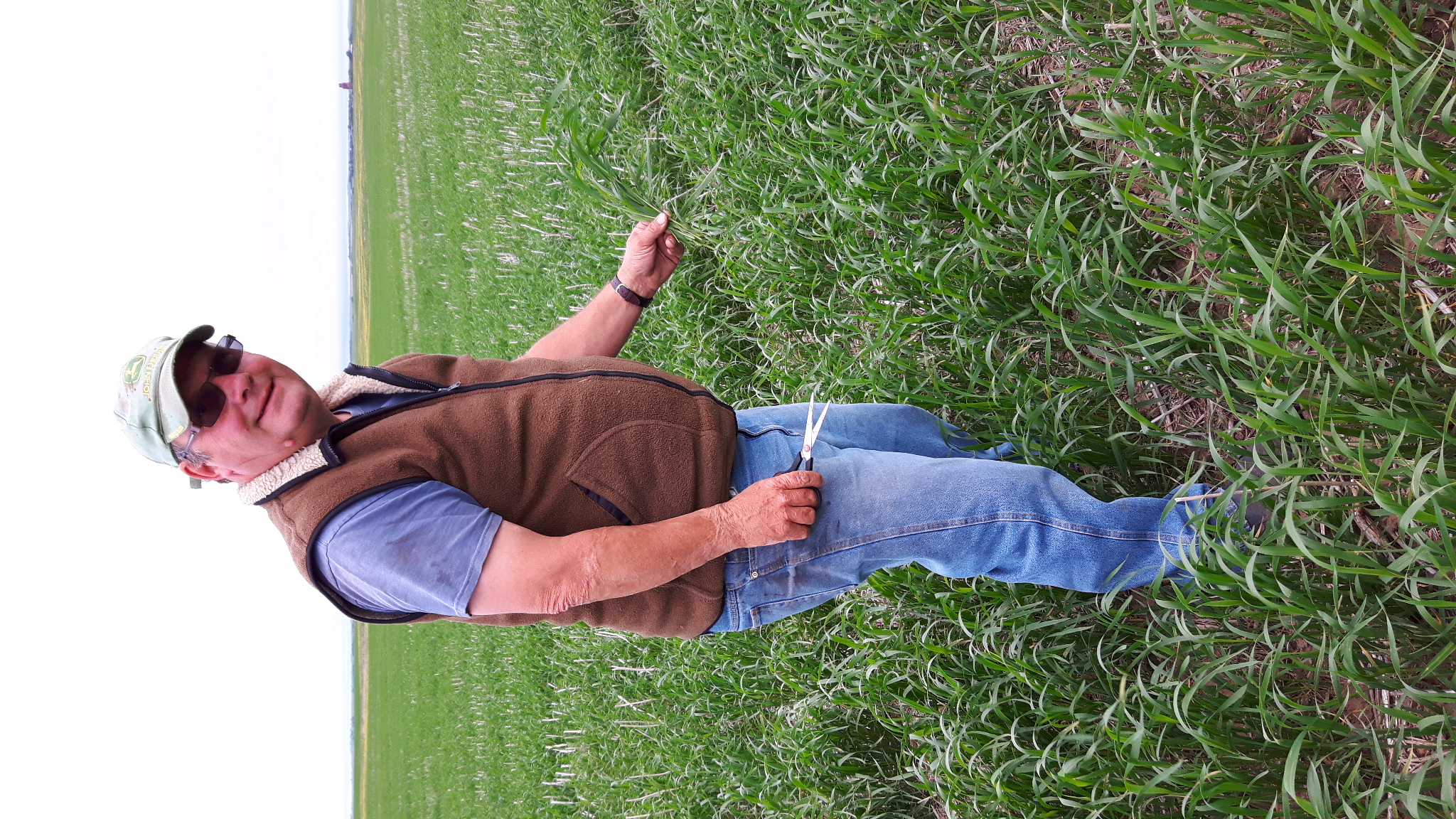
Dr. Jeff Schoenau is a Professor of Soil Fertility and Saskatchewan Ministry of Agriculture Strategic Research Chair in Soil Nutrient Management at the University of Saskatchewan's Department of Soil Science within the College of Agriculture and Bioresources. His research focuses on soil management strategies to enhance fertility, productivity, and health in prairie agricultural soils, including nutrient cycling, organic amendments, and salinity management. Education: Ph.D. (Soil Science, 1988) and B.S.A. (Agronomy, 1984) from the University of Saskatchewan. Affiliations: Fellow of the Agricultural Institute of Canada, member of the Saskatchewan Agriculture Hall of Fame (2022). Research Interests His work emphasizes 4R fertilization practices, cropping systems for soil organic matter improvement, novel nutrient/water management strategies, problem soils (e.g., saline/sodic lands), and greenhouse gas emissions mitigation. Awards Recipient of multiple accolades, including the 2024 Teaching Excellence Award, 2023 Professor of the Year, and the 2004 NSERC Synergy Award for innovation in plant root simulator technology. Teaching & Outreach Teaches courses on soil fertility, field studies, and soil characterization. Actively involved in farming with his wife, balancing academic and agricultural pursuits.
Fabian Pfrengle is a full Professor of Organic Chemistry at the Institute of Organic Chemistry , Department of Natural Sciences and Sustainable Resources , University of Natural Resources and Life Sciences Vienna (BOKU). He previously led research groups at the Max Planck Institute of Colloids and Interfaces (2013-2020) and worked at The Scripps Research Institute (2010-2013). Research Focus: His work bridges carbohydrate chemistry and plant biology , specializing in plant cell wall glycans and glycosyltransferases . He develops synthetic glycan arrays for enzyme characterization and investigates immune response triggering mechanisms in plants through oligosaccharide fragments . His projects include automated polysaccharide synthesis and liposome-based immune tolerance applications. Publication Trends: His 15 most recent articles emphasize chemical synthesis of sugar nucleotides , plant glycan arrays , and enzyme specificity analysis , reflecting his focus on carbohydrate engineering and plant immunity . Key subfields include UDP-sugar derivatization , Xylan structure-function relationships , and Glycosyltransferase profiling . Grants & Projects: Currently leads 5 major projects including Automated Algal Polysaccharide Synthesis (EU-funded, 2023-2028) and Synthetic Glycan Ligands for Plant Immune Receptors (FWF-funded, 2022-2026). His research also explores thrombocyte biology and Rhamnogalacturonan-II fragments with support from FWF and City of Vienna . Community Service: Serves on editorial boards ( Monatshefte für Chemie , 2021-present) and as reviewer for 12 journals including JACS Au , Nature Communications , and Angewandte Chemie . Member of professional societies: Gesellschaft Österreichischer Chemiker (2020), Deutscher Hochschulverband (2019), and Gesellschaft Deutscher Chemiker (2008).
Dmitry Murzin is a Professor at the Faculty of Science and Engineering, Åbo Akademi University, leading the Laboratory of Industrial Chemistry and Reaction Engineering Technologies for a Sustainable Future. His expertise focuses on catalysis, reaction engineering, and sustainable chemical processes. Key projects include the Flexible Clean Propulsion Technologies (Business Finland, 2024–2027) and Rebuilding Education and Research in Chemistry and Chemical Technology in Ukraine (Ministry/Government Agency, 2023–2025). Research interests span catalyst development for methane reforming, biomass valorization, and sustainable fuel production. Notable contributions include studies on heterogeneous catalysis, zeolite-based composites, and reactor technology optimization. Recent work emphasizes eco-friendly processes for converting biomass into high-value chemicals. Over 698 publications and 2 active projects highlight his prolific output in catalytic reaction engineering. Collaborations span global institutions, addressing challenges in energy, environment, and materials science. Advising 2 students, he also hosts academic visitors to advance collaborative research. Labs/Teams: Directly leads the Laboratory of Industrial Chemistry and Reaction Engineering Technologies for a Sustainable Future , fostering innovation in sustainable chemical processes.