- Systems Dynamics
- Climate Change
- Sustainability
- +۴ مورد دیگر
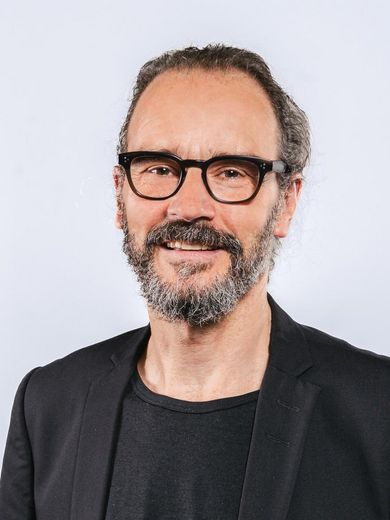
John D. Sterman is the Jay W. Forrester Professor of Management at the MIT Sloan School of Management and a Professor in the MIT Institute for Data, Systems, and Society. He serves as Director of both the MIT System Dynamics Group and the MIT Sustainability Initiative at MIT Sloan. With decades of experience in systems thinking and sustainability, Professor Sterman is a leading expert in understanding complex systems dynamics in business, environmental, and social contexts. Professor Sterman's research focuses on systems dynamics, climate change, sustainability, business management, and energy systems. His work bridges academic theory with practical applications through interactive management flight simulators like the World Climate Simulation, Fishbanks, and the Beer Game. These tools help students, policymakers, and business leaders understand complex systems and develop effective strategies for sustainability challenges. His research emphasizes the interconnectedness of economic, environmental, and social systems, particularly in addressing climate change. Professor Sterman has received significant recognition for his work, including his named professorship as the Jay W. Forrester Professor of Management. His leadership extends to directing the MIT System Dynamics Group, which pioneered systems dynamics methodology at MIT in the 1950s, and the MIT Sustainability Initiative, which applies academic rigor to real-world sustainability problems. He has developed influential educational tools used globally for management education and climate policy understanding. Director, MIT System Dynamics Group Director, MIT Sustainability Initiative at MIT Sloan Professor, MIT Institute for Data, Systems, and Society Professor Sterman's work has been featured in numerous media outlets including The New York Times, Washington Post, Bloomberg, and MIT Sloan publications. He has advised policymakers and business leaders on climate change strategies and sustainability practices, emphasizing the urgent need for action on climate change through existing technologies and systemic approaches.