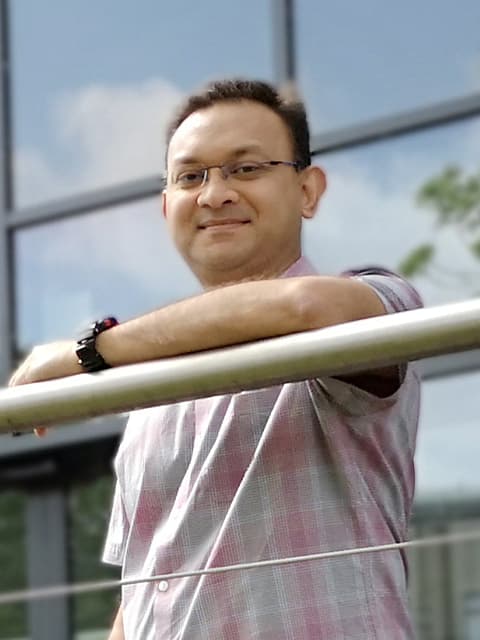
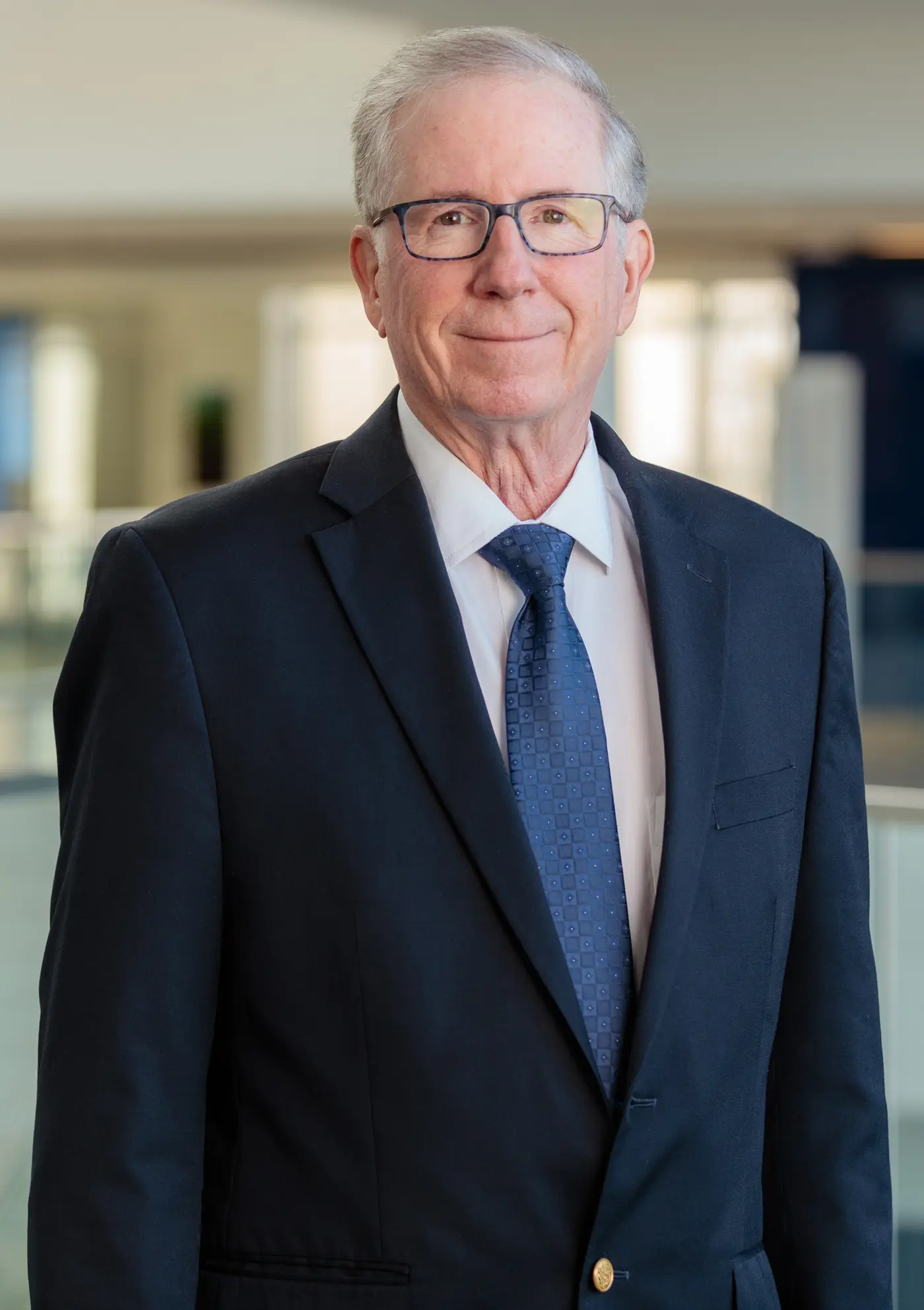
Dr Ahsan Islam is a Senior Lecturer in Biochemical Engineering at Loughborough University's Department of Chemical Engineering, where he has been faculty since 2017 and was promoted in 2022. He serves as Part B Year Tutor. Education: BSc Eng in Chemical Engineering, Bangladesh University of Engineering and Technology (BUET), 2003 MSc and DIC in Chemical Engineering, Imperial College London, 2005 (Commonwealth Scholarship) PhD in Chemical Engineering and Applied Chemistry, University of Toronto, 2014 Postdoctoral Research in Metabolic Engineering and Synthetic Biology, MIT, 2014-2017 His research integrates biochemical and systems engineering approaches to address sustainability challenges in biomanufacturing and healthcare. Work spans metabolic engineering, synthetic biology, and bioinformatics with direct applications in net-zero technologies, circular economy systems, and digital engineering solutions for bioprocess optimization. Awards and Recognition: Commonwealth Scholarship and Fellowship (2004-2005) Ontario Graduate Scholarship (2009-2010) Professor William F. Graydon Memorial Graduate Fellowship (2013) Best Student Research Paper Award, Geosyntec Consultants (2008) Professional Affiliations: American Society for Microbiology (ASM) Canadian Society for Chemical Engineering (CSChE)
Carl W. Lawton is an Associate Professor and Program Coordinator in the Department of Chemical Engineering at the Francis College of Engineering, University of Massachusetts Lowell. His research focuses on advanced materials development and biotechnology manufacturing processes. His educational background includes: Ph.D. in Chemical Engineering (1990), University of Connecticut MS in Chemical Engineering (1985), University of Connecticut MS in Microbiology (1977), University of Connecticut BS in Microbiology (1972), Purdue University Dr. Lawton's research spans advanced materials (quantum dots, optical polypeptides) and biomanufacturing (purification processes, biocatalysts), with significant contributions to cardiovascular nutrition (vegetable oils, cholesterol metabolism) and recent work in biomedical diagnostics . His interdisciplinary approach integrates chemical engineering with medical applications. Publication trends show evolution from optical materials (1990s) to cardiovascular nutrition (late 1990s-2000s) and contemporary biomedical engineering, with consistent themes in material properties and process optimization across disciplines. Scientific recognition includes: State of Connecticut High Technology Fellowship (1984) As Principal Investigator on 20+ grants from DoD, USDA, and DOT, Dr. Lawton leads projects spanning biomanufacturing (Acarbose purification, quantum dot synthesis, single-use bioreactors) and transportation engineering (traffic modeling, signal control systems), demonstrating exceptional translational research capabilities. His laboratory work focuses on bioprocessing innovation for medical applications, particularly in point-of-care technology development and therapeutic protein production.
Dongming Xie is an Associate Professor in the Department of Chemical Engineering at the Francis College of Engineering, University of Massachusetts Lowell. He also has an affiliation with the Center for Pathogen Research & Training (CPRT). Prior to joining UMass Lowell in 2016, Dr. Xie was a principal scientist at DuPont from 2006-2016, where he led the fermentation engineering team to commercialize the omega-3 project, resulting in two new commercial products for the company. Dr. Xie's educational background includes: Postdoc (2006), Michigan State University Postdoc (2002), Tsinghua University Ph.D. in Biochemical Engineering (2000), Chinese Academy of Sciences - Beijing, China B.S. in Chemical Engineering (1992), East China University of Science & Technology - Shanghai, China Dr. Xie's research focuses on metabolic engineering, bioprocess engineering, and continuous biomanufacturing. His lab, the Bio manufacturing Science and Engineering Lab (BioSEL), aims to build biomanufacturing platforms for sustainable production of high-value products from renewable and economical feedstocks. His research spans three main areas: (1) metabolic engineering of the non-conventional yeast Yarrowia lipolytica for high-value products such as wax esters, carotenoids, and omega-3 fatty acids; (2) biodegradation and bioconversion of plastic wastes; and (3) fundamental science and engineering to achieve successful biomanufacturing at large scale. His work integrates advanced science and engineering tools including synthetic biology, fermentation engineering, bioprocess integration and intensification, and bioprocess modeling, optimization, and control strategies. Dr. Xie's recent publications demonstrate a strong focus on sustainable biomanufacturing solutions, particularly in converting waste materials into valuable products. His research shows significant trends toward addressing environmental challenges through biotechnology, with particular emphasis on plastic waste recycling and sustainable production of omega-3 fatty acids. The interdisciplinary nature of his work bridges biochemical engineering, environmental science, and industrial biotechnology. Dr. Xie has received several prestigious awards: Teaching Excellence Award (2020), University of Massachusetts Lowell DuPont Bolton/Carothers Innovative Science Award (2014) DuPont Accomplishment Award (2008) Tsinghua University Distinguished Postdoc Award (2002) Dr. Xie actively mentors students at all levels, from undergraduate to PhD candidates. His research is supported by multiple grants from NSF, DOE, NIH, and industry partners. He has successfully secured funding for projects including "A New Yeast Biomanufacturing Platform for Making High-Value Products from Oils and Fats," "Bioconversion of Heterogeneous Polyester Wastes to High-Value Chemical Products," and "Integrated Continuous Biopharmaceutical Manufacturing Utilizing Robust In-Line NIR Mediated Control." Dr. Xie leads the Bio manufacturing Science and Engineering Lab (BioSEL), which is part of the Massachusetts Biomanufacturing Center at UMass Lowell. The lab is equipped with state-of-the-art bioreactors ranging from 1.3L to 200L, advanced analytical equipment, and downstream purification systems. The lab collaborates with four principal investigators and is well-maintained by technical staff for continuous research and training activities.
Seongkyu Yoon is a Professor of Chemical Engineering at the Francis College of Engineering, University of Massachusetts Lowell. He serves as co-Director of the Massachusetts Biomanufacturing Center, UMass Site Director of the NSF/IUCRC Research Center (AMBIC - Advanced Mammalian Bioprocessing Innovation Center), and UMass technical lead for Manufacturing USA in Biomanufacturing (NIIMBL). His academic appointments and leadership roles position him at the forefront of biopharmaceutical manufacturing innovation and workforce development. Dr. Yoon's educational background demonstrates his interdisciplinary expertise: Ph.D. in Chemical Engineering (2001), McMaster University - Hamilton, Canada MBA (2017), Babson College - Wellesley, MA M.S. in Chemical and Biomolecular Engineering (1990), Korea Advanced Institute of Science and Technology - Daejon, Korea B.S. in Chemical Engineering (1988), Yonsei University - Seoul, Korea His research program focuses on systems engineering approaches to life sciences with three primary thrusts: Gene and Cell Therapy, Biomanufacturing Innovation, and Formulation and Drug Delivery. Within Gene and Cell Therapy, his group explores alternative hosts for Adeno-associated Virus production, gene therapy media optimization, CRISPR-CAS9 mediated genome engineering of HEK293 cells, and develops analytical methods for quantification of full, partial, and empty capsids in AAV products. His Biomanufacturing Innovation research includes AI-enabled hyperspectral imaging for cell culture monitoring, metabolic flux analysis of iPS cells, integrated MPC systems for bioprocess engineering, and digital-twin model development. In Formulation and Drug Delivery, his team works on single vial mass flow rate monitoring for pharmaceutical freeze-drying heterogeneity. Analysis of Dr. Yoon's recent publications reveals a strong trend toward advanced biomanufacturing technologies, particularly in viral vector production for gene therapy. His work integrates systems biology, metabolic modeling, and process analytics to address critical challenges in biopharmaceutical manufacturing. A significant portion of his research focuses on CHO cell culture optimization, glycosylation control, and continuous bioprocessing technologies, reflecting industry needs for more efficient and robust manufacturing platforms. Among his notable recognitions: Ward Chaired Professor of Biomedical Material Sciences (2016) NSF/IUCRC: AMBIC, Advanced Mammalian Bioprocessing Innovation Center (2016) Control and estimation of glycosylation profile via media supplementation based on intracellular models in mammalian cell cultures (2017) Data-fusion based platform development of population PKPD modeling and statistical analysis for bioequivalenc (2015) Dr. Yoon has mentored numerous graduate students, with many now working at major pharmaceutical and biotechnology companies including AbbVie, Alexion, BMS, Amgen, Takeda, and Genentech. His research group has received substantial funding from NSF, FDA, and industry partners, supporting an integrated approach to biomanufacturing innovation. He has also developed and led numerous professional training programs in bioprocessing, contributing significantly to workforce development in the biopharmaceutical industry. His research group operates within the Advanced Mammalian Biomanufacturing Innovation Center (AMBIC) and collaborates closely with the Biomanufacturing Innovation Institute. The team includes postdoctoral researchers, graduate students, and research staff working on various aspects of bioprocess engineering, systems biology, and biomanufacturing analytics. They maintain strong industry partnerships that ensure their research addresses real-world challenges in biopharmaceutical manufacturing.
Maurizio V. Cattaneo is a Research Professor in the Chemical Engineering Department at the Francis College of Engineering, University of Massachusetts Lowell, where he advances bioprocess engineering with emphasis on viral vector manufacturing and gene therapy delivery systems through Quality by Design and Process Analytical Technologies. His academic foundation includes: Ph.D. in Chemical Engineering, McGill University M.Eng. in Chemical Engineering, McGill University B.S., University of Toronto Dr. Cattaneo pioneers viral and non-viral delivery systems (AAV, LV, RV, LNPs) for gene therapy and develops patented AI-driven hyperspectral imaging for real-time bioprocess monitoring. His patented Viral Harvest Unit (VHU) revolutionizes viral vector perfusion in bioreactors, significantly enhancing manufacturing efficiency and scalability. His 2018-2023 publications reveal a decisive shift toward continuous bioprocessing for viral vector production, integrating perfusion technologies with AI analytics. This multidisciplinary work spans influenza virus particles, retroviral vectors, and metabolite quantification systems, demonstrating convergence of biotechnology, chemical engineering, and artificial intelligence to solve critical manufacturing bottlenecks. Key scientific recognitions include: 1978 Ontario Scholar 1980 NSERC Research Grant 1997 NRC Canada Government Priority Funds As Principal Investigator, he secured multiple NIH SBIR grants (2000-2004) from the National Cancer Institute, National Institute of Aging, and National Center for Complementary Medicine for drug delivery systems targeting cancer chemoprevention, wound healing, and osteoarthritis. His entrepreneurial impact spans founding IVREA Pharmaceuticals, BioVolutions, and Artemis Biosystems. Current research focuses on CELiD DNA for non-viral Type I Diabetes gene therapy and advanced encapsulation technologies for biologics delivery, positioning him at the forefront of next-generation therapeutic manufacturing.