Gregory F. Payne is a Research Professor and Fischell Institute Fellow at the University of Maryland's A. James Clark School of Engineering, affiliated with the Institute for Bioscience and Biotechnology Research and the Brain and Behavior Institute. His research bridges microelectronics and biotechnology through innovative biofabrication techniques and redox-based communication strategies. Education: Ph.D. in Chemical Engineering from The University of Michigan (1984), M.S. and B.A. in Chemical Engineering from Cornell University (1981, 1979). Research Focus: Dr. Payne leads pioneering work in two domains: 1) Biofabrication using stimuli-responsive biopolymers (chitosan, alginate) and enzymes to construct bio-device interfaces through electrodeposition and biological conjugation mechanisms; 2) Redox-based molecular communication developing catechol-modified matrices and spectroelectrochemical methods to enable electron transfer between biological systems and electronics, facilitating bio-information processing. Publication Trends: Recent work (2022-2025) demonstrates accelerated innovation in redox-enabled bioelectronics, including 3D-printed sensor platforms, electrogenetic cellular control, and biomimetic redox capacitors. The research consistently integrates electrochemistry, synthetic biology, and advanced materials to create bio-hybrid systems for medical, environmental, and industrial applications. Awards and Honors: Guest Professor, Wuhan University, China Fischell Institute Fellow Research Infrastructure: Leads the Payne Group with interdisciplinary collaborations worldwide. Manages projects including a $1.5M NSF grant for bioelectronic devices and $1M Moore Foundation grant for redox communication technology. Current lab focus includes developing the "Internet of Bio-Nano Things" through electrogenetic constructs.
Professor MEHMET ŞAHİN serves at Gaziantep University Faculty of Medicine, Department of Basic Medical Sciences since 2019, having previously held Associate Professor positions at Kahramanmaraş Sütçü İmam University (2015-2018) and Akdeniz University (2012-2015). His academic journey includes a Doctorate in Medical Biochemistry from Akdeniz University (2003-2009) and Master's degree in the same field (2000-2003), following undergraduate studies in Biology at Hacettepe University. Doctorate: Medical Biochemistry, Akdeniz University (2003-2009) Master: Medical Biochemistry, Akdeniz University (2000-2003) Bachelor: Biology, Hacettepe University (1995-1999) His research spans cancer biology with focus on angiogenesis, epigenetic regulation of immune responses, and neuropathic pain mechanisms. Key interests include tumor microenvironment interactions, DNA methylation effects on T-cell differentiation, oxidative stress in chemotherapy toxicity, and therapeutic applications of pulsed magnetic fields. His work bridges molecular oncology with translational immunology, particularly examining how epigenetic modifiers influence cancer progression and treatment resistance. Analysis of his 15 most recent publications reveals strong emphasis on angiogenesis modulation in cancer therapy (38%), neuropathic pain mechanisms (27%), and epigenetic regulation of immune responses (20%), with emerging work on electromagnetic field applications in inflammation control (15%). His research consistently connects molecular mechanisms with therapeutic interventions across oncology and neuroimmunology. Professional Associations Congress Poster First Prize (Turkish Biophysics Association, 2019) Professor ŞahİN has supervised four Master's theses and one Doctoral thesis while managing 11 research projects totaling approximately 2.5 million TRY in funding, including TÜBİTAK and university-supported initiatives. His projects span cancer biomarker discovery, neuropathic pain mechanisms, and epigenetic immunomodulation. He has served as coordinator for medical education programs and as Deputy Director of the Biomedical Application and Research Center at Kahramanmaraş Sütçü İmam University, where he also chaired ethics committees for animal experiments.
Jesper Grud Skat Madsen is an Associate Professor at the Department of Biochemistry and Molecular Biology, University of Southern Denmark (SDU), and Principal Investigator of the MadLab research group. His work bridges computational biology with experimental genomics, focusing on transcriptional regulation in tissue plasticity and metabolic diseases. Current affiliation: SDU (Department of Biochemistry and Molecular Biology) Previous affiliation: SDU (Department of Mathematics and Computer Science, 2021-2023) Research centers: ATLAS, Human Gene Regulatory Map (HGRM), ADIPOSIGN
Zhaolan Zhou is a Professor of Genetics at the University of Pennsylvania School of Medicine and a Core Member of the Epigenetics Institute. His research focuses on understanding the epigenetic mechanisms underlying brain development and neurological disorders. Education: B.S. in Bioengineering from Nankai University (1991) M.S. in Genetics from Chinese Academy of Sciences (1994) Ph.D. in Molecular and Cellular Biology from Harvard University (2001) He completed postgraduate training as a Helen Hay Whitney Postdoctoral Fellow at Harvard Medical School and Children's Hospital Boston (2003-2008) and as an S.O. Mast Fellow at the Marine Biological Laboratory in Woods Hole (2002). Research Interests: Dr. Zhou's laboratory investigates the epigenetic control of genome function in brain development and disease, with particular focus on neurogenetics and neuroepigenetics. His team explores how DNA methylation, histone modification, and genomic editing mechanisms contribute to neurodevelopmental and neuropsychiatric disorders including Rett syndrome, CDKL5 deficiency disorder, autism spectrum disorder, and major depressive disorder. The lab employs cutting-edge genomic technologies, cellular and physiological assays, and genetically modified mouse and human induced pluripotent stem cell models to uncover pathophysiological mechanisms and develop therapeutic interventions. Three major research themes guide the Zhou laboratory: (1) Understanding the molecular basis of stress vulnerability and its relationship to major depressive disorder; (2) Gaining pathogenic insights into X-linked disorders like Rett syndrome and CDKL5 deficiency disorder by overcoming challenges posed by X chromosome inactivation; and (3) Investigating how epigenetic regulation controls synaptic gene expression in the brain, particularly how DNA methylation interacts with histone modifications in the context of autism spectrum disorders. Research Trends: Dr. Zhou's recent publications demonstrate a consistent focus on epigenetic mechanisms in neurodevelopmental disorders, particularly X-linked conditions. His work increasingly integrates advanced genomic technologies with sophisticated animal models to dissect disease mechanisms at cellular and circuit levels. There's a clear progression toward developing therapeutic strategies, with several recent papers exploring the reversibility of symptoms in disorder models. His research bridges basic molecular mechanisms with translational applications, as evidenced by studies identifying potential biomarkers and treatment-responsive endpoints for conditions like Rett syndrome. Scientific Contributions: Development of innovative models to overcome X-linked cellular mosaicism in studying disorders like Rett syndrome Pioneering work on the role of epigenetic regulation in stress vulnerability and depression Advancing understanding of how DNA methylation and histone modifications collaboratively regulate synaptic gene expression Developing CRISPR-based epigenomic editing approaches for locus-specific manipulation Training and Mentorship: Dr. Zhou has mentored numerous graduate students, postdoctoral fellows, and research specialists who have gone on to successful careers in academia, industry, and medicine. His lab currently includes postdoctoral fellows, PhD students from multiple graduate groups, research specialists, and undergraduate researchers. His former trainees have secured positions at prestigious institutions including Yale University, Stanford University, and the Children's Hospital of Philadelphia, with several receiving competitive fellowships and awards during their training. Research Environment: The Zhou laboratory is situated within the Department of Genetics at the University of Pennsylvania School of Medicine, with strong connections to the Epigenetics Institute and multiple graduate groups. The lab employs a multidisciplinary approach, combining "omics" technologies, epigenetic remodeling using adapted CRISPR systems, mouse phenotyping, confocal microscopy, electrophysiology, and biochemical characterization to address complex questions in neuroepigenetics.
Angela Gritti is an Associate Professor of Human Histology at Vita-Salute San Raffaele University and a Group Leader at the San Raffaele Telethon Institute for Gene Therapy (SR-TIGET) since 2006. Her work focuses on genetic neurodegenerative diseases , particularly Leukodystrophies and GM2 gangliosidosis , using neural stem cells and gene therapy approaches. PhD in Basic Sciences and Veterinary Biotechnology (University of Turin, 2006) Specialty in Toxicology (University of Milan, 1996) Degree in Biological Sciences (University of Milan, 1990) Her research explores regenerative medicine and gene therapy through neural stem cell biology , focusing on: Pathogenesis of lysosomal storage disorders iPSC modeling of human CNS diseases AAV/lentiviral vector safety Epigenetic modulation of oligodendrocytes Preclinical development for metabolic CNS diseases The articles section reveals her contributions to gene therapy safety , iPSC neural modeling , and combined cell/gene strategies for leukodystrophies. Despite extensive grant reviewer roles (ERC, AFM Telethon, EJPRD) and international collaborations with institutions in France, Norway, and the USA, no formal scientific awards are listed in the current text. She has supervised 12 PhD students and 22 master's students while leading funded projects with institutions like the Bespoke Gene Therapy Consortium (NIH), European Leukodystrophy Association , and Italian Telethon Foundation . Her lab also contributes to patient advocacy through educational outreach and clinical translation frameworks.
Paola Panina-Bordignon is an Associate Professor in Applied Medical Sciences at the Faculty of Medicine, Vita-Salute San Raffaele University, Milan. She also works as a Scientist in the Division of Neuroscience at Ospedale San Raffaele, leading international research networks like BRAVEinMS focused on progressive multiple sclerosis (MS) drug discovery. Ph.D. in Cellular and Molecular Biotechnologies, Università degli Studi di Brescia Post-graduate Specialisation in Microbiology, summa cum laude, Università degli Studi di Parma Master Degree in Biological Sciences, summa cum laude, Università degli Studi di Parma Her research integrates cell biology, immunology, and neuroscience to study immune-mediated central nervous system (CNS) disorders. She focuses on neuroimmunology, neuroprotective stem cell therapies, and virology-related neurodegeneration, with publications spanning multiple sclerosis, Zika virus effects on neural cells, and epigenetic mechanisms. Scientific awards include the Royan International Research Award (2013) and fellowships from the Association pour la Recherche sur le Cancer and Istituto Superiore di Sanità (both in 1991). She supervises research projects on neurogenic iPSC-derived neural progenitor cells and their therapeutic applications, and actively participates in gender studies and equal opportunities initiatives at her university.
Saijaliisa Kangasjärvi is an Associate Professor at the University of Helsinki's Faculty of Biological and Environmental Sciences , leading the Crop Light research group within the Organismal and Evolutionary Biology Research Programme . Her work bridges plant light signaling, stress tolerance, and metabolic regulation to enhance vegetable quality in indoor cultivation. Research Focus: Mitochondrial dysfunction responses, light stress signaling pathways, and post-harvest quality optimization in leafy greens through metabolomics and proteomics. Key Contributions: Identification of PP2A-B'γ as a central regulator of stress-induced ROS signaling, glucosinolate biosynthesis, and genotype-specific metabolic responses in kale. Leadership: Director of the Master’s Programme in Integrative Plant Science (2021-2024), active in editorial roles for Journal of Experimental Botany and New Phytologist . Article Trends: Recent studies emphasize dynamic lighting in controlled farming, post-harvest metabolic shifts in lettuce, and mitochondrial-chloroplast signaling networks under stress. Her 2025 work explores energy-efficient LED applications and translational photobiology for flavor-nutrition optimization in leafy vegetables. Supervision: Mentors doctoral candidates including Maria Waldén and Arttu Mäkinen, with a focus on stress-induced metabolic regulation and indoor cultivation techniques.
Prof. Ann-Christin Pöppler is a Professor of Organic Structural Chemistry at the University of Würzburg, Faculty of Chemistry and Pharmacy, Institute of Organic Chemistry. She leads an active research group focused on NMR spectroscopy to investigate drug-polymer formulations and structural chemistry in biologically relevant environments. Her research centers on understanding drug molecules and their interactions in solid state and solution, synthesis and analysis of polymer platforms/hydrogels, and studying drug-matrix interactions for controlled release applications. Her group employs a versatile toolbox including 1D and 2D NMR in isotropic and anisotropic environments, diffusion NMR, solid-state NMR at various MAS speeds combined with DFT calculations and diffraction methods, DSC, and TGA. Prof. Pöppler's research spans multiple disciplines with a strong emphasis on pharmaceutical applications, materials science, and structural characterization. Her work demonstrates how NMR techniques can provide molecular-level insights into complex drug delivery systems, particularly focusing on how drugs interact with polymer matrices and biological environments. Her scientific contributions show a consistent focus on structural chemistry with applications in drug delivery, particularly examining poly(2-oxazoline) systems, bile-drug interactions, and advanced NMR methodologies for characterizing complex formulations. The publications reveal strong collaborative networks across European institutions. Prof. Pöppler actively mentors students at all levels, with numerous PhD, Master's, and Bachelor's students completing research in her group. Recent graduates have secured positions at companies like BASF and Siemens Healthineers or continued academic careers. Her laboratory combines NMR spectroscopy with complementary methods such as PXRD and quantum chemical calculations (CASTEP/GIPAW). The group utilizes 400 MHz and 600 MHz spectrometers for solution NMR and solid-state NMR capabilities up to 60 kHz magic angle spinning. They also conduct organic synthesis of drug derivatives and modified polymers to support their structural characterization work.
Dr. Mirim Shin is a Research Fellow at the Brain and Mind Centre within the Faculty of Medicine and Health at The University of Sydney, where she also holds affiliations with the Charles Perkins Centre. Her work bridges circadian biology, sleep science, and mental health across developmental stages, with current focus on youth mental health and technology-driven interventions. Education Bachelor of Health Science (First Class Honors, 2011) - Thesis: "Positive emotions associated with Counter-Strike game playing" PhD (2015) - Thesis: "Influence of sleeping apparel and bedding textile on thermal comfort and sleep" Dr. Shin's research centers on establishing causal relationships between objective circadian disturbances and mental illness progression. Her work spans neurosciences and mental health with specialization in depression, sleep disorders, and health psychology. Early career focused on sleep-thermoregulation interactions in aging populations evolved into dementia care quality improvement, now pivoting to youth mental health where she investigates sleep-wake cycle disruptions as modifiable targets for intervention. Her methodological approach combines actigraphy, physiological monitoring, and digital phenotyping to quantify circadian rhythms in clinical populations. Analysis of her 15 most recent publications (2023-2025) reveals a dominant focus on circadian-metabolic-immune interactions in youth mood disorders, with increasing emphasis on biomarker discovery (insulin resistance, skin temperature rhythms) and digital intervention development. Parallel work continues in dementia care through community-based rehabilitation models, demonstrating her dual expertise across age spectra. Scientific Awards BMC Emerging Researcher Award (2025) Dr. Shin has secured competitive funding including the Global Youth Mood Disorders Citizen Science Initiative (2024) from the Circadian Mental Health Network and earlier Australian Wool Innovation grants for sleepwear research (2015). While no formal advisees are documented, her collaborative publications indicate active mentorship within multidisciplinary teams spanning psychiatry, geriatrics, and engineering. She leads the Youth Mental Health & Technology Team within the Brain and Mind Centre's Translational Research Collective, developing circadian-targeted interventions using wearable sensors and digital platforms. Current initiatives include international circadian rhythm studies in youth and implementation of home-based dementia reablement programs.
Matthew Ryen Lockett is an Associate Professor in the Department of Chemistry at the University of North Carolina at Chapel Hill, with strong affiliations to the UNC School of Medicine. His research focuses on developing innovative 3D cell culture platforms and measurement tools that better mimic in vivo tissue environments, with particular emphasis on oxygen's role in tissue homeostasis and cancer progression. Dr. Lockett received his BS in Chemistry from the University of Pittsburgh in 2005, followed by a PhD in Chemistry from the University of Wisconsin-Madison in 2009 working with Lloyd M. Smith. He completed his postdoctoral training at Harvard University with George M. Whitesides from 2010-2013. His research program addresses two major areas: tissue engineering and surface chemistry. In tissue engineering, his lab develops paper-based 3D culture systems that maintain physiologically relevant microenvironments for studying cancer biology, drug metabolism, and cellular responses to oxygen gradients. For surface chemistry, his group creates novel methods for modifying carbon and silicon electrodes to improve stability and functionality for applications in electrocatalysis and sensing. His interdisciplinary approach integrates concepts from chemistry, biomedical engineering, cellular and molecular biology, materials science, and toxicology to solve complex biological problems. Dr. Lockett's recent publications reveal a strong trend toward increasingly sophisticated 3D tissue models with precise oxygen control, alongside continued innovation in surface modification techniques for electrochemical applications. His work bridges fundamental chemical principles with translational biomedical applications, particularly in cancer research and drug development. Dr. Lockett has received numerous prestigious awards recognizing his contributions to analytical chemistry and biomedical research: Fellow, Royal Society of Chemistry (2024) The Analytical Scientist Power List, Mentors and Educators category (2023) Center for Environmental Health and Susceptibility Rising Star Award (2019) Top 40 under 40 Power List, The Analytical Scientist (2018) BioAnalysis Zone New Investigator Award (2017) Eli Lilly Young Investigator Award in Analytical Chemistry (2016) Dr. Lockett actively mentors graduate students and postdoctoral researchers in his lab, with several recent PhD graduates and undergraduate researchers. His lab operates with strong core values emphasizing creativity, inclusivity, and teamwork, maintaining a zero-tolerance policy against all forms of oppression. The lab has secured significant funding to support its research on tissue engineering and surface chemistry, enabling the development of novel platforms for studying cellular behavior in controlled microenvironments. The Lockett Lab maintains two primary research subgroups: a surfaces subgroup focusing on carbon-based electrodes for (photo)electrosynthesis and measuring wetting dynamics, and a cells subgroup developing microfluidic 3D liver models to quantify cellular metabolism. The lab is known for its collaborative spirit and interdisciplinary approach, working with researchers across chemistry, biomedical engineering, and toxicology departments.
Robert K. McGinty, MD, PhD, is an Associate Professor in the Department of Chemical Biology and Medicinal Chemistry, Biochemistry & Biophysics at the University of North Carolina at Chapel Hill's Eshelman School of Pharmacy. He is also a member of the UNC Lineberger Comprehensive Cancer Center and affiliated with the UNC School of Medicine. His research focuses on understanding epigenetic signaling mechanisms at the nucleosome and chromatin levels using an integrated approach combining protein chemistry, structural biology, and proteomics. Dr. McGinty's laboratory employs advanced techniques including atomic precision protein chemistry to build designer modified nucleosomes, single particle cryo-electron microscopy, and macromolecular X-ray crystallography to visualize epigenetic enzymes in action on nucleosome substrates. His research program centers on three main areas: determining the structural basis of histone modification cross-talk, establishing paradigms of nucleosome recognition, and creating new tools to enable epigenetics research. His work has significant implications for understanding fundamental biological processes and developing new approaches for cancer treatment. Analysis of Dr. McGinty's recent publications (2021-2025) reveals a strong emphasis on structural mechanisms of epigenetic regulation, with particular focus on histone modifications, nucleosome recognition, and chromatin signaling pathways. His research spans from fundamental biochemical mechanisms to translational applications, demonstrating both scientific depth and therapeutic relevance in the field of epigenetics and cancer biology. Pew-Stewart Scholar in Cancer Research (2017) Searle Scholar (2017) Damon Runyon Dale F. Frey Breakthrough Scientist Award (2015) Damon Runyon Post-doctoral Fellowship (2012) Dr. McGinty has mentored numerous students and postdoctoral fellows, including Aleksandra (winner of UNC Postdoctoral Award for Research Excellence), Cathy (winner of UNC Dean's Distinguished Dissertation Award), Nate (successful PhD defense), Gabby (Diane Harris Leadership Award recipient for promoting diversity in STEM), and Dalal (undergraduate researcher with multiple honors including three co-authored papers and an NSF GFRP fellowship). His laboratory is supported by significant research funding that enables their innovative work in epigenetics and chromatin biology. The McGinty Lab maintains an active research program focused on understanding how epigenetic enzymes recognize and modify chromatin at atomic resolution. Their work leverages collaborations with the Center for Integrative Chemical Biology and Drug Discovery to translate structural insights toward the design of small molecules targeting chromatin signaling pathways for both basic research and therapeutic goals.
Dr. Nicole Hansmeier is an Associate Professor in the Biology Department at Luther College, University of Regina. Her academic career spans multiple institutions and research areas with a consistent focus on understanding infectious disease mechanisms at the molecular level. Dr. Hansmeier's research interests center on the molecular basis of infectious diseases, with particular emphasis on host-pathogen interactions. She applies systems biological multi-Omics approaches and high-end imaging techniques to identify disease pathways and bacterial invasion mechanisms. A significant component of her work involves wastewater-based surveillance to detect and monitor infectious diseases within communities, providing crucial data for public health responses. Analysis of her publication record reveals a consistent focus on Salmonella pathogenesis, host-pathogen interactions, and proteomic methodologies. Her research spans fundamental bacterial physiology, molecular infection mechanisms, and applied public health surveillance techniques, demonstrating both depth in specialized areas and breadth across the infectious disease research spectrum. Dr. Hansmeier's research program is supported by multiple funding agencies including the Canadian Foundation for Innovation, Innovation Saskatchewan, Health Canada, SHRF, NSERC, and Mitacs, reflecting the significance and interdisciplinary nature of her work. She teaches a range of courses from introductory biology to specialized medical microbiology and provides research opportunities through independent study courses. Her laboratory employs advanced proteomic techniques to study pathogen-modified membranes, bacterial metabolism during infection, and host responses to pathogens. This work has important implications for understanding infectious disease mechanisms and developing new diagnostic and therapeutic approaches.
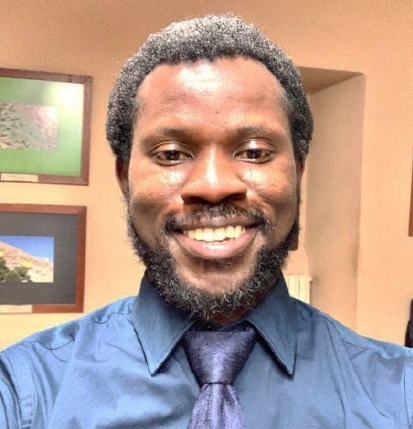
Matthew C. Ogwu is an Assistant Professor in the Goodnight Family Sustainability Development Department at Appalachian State University. An integrated ecologist and naturalist, he applies transdisciplinary approaches to analyze coupled human-natural systems and socio-ecological dynamics for sustainable development solutions. His academic credentials include: Ph.D. in Biological Sciences from Seoul National University, Korea Rep. (2019) M.Sc. in Plant Diversity and Conservation from University of Benin, Nigeria (2015) B.Sc. in Plant Biology and Biotechnology from University of Benin, Nigeria (2010) Dr. Ogwu's research centers on biodiversity conservation, climate change adaptation, sustainable agriculture, ethnoscience, and pollution ecology. He investigates socio-ecological patterns to advance resource conservation and sustainable utilization, with particular focus on Global South contexts. His work integrates traditional knowledge with scientific analysis of land use, waste management, and microbial diversity. His 2019-2021 publications reveal strong interdisciplinary focus on sustainable food systems, environmental microbiology, and climate resilience. Key themes include neglected crops for nutrition security, microbial responses to environmental stressors, traditional agricultural practices, and pandemic impacts on food systems. This body of work bridges ecological, agricultural, and social sciences to address sustainability challenges through empirical field research and meta-analysis. Dr. Ogwu has received numerous international scholarships and awards recognizing his scholarly contributions to sustainability science. He previously supervised undergraduate theses at the University of Benin and currently serves as reviewer and editorial board member for multiple international journals. His professional service extends to volunteering for sustainable community development initiatives, particularly in African contexts. While specific grant details aren't provided, his publication record indicates active research funding. His research methodology combines field ecology with laboratory analysis of plant-microbial interactions, often through international collaborations evident in his co-authorship networks across Asia, Africa, and Europe.
Anne Tjønneland is a Professor in the Department of Public Health, specifically in the Section of Environmental Health at the University of Copenhagen's Faculty of Health and Medical Sciences. She also serves as Head of Research at the Danish Cancer Society, a position she has held since December 1, 1988. Her work is deeply integrated with the European Prospective Investigation into Cancer and Nutrition (EPIC) study, one of the largest cohort studies in the world examining the relationships between diet, lifestyle, environmental factors and cancer risk. Her research interests center on cancer epidemiology with particular focus on nutritional factors, environmental exposures, and their interactions with genetic susceptibility in cancer development. She investigates how dietary patterns, food processing levels, and specific food components influence cancer risk across different populations. Her work spans methodological innovations in dietary assessment, analysis of long-term dietary patterns, and examination of social determinants of dietary behavior and cancer outcomes. Professor Tjønneland's recent publications demonstrate a strong focus on the relationship between food processing and health outcomes, dietary patterns and specific cancer sites, and the integration of metabolomic approaches to understand diet-cancer relationships. Her work shows consistent interest in translating epidemiological findings into practical cancer prevention strategies with consideration for environmental sustainability. Her research has garnered significant attention, with multiple publications being highlighted by numerous news outlets and widely disseminated through social media platforms. The extensive collaborative nature of her work is evident in the multinational author lists across her publications, reflecting her leadership in European cancer research networks. Professor Tjønneland has supervised numerous researchers and collaborated extensively across European institutions, contributing to the training of the next generation of cancer epidemiologists. Her leadership role at the Danish Cancer Society complements her academic position, allowing her to bridge research findings with cancer prevention initiatives.
Yvonne Brehmer is a Full Professor in the Department of Developmental Psychology at Tilburg University's School of Social and Behavioral Sciences. She maintains an active external affiliation with Karolinska Institute since September 2018. Her research focuses on cognitive aging and lifespan developmental processes, with particular expertise in memory plasticity, social determinants of cognitive health, and neural mechanisms of aging. Her research interests span multiple interconnected domains: Cognitive aging trajectories and modifiability Intergenerational relationships and grandparent-grandchild dynamics Daily stress-cognition interactions in adulthood Quality-of-life transitions during aging (e.g., nursing home relocation) Neural correlates of age-related memory changes Analysis of her 49 research outputs (2002-2025) reveals increasing publication intensity since 2020, with recent work emphasizing longitudinal designs and international collaborations. Her 2023-2025 publications predominantly examine social determinants of cognitive aging (38%), daily stress-cognition dynamics (29%), and life transition impacts (21%), appearing in top gerontology journals like The Journals of Gerontology and Psychology and Aging. Professor Brehmer actively supervises graduate students through the Research Master in Individual Differences and Assessment program and teaches courses including 'Dynamics of Individual Differences,' 'Positive Psychology and Development,' and 'Neuropsychology of Aging.' Her research contributes to UN Sustainable Development Goals related to healthy aging and well-being. Current work includes collaborative projects examining: Longitudinal effects of grandparent-grandchild contact on cognitive trajectories Daily stress-buffering mechanisms in memory functioning Quality-of-life changes during nursing home transitions Biological mechanisms of cognitive training efficacy