Prof. Guy-Bart Stan is a Professor of Bioengineering at Imperial College London, leading the Control Engineering Synthetic Biology group. He holds the Royal Academy of Engineering Chair in Emerging Technologies and co-directs the Imperial College Centre for Synthetic Biology. His research focuses on integrating AI and engineering principles to design robust biological systems, including projects like the UKRI-funded AI-4-EB Consortium. He has held academic roles at the University of Cambridge and visiting positions at MIT and ETH Zurich. His work bridges systems/control engineering with synthetic biology, addressing challenges in gene regulation, microbial consortia, and biomolecular circuit design. Education: PhD in Applied Sciences (Nonlinear Dynamical Systems) from the University of Liège, Belgium. Professional experience includes roles at Philips Research and research fellowships with the EPSRC and Marie Curie programs. Research interests span synthetic biology, systems biology, and nonlinear control theory applied to biological systems. Notable contributions include developing the SBOL Visual standard for genetic design representation and advancing resource-aware models of cellular systems. His labs and collaborations involve interdisciplinary teams in the Imperial-X Life initiative and the Industrial Biotechnology Hub. Scientific achievements include awards like the EPSRC Engineering Fellowship and recognition for contributions to computational biology. He advises on grants and supervises doctoral students in synthetic biology, with a focus on translating research into clinical and industrial applications.
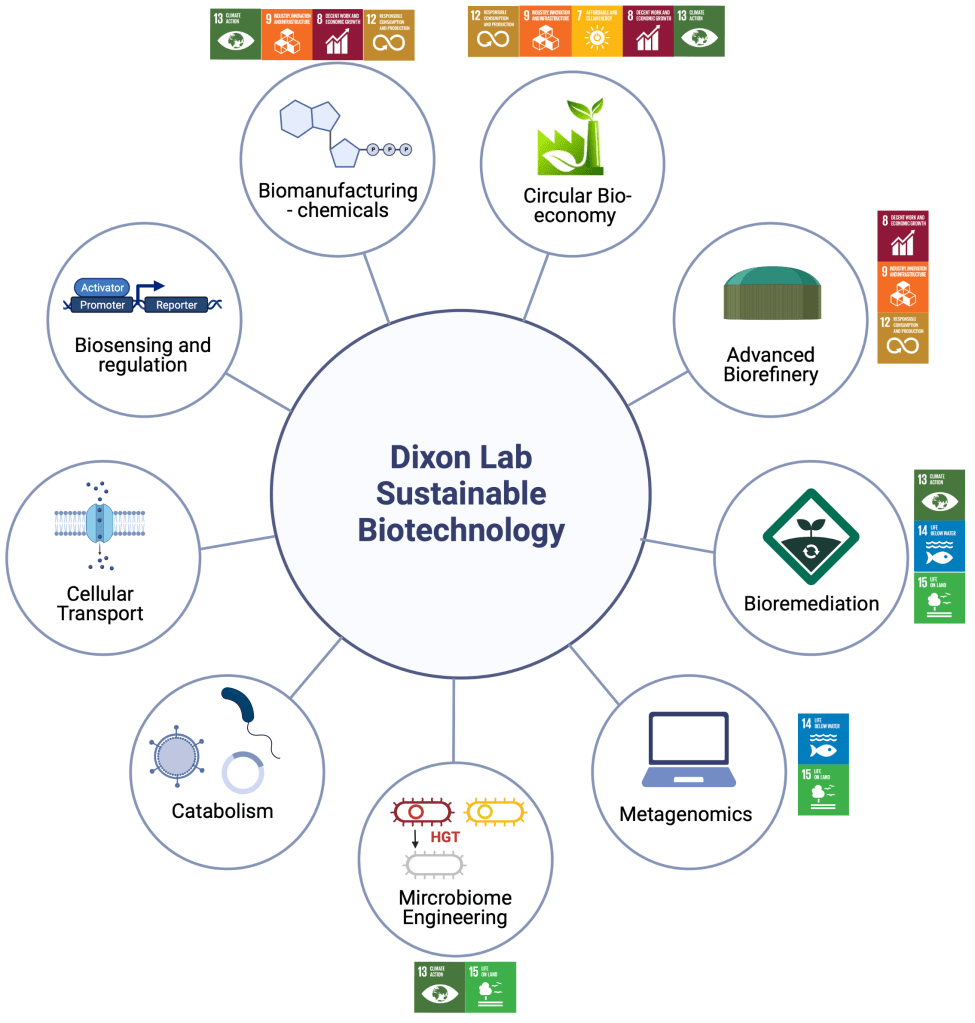
Dr. Neil Dixon is Reader in Sustainable Biotechnology at the University of Manchester's Department of Chemical Biology and Biological Chemistry. His research integrates synthetic biology, metabolic engineering, and bioprocess engineering to develop sustainable biotechnological solutions. As a former BBSRC David Phillips Fellow and Enterprise Fellow, Dixon leads a research group focused on engineering biological systems for chemical production and environmental remediation. Dixon's primary research themes include: 1) Developing genetically encoded biosensors for dynamic pathway control and metabolic engineering, particularly for lignin valorization and plastic biodegradation; 2) Engineering microbial consortia and pathways for consolidated bioprocessing of complex waste streams; 3) Exploiting cellular transport mechanisms for enhanced bioproduction and bioremediation; and 4) Developing novel genetic regulation tools including optimized riboswitch systems for precise metabolic control. His laboratory has made significant contributions to bioremediation technologies through engineered plasmids for terephthalate degradation, sustainable bioproduction via microbial conversion of waste streams, and fundamental advances in understanding bacterial protein excretion mechanisms. Recent publications demonstrate increasing focus on circular economy approaches for plastic waste valorization and bioremediation applications.
Eriko Takano is a Professor of Synthetic Biology, Chemical Biology, and Biological Chemistry at the University of Manchester's Manchester Institute of Biotechnology (MIB), Department of Chemistry, School of Natural Sciences, and Faculty of Science and Engineering. She serves as one of three directors of the EPSRC/BBSRC-funded Manchester Synthetic Biology Research Centre (SYNBIOCHEM) and holds leadership roles as Section Head of Chemical Biology and Biological Chemistry (since 2017) and Deputy Head of the Chemistry Department (since 2018). Her research focuses on engineering microbes, particularly Streptomyces , to enhance antibiotic production through synthetic biology approaches. Education: Bachelor of Pharmacy (1981–1985) - Kitasato University, Tokyo, Japan PhD in Microbiology (1990–1994) - University of East Anglia, UK (John Innes Centre) Research Interests: Synthetic biology of antibiotic production, bioinformatics (e.g., antiSMASH software), untargeted metabolomics for chassis engineering, regulatory circuits engineering via signaling molecules, and noncoding RNA-based translational control. Her work integrates systems biology and computational modeling to understand metabolic switches and antibiotic regulation in Streptomyces coelicolor . Grants & Projects: Key funding includes UKRI, NERC, EPSRC, BBSRC, H2020, and others. Notable projects: H2020 TOPCAPI (2017–2021), SYNBIOCHEM coordination, and collaborations with institutions in Japan (Tokyo Tech, Osaka University). Awards: Rosalind Franklin Fellowship (2006), Naito Kinen Kaigai Ryugaku Jyoseikin (1994), Lepetit Award (1993). Fellowships with the Royal Society of Biology and Royal Society of Chemistry. Labs & Teams: Leads the Takano Group at MIB, focusing on antibiotic biosynthesis, metabolic engineering, and synthetic biology tools. Collaborates globally on initiatives like the SYNBIOCHEM Design-Build-Test-Learn pipeline and microbial metabolomics projects with Prof. E. Fukusaki in Japan.
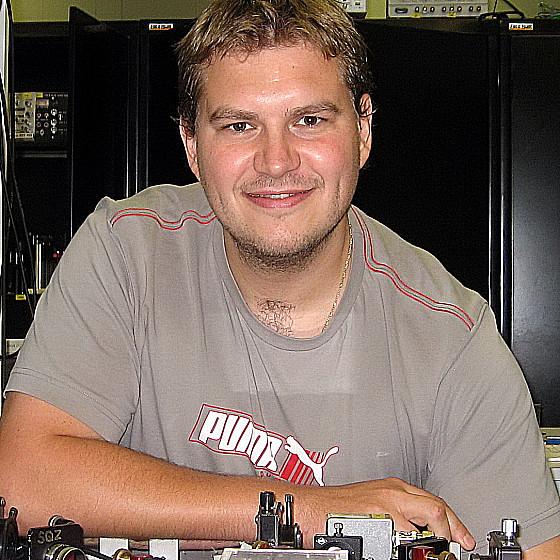
Dr. Jiri Janousek is a postdoctoral research fellow at the Australian National University (ANU) within the ANU College of Systems & Society , specifically contributing to the Quantum Imaging Group . He focuses on advancing quantum states of light in the spatial domain, particularly in generating squeezed and entangled states, optical detection techniques, and optomechanical systems. His work emphasizes novel methods for simultaneous spatial-mode squeezing and control of optical cavities. He earned his PhD in 2008 from the Technical University of Denmark , where he researched nonclassical quantum states for ultra-sensitive measurements and solid-state lasers in the visible spectrum. His expertise spans optical parametric amplifiers, laser systems, and quantum imaging applications in biological contexts. Research interests include quantum optics, optomechanics, and nonlinear optical systems, with emphasis on spatial-mode engineering and precision measurements. His contributions bridge theoretical and experimental quantum technologies, aiming to push the boundaries of quantum sensing and information processing. Notable research areas include Generation of squeezed light in diverse cavity geometries Optomechanical control of thermal states Entanglement distillation protocols Quantum imaging within living cells
Aidong Yang is a Professor of Engineering Science at the University of Oxford and Director of 4th Year Studies. He is also a Research Fellow of Green Templeton College. Previously, he held roles as Senior Lecturer and Lecturer at the University of Surrey (2007–2014), following a postdoctoral career across institutions including the Chinese Academy of Sciences and Louisiana State University. His research focuses on environmental engineering, metabolic modeling, synthetic biology, and sustainability solutions for industries like cement and dairy production. Education: BSc (1992) and PhD (1997) in Chemical Engineering from Hebei University of Technology and Dalian University of Technology, respectively. Research Interests His work spans carbon capture technologies, microbial systems engineering, bio-inspired process optimization, and decarbonization strategies. Key areas include mineral carbonation, enzyme design via AI, quorum sensing in microbial communities, and circular economy frameworks for resource efficiency. Advising & Grants Leads research projects on climate mitigation and industrial sustainability, supported by grants focusing on CO2 removal and bioprocess innovation. Supervises graduate students exploring synthetic biology applications and environmental engineering solutions. Labs & Teams Conducts research within the Oxford Thermofluids Institute and collaborates with interdisciplinary teams on projects like the IMAD2025 event with the ZERO Institute. His lab integrates computational modeling, experimental biology, and engineering systems analysis.
Farid Boussaid is a Professor in the School of Electrical, Electronic and Computer Engineering at The University of Western Australia (UWA), affiliated with the UWA Oceans Institute. He holds an MM PhD from INSA Toulouse, France, and has held roles including Head of School (2014–2017). His research focuses on smart sensors, neuromorphic engineering, and machine learning applications in computer vision and signal processing. Education: M.S. and Ph.D. from National Institute of Applied Science (INSA), Toulouse, France (1996, 1999) Postdoctoral Fellow at Edith Cowan University (2000–2001) Australian Research Council APD Fellowship recipient (2001) Research Interests: Design of low-cost smart sensing systems, neuromorphic approaches for olfactory/visual processing, and interdisciplinary work in microelectronics, gas sensors, and camera-on-chip technologies. His research addresses bio-inspired signal processing and efficient integrated circuit design. Recent Research Trends: His publications emphasize deep learning applications in 3D vision, generative models, and medical imaging, with a focus on weakly supervised learning and multimodal data integration. Awards: 2016 Citation for Outstanding Contribution to Student Learning UWA Award for Excellence in Teaching (2014) Award for Growth in Innovation and Entrepreneurship (2021) Grants & Projects: Leads initiatives like the National Australian Cardiac CT Platform and robotics with 3D vision. Involves collaborations with Tokyo University of Science and NSF-funded projects. Labs/Teams: Active in UWA’s Oceans Institute and interdisciplinary teams advancing AI-driven sensing technologies.
Son Chu is a Research Associate in Cognitive Neuroimaging at the University of Glasgow, based at the Queen Elizabeth University Hospital in Glasgow, Scotland, with active research spanning neuroimaging and electromagnetics. His research interests include: High-field MRI techniques and neurovascular coil design Wireless power transfer in biological and conductive media 5G antenna systems for millimeter-wave and UWB applications Magnetoinductive wave propagation in metamaterials Recent work demonstrates a strategic shift toward biomedical imaging, highlighted by a 2025 publication on simultaneous whole-brain and cervical spine MRI at 7 Tesla, indicating growing expertise in neuroimaging hardware development and clinical translation of electromagnetic technologies.
Dr Peter Moult is a Lecturer in the School of Psychology & Neuroscience at the University of Glasgow, part of the College of Medical, Veterinary & Life Sciences. His research focuses on synaptic plasticity, neuromodulation, and neuromuscular aging, with applications to spinal cord injury and neurodegenerative disorders. He employs techniques such as electrophysiology and immunocytochemistry to investigate neuronal networks and their modulation. Dr. Moult is also actively involved in educational innovation, including curriculum design and widening participation initiatives in higher education. He holds a Research Fellowship with the Higher Education Academy and serves as a reviewer for journals like PLoS One, Nature Communications, and Neuropharmacology. His research interests span cellular mechanisms of synaptic plasticity, mitochondrial dysfunction in neurological contexts, and the role of leptin in regulating synaptic function. He has contributed to over 18 peer-reviewed publications since 2002, with recent work emphasizing translational applications of basic neuroscience findings. Teaching focuses on neuroscience and biological sciences, with a particular emphasis on integrating technology into learning environments to enhance engagement and accessibility. Collaborative projects, such as the Honours Project in Life Sciences, reflect his commitment to modern, inclusive pedagogical approaches.
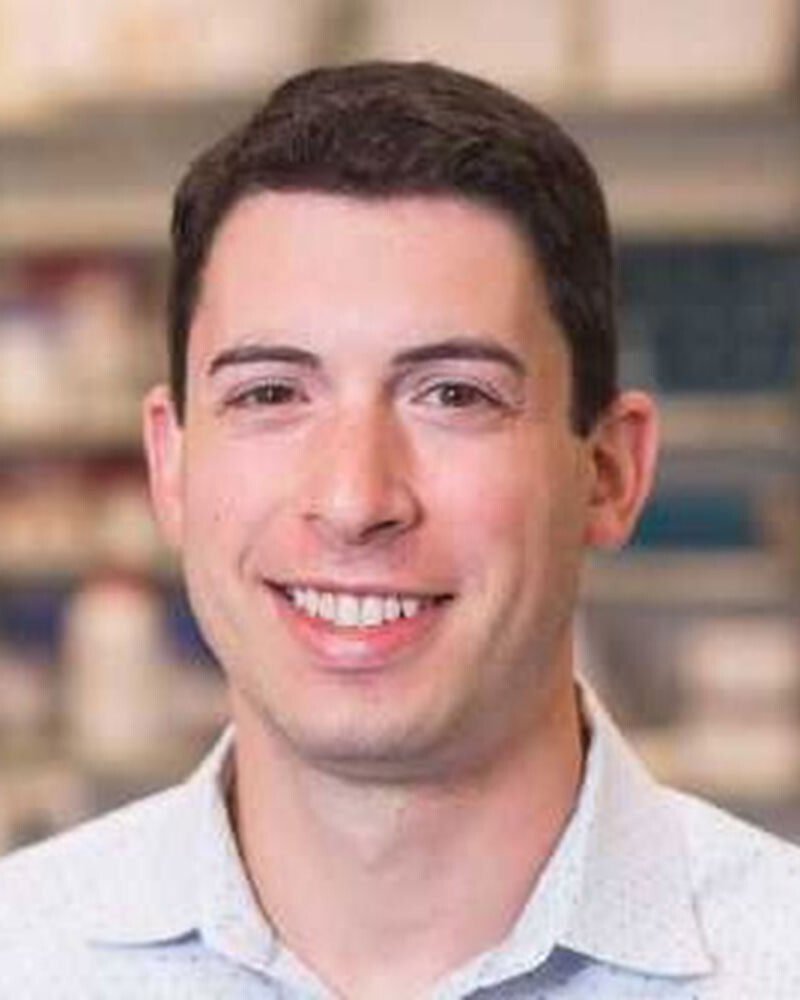
Ethan Lippmann is an Associate Professor of Chemical and Biomolecular Engineering, Biomedical Engineering, and Neurology at Vanderbilt University’s School of Engineering. He serves as Director of Undergraduate Studies in Chemical and Biomolecular Engineering. His research focuses on blood-brain barrier (BBB) mechanisms using biomaterials, stem cells, and engineering tools to develop translational models for neurovascular disorders. Key interests include BBB dysfunction in Alzheimer’s disease, drug delivery strategies, and 3D organoid systems. Education: Ph.D. in Chemical Engineering from the University of Wisconsin and B.S. in Chemical Engineering from the University of Illinois. Research employs human pluripotent stem cells, biomaterial synthesis, and microfluidics to study BBB physiology and pathophysiology. Recent work includes lipid-siRNA conjugates for CNS delivery and engineered neurovascular units using human tissue. Collaborations span neuroscience, materials science, and molecular biology disciplines. Grants include CZI pilot funding (2024) and NIH support. The Lippmann Lab, established in 2015, emphasizes interdisciplinary approaches and trains students in cutting-edge biomedical engineering techniques.
Dr. James Antoney is a Research Fellow in Protein Engineering at QUT's Faculty of Science, School of Biology & Environmental Science. His work focuses on synthetic biology, protein engineering, and biocatalytic systems. He holds a PhD and Bachelor's (Honours) in Biotechnology from the Australian National University. Research interests include F420 cofactor systems, enzyme engineering, and biotechnological applications of oxidoreductases. His recent work explores asymmetric ene-reductions and F420-dependent enzyme systems in Mycobacterium species. Publications span 2018–2025, emphasizing biocatalytic process development and cofactor biosynthesis optimization. Publications demonstrate expertise in microbial engineering, redox biocatalysis, and synthetic biology tools for genome editing. Collaborations include projects on yeast genetic systems and cyanamide-inducible expression systems.
Michael A. Yassa is a Professor of Anatomy & Neurobiology and Neurology at the University of California, Irvine (UCI), holding the James L. McGaugh Chair in Neurobiology of Learning and Memory. He serves as Director of the Center for the Neurobiology of Learning and Memory and Associate Dean of Diversity, Equity, and Inclusion in the School of Biological Sciences. His research focuses on understanding how memory processes are affected by aging, neurodegenerative diseases like Alzheimer’s, and sleep-related factors. Yassa employs advanced neuroimaging techniques (e.g., MRI, PET) and behavioral assessments to explore neural mechanisms of memory consolidation, particularly in the medial temporal lobe. His work bridges basic neuroscience with clinical applications, investigating interventions to mitigate cognitive decline. He has authored over 100 peer-reviewed articles on topics including cerebrovascular disease, amyloid-β pathology, and the impact of sleep apnea on brain health. Yassa leads multidisciplinary teams and collaborates internationally on studies of neurodegenerative biomarkers and translational therapies. His professional roles include advisory roles for pharmaceutical companies and startups in Alzheimer’s drug development. Affiliations: UCI School of Medicine, Center for the Neurobiology of Learning and Memory, Department of Neurology Research Themes: Memory Systems, Neuroimaging, Aging Brain, Alzheimer’s Disease Pathology Key contributions include identifying associations between sleep disruption, cerebrovascular changes, and memory deficits in older adults. He investigates how exercise and environmental enrichment enhance cognitive resilience. Yassa’s work emphasizes translating laboratory findings into clinical strategies for early disease detection and intervention.
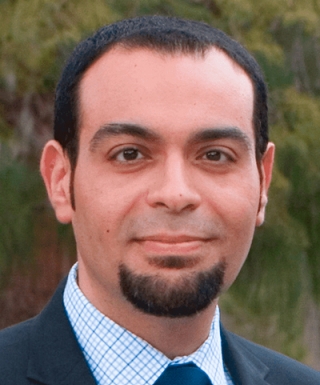
Ousama M. A’Amar is a Senior Lecturer in the Department of Biomedical Engineering at the Boston University College of Engineering. His primary affiliation is as a member of both the Primary and Affiliated Faculty. He teaches courses such as EK131 Hands-on Engineering, EK210 Introduction to Engineering Design, EK307 Electric Circuits, BE492 Biomedical Measurements II, and BE511 Biomedical Instrumentation. Education: PhD in Electrical Engineering (with Distinction), National Polytechnic Institute of Lorraine (INPL), France Inter-Universities European Diploma in Medical Lasers (DIUE), University of Nancy I, France MS (Diplome d’Etude Approfondie, DEA) in Electrical Engineering, INPL, France BS in Electronics Engineering, Tichreen University, Syria Dr. A’Amar’s research emphasizes analyzing optical properties of biological tissues and developing biomedical optics technologies for minimally invasive cancer detection. Key areas include autofluorescence, induced fluorescence, elastic scattering spectroscopy, and clinical instrumentation design. His work involves creating application-specific optical probes and tools for spectroscopy and imaging in medical settings. Scientific Awards: PhD with Distinction, National Polytechnic Institute of Lorraine While no specific grants or advising details are provided, his teaching and research contributions highlight expertise in biomedical optics and clinical engineering applications. No lab or team affiliations are explicitly mentioned in the text.
Chandramouli Chandrasekaran is an Assistant Professor in the Department of Psychological & Brain Sciences at Boston University, directing the Neural Dynamics of Cognition Lab. His research focuses on understanding how the brain processes sensory inputs and generates decisions through electrophysiological, behavioral, and computational methods. He uses dynamical systems theory and advanced neural recording techniques to study decision-making in animals, aiming to develop interventions for neurological disorders and brain-machine interfaces. Dr. Chandrasekaran earned his Ph.D. in Neuroscience from Princeton University. His work integrates multi-modal data analysis, recurrent neural networks, and in vivo recordings to explore cortical mechanisms underlying decision dynamics. Recent studies investigate laminar cortical activity, cell-type classification, and real-time neural decoding. His research trends emphasize computational modeling of neural circuits, translational applications of neural interfaces, and the interplay between sensory evidence and initial conditions in decision-making. Key contributions include developing methods like PhysMAP and ChaRTr, advancing understanding of premotor cortex function, and exploring cortical information bottlenecks during decisions. While no scientific awards are listed, his lab’s work aligns with translational goals in neurotechnology and clinical applications. Advising and grants are not explicitly detailed in the provided information. The Neural Dynamics of Cognition Lab serves as a central hub for his research collaborations and experimental studies.
Alexander Deiters is a Distinguished Professor of Chemistry at the University of Pittsburgh where he serves as founding Director of the Institute for Synthetic Biology. He joined the University of Pittsburgh in September 2013 after previously serving as a Full Professor at North Carolina State University. His research spans chemical biology, synthetic chemistry, and optochemical biology with applications to understanding and treating human diseases including cancer, neurological disorders, and viral infections. Deiters received his education in Germany, studying Chemistry at the University of Münster from 1993-1998, where he earned both his diploma degree (1998) and doctoral degree (2000). He completed postdoctoral work at the University of Texas at Austin (2001) and The Scripps Research Institute (2002-2004) before beginning his independent career at NC State University in 2004. Professor Deiters' research program focuses on developing novel chemical tools to elucidate biological processes. His multidisciplinary work combines synthetic organic chemistry, nucleic acid chemistry, biochemistry, and photochemistry to create optochemical tools that enable external control of biological processes with high spatial and temporal resolution. Key research directions include the development of light-activated proteins through synthetic biology approaches, photocaged oligonucleotide chemistry for controlling gene function, and small molecule inhibitors of the microRNA pathway for potential therapeutic applications. His lab consists of students and researchers with diverse backgrounds in multiple scientific disciplines working together to engineer DNA, RNA, and proteins with new functions. His recent publications demonstrate a continued focus on optochemical control of biological systems, with significant contributions in genetic code expansion, light-activated therapeutic agents, and novel approaches to controlling cellular signaling pathways. The work spans multiple model systems including mammalian cell culture, zebrafish embryos, and Xenopus laevis, with applications in cancer research, virology, and immunology. Editorial Board of Scientific Reports, Springer Nature Group (2016-) Editorial Advisory Board of ChemBioChem, Wiley-VCH (2016-) Charles E. Kaufman Foundation New Initiative Research Grant (2014) American Cancer Society Research Scholar Award (2011) National Science Foundation CAREER Award (2009) Beckman Young Investigator Award (2007) March of Dimes Foundation Basil O'Connor Starter Scholar Award (2006) Professor Deiters has trained over one hundred graduate students, postdocs, and undergraduates in his laboratory. His research has been supported by numerous grants from federal agencies including NIH and NSF, as well as private foundations. He serves as faculty advisor to the University of Pittsburgh's iGEM teams and has co-founded Monarch Therapeutics. Several compounds and reagents developed in his lab are commercially available, and his technologies have been licensed to biotech companies including Coeptis Therapeutics. His work has significant therapeutic potential, particularly in developing fundamentally new therapeutic agents through small molecule targeting of cellular pathways. The Deiters Lab at the University of Pittsburgh brings together students and researchers with diverse backgrounds in synthetic organic chemistry, nucleic acid chemistry, biochemistry, analytical chemistry, chemical engineering, and functional genomics. The lab maintains active collaborations with researchers at the Hillman Cancer Center, the Molecular Biophysics and Structural Biology Program, the Medical Scientist Training Program, and the Center for Systems Immunology at the University of Pittsburgh, as well as the Center for Nucleic Acids Science & Technology at Carnegie Mellon University.
Scott Nelson is a Professor and Co-Director of Undergraduate Studies in the Department of Chemistry at the University of Pittsburgh's Dietrich School of Arts and Sciences. His research develops innovative catalytic methods for stereoselective bond formation, enabling efficient synthesis of therapeutically relevant natural products and complex molecular architectures. Research focuses on: Design of asymmetric catalytic processes for carbon-carbon bond formation Development of rearrangement reactions and cycloadditions for complex heterocycles Total synthesis of bioactive natural products including apoptolidin and pironetin Application of parallel synthesis strategies to peptide mimetics Biological evaluation of synthetic compounds in cancer models His group combines synthetic organic chemistry, catalysis development, and chemical biology to address challenges in medicinal chemistry. Recent work has advanced gold-catalyzed annulations and palladium-mediated Claisen rearrangements for quaternary stereocenter construction. Awards include the Bristol-Myers Squibb Foundation Award (2001), Eli Lilly Award (2002), and Chancellor's Distinguished Research Award (2002).