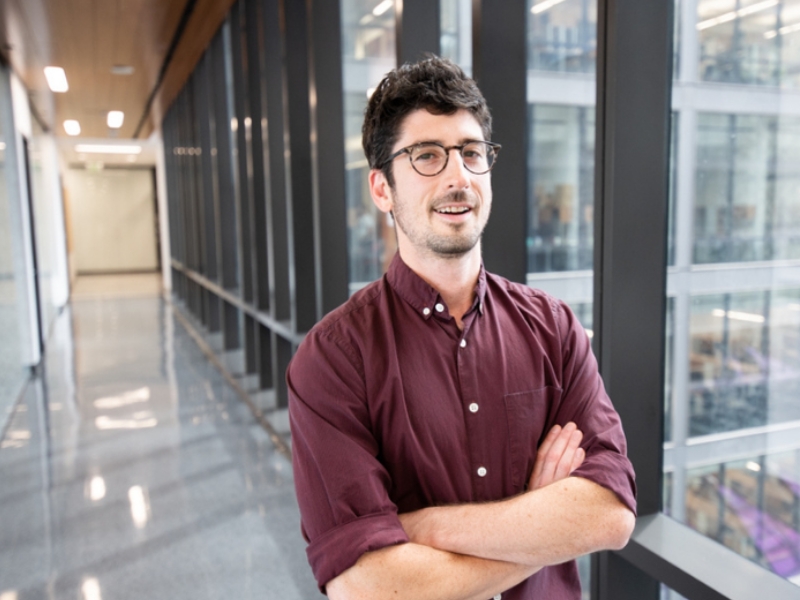
Serdar Niyazi Sariciftci is a Full Professor at the Institute of Physical Chemistry, Johannes Kepler University Linz, and leads the Linz Institute for Organic Solar Cells. His work centers on sustainable energy conversion and bioelectronic interfaces, with international recognition in organic semiconductor research. His research spans Organic Solar Cells, Bioelectronics, and Artificial Photosynthesis, focusing on biodegradable materials like algal polysaccharides and DNA-based conductors. Current projects emphasize eco-friendly electronics for medical and energy applications, integrating natural compounds with organic semiconductors to reduce environmental impact. Recent publications reveal a strong shift toward biocompatible organic electronics, with innovations in flexible transistors, biodegradable nanocomposites, and low-voltage medical sensors. Key trends include merging biological materials with electronic functions and developing sustainable alternatives to conventional semiconductors. No scientific awards were mentioned in the provided text. Professor Sariciftci has supervised 58 researchers and students while leading 65 funded projects, including the EU-backed EINSTEIN Excellence initiative (2024-2028) and CO2 utilization research (2025-2027). His grants target nutrifood theranostics, organic photovoltaics, and biocompatible polymers for medical applications. He directs the Linz Institute for Organic Solar Cells, coordinating international teams on 8 active projects. Current collaborations span Europe, with recent hosting of researchers from Turkey, Slovakia, and Ethiopia to advance organic semiconductor pigments and bioelectronic interfaces.