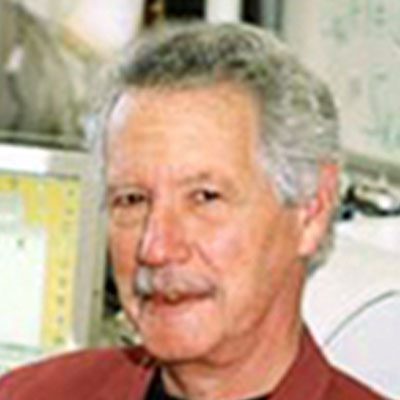
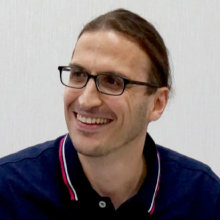
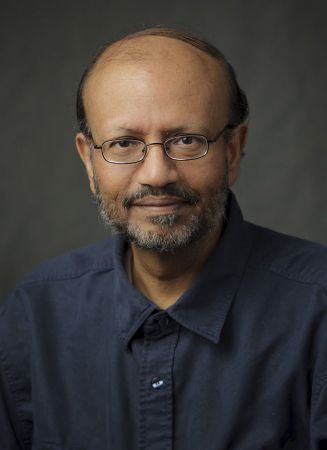
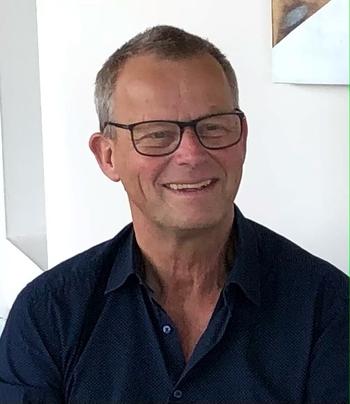
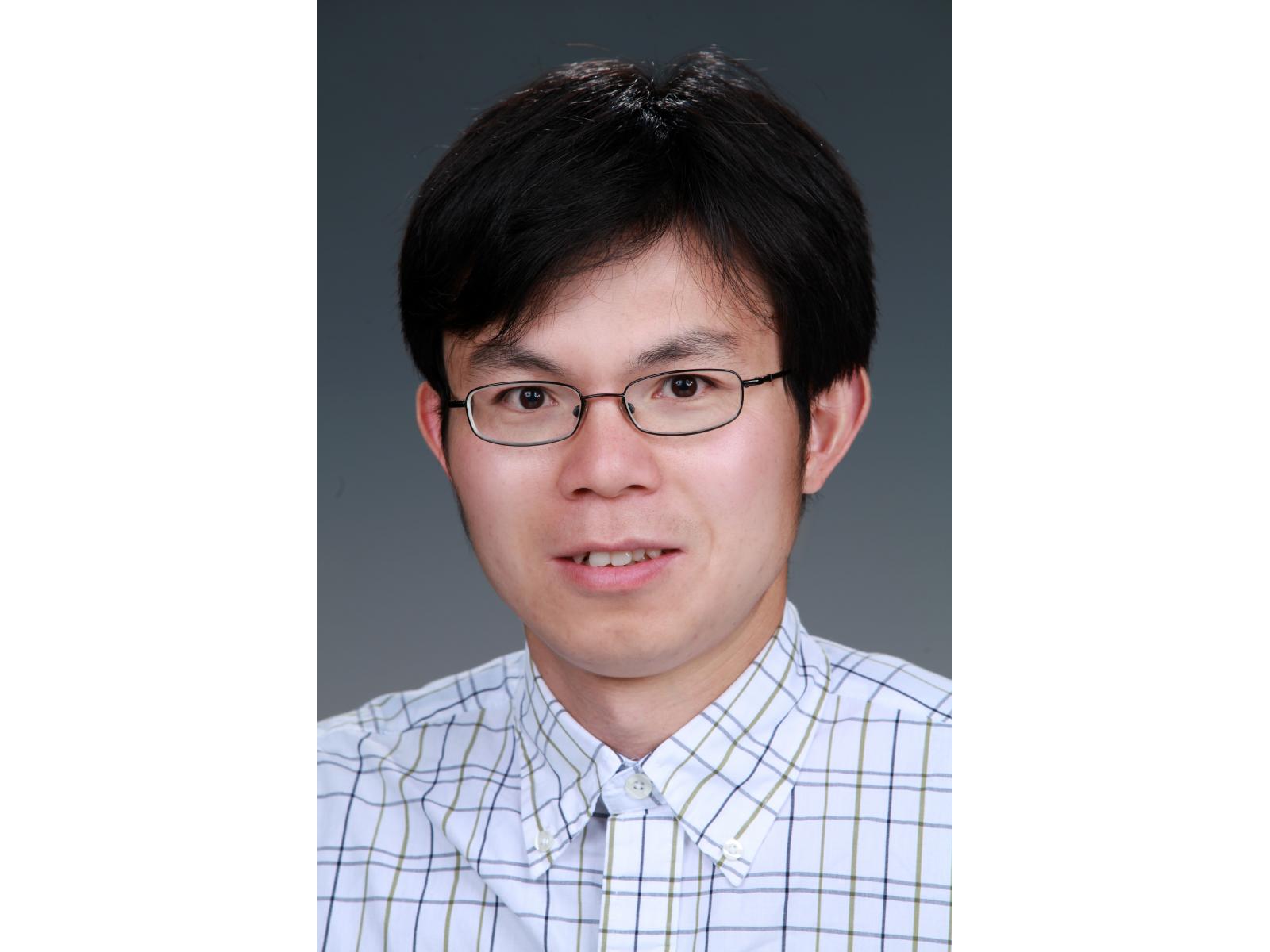
Terry D. Johnson is Senior Instructional Professor and Program Director for the Master of Engineering at the University of Chicago's Pritzker School of Molecular Engineering. He holds an MS in Chemical Engineering from MIT and is an emeritus Teaching Professor from UC Berkeley, where he co-founded the Masters of Translational Medicine program. Research integrates engineering and biomedicine, with patented innovations in tissue engineering and synthetic biology. Recent work develops sustainable textile dyeing technologies eliminating toxic reductants. Earlier projects include microfluidic hepatocyte cultures and EGF-functionalized biomaterials. Awards: Golden Apple Award for Outstanding Teaching (UC Berkeley 2010) Distinguished Teaching Award (UC Berkeley 2013) Co-authored the popular science book How to Defeat Your Own Clone . Teaches molecular engineering courses and directs master's programs bridging technical innovation and medical translation.
Dr. Leah Casabianca is an Associate Professor in the Department of Chemistry within Clemson University's College of Science. She joined the faculty in 2014 and was promoted to associate professor with tenure in 2020. Her research group, the NanoBio NMR Lab, focuses on developing advanced NMR methodologies to study interactions between nanomaterials and biologically relevant molecules. She teaches undergraduate and graduate courses including Physical Chemistry, Atomic and Molecular Structure, and Computational Quantum Chemistry. Educational Background: Postdoctoral Fellow, Chemical Physics, Weizmann Institute of Science (2010-2013) Postdoctoral Fellow, Analytical Chemistry, University of Illinois at Chicago (2008-2010) Ph.D., Physical Chemistry, Georgetown University (2008) B.S., Chemistry, Rice University (2002) Dr. Casabianca's research program centers on developing NMR methods for studying nanomaterial-biomolecule interactions, with applications in drug delivery, biomedical devices, materials science, and nanomaterials toxicity. Her group utilizes a variety of NMR techniques including solution and solid-state NMR, calculated chemical shifts, and Dynamic Nuclear Polarization. She has pioneered applications of Saturation-Transfer Difference (STD) NMR for examining molecular binding to nanoparticle surfaces, which has become a significant methodology in nanotoxicology and nanomedicine research. Analysis of her publication record reveals a consistent focus on methodological advancements in NMR for nanomaterial characterization, with increasing emphasis on environmental implications of nanoscale plastics. Her recent work shows expansion into multiphase NMR studies and dual-modality approaches combining fluorescence with NMR. The research demonstrates strong interdisciplinary connections between chemistry, materials science, environmental science, and biomedical engineering. Scientific Recognition: 2018 College of Science Rising Star in Discovery Award Multiple student awards under her mentorship including ENC travel awards and poster prizes Mandel Fellowship and SciSAB Grant awarded to her students Dr. Casabianca has successfully mentored numerous graduate and undergraduate students, with several completing Ph.D. dissertations under her supervision. Her research program is supported by significant funding from the National Science Foundation through multiple grants including Environmental Chemical Science (CHE-2304888), Chemical Measurement and Imaging (CHE-1751529), and Major Research Instrumentation Program (CHE-1725919 and CHE-2407820). She also receives support from the American Chemical Society Petroleum Research Fund (58738-DNI6). Beyond research, she is actively involved in educational outreach through Project WISE Summer Camp, Peer-Wise Experience, and as faculty co-advisor for Clemson Student Affiliates of the American Chemical Society. The NanoBio NMR Lab maintains an active research program with regular participation in conferences including the Southeastern Magnetic Resonance Conference (SEMRC), which Dr. Casabianca helped organize in 2018. The lab has a strong collaborative network and regularly publishes in high-impact journals across chemistry, materials science, and environmental science disciplines.
Mary Hannah Wood is an Assistant Professor at the University of Copenhagen's Niels Bohr Institute, specializing in the Theoretical High Energy, Astroparticle and Gravitational Physics department. With a background in physical and surface chemistry, her research focuses on applying advanced techniques like neutron reflectometry to understand complex bioelectronic interfaces and electron transport mechanisms. Her work addresses energy and chemical supply challenges through bioelectronic systems and interfacial analysis . Publications highlight collaborations in electrochemistry , biophysics , and microfluidic engineering , with recent studies in Journal of the American Chemical Society and Langmuir . Mary's research spans photosynthetic membranes , lipid bilayer dynamics , and environmental chemistry . She utilizes neutron reflectometry and atomic force microscopy to explore bioelectronic interfaces and mineral surface interactions.
Xinqiao Jia is a Professor in the Department of Materials Science and Engineering at the University of Delaware. Her research focuses on designing advanced biomaterials for medical applications, including drug delivery systems, tissue engineering, and cancer therapy. She leads a research group developing functional biointerfaces, mechano-responsive hydrogels, and biomimetic matrices for regenerative medicine. Key research areas include salivary gland and vocal fold regeneration, cancer tissue modeling, and elastin-mimetic polymers. Notable achievements include the synthesis of hyaluronic acid-based hydrogels and the development of bioorthogonal chemistry techniques for dynamic material tuning. Awards include the NSF CAREER Award (2007), DuPont Young Professor Award (2010), and multiple accolades from the American Chemical Society. Grants & Funding: NSF CAREER Award, NCI grants, University of Delaware Research Foundation support. Labs/Teams: Jia Research Group focuses on biomaterials engineering, with collaborations in cancer biology, drug delivery, and regenerative medicine. Future Work: Advancing bioorthogonal materials for real-time in vivo modulation and scalable production of functional matrices.
Pedro Estrela is a Professor in the Department of Electronic & Electrical Engineering at the University of Bath, where he directs the Centre for Bioengineering & Biomedical Technologies (CBio). His research focuses on developing label-free electrical biosensors and chemical sensors for applications in medical diagnostics and environmental monitoring. Key areas include electrochemical impedance spectroscopy, nanobiosensors, microfluidics, and organ-on-chip technologies. Prof. Estrela holds a Doctor of Philosophy in Physics from the University of Amsterdam and a Master of Physics in Condensed Matter Physics from the University of Lisbon. His multidisciplinary work involves collaborations with engineers, chemists, biologists, and clinicians. Recent publications demonstrate strong emphasis on nanotechnology-enabled diagnostic platforms, including SARS-CoV-2 detection systems, sepsis biomarkers quantification, and transdermal microneedle devices. Research trends indicate increasing integration of nanomaterials, CRISPR technology, and additive manufacturing for developing point-of-care diagnostics. The work consistently addresses global health challenges through innovations in rapid testing and environmental surveillance. Prof. Estrela leads multiple collaborative projects in water monitoring and nanomedicine, supported by substantial research grants. His laboratory focuses on translating fundamental discoveries into practical biomedical solutions through industry partnerships.
Wenting Shao is a Research Fellow in the Department of Chemistry, specializing in advanced nanotechnology and biosensor development. Her work focuses on integrating carbon nanotubes and metal-organic frameworks into high-sensitivity detection systems for environmental monitoring, biomedical diagnostics, and drug analysis. Notable research includes fentanyl detection using machine learning-enhanced sensors, rapid SARS-CoV-2 antigen screening, and stress hormone analysis through nanoelectronic platforms. Her research interests span nanomaterials synthesis, electrochemical sensing mechanisms, and biomedical applications of nanotechnology. She has developed innovative sensor designs such as carbon nanotube-based field-effect transistors (FETs) and automated electrolyte-gate systems for multi-sensor screening. Publications highlight contributions to drug detection (e.g., fentanyl and norfentanyl), pathogen diagnostics (tuberculosis), and endocrine system monitoring (stress hormones). Her work bridges material science with clinical applications, emphasizing practical solutions for environmental and healthcare challenges.
Raphael D. Levine is a Professor at the Department of Chemistry, University of California, Los Angeles (UCLA). He holds affiliations in the Chemistry and Biochemistry departments, Molecular & Medical Pharmacology, and is a member of the California NanoSystems Institute and the JCCC Signal Transduction and Therapeutics Program Area. Primary Affiliation: Department of Chemistry, UCLA Secondary Affiliations: Chemistry and Biochemistry, Molecular & Medical Pharmacology Research Institutes: California NanoSystems Institute, JCCC Program Area Levine's research spans interdisciplinary domains such as: Information-theoretic approaches to gene networks and carcinogenesis Quantum and molecular computing via quantum dots, DNAzymes, and redox systems Entropy analysis in biochemical signaling and cellular dynamics Ultrafast spectroscopy for molecular logic devices Isotope effects in planetary and nebular chemistry His work emphasizes the convergence of physical chemistry, computational biology, and nanotechnology. Key methodologies include surprisal analysis, maximal entropy inference, and electrochemical spectroscopy. Levine's publications demonstrate expertise in translating quantum phenomena into practical computing frameworks, with applications in cancer biology, molecular electronics, and astrochemical modeling. Notable collaborations include James R. Heath and Françoise Remacle. Contact: rafi@chem.ucla.edu | Office: Geology 3608A | Mailing: Department of Chemistry, UCLA
Leonardo PUPPULIN is a Researcher at the Department of Molecular Sciences and Nanosystems, Ca' Foscari University of Venice. He specializes in Physical Chemistry, with a focus on nanoscale material characterization, biomaterials, and sustainable chemistry. His work includes advanced microscopy techniques such as high-speed atomic force microscopy (HS-AFM) to study biological systems, molecular dynamics, and material degradation mechanisms. He oversees laboratory safety and teaching activities, including courses in Physical Chemistry, Colloids and Interfaces, and Electron Microscopy techniques at both undergraduate and doctoral levels. Research interests span diverse areas: Dynamic imaging of proteins and channels (e.g., TRPV1, TMEM16F) using HS-AFM Development of protective silica-based coatings for cultural heritage artifacts Upcycling chitin into catalytic materials for green chemistry applications Biomedical materials analysis, particularly polyethylene and ceramic implants Optical properties of nanomaterials like NaBiF4 for photonics applications Teaching responsibilities include laboratory supervision and theoretical modules for Chemistry and Nanomaterials programs. He collaborates on interdisciplinary projects combining physical chemistry with biomedical and environmental applications. His 15 most recent articles (2023–2025) highlight advancements in HS-AFM imaging, nanomaterial synthesis, and biomaterial degradation studies, reflecting a strong emphasis on experimental techniques and interdisciplinary applications.
Matti Javanainen is an Assistant Professor and head of the BioInterfaces research group at the Computational Physics Laboratory within the Faculty of Engineering and Natural Sciences at Tampere University. His research focuses on computational biophysics, specifically using molecular dynamics simulations to study biomembrane structure, lipid dynamics, and protein-lipid interactions. He holds a Master of Science (Technology) from Tampere University (2012) and a Bachelor of Science (Technology) from the same institution (2010). Research interests include the dynamics of lipid monolayers and bilayers, pulmonary surfactant systems, and the development of simulation methodologies. Key contributions include work on interleaflet coupling in membranes, cholesterol's role in membrane viscosity, and force field improvements for coarse-grained modeling. Javanainen leads a team exploring computational approaches to understand biological interfaces at the molecular level. Recent articles highlight advancements in lipid diffusion analysis, membrane protein behavior in crowded environments, and the impact of omega-3 fatty acids on receptor dynamics. His work bridges computational methods with experimental insights, contributing to fields like drug delivery and membrane biology. Collaborations span international teams, emphasizing interdisciplinary approaches to membrane science.
Anna Zdziennicka is a Professor at the Department of Interfacial Phenomena, Institute of Chemical Sciences, Faculty of Chemistry, Maria Curie-Skłodowska University in Lublin, Poland. She serves as Head of Department and Doctoral Program Director since 2016. Her academic career spans over three decades with specialization in physical chemistry of interfaces. Her educational background includes: Master of Chemistry (1988) from UMCS Faculty of Mathematics-Physics-Chemistry PhD (1996) on surface free energy of solids via contact angle measurements Habilitation (2011) on surface properties of surfactant-alcohol mixtures Full Professor title (2017) in chemical sciences Professor Zdziennicka's research focuses on interfacial phenomena , particularly: Surface and interfacial tension thermodynamics Adsorption and aggregation behavior of surfactants Wetting and adhesion mechanisms on solid surfaces Physical chemistry of biosurfactants and mixed systems Short-chain alcohol effects on interfacial properties Her experimental work combines contact angle analysis, surface tension measurements, and thermodynamic modeling to understand molecular interactions at interfaces. Analysis of her publication record (130+ papers) reveals consistent focus on surfactant systems, with recent emphasis on binary/ternary surfactant mixtures , alcohol-modified interfaces , and biodegradable surfactant applications . Key methodological approaches include Gibbs adsorption equation applications, surface excess concentration calculations, and wetting transition analysis. Her scientific contributions include: Guest Editor for Special Issue "Research Progress of Surfactants" Significant citation metrics: h-index 22 (WoS), 14 (Google Scholar) Publication in top journals including Advances in Colloid and Interface Science and Journal of Colloid and Interface Science Professor Zdziennicka leads research on surfactant systems at UMCS with extensive international collaboration, including work with Spanish researchers at University of Extremadura (2003-2004). Her current work focuses on mixed surfactant systems for industrial applications while maintaining strong fundamental research in interfacial thermodynamics.
Manoj K. Chaudhury is the Franklin J. Howes Jr. Distinguished Professor in the Department of Chemical & Biomolecular Engineering at Lehigh University. His research focuses on interfacial fluid mechanics, adhesion, fracture, and tribological properties of polymeric interfaces and soft materials. He has published 100 peer-reviewed papers in top journals and holds multiple patents. Ph.D., Chemical Engineering, SUNY Buffalo M.S., Biophysical Sciences, SUNY Buffalo B.Sc., Physics (Honors), Calcutta University Chaudhury co-founded the field of interfacial fluid mechanics with his 1992 Science paper on water droplet migration. His work combines molecular and continuum mechanics studies to address adhesive, fracture, and tribological phenomena in soft materials, including novel pattern-forming mechanisms in elastic films with applications in nanotechnology. He serves as Associate Editor for Biointerfaces and co-edited the textbook Surfaces, Chemistry and Applications . His research has garnered approximately 3,700 citations.
Francesca Cecchet is a Researcher at the University of Namur, Belgium, affiliated with the Namur Institute of Structured Matter (NISM) and Namur Research Institute for Life Sciences. She manages the Technological Platform Morphology - Imaging and serves as Principal Investigator for multiple research projects including PHOENIX and the National Recovery and Resilience Plan's energy transition research platform. Dr. Cecchet earned her Doctor of Sciences degree in 2003 from the University of Namur with a thesis on ordered, functional, and switchable films of benzylic amide macrocycles and rotaxanes. She completed her DEA in Physics and Material Chemistry in 2000 and Master's in Chemistry in 1999, both at the University of Namur. Her research focuses on nonlinear optical spectroscopy , particularly sum-frequency generation techniques applied to biological interfaces. She investigates nanoparticle-lipid membrane interactions , interfacial water behavior , and biohazard detection methods. Her work bridges physics, chemistry, and life sciences with applications in nanotoxicology and biosensor development. Her fingerprint shows strong expertise in spectroscopy (100%), sum-frequency generation (93%), surfaces (65%), self-assembled monolayers (47%), and lipid-nanoparticle interactions. Analysis of her 15 most recent publications reveals a consistent trajectory in interface-sensitive vibrational spectroscopy with increasing focus on quantitative detection methods and real-world applications . Her 2024-2025 work demonstrates how optical responses can be leveraged for label-free detection of biohazards, while earlier publications established fundamental understanding of molecular organization at bio-interfaces. As a Principal Investigator, she leads significant research initiatives including PHOENIX (2024-2029), which explores how physics and computational intelligence can induce new historical paradigms, and the National Recovery and Resilience Plan's energy transition research platform (2022-2025). She has supervised multiple theses and managed research equipment including atomic force microscopy platforms. Dr. Cecchet actively contributes to the scientific community through numerous invited talks and conference participations, with recent presentations focusing on nano-bio-interfaces and vibrational spectroscopy applications. Her research platform serves as an expert resource for molecular system synthesis and nanostructured material characterization.
Prof. Dr. Andreas Herrmann is a Visiting Professor at the Freie Universität Berlin, affiliated with the Department of Biology, Chemistry and Pharmacy, and the Chemistry and Biochemistry division. He contributes to research in dynamic hydrogels, polymeric nanosystems, and biomedical materials. Research Interests: Development of sialylated nanogels for influenza A virus inhibition Design of heteromultivalent nanostructures for broad-spectrum antiviral activity Biocatalytic nanomaterials for bacterial disinfection Supramolecular carbohydrate-functionalized graphene derivatives for bacterial capture Thermoresponsive hydrogels for iPSC expansion and release StemGel technology for cartilage regeneration His work intersects polymer chemistry, virology, and biomedical engineering, focusing on creating sustainable solutions for disease treatment and diagnostics. Recent projects include tumor-targeting micelles and aqueous solubilization systems.
Dr. Chun-Long Chen is a senior research scientist at Pacific Northwest National Laboratory (PNNL) with over 80 publications and three U.S. patents. His work bridges synthetic chemistry and materials science to develop sequence-defined synthetic polymers that mimic natural proteins, focusing on biomimetic mineralization and porous materials for clean energy . Education: PhD in Physical Inorganic Chemistry, Sun Yat-Sen University (2005) BS in Chemistry, Nanchang University (2000) Affiliations: Materials Research Society American Chemical Society His research interests include peptoid synthesis and self-assembly , biomimetic mineralization , in situ AFM imaging , and chemical biology . The 15 most recent articles highlight trends in nanoparticle assembly , 2D nanomaterials , and biomimetic design for energy and biomedical applications. Scientific Awards: DARPA Fold F(x) Program Award (2014, Co-PI) LDRD Award (2013, PI) Young Investigator Award (2010, ICCBMT) Best Poster Award (2010, ACCGE-West) Nanyue Award (2005, Guangdong Province) Kaisi Fellowship (2004, Sun Yat-Sen University) Samsung Award (2003, Sun Yat-Sen University) Dupont Award (2002, Sun Yat-Sen University) Dr. Chen's work involves collaborations with institutions like University of Washington and Sun Yat-Sen University , with grants from programs such as the LDRD and DARPA . His publications emphasize nanostructure control via peptoid engineering and interdisciplinary approaches to materials design.
Lara Gamble is a Research Associate Professor at the University of Washington's Department of Bioengineering within the College of Engineering. She is affiliated with the Molecular Analysis Facility and actively contributes to advancements in biomedical analytical techniques. Education : PhD in Physical Chemistry from the University of Washington; BA from the University of California, Santa Cruz. Postdoctoral Experience : Research Scientist at Zyomyx, Inc., and Senior Scientist at Space Dynamics Laboratory. Her research focuses on surface analysis, biomaterials, and mass spectral imaging , particularly using secondary ion mass spectrometry (SIMS) and ToF-SIMS for sub-cellular imaging of biological samples. Her work addresses tumor microenvironments, lipid metabolomics, and tissue repair. Recent publications highlight interdisciplinary applications of ToF-SIMS, microarray analysis, and surface chemistry. Collaborations span biomedical and clinical research communities. Scientific Awards : 2015 AVS Fellow 2014 Peter M.A. Sherwood Mid-Career Award (AVS) Leadership roles in AVS and IUVSTA She teaches the BIOEN 511: Biomaterials Seminar and has led the UW Molecular Analysis Facility since 2020. Her lab emphasizes technique development and data processing for biomedical diagnostics.