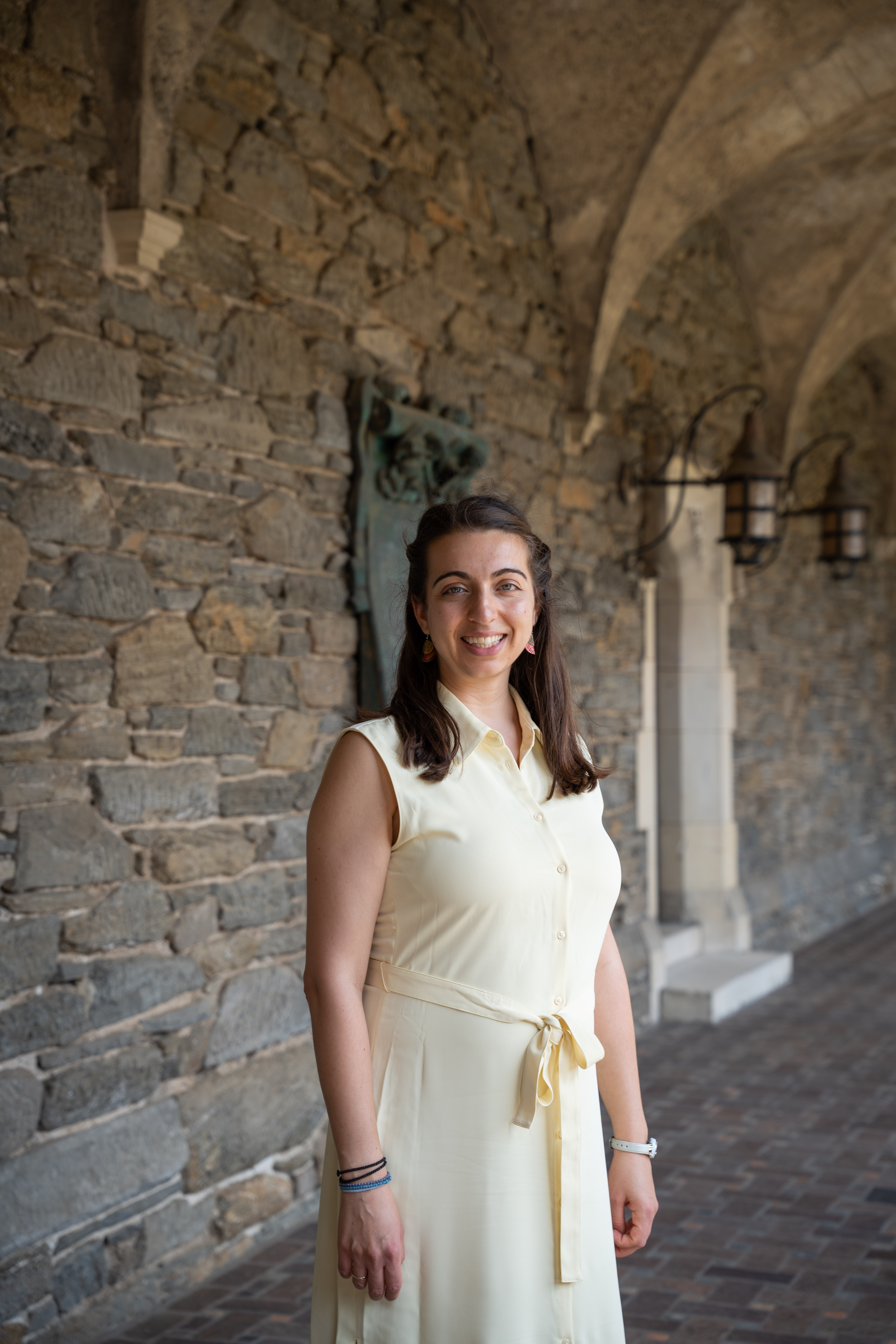
Massimiliano Cordaroمشاهده پروفایل
پژوهشگر ارشد
Dr. Massimiliano Cordaro is a tenured Research Fellow in the Department of Chemical, Biological, Pharmaceutical and Environmental Sciences at the University of Messina, where he has been affiliated since 2008. He teaches Organic Chemistry across undergraduate and graduate programs including Industrial Chemistry, Environmental Sciences, and Chemistry Master's degrees. Education Bachelor's degree in Chemistry (1998), University of Messina PhD in Chemical Sciences (2000-2003), University of Messina Research Focus His work centers on organic synthesis of applied-interest molecules, particularly chromophoric systems and biomaterials. Leading the Laboratory of Organic Synthesis and Biomaterials (SYMAT), he develops BODIPY fluorophores for bioimaging, electrochemical sensors using nanomaterial hybrids, and metal-complex drug formulations. His research directly supports Sustainable Development Goals 6 (Clean Water) and 7 (Clean Energy) through environmental and energy applications. Publication Trends Recent publications (2023-2025) demonstrate integration of organic synthesis with nanotechnology and electrochemistry. Key themes include luminescent solar concentrators using BODIPY-pyrene systems, graphene-cyclodextrin electrochemical sensors for metal detection, and hyaluronic acid-based magnetic nanoparticles for biomedical applications. These works emphasize molecular design for real-world solutions in healthcare and renewable energy. Scientific Recognition No specific awards or fellowships mentioned in source material Mentorship & Outreach Dr. Cordaro has supervised students through teaching roles and research activities, presenting findings at international conferences. He actively engages in public science outreach, including the 'ConsapevolMente' school program on environmental sciences. His research group maintains strong industry and academic collaborations in electrochemical sensing and biomaterials development. Research Infrastructure He directs the SYMAT Laboratory focusing on organic synthesis pathways for chromophores, nanomaterials, and bioconjugates. Current projects involve ferrocenyl-carnosine nanoassemblies for electrochemical detection and bimetallic nanoparticles for targeted drug delivery systems.