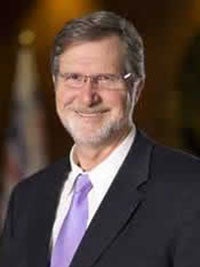
Dr Matthew Crossley is a Senior Lecturer and Deputy Head of the Department of Computing and Mathematics at Manchester Metropolitan University, where he has served since 2013. Since 2018, he has led the BSc (Hons) Computer Games Development program, implementing innovative teaching methods such as 'Game a Week' challenges and 'Simulated Studio' experiences to enhance students' portfolios and industry readiness. His research spans computational intelligence, game development, and public health education. Key contributions include algorithmic approaches to puzzle-solving (e.g., ant colony optimization for Nurikabe puzzles), epidemiological modeling of fictional apocalypses (Zombie, Vampire, Werewolf scenarios), and educational simulations like SimFection for vaccination awareness. His work often merges technical rigor with creative applications. Article trends reveal a focus on nature-inspired algorithms (2013-2014), game development pedagogy (2018-present), and interdisciplinary applications of mathematical modeling in public health and fictional epidemiology. He also explores player behavior analysis and game analytics in his recent work. His professional contributions emphasize bridging academic theory with practical industry experience, ensuring students develop competitive portfolios through immersive, studio-like environments.
Dr David Botchie serves as a Reader in Sustainability and Global Value Chains within the Global Management department at Brunel Business School, Brunel University London. With a PhD in International Development and interdisciplinary training spanning social and natural sciences, he specializes in the intersection of sustainability, technology management, and global value chain dynamics, particularly focusing on African contexts and emerging economies. His educational background includes a BSc, MPhil, and PhD with formal recognition as a Fellow of the Higher Education Academy (FHEA). Dr Botchie's research portfolio spans climate change adaptation, circular economy implementation, food systems transformation, and AI applications in sustainability. His interdisciplinary approach bridges technological innovation with socio-economic development challenges, evidenced by extensive collaborations with institutions across Africa and Europe. Recent publications reveal a strong trend toward examining artificial intelligence applications in sustainability contexts, particularly regarding plastic circular economy and workplace technology adoption. His work consistently analyzes global value chain structures while emphasizing African industrial development, with significant focus on Ghana's garment industry regeneration and commodity certification systems. The research demonstrates methodological diversity spanning literature reviews, case studies, and empirical fieldwork across Sub-Saharan Africa. Fellow of the Higher Education Academy (FHEA) Dr Botchie leads impactful research projects including the ITU-funded telemedicine ecosystem study across sub-Saharan Africa (2022-2023) and the Brunel-GCRF plant breeding initiative addressing food security in Ghana (2019-2021). His advisory work extends to major international organizations including the World Bank, UNDP, and FAO, with significant field experience across Ghana, Nigeria, Tanzania, and Uganda. Current research directions focus on AI-driven sustainability solutions and regenerative industrial systems in developing economies.
Gita Hedin is a Senior Lecturer in Public Health Sciences at Kristianstad University's Faculty of Health Sciences, Department of Public Health Sciences. She is affiliated with multiple research centers including Children's and Young People's Health in Social Context (CYPHiSCO), Center for Food Health and Retail at Kristianstad University (FOHRK), and The Health in Collaboration research platform. She also serves as collaboration coordinator and internationalization coordinator at the Faculty of Health Sciences. Dr. Hedin holds a PhD in medical science with a focus on public health science from Lund University (2022), with her thesis titled 'Sleep and insomnia symptoms among adolescents.' Her research centers on sleep science across the lifespan, particularly examining contextual factors affecting children, adolescents, and adults. She develops and implements interventions for schoolchildren to promote good sleep, mental health, and academic performance, while also conducting CBT-based sleep groups for insomnia. Her current research projects include a FORTE-funded study evaluating interventions to promote adolescent sleep and collaborative research on how interior design and food impact sleep quality. Hedin's work shows a strong emphasis on interdisciplinary collaboration, with active partnerships across Nordic countries through the Nordic Health Promotion Research Network (where she leads the Child and Youth in Health Promotion Settings working group), Oxford Brookes University, and University of Basel. Her publication record demonstrates consistent output with 59 publications and active research projects through 2025. She teaches across multiple programs including public health (with behavioral science focus), nursing, district nursing, and master's level courses. Her work contributes to UN Sustainable Development Goals related to health and wellbeing. The analysis of her 15 most recent publications reveals a concentrated research focus on sleep disorders, particularly insomnia assessment tools, adolescent sleep patterns, digital media impact on sleep, and person-centered health promotion interventions. Dr. Hedin actively supervises doctoral students and serves as Principal Investigator on multiple research projects. Her media presence is significant with 22 press/media contributions, demonstrating her commitment to translating research into practical applications for public benefit.
Dr. Dan Santos is a Research Fellow at the Australian National Centre for the Public Awareness of Science (CPAS) at the Australian National University (ANU). He specializes in the political economy and public engagement dimensions of emerging biotechnologies, focusing on openness and innovation. His work integrates science communication, science and technology studies, and economic geography. Education: PhD and MA in Geography from Clark University (2021), BA (Hons) in Environmental Studies and BSc in Genetics and Environmental Science from the University of Melbourne. Prior roles include Visiting Fellow at Harvard Kennedy School (2020-21) and Research Assistant at Monash University and University of Melbourne. Research Interests: Synthetic biology, stem cells, biohacking, AI ethics, circular economy, and democratization of innovation. His projects explore community science labs, biomanufacturing policy, and the governance of biomedical resources. Publications highlight themes like stem cell registries, geographies of interdependence in innovation, and challenges in AI dialogue at scale. He collaborates on projects such as 'Looping Genetically Modified Waste: The Circular Economy Challenge for Agricultural Biotech' (2024-2025). Affiliations include the UNESCO Chair in Science Communication for the Public Good. Santos' work bridges academic research with societal impact, emphasizing ethical and equitable technological development.
Steven Northam is a Senior Lecturer in Innovation and Entrepreneurship at the University of Winchester, affiliated with the Faculty of Business and Digital Technologies. He holds a BA (Hons) in Business Management & IT, an MSc in Marketing, an MA in Education, and is a Fellow of the Higher Education Academy (FHEA). His expertise includes business start-up, digital media marketing, and the application of technology in education. Northam has founded ventures like IncuHive, a business incubation network, and BioTeq, pioneering human microchip implants for access control. He is a multi-award winner, including the 2022 Winchester Business Excellence Lifetime Achievement Award. Research interests span business incubation, entrepreneurship, and innovative uses of technology in learning. His work often bridges academic and real-world applications, such as leveraging social media for educational engagement and advancing biohacking through partnerships with medical professionals. Awards highlight his contributions to entrepreneurship and innovation, with recognition from 2008 to 2022. He actively mentors students and entrepreneurs, supporting business ideas through teaching and his portfolio of companies.
Sonja Erikainen is a Lecturer in Sociology at the University of Aberdeen's School of Social Science. Their research examines intersections between science and society, focusing on biomedical knowledge production, gender diversity, and cultural aspects of health technologies. Key research areas include new biotechnologies in medicine, digital health innovations, citizen science initiatives, and gender/sexuality studies—particularly concerning trans and non-binary identities in sports. Erikainen investigates how these domains reshape concepts of patienthood, identity, and social categorization. Publication trends show engagement with hormonal theory, healthcare AI ethics, and participatory methodologies. Recent work critically assesses technological promises in medicine and explores feminist philosophies of engagement in health research. Erikainen authored Palestinians in Jordan: The Politics of Identity (2012) and co-edited Post-Conflict Memorialization: Missing Memorials, Absent Bodies (2021).
Mario Tomljanović is an Associate Professor at the Faculty of Kinesiology, University of Split. He specializes in conditioning training, high-performance sports, biohacking, and leadership/teaching methodologies. Focus areas: Strength and conditioning, sports performance optimization Teaching roles: Course leader for programs in athletic conditioning, personal training, and integrative fitness Active in continuing education: Developed boxing coach certification programs
Christopher Coenen is a Research Group Leader at the Institute for Technology Assessment and Systems Analysis (ITAS) at Karlsruhe Institute of Technology (KIT), Germany. He serves as Editor-in-Chief of the journal NanoEthics: Studies of New and Emerging Technologies , with expertise in human enhancement and socio-ethical implications of technoscience. Key affiliations: ITAS (KIT), S.NET, European Commission’s STOA Research Interests focus on: Social, ethical, and historical dimensions of emerging technologies Human-machine convergence in neurotech/synbio Responsible Research and Innovation (RRI) Techno-futuristic ideologies and citizen science Recent Publications address quantum ethics, neurotechnology, biohacking, and techno-cultural narratives across 15 years. His work bridges philosophy, policy, and public engagement with technologies like nanosystems, AI, and synthetic biology. Projects include STIMULUS (microvascular quantum biomarkers), IANUS (trust in science), and QuTec (quantum TA). He previously led studies on synthetic biology, human enhancement, and techno-democracy.
Dr. Anna Wexler is an Assistant Professor of Medical Ethics and Health Policy at the Perelman School of Medicine, University of Pennsylvania. As Principal Investigator of the Wexler Lab, she explores ethical, legal, and social issues surrounding emerging technologies like DIY medicine, citizen science, direct-to-consumer health products, and neuroscience innovations. Education: PhD in HASTS (History, Anthropology, Science, Technology & Society) from MIT BS in Brain and Cognitive Science and Humanities & Science (Writing & Neuroscience) from MIT Her research focuses on the intersection of bioethics, neurotechnology, and health policy. Key themes include self-directed medical practices, regulatory challenges for consumer health technologies, and the societal impact of decentralized neuroscience tools. She has written extensively on topics such as tDCS devices, psychedelic therapies, and alternative neurotherapies. Dr. Wexler's publications reveal trends in DIY health practices, neuroscience ethics, and regulatory frameworks. Her work spans empirical bioethics, neurotechnology oversight, and the social dynamics of citizen science. She advocates for policy reforms grounded in real-world user data rather than hypothetical concerns. Scientific Awards NIH Director's Early Independence Award (2018) Senior Fellow at Leonard Davis Institute for Health Economics Dr. Wexler contributes to academic leadership as a Board member of the International Neuroethics Society and Associate Editor for AJOB Neuroscience and the Journal of Cognitive Enhancement. She previously worked as a documentary filmmaker, co-directing Unorthodox (2013).
Carl Cederström is a Professor at Stockholm Business School, Stockholm University, where he conducts research at the intersection of philosophy, organizational studies, and cultural critique. His work challenges conventional wisdom about happiness, wellness, and academic life through a critical lens informed by Lacanian psychoanalysis and continental philosophy. Professor Cederström's research focuses on the cultural phenomena surrounding happiness and wellness, examining how these concepts have become moral imperatives in contemporary society. His influential book "The Wellness Syndrome" (co-authored with André Spicer) critiques the rise of wellness culture and its effects on workplace dynamics and personal identity. He has also made significant contributions to understanding Nordic fatherhood, academic anxiety, and the application of psychoanalytic theory to organizational behavior. His recent publications reveal a consistent focus on critiquing positive psychology and the "happiness industry," with notable works including "Happiness, a moralistic fantasy" (2019) and "The Happiness Fantasy" (2018). Cederström's research on Nordic fatherhood, particularly "State of Nordic fathers" (2019) and "Are We Ready for the Breastfeeding Father?" (2019), has contributed to important conversations about gender roles and parental responsibilities in Scandinavian welfare states. As an engaged public intellectual, Professor Cederström frequently contributes to public discourse on academic life, workplace culture, and the societal implications of optimization movements. His 2016 article "How to live less anxiously in academe: 4 steps toward an alternative academic career" has been particularly influential among early-career academics navigating the pressures of contemporary university systems.
Dr. Calvin Mercer is a Professor of Religious Studies in the Department of Philosophy and Religious Studies at East Carolina University, where he has established himself as a leading scholar at the intersection of religion and emerging technologies. With 11 authored and edited books and approximately 30 articles to his name, his scholarly output has significantly shaped the emerging field of religion and technology studies. Dr. Mercer holds a unique interdisciplinary position, combining his expertise in religious studies with clinical psychology training. He practiced as a therapist part-time for about a decade, specializing in cases where religion was a factor in mental distress, which has deeply informed his scholarly work on fundamentalism and religious psychology. Professor of Religious Studies at East Carolina University Founding chair of the American Academy of Religion's Human Enhancement and Transhumanism Group Co-editor of Palgrave Studies in the Future of Humanity and Its Successors Recipient of the International Society for Science and Religion Prize Dr. Mercer's research primarily focuses on the religious and social implications of radical human enhancement technologies, including biohacking, artificial intelligence, transhumanism, and radical life extension. His work examines how religious traditions respond to and interpret technological advancements that challenge traditional understandings of human nature, mortality, and spirituality. He has made significant contributions to understanding the theological implications of superintelligence and mind uploading. His most notable publication, Religion and the Technological Future: An Introduction to Biohacking, Artificial Intelligence, and Transhumanism (co-authored with Tracy Trothen), received the International Society for Science and Religion (ISSR) Prize for Books Suitable for a Professional Audience, an annual award funded by the Templeton World Charity Foundation. The book has been widely praised for its comprehensive, accessible approach to a complex subject and has been translated into Arabic. International Society for Science and Religion Prize for Books Suitable for a Professional Audience Reader's Favorite 5-Star Award for children's book There Ought to Be a Law Dr. Mercer frequently gives public lectures on religion and human enhancement technology, as well as on his psychological interpretation of fundamentalism. His interdisciplinary approach, combining religious studies with clinical psychology insights, makes him a distinctive voice in contemporary scholarship on religion and technology. He continues to be an active scholar with forthcoming work including Transhumanism as a New Religious Movement (Cambridge University Press, 2025).
Thomas Söderqvist is a Professor in History of Medicine at the University of Copenhagen, affiliated with the Department of Public Health and serving as Director of Medical Museion. His work bridges academic research with museum practice, focusing on the intersection of medical history, contemporary science, and public engagement. His educational background spans multiple disciplines: Undergraduate studies in zoology, chemistry, and paleontology Postgraduate work in political sociology, philosophy of science, and history of science PhD in 'theory of science' from the University of Gothenburg (1986) Söderqvist's research spans a diverse range of interconnected fields that examine science from historical, philosophical, and museological perspectives. His work in the sociology of knowledge explores how scientific understanding is constructed and disseminated. In history of 20th century ecology and immunology , he examines the development of these critical scientific fields. His interest in historiography of contemporary science addresses methodological challenges in studying recent scientific developments, while his work in biographical methodology applies narrative approaches to understanding scientific careers. His research in research ethics (particularly virtue ethics) and science museology connects theoretical frameworks with practical applications in museum settings. His recent publications reveal a growing emphasis on the intersection of art, science, and museum practice. There's a clear trajectory toward exploring how medical museums can serve as critical spaces for engaging with contemporary biotechnology and healthcare issues. His work increasingly focuses on collaborative approaches to science communication, particularly through co-curation and art-science collaborations that make complex scientific concepts more accessible to diverse audiences. The recurring theme across his publications is the role of historical perspective in understanding and shaping current scientific practices. While specific awards aren't detailed in the available information, Söderqvist's contributions to the field are evident through his extensive publication record and leadership in redefining the role of medical museums. As Director of Medical Museion, Söderqvist has led significant initiatives in museum development and public engagement. His work with exhibitions like "Primary Substances," "Healthy Ageing," "An Ageing World," and "Genomic Enlightenment" demonstrates a commitment to making medical history relevant to contemporary discussions. His approach emphasizes experimental exhibition making and curatorial work that bridges academic research with public understanding of science. Medical Museion under Söderqvist's direction has become a hub for interdisciplinary collaboration, bringing together historians, scientists, artists, and the public to explore the cultural dimensions of medicine and science. The institution serves not only as a repository of medical history but as an active participant in current scientific discourse.
Todd T. W. Daly, PhD, serves as Associate Professor of Theology and Ethics at Urbana Theological Seminary in Champaign, Illinois, where he bridges theological scholarship with contemporary bioethical challenges. His work critically engages transhumanist philosophy and emerging technologies through a Christian theological lens, contributing to institutions like the Paul Ramsey Institute and Carle Foundation Hospital's ethics committee. His academic journey includes: Bachelor of Science in Electrical Engineering, Iowa State University Master of Divinity, Trinity Evangelical Divinity School Doctor of Philosophy in Theology, University of Edinburgh Dr. Daly's research centers on bioethics and theology , with specialization in human enhancement, artificial intelligence, sleep medicine, and aging. His book Chasing Methuselah: Theology, the Body, and Slowing Human Aging established his critique of transhumanism, while current work explores theological dimensions of sleep disorders. His scholarship consistently interrogates how technological interventions reshape human identity and dignity. Analysis of his 2022-2025 publications reveals sustained focus on theological anthropology applied to bioethical frontiers . Key trajectories include ethical critiques of longevity science, moral implications of AI, and reexamination of human dignity amid biotechnological advances. His work uniquely synthesizes patristic ascetic traditions with contemporary debates on gender, organ donation, and moral enhancement. His scientific recognition includes: Inaugural Fellow at the Paul Ramsey Institute As ethics committee member at Carle Foundation Hospital, Dr. Daly provides clinical ethics consultation while advancing research through publications in Christianity Today and Ethics & Medicine . His hospital affiliation demonstrates practical engagement with bioethical dilemmas, though specific grant mechanisms remain undocumented in available materials. No dedicated research laboratories or structured academic teams are referenced in his professional profile.