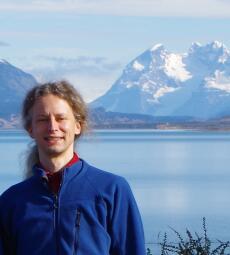
Dr. Jonathan Lenoir is a CNRS Researcher at the Ecology and Dynamics of Anthropized Systems (EDYSAN) laboratory, University of Picardie Jules Verne , France. His work bridges Ecology and Biostatistics , focusing on ecological dynamics under spatial and temporal global changes, particularly biotic responses to climate change. His research spans broad-scale biodiversity patterns, species distribution modeling, and microclimate ecology, with special attention to forest systems. Dr. Lenoir leads and contributes to multiple research projects including MaCCMic (Impact of forest Management and Climate Change on understory Microclimate) and IMPRINT (Impacts of Microclimatic Processes on forest Biodiversity redistribution under macroclimaTe warming). These projects utilize advanced technologies like LiDAR and microclimate sensors to model understory temperature dynamics and predict biodiversity responses to climate change. His recent publications analyze microclimate buffering in forests ( 2024 ), species thermophilization ( 2024 ), and the application of deep learning to habitat identification ( 2024 ). His work also explores interdisciplinary connections like eco-oncology , comparing invasion dynamics in ecology and medicine. Dr. Lenoir actively mentors researchers and supervises fieldwork campaigns, emphasizing rigorous data collection ( 180 monitoring plots across French forests ) and advanced statistical analyses in R . He collaborates with European institutions and participates in large-scale initiatives like ReSurveyEurope , a database of resurveyed vegetation plots.
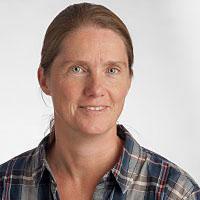
Dr. Benjamin Pontiller is a researcher at GEOMAR Helmholtz Centre for Ocean Research Kiel, Germany, within the Marine Biogeochemistry Research Division and Biological Oceanography Research Unit . His work focuses on microbial carbon cycling in marine environments, particularly the role of bacterioplankton in transforming dissolved organic carbon (DOC). Current projects: INDICOM, ICEBERG, HOMER, BIOCAT Recent expeditions: RV SONNE (Indian Ocean 2024), RV POLARSTERN (Arctic 2024), RV METEOR (Atlantic 2022) His research integrates omics technologies with chemical and rate measurements to understand microbial functional potential in: Coastal upwelling systems Deep Arctic Ocean (HAUSGARTEN) Baltic Sea phage dynamics Trace metal impacts on microbial communities Education: PhD in Ecology (Marine Microbial Ecology) - Linnaeus University 2021 MSc in Ecology (Marine Biology) - University of Vienna 2015 BSc in Biology - University of Vienna 2013
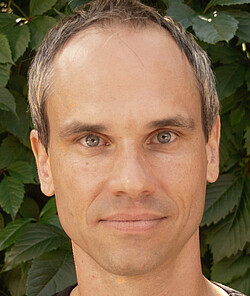
Barbara Drossel is a Full Professor at the Institute of Solid State Physics within the Faculty of Physics at the Technical University of Darmstadt, where she has been conducting research since February 2002. Her work bridges theoretical physics, complex systems theory, and theoretical ecology, focusing on interdisciplinary approaches to understanding emergent phenomena in natural systems. She leads the AG Drossel research group that investigates the theoretical foundations of complex networks, ecological communities, and quantum systems. Professor Drossel's research spans multiple domains with emphasis on complex systems theory, where she has made significant contributions to understanding random Boolean networks, food web modeling, and the physics of ecological communities. Her work demonstrates how simple rules can lead to complex emergent behavior across different scales, from quantum systems to ecological networks. She investigates how top-down causation operates in complex systems and explores the relationship between microscopic dynamics and macroscopic patterns in diverse contexts. Analysis of her recent publications reveals a consistent focus on theoretical frameworks that connect physics with ecology. Her work shows increasing integration of quantum mechanics with ecological modeling, particularly in understanding emergence and time evolution in complex systems. She frequently employs network theory to analyze ecological communities and has developed innovative approaches to studying species interactions, mutualistic networks, and spatial dynamics in meta-communities. Minerva Fellowship Heisenberg Fellowship DFG Fellowship for research at MIT Professor Drossel has supervised numerous doctoral students whose work spans theoretical ecology, complex systems, and statistical physics. Her research group has secured funding for projects examining the stability of ecological networks, quantum decoherence, and the mathematical foundations of complex systems. She maintains active collaborations with researchers across Europe and has contributed to major theoretical advances in understanding how complexity emerges from simple interactions in diverse systems. The AG Drossel research group operates at the intersection of physics and theoretical biology, maintaining strong connections with both the physics and biology departments at TU Darmstadt. The group combines mathematical rigor with biological relevance, developing models that capture essential features of complex natural systems while remaining analytically tractable. Their work has influenced both theoretical physics and ecological theory, demonstrating the power of interdisciplinary approaches to complex systems.
Jens Kattge is an Independent Research Group Leader at the Max Planck Institute for Biogeochemistry in Jena, Germany, specializing in Functional Biogeography. His career spans roles from Research Associate (2002–2005) to Senior Scientist (2010–2012) and current group leadership since 2013. He focuses on plant functional traits, their role in terrestrial ecosystems, and their integration into Earth system models. He coordinates the global TRY Initiative , a plant trait database for biodiversity research, and contributes to the German Centre for Integrative Biodiversity Research (iDiv). His research spans functional biogeography, trait-climate relationships, ecosystem modeling, and biodiversity-ecosystem functioning. Key projects include developing the rtry R package for trait data preprocessing and analyzing global datasets like CoRRE Trait Data and sPlotOpen. Recent publications investigate leaf cuticle thickness, drought responses in tree species, trait controls on biomass, global biodiversity patterns, and the integration of citizen science with Earth observation data. His work emphasizes trait data representativeness and future-proofing ecological science.
Miguel Mahecha is Professor of Environmental Data Science and Remote Sensing at the University of Leipzig, where he serves as Institute Head of the Institute for Earth System Science and Remote Sensing. He is also affiliated with the Remote Sensing Centre for Earth System Research, a collaboration between Leipzig University and the Helmholtz Centre for Environmental Research (UFZ). Mahecha is a member of the German Centre for Integrative Biodiversity Research (iDiv) and serves as Principal Investigator in the Centre for Scalable Data Analytics and Artificial Intelligence. Additionally, he is a Fellow of the European Laboratory for Learning and Intelligent Systems and co-spokesperson for the National Research Data Infrastructure for Earth System Sciences (NFDI4Earth). Full Professor for Modelling Approaches in Remote Sensing, University of Leipzig (since 03/2020) Research Group Leader: Empirical Inference in the Earth System, Max Planck Institute for Biogeochemistry, Jena (12/2012 - 03/2020) PostDoc, Max Planck Institute for Biogeochemistry, Jena (10/2009 - 11/2012) PhD in Environmental Sciences, ETH Zürich (06/2006 - 09/2009) Diploma in Geoecology, Bayreuth University (10/2000 - 04/2006) Mahecha's research focuses on understanding ecosystem responses to climate extremes and human-environment relationships during these events. He investigates macro-ecological dynamics and ecosystem functioning using data-driven methods and high-dimensional Earth observations. A key contribution is his co-development of the Earth System Data Cube concept, which integrates empirical methods with theoretical understanding to analyze complex Earth system interactions. His work spans biogeography, ecosystem functioning, and advanced data science methodologies for environmental monitoring. His recent publications demonstrate a strong emphasis on analyzing compound climate extremes, particularly heatwaves and droughts, and their impacts on ecosystems. Mahecha has pioneered methods using Earth System Data Cubes to integrate diverse environmental datasets, enabling novel insights into biosphere-atmosphere interactions. His research increasingly incorporates artificial intelligence and machine learning approaches to understand spatiotemporal patterns in ecological systems, with applications in real-time forest monitoring and biodiversity assessment. Fellow of the European Laboratory for Learning and Intelligent Systems Co-spokesperson for NFDI4Earth (National Research Data Infrastructure for Earth System Sciences) Mahecha leads multiple significant research projects including Digital Forest (real-time forest monitoring), NFDI4BioDiversity, and XAIDA (extreme events: AI for Detection and Attribution). His work receives funding from diverse sources including EU, DFG, and Stiftungen Inland. He collaborates extensively with the German Centre for Integrative Biodiversity Research (iDiv) and the Centre for Scalable Data Analytics and Artificial Intelligence. His research group, Earth System Data Science (ESDS), focuses on developing methods to extract valuable information from long-term environmental observations to understand coupled Earth system dynamics. At the Remote Sensing Centre for Earth System Research, Mahecha's ESDS group investigates how ecosystem functions respond to climate extremes, societal vulnerability to environmental hazards, and nonlinear interactions in coupled Earth systems. The group leverages citizen science data, remote sensing observations, and advanced computational methods to address pressing environmental questions.
Dr. Marcell K. Peters is a Senior Academic Councillor at the Chair of Animal Ecology and Tropical Biology (Zoology III) at the University of Bremen. His research focuses on biodiversity patterns, ecosystem functioning, and climate-land use interactions in tropical and montane environments, with extensive fieldwork in East Africa and the Amazon. He leads projects under DFG and EU funding, including the UPSCALE initiative. Habilitation in Zoology (University of Würzburg, 2018) PhD in Biology (University of Bonn, 2008) Diploma in Biology (RWTH Aachen & University of Bonn, 2003) Research spans multi-taxa community ecology, army ants and ant-following birds, DNA barcoding applications, and climate change impacts on pollination networks. Google Scholar highlights recent work on climate-agriculture interactions in sub-Saharan Africa, trait-based community assembly, and network resilience in biodiversity hotspots. His publications emphasize elevational gradients, disturbance ecology, and functional diversity across Mount Kilimanjaro studies. Current affiliations include the DFG Research Unit Kilimanjaro and EU-funded UPSCALE project. He employs advanced methods like airborne LiDAR for biodiversity prediction and investigates nutrient use by ant communities across continents.
Dr. Oksana Buzhdygan is a Senior Researcher in Theoretical Ecology at the Department of Biology, Faculty of Biology, Chemistry, Pharmacy at Freie Universität Berlin. She holds a PhD in Ecology from Chernivtsi National University and has held postdoctoral positions at institutions including the University of Georgia (USA) and Freie Universität Berlin. Her research focuses on biodiversity-ecosystem functioning links, multitrophic interactions, and ecological network analysis. Education: BSc, MSc, and PhD in Ecology (2000–2008), Chernivtsi National University, Ukraine Postdoctoral Fellowships: University of Georgia (2010–2012), Freie Universität Berlin (2013–2021) Research Interests: Environmental change impacts on biodiversity and ecosystem functions Ecological network analysis of multitrophic systems Food web dynamics in grasslands and freshwater ecosystems Publications reflect her expertise in biodiversity effects on energy flow, human impact on ecosystems, and plant diversity drivers. Her work bridges theoretical ecology with applied conservation challenges, particularly in grasslands and agroecosystems. Labs/Teams: Member of the Tietjen Group (Theoretical Ecology at Freie Universität Berlin), collaborating widely in international projects on biodiversity and ecosystem services.
Dr. Katja Wehner is a Postdoctoral Researcher in the Faculty of Biology at the Technical University of Darmstadt, Germany, specializing in soil arthropod ecology with a focus on oribatid mite communities across forest microhabitats including litter, soil, dead wood, and tree bark. Her work examines their role in forest food webs and responses to environmental stressors. Education: PhD in Biology, Technical University of Darmstadt (2009). Dissertation: 'Parthenogenesis and Sexuality in Oribatid Mites' Diploma in Biology, Technical University of Darmstadt (2004). Thesis: 'Variability at the hsp82-locus of the parthenogenetic oribatid mite Platynothrus peltifer' Research Focus: Dr. Wehner investigates biotic interactions and acarological dynamics in Central European forests, emphasizing how land-use intensity, drought, and structural factors shape oribatid mite biodiversity. Her work integrates community ecology, soil science, and microhabitat specialization to understand ecosystem resilience and food-web interactions, with particular attention to parthenogenetic versus sexual reproduction strategies in microarthropods. Publication Trends: Recent publications (2018-2022) reveal a strong emphasis on anthropogenic impacts, including land-use change effects on aboveground-belowground linkages, drought/storm damage consequences for soil communities, and microhabitat-driven variations in mite sex ratios and seasonal dynamics. Her collaborative work in journals like Nature Communications and Global Ecology and Conservation demonstrates methodological integration of field surveys, controlled experiments, and multi-taxon analyses. Collaborative Networks: Dr. Wehner actively participates in large-scale ecological initiatives including the Biodiversity Exploratories project, collaborating with researchers from institutions like the Technical University of Munich and University of Würzburg on cross-taxa biodiversity studies. Her co-authorship on multi-investigator papers indicates strong engagement with Germany's ecological research infrastructure.
Prof. Dr. Klaus-Holger Knorr is a Professor of Hydrology at the University of Münster's Institute of Landscape Ecology, where he leads the Ecohydrology and Material Cycles research group. His academic journey includes a Diplom in Geoecology (2005) and a Dr. rer. nat. (2008) from the University of Bayreuth, followed by postdoctoral work and habilitation (2017) in biogeochemistry. He became a professor in 2018 after serving as an Academic Councillor at Münster. Knorr's research focuses on biogeochemical processes in wetland ecosystems, with emphasis on: Carbon and greenhouse gas dynamics in peatlands and lake sediments Redox-controlled organic matter transformations Hydrological-biogeochemical coupling in restoration contexts Impacts of climate change on wetland biogeochemistry His publications predominantly explore methane/CO 2 production pathways, peat decomposition controls, and ecosystem responses to disturbance, using approaches spanning field monitoring to isotopic tracing. He has secured significant research funding including multiple DFG projects like ReDOCs (DOC mobilization), ReVersal (peatland restoration), and SPURT (peatland resilience). Awards include the Bernd Rendel-Preis (2007) and Humboldt Society recognition. He leads laboratory facilities for ecohydrological analysis and mentors doctoral researchers in wetland biogeochemistry.
Dr. Sylke Frahnert is a Researcher at the Museum of Natural History Berlin (Leibniz Institute for Evolution and Biodiversity Research), where she serves as Curator of the Ornithological Collection and Women's Representative. Her work spans ornithology, taxonomy, and historical collection studies, focusing on avian systematics, evolutionary morphology, and the legacy of colonial-era expeditions like Ernst Schäfer's Tibet missions. She employs advanced techniques such as 3D geometric morphometrics to analyze corvid skulls and bird footscale patterns. Research Interests: Evolutionary morphology of birds, type specimen documentation, historical context of colonial collections, and functional integration of avian species in urban ecosystems. Publications: Her publications (2004–2011) emphasize type specimen cataloging, taxonomic revisions, and the intersection of ornithology with cultural heritage. Notable works include analyses of the Oppenheim Collection, Nauru bird specimens, and 3D morphometric studies on corvid skulls. Team Involvement: She collaborates on projects like the digital catalog of German ornithological type specimens under GBIF and contributes to museum-wide initiatives such as the 'Class, Order, Art' anniversary volume.
Rafael Poyatos López is an Adjunct Professor in Ecology at the Autonomous University of Barcelona (UAB) since 2018 and a Scientist at the Max Planck Institute for Biogeochemistry, where he holds a prestigious Humboldt Fellowship for Experienced Researchers since 2019. He has served as a junior Principal Investigator at CREAF (Centre de Recerca Ecològica i Aplicacions Forestals) since 2015, where he coordinates the groundbreaking SAPFLUXNET initiative, the first global database of tree water use derived from sap flow measurements. Dr. Poyatos earned his BSc in Environmental Sciences (2002) from the Autonomous University of Barcelona and his PhD in Biology (2006) from the Institute of Earth Sciences 'Jaume Almera' (ICTJA-CSIC) and University of Barcelona. His postdoctoral career includes research positions at Solfranc Tecnologías (2007-2008), Durham University, UK (2008-2009), and CREAF (2009-2015), complemented by research visits at the University of Edinburgh (2012) and Ghent University (2017). His research program focuses on plant functioning across multiple spatial and temporal scales, with particular emphasis on trees and forests in the context of global environmental change. Dr. Poyatos investigates plant water and carbon fluxes, examining the complex interactions between plant traits, whole-plant physiology, and ecosystem processes. His work bridges field measurements with theoretical frameworks to understand how trees respond to drought and other climate stressors. The SAPFLUXNET database he coordinates has become a critical resource for understanding global patterns of tree transpiration and drought vulnerability. Dr. Poyatos' recent publications reveal a strong focus on tree hydraulics, drought responses, and transpiration modeling, with several high-impact papers in top ecology journals. His research combines empirical measurements with theoretical modeling to address fundamental questions about plant water relations at multiple scales. Among his notable scientific achievements is the Humboldt Fellowship for Experienced Researchers, which supports his ongoing collaboration at the Max Planck Institute for Biogeochemistry in Jena, Germany. As an educator, Dr. Poyatos has contributed significantly to the academic community at UAB, teaching in the Master's program in Terrestrial Ecology and Biodiversity Management (2010-2013) and various undergraduate programs (2018-present), including courses in Genetics, Environmental Biology, and Biology. His teaching reflects his research expertise in plant physiology and ecosystem responses to environmental change. Dr. Poyatos leads the SAPFLUXNET initiative and is actively involved with research groups focusing on functional biogeography and ecosystem physiology in the context of global change. His work bridges empirical field research, ecological theory, and global-scale analyses to understand how trees and forests respond to changing environmental conditions, with particular relevance to climate change impacts on forest ecosystems worldwide.
Frank Schurr is Professor of Landscape Ecology and Vegetation Science at the University of Hohenheim's Institute of Landscape and Plant Ecology. His research investigates biodiversity dynamics across hierarchical levels, examining how demographic processes shape ecological and evolutionary responses to environmental change. Schurr develops statistical frameworks integrating process-based models with experimental data to forecast ecological dynamics. Current projects focus on fitness consequences of biotic interactions in Fynbos ecosystems, evolutionary adaptation to global change, and functional trait influences on plant recruitment. His work advances predictive ecology through novel approaches to understanding species niches, range dynamics, and community assembly processes.
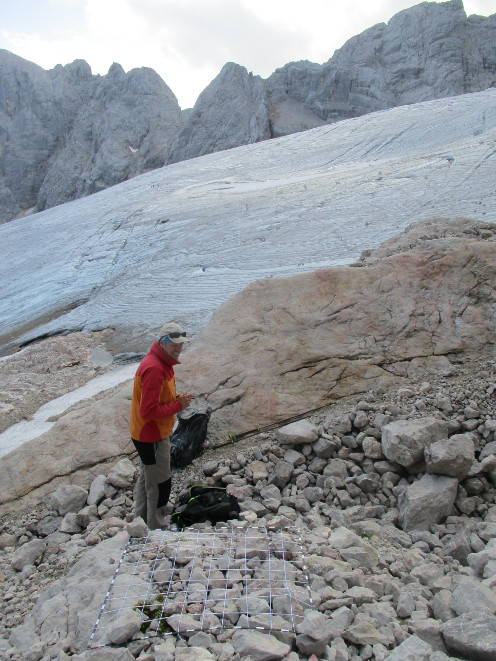
Ingolf Kühn is a Professor of Macroecology at Martin-Luther University Halle-Wittenberg and Head of the Department of Community Ecology at the Helmholtz Centre for Environmental Research (UFZ) in Halle, Germany. He is also a member of the German Centre for Integrative Biodiversity Research (iDiv) and holds a fellowship at the Swiss Federal Institute for Forest, Snow and Landscape Research (WSL). His research is centered on plant invasions, functional traits, and biodiversity responses to global change, with a strong methodological focus on spatial and phylogenetic modeling. His research interests span macroecology , plant invasion dynamics , urban and alpine flora , and data-driven ecological modeling . He has led major projects such as Biodiversity Meets Data (BMD) , eLTER PLUS , and AlienScenarios , and contributed to EU frameworks like EuropaBON and DAISIE . He is deeply involved in developing and managing large databases, including BiolFlor and the TRY Plant Trait Database . His recent publications focus on functional traits of invasive plants, biodiversity digital twins, and climate-driven shifts in species distributions. They reflect a strong trend toward integrating big data, machine learning, and macroecological theory to predict ecological change. Scientific Awards: Highly Cited Researcher (2014–2022) Fellow of the Swiss Federal Institute for Forest, Snow and Landscape Research (WSL) He serves as Editor-in-Chief of NeoBiota and Associate Editor of Journal of Vegetation Science . His advising spans PhD students and postdocs in the GLIMPSE cohort and iDiv projects. He leads multiple long-term monitoring initiatives, including alpine glacier forefield studies in the Dachstein and Berchtesgaden regions. He is affiliated with key research teams and platforms such as: Macroecology & Vegetation Science Working Group iDiv Science Strategy Board Task Forces: sTWIST, sUMMITDiv, sCoMuCra, sREGPOOL eLTER Research Infrastructure Biodiversity Digital Twin initiative
Prof. Dr. Daniela Beisser is a Professor at the Department of Engineering and Natural Sciences (FB 8) of the Westphalian University of Applied Sciences in Recklinghausen, Germany. Her research focuses on bioinformatics and biostatistical methods for high-throughput 'omics data, applied to biomedicine and freshwater ecology. She previously held academic roles at the University of Duisburg-Essen (2017–2023) and University Hospital Essen. 2004–2008: B.Sc. in Molecular Biology with Bioinformatics focus, FH Gelsenkirchen 2006–2008: M.Sc. in Molecular Biology with Bioinformatics focus, FH Gelsenkirchen 2008–2011: Ph.D. in Bioinformatics, University of Würzburg Her research integrates computational approaches with experimental data to study molecular responses to environmental stressors in freshwater organisms, genome analyses in human and protists, and proteomic studies in plants. She also investigates eco-evolutionary theories in microorganisms and links biodiversity to ecosystem functions. Recent publications highlight her work on amplicon sequencing (Natrix2 pipeline), metatranscriptomic analysis of microbial communities, and machine learning frameworks for environmental data. She contributes to software tools like TaxMapper and BioNet for reproducible workflows. Best Poster Award, German Conference on Bioinformatics (2013) Travel scholarships: DAAD, DAAD PROMOS, German Symposium on Systems Biology E-fellows.net scholarship (2006–2008) She has supervised numerous PhD, Master’s, and Bachelor’s students on topics such as protist community dynamics , fungal degradation processes , and stressor recovery mechanisms . Her lab collaborates on the CRC 1439 'RESIST' project and develops tools for environmental DNA analysis.
Mike Thiv is a Researcher and Head of the Botany Department at the State Museum of Natural History Stuttgart . His work focuses on plant systematics, biogeography , and floristic mapping , with a particular emphasis on the Eritrean-Arabian region, the Mediterranean, and Macaronesia. He has contributed to understanding evolutionary patterns in laurel forests, island endemism, and glacial refugia dynamics. His academic journey includes a Habilitation at Heidelberg University (2015), a PhD on Gentianaceae phylogeny (2000), and a Diploma in Biology (1995). He has led third-party funded projects with grants totaling ~€800,000 and served as an associate editor for journals like Plant Systematics and Evolution . Research projects span molecular phytogeography of the Socotra Archipelago, decline of clubmoss in Baden-Württemberg, and floristic dynamics under global change. His publications address adaptive radiation, vicariant speciation, and taxonomic revisions across diverse plant families. Notable collaborations include work with M. Koch on Macaronesian Gesnouinia and Mediterranean Soleirolia woodiness evolution (2019), and with R. Linder on molecular phytogeography of Socotra plants (2001–2003). He has mentored no explicit advisees but contributes to interdisciplinary teams. Key trends in his publications include integrating molecular and morphological data for taxonomy, exploring biogeographic disjunctions, and analyzing conservation genetics. His work bridges historical botany with modern phylogenetic methods, emphasizing biodiversity in Mediterranean and island ecosystems.