- Contaminant fate and behavior in the environment
- Modeling environmental processes
- Assessment and management of contaminated sediments
- +۱۲ مورد دیگر
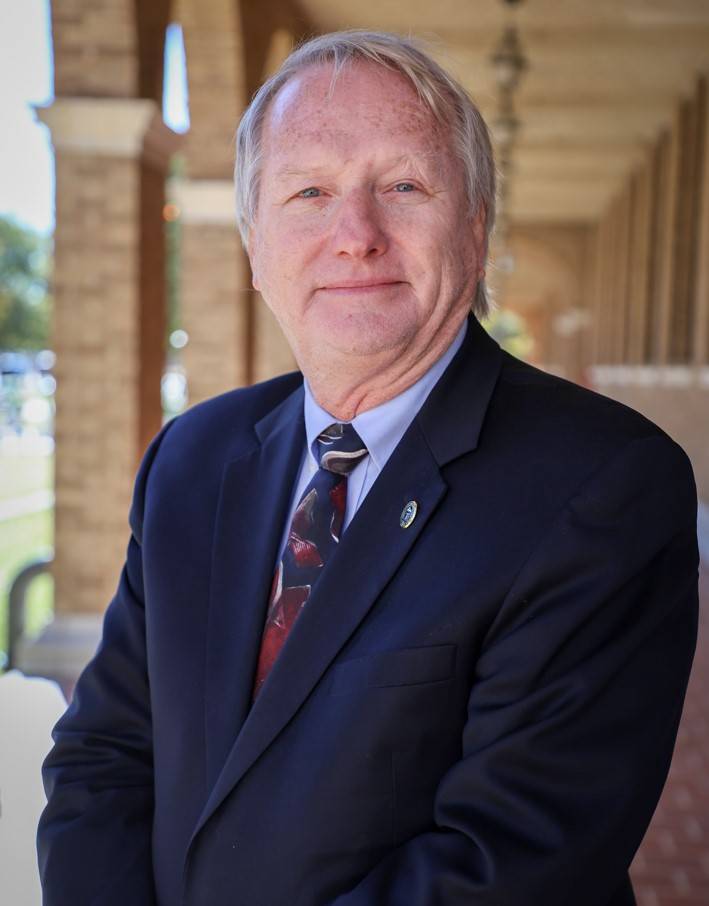
Danny Reible serves as the Donovan Maddox Distinguished Engineering Chair and Horn Professor at Texas Tech University, holding dual appointments as Professor of Chemical Engineering and Professor of Civil, Environmental, and Construction Engineering within the Whitacre College of Engineering. His research laboratory is located in the Maddox Engineering Research Center (MERC 111D) in Lubbock, Texas. Dr. Reible's research spans multiple critical environmental engineering domains with a particular focus on contaminated sediment management and sustainable water resources. His work encompasses: Contaminant fate and transport modeling in environmental systems Advanced techniques for assessment and remediation of contaminated sediments Innovative approaches to passive sampling of sediment contaminants Stormwater management systems and their impact on sediment recontamination Active capping technologies for contaminated sediments Biogeochemical processes affecting contaminant mobility Sustainable development of water resources including treatment of produced waters Engineering education methodologies incorporating arts and humanities Dr. Reible's research group maintains an active portfolio of projects addressing real-world environmental challenges, with particular emphasis on practical applications of sediment remediation technologies and water infrastructure resilience. His work combines fundamental scientific understanding with practical engineering solutions for environmental protection. Among his professional recognitions, Dr. Reible holds the prestigious Donovan Maddox Distinguished Engineering Chair and Horn Professor titles, reflecting his significant contributions to environmental engineering research and education. Throughout his distinguished career, Dr. Reible has mentored numerous graduate students who have gone on to successful careers in academia, government agencies, and private industry. His research group maintains strong collaborations with environmental professionals and continues to advance the field of environmental engineering through innovative research and education.