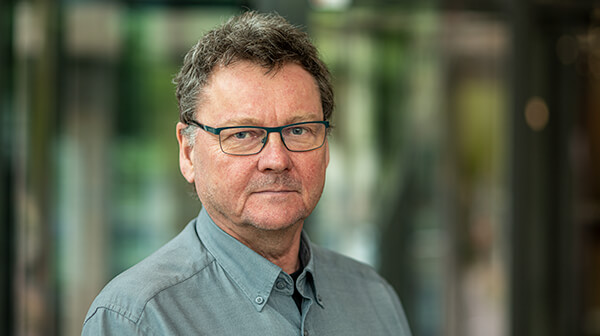
Prof. Dr. Hans-Jörg Vogel is the Head of the Department of Soil System Science at the Helmholtz Centre for Environmental Research (UFZ) in Halle, Germany. His research focuses on understanding soils as complex systems, emphasizing their porous structure and its role in facilitating water, gas, and matter fluxes, as well as biological processes. He leads interdisciplinary projects integrating experimental and computational approaches to model soil functions under climate and land-use changes. He holds the Emil-Ramann-Medaille 2022 and the Don and Betty Kirkham Soil Physics Award 2022 for contributions to soil science. His work spans soil structure dynamics, denitrification processes, nanoparticle transport, and systemic modeling of soil functions via frameworks like BODIUM. Collaborations include TERENO observatories and the Soil Structure Library (open-access CT data repository). Key affiliations include the UFZ’s Ecosystems of the Future research community and the Soil System Science Team. His research addresses sustainable agriculture, environmental monitoring, and climate change impacts, with over 150 peer-reviewed publications since 2000.
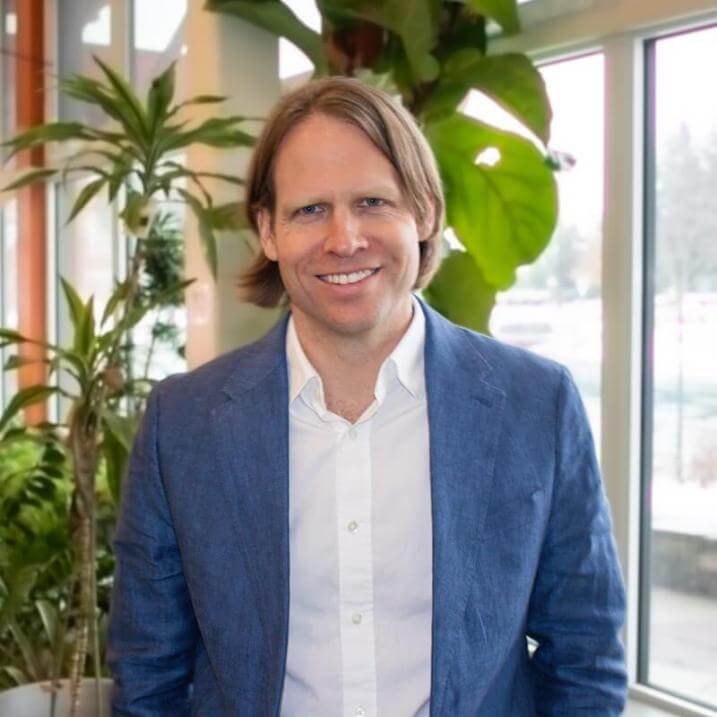
Professor Jim Harris is a leading academic in Environmental Technology at Cranfield Environment Centre, Cranfield University. He holds the Chair in Environmental Technology, a position he has held since 2002. His work spans microbial ecology, ecological restoration, soil health, and sustainable land systems, with significant contributions to policy, industry, and international standards. First degree in Applied Biology, North East London Polytechnic Doctoral work on microbiology of stored topsoil on opencast mine sites His research interests are centered on microbial ecology and its role in ecosystem processes, particularly in disturbed landscapes. He investigates soil formation, organic matter dynamics, waste treatment (e.g., landfill leachate), and the quantitative assessment of ecosystem services. He applies systems ecology to urban planning, water treatment, and land restoration. His work bridges science and practice, influencing government policy and industrial applications. The recent publications reflect a strong focus on soil health quantification , microbial community dynamics , nutrient cycling in waste-amended soils , and urban ecosystem services . There is a clear trend toward integrating Bayesian modelling , resilience metrics , and decision-support tools for environmental management. His team frequently collaborates on interdisciplinary studies involving carbon, nitrogen, and phosphorus cycling in agricultural and urban systems. Jim Harris has secured funding from major UK research councils including BBSRC, NERC, and EPSRC, as well as from government agencies (Defra, Environment Agency, Natural England), industry (Syngenta, AECOM, SITA), and international bodies (European Union, Royal Society). His research has informed national and international guidance on ecological restoration and land use. He is actively involved in professional societies such as the Society for Ecological Restoration, British Society of Soil Science, British Ecological Society, and Institution of Agricultural Engineers. He has contributed to major book publications and editorial roles in high-impact journals. His laboratory and research group focus on soil microbial communities , ecosystem resilience , and bioremediation . Projects like RestREco (Restoring Resilient Ecosystems) and Urban BESS (Biodiversity and Ecosystem Service Sustainability) highlight his team’s focus on reconnecting green-blue infrastructure and enhancing urban sustainability. He also leads work on food and nutrition security in the context of global disruptions like the COVID-19 pandemic.
Elena Niculina Dragoi is a Lecturer at the Faculty of Chemical Engineering and Environmental Protection 'Cristofor Simionescu' at Gheorghe Asachi Technical University in Iasi, Romania. Her academic work integrates Artificial Intelligence and Machine Learning tools for solving complex problems in Chemical Engineering and Environmental Protection . With over 30 published papers and six active research projects, her contributions span process optimization, nanomaterials, and sustainable technologies. Teaches Applied Informatics (Years 1 & 4) and Artificial Intelligence at the Faculty of Chemical Engineering Contributes to Programming Engineering at the Faculty of Computer Science, University 'Alexandru Ioan Cuza' Engaged in interdisciplinary courses at the Faculty of Automatic Control and Computer Engineering Research Interests : Elena's work focuses on modelling and optimization (90% emphasis) of chemical processes using AI methodologies, with cross-disciplinary applications in environmental engineering (70%) and chemical engineering (95%). Her recent publications highlight innovations in: 3D-printed nanocomposite adsorbents for pollutant removal Metaheuristic optimization algorithms for industrial processes Hydrogen generation via nanocatalysts Electrochemical biosensors for environmental and health monitoring AI-driven wastewater treatment systems Green chemistry applications in pharmaceutical and dye removal
Eric Roy is an Associate Professor at the Rubenstein School of Environment and Natural Resources, University of Vermont, and Director of the Casella Center for Circular Economy and Sustainability. He is also a Fellow at the Gund Institute for Environment. His research focuses on nutrient cycling, biogeochemistry, and ecological engineering to design sustainable systems for nutrient management in food, waste, and water systems. Education: Ph.D. in Oceanography & Coastal Sciences from Louisiana State University (2013), M.S. in Food, Agricultural & Biological Engineering from Ohio State University (2008), and B.S. in Mechanical Engineering from Old Dominion University (2006). Research interests include nutrient stewardship, circular bioeconomy, and nature-based solutions. His work integrates lab and field studies with modeling to explore nutrient dynamics in engineered, urban, and agricultural ecosystems. Key themes include improving nutrient use efficiency in food systems, resource recovery, and green infrastructure design. Teaching emphasizes ecological design in water quality, waste management, and food systems. His recent publications highlight advancements in phosphorus retention modeling, floodplain function analysis, and composting system optimization. He leads the Nutrient Cycling and Ecological Design Lab, advancing interdisciplinary solutions for environmental sustainability.
Lars Rehmann serves as a Professor in the Department of Chemical and Biochemical Engineering within the Faculty of Engineering at the University of Western Ontario. He also holds a Visiting Professor position at RWTH Aachen University in Germany. His academic journey includes a Ph.D. in Chemical Engineering from Queen's University (Canada), a Diplom in Biotechnology from Technical University of Braunschweig (Germany), and an NSERC Post-Doctoral Fellowship at the University of Manchester (2007-2009). Dr. Rehmann's research focuses on sustainable biochemical conversion processes for producing biofuels and value-added chemicals. His work spans multiple interconnected areas including anaerobic digestion, biorefinery design, biochar applications, wastewater treatment, and microbial metabolism in Clostridia species. He has made significant contributions to understanding acetone-butanol-ethanol (ABE) fermentation processes, pyrolysis byproduct valorization, and advanced extraction techniques using ionic liquids. Analysis of his recent publications reveals a strong emphasis on circular economy approaches, particularly in utilizing biochar to enhance biogas production from aqueous pyrolysis condensates. His work increasingly integrates sustainability metrics through exergetic and techno-economic analyses, with recent research expanding into metabolic oscillation phenomena in Clostridia and novel wastewater denitrification methods using solid-phase carbon sources. NSERC Post-Doctoral Fellow (University of Manchester, 2007-2009) Dr. Rehmann maintains an active research program with numerous graduate student opportunities in biochemical engineering. His laboratory infrastructure supports advanced fermentation studies, biomass conversion processes, and analytical characterization of biofuels and biochemicals. Current research directions include developing sustainable alternatives for wastewater treatment, optimizing biochemical conversion pathways for maximum resource recovery, and investigating metabolic engineering strategies for improved product yields in microbial systems.
Joseph Akunna is a Professor in Water and Environmental Engineering at Abertay University's Department of Built Environment and Life Sciences. He holds advanced qualifications including a PhD in Environmental Engineering, Chartered Engineer (CEng) status, and Fellowship of the Higher Education Academy (FHEA). He directs the Postgraduate Environment Education programs and the Urban Water Technology Centre. His research focuses on microbial processes for pollutant control, wastewater treatment innovation, anaerobic digestion, and sustainable waste management. Key areas include decentralized wastewater systems, landfill decay modeling, and environmental engineering solutions for developing countries. He has supervised over 20 PhD/postdoctoral projects and led numerous funded initiatives, including projects with the Scottish Government, SEPA, and industry partners like Diageo PLC. He serves as an external examiner for multiple UK universities, reviews for scientific journals, and advises international bodies such as the European Commission and the World Bank-funded Centre of Excellence in Togo. His expertise spans UN Sustainable Development Goals related to clean water, affordable energy, and sustainable cities. Key achievements include developing the GRABBR anaerobic wastewater treatment system, advancing anaerobic digestion of organic residues, and contributing to the Dundee Riverside Landfill transformation into a nature park. He has authored/co-authored over 70 publications and delivered international training programs in water and waste management.
Liu Ye is a Professor at The University of Queensland (UQ) within the School of Chemical Engineering. She leads the Greenhouse Gas (GHG) research program at UQ Urban Water Engineering and has secured over AU$10M in competitive research funding. Her work focuses on achieving net-zero emissions through innovations in urban wastewater systems, with collaborations spanning 15+ water utilities, governments, and technology firms like Suez and Veolia. Research Areas: Greenhouse gas mitigation, sludge minimization, biogas production, advanced biological nutrient removal, online process control, and resource recovery from wastes. Key Awards: Research Innovation Award (Australia Water Association), UQ Foundation Research Excellence Award, EAIT Faculty Teaching Excellence Award, and Fellow of the Royal Society of Chemistry (RSC). Teaching: Courses include CHEE2020 (Process Equipment and Control), CHEE2501 (Environmental Systems Engineering I), CHEE4012 (Industrial Wastewater Management), and thesis supervision. Leadership: Associate Editor for Environmental Science: Water Research and Technology , member of IWA Strategic Council, and contributor to industry peak bodies like WSAA and WaterRA. Recent Articles: Her 2025 publications highlight strategies for balancing energy recovery with GHG emissions, systematic frameworks for N2O quantification, and advancements in phosphorus removal. Earlier works (2024–2022) explore electrochemical iron applications, ferric salt enhancements, and hybrid modeling techniques combining mechanistic and deep learning approaches. Scientific Impact: Her research has driven a 35% reduction in N2O emissions at an Adelaide treatment plant, saving $50M annually, and pioneered free nitrous acid (FNA) technology for biofilm control and sludge reduction.
Dr. Paweł Kwaśnicki is an Assistant Professor at the Department of Analytical and Engineering within the Faculty of Natural and Technical Sciences, John Paul II Catholic University of Lublin. His research focuses on advanced photovoltaic technologies, particularly third-generation solar cells, quantum dots, and transparent conductive oxides. He has contributed to scalable electrodeposition methods for platinum nanoparticles in dye-sensitized solar cells and explored TiO₂-based nanocomposites for energy applications. Research Trends: Specializes in photovoltaic materials (perovskite, TiO₂), thin-film deposition, and circular economy strategies for waste-to-energy systems. Key Collaborations: Works with institutions like Agricultural University of Krakow and ML System S.A. Laboratory. Supervisory Roles: Serves as a PhD thesis supervisor and has guided numerous bachelor's and master's theses on topics ranging from diet impacts to microplastics in food.
Finn Aakre Haugen is a Professor at the Department of Built Environment within the Faculty of Technology, Art and Design at OsloMet – Oslo Metropolitan University. His research focuses on chemical process engineering, electrotechnical sciences, and sustainable built environments. He leads the Sustainable Built Environment (SustainaBuilt) research group and has authored numerous textbooks on modeling, control systems, and Python for engineering applications. Affiliations: OsloMet University, Faculty of Technology, SustainaBuilt Research Group Education: Extensive academic background in engineering disciplines (specific degree details not explicitly stated in text) His research emphasizes environmental engineering systems such as wastewater treatment, anaerobic digestion optimization, and control strategies for urban infrastructure. Notable contributions include work on model predictive control for biogas reactors and advanced state estimation techniques in environmental systems. Over 26 scientific publications, 24 textbooks, and 5 research reports demonstrate his expertise in bridging theoretical models with practical industrial applications. Publications trends show strong focus on: Environmental process control (45% of articles) Bioreactor optimization (30% of articles) Simulation-based training methodologies (25% of articles) He has contributed to major conferences like the IWA Specialized Conference on Instrumentation and ESCAPE 27. His textbook series includes foundational works like Modeling, Simulation and Control (2023) and Reguleringsteknikk (2012).
Juan Luis Ramos Suárez is a Researcher at the University of La Laguna within the Higher Technical School of Agricultural Engineering , focusing on Agricultural and Natural Environment Engineering . His work bridges organic waste treatment with renewable energy systems. Education : PhD in Agro-Environmental Technology (2014) from Universidad Politécnica de Madrid. International Experience : Professional roles in Chile, Germany, and Spain. His research interests include: Biogas production from agricultural residues and microalgae Biorefinery concepts for waste valorization Development of low-cost anaerobic digesters Combining amino acid extraction with energy recovery Key trends from his publications (2024–2014) show: Advancements in cheese whey and poultry manure co-digestion Innovations in plug-flow digester design Economic viability studies for industrial applications Mechanistic analysis of biodegradable plastic biodegradation Scientific Achievements : PhD grant from Spain's Ministry of Science and Innovation (2010–2014) He contributes to project technical coordination, pilot plant development, and applied research in circular economy systems.
Professor Denis O'Carroll is Deputy Head of the School of Civil and Environmental Engineering at the University of New South Wales (UNSW) and Managing Director of the Water Research Laboratory (WRL). His research focuses on environmental engineering challenges, particularly in water resource management and contaminant remediation. His primary research interests include: Development of nanoscale materials for environmental restoration PFAS contamination assessment and treatment technologies Groundwater remediation and contaminant transport modeling Green infrastructure performance evaluation Fate and transport of emerging contaminants in aquatic systems Electrochemical degradation of persistent pollutants Bioremediation and microbial transformation processes Professor O'Carroll's recent publications demonstrate a strong focus on PFAS research, with multiple studies examining global contamination patterns, degradation mechanisms, and innovative treatment technologies. His work also shows consistent attention to nanomaterial applications for environmental remediation, particularly sulfidated zerovalent iron systems for chlorinated solvent treatment. The research spans laboratory studies to field-scale validations. As Managing Director of the Water Research Laboratory, Professor O'Carroll leads significant research initiatives addressing water quality challenges. His laboratory conducts both fundamental research and applied studies with direct relevance to environmental policy and remediation practice.
Dr. Lisa Bai is a Research Fellow at the Australian Centre for Water and Environmental Biotechnology (ACWEB) within the School of Chemical Engineering at the University of Queensland. She also maintains affiliations with the ARC Training Centre for Bioplastics and Biocomposites. Her research focuses on sustainable waste and wastewater management with expertise in resource recovery technologies and bioenergy production from organic waste streams. Dr. Bai earned her PhD from the University of Queensland and has a background in Bioengineering and Environmental Engineering. Prior to her academic career, she spent four years working at an environmental consultancy in North Queensland, where she specialized in aquaculture water bioremediation using macroalgae technologies and waste stream utilization for biomass production. Her research program spans four interconnected themes: 1) Data-Based Waste Identification and Characterisation for both core and non-core organic wastes; 2) Tailored Organic Waste and Wastewater Treatment Technology focusing on anaerobic digestion and nutrient recovery; 3) Biotechnology Assisted Process Optimisation for co-digestion modeling; and 4) Biotechnology Based Process Enhancement investigating microbial ecology mechanisms. Her work bridges molecular biology with engineering applications for practical waste management solutions. Analysis of her publication record reveals a consistent research trajectory in anaerobic digestion technologies and resource recovery, with recent work (2023-2025) focusing on enhancing digestion of challenging waste streams like paunch waste from meat processing. Her research demonstrates progression from fundamental laboratory studies to pilot-scale implementation with industry partners. Dr. Bai is actively involved in research funding, currently leading the 'Pilot-scale Validation of Anaerobic Co-digestion at Large Municipal STP' project (2024-2025) funded by Urban Utilities. Previously, she contributed to the 'Waste-to-Energy' project (2020-2024) under the Fight Food Waste CRC program. She serves as an Associate Advisor for PhD students working on biotechnologies for PHA production. Her research team collaborates closely with industry partners including Central SEQ Distributor-Retailer Authority and Red-Meat-Processing facilities to translate laboratory findings into commercial applications for sustainable waste management, demonstrating strong industry engagement and practical implementation focus.
Prof. Ing. Juraj Beniak, PhD is a leading academic at the Institute of Production Engineering and Production Quality (Faculty of Mechanical Engineering, Slovak University of Technology in Bratislava, STU). He serves as a Professor CSc., PhD and holds external collaborator roles at the Institute of Computer Engineering and Applied Informatics (FIIT) and the Institute of Manufacturing Technologies (MTF). His research bridges mechanical engineering and sustainable production. Office: U.V.I.P. SjF, Office 537 Contact: +421 2 57296 537 | +421 905 593 953 (mobile) Beniak's research focuses on additive manufacturing , biomass compaction , and smart production technologies . He investigates 3D printing parameter optimization, surface modification techniques, and composite material development from renewable sources. His work addresses both industrial applications and environmental sustainability through advanced manufacturing. Key projects include: OP R&I: Automation in freight railway vehicle production (2019–2023) APVV-18-0527: Additive manufacturing technology development (2019–2022) Recovery Plan: AI-driven waste management systems (2024–2026) As a KEGA grant guarantor and APVV co-investigator , he leads initiatives in CAx education, virtual laboratories, and biofuel production optimization. His contributions span from experimental equipment design to mathematical modeling of compaction processes.
Harry Bruning is an Assistant Professor in Environmental Technology at Wageningen University & Research, specializing in advanced water treatment technologies. His research focuses on electrodialysis, desalination, ion exchange membranes, and fouling mitigation in environmental systems. He leads projects on chemical-free desalination, PFAS degradation using modified cathodes, and sodium-selective electrodialysis. Bruning collaborates extensively on biogas technologies and hydraulic optimization in anaerobic digesters. Key research interests include membrane-based separation processes, water reuse strategies, and sustainable wastewater management. He has pioneered studies on EDTA complexation for selective ion removal and developed novel electrochemical methods for organic pollutant degradation. Publications highlight innovations in electrodialysis metathesis, fouling prevention via BODAC filtration, and modeling ammonia concentrations in anaerobic digestion. His work bridges theoretical process engineering with practical applications in industrial water systems. Supervising 17 PhD projects, Bruning advises on topics like microbial fuel cells for ammonium recovery and cooling tower water treatment. He contributes to datasets analyzing constructed wetlands and nanofiltration systems for water reuse.
Dr. Nihar Biswas is a Distinguished Professor in the Department of Civil and Environmental Engineering at the University of Windsor. His research focuses on enzymatic wastewater treatment, hazardous waste management, and sustainable infrastructure. He holds a PhD from the University of Ottawa and has contributed to over 100 publications. Dr. Biswas is a Fellow of the Canadian Society for Civil Engineering and recipient of the Albert E. Berry Medal for outstanding contributions to environmental engineering. Education: PhD, University of Ottawa MASc (Master of Applied Science) B.Eng, University of Calcutta Research Interests: Enzymatic treatment of industrial wastewater Water quality and drinking water disinfection Hazardous waste treatment technologies Water and wastewater management in developing countries Bioremediation of pharmaceutical contaminants Professional Roles: Co-editor, Canadian Journal of Civil Engineering Member of multiple international advisory panels (WHO/PAHO, NSERC) Invited speaker at institutions globally, including China and Mexico Grants & Collaborations: NSERC/URIF/ICST-funded enzymatic wastewater treatment projects Pilot plant development in Mexico for industrial refinery wastewater Industry partnerships in advanced oxidation processes Labs & Projects: Pioneer in soybean peroxidase-catalyzed wastewater treatment Research on stormwater infrastructure resilience Development of retention treatment basins for combined sewer overflows