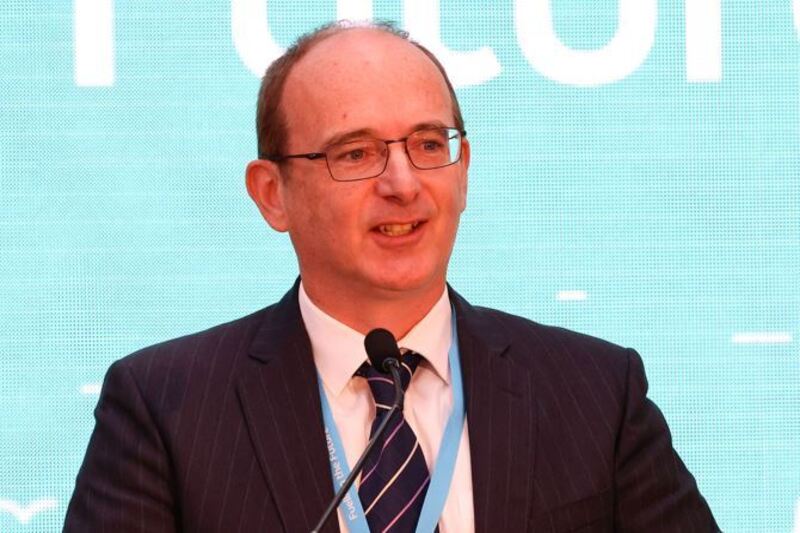
Koenraad Muylaert is a Full Professor at the Faculty of Science, KU Leuven, and head of the Biology department at KU Leuven Kulak. His research focuses on microalgae ecology and phytoplankton physiology , with applications in eutrophication studies , wastewater treatment , and biofuel production . Based in Kortrijk, Belgium, he works with international teams in Ecuador, Qatar, and Belgium. Current projects on mountain lake eutrophication and urban aquatic systems Specializes in nano-material flocculation and omega-3 fatty acid production from microalgae Research Trends from his recent articles show emphasis on: Microalgae harvesting innovations (cellulose nanocrystals, PDMAEMA polymers) Comparative processing techniques (DAF vs sedimentation, drying methods) Biotechnological applications in flavor chemistry and microbiome interactions Laboratory operates at KU Leuven's Kortrijk campus, with strong collaborations in environmental engineering and food science . His work bridges fundamental ecological research with industrial biotechnology for sustainable solutions.
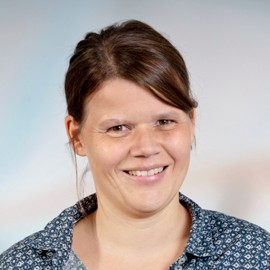
Andrew J. Schuler is an Associate Professor in the Department of Civil Engineering at the University of New Mexico, where he has been since 2007. His research focuses on microbial processes in wastewater treatment and bioremediation, with particular emphasis on modeling distributed bacterial states, biofilm dynamics, and integrating molecular methods with environmental engineering. He teaches courses in water/wastewater treatment (CE 335) and biological wastewater treatment (CE 536). Ph.D., Civil and Environmental Engineering, University of California at Berkeley (1998) M.S., Civil and Environmental Engineering, UC Berkeley (1993) B.S., Civil Engineering, University of Colorado at Boulder (1987) Dr. Schuler's research addresses critical challenges in biological wastewater treatment , including: Microbial storage products and density effects on solids separation Agent-based modeling of bacterial state distributions Integrated fixed-film activated sludge (IFAS) systems Photolytic and microbial degradation of Superfund chemicals His recent publications explore biofilm surface chemistry , algae-based wastewater treatment , and computational modeling of microbial communities . Notable funded projects include NSF CAREER grants, NIEHS Superfund subprojects, and North Carolina Biotechnology Center collaborations. National Science Foundation CAREER Award (2004) Paul L. Busch Award (2008) AEESP/CH2M HILL Outstanding Doctoral Dissertation Award (1999) Japan Society for the Promotion of Science Postdoctoral Fellowship (1999) Dr. Schuler leads the Schuler Laboratory , which investigates microbial dynamics in wastewater treatment systems, develops the DisSimulator agent-based modeling tool, and provides practical solutions for activated sludge settling problems through density analysis. Current funding supports advanced research in biofilm optimization and sustainable water reuse technologies.
J. Ilja Siepmann is a Distinguished McKnight University Professor and Distinguished University Teaching Professor at the University of Minnesota's Department of Chemistry, with affiliations spanning Chemical Engineering, Materials Science, and Data Science. His research integrates molecular simulations, force field development, and machine learning to study adsorption phenomena, phase equilibria, polymer chemistry, and nanoporous materials. Education: Undergraduate: University of Freiburg, Germany (1983-1987) Graduate: University of Cambridge, UK (PhD, 1988-1991) Post-doctoral: IBM Zurich Research Lab, Koninklijke/Shell Lab, and University of Pennsylvania (1991-1994) Research interests focus on chemical theory, materials genomics, and environmental chemistry, with emphasis on energy-efficient separations, nanostructured materials, and sustainable chemical processes. Computational methods like Monte Carlo algorithms and machine learning underpin his investigations into fluid interfaces, nucleation, and catalytic systems. Recent publications emphasize adsorption thermodynamics, molecular simulations of complex fluids, data-driven materials discovery, and polymer self-assembly. Trends include integration of machine learning with molecular modeling, nanoporous materials for clean energy, and phase behavior of refrigerants. Awards: Distinguished McKnight University Professor Distinguished University Teaching Professor Advises graduate and undergraduate researchers in computational chemistry projects. Leads the Siepmann Group at Kolthoff Hall, part of the Chemical Theory Center and Nanoporous Materials Genome Center. Research funded through MURI and industry partnerships.
Lilyan Fulginiti is a Roy Frederick Professor of Agricultural Economics at the University of Nebraska-Lincoln. Her work focuses on agricultural productivity, climate change impacts, irrigation policies, and sustainable resource management, particularly in regions like the Ogallala Aquifer and South America. Research areas include agricultural economics, environmental economics, and climate policy. Her recent publications address gene-edited crops, carbon farming, and productivity disparities linked to trade and climate. Her scholarly output spans topics such as irrigation efficiency, biofuel economics, and conflict impacts on agriculture, reflecting a commitment to integrating economic theory with pressing environmental challenges. While no specific awards or student advisement details are listed, her extensive publication record underscores her contributions to advancing sustainable agricultural practices and policy analysis.
Dr. Giulio Santori is a Reader in Chemical Engineering at the University of Edinburgh's School of Engineering. He holds a PhD in Energy (2009) and an MSc in Mechanical Engineering (2004) from Università Politecnica delle Marche, Italy. His research focuses on thermal energy storage, adsorption-based cooling and desalination systems, low-grade heat utilization, and advanced materials like ionic liquids and ionogels. He is a member of the Scottish Carbon Capture and Storage Research Centre and the UK Carbon Capture Research Centre. Teaching: Chemical Engineering laboratories, design courses, and research projects. Research interests include optimizing sorption strategies for heat storage, developing sustainable adsorption heat pumps, and exploring applications of 3D-printed components in thermal systems. Current projects involve structured ionic liquids for vapor sorption and ionogels for desalination using low-grade heat. Recent publications highlight advancements in thermal storage technologies, adsorption cooling systems, and CO2 capture. Open PhD projects focus on ionic liquid-based sorption and hydrochar applications.
Judith Risse is a Postdoctoral Researcher in the Bioinformatics (BIF) department at Wageningen University & Research. Her work focuses on genomic and evolutionary studies, including phylogenomic analysis of plant development, insect adaptation, and microalgal biotechnology. She has contributed to projects involving genome sequencing, transcriptome analysis, and nanopore technologies. Education: Completed her PhD in Bioinformatics (2014) under Prof. Bisseling and Dr. Leunissen, focusing on text-mining for metabolic pathway reconstruction. Research Interests: Floral development in Asteraceae, evolutionary adaptation in insects (e.g., field crickets), and genomic mechanisms of stress tolerance in microalgae. Her work integrates computational biology with experimental genomics. Publications: Key contributions include studies on dandelion floral genetics (2023), great tit genome inversion analysis (2023), and microalgal thermotolerance (2022). She has also published on cricket genomics (2020) and viral photosynthesis interactions (2022). Projects: Led a PhD project on text-mining applications in metabolic pathway analysis. Currently involved in collaborative projects on plant and animal genomics. Labs/Teams: Active in the BIF group at Wageningen, collaborating with institutions like St Andrews University and the Netherlands Institute of Ecology.
Kung-Hui Chu is a Professor in the Department of Civil Engineering at Texas A&M University, affiliated with the College of Arts and Sciences and the Water Program. Her research focuses on biotechnological solutions for environmental challenges, including the biodegradation of contaminants like PFAS, chlorinated solvents, and estrogens using microbial systems. She has pioneered studies on polyurethane biodegradation, acidophilic methanotrophs, and engineered biocatalysts for biofuel production. Her work integrates microbial ecology, genomics, and environmental engineering to address water, soil, and energy sustainability. Notable contributions include the development of magnetic activated carbon (MAC) and hydrothermal alkaline treatment (HALT) for PFAS remediation, and the use of stable isotope probing (SIP) to trace contaminant biodegradation pathways. Her articles highlight advancements in bioremediation technologies, microbial community dynamics, and sustainable waste-to-resource systems. Chu collaborates on projects such as the Texas CREWS initiative and the Aggie BLUE Print Laboratories, emphasizing interdisciplinary environmental solutions.
Professor Jun Huang is a faculty member in the School of Chemical and Biomolecular Engineering at the University of Sydney, where he holds the rank of Professor and is Director of the Laboratory for Catalysis Engineering. He is also a Domain Leader for Materials at the nanoscale at Sydney Nano Institute and a member of several interdisciplinary institutes, including the China Studies Centre and Sydney Institute of Agriculture. His research focuses on catalysis engineering, with an emphasis on developing sustainable processes for renewable fuels, pollutant treatment, and greenhouse gas mitigation. Huang has held prestigious awards such as the Australia Research Council Future Fellowship (2022) and the Sydney Accelerator Fellowship (2018). Education: Huang earned his PhD from the University of Stuttgart (2008) and completed postdoctoral research at Georgia Institute of Technology and ETH Zurich. He joined the University of Sydney in 2010 as a Lecturer, advancing to Senior Lecturer, Associate Professor, and Professor. Research Interests: Huang's work centers on catalyst design for green chemical processes, including biomass conversion to biofuels, wastewater treatment, and CO2 utilization. He emphasizes sustainable manufacturing and environmental impact reduction through innovative catalytic systems. Current Projects: These include catalytic transformation of hydrocarbons/CO2/biomass, nano-catalysts for renewable energy, and advanced NMR spectroscopy for catalysis analysis. Collaborative projects involve anti-cancer therapies and drug pharmacology studies. Awards: Over 15 awards, including the 2021 ACS Sustainable Chemistry & Engineering Lectureship and 2017 Vice-Chancellor’s Research Excellence Award. Teaching: Huang instructs courses such as CHNG2801 (Conservation Processes), CHNG3802 (Industrial Systems), and advanced chemical engineering topics. He supervises PhD/Master students in catalysis and sustainable engineering. Labs/Teams: Leads the Catalysis Engineering Lab and collaborates with Sydney Nano Institute on nanomaterials research.
Roles and Affiliations: Dibs Sarkar is a Professor in the Department of Civil, Environmental, and Ocean Engineering at Stevens Institute of Technology. He serves as the Founding Director of the Stevens Center for Sustainability and the Sustainability Management MS and dual-degree MS-MBA programs. He is also an Adjunct Research Professor at Michigan Technological University and has held prior positions at Montclair State University and the University of Texas at San Antonio. Education: PhD (1997) in Geochemistry from the University of Tennessee at Knoxville MS (1991) and BS (1988) in Geology from the University of Calcutta Research Interests: Dr. Sarkar’s work focuses on environmental sustainability through a multidisciplinary lens, including soil/water chemistry, green technology development, and risk assessment. His research integrates geochemical, biological, and engineering principles to address environmental contamination, sustainable remediation of PFAS, phytoremediation, and stormwater management. He emphasizes holistic approaches to environmental problems, such as using vetiver grass for lead and TNT cleanup and developing biochar-based solutions. Grants and Funding: He has secured over $17 million in grants as PI/Co-PI for projects like PFAS remediation, sustainable stormwater management, and acid mine reclamation. Recent funding includes DOE projects on phytoextraction and NJDEP-supported studies on PFAS in wastewater. Awards and Recognition: Fellow of the Geological Society of America (2011) Fellow of the Soil Science Society of America (2019) Research Excellence Award (2022) Top 40 Under 40 San Antonio Rising Star Award (2004) Advisory and Editorial Roles: He chairs the Sustainability Minor at Stevens, edits multiple journals (e.g., Current Pollution Reports ), and serves on panels for NSF, NIH, and professional societies like SETAC and AGU. He is a founding member of SIROM Scientific Solutions, an environmental R&D firm. Labs and Teams: His research group collaborates on projects at the Stevens Center for Sustainability, focusing on green technologies, sustainable infrastructure, and environmental policy. The group emphasizes interdisciplinary innovation, from lab-scale studies to field demonstrations.
David Rooney is a Professor and Dean of Internationalisation and Reputation at Queen's University Belfast's School of Chemistry and Chemical Engineering. His research focuses on energy systems at the intersection of renewable energy, agri-tech, and manufacturing, addressing climate change and net-zero goals. He actively supervises PhD students in areas like sustainable aviation fuels, carbon removal, and biochar systems. Key projects include leading the CDT in Bio-Based Negative Emissions Technologies and collaborating on hydrogen production and diesel replacement schemes. He has received an Excellence in Teaching award (2018) and contributed to global initiatives like the UK-China Net-Zero Engineering Innovation Centre. His advisory work includes overseeing 22 PhD students and managing projects with industry partners. Rooney's lab specializes in catalyst development, bioenergy systems, and process intensification techniques. Recent research trends emphasize sustainable hydrogen production, biochar applications, and adsorption-based environmental solutions.
Dr. Ahmad Baroutaji is a prominent researcher at Aston University's School of Engineering and Technology, specializing in Additive Manufacturing, Metamaterials, and Energy Systems. His work focuses on advancing materials science for biomedical, acoustic, and energy applications. He holds a strong academic affiliation within the College of Engineering and Physical Sciences. Research Interests: Optimizing 3D-printed metamaterials for energy absorption and crashworthiness Development of advanced materials for fuel cells and hydrogen technologies Acoustic metamaterials for noise reduction in buildings Biomaterials for orthopedic and tissue engineering applications Notable contributions include pioneering studies on cobalt-chromium-molybdenum meta-scaffolds for bone reconstruction and acoustic panels using titanium perforated structures. His 2024 review on PEM hydrogen technologies has been widely cited. Collaborations span global institutions, emphasizing practical material innovations. Grants and Advising: While specific grants are not detailed, his extensive publication record indicates sustained research funding. No formal advisee list is provided, but co-authorships suggest collaborative mentorship. Labs/Teams: Engaged in multidisciplinary teams focusing on additive manufacturing applications, though specific lab names are not mentioned in the text.
Luisa Sievers is a Researcher at the Fraunhofer Institute for Systems and Innovation Research ISI, where she has worked since 2010. She holds a PhD in Economics from the Universität der Bundeswehr München (2020) and a Diploma in Physics and Environmental Economics from Humboldt University Berlin and Heidelberg University. Her research focuses on economic impact assessments of long-term strategies in transport, climate, and technology, with expertise in Input-Output Modelling and System Dynamic Modelling. Key areas include structural change in the mobility sector, regional and social distribution effects of energy transitions, and employment impacts of sustainable mobility. Her work spans projects such as the Ariadne project on energy system transformation, climate protection scenarios for 2050, and the National Cycling Plan 2030. She has received the IKU Innovation Award for Climate and Environment, recognizing her contributions to environmental and climate policy research. Publications highlight her analysis of Germany’s energy transition, employment effects of sustainable transport, and the macroeconomic implications of renewable energy expansion. She collaborates extensively with institutions like the German Federal Environment Agency and the Hans-Böckler-Stiftung, contributing to policy-relevant studies on socio-economic impacts of climate policies and energy systems.
Adjunct Professor Robert Speight holds a position at Queensland University of Technology (QUT) within the Faculty of Science, School of Biology & Environmental Science. His primary role is Director of CSIRO's Advanced Engineering Biology Future Science Platform. He focuses on microbial biotechnology, enzyme engineering, and industrial biotechnology applications. His research spans protein engineering, microbial production systems, and biocatalyst development for industrial processes. Education: BSc (Chemistry) from Imperial College London (1996) PhD in Biochemistry from the University of Cambridge (2000) Research Interests: Enzyme optimization for industrial applications Microbial protein production systems Biocatalytic processes for chemical manufacturing Biorefinery development and techno-economic assessments Synthetic biology for future foods and sustainable bioproduction Grants & Projects: Lead investigator for the $6.5M Queensland Sustainable Aviation Fuel Initiative ARC Centre of Excellence in Synthetic Biology (2020–present) Biorefineries for Profit Phase 2 (RnD4Profit 2019) Collaborations: Works with industry partners and academic groups, including the ARC Centre of Excellence in Synthetic Biology and the Centre for Agriculture and Bioeconomy at QUT. Affiliations: President of Synthetic Biology Australasia CSIRO Director of Advanced Engineering Biology Future Science Platform Labs/Teams: Maintains collaborations in enzyme engineering and microbial systems through QUT’s adjunct role and CSIRO leadership.
Roland Ludwig is an Associate Professor at the Institute of Food Technology, Department of Food Science and Technology, University of Natural Resources and Life Sciences, Vienna (BOKU). He is also the current Senate Chairman at BOKU, demonstrating strong institutional leadership. His research is centered on enzyme technology, biocatalysis, biosensors, and electrochemistry, with a particular focus on oxidoreductases such as cellobiose dehydrogenase (CDH) and lytic polysaccharide monooxygenases (LPMOs), which are crucial in biomass degradation and bioenergy applications. His research interests span food biotechnology, enzyme technology, biocatalysis, biosensors, process engineering, electrochemistry, and nanobiotechnology. He investigates the molecular mechanisms of electron transfer in redox enzymes, their application in biosensors and biofuel cells, and their role in the depolymerization of lignocellulosic biomass. His work integrates biochemical, electrochemical, and structural approaches to understand and engineer enzyme function. The recent publication trends highlight a strong focus on LPMOs and CDHs, with studies on their kinetics, substrate specificity, domain dynamics, electron transfer mechanisms, and engineering for improved stability and activity. These works frequently appear in high-impact journals such as ACS Catalysis and Bioelectrochemistry, reflecting the significance and innovation of his research in biocatalysis and bioelectrochemistry. International DropSens Award for Applied Electroanalytical Chemistry Medal of Honour, Faculty of Food Technology and Biotechnology, University of Zagreb RIZ Genius Award for Innovative Sensor Technology Austrian APART Fellowship INiTS Award 2007 (Life Science) Förderpreis der Österreichischen Gesellschaft für Biotechnologie Roland Ludwig actively supervises students and leads multiple externally funded research projects from FWF and EU, including grants focused on electron transfer in oxidoreductases and the kinetic analysis of oxidative biomass-degrading enzymes. He collaborates with international research groups and is a frequent speaker at major scientific conferences. His research contributes to sustainable bioprocesses, green chemistry, and the development of novel bio-based technologies. He is involved in research teams and collaborative projects such as the FWF-funded Doktoratskolleg "Biomolecular Technology of Proteins" and participates in interdisciplinary initiatives bridging food technology, biotechnology, and materials science. His lab focuses on enzyme characterization, protein engineering, and the development of bioelectrochemical devices.
Kai Leonhard is an Adjunct Professor at the Chair of Technical Thermodynamics , RWTH Aachen University. His research focuses on computational chemistry, thermodynamics, and molecular modeling, particularly in solvent design and reactive chemical processes. Department: Chair of Technical Thermodynamics Email: kai.leonhard@ltt.rwth-aachen.de Prof. Leonhard's work integrates quantum chemistry with computer-aided molecular and process design (CAMD/CAPD), emphasizing solvation thermodynamics, reaction kinetics, and machine learning applications. His projects span biofuel combustion, microgel synthesis, and sustainable solvent development. Recent publications highlight advancements in COSMO-RS-based solvent screening, reaction network exploration via ChemTraYzer-TAD, and multi-fidelity modeling for partition coefficients. He employs machine learning to enhance predictive thermodynamic models and optimize chemical processes.