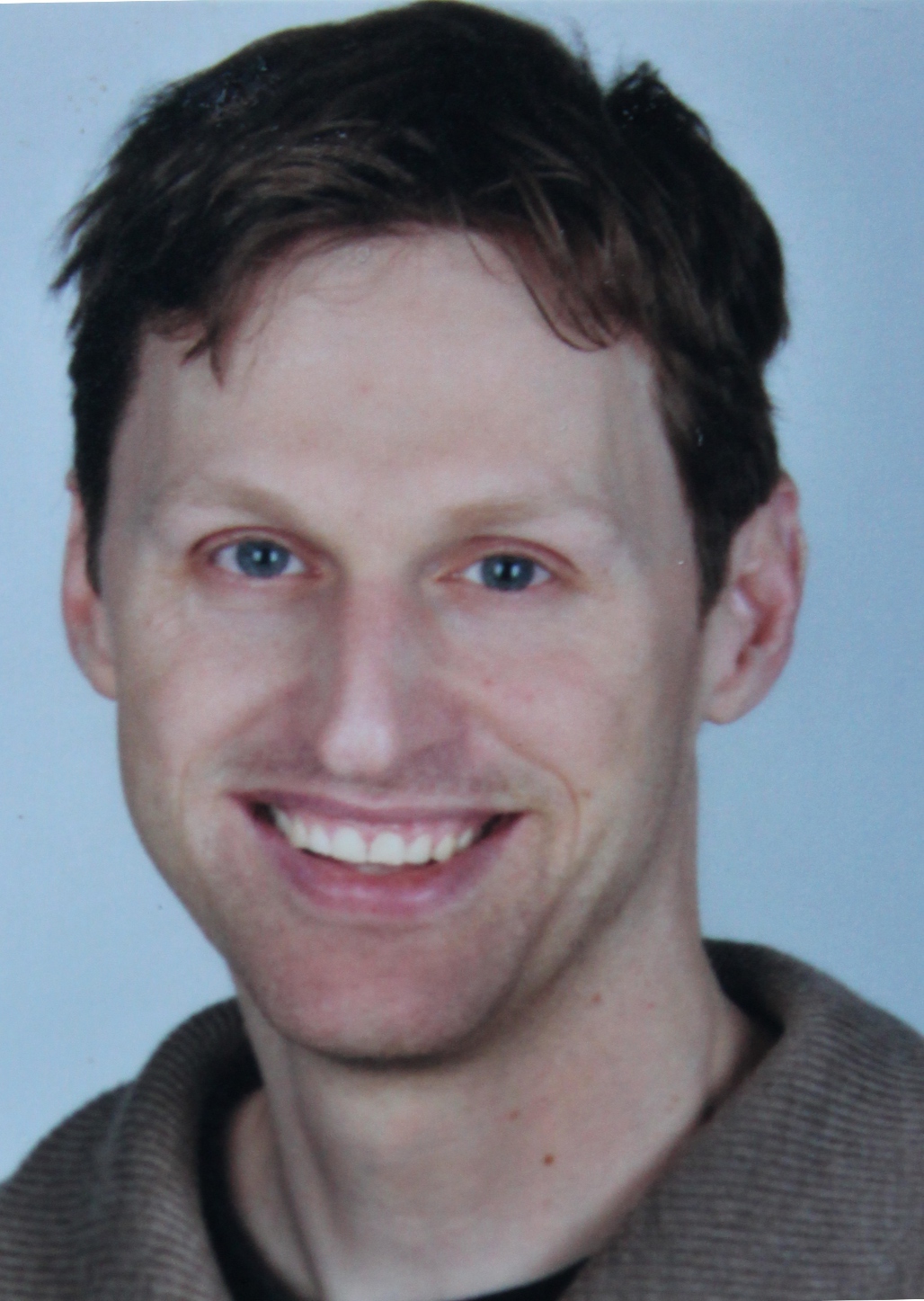
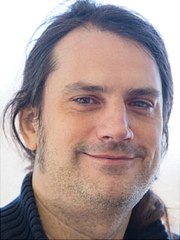
Lukas Hiendlmeier is a Researcher at the Technical University of Munich, affiliated with the Munich Institute of Biomedical Engineering (MIBE) and the Associate Professorship of Neuroelectronics led by Prof. Bernhard Wolfrum. He holds a Master of Science in Mechanical Engineering from TUM. His research focuses on advanced fabrication technologies such as 3D printing, laser micromachining, and polymer material science, with applications in neuroelectronics and biomedical devices. Hiendlmeier’s work emphasizes developing self-folding bioelectronic interfaces, flexible electrodes, and implantable neural devices for peripheral nerve interfacing. His contributions include innovations in 4D printing techniques, thermoformed materials, and origami-inspired electrode designs. He collaborates on projects involving cell manipulation, microfluidic lab-on-a-chip systems, and closed-loop neural stimulation systems. Publications span topics like self-folding bioelectronics, flexible sensor arrays, and nanorobotics, showcasing expertise in materials science and biomedical engineering. His research bridges fundamental science and translational applications, addressing challenges in neural prosthetics, wearable diagnostics, and tissue engineering. Hiendlmeier is actively involved in the neuroTUM initiative and contributes to interdisciplinary teams at TUM, focusing on advancing neurotechnology through innovative fabrication methods and biomaterials.
Paschalis Gkoupidenis is an Associate Professor in the Department of Electrical and Computer Engineering at North Carolina State University (since August 2024) and a Group Leader at the Department of Molecular Electronics at the Max Planck Institute for Polymer Research. His research focuses on developing organic neuromorphic devices for neuro-inspired information processing, learning, sensing, and bio-interfacing. Research Interests Dr. Gkoupidenis specializes in hardware-based implementation of neuromorphic architectures, which offer efficient ways of data manipulation and processing, especially in data-intensive applications. His work explores how organic materials and devices can be used for neuro-inspired devices and bioelectronics, leveraging their attractive characteristics such as ability to operate in electrolytes, spatiotemporal response, analogue memory phenomena, tunability via chemical synthesis, low-cost fabrication processes, and biocompatibility. His research group investigates various concepts for inducing neuroplasticity, learning forms, and spatiotemporal information processing functions at a single-device level, as well as new paradigms of neuromorphic architectures at circuit level. These neuro-inspired functions are essential for trainable/adaptable circuits in energy-restricted environments and for local signal processing in bioelectronics. Scientific Contributions Development of organic neuromorphic devices for neuro-inspired information processing Research on synaptic plasticity functions in organic electrochemical transistors Exploration of neuromorphic device architectures with global connectivity through electrolyte gating Investigation of functional connectivity of organic neuromorphic devices by global voltage oscillations Advancement of organic neuromorphic devices for adaptive sensing and novel computing paradigms in bioelectronics Affiliations Associate Professor, Department of Electrical and Computer Engineering, North Carolina State University (since August 2024) Group Leader, Organic Neuromorphic Electronics, Max Planck Institute for Polymer Research (since 2017) Postdoctoral Researcher, Department of Bioelectronics, EMSE, France (2015-2017)
Prof. Vivek Pachauri holds the Chair of Materials for Electrical Engineering I at RWTH Aachen University, leading research at the Institute of Materials for Electrical Engineering. His work bridges materials science and bioelectronics, focusing on graphene-based transducers, silicon nanowires, and metal-organic frameworks (MOFs) for biosensing applications. University: RWTH Aachen University (Germany) Department: Materials for Electrical Engineering Academic Rank: Professor Email: pachauri@iwe1.rwth-aachen.de His research spans nanoscale sensor development , microfluidic platforms , and bioelectronic systems , with applications in disease detection, environmental monitoring, and cellular analysis. Recent work highlights programmable molecular amplification and multi-parametric point-of-care diagnostics. Key trends in his publications include: Advanced 2D materials (graphene oxide, MoS 2 ) Metal-organic frameworks for fluorescence sensing Microfluidic integration of biosensors Plasmonic and Fano resonance-based detection Low-cost cellular assays using organic electronics
Prof. Dr. Martin Bastmeyer is a Full Professor and Head of the Department for Cell- and Neurobiology at the Karlsruhe Institute of Technology (KIT). He holds leadership roles including former Dean of the Faculty for Chemistry and Biosciences at KIT and spokesperson for the Helmholtz Society's BioInterfaces Programme. His research focuses on cell-neurobiology, mechanobiology, and advanced biomaterials, particularly 3D microscaffolds for cell studies. Education: Diploma in Biology (1984), PhD in Cell Biology (1989), Habilitation in Cell- and Neurobiology (1996) Research interests include cell-matrix interactions, stem cell engineering, and biophotonics applications. He pioneered studies on neural adhesion molecules and 3D-printed biomaterials for tissue engineering. Key achievements include developing mechano-responsive hydrogels and elucidating molecular mechanisms in cardiac maturation. Awards include the Erwin-Schrödinger-Prize (2016) for interdisciplinary research. His work bridges material science and biology through innovative microfabrication techniques and functional cell niches. Awards: BRIDGE Fellowship (2018), Heisenberg Fellowship (1998–2001) Prof. Bastmeyer leads interdisciplinary teams in KIT's BioInterfaces and Karlsruhe School of Optics & Photonics (KSOP), advancing biofunctional materials and cell-mechanics research. His labs utilize cutting-edge imaging and microengineering to study cellular responses to mechanical cues and environmental stimuli.
Robert S. Langer is an Institute Professor at the Massachusetts Institute of Technology, holding positions in both the Department of Chemical Engineering and the Department of Biological Engineering. He is also a faculty member of the Harvard-MIT Program in Health Sciences and Technology and the Koch Institute for Integrative Cancer Research. With over 1,400 granted or pending patents and more than 1,600 scientific papers, Langer is one of the world's most highly cited researchers with an h-index of 331 and over 450,000 citations. Dr. Langer's educational background includes: Bachelor's degree in Chemical Engineering from Cornell University Sc.D. in Chemical Engineering from Massachusetts Institute of Technology (1974) Postdoctoral fellowship at Children's Hospital Boston and Harvard Medical School under Judah Folkman (1974-1977) Langer is widely regarded as a pioneer in drug delivery systems and tissue engineering . His research focuses on developing innovative biomaterials for controlled drug release, creating engineered blood vessels and vascularized engineered muscle tissue, and advancing regenerative medicine. His work has led to the development of polymer systems that control the release of inhibitors for cancer treatment, microneedle tattoo patches for medical information storage, and implantable devices for diabetes treatment. Langer's laboratory at MIT is the largest biomedical engineering lab in the world, maintaining over $10 million in annual grants and over 100 researchers. Analysis of Langer's recent publications reveals a continued focus on advanced drug delivery systems, nanotechnology applications in medicine, and tissue engineering innovations. His work spans from fundamental biomaterials development to clinical applications, with particular emphasis on improving biocompatibility, developing targeted delivery systems for cancer and other diseases, and creating responsive materials that adapt to physiological conditions. Recent work shows significant contributions to mRNA delivery systems, which have become increasingly relevant for vaccine development. Langer has received numerous prestigious awards, including: National Medal of Science (2006) National Medal of Technology and Innovation (2011) Millennium Technology Prize (2008) Queen Elizabeth Prize for Engineering (2015) Kavli Prize in Nanoscience (2024) Double Helix Medal (2025) And over 220 other major awards throughout his career Dr. Langer has advised numerous students who have gone on to become leaders in biomedical engineering and related fields. His laboratory has been instrumental in training the next generation of researchers and entrepreneurs. Beyond academic mentorship, Langer has been involved in founding more than 40 biotechnology companies, including Moderna, demonstrating his commitment to translating research into real-world applications. His lab maintains substantial grant funding, with over $10 million in annual grants supporting innovative research in drug delivery and tissue engineering. The Langer Lab at MIT is the largest biomedical engineering laboratory in the world, with over 100 researchers working on cutting-edge projects in drug delivery, tissue engineering, and nanotechnology. The lab has developed numerous technologies that have been commercialized through startup companies, and continues to push the boundaries of what's possible in biomedical engineering. Langer's collaborative approach has led to partnerships with researchers across MIT, Harvard, and other institutions worldwide, creating a vibrant ecosystem for innovation in biotechnology.
Prof. Dr. Martin Stutzmann is the Head of Group at the Walter Schottky Institute at the Technical University of Munich . His research focuses on advanced semiconductor technologies, particularly in Photonics & Optoelectronics , Quantum Technologies , and Energy Materials . His group specializes in the design and characterization of functional semiconductors for renewable energy applications, with a strong emphasis on mid-infrared (mid-IR) and terahertz (THz) photonics . They employ techniques like atomic layer deposition , molecular beam epitaxy , and physical vapor deposition to engineer materials with precise electronic and optical properties. Their recent publications highlight work on GaN nanowires , amorphous nitride semiconductors , and surface-sensitive electrochemical platforms , with applications in photocatalysis , optoelectronic interfaces , and thermal energy conversion . They maintain collaborations with other institutions and laboratories, focusing on interdisciplinary research that bridges materials science , quantum optics , and renewable energy technologies .
Prof. Bernhard Wolfrum is a Principal Investigator at the Institute for Medical Engineering (IMETUM) of the Technical University of Munich (TUM), developing advanced neuroelectronic interfaces. His work combines micro- and nanofabrication technologies with printing methods to create flexible, biocompatible devices for real-time electrochemical sensing and neural stimulation. Key research areas include cell-chip coupling, microfluidic cell culture systems, and lesion/degeneration models. He pioneers inkjet-printed 3D sensor arrays, redox-cycling techniques, and origami-inspired biohybrid devices. His group includes PostDoc Philipp Rinklin and PhD student Troung Ka My Dang. Scientific Approach: Utilizes rapid prototyping, direct integration of biomaterials, and electrochemical methods to map cellular chemical cues and design structured neuronal networks. Focuses on scalable fabrication techniques for medical applications like implantable electrodes and organ-on-chip systems. Recent Publications: Highlight trends in flexible bioelectronic interfaces, silver nanoparticle sensing, and laser-processed MOF-derived electrodes, emphasizing interdisciplinary integration of material science and neuroscience.
Colin Fernandes is a Doctoral Researcher at the Jülich Research Centre, specializing in the field of Bioelectronics under the Institute of Biological Information Processing (IBI-3). His research focuses on bioelectronic interfaces, 2D+ materials, nanofabrication, and neuroelectronic interfaces. Research Areas: Bioelectronic Interfaces 2D+ Materials Nanofabrication Neuroelectronic Interfaces Contact: Forschungszentrum Jülich GmbH, Wilhelm-Johnen-Straße, 52428 Jülich, Germany. Office located in Building 02.4v, Room 228.
Prof. Dr.-Ing. Yiannos Manoli is the Director of the Fritz Huettinger Chair of Microelectronics at the University of Freiburg, Germany. He holds a Dr.-Ing. from Gerhard Mercator Universität and has held academic positions at the University of Saarland and the Fraunhofer Institute. His research focuses on energy-harvesting electronics, sensor systems, and biomedical applications. He has published over 400 papers and contributed to innovations in low-power mixed-signal CMOS circuits. Education: B.A. (summa cum laude) in Physics and Mathematics, Lawrence University (1978) M.S. in Electrical Engineering and Computer Science, University of California, Berkeley (1980) Dr.-Ing. in Electrical Engineering, Gerhard Mercator Universität (1987) Research Interests: His work spans energy harvesting for IoT and automotive systems, analog-to-digital converters, neural probes, and biomedical applications. Notable contributions include advancements in ultra-low-voltage circuits and sensor read-out systems. Recent projects involve tactile sensors with machine-learning-based processing and neural probe interfaces. Awards & Recognition: Best Paper Award at ESCCIRC (1988) MSE-2007 Award for SpicyVOLTsim Excellence in Teaching Award (2010) IEEE Life Fellow Leadership & Service: Served as Dean of the Faculty of Engineering (2008–2015) and co-director of the Hahn-Schickard-Institut. Contributed to the establishment of the INATECH department. Active in editorial roles for IEEE journals and conferences like ISSCC and IEDM. Labs & Collaborations: Lead the Microelectronics Professorship at IMTEK, collaborated with industry partners like Intel and Motorola, and engaged in international research networks including the Thomas Mann House residency (2018).
Francesca Santoro is a Professor jointly appointed at RWTH Aachen University (where she heads the Neuroelectronic Interfaces Lab) and Forschungszentrum Jülich (IBI-3 research group). She specializes in neuroelectronic interfaces, bioelectronics, and tissue engineering, with a focus on treating neurodegenerative diseases using chip-based technologies. Education: PhD in Electrical Engineering & Information Technology, RWTH Aachen/Forschungszentrum Jülich (2014) Master’s in Biomedical Engineering, University of Naples Federico II (2010) Bachelor’s in Biomedical Engineering, University of Naples Federico II (2008) Research: Her work bridges bioelectronics and regenerative medicine, emphasizing neural interface design, neuromorphic devices, and nanotechnology for brain repair. Recent innovations include light-mediated bioelectronics and organic electrochemical neurons that mimic biological systems. Publications: Her 15 most recent articles (2020–2025) cluster around neurohybrid systems, nanotechnology-driven neural interfaces, and organic neuromorphic devices, reflecting a consistent focus on bioelectronic solutions for neurological disorders. Awards: ERC Starting Grant (2020) Falling Walls Science Breakthrough in Engineering (2021) MIT Innovator Under 35 Europe/Italy (2018) Leopoldina Early Career Award (2022) Heart Rhythm Society Fellowship (2016) Leadership: She founded the Tissue Electronics Lab at the Italian Institute of Technology (2017–2021), co-founded BRYLA, and leads interdisciplinary teams developing next-generation neural interfaces.
Simon Decke is a Doctoral Researcher at Forschungszentrum Jülich, working within the Institute for Biological Information Processes (IBI), specifically in the Bioelectronics department (IBI-3) located in Building 02.4u, Room 97 at the Jülich campus. Decke specializes in the microfabrication of neural interfaces with a strong focus on two-photon polymerization techniques. His research encompasses developing flexible, 3D implantable microelectrode arrays, biohybrid devices that integrate biological and electronic components, and advanced in vitro platforms for neural studies. His technical expertise bridges materials science, microengineering, and neuroscience to create next-generation neuroelectronic systems. His work contributes significantly to the advancement of brain-computer interfaces and neural prosthetics, with potential applications ranging from fundamental neuroscience research to clinical neurotechnology solutions for neurological disorders.
Sofiia Demchenko is a Doctoral Researcher at the Bioelectronics department (IBI-3) of the Institute of Biological Information Processing (IBI) at Forschungszentrum Jülich. She specializes in the biological, electrophysiological, and electrochemical characterization of ultra-thin neural implants for applications targeting the brain and peripheral nerves. Her core research areas include: Neural Implants Neuroelectronics Electrophysiology Electrochemistry Her work focuses on advancing neural interface technologies through rigorous experimental validation of implant functionality and biocompatibility in neural systems. As a member of the Neuroelectronics for in-vivo applications group, she contributes to interdisciplinary efforts developing next-generation neural implants. Her research holds significant potential for neuroprosthetics, brain-computer interfaces, and therapeutic interventions for neurological disorders affecting both central and peripheral nervous systems.
Prof. Dr. Wolfgang Parak leads the Biophotonics research group at the University of Hamburg's Department of Physics and is affiliated with the Center for Hybrid Nanostructures (CHyN). His work focuses on colloidal nanoparticles, their synthesis, surface chemistry, and biomedical applications. Employment: University of Hamburg (since 2017) Email: wolfgang.parak@uni-hamburg.de OrciD: 0000-0003-1672-6650 Research spans three branches: (1) Synthesis of multifunctional nanoparticles (CdSe, Au, FeO₃), (2) Surface functionalization via amphiphilic polymers, and (3) Applications in medicine (targeted delivery, analyte sensing, photothermal therapy). Recent work explores size-dependent nanoparticle penetration in cell spheroids and plasmonic polymorphs with bipyramid thin films. Publications (2025) include studies on: Aggregation-mediated cellular uptake optimization (Nano Today) Plasmonic polymorphs in Small Photoluminescent gold nanomaterials (Advanced Optical Materials) Scientific recognition: Highly Cited Researcher (2018-2021) Bioconjugate Chemistry Lectureship Award (2018) Current projects include NANO-PEFIS (2024-2026) and grants for material resources (Otange, Bonakdar).
Paul Cvancara serves as Professor for Biomedical Microtechnology at the University of Freiburg since 2013, holding a deputy directorship within the BrainLinks-BrainTools research center. Previously, he held the Professorship for Process Technology (2008-2013) and remains affiliated with the Institute of Microsystems Technology (IMTEK). His work bridges microsystems engineering and neural interface development, focusing on chronic implantable technologies. His research expertise spans: Neural interface design and long-term stability Polyimide-based flexible electrode arrays Material-tissue interface optimization Biomimetic sensory feedback systems Chronic assessment of neural implants in humans Analysis of his 2022-2025 publications reveals consistent focus on failure mechanisms in polyimide substrates, hydrophilicity treatments for neural interfaces, and biomimetic approaches for prosthetic sensory feedback. Key trends include accelerated aging studies, chronic human implant assessments, and material-tissue interface engineering to enhance bioelectronic performance. Scientific Awards: No major scientific awards were documented in the source material Paul Cvancara has served as academic advisor for 2 students according to publication records, though specific grant funding details were not provided. His research operates within collaborative frameworks involving multidisciplinary teams from engineering, neuroscience, and clinical medicine. He maintains active roles within the BrainLinks-BrainTools research center and IMTEK, contributing to Freiburg's neurotechnology ecosystem through projects focused on next-generation neural interfaces, miniaturized implant systems, and bidirectional brain-machine communication platforms.
Thomas Stieglitz is a Professor and Director of the Professorship for Biomedical Microtechnology at the Faculty of Engineering, University of Freiburg. He maintains strong affiliations with the Bernstein Center Freiburg, the Institute for Microsystems Technology (IMTEK), BrainLinks-BrainTools, and the Intelligent Machine-Brain Interfacing Technology initiative. His research program focuses on developing advanced neural interfaces and biomedical microsystems for restoring lost body functions after neurological injury or amputation. Professor Stieglitz's research spans multiple cutting-edge areas in neural engineering. His work centers on neural implants for long-term stable interface with the nervous system, brain-computer interfaces for restoring communication and control, and neuroprosthetics for restoring sensory and motor functions. He investigates microfabrication techniques for creating biocompatible neural interfaces, wireless power and data transfer methods for implantable devices, and sensory feedback systems for prosthetic limbs. His research also addresses neuromodulation approaches for treating neurological conditions and biomechanical analysis of human movement in amputees and patients with neurological disorders. His recent publications reveal a strong emphasis on developing miniaturized neural interfaces with improved biocompatibility, enhancing wireless communication for implantable devices, and creating advanced neuroprosthetic systems with sensory feedback. The research spans from fundamental materials science for neural interfaces to clinical applications in rehabilitation, with particular focus on long-term stability of neural implants and restoring natural sensory experiences in prosthetic users. Among his notable scientific achievements is being named an IEEE Fellow in 2022, recognizing his significant contributions to biomedical engineering and neural interface technology. This prestigious honor places him among the top researchers in his field worldwide. Professor Stieglitz has advised 37 doctoral and master's students throughout his career. He has managed an impressive portfolio of 25 research projects, serving as project manager for 14 major initiatives including AI-Hand, Active Stents, and BaroLoop. His leadership extends to significant administrative roles including Geschäftsführender Direktor of IMTEK (2021-2025), membership in the University Senate, chairing the admissions committee for BSc/MSc programs, and serving as General Co-Chair for major international conferences. He leads the Intelligent Machine-Brain Interfacing Technology research group and collaborates extensively with the BrainLinks-BrainTools cluster of excellence. His laboratory combines expertise in microsystem technology, neuroscience, and clinical rehabilitation to develop next-generation neural interfaces that bridge engineering and medicine, with the ultimate goal of restoring natural function to individuals with neurological impairments.