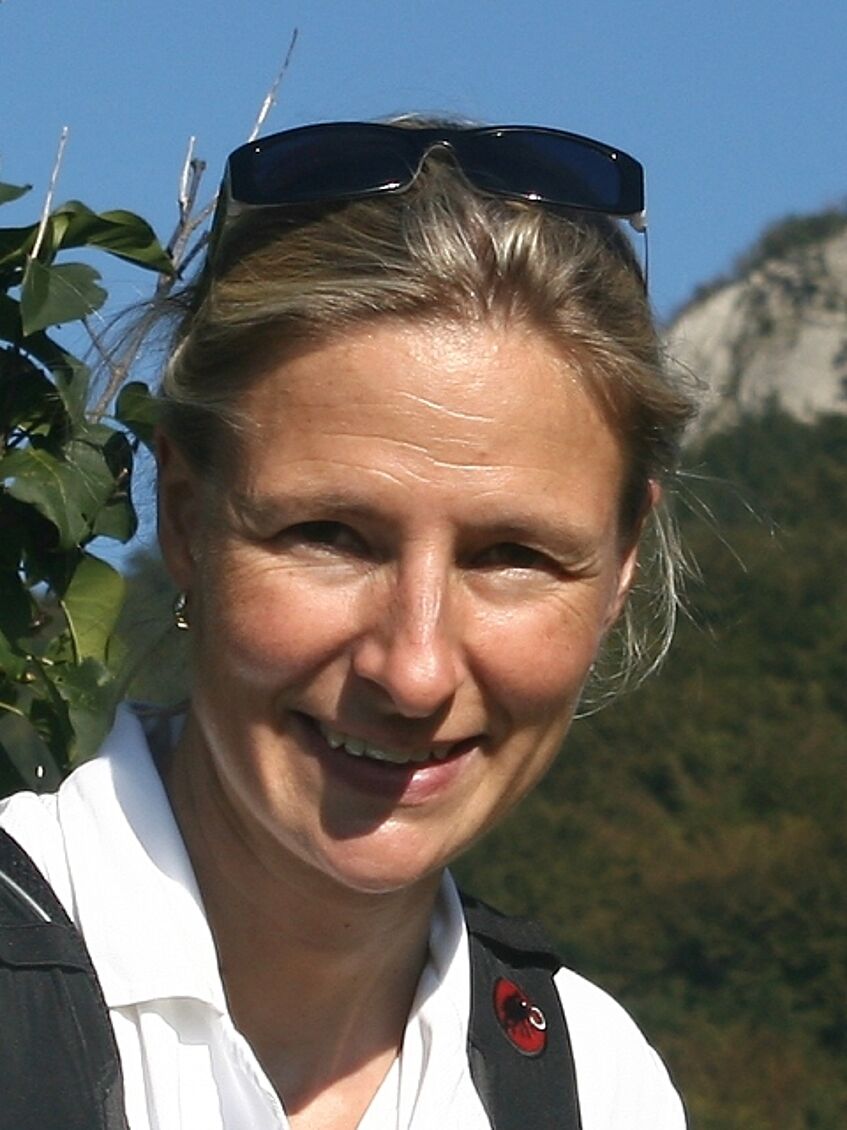
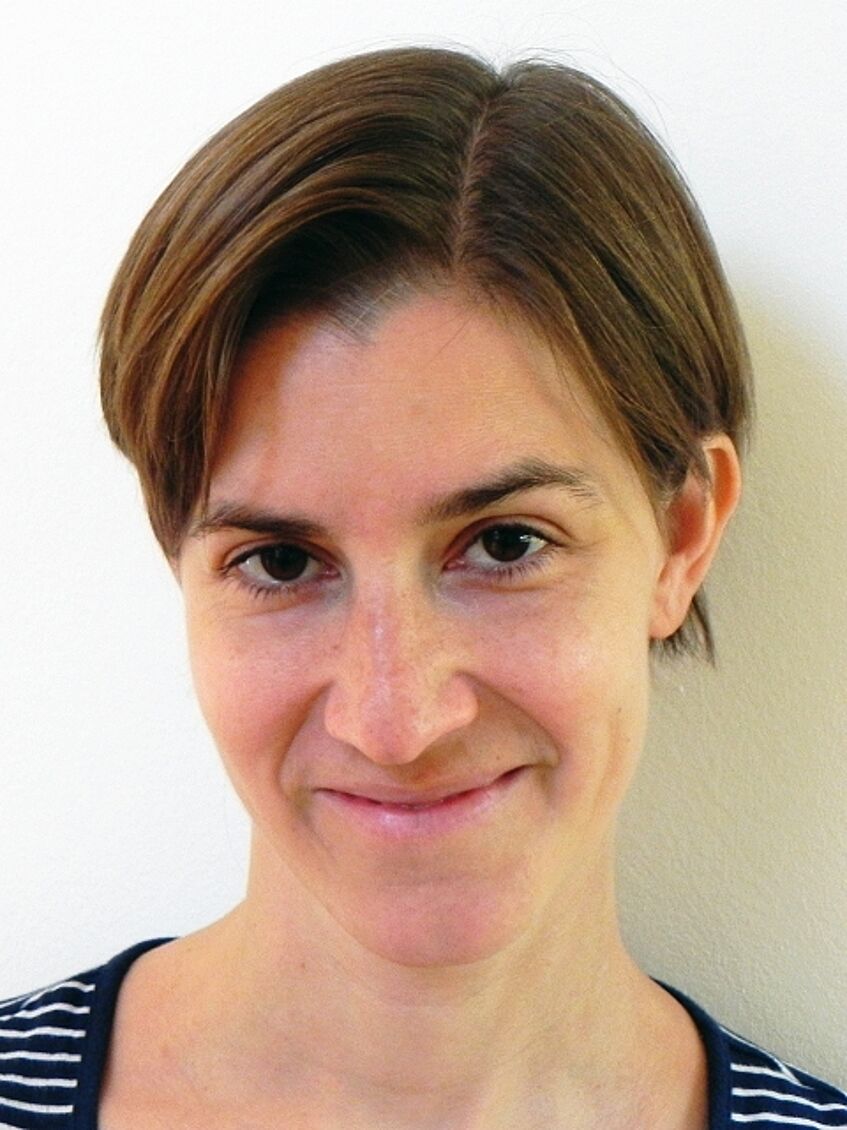
Sabine Glasl-Tazreiter is a Lecturer at the University of Vienna's Faculty of Life Sciences , specifically within the Department of Pharmaceutical Sciences and its Division of Pharmacognosy . Her office is located in room 2E 412 on the 4th floor at Josef-Holaubek-Platz 2, Vienna, Austria (1090). Contact details include telephone number +43-1-4277-55207 and email sabine.glasl@univie.ac.at . Principal research focus: Phytochemistry & Biodiscovery Specialization: Secondary metabolites from ethnomedicinally used plants across Europe, Mongolia, and Latin America Key techniques: Isolation of bioactive compounds, structural elucidation, pharmacological evaluation Quality control expertise: Macroscopic/microscopic identification, chemical analytics Recent publications highlight her work in: 2024 - Development of the VOLKSMED Database for Austrian folk medicine wound healing plants 2025 - Advanced mucociliary clearance research in respiratory systems 2023 - Innovations in optoacoustic imaging technology 2019 - Structure-function analysis of phycobiliproteins for medical imaging 2017 - Phytochemical characterization of Latin American antidiabetic plants
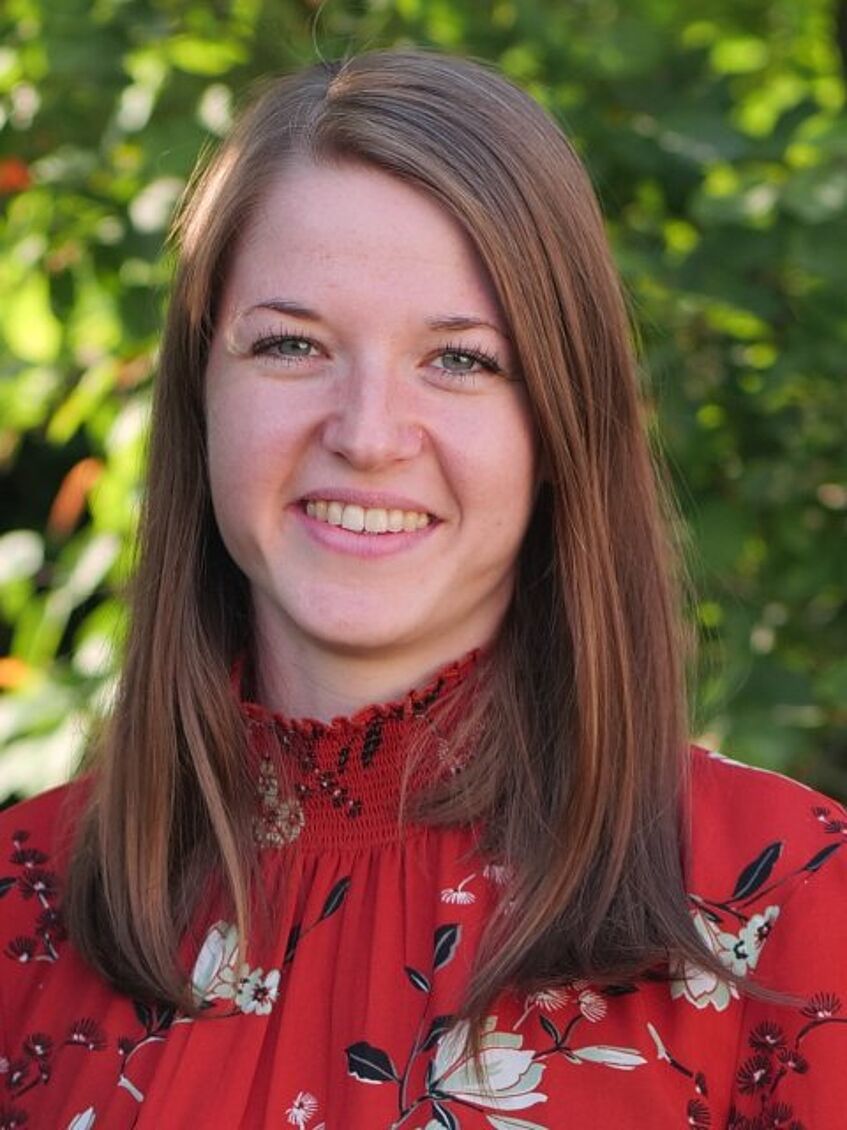
Corinna Brungs is a Senior Scientist at the University of Vienna , affiliated with the Faculty of Life Sciences and the Department of Pharmaceutical Sciences (Division of Pharmacognosy). Her research focuses on applying cutting-edge mass spectrometry techniques for natural product identification, biomarker discovery, and untargeted metabolomics workflows. Developing open mass spectral libraries Advancing data processing strategies Specializing in tattoo pigment and metabolite analysis Research Highlights: Brungs bridges phytochemistry and computational metabolomics through method development in mass spectrometry. Her work includes creating standardized protocols for: Tattoo pigment identification In-source fragmentation analysis Non-targeted drug exposure profiling Integration of mobility-resolved spectrometry Scientific Awards: 2025 Early Career Prize (Metabolomics Society) 2025 Early Career Travel Award (Metabolomics Society) 2022 Czech Academy of Sciences Fellowship Publications (2022-2025) demonstrate leadership in: MALDI-TIMS-MS2 bioimaging MZmine 3 software development Metabolomics data reproducibility Mass spectral library matching
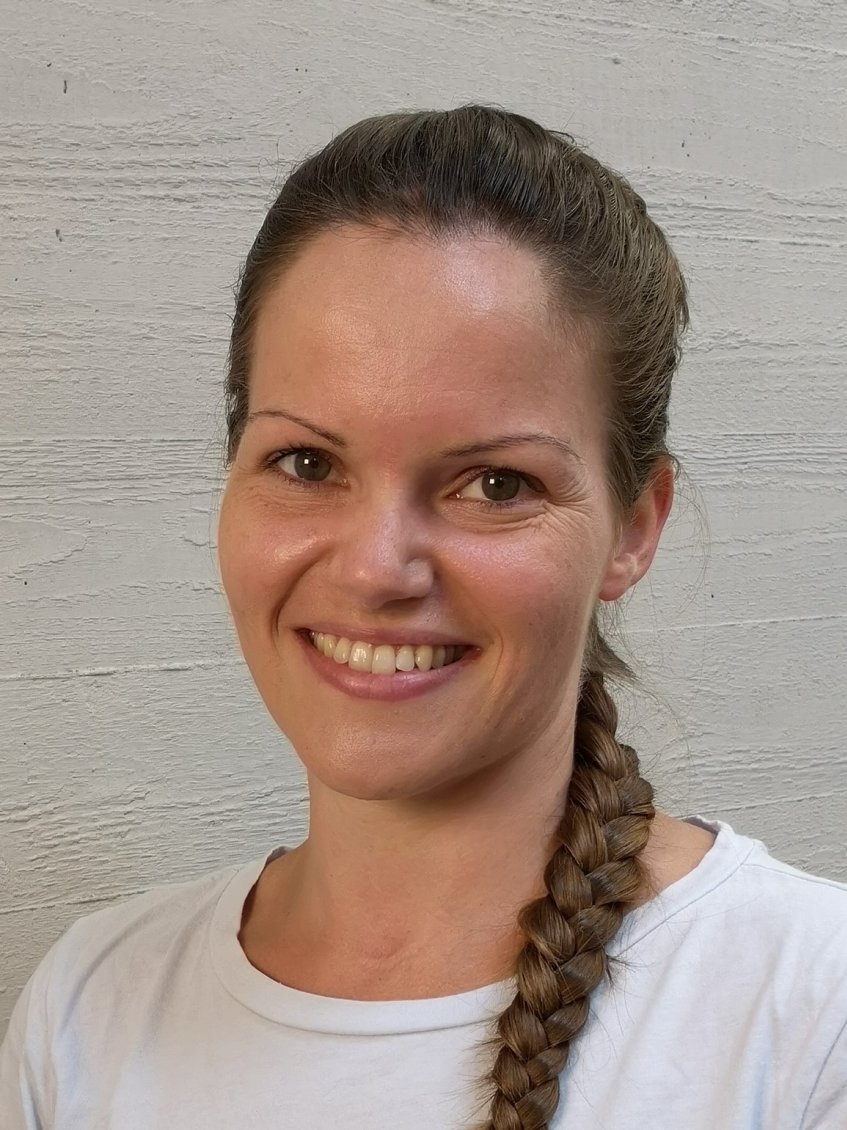
Karin Ortmayr serves as an Assistant Professor at the University of Vienna within the Faculty of Life Sciences, Department of Pharmaceutical Sciences, specifically in the Division of Pharmacognosy. Her research laboratory is located in room 2G 154 (floor 1) at Josef-Holaubek-Platz 2, A-1090 Vienna, Austria. Her primary research interests focus on Phytochemistry & Biodiscovery , Molecular Targets , and MS-based metabolome profiling . Dr. Ortmayr investigates the impact of cellular plasticity on cellular metabolism and responses to stress & bioactive compounds. Her work addresses fundamental questions on the interplay between different cell states, cellular metabolism, and the action of bioactive compounds, with particular emphasis on (1) harnessing cell state-specific vulnerabilities to target disease-relevant cell subpopulations like quiescent cancer cells (cancer recurrence), and (2) considering cell state switches to improve cell-based systems for drug discovery. Her research employs advanced analytical tools in mass spectrometry-based metabolomics for systematic studies in human health and disease. She utilizes combined metabolic- and phenotypic profiling approaches, with technologies including mass spectrometry-based metabolomics (non-targeted and targeted), in vitro cell cultivation and multiparallel perturbation studies (96-well format), live-cell microscopy imaging, and integrative computational data analysis. Her publication record demonstrates consistent research output from 2014 through 2025, with a recent focus on metabolic mapping of pharmacological perturbations, biopharmaceutical profiling of natural compounds, and the relationship between cellular plasticity and metabolism in disease contexts. Her work spans microbiology, cancer research, metabolomics, and phytochemistry, reflecting interdisciplinary approaches to understanding metabolic pathways and their therapeutic applications. Dr. Ortmayr utilizes mass spectrometry-based metabolomics as her primary analytical approach, with applications ranging from antibacterial compound discovery to cancer cell metabolism and natural product analysis. Her research bridges fundamental metabolic understanding with practical applications in drug discovery and disease treatment. Her laboratory work involves in vitro cell cultivation, high-throughput perturbation studies, live-cell imaging, and computational data analysis to investigate metabolic responses to various stressors and bioactive compounds. This integrated approach allows for comprehensive analysis of cellular metabolic states and their implications for disease mechanisms and therapeutic interventions.
Sergey Zotchev is a Professor in the Department of Pharmaceutical Sciences at the Faculty of Life Sciences. His research focuses on microbial secondary metabolite biosynthesis, particularly in Streptomyces species. Key areas include natural product discovery from extremophiles, genome mining, and metabolic engineering to activate silent biosynthetic pathways. He has pioneered projects on drug discovery from endophytic bacteria, marine actinomycetes, and Antarctic microbes. Over 100 peer-reviewed publications and 6 active research grants highlight his contributions to antimicrobial development and microbial genomics. Notable projects include Anti-Infectives Drug Discovery (2025–2029) Deciphering the biosynthesis of bioactive meroterpenoids (2023–2027) New bioactive natural products via forced evolution (2022–2026) Research interests integrate microbial genetics, synthetic biology, and cheminformatics to address global health challenges like drug-resistant pathogens. His work aligns with SDG 3 (Good Health) through discovery of novel antibiotics and SDG 15 (Life on Land) via studies on alpine plant microbiomes. Recent talks include presentations on actinomycete drug discovery and Antarctic bacterial biodiversity. Collaborations span institutions worldwide, emphasizing transdisciplinary approaches to natural product science.
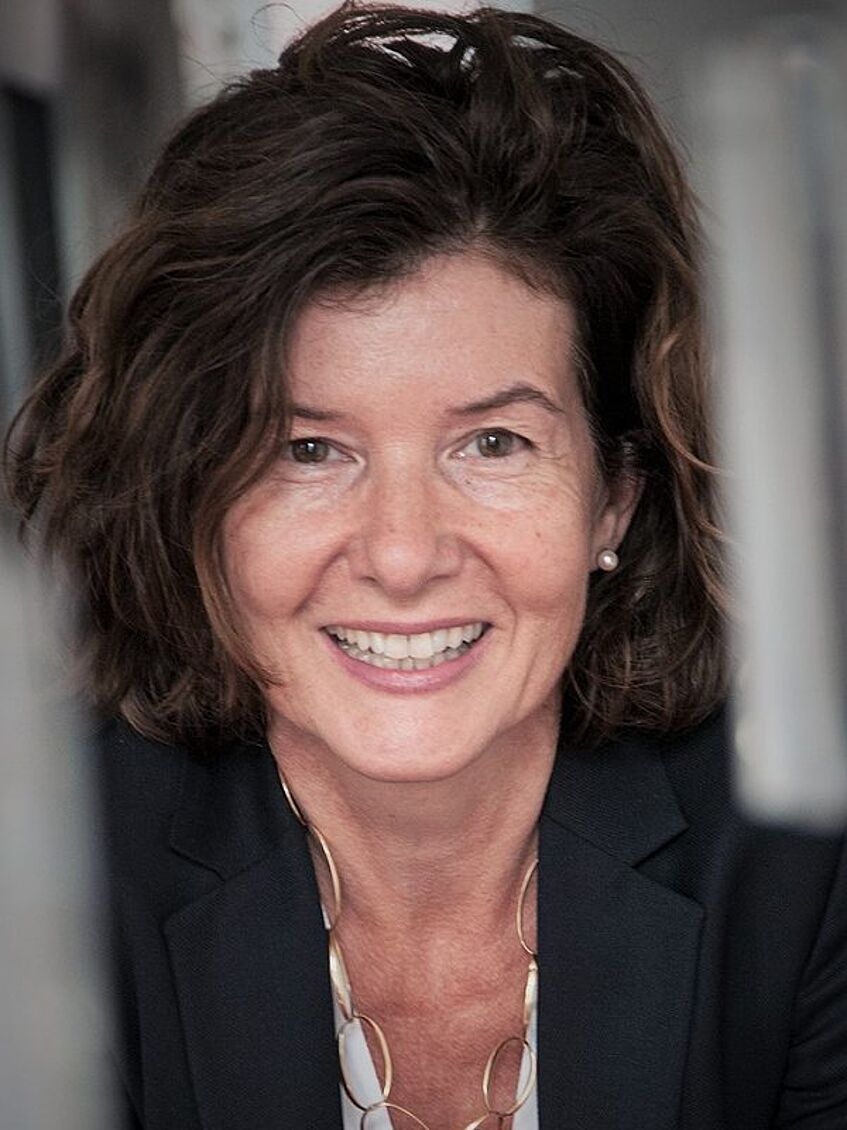
Judith M. Rollinger is a Full Professor of Pharmacognosy and Pharmaceutical Biology at the University of Vienna's Faculty of Life Sciences, where she heads the 'Phytochemistry & Biodiscovery' division. She serves as a Member of the Senate of the University of Vienna and maintains an active research program focused on natural product drug discovery. Education: Magister in Pharmacy, University of Innsbruck (1983-1990) PhD in Pharmacognosy, University of Innsbruck (1995-1999) Habilitation in Pharmacognosy, University of Innsbruck (2007) Research Focus: Her work integrates ethnopharmacology with computational and experimental approaches to discover bioactive natural products against viral infections (especially influenza), inflammatory processes, and metabolic disorders. She pioneers in silico techniques like molecular modeling combined with phenotypic screening using Caenorhabditis elegans models. Her group also investigates cardiotoxic compounds in botanicals and quality control of natural medicines. Publication Trends: Her 135+ publications demonstrate consistent focus on pharmacognosy innovations, with recent work emphasizing computational screening models, antiviral natural products, and mechanisms of healthy aging. Research frequently bridges traditional medicine knowledge with modern drug discovery paradigms. Awards & Honors: Science Award 2020 (Vorarlberg) KIWIE Silver Medal (2010) PHOENIX Science Prize (2005) Multiple recognition awards from Innsbruck University Leadership: Coordinates major projects including FWF doc.funds 'Anti-Infectives Drug Discovery' (2025-2029) and Schwabe Innovation Challenge (2022-2025). Currently Vice-President of the Society of Medicinal Plants and Natural Product Research and editorial board member of the Journal of Natural Products .
Sergey B. Zotchev is University Professor of Pharmaceutical Biotechnology at the University of Vienna, Faculty of Life Sciences, where he heads the inter-disciplinary Research Platform ‘Secondary Metabolomes of Bacterial Communities’. Since 2015 he has built an internationally visible group that couples microbial genomics, metabolic engineering and synthetic biology to discover new antibiotics and other bioactive natural products, with continuous funding from the Austrian Science Fund, EU-FP7 and national innovation agencies. Education & career: PhD 1985-1991 – State Scientific Center for Biotechnology NIIGenetika, Russia Alexander von Humboldt Post-doc 1991-1993 – University of Osnabrück, Germany Post-doc stays at University of Wisconsin-Madison (USA) and Karolinska Institute (Sweden) 1996-2015 – Norwegian University of Science & Technology (NTNU), rising from Research Scientist to Professor 2011-2012 – Visiting Professor, Joint BioEnergy Institute, UC Berkeley Since 2015 – Professor of Pharmaceutical Biotechnology, University of Vienna Research focus: His group investigates Streptomyces and other actinobacteria, marine and endophytic microbes to unlock cryptic biosynthetic gene clusters, engineer antibiotic pathways, and develop new leads against resistant pathogens. Recent work expands into plant-endophyte interactions for enhanced production of plant-derived drugs such as bergenin, and into Antarctic microbiomes for novel chemistry. Grants & projects (selected): MetaBac research platform (€4 M), multiple FWF projects on meroterpenoid and forced-evolution based natural product discovery, EU STREPSYNTH and ViennaMicin antibiotic development grants. Teaching: He coordinates six master-level courses (Drug Discovery, Pharmaceutical Biotechnology, Pharmacognosy seminars, etc.) and two doctoral training modules, annually supervising >20 MSc and PhD students.
Elisabeth Ginko serves as a Senior Lecturer at the Division of Pharmacognosy within the Department of Pharmaceutical Sciences, Faculty of Life Sciences at the University of Vienna. Her office is located in room 2G 150 on the second floor, with direct contact via +43-1-4277-55274. Her research focuses on Phytochemistry and Biodiscovery , specializing in the chemical analysis of medicinal plants and natural product-based drug development. This work positions her at the intersection of traditional medicine and modern pharmaceutical science, with emphasis on identifying bioactive compounds from botanical sources. The Division of Pharmacognosy, where she conducts her work, operates within the university's pharmaceutical research framework at Josef-Holaubek-Platz 2 in Vienna, maintaining active collaborations across natural product research domains.