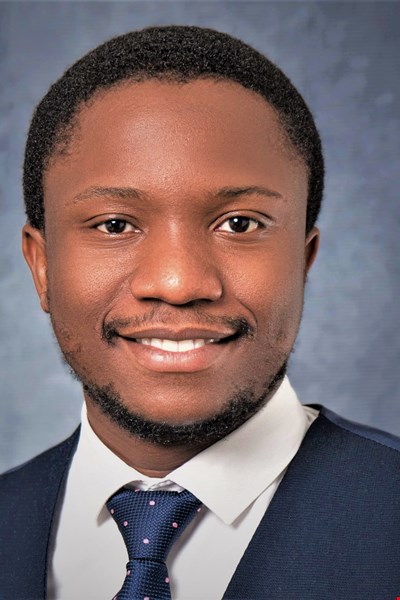
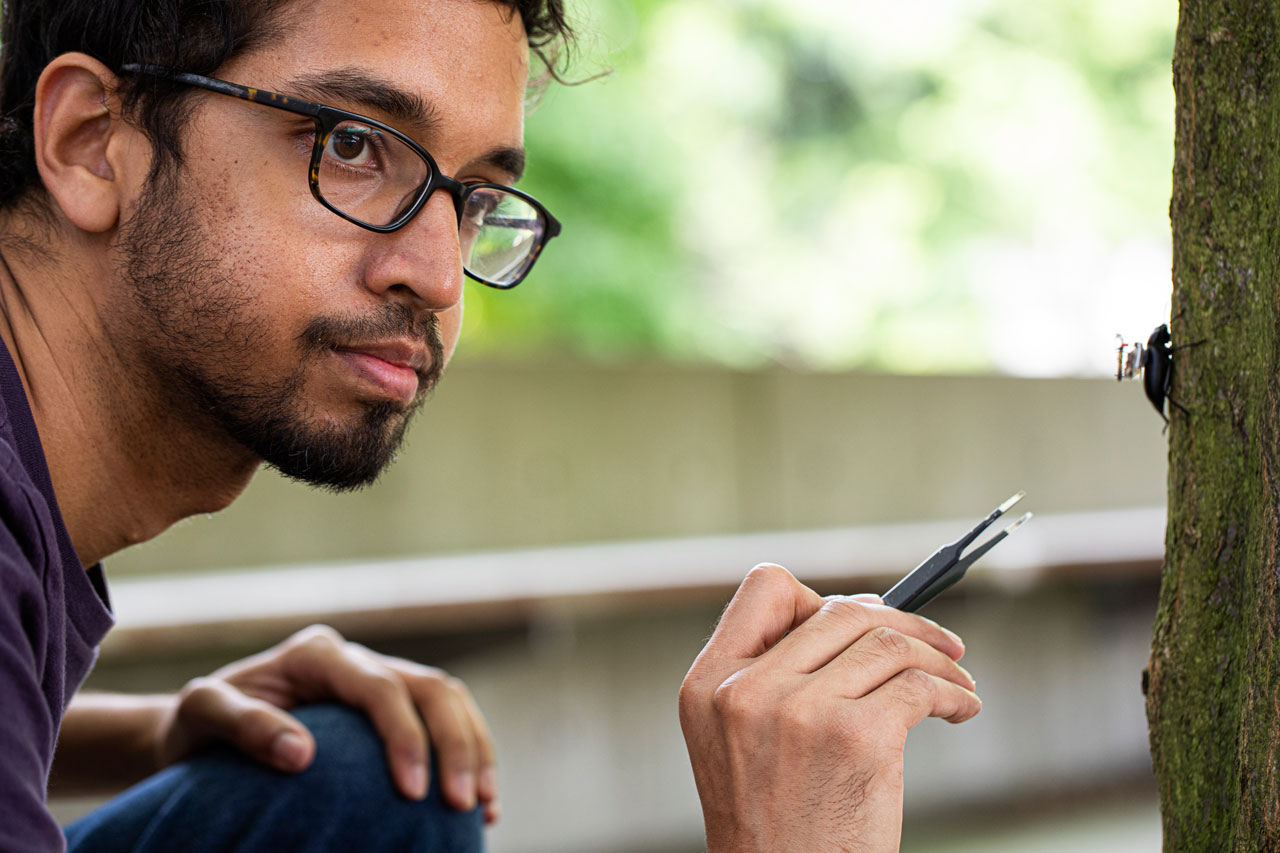
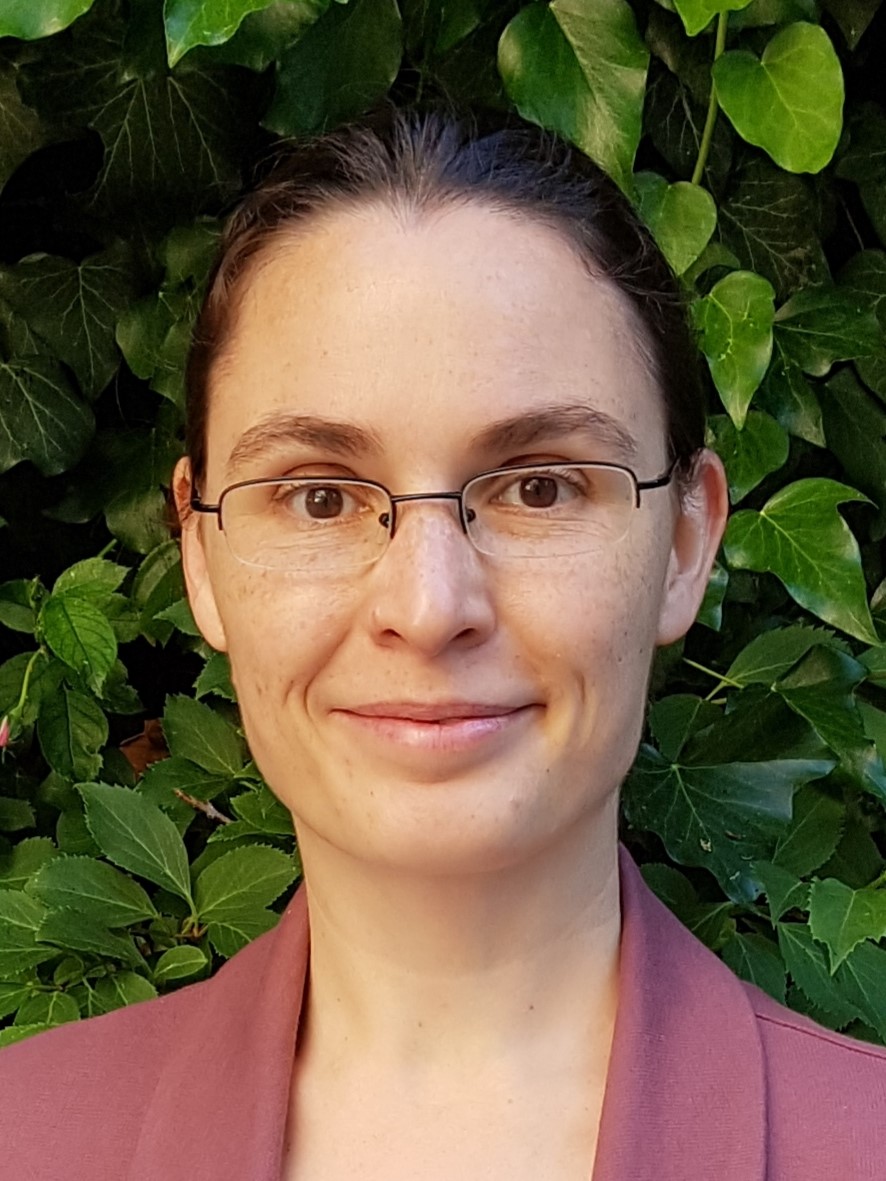
Alessio Peracchi is a tenured Associate Professor at the University of Parma, Department of Chemical, Life and Environmental Sustainability Sciences. His career spans fundamental research in enzyme mechanisms, RNA/DNA catalysis, and metabolic pathways, with significant contributions to understanding PLP-dependent enzymes and deoxyribozymes. Education: Laurea in Veterinary Medicine (1989, cum laude), University of Parma Postdoctoral training: Stanford University (1994-1997), University of Parma (1997-1998) Research focuses on: Biochemical characterization of catalytic DNA molecules (deoxyribozymes) Glyoxylate metabolism and primary hyperoxaluria Functional genomics of PLP-dependent enzymes Development of kinetic techniques for RNA/DNA enzymes Enzyme mimics using calixarenes Recent publications highlight interdisciplinary approaches combining structural biology, bioinformatics, and metabolic disease research. Scientific awards include EMBO Young Investigator status and multiple international fellowships. He teaches Biochemistry and Proteomics Methods at both undergraduate and graduate levels.
Elsayed Tharwat Tolba Mohamed is a researcher at the Novo Nordisk Foundation Center for Biosustainability (DTU Biosustain) , part of the Technical University of Denmark. His work focuses on microbial biotechnology, particularly genetic engineering, adaptive laboratory evolution, and metabolic pathway optimization in bacteria like Pseudomonas putida and Escherichia coli . Research Trends: Recent publications highlight advancements in: Engineering Pseudomonas putida for terephthalate utilization and aromatic O-demethylation. Studying transcriptional regulatory adaptation in E. coli . Investigating genetic heterogeneity during strain scale-up. Improving Bacillus subtilis tolerance to lignocellulosic hydrolysates. Collaboration Networks: Active in global research collaborations, with recent projects involving institutions in Denmark, the U.S., and Germany. His work contributes to UN Sustainable Development Goals (SDGs) in sustainable industrial practices.
Niels Bent Larsen is a Professor at the Department of Health Technology, Technical University of Denmark, where he leads research in engineered fluidics and tissues. His work bridges polymer science with biomedical applications, focusing on micro/nanotechnology solutions for cell behavior control and advanced medical treatments. Key Research Areas: Surface engineering, Nanotechnology, Medicotechnology, Polymer processing Current Projects: Micro-perfused bioartificial ovaries, Embedded bioprinting of vasculatures, 3D printing of compliant biocompatible materials His recent publications highlight breakthroughs in 4D-printed actuators, super-resolution ultrasound imaging, and organ-on-chip systems. Larsen actively supervises PhD students including Krebs, Martínez, and Kristiansen, driving innovation in tissue engineering and biomedical devices. The research contributes to UN Sustainable Development Goals through medical technology advancements. Collaborations: International partnerships in Denmark, France, and Belgium Key Techniques: Microfabrication, Bioprinting, Ultrasound imaging, Surface engineering
Massimo Rolle is an Associate Professor in the Department of Environmental and Resource Engineering at the Technical University of Denmark (DTU), where he conducts research at the intersection of hydrogeochemistry, contaminant transport, and reactive modeling in subsurface systems. His work addresses critical environmental challenges related to groundwater contamination and sustainable remediation technologies. Position: Associate Professor Institution: Technical University of Denmark (DTU) Department: Department of Environmental and Resource Engineering Research Focus: Subsurface processes, reactive transport, biogeochemical modeling, isotope fractionation, and engineered remediation His research interests center on understanding the physical, chemical, and biological processes governing contaminant fate in aquifers. He combines high-resolution laboratory experiments with advanced numerical modeling to investigate mixing dynamics, reactive transport of pollutants, electrokinetic phenomena, and natural attenuation mechanisms. A key aspect of his work involves the interpretation of isotopic signatures to track degradation pathways of organic contaminants. The recent publication trends highlight a strong emphasis on interdisciplinary approaches integrating environmental engineering, geochemistry, and sustainable energy systems. His studies frequently explore the coupling of aquifer thermal energy storage (ATES) with bioremediation, electrokinetic techniques for contaminant removal, and gas exchange processes in unsaturated zones. The integration of experimental data with model-based interpretation across scales—from pore to field—is a hallmark of his scientific contributions. Dr. Rolle actively supervises PhD students and leads multiple research projects focused on innovative remediation strategies. Notable projects include BiodegrATES (biodegradation meets ATES), transport of PFAS in porous media, and electrokinetic applications in low-permeability zones. These projects reflect a commitment to developing sustainable, science-based solutions for contaminated site management. Scientific contributions and collaborations are extensive, with over 166 publications and active engagement in international research networks. While no specific awards are listed in the provided text, his sustained scholarly output and leadership in key environmental research domains underscore significant recognition in the field. He is involved in several research teams and laboratories at DTU Sustain, where experimental and modeling work on subsurface systems is conducted. These teams focus on reactive transport, biogeochemical processes, and sustainable remediation technologies. Collaborations span across Europe and North America, particularly in projects involving field-scale validation and multi-phase transport phenomena.
Jesper Holck is a Senior Researcher at the Department of Biotechnology and Biomedicine, Technical University of Denmark, specializing in enzyme technology and carbohydrate chemistry. His work focuses on carbohydrate-active enzymes, glycosylation, and microbiome interactions, with applications in prebiotics, marine biotechnology, and industrial waste valorization. Current affiliation: Department of Biotechnology and Biomedicine, DTU Academic role: Researcher (Senior Researcher title) Research interests include: Enzymatic degradation of complex carbohydrates (fucoidan, pectin, arabinoxylan) Engineering enzymes for human milk oligosaccharide synthesis Microbiota-immune interplay with bioactive sugar beet components Marine enzyme applications for sustainable bioprocessing Structural characterization of glycoside hydrolases Development of enzymatic methods for lignocellulosic biomass utilization Recent publications highlight his expertise in: Enzyme-catalyzed production of immunologically active oligosaccharides Functional diversity in CAZy families (GH20, GH29, GH119) Microbial degradation pathways for pectin and mucin Enzyme-assisted extraction from citrus and sugar beet byproducts Protein engineering for improved transglycosylation Structural studies of novel biocatalysts Scientific supervision includes: Main supervisor for PhD projects on legume innovation (N2CROP) and citrus pectin valorization Co-supervisor for research on carbohydrate processing enzymes and gut microbiota interactions
Mark A. Hempenius serves as an Associate Professor in Sustainable Polymer Chemistry at the MESA+ Institute, University of Twente's Faculty of Science and Technology. With over 325 research outputs and an h-index of 42, his work bridges fundamental polymer science and practical applications in sustainability. His research focuses on Polymer Chemistry , particularly liquid film dynamics , surface science , and organometallic systems . Recent work explores anti-biofouling surfaces, CO 2 reduction catalysts, and membrane technologies for biomaterial processing. His fingerprint reveals strong expertise in temperature-responsive materials (63%) and hydrogel engineering (60%). Hempenius maintains an active publication record with 15 articles in 2023-2024 alone, primarily in high-impact journals like Advanced Functional Materials and Langmuir . His work shows consistent collaboration with institutions across Europe, particularly in membrane technology and nanomaterial applications. 75 recorded academic activities including 74 oral presentations Supervised 18 graduate students 1 research dataset archived in DANS His laboratory work integrates atomic force microscopy, electrochemical analysis, and advanced polymer synthesis to develop sustainable materials solutions for biomedical and environmental challenges.
Dr. Princewill Ikpeka is a Lecturer and Honorary Research Fellow at Brunel University within the College of Business, Arts and Social Sciences . His work focuses on energy transition, decarbonization technologies, and applied artificial intelligence in the energy sector. He holds a PhD in Chemical Engineering from Teesside University and an MSc in Petroleum Engineering from the Institute of Petroleum Studies, UNIPORT/IFP School, France. Research Interests: In-situ hydrogen production, life cycle analysis, oil and gas decarbonization, reservoir simulation Teaching: Global Challenges courses (GC1700-GC3701), emphasizing transdisciplinary approaches Collaborations: Joint projects with Texas Tech University on hydrogen production optimization Grants: Involved in the EMEDS project (2019-2023) funded by the Petroleum Technology Development Fund Memberships: Associate Fellow of the Higher Education Academy (AFHEA), member of SPE International and IOM3
Vikram Iyer is an Assistant Professor in the Paul G. Allen School of Computer Science and Engineering at the University of Washington, where he also serves as co-director of the CS for Environment Initiative. He holds an adjunct appointment in Mechanical Engineering and leads interdisciplinary research connecting engineering domains to build end-to-end systems focused on environmental sustainability. His work has been recognized with prestigious awards including an NSF CAREER Award, a SIGMOBILE Dissertation Award, and a Marconi Society Paul Baran Young Scholar award. Dr. Iyer's research spans multiple areas including sustainable electronics, bio-inspired robotics, and wireless sensor systems. His group develops innovative technologies such as biodegradable and recyclable circuit boards, battery-free robots, wireless sensors that can disperse in the wind, and streaming cameras small enough to mount on live insects. His work on tracking invasive 'murder hornets' for the Washington Department of Agriculture resulted in the destruction of the first nest in the US. Current research focuses on circular fabrication, sustainable polymer design, and ecological human-computer interaction. His publications reveal a strong trend toward sustainable computing systems, with recent work emphasizing recyclable electronics, life-cycle assessment tools, and bio-inspired designs that minimize environmental impact. His research bridges computer science, mechanical engineering, and environmental science, creating novel approaches to sustainability challenges through interdisciplinary innovation. NSF CAREER Award recipient SIGMOBILE Doctoral Dissertation Award winner Marconi Society Paul Baran Young Scholar Amazon Research Award recipient (2022, 2023) Google Research Scholar Award recipient Sensys 2018 Best Paper Award SIGCOMM 2016 Best Paper Award Dr. Iyer actively mentors a diverse group of students including PhD candidates Kyle Johnson, Vicente Arroyos, and Qiuyue Xue, along with numerous master's and undergraduate researchers. His research has been supported by multiple grants including Amazon Research Awards, Google Research Scholar Award, and NSF funding through his CAREER award. His work has been featured in major media outlets including NPR, CNN, BBC, and Wired. His lab focuses on creating the next generation of sustainable, bio-inspired wireless systems, including the AGI Labs team working on AI agents and the development of battery-free microrobots and environmental sensors. Current projects include recyclable circuit boards, battery-free robots, origami microfliers, and dandelion-inspired sensors, all aimed at creating more sustainable computing technologies.
Dr. Yat Wong is a Senior Lecturer in the School of Engineering at Swinburne University of Technology, where he conducts research and teaching in sustainable materials engineering and circular economy applications in construction. His work integrates waste valorization, low-carbon building materials, and process optimization. Research Interests: Development of alkali-activated and unfired bricks using industrial by-products and waste materials (fly ash, glass, plastic, crumb rubber) Recycling of construction and demolition waste in pavement and structural applications Dielectric and mechanical properties of natural fiber-reinforced biocomposites CO₂ capture technologies and process integration in energy systems Surface engineering and coatings for industrial applications Recent Research Trends: His recent publications (2021–2025) show a strong focus on sustainable construction materials, particularly the use of waste streams in alkali-activated systems and composites. He also explores energy efficiency in cryogenic CO₂ capture and circular economy models in the oil and gas sector, often employing modeling and optimization techniques. Grants and Funding: Recycled waste materials for eco-friendly green concrete (Swinburne, 2023–2023) Field Demonstration of Plastics and Glass Fines in Concrete Footpath (Sustainability Victoria, 2019–2020) Improving Tribological Performance Through Plasma-Based Surface Engineering (ARC, 2005–2007) Multiple industry contracts with Green Brick Pty Ltd, Repurpose-It Pty Ltd, and Excellerate Australia Ltd Supervision: Dr. Wong actively supervises PhD and Master’s students in areas including green construction materials, CO₂ capture, smart packaging, robotics in quality inspection, and hybrid energy systems. He is available to supervise Doctorate (PhD) candidates. Labs and Teams: He collaborates with researchers in materials science, civil engineering, and chemical engineering, particularly in projects involving alkali activation, composite fabrication, and waste recycling. He is affiliated with research groups focusing on sustainable development and advanced manufacturing.
Javier LLorca is a Professor in Materials Science at the Technical University of Madrid and Scientific Director of IMDEA Materials Institute since 2017. His work spans computational materials science, metallurgy, and biomedical composites. Research Interests Multiscale modeling of metallic alloys Slip transfer and fracture mechanics Machine learning for materials discovery Bioabsorbable Mg/PLA composites Publications Trends His recent articles (2023-2025) focus on: Grain boundary interactions in Ti and Mg alloys Mechanical behavior of high-entropy alloys First-principles analysis of precipitation Machine learning applications in twin nucleation Bioabsorbable composite degradation modeling
Danielle Mai serves as an Assistant Professor in the Department of Chemical Engineering within Stanford University's School of Engineering. Her teaching portfolio includes core courses such as CHEMENG 110A: Introduction to Chemical Engineering Thermodynamics (Autumn) and CHEMENG 345: Fundamentals and Applications of Spectroscopy (Spring), alongside extensive mentorship through independent research courses spanning Ph.D. (MATSCI 300, CHEMENG 600), Master's (MATSCI 200), and undergraduate levels (CHEMENG 190, CHEMENG 190H). Her research pioneers the convergence of polymer science, biomaterials, and responsive systems engineering. Specializing in photo-responsive and protein-based materials, she develops sustainable manufacturing platforms through light-triggered polymer networks and biomolecular actuators. Key focus areas include single-molecule characterization of branched polymers, calcium-responsive protein engineering, and engineered hydrogels for toxin sequestration – all targeting circular economy applications and soft robotics. Her work bridges fundamental soft matter physics with practical solutions for biomedical and environmental challenges. Analysis of her 2024-2025 publications reveals a dominant trajectory in sustainable materials innovation, with 80% of recent work centered on photochemical recycling mechanisms and circular manufacturing. The research demonstrates exceptional methodological diversity, integrating single-molecule rheology, protein engineering, and nanoconfined environment fabrication to decode structure-property relationships in responsive biopolymers. Notable thematic clusters include light-driven network deconstruction (25% of output), biomolecular transport control (20%), and ion-responsive phase transitions (15%). Dr. Mai maintains active student mentorship across all academic levels, supervising Ph.D. candidates through MATSCI 300 and CHEMENG 600, Master's researchers via MATSCI 200, and undergraduate scholars in honors (CHEMENG 190H) and general research (CHEMENG 190). Her independent studies portfolio indicates consistent involvement with 5+ student projects annually, emphasizing hands-on experimental training in polymer synthesis and biomaterials characterization. While specific grant details aren't publicly enumerated, her publication volume and technical scope suggest substantial research funding in sustainable materials and biointerface engineering.
Felipe Borim Corrêa is a Research Associate in the Department of Applied Microbial Ecology at the Helmholtz Center for Environmental Research (UFZ), Leipzig, Germany. His work focuses on virus-microbe interactions in terrestrial ecosystems and bioinformatics tool development. Education: PhD in Environmental Microbiology (2017-2022), UFZ MSc in Bioinformatics (2015-2017), Federal University of Minas Gerais, Brazil BSc in Biology (2010-2013), State University of the North of Paraná, Brazil His research spans microbial ecology , viral impacts , and bioinformatics tool development . Key projects include the Collaborative Research Centre AquaDiva and TerrestrialMetagenomeDB curation. Recent publications highlight his expertise in metagenomic analysis of antibiotic resistomes (2025) virus-driven soil biogeochemistry (2024) microbial community dynamics in benzene degradation (2022) and software tools like StandEnA (2023). He contributes to interdisciplinary initiatives such as the InCeTo PhD college, focusing on ionic chemical toxicity mechanisms, and participates in soil virology workshops.
Dr. Marie Uksa is a Postdoctoral Researcher in the Department of Applied Microbial Ecology at the Helmholtz Centre for Environmental Research GmbH – UFZ in Leipzig, Germany. She leads the 'ProScale' project under the broader 'Fate and management of chemicals in ecosystems (FACE)' initiative, focusing on integrating multispectral UAV imaging with microbial ecology to predict pesticide degradation at field scales. Education : Diploma in Biology from Friedrich Schiller University Jena (2005-2011); PhD from Helmholtz Zentrum München and Technical University of Munich (2012-2015). Research Themes : Spatial distribution of soil microbes, upscaling microbial processes, pesticide fate in agroecosystems, UAV remote sensing applications, and microbial hotspot dynamics. Key Publications : Six peer-reviewed works on rhizosphere microbial shifts, subsoil enzyme activity, and pesticide biodegradation mechanisms. Labs & Collaborations : Works within the Bioavailability Working Group, contributing to the Integration Platform 'Tapping Nature's Potential' and cross-departmental environmental biotechnology initiatives.
Prof. Darinka Christova is a leading researcher at the Laboratory of Amphiphilic and Ionogenic Polymers, part of the Institute of Polymers under the Bulgarian Academy of Sciences. Her work focuses on the design and application of advanced polymeric materials for biomedical and sensing technologies. Her research interests span a wide range of polymer science domains, including: Smart and stimuli-responsive polymer materials Thin polymer films for sensing applications Polymers for drug delivery, especially corticosteroid carriers Biocompatible and biodegradable polymers such as poly(l-lactide) Graft copolymers like PVA-g-PMA for functional coatings Green-synthesized nanocomposites for optical detection Her recent publications highlight a strong trend in developing functional polymer systems for medical and environmental monitoring, particularly acetone detection and controlled drug release. These works appear in high-impact journals such as ACS Sustainable Chemistry & Engineering , Sensors , and Gels , reflecting interdisciplinary innovation at the intersection of materials chemistry and sustainable technology. She actively collaborates with a broad network of researchers across Bulgaria, including Katerina Lazarova, Anton Slavov, and Joanna Rydz, contributing to national and international scientific advancement in polymer science. While no formal awards are listed in the provided text, her consistent output and leadership in specialized polymer research underscore significant scientific contributions. Prof. Christova has not listed any formal advisees in the provided content, nor are specific grants mentioned. However, her role as principal investigator in multiple recent studies suggests involvement in funded research projects and mentorship of junior scientists. The Laboratory of Amphiphilic and Ionogenic Polymers serves as a hub for synthesizing and characterizing novel polymer architectures, particularly those with ionic or amphiphilic functionalities, supporting innovation in both academic and applied settings.
Anna Fureby is a Professor in the Division of Food and Pharma at the Faculty of Engineering, Lund University. She is a key member of the LTH Profile Areas: Food and Bio, and Engineering Health, contributing to interdisciplinary research in pharmaceutical and food technologies. Her research focuses on advanced formulation techniques for biopharmaceuticals, particularly in drying processes such as spray drying, freeze-drying, and vacuum foam drying. Her work spans protein stability, powder technology, surface and colloid chemistry, and drug delivery systems. She actively investigates industrial and hospital handling of protein drugs, integrating human factors and systems engineering. The recent publications highlight a consistent trend in developing and optimizing formulations for biological molecules, with emphasis on processability, stability, and delivery mechanisms. Her work bridges fundamental material science with practical applications in healthcare and food innovation. Scientific Awards: No awards explicitly mentioned. Anna Fureby leads multiple externally funded research projects with partners including Novo Nordisk A/S, BioGaia AB, and Vinnova. She mentors junior researchers and has supervised several academic works. Her collaborative network includes academic and industrial stakeholders across Europe. She is actively involved in public engagement and academic dissemination through invited talks, conferences, and participation in public debates such as Almedalsveckan, focusing on future food and biopharmaceutical challenges.