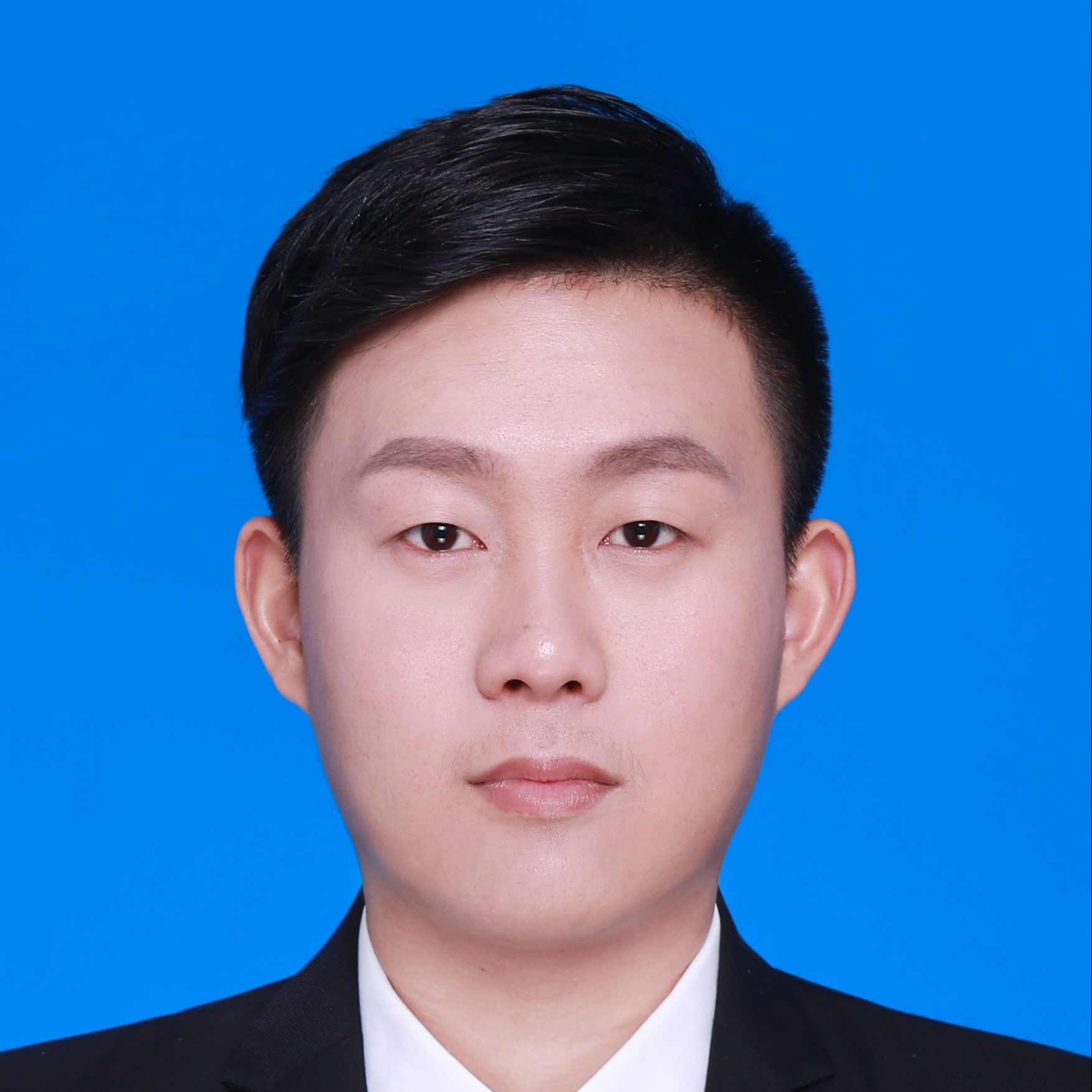
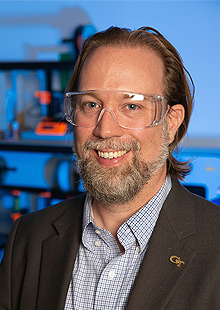
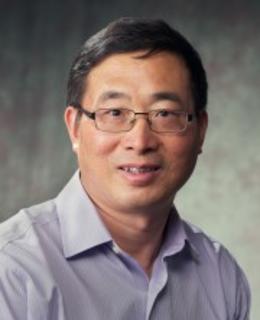
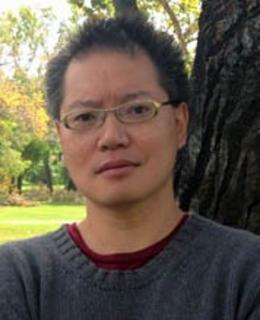
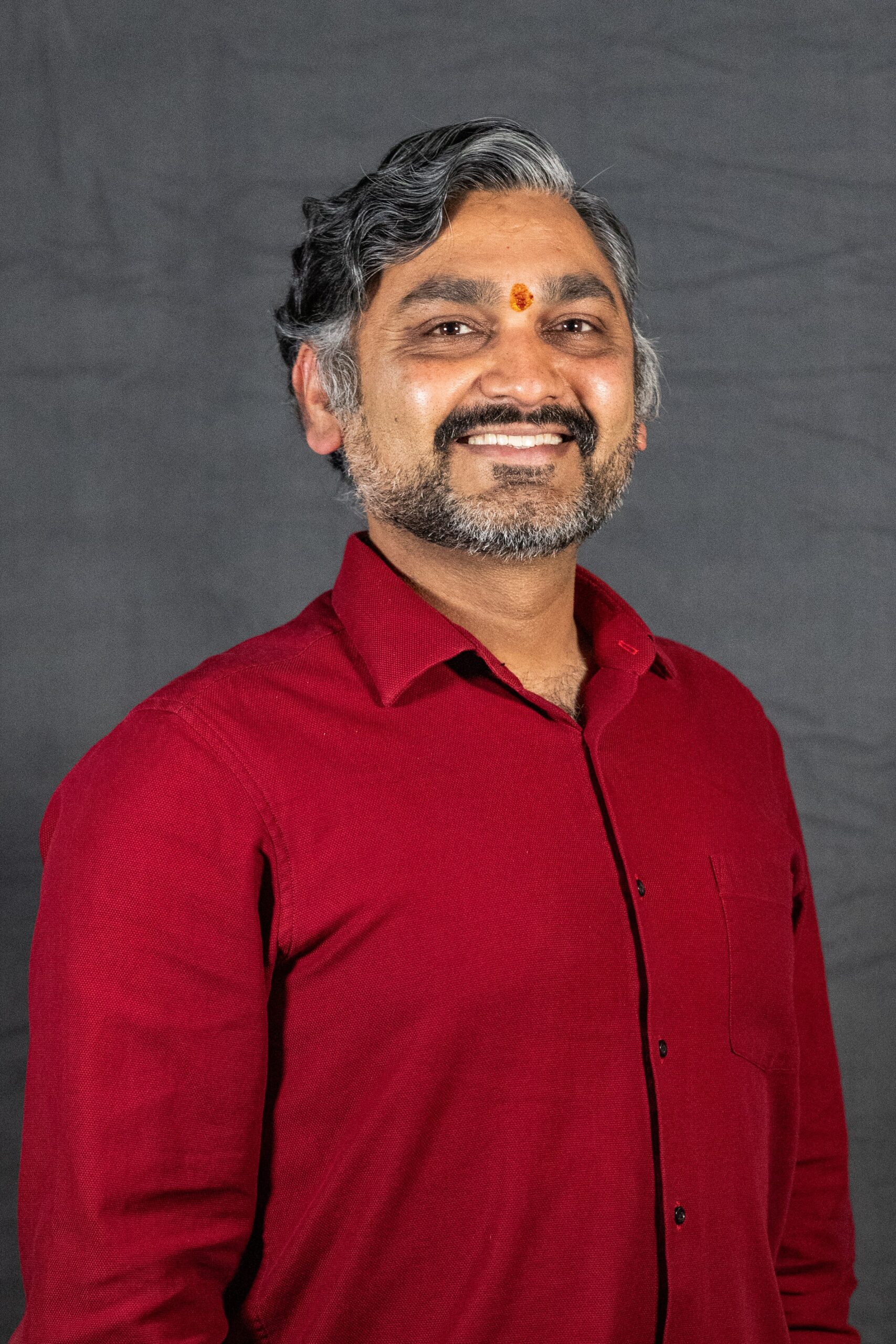
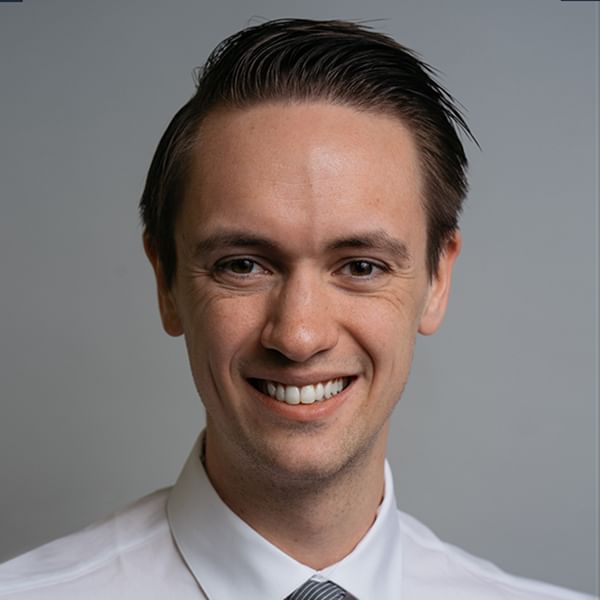
Prof. George Kowalchuk is a Professor of Ecology & Biodiversity at Utrecht University, leading the Ecology and Biodiversity research group. His work focuses on microbial ecology, rhizosphere dynamics, and global change impacts on biodiversity. He previously held a professorship at Vrije Universiteit Amsterdam and is a guest researcher at the Netherlands Institute of Ecology (NIOO-KNAW). Kowalchuk earned his PhD in Microbial Ecology from Yale University and a BS from Duke University. Research interests include environmental genomics of microorganisms, plant-microbe interactions, and soil microbial community responses to climate and land use changes. He chairs the Molecular Microbial Ecology Manual and co-edits The ISME Journal. Awards include membership in the Royal Netherlands Academy of Arts and Sciences (KNAW). His lab explores microbiome resilience, protist-predator effects on soil communities, and sustainable agricultural practices. Recent work highlights microbial roles in disease suppression, nutrient cycling, and climate adaptation. Ongoing projects investigate biodiversity-climate interactions and fertilizer impacts on agroecosystems.
Hui Chen is a Research Fellow at KTH Royal Institute of Technology, part of the School of Electrical Engineering and Computer Science (EECS), within the Department of Electrical Engineering. His current role is as a Digital Futures Postdoctoral Fellow, focusing on generalizing hardware acceleration for nonlinear functions. He completed his PhD in Information and Communication Engineering at Nanjing University (China) in 2022. Research Interests: Hui’s work centers on arithmetic circuits, integrated circuits for elementary functions, and reconfigurable computing. His postdoctoral project, supervised by Prof. Zhonghai Lu and Assoc. Prof. Masoumeh Ebrahimi, aims to develop a generalized design method for nonlinear function hardware acceleration, addressing challenges in digital chip efficiency for smart society applications. Project Context: The Digital Futures initiative, a cross-disciplinary research center involving KTH, Stockholm University, and RISE, focuses on digital technologies for societal challenges. Hui’s project (2023–2024) falls under the 'Digitalized Industry' theme, emphasizing sustainable and high-performance computational architectures. Publications: Hui has contributed to studies on transparent wood biocomposites, nanotechnology, and light scattering in biomaterials, with recent works exploring sustainable thermal energy storage and dual-stimuli-responsive materials. His research bridges materials science, optics, and computational engineering.
Assoc.-Prof. Dr. Christina Kaiser is an Associate Professor at the Division of Terrestrial Ecosystem Research within the Centre for Microbiology and Environmental Systems Science at the University of Vienna. Her research focuses on soil as a complex system, exploring microbial processes and their emergent behaviors in soil organic matter turnover. She employs cutting-edge techniques like nanoSIMS and stable isotope analysis to study carbon and nitrogen dynamics in plant-microbe interactions, particularly in mycorrhizal symbiosis. Current projects include the Cluster of Excellence on Microbiomes Driving Planetary Health, the ERC-funded study on self-organization in soil microbial systems, and investigations into rhizosphere priming effects. She leads a team actively publishing in top journals such as Nature Climate Change and New Phytologist . Teaching activities are listed on u:find. Open positions for PhD and postdoc researchers are available. Her work emphasizes interdisciplinary approaches linking experimental and computational modeling to understand soil ecosystem functioning.
Shaul Pollak is an Assistant Professor at the University of Vienna's Centre for Microbiology and Environmental Systems Science, leading research on bacterial interactions and carbon cycling. His group combines genomics, machine learning, and ecological theory to study microbial communities in soils, oceans, and plant systems. Research interests include metabolic trade-offs in biodegradation, phage-host coevolution, and genomic predictors of ecological function. Key model systems are Prochlorococcus marinus (marine cyanobacteria) and plant-microbe symbioses. Publications reveal microbial mutualism in gut ecosystems, macroevolution of cyanobacteria, and interpretable ML models for phage defense systems. Recent work emphasizes carbon catabolic strategies, metabolic cross-feeding, and soil Listeria genomics. No scientific awards or specific student advisees are detailed. The lab focuses on fundamental microbial ecology with applications in environmental sustainability.
Dr. Mark D. Losego is a Professor at the Georgia Institute of Technology's School of Materials Science and Engineering, where he also serves as a MSE Faculty Fellow and Dean’s Education Innovation Professor. His research focuses on developing organic-inorganic hybrid materials for applications in microelectronics, sustainable energy, national security, and advanced textiles, using techniques like atomic layer deposition (ALD) and vapor phase infiltration (VPI). He leads the Losego Lab, which emphasizes experimental methods, vacuum processing, and surface science. Education: B.S. in Materials Science & Engineering, Penn State University (2003) M.S. and Ph.D. in Materials Science & Engineering, North Carolina State University (2005, 2008) Postdoctoral studies at University of Illinois (2008–2010) Research Interests: The Losego Lab explores hybrid materials synthesis, interfacial engineering, and scalable manufacturing processes. Key areas include ALD for energy systems, thermoelectric materials, and functional textiles. Research emphasizes material characterization, thermal transport, and chemical stability. Publications & Awards: Over 50 peer-reviewed publications and patents. Notable awards include AVS Mentorship Recognition (2022), Georgia Tech Outstanding Service Award (2022), and the National Academies Gulf Research Fellowship (2018). His work bridges academia and innovation, with contributions to both materials science and education. Education Innovation: Founder/Director of The Materials Innovation and Learning Laboratory (The MILL), an open-access facility enabling student-led materials research and manufacturing education. The MILL supports over 40 undergraduates and offers advanced fabrication tools. Labs & Teams: The Losego Lab collaborates with industry and academic partners on projects involving energy storage, smart textiles, and sustainable materials. The MILL operates as a flagship initiative for hands-on STEM education and undergraduate research.
Melissa Pasquinelli is a Professor at North Carolina State University, affiliated with the Department of Forest Biomaterials Engineering within the College of Natural Resources. Her research focuses on multiscale modeling of soft materials, particularly investigating how molecular structures and dynamics influence material properties across nanoscale, microscopic, and macroscopic scales. Key areas include nanotoxicology, polymer surfaces, and sustainable materials design. She leads the Multiscale Modeling from the Nanoscale laboratory, emphasizing applications in health safety, interfacial science, and green chemistry. Her work integrates computational techniques such as molecular dynamics and quantum chemistry to predict material behavior under varying environmental conditions (e.g., temperature, solvent effects). Major projects span adaptive fibers, polymer nanocomposites, and health-related studies on nanomaterial toxicity. Funding sources include the U.S. EPA, The Nonwovens Institute, and industry partners like Eastman Chemical Company. Dr. Pasquinelli also contributes to educational innovations, promoting active learning and technology integration in engineering education. She has co-authored over 70 peer-reviewed publications, with recent work addressing topics like polymer degradation, nanocomposite interfaces, and eco-friendly flame retardants. Her lab collaborates with industry to translate research into practical solutions for material durability and sustainability.
Yong Zhu is a Professor of Materials Science and Engineering at North Carolina State University, affiliated with the College of Engineering. His research focuses on nanomaterials, flexible electronics, and wearable sensors, with an emphasis on sustainability and biomedical applications. He leads projects on recyclable nanowire networks, biodegradable electronics, and functional textile integration. His work often bridges material science with engineering innovations for healthcare, agriculture, and environmental monitoring. Dr. Zhu maintains an active laboratory and collaborates on multidisciplinary projects, as evidenced by his extensive publication record and industry partnerships. Education: Details not explicitly provided in the text. Research Interests: Dr. Zhu's work explores cutting-edge domains such as: Design of stretchable and recyclable nanowire-based devices Integration of sensors into wearable and textile platforms Development of eco-friendly materials for flexible electronics Advanced ultrasound and bioelectronic sensing systems Mechanical behavior of nanomaterials under diverse conditions His research underscores a commitment to both technological innovation and environmental responsibility. Article Trends: Recent publications highlight advancements in biodegradable electronics, ultrasonic transducers with tunable focusing, and novel sensor designs for real-time health monitoring. He consistently addresses challenges in materials durability, scalability, and sustainability. Emerging themes include wearable systems for plant health and non-invasive medical diagnostics. Awards/Grants: No specific awards are mentioned in the provided text, though his extensive publication record suggests recognition in materials and biomedical engineering circles. Active grants are likely tied to his research projects but details are not provided here. Advising & Labs: While specific advisees are not listed, Dr. Zhu's laboratory focuses on nanomaterials and soft electronics, likely training graduate students in these areas. His work frequently involves collaborations with industry and other academic institutions. Future Work: Priorities include scaling sustainable nanowire technologies, advancing wearable systems for clinical and agricultural applications, and improving the recyclability of electronic components. His lab continues to explore the mechanical and electrical limits of nanomaterials in dynamic environments.
Haiping Huang is an Adjunct Professor in the Faculty of Science at the University of Calgary, with joint appointments in the Department of Earth, Energy, and Environment and Department of Geoscience. His research focuses on petroleum geochemistry, reservoir characterization, and organic geochemistry in sedimentary basins. Research interests include: Petroleum charge mechanisms in complex reservoirs Thermal maturity modeling using geochemical proxies Hydrocarbon generation and expulsion dynamics Organic matter preservation in unconventional systems Impact of geological events on petroleum systems Recent publications (2023-2025) primarily investigate hydrocarbon systems using advanced geochemical techniques like biomarker analysis, pyrolysis experiments, and molecular characterization. Key themes include reservoir characterization of deep carbonate systems, oil cracking processes, paleoenvironmental reconstruction, and caprock integrity for carbon storage. Laboratory activities center around pyrolysis experiments simulating thermal maturation and specialized geochemical analysis techniques.
Gordon Chua is a Professor and Associate Head of Operations in the Department of Biological Sciences at the University of Calgary's Faculty of Science. He holds a PhD in Genetics from Queen's University (2002), an MS in Cell Biology from the University of British Columbia (1995), and a BS in Cell Biology from the University of British Columbia (1991). His research focuses on molecular regulatory networks and environmental biotechnology: Deciphering transcriptional and posttranscriptional regulation in fission yeast Developing algal bioremediation strategies for oil sands wastewater Investigating toxicogenomic effects of industrial contaminants Recent publications show strong emphasis on functional genomics, environmental microbiology, and plant stress responses, with consistent application of high-throughput methods across diverse biological systems. He teaches courses including CMMB 461: Functional Genomics and Molecular Networks and BIOL 243: DNA, Inheritance and Evolution .
Lilian Hsiao is an Associate Professor & University Faculty Scholar at North Carolina State University's Department of Chemical and Biomolecular Engineering within the College of Engineering. Her research focuses on biomimetic materials, complex fluids, and soft matter, particularly exploring colloidal hydrodynamics and their biomedical applications such as cartilage mechanics and elastohydrodynamic lubrication. She leads a lab of ~12 students and collaborates with Duke and UNC-Chapel Hill researchers. Education: B.S., Chemical Engineering, University of Wisconsin-Madison (2008) Ph.D., Chemical Engineering, University of Michigan (2014) Research Interests: Her work bridges fundamental science and industrial applications, using microscopy and rheology to study materials like shaped colloids and functionalized polymers. Recent projects include developing biodegradable electronics, analyzing colloidal gel elasticity, and investigating surface oxides in liquid metals. Her interdisciplinary approach integrates materials science, physics, and mechanical engineering. Awards: 2019 Marion Milligan Mason Award for Women in the Chemical Sciences Lab & Collaborations: The Hsiao Lab focuses on creating novel soft materials with directional properties inspired by biological systems. They emphasize practical applications in healthcare, robotics, and sustainable electronics. Her CAREER grant (2021) supports elastohydrodynamic lubrication research on soft-patterned interfaces.
Raja Babu Kushwah is a Postdoctoral Research Associate in the Department of Entomology at Texas A&M University, working under Dr. Zach Adelman. His research focuses on vector-borne disease control, insecticide resistance mechanisms, and genetic control tools. He holds a Ph.D. in Life Sciences from Indira Gandhi National Open University, preceded by an M.S. in Biotechnology and a B.S. in Biology. His research interests include studying mosquitoes (Aedes spp.) and the global spread of infections they transmit, with a focus on developing interventions to combat insecticide resistance. Notable projects include analyzing knockdown resistance (kdr) mutations in Indian Aedes aegypti populations and demonstrating allelic-drive technology in Drosophila to reverse resistance. Current work in Adelman's lab involves making gene drives biodegradable for safer vector control. Publications highlight his expertise in vector genomics, gene drive systems, and insecticide resistance dynamics. His work bridges molecular biology, genetic engineering, and public health, addressing critical challenges in tropical disease mitigation. Collaborations include Prof. Ethan Bier's lab at UC San Diego, where he validated gene drive applications in Drosophila. Educations: B.S. Biology, Maharishi Dayanand University M.S. Biotechnology, Barakatullah University Ph.D. Life Sciences, Indira Gandhi National Open University Research trends in his articles emphasize kdr mutation studies, gene drive efficacy, and vector competence analysis. His transdisciplinary approach integrates molecular techniques, computational modeling, and field-based epidemiology to tackle global health threats posed by insect vectors.
Alexander Boys is an Assistant Professor of Engineering at the Thayer School of Engineering, Dartmouth College. His research focuses on developing integrative bioelectronic implants for two-way interfaces with the body, combining materials science and biomedical engineering. He holds a PhD from Cornell University and conducted postdoctoral research at the University of Cambridge through prestigious fellowships. Education: BS in Materials Science & Engineering, Lehigh University (2013) MS and PhD in Materials Science & Engineering, Cornell University (2016–2019) Research interests include bioelectronics, tissue engineering, and implant science. His work emphasizes creating biocompatible materials and systems for long-term tissue integration, with applications in neural interfaces, cochlear implants, and organic bioelectronics. Key research trends in his publications focus on: Bioelectronic materials for implantable devices Tissue-engineered models for fibrosis and implant performance Supramolecular polymer networks for biocompatibility 3D cell culture systems integrated with organic electronics Awards: HFSP Cross-disciplinary Fellowship (2020) NIH F31 Fellowship (2017) Bradley Stoughton Student Award (2013) He leads the Regenerative Bioelectronics Lab and teaches courses such as ENGS 165: Biomaterials and ENGS 24: Science of Materials. His work bridges fundamental material science with clinical applications, emphasizing interface design and long-term biocompatibility.
Dr. Ivor Morrow is a Senior Lecturer at Cranfield University, affiliated with the Centre for Defence Engineering and Physical Science. He serves as the Academic and Technical Lead for the Centre for Antenna, Communications and Technology Innovation (CACTI) Hub, a collaborative initiative between Cranfield University and Milton Keynes University. His expertise lies in sensor technologies, space systems, and systems engineering, with a focus on advanced antenna design and electromagnetic systems. His research spans a wide range of topics including 5G and terahertz space-based antennas, aerospace antenna systems, microwave imaging for ground penetrating radar, electromagnetic bandgap structures, frequency selective surfaces, and additive manufacturing of electromagnetic devices. He has led multiple funded projects such as CORREO (Conformal Retro Reflectors for Earth Observation) supported by the UK Space Agency, METAPOL (Metamaterial Surfaces for Antenna Polarisation Control) funded by MoD, and Pulpatronics – a startup grant for biodegradable RFIDs in 2024. The analysis of his recent publications reveals a consistent focus on antenna miniaturization, polarization control, metamaterial integration, and near-field microwave imaging. His work increasingly incorporates 3D printing and smart materials, reflecting a trend toward cost-effective, reconfigurable, and environmentally responsive RF systems. Applications span defense, humanitarian demining, smart cities, and Earth observation. LAPC Life Fellow award 2018 Ivor Morrow has served as a member of the EPSRC Peer Review Associate College since 2015 and held leadership roles in the IET Antennas and Propagation Professional Network, including Chairman from 2009–2013. He has advised numerous research students and supervised projects in areas such as retrodirective surfaces, reconfigurable antennas, and microwave imaging. His work is supported by grants from Find A Better Way Charity, EPSRC, UK Space Agency, MoD, Dstl, Roke Manor, and QinetiQ. He is actively involved in technology transfer and startup development, exemplified by the 2024 Pulpatronics grant. He leads the CACTI Hub, which fosters collaboration in antenna innovation and communications technology. The hub supports research in smart infrastructure, space systems, and defense applications, integrating academic research with industrial and governmental partners.
Evamaria Petersen is an Associate Professor at the Department of Materials and Production , The Faculty of Engineering and Science , Aalborg University , Denmark. She holds a PhD in Biochemistry from Graz University of Technology and is actively engaged in research at the intersection of biochemistry, materials science, and sustainable biotechnology. Education: PhD in Biochemistry, Chemical Engineering, Graz University of Technology (Awarded: December 1, 1995) Her research focuses on protein and enzyme engineering , particularly in designing biocatalysts for the degradation of synthetic polymers like polyethylene terephthalate (PET) and polycarbonate. Her recent work includes the de novo design of hydrolases and the biochemical characterization of cutinases with plastic-degrading capabilities. These efforts are highly relevant to environmental sustainability and plastic waste recycling. Analysis of her latest publications (2022–2024) reveals a strong trend in plastic biodegradation , enzyme engineering , and structural characterization using techniques like NMR and spectroscopy. Scientific Recognition and Outreach: Her research has received significant media coverage in Danish outlets (e.g., Forskere har udviklet et enzym der kan nedbryde plastik ) and international attention, including mentions in policy sources and science blogs. She actively participates in public engagement, such as the Girls' Day in Science AAU 2022 event. Dr. Petersen has been involved in multiple research projects, including Recombinant proteins by filamentous fungi , Lipase research , and Refinement of raw Fish-oil , often collaborating with researchers like S. B. Petersen and P. Fojan. She is affiliated with a research network focused on materials, mechanics, and bioscience, and her work appears in journals such as Biochemistry , Protein Engineering, Design and Selection , and Journal of Physical Chemistry B . There is no mention of formal student advising or specific grants in the provided text. Laboratory and Collaborative Work: Her research is conducted within a collaborative environment involving protein characterization, enzyme kinetics, and structural analysis, likely supported by core facilities at Aalborg University. She collaborates extensively within the university and appears to be part of a larger research group working on bio-inspired materials and sustainable solutions.
Stefan Trapp is a Professor in Environmental Chemistry at the Department of Environmental Engineering, Technical University of Denmark (DTU). He is actively engaged in research, teaching, and academic leadership, serving as course coordinator for 'Water Pollution' and coordinator of the MSc programme in Environmental Engineering. His work contributes to UN Sustainable Development Goals related to clean water, life on land, and responsible consumption. Research Interests: His research spans chemical risk assessment (REACH) , phytoremediation , impact assessment of contaminated sites , water pollution , pesticide uptake in crops , and non-extractable residues (NER) . He investigates environmental fate of chemicals, plant-soil interactions, and ecological impacts of pollutants. The recent articles (2024–2025) show a strong focus on environmental contamination pathways—particularly pharmaceuticals and pesticides in agricultural systems. Key themes include pollinator exposure to pesticides , crop uptake of contaminants , and refinement of persistence assessments using NER data . These works reflect interdisciplinary research combining environmental chemistry, toxicology, and regulatory science. Scientific Contributions: Over 200 scientific publications, including 85+ ISI papers, 5 books, and 4 patents. Active contributor to environmental policy and regulation, especially through consultancy with ECHA. Advising and Grants: Stefan Trapp supervises PhD students and leads or participates in multiple funded research projects. Notable projects include: Climate-adaptive shellfish aquaculture , Integrating pollinator impacts in life cycle assessment , and Consultancy for ECHA on NER interpretation . He serves as principal investigator and supervisor on grants related to environmental risk and sustainability. Labs and Teams: He collaborates with interdisciplinary teams across DTU and international networks, particularly within SETAC (Society of Environmental Toxicology and Chemistry). His work involves modeling environmental processes and experimental studies on plant and soil systems.