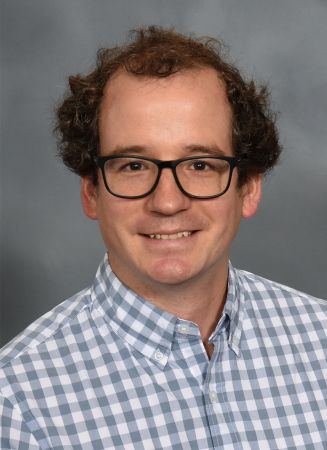
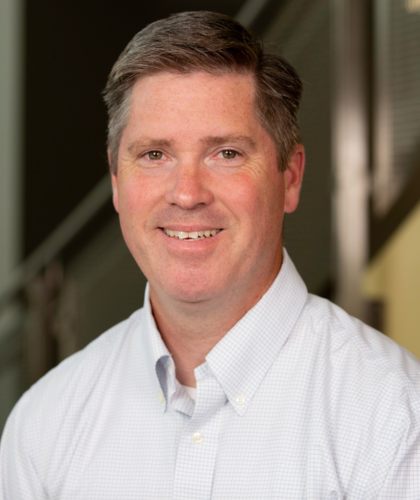
E. Thomas (Tommy) Pashuck is an Assistant Professor in the Department of Bioengineering at Lehigh University , where he joined after postdoctoral training at Rutgers University and Imperial College London . His research focuses on designing enzyme-responsive biomaterials using peptide self-assembly to control hydrogel chemistry and nanoscale organization , aiming to improve regenerative medicine applications. Education: Ph.D. in Materials Science from Northwestern University (2009) Pashuck's work explores biomaterials that direct cell behavior through precise spatial and mechanical cues . Recent publications highlight advancements in high-throughput peptide screening , 4D bioprinting , and protease-activated hydrogels , demonstrating his expertise in dynamic biomaterial design and cell-matrix interactions . His research group investigates cell adhesion optimization via ligand mobility control , enzyme-mimicking nanomaterials , and sequence-controlled polymerization while maintaining clinical translation goals. Publications from 2021-2025 emphasize hydrogel mechanics , biodegradable scaffolds , and supramolecular catalytic systems , spanning biomaterial engineering , peptide nanotechnology , and regenerative medicine .
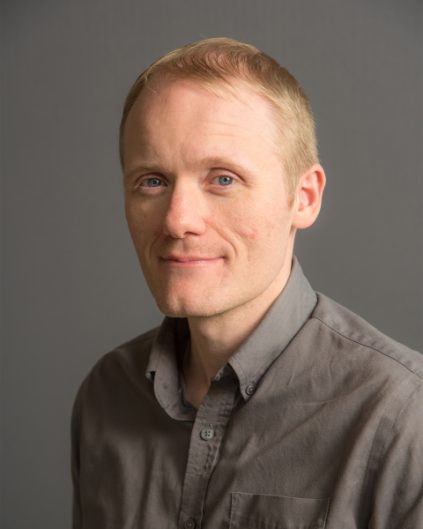
Russell Detwiler is an Associate Professor in the Department of Civil and Environmental Engineering at the Samueli School of Engineering, University of California, Irvine. He holds a Ph.D. and B.S. in Civil Engineering from the University of Colorado and University of Vermont, respectively. As Associate Director of the UCI WEX Center, his work combines laboratory experimentation with computational modeling to study subsurface fluid dynamics. Education: Ph.D., Civil Engineering, University of Colorado B.S., Civil Engineering, University of Vermont Research Focus: Detwiler's research examines fluid flow processes in porous and fractured media, with emphasis on multiphase flow, subsurface property alteration, and environmental applications. Key areas include contaminant remediation, CO2 sequestration, geothermal energy, and nuclear waste management. Publication Trends: His recent work (2022-2024) emphasizes subsurface PFAS behavior, coastal aquifer modeling, and fracture clogging dynamics. Earlier research (2019-2021) focused on mineral precipitation effects and kinetic modeling for contaminant removal. Common sub-fields span fracture sealing mechanisms, particle retention, and reactive transport modeling. Laboratory: Leads the Subsurface Processes Visualization Lab, developing parallel computational models to scale laboratory observations to field applications. Research integrates high-resolution imaging with numerical simulation for subsurface system analysis.
William Gramlich is an Associate Professor at the Graduate School of Biomedical Science and Engineering, University of Maine. He holds a B.S. in Chemical Engineering from the University of Maine (2006), a Ph.D. in Chemical Engineering from the University of Minnesota (2012), and completed a postdoctoral fellowship at the Department of Bioengineering, University of Pennsylvania. His research focuses on developing advanced biomaterials, particularly hydrogels, to control cell fate and study protein interactions in biomedical contexts. His research interests include: Hydrogel systems for spatial/temporal control of cell behavior 3D-printed biomaterials and sustainable materials integration Understanding glycan-glycan binding protein interactions in 3D environments Developing novel hydrogels to mimic extracellular matrix mechanics Recent work emphasizes orthogonal chemistry for independent patterning of hydrogel mechanical properties and chemical cues. His lab also investigates recyclable polymer composites and eco-friendly materials through cellulose nanofibril integration. Over 10 peer-reviewed publications since 2023 highlight advancements in hydrogel design, polymer composites, and sustainable material science. Affiliations include the Department of Bioengineering (via prior postdoctoral work) and the Graduate School of Biomedical Science and Engineering at UMaine. His lab is located in the Ferland EEDC Bldg, with ongoing collaborations in biomedical engineering, polymer science, and sustainable materials development.
Christian Zwiener is a Professor (W3) for Environmental Analytical Chemistry at the Center for Applied Geoscience, University of Tübingen since 2009. He holds a Habilitation and Venia Legendi in Water Chemistry (KIT, 2004) and a Ph.D. in Water Chemistry (Technical University of Munich, 1995). His research focuses on PFAS analysis , non-target screening , and environmental fate of contaminants using high-resolution mass spectrometry . Education: Habilitation in Water Chemistry, KIT (2004) Ph.D. in Water Chemistry, Technical University of Munich (1995) Diploma in Analytical and Environmental Chemistry, University of Ulm (1989) Research Trends: PFAS contamination in soils , human hair , and textiles Non-target screening workflows for novel contaminants and transformation products Environmental fate of pharmaceuticals and biocides Development of HRMS data mining tools (e.g., FindPFΔS, PFΔScreen) Scientific Awards: Level II Scientific and Technological Achievement Award (STAA) , EPA (2008) Research Award , Water Chemical Society, GDCh (2001) Professional Service: Chairman, Journal Vom Wasser (2016–present) Delegate, EUChemS Division of Chemistry & Environment (2020–present) Member of Water Research Perspectives Commission (2018–present) Advisory Board, VEGAS, University of Stuttgart (2014–present) His work bridges analytical chemistry , environmental toxicology , and public health , with key contributions to PFAS contamination and CKDu groundwater links . He has developed standardized methods for PFAS analysis and electrochemical oxidation protocols for contaminant degradation.
Dr. John Zimmerman is an incoming faculty member at the Meinig School of Biomedical Engineering at Cornell University, starting in summer 2025. His research lies at the interface of living and non-living systems, focusing on understanding the fundamental structure-function relationships in the human body through computational and tissue-engineered models. Education: B.A. in Chemistry, Whitman College (2011) Ph.D. in Chemistry, University of Chicago (2016) Postdoctoral Training in Cardiac Tissue Engineering, Harvard University (2025) Dr. Zimmerman’s research interests include biomechanics, mechanobiology, tissue engineering, biomaterials, drug delivery, nanomedicine, and molecular and cellular engineering . He applies these to critical areas such as cardiac development, heart function, cardiomyopathies, and nanoparticle-cell interactions. His work integrates computational modeling, machine learning, and experimental tissue engineering to recreate emergent tissue-scale phenomena. His recent publications reveal a strong trend in biohybrid systems, engineered heart tissues, disease modeling using iPSCs, and nanomaterial-tissue interactions . He frequently employs advanced fabrication techniques like rotary jet spinning and 3D bioprinting, combined with machine learning, to optimize biological designs and understand structure-function relationships. Scientific Awards and Honors: NIH NRSA T32 Fellowship: Boston Children’s Hospital Cardiology Training Program (2022–2023) NIH NRSA T32 Fellowship: Organ Design and Engineering Training (ODET) Program (2017–2019) Biomedical Consortium Scholar (2014–2016) Dr. Zimmerman has been involved in significant research grants and training programs, particularly through NIH-funded fellowships. While his formal advising history is not listed, his role as a new faculty member at Cornell implies future mentorship of graduate students and postdoctoral researchers. His research is highly collaborative, often involving teams at Harvard and Boston Children’s Hospital, particularly within the Disease Biophysics Group led by Kevin Kit Parker. His work has centered on developing innovative tissue-engineered models of the heart , including biohybrid swimmers, ventricular models, and disease-specific platforms for arrhythmogenic cardiomyopathy and Duchenne muscular dystrophy. These models integrate mechanical, electrical, and fluid-dynamic simulations with experimental validation, forming a robust platform for future work in regenerative medicine and personalized disease modeling.
Prof. César Rodriguez-Emmenegger, PhD, is a Principal Investigator at the Institute for Bioengineering of Catalonia (IBEC) , leading the research group Bioinspired Interactive Materials and Protocellular Systems . His work focuses on designing synthetic materials that interact with biological systems, particularly antifouling polymer brushes and biomimetic vesicles. Education : Chemical Engineer, Universidad de la República (Uruguay); PhD in Biophysics, Charles University (Prague, Czech Republic) Postdoctoral Training : Karlsruhe Institute of Technology (Germany); University of Pennsylvania (USA) Research Interests : His research bridges materials science , surface chemistry , and synthetic biology to develop non-fouling interfaces , dendrimersomes , and smart coatings for medical devices. Key themes include protein adsorption resistance , hemocompatibility , and biofilm prevention . Scientific Contributions : His work has led to 15+ high-impact publications (2020-2023) in journals like Advanced Materials , ACS Nano , and PNAS , with a focus on dendrimersome self-assembly , light-triggered surface modifications , and medical implant coatings . Articles reveal expertise in glycoengineering , nanovesicle design , and complement activation in blood-plasma interactions. Grants & Collaborations : Supported by Alexander von Humboldt Postdoctoral Fellowship , with collaborations spanning Cambridge University , University of Pennsylvania , and Karlsruhe Institute of Technology . Holds patents on antifouling polymer brushes and co-authored a book on Biological Fluid-Surface Interactions . Labs & Teams : Currently leads a multidisciplinary team at IBEC , previously establishing junior groups at IMC Prague and DWI Aachen . Integrates polymer chemistry , biointerface engineering , and synthetic cell mimics for next-gen biomaterials.
Cheng Hean Lo is an Adjunct Clinical Associate Professor in the Department of Surgery, Faculty of Medicine at Monash University, and holds clinical appointments at Alfred Hospital and Western Health. He is a specialist plastic and reconstructive surgeon with a strong focus on burn surgery, skin tissue engineering, and gender affirming surgery. He is currently the Head of Department of Plastic & Reconstructive Surgery at Western Health and a senior medical staff member at the Victorian Adult Burns Service (The Alfred). MBBS, University of Melbourne (1997–2002) MPhil (Skin Tissue Engineering), Monash University (2016–2020) Clinical Research Fellowship, Victorian Adult Burns Service (2013–2015) His research interests center on skin tissue engineering for burn injuries, particularly cultured epithelial autografts (CEA), and the application of biodegradable matrices such as NovoSorb BTM. He also contributes to advancements in gender affirming surgical techniques. His work bridges translational research and clinical practice, with a focus on improving wound healing outcomes, reducing scarring, and enhancing patient safety. Dr Lo has authored at least 45 peer-reviewed publications, with recent research focusing on biomarkers for sepsis in burns, long-term scarring outcomes, and engineered skin grafts. His work has contributed to over $3 million in successful grant funding from NHMRC, government bodies, and commercial partners. Third Degree Burn Wound Closure using Engineered Skin – Phase I Clinical Trial (2021–2026) He has been actively involved in national and international research collaborations and presented at major conferences such as the ASPS Plastic Surgery Congress 2022. His research supports UN Sustainable Development Goals related to health and well-being through innovation in surgical care and regenerative medicine.
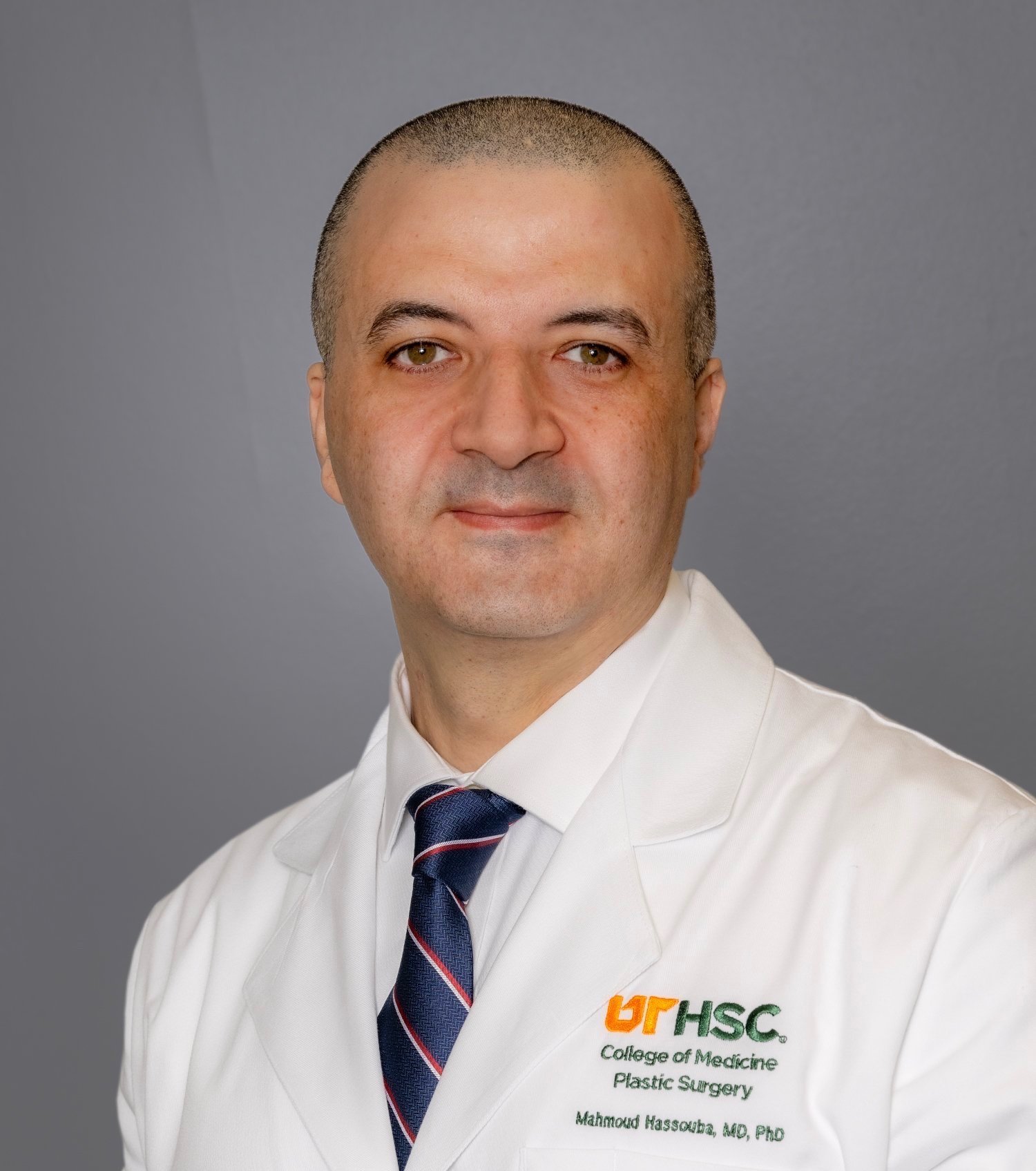
Mahmoud Hassouba is an Assistant Professor in the Department of Plastic Surgery at the University of Tennessee Health Science Center. He holds a Ph.D. from the Faculty of Medicine at Ain Shams University (Cairo, Egypt) and completed a Plastic Surgery/Burn Fellowship at the University of Tennessee. His clinical work focuses on burn treatment and reconstructive/critical care, with professional membership in the American Burn Association. Ph.D., Faculty of Medicine, Ain Shams University (Cairo, Egypt) Burn Fellowship, Plastic Surgery, University of Tennessee His research spans burn epidemiology, wound healing biomaterials (surfactant-based dressings, acellular fish skin grafts, synthetic polyurethane matrices), reconstructive techniques (keystone flaps, temporalis muscle mobilization), and pain management strategies. Recent publications highlight home-based burn care and biodegradable temporizing matrices. Professional Memberships American Burn Association
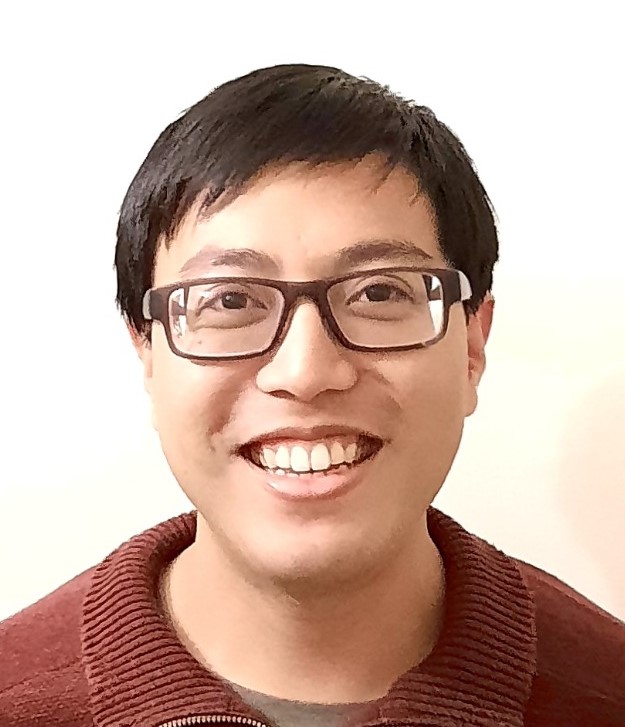
Dr Jonathan Yeow is a Lecturer at the Graduate School of Biomedical Engineering , Imperial College London , and an Honorary Research Associate in the Department of Bioengineering . He holds a Bachelor of Science (Advanced) in Chemistry and a Bachelor of Engineering in Biomedical Engineering from the University of Sydney , followed by a PhD in Chemical Engineering at the University of New South Wales (UNSW) . His research focuses on polymer chemistry and biomaterials at the intersection of chemical engineering and biomedical engineering . Key areas include nanomedicine , drug delivery , self-assembled polymers , and controlled radical polymerization . His recent work explores polymersomes for intracellular protein delivery, 4D bioprinting for vaccine kinetics, and thermally robust RNA delivery systems . His publications highlight advancements in nanoparticle engineering , photopolymerization , and biomaterials for therapeutic applications . Despite no explicit scientific awards mentioned, his work aligns with cutting-edge research in polymer design and bioengineering . He supervises students in polymer chemistry and nucleic acid delivery .
Professor Liam Grover is a leading academic in Chemical Engineering at the University of Birmingham , where he serves as Head of School. His research in Biomaterials Science focuses on: Tissue regeneration (bone, skin, and interfaces) Hydrogel and cement materials development 4D printing applications in medicine Mineralization control mechanisms Recent publications highlight his work in bioprinting skin analogues , smart bone repair polymers , and DNA-templated synthesis . Collaborations span from EPSRC-funded projects to industry partnerships like AstraZeneca. His research has received multiple NUS Green Impact awards (Bronze, Gold, Platinum) for sustainable laboratory practices. As a Co-Investigator in major grants, he leads work on injectable hybrid hydrogels and antimicrobial fluid gels , with technology transfer potential to orthopedics and wound care .
John Fisher is a Professor and Department Chair at the Fischell Department of Bioengineering, University of Maryland. He holds a Ph.D. in Biomedical Engineering from Rice University (2003) and leads the Tissue Engineering & Biomaterials Laboratory. His research focuses include biomaterials, 3D bioprinting, and regenerative medicine for orthopedic and cardiovascular applications. Education: Ph.D., Biomedical Engineering, Rice University (2003) Professor Fisher's work advances bioprinting technologies, dynamic cell culture systems, and biomaterials for tissue regeneration. Recent research emphasizes patient-specific implants, stem cell expansion via perfusion bioreactors, and stiffness-tuned scaffolds for islet transplantation. His Google Scholar profile highlights 3D bioprinting, vascular engineering, and coculture strategies. His publications from 2025-2023 explore organoid manufacturing, osteochondral scaffold design, and 4D printing for adaptable tissues. Key keywords span Tissue Engineering , 3D Printing , Stem Cell Research , and Biomaterials , with sub-fields including Bioreactor Technology , Cartilage Regeneration , and Extracellular Vesicle Production . Scientific Awards Society for Biomaterials Award (2020) TERMIS-AM Senior Scientist Award BMES Fellow Fellow of Biomaterials Science and Engineering Distinguished University Professor (2016)