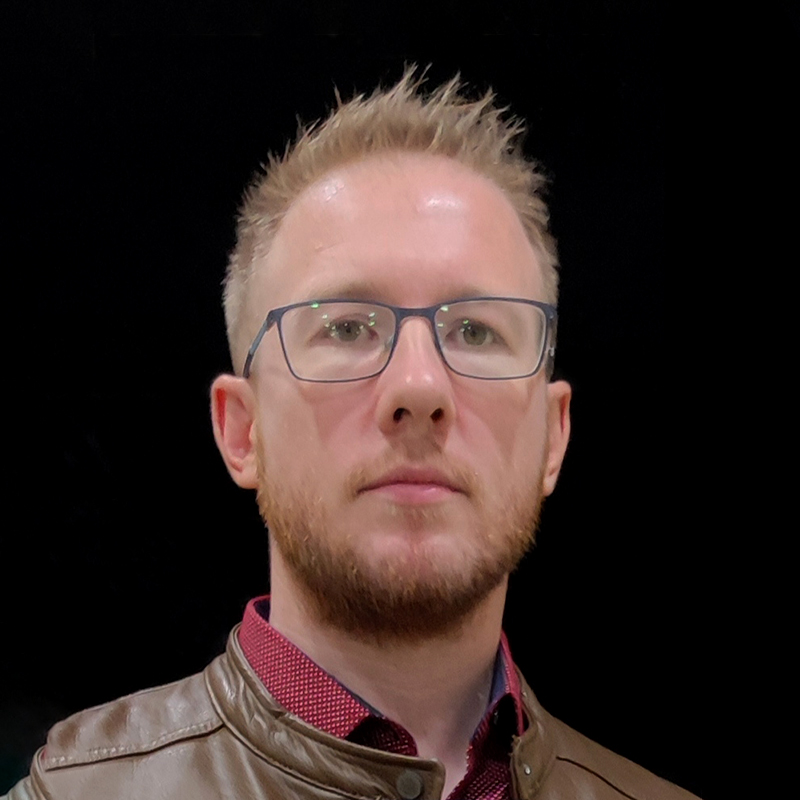
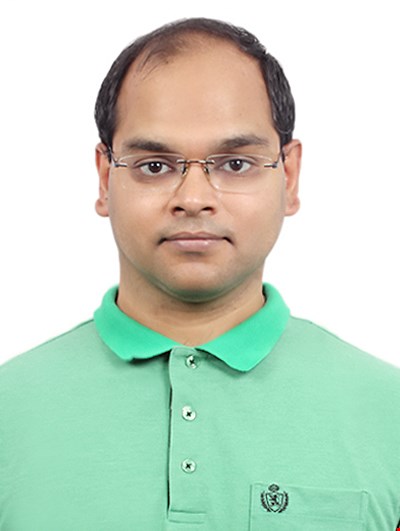
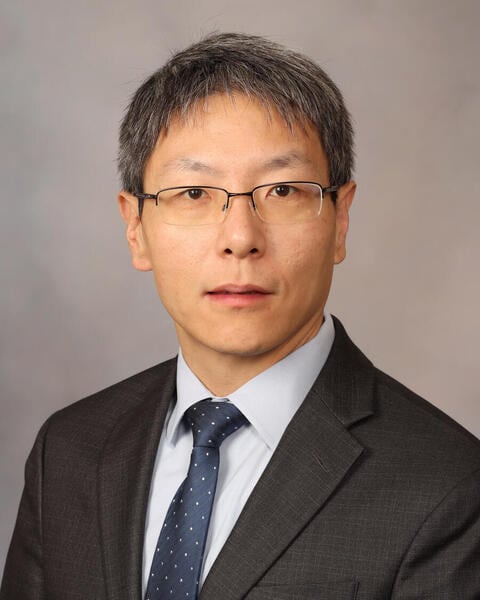
Marcello Meneghetti is an Assistant Professor at the Technical University of Denmark, Department of Electrical and Photonics Engineering. His research focuses on neural devices and gas photonics, with expertise in biodegradable optical fibers, infrared neurostimulation, and implantable optoelectronic interfaces. Department: Electrical and Photonics Engineering Email: mamen@dtu.dk His recent work involves biodegradable optical fibers for brain implants , infrared neural stimulation , and multimaterial fiber-based interfaces . Key projects include the Multifunctional Optical Fibers for Modulation, Sensing, and Imaging of the Brain , where he serves as a supervisor. Research trends highlight advancements in mid-infrared photonics , neuroimaging , and biocompatible fiber technology . Collaborations span neuroscience, biomedical engineering, and materials science. As a supervisor, he mentors PhD student Abdollahian, P. , with projects emphasizing neural safety , optogenetics , and electrophysiology . His work has been recognized in 23 publications and featured in 4 news outlets.
Tuany Gabriela Hoffmann is a Scientist in the Department of Systems Process Engineering at the Leibniz Institute for Agricultural Engineering and Bioeconomy (ATB) in Potsdam, Germany, and a PhD researcher at Humboldt-Universität zu Berlin. Her interdisciplinary work bridges food engineering, postharvest technology, and sustainable bioeconomy, with a focus on digital solutions for cold chains and eco-friendly packaging systems. PhD Researcher , Humboldt-Universität zu Berlin, 2023–present Scientist , ATB Potsdam, Department of Systems Process Engineering, 2022–present Adjunct Professor , University of Blumenau, 2021 Research Engineer , University of Blumenau, 2019–2022 Her research interests include IoT-based monitoring in food storage , digital twin development (e.g., Fruity-Twin), condensation and mass loss modeling , biodegradable food packaging , and waste valorization in the circular bioeconomy . She has contributed to numerous high-impact publications in journals such as Postharvest Biology and Technology , Journal of Cleaner Production , and Materials Today Communications . The most recent articles highlight a strong trend toward digitalization of cold chains , real-time predictive modeling , and sustainable material innovation . Her work integrates experimental validation with IoT platforms (Raspberry Pi, Kafka, InfluxDB) and advanced modeling to optimize food storage, reduce waste, and improve energy efficiency. The projects often involve international collaboration and are funded by organizations such as the German Research Foundation (DFG). Scientific Awards No awards explicitly mentioned in the text. Advising and Grants Actively involved in DFG-funded project Fruity-Twin (Project number: 521409147) on digital twins for apple storage. Collaborates on interdisciplinary teams; co-authored multiple review and research papers on food packaging, safety, and sustainability. Contributes to early-career research leadership as a Committee Member of the Young Professional Network, EurAgEng. Labs and Teams Works within the Systems Process Engineering unit at ATB, focusing on sensor integration, data streaming, and digital twin platforms. Part of a research group developing IoT-enabled cold chain monitoring systems using Raspberry Pi, Kafka, and InfluxDB. Engaged in collaborative research with Humboldt-Universität zu Berlin and international partners.
Harriette Bos is an active Researcher at Wageningen University & Research specializing in Biorefinery & Fibre Technology. Her work focuses on advancing the circular bioeconomy through sustainable material systems, carbon accounting, and biomass valorization. She leads multiple national projects including Add_Groene Grondstoffenboekjes (2024-2026) and Biobased contribution to circularity and climate (2023-2024). Her research interests center on developing assessment frameworks for carbon-based materials and renewable feedstocks. Bos pioneers methodologies for evaluating the intrinsic recycling potential of bio-based products while addressing systemic challenges in textile circularity and land use optimization. Her work bridges technical material science with policy implementation for fossil-free transitions. Analysis of her 125+ publications reveals consistent focus on bioeconomy engineering (100% fingerprint), feedstock material science (88%), and carbon-based materials (66%). Her recent work emphasizes practical assessment methods (33%), pretreatment engineering (33%), and textile fiber sustainability (38%), demonstrating evolving expertise from fundamental biomass processing toward systemic circular economy implementation. Bos actively engages in knowledge transfer through co-creation workshops and public outreach. Her project leadership spans technical research (e.g., FossilFree materials roadmap) to societal impact initiatives like Mission Fossil Free. She frequently participates in EU-level discussions on land use dilemmas and circular textile systems. Current activities include moderating the Transition towards a circular bioeconomy conference (Nov 2024) and panel participation in Hackathon Rethink Textile (Oct-Nov 2024). Her media presence spans expert commentary on food security (Nov 2024) to public engagement through platforms like Een chemicus kan de wereld veranderen (2016).
Assoc. Prof. Dr. Muhammed Yüceer is a faculty member at Çanakkale Onsekiz Mart University's Technical Sciences Vocational School, specializing in egg science, food safety, and sustainable processing technologies. His research integrates novel preservation methods (e.g., ozonation, ultrasonication, nanocomposite coatings) to enhance the shelf-life, nutritional quality, and safety of eggs and perishable foods. He actively leads EU-funded projects like the Erasmus+ HORECA-FS initiative and collaborates with industry partners on TÜBİTAK-supported commercialization of food innovations. His research interests span: Egg Science : Bioactive compounds (lysozyme, ovomucoid), functional properties, and value-added products like egg powder. Food Safety : Salmonella mitigation, HORECA sector hygiene, and anti-counterfeiting strategies. Sustainable Technologies : Edible coatings, biodegradable packaging, and energy-efficient processing. Yüceer's recent articles (2021–2025) focus on non-thermal preservation, nanomaterial applications, and egg analogues, reflecting a strong emphasis on sustainability and food security. Notably, his work on chitosan-cloisite nanocomposites for eggshell coatings demonstrates innovative approaches to reduce food waste. Awards & Projects : Gold Medal, EIT Food RIS Inspire Program (2023) for sustainable food solutions. Commercialized patents from TÜBİTAK-funded industrial R&D projects. Coordination of the EU Erasmus+ HORECA-FS project on food safety in hospitality sectors. He directs a research laboratory focused on food innovation, collaborating with industry stakeholders to translate scientific insights into market-ready solutions, particularly in functional egg products and disaster-relief food technologies.
Zeljko Savkovic is a Senior Research Associate at the Institute of Botany and Botanical Garden "Jevremovac" within the Faculty of Biology, University of Belgrade. His research focuses on fungal ecology in extreme environments and cultural heritage conservation, with fieldwork spanning Serbian caves, archaeological sites, and thermomineral springs. His academic qualifications include: 2012: Graduated Biologist, major in Biology 2013: Master Biologist, module in Fungal Biology 2019: Doctor of Biological Sciences, module in Experimental Mycology Savkovic's research centers on mycological investigations in subterranean ecosystems and biodeterioration processes. He specializes in aeromycology (airborne fungi monitoring), cave mycology (speleomycology), and fungal impacts on cultural heritage materials including frescoes, wooden artifacts, and stone monuments. His work integrates cultivation-based methods with molecular analysis to characterize fungal communities, while exploring biocontrol solutions using essential oils and microbial antagonists against biodeteriogenic species. Analysis of his 2023-2025 publications reveals dominant research themes: cave ecosystem mycology (60% of recent work), cultural heritage conservation (30%), and wildlife-fungal interactions (10%). His methodological approach combines traditional mycology with modern sequencing techniques, showing increasing interdisciplinary collaboration with archaeologists and conservation scientists. Key sites include Stopića Cave, Ravništarka Cave, and the cave church of Sts. Peter and Paul in Rsovci. Savkovic conducts research at the Institute of Botany and Botanical Garden "Jevremovac", utilizing its microbiology laboratories and conservation facilities. His work involves partnerships with Serbia's Central Institute for Conservation and field collaborations at archaeological sites like Viminacium. Current projects focus on lampenflora dynamics in show caves and biodeterioration mechanisms of modern heritage materials like the K67 kiosk.
Dr. Chatura Goonesinghe ( cdg40@cam.ac.uk ) is a Herchel Smith Research Fellow at the Yusuf Hamied Department of Chemistry , University of Cambridge. He earned his BSc (First Class Honours) in Chemistry from the University of Colombo and a PhD in Chemistry from the University of British Columbia (2023). Education: BSc in Chemistry, First Class Honours (University of Colombo) PhD in Chemistry (University of British Columbia, 2023) His research focuses on bio-inorganic hybrid catalysts within the Mateo Sánchez Lab, integrating homogeneous metal catalysts with protein scaffolds through directed evolution to create artificial metalloenzymes. This work aims to achieve unprecedented control over stereo- and regioselectivity in catalytic systems, bridging molecular biology and inorganic chemistry. Recent publications highlight his expertise in indium-based catalysis , including cationic indium complexes for polymerization reactions, CO2/epoxide copolymerization, and ligand engineering to enhance reactivity. Key themes include hemilabile ligands, thermoresponsive mechanisms, and sustainable polymer synthesis. Scientific Awards: UBC Four Year Fellowship Gladys Estella Laird Research Fellowship
Dr. Abhishek Lahiri is a Senior Lecturer in Chemical Engineering at Brunel University London, affiliated with the College of Engineering, Design and Physical Sciences. His research focuses on the electrochemical synthesis of functional materials using ionic liquids deep eutectic solvents aqueous/organic electrolytes for energy storage (Li, Na, Zn, Al batteries) and electrocatalysis (hydrogen evolution, CO2 capture). He also explores sustainable metal extraction from e-waste and battery recycling technologies. Recent work includes dendrite-free Zn deposition bio-ionic liquid electrolytes mesoporous conducting polymers to enhance battery performance. As Principal Investigator, he leads grants from EPSRC, BBSRC, and Royal Society totaling over £770k, targeting innovations like Zn-ion capacitors and sustainable metal recovery. Scientific contributions: Member of the Electrochemical Society (ECS) Over 71 publications Consultancy projects on electroplating and hydrogen production
Daniele Pontiroli is an Associate Professor at the Department of Mathematical, Physical, and Computer Sciences of the University of Parma. With a career spanning over two decades, he transitioned from a PhD in Condensed Matter Physics (2006) through postdoctoral research (2006-2008), Research Fellow (2008-2012), and Researcher (2015-2022) roles to his current position since 2022. His work bridges experimental physics and materials science, focusing on advanced energy technologies. Research Interests : Condensed matter physics of carbon-based materials (graphene, fullerenes) Energy storage systems: supercapacitors, Li-ion, and Na-ion batteries Hydrogen storage mechanisms in nanostructured materials Magnetocaloric effects and magnetic nanocomposites Environmental applications of biochar and lichens Optically induced superconductivity in molecular systems Selected Publications Trends (2023-2025): Advancing laser-induced graphene for biosensors and supercapacitors Optimizing biomass-derived carbon materials for energy applications Investigating proton conduction in metal-organic frameworks Exploring photo-induced superconductivity in alkali fullerides
Dr. Wei Shen is a laboratory geneticist at Mayo Clinic's Department of Laboratory Medicine and Pathology in Rochester, Minnesota, specializing in hereditary cancer predisposition syndromes and rare diseases. His work focuses on comprehensive genetic testing, rare disease diagnosis using genome sequencing, and improving genetic testing through novel sequencing technologies and bioinformatics pipelines. Dr. Shen earned his Ph.D. in Genetics from the University of Wisconsin-Madison in 2010, followed by clinical fellowships in Molecular Genetics and Genomics (2018) and Clinical Cytogenetics and Genomics (2019) at the University of Utah School of Medicine. He holds certification in Molecular Genetics from the American Board of Medical Genetics and Genomics (2019). His research spans cancer genetics, genomic medicine, and bioinformatics, with particular emphasis on variant interpretation, hereditary cancer syndromes, and rare disease diagnosis. Dr. Shen's recent publications demonstrate expertise in renal cell carcinoma genomics, BRCA2 variant classification, whole genome sequencing validation, and the application of machine learning in pulmonary disease characterization. Dr. Shen has received several prestigious awards including the William L. Robert Memorial Fund from ARUP Institute, the Schlimgen Award for outstanding scholarship, a Pre-doctoral Fellowship from the American Heart Association, and the DeLill Nasser Award from the Genetics Society of America. He is an active member of numerous professional organizations including the American College of Medical Genetics and Genomics, American Society of Human Genetics, Association for Molecular Pathology, and serves on the Steering Committee of The Medical Genome Initiative. Dr. Shen also contributes as a Site Investigator for ClinGen InSiGHT Hereditary Colorectal Cancer/Polyposis Variant Curation Expert Panel.
Maria Jose Perez Comuñas is a Professor at the University of Santiago de Compostela, holding dual appointments in the Department of Applied Physics within the Faculty of Biology and the Materials Institute (iMATUS). She leads research in the NaFoMat (Nanomaterials, Photonics and Soft Matter) Group under the Strategic Grouping in Materials (AEMAT). Her research spans tribology , nanomaterial-enhanced lubricants , and high-pressure thermophysics , with particular focus on biodegradable lubricants, nanoparticle additives (zirconia, graphene, cellulose nanocrystals), and pressure-viscosity relationships. Recent work demonstrates expertise in sustainable lubrication solutions using vegetable oil derivatives and advanced nanomaterials. Analysis of her 15 most recent publications (2018-2025) reveals consistent specialization in Nanoparticle dispersion stability in base oils Tribological performance of eco-friendly lubricants High-pressure rheological characterization Structure-property relationships of synthetic lubricants with increasing emphasis on sustainable materials since 2020. She earned her Doctorate from the University of Santiago de Compostela in 2002 with thesis work on high-pressure densities and viscosities of synthetic lubricants, supervised by Dra. Josefa Fernández, Dr. Christian Boned, and Dr. Enriqueta R. López Iglesias.
Miranda Prendergast-Miller is a Senior Lecturer in the Department of Geography and Environmental Sciences at Northumbria University . Her work bridges soil ecology, environmental sustainability, and biogeochemical cycles, with a focus on anthropogenic impacts on terrestrial ecosystems. Current academic affiliation: Northumbria University (2019–present) Prior postdoctoral roles: University of York (2015–2019), CSIRO Australia (2012–2015), University of Edinburgh (2009–2011) Her research explores below-ground interactions between microbes, soil fauna, and plants, particularly how these systems are disrupted by human activities. Key themes include: Greenhouse gas emissions and soil carbon sequestration Microplastic pollution and organic waste recycling Nutrient use efficiency in agricultural systems Novel soil amendment technologies Analysis of her publications reveals trends in microplastic ecotoxicology , earthworm-microbial dynamics , and agroecosystem resilience . Subfields span from polymer degradation in soils to silicon biogeochemistry in land-use transitions. She supervises postgraduate researchers in projects related to: Emily Donaghy (2023–present): Microfibres in soils Kevin Stott (2020–present): Carbonate precipitation in engineered soils
Juan José Uriarte Díaz serves as a Researcher at Nebrija University, leading projects within the ARIES Nebrija Research Group on Artificial Intelligence & Emergent Systems. His work bridges cell biology and computational modeling to address critical challenges in pulmonary pathophysiology and tissue engineering. Education: PhD in Cell Biology, Universitat de Barcelona (2016). Dissertation: Multiscale lung tissue mechanics in a mouse model of marfan syndrome , supervised by Dr. Ramón Farré Ventura and Dr. Daniel Navajas Navarro. Dr. Uriarte Díaz specializes in lung extracellular matrix characterization and bioengineered tissue models , with particular expertise in atomic force microscopy-based mechanobiology. His research investigates sex-dependent disease mechanisms in pulmonary fibrosis, ventilator-induced lung injury, and the role of glycosaminoglycans in scaffold functionality. Recent work integrates artificial intelligence to model emergent properties in decellularized lung systems, advancing personalized regenerative approaches for COPD and fibrotic diseases. Analysis of his 15 most recent publications reveals a strategic evolution toward AI-enhanced pulmonary modeling and sex-specific therapeutic development . Key trends include the shift from basic decellularization protocols (2014-2017) to complex hydrogel-based differentiation systems (2021-2023) and the current focus on kinase signaling pathways in age-related fibrosis. His work consistently emphasizes translational applications, particularly in sealant development and stem cell therapies. Scientific Awards: No formal awards documented in source materials Advising and Grants: Dr. Uriarte Díaz supervises graduate theses through Nebrija University's research framework, with emphasis on mechanobiology techniques and AI applications. His projects receive institutional support from the ARIES Research Group, focusing on pulmonary regeneration and biomaterial innovation. Current initiatives include avian lung scaffold optimization and sex-dimorphic fibrosis modeling, though specific grant identifiers remain undisclosed in available documents. Labs and Teams: As core faculty in the ARIES Nebrija Research Group, he directs the Pulmonary Mechanobiology Laboratory. The team employs advanced platforms including atomic force microscopy, bioprinting systems, and murine disease models to investigate cell-ECM interactions. Collaborations span the Barcelona Biomedical Research Park (inherited from doctoral work) and European tissue engineering consortia, with recent expansion into AI-driven predictive modeling of lung injury progression.
Alessandra Rustighi is a Fixed Term Researcher in the Department of Life Sciences at the University of Trieste, specializing in Cellular and Experimental Biology. She actively participates in departmental governance as a member of the Department's Board and Boards of Studies. Primary Research Focus: Biomedical applications of molecular nutrition and protein engineering Key Collaborations: Interconnected Nord-Est Innovation (iNEST) project, Trans2Care, Innov-H2O Scientific Expertise spans: Molecular Oncology Nutritional Biochemistry Biomaterial Development Signal Transduction Analysis Research Trends (from 2015-2023 publications): 2015-2017: Foundational work in cancer cell signaling and antibody engineering 2017-2020: Expansion into protein engineering with HELP/HUG bioreceptors 2020-2023: Development of targeted delivery systems and stress biomarkers for aquaculture Scientific Contributions include: Development of HUG bioreceptor for bilirubin analysis Creation of HELP polypeptide platform for biomaterials Identification of dietary phytochemical interactions with heme metabolism Establishment of fish blood biomarkers for welfare assessment
Dagmara Bajer is an Assistant Professor at the Department of Biomedical and Polymer Chemistry, Faculty of Chemistry, Nicolaus Copernicus University. Her research focuses on chemical sciences, particularly in applied polymers, nanomaterials, membranes, composites, and polymer modification techniques such as UV irradiation and FTIR analysis. Specializes in starch polymers and biodegradable composites Active in multi-center publications and interdisciplinary research With 66 publications and a total impact factor of 101.452, her work contributes to polymer chemistry and materials science. She holds an ORCID identifier (0000-0002-5890-5406) and is affiliated with international research platforms like Scopus and Web of Science.
Mikael Skrifvars serves as a Professor in the Department of Resource Recycling and Community Development at the Academy of Textiles, Technology and Economics, University of Borås, where he has worked since 2003. He holds the position of Area Representative for the Resource Recovery research area and maintains an active role in academic leadership. His educational background includes postgraduate studies at the University of Helsinki, Finland, culminating in a doctoral thesis defense in 2003. Prior to his academic appointment, he gained industry experience in the Finnish chemical sector and at Swerea SICOMP research institute in Piteå. Professor Skrifvars specializes in Resource Recovery with a focus on developing polymeric materials from renewable resources. His research encompasses: Natural fiber and biopolymer composites for industrial applications Economically viable manufacturing processes for sustainable materials Recycling methodologies for post-consumer textile waste Advanced biocomposite development for structural and packaging uses Analysis of his recent publications (2024-2025) reveals a dominant research trajectory in sustainable material systems, particularly biobased composites derived from textile waste streams. His work demonstrates significant innovation in natural fiber reinforcement (jute, flax, hemp), biopolymer formulation (PLA, PHA), and circular economy implementation. Key thematic clusters include thermo-mechanical property optimization, flame-retardant surface engineering, and degradation control mechanisms for polymers in energy storage applications. Professor Skrifvars actively supervises four doctoral candidates—Matilda Johansson, Sabrina Kopf, Emmanuel Ifeanyi Kalu, and Shahab Nasr—and leads two major Mistra-funded research projects. His international collaborations span institutions in Korea and India, reflecting the global relevance of his work in sustainable materials science. While specific laboratory infrastructure isn't detailed in available sources, his research operates within the Resource Recovery framework at University of Borås, likely involving interdisciplinary teams focused on polymer engineering and circular material flows.