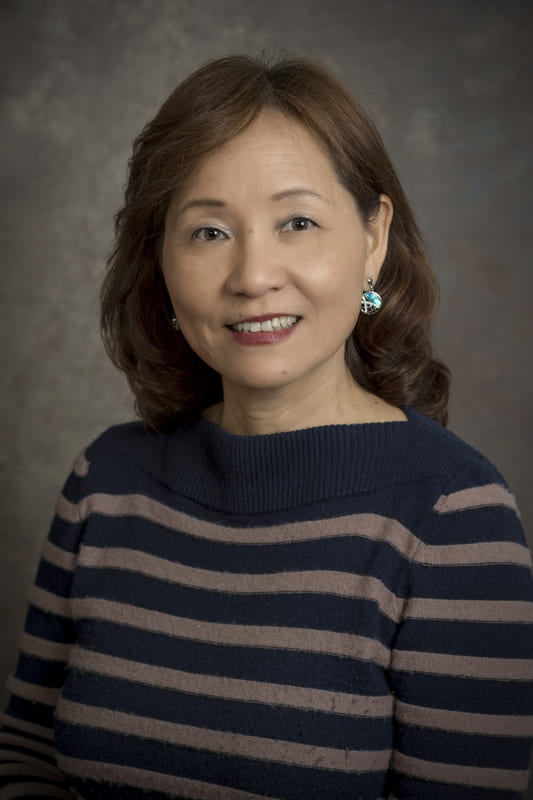
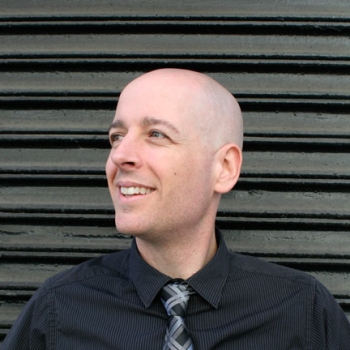
Dr. Stan Ahalt serves as the inaugural Dean of the UNC School of Data Science and Society (SDSS) and holds a professorship in the Department of Computer Science at UNC-Chapel Hill. He previously directed the Renaissance Computing Institute (RENCI) and currently acts as its executive advisor. Additionally, he is the associate director of informatics and data science at NC TraCS, the translational research institute at UNC. His academic journey includes a 22-year tenure as professor of electrical and computer engineering at Ohio State University and leadership roles at the Ohio Supercomputer Center. Ahalt’s research focuses on applying data science to societal challenges such as healthcare, climate, and judicial reform. Key initiatives include the National Consortium for Data Science and the iRODS project, which advanced enterprise data management systems. Ahalt has secured over $34.5M in grants to lead high-impact projects like the NHLBI BioData Catalyst (unifying biomedical data), the NCATS Translator (accelerating clinical discovery), and the NIH HEAL Initiative (ensuring FAIR data standards). He mentors students across doctoral and master’s programs, teaching data science fundamentals in courses like COMP 116: Introduction to Scientific Programming. His work emphasizes interdisciplinary collaboration, evidenced by roles in RENCI, NC TraCS, and the SDSS. Ahalt’s contributions span cyberinfrastructure development, educational innovation, and translational research, positioning UNC as a national leader in data science.
Katy Börner is a Professor affiliated with Indiana University, Bloomington, USA. Her research focuses on data visualization, scientometrics, and the science of science, with contributions to tools like Network Workbench (NWB) and Sci2. She leads interdisciplinary projects such as the Human Reference Atlas and explores visualization literacy in education and public health. Her work spans virtual reality applications, biomedical knowledge networks, and AI-driven scientific discovery. Key research interests include mapping scientific collaboration networks, analyzing scholarly publications, and developing visualization frameworks for big data. She collaborates widely with institutions like NIH and VIVO, advancing open science and interdisciplinary research. Her projects often bridge computational methods with human-centric design, enhancing understanding of complex systems in health, technology, and social sciences. Publications highlight innovations in interactive visualization tools (e.g., opioid crisis research networks), data integration (Human Reference Atlas), and AI applications in biomedical research. She emphasizes translating data into actionable insights through visual analytics, impacting policy, education, and healthcare.
Cathy Wu is a distinguished academic holding the Unidel Edward G. Jefferson Chair in Engineering and Computer Science at the University of Delaware. She serves as Director of the Center for Bioinformatics & Computational Biology (CBCB), Data Science Institute (DSI), and Protein Information Resource (PIR). Her roles include professorships in the Departments of Computer & Information Sciences and Biological Sciences. Education: BS in Plant Pathology (National Taiwan University, 1978), MS and PhD in Plant Pathology (Purdue University, 1982–1984), and a second MS in Computer Science (University of Texas at Tyler, 1989). She completed postdoctoral training in Molecular Biology at Michigan State University (1985–1986). Research interests focus on computational biology, bioinformatics, and data science with emphasis on protein informatics, biological text mining, ontology development, gene-disease-drug networks, and machine learning applications. She leads initiatives in integrating FAIR principles into biological databases like UniProt and InterPro. Her work bridges computational methods with biomedical challenges, including cancer genomics, epigenetic regulation, and proteomic analyses. She has spearheaded educational programs such as the Online Graduate Certificates in Applied Bioinformatics and Biomedical Informatics and Data Science. Her contributions include over 290 peer-reviewed publications (48,000+ citations, h-index 71) and authored/co-authored four books on bioinformatics. She directs multidisciplinary research teams and collaborates internationally on projects like the HALO study on ovarian cancer genetics. Awards and recognition are implied through her leadership roles and academic appointments, though specific prizes are not listed here. Her grants and funding support large-scale initiatives in bioinformatics infrastructure and translational research.
Yize Zhao is an Associate Professor in the Department of Biostatistics at Yale School of Public Health and an Associate Professor in the Department of Biomedical Informatics & Data Science at Yale University. She holds affiliations with multiple Yale research centers including the Yale Center for Analytical Sciences, Yale Alzheimer's Disease Research Center, Yale Wu Tsai Institute, Yale Center for Brain and Mind Health, and Yale Computational Biology and Bioinformatics. Dr. Zhao's research focuses on developing statistical and AI methods to analyze large-scale complex biomedical data including medical imaging, genomics, and electronic health records. Her methodological expertise spans Bayesian statistics, feature selection, predictive modeling, data integration, missing data analysis, and network analysis. Her research interests span multiple biomedical domains with a strong focus on mental health, psychiatry, neurodegenerative diseases, and aging. Her recent work includes brain-to-behavior modeling, multi-layer biomedical networks, imaging genetics and genomics, and the integration of multi-modal biomedical data with real-world data. Dr. Zhao's work has resulted in numerous high-impact publications, with recent research focusing on Alzheimer's disease, brain network analysis, and advanced statistical methods for neuroimaging. Her publications show a strong trend toward integrating multi-modal data sources and developing sophisticated statistical approaches to address complex biomedical questions. Thelma and Marvin Zelen Emerging Women Leaders in Data Science Award from the Institute of Mathematical Statistics (IMS) COPSS Emerging Leader Award from the Committee of Presidents of Statistical Societies (COPSS) YSPH Investigator Research Award Yale Alzheimer's Disease Research Center Research Scholar Award Elected member of the International Statistical Institute Dr. Zhao serves as an Associate Editor for Biometrics and is a standing member of the NIH Biodata Management and Analysis (BDMA) study section. Her research is supported by multiple NIH grants, highlighting the significance and impact of her work in biostatistics and biomedical data science.
Sara Nabil is an Assistant Professor at Queen's University's School of Computing within the Faculty of Arts and Science. She leads the HCI Design Studio and previously held a postdoctoral position at Carleton University's Creative Interactions Lab. Her research focuses on integrating interior design, fashion, and product design with interactive technologies, emphasizing e-textiles, smart materials, and shape-changing interfaces. She holds a PhD from Newcastle University and prior experience as an HCI Lecturer, interior designer, and senior software developer. Education: PhD in Computing, Newcastle University (2019) MSc in Computing BSc in Computing Research interests include designing computational spaces, wearable technology, and e-textile interactions. Her work explores sustainable fabrication methods, user-centered design for smart environments, and bridging traditional crafts with digital technologies. Notable projects include exhibitions like 'Living with Adaptive Architecture' and 'Persuasive Pharmacy Space,' showcasing interactive wearables and spaces. Her recent articles (2023–2025) emphasize e-textile innovations, sustainable design, and human-building interactions. Key themes include smart materials in fashion, modular wearables, and community-driven interaction systems. Awards: None explicitly mentioned. Advising/Grants: No details provided. Labs/Teams: Head of HCI Design Studio and part of iStudio Lab, focusing on interioraction design.
David Darts is a Global Network Associate Professor of the Arts at New York University's Steinhardt School of Culture, Education, and Human Development. He directs the Laboratory of the Future Present, an artistic research studio exploring speculative design and societal issues through interactive media. His work spans installations, curatorial projects, and public interventions addressing themes like personal space, environmental interaction, and decentralized digital collaboration. Education details are not explicitly provided, but his professional roles and projects indicate extensive involvement in academic and creative spheres. Research interests include interactive technology, public art, and speculative design. His notable projects include the Personal Space Suit (2024), PirateBox (2011–2019), and the Nomad Lab exhibition (2020). His exhibitions and projects have been featured in venues like Alserkal Avenue (Dubai), NYU Abu Dhabi, and the Conflux Festival (New York). Awards or grants are not mentioned, but his work has received international media coverage in outlets like New Scientist and Wired Italia . Advising and grants: While no formal advisees are listed, Darts has curated exhibitions and collaborative projects involving artists and researchers. His work often involves interdisciplinary teams, such as the Playable Sculpture project with multiple artists. Labs/Teams: Directs the Laboratory of the Future Present and collaborates with institutions like Baltan Laboratories and NYU Abu Dhabi.
Dr. Temitope Lawal is a Research Fellow at Northumbria University, affiliated with the Business and Law School, where he contributes to the PROBabLE Futures initiative focused on the responsible use of probabilistic AI in law enforcement. His expertise lies at the intersection of law, technology, and public policy, with a strong emphasis on the ethical and legal implications of emerging technologies. His research interests include artificial intelligence and law, digital governance, cybercrime, AI in criminal justice, internet governance, and cross-border legal regulation. He actively engages in policy development and has contributed to consultations on AI, copyright, and criminal court reform. Dr. Lawal's recent publications reflect a strong trend in examining the integration of AI into policing and legal systems, with a focus on accountability, ethics, and regulatory frameworks. His work spans comparative studies between the UK and Australia, African perspectives on cybercrime, and the future of digital evidence in courts. Fellow at the Centre for Space, Cyberspace, and Data Law, Bond University Member of the Law, Literature, and Humanities Association of Australia Dr. Lawal has advised on and led the development of professional tech policy courses, including Australia’s first such program at the Australian National University. He has participated in numerous conferences and workshops globally, contributing to academic and policy discourse. His professional background includes legal practice at Banwo & Ighodaro, regulatory work at the Nigerian Communications Commission, and academic coordination at Bond University. He is actively involved in research events and knowledge exchange. He is part of research teams and initiatives such as PROBabLE Futures and has collaborated with institutions including Bond University, Queen Mary University of London, and the Australian National University.
Professor Valerie O'Donnell is a distinguished academic at Cardiff University's School of Medicine, where she serves as Professor of Biochemistry and Co-Director of the Systems Immunity Research Institute (SIURI), established in 2016 with £4.5M funding. She leads the internationally recognized LIPID MAPS project (www.lipidmaps.org) and Cardiff Lipidomic Facility, positioning her at the forefront of lipidomics research. With over two decades of academic leadership, she previously served as Director of the Division of Infection and Immunity (2017-2020) and Dean of Research for the School of Medicine (2012-2014). Professor O'Donnell earned her Ph.D. in Biochemistry from the University of Bristol (1990-1993) working with Prof. OTG Jones and Dr. PJ England of SmithKline Beecham Pharmaceuticals, following her B.Sc. in Human Nutrition & Dietetics (Hons. 2.1) from University of Dublin, Trinity College, Ireland (1985-1989). Her academic journey includes prestigious fellowships at the University of Alabama at Birmingham and University of Bern, Switzerland, before establishing her career at Cardiff University. Her research focuses on using mass spectrometry to discover and characterize bioactive lipids made by circulating vascular cells that regulate immune defense and blood clotting. Over the past 20 years, her lab discovered large families of enzymatically-oxidized phospholipids (eoxPL) and has worked extensively on their structures, signaling actions in thrombosis and innate immunity. Current research examines the role of bioactive lipids in vascular inflammation including abdominal aortic aneurysm, cardiovascular disease, dementia and wound healing. Analysis of her recent publications reveals a strong emphasis on lipidomics methodology development, clinical applications of lipid research, and the role of specific lipids in disease mechanisms. Her work spans analytical chemistry, cardiovascular biology, immunology, and clinical translation, with particular focus on procoagulant lipids, oxylipins, and specialized pro-resolving mediators. The research demonstrates increasing interdisciplinary collaboration and methodological standardization efforts in the lipidomics field. Professor O'Donnell's scientific achievements have been recognized with numerous prestigious awards: 2023: Honorary Officer of the Order of the British Empire (OBE) for services to biochemical research 2020: Fellow of the Academy of Medical Sciences 2019: Journal of Lipid Research Lectureship Award 2016: Wolfson Research Merit Award, Royal Society 2015: Fellow of the Learned Society of Wales 2013: Fellow of the Royal Society of Biology She currently serves as Principal Investigator for British Heart Foundation and Wellcome Trust funding, while also participating as co-Investigator for Medical Research Council (MRC), EU (Marie Curie ITN), and Welsh Government projects. Her panel memberships include Population Systems Medicine Board (MRC) and Biomedical Resources Committee (Wellcome Trust). With a Google Scholar H-index of 52, she has been included in UK national research assessments RAE2002, RAE2008, and REF2014. Professor O'Donnell leads the Systems Immunity Research Institute, a strategic research institute at Cardiff University, and directs the Cardiff Lipidomic Facility as part of the LIPID MAPS consortium. Her laboratory continues to make significant contributions to understanding how bioactive lipids regulate vascular inflammation and coagulation, with recent work focusing on the role of specific phospholipids in conditions ranging from cardiovascular disease to SARS-CoV-2 infection. In 2024, LIPID MAPS became an ELIXIR Core Data Resource and a member of the Global Biodata Coalition, with an MRC Partnership Grant commencing funding.
Paul W. Sternberg is the Bren Professor of Biology and William K. Bowes Jr. Leadership Chair at the California Institute of Technology's Division of Biology and Biological Engineering. He holds a B.A. from Hampshire College (1978) and a Ph.D. from MIT (1984). His research focuses on systems biology of C. elegans development, neural circuits underlying sex and sleep, and functional genomics of nematodes. Sternberg pioneered tools like Textpresso for text mining in biological literature and co-leads WormBase, a central database for nematode research. His work includes sequencing genomes of parasitic nematodes and studying behavior, such as CO 2 response and host-finding mechanisms. Awards include HHMI Investigator (1992–2017) and the Thomas Hunt Morgan Medal (2023). Research interests span systems biology, evolutionary biology, and microbiology. Key projects involve understanding developmental decisions (e.g., dauer larva formation), neural circuitry, and applying genomics to combat parasitic nematodes. Collaborations include the Alliance of Genome Resources and Gene Ontology Consortium. Sternberg’s lab also studies cell migration and signaling pathways in development, leveraging CRISPR and optogenetics. Education: B.A., Hampshire College; Ph.D., MIT Awards: HHMI Investigator (1992–2017), Thomas Hunt Morgan Medal (2023) Labs/Teams: Sternberg Lab, WormBase, Alliance of Genome Resources
Georgios Sakellariou is a Lecturer at the Department of Contemporary Arts within the Faculty of Arts at Vytautas Magnus University , where he supervises bachelor's theses in music production and audiovisual art. He has guided 10 students between 2023-2025 on projects ranging from genre fusion to technological experimentation. Department: Contemporary Arts University: Vytautas Magnus University Supervision Focus: Electronic music, cultural identity, and technology His research interests center on interdisciplinary music production , particularly the integration of traditional cultural elements with modern electronic techniques . This includes: Lithuanian folk music in reggae contexts Digital sampling in hip-hop Hauntological sound design Vinyl as contemporary art medium Biodata sonification for plant music Key trends in his students' recent work (2023-2025) show cross-genre experimentation , DIY production methods , and technology-driven artistic expression . While no specific awards are mentioned in available data, his supervision reflects engagement with multisensory art installations and experimental electronic composition .
Heidi J Imker serves as Professor and Director of Research Data Service at the University of Illinois Urbana-Champaign's University Library, holding the endowed Elaine and Allen Avner Professorship. Her dual role combines academic leadership with operational management of institutional research data infrastructure. Her research focuses on data curation , molecular biology databases , and research data management , evidenced by her fingerprint analysis showing 100% relevance to Data Curation and strong connections to Enzyme Biochemistry (62%), RuBisCO research (57%), and Data Repository systems (50%). She investigates database sustainability, data sharing practices, and the evolution of molecular biology resources. Analysis of her recent publications reveals a clear trajectory from foundational database studies (2016-2018) toward contemporary research data infrastructure challenges (2021-2024), with increasing emphasis on machine learning workflows, agricultural data integration, and institutional repository advocacy. Her work bridges library science, bioinformatics, and computational research support. Dr. Imker leads the Research Data Service unit, which develops institutional data management solutions and supports researchers across disciplines. Her team's projects include curation of the historic Morrow Plots agricultural dataset and implementation of reproducible machine learning workflows.
Prof. Dr.-Ing. Tim Wilhelm Nattkemper leads the Biodata Mining Group at the Faculty of Engineering , Universität Bielefeld , while holding affiliations with the Center for Biotechnology (CeBiTec) and the Institute for Bioinformatics Infrastructure . His work bridges bioinformatics with marine environmental monitoring , focusing on machine learning and computer vision applications. The group specializes in multivariate bioimage analysis , developing platforms like BioIMAX for web-based high-dimensional data exploration. Research spans from MALDI imaging to deep-sea megafauna classification , integrating information visualization and web technologies . Recent projects address seafloor macrolitter monitoring , coral stress response analysis , and self-supervised learning for diatom classification. Their 15 most recent publications (2023-2025) highlight advancements in marine imaging , automated annotation systems , and AI-driven biodiversity assessment , particularly in polymetallic nodule fields. The group also tackles technical challenges like data imbalance in marine image classification and FAIR data principles implementation. As module responsible for courses like Information Visualization and Introduction to Bioinformatics , Nattkemper contributes to academic training in bioinformatics and data science . His interdisciplinary collaborations span physics , chemistry , and ecology within Bielefeld's Material World strategic research area.
Christopher Holbrook is an Adjunct Assistant Professor in the Department of Fisheries and Wildlife at Michigan State University's College of Agriculture & Natural Resources, and a Research Fish Biologist at the USGS Great Lakes Science Center in Millersburg, Michigan. His work focuses on native fish restoration, fisheries management, and invasive species control through advanced aquatic telemetry techniques. Education: Ph.D. in Fisheries and Wildlife (Michigan State University, 2015), M.S. in Zoology (University of Maine, 2007), B.S. in Zoology (University of Maine, 2004) Holbrook's research integrates fish ecology with cutting-edge tracking technologies to understand spatial ecology, demographics, and population dynamics at unprecedented resolutions. He develops gliding robotic fish telemetry systems and investigates diel activity patterns in species like juvenile sea lamprey. Key Research Areas: Aquatic telemetry, fish population dynamics, invasive species management, autonomous underwater vehicles, ecological modeling, and freshwater conservation.
Sandra Orchard is a Team Leader at EMBL-EBI, specializing in Protein Function Content. Her role involves leading a team responsible for curating the UniProt database and annotating the Gene Ontology. She plays a key role in advancing protein data standards and resources, including the Complex Portal and Enzyme Portal. As a member and Treasurer of the International Society for Biocuration, she actively contributes to biocuration practices and standards. Her research focuses on integrating molecular interaction data, enhancing protein annotation methodologies, and developing tools for exploring protein function. She has co-authored numerous papers on topics such as proteomics, data integration, and the impact of biological data resources. Her work spans collaborations with global initiatives like HUPO and IMEx, emphasizing data sharing and standardization. Sandra's team develops value-added interfaces for protein data exploration and supports training in bioinformatics resources. Her contributions include advancing the Complex Portal for macromolecular complexes and improving the accessibility of molecular interaction data through standardized formats like PSI-MI. She advocates for open science and reproducible research practices.
Paul Avillach is an Associate Professor of Biomedical Informatics at Harvard Medical School and Assistant Professor of Pediatrics at Boston Children's Hospital. His research focuses on integrating heterogeneous clinical and genomic datasets to advance precision medicine. He leads the Avillach Lab, developing methods like the PIC-SURE platform for secure, federated data analysis across institutions. Core Affiliations: Harvard Medical School - Biomedical Informatics Department Boston Children's Hospital - Pediatrics Department Education: MD in public health/epidemiology from University of Bordeaux; PhD in biomedical informatics from University of Marseilles. Research Interests: Clinical data integration, EHR-based studies, genomic data fusion, rare disease analysis, and pandemic informatics. He leads major NIH-funded projects including the BD2K PIC-SURE Center and NHLBI BioData Catalyst initiatives. Key Projects: PIC-SURE platform for federated data access Global Rare Diseases Registry (GRDR) 4CE consortium for multinational EHR analysis Grant Roles: Co-PI on AIM-AHEAD Coordinating Center, NHLBI TOPMED integration, and multiple NIH-funded studies. His work bridges clinical informatics with translational genomics.