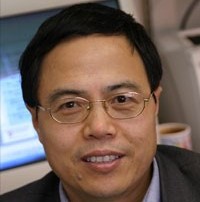
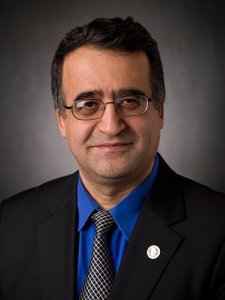
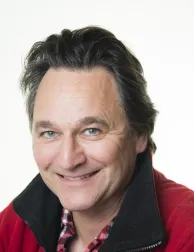
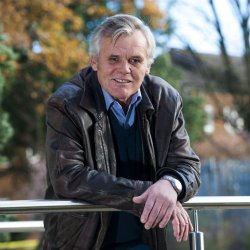
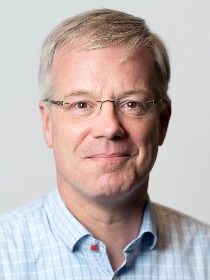
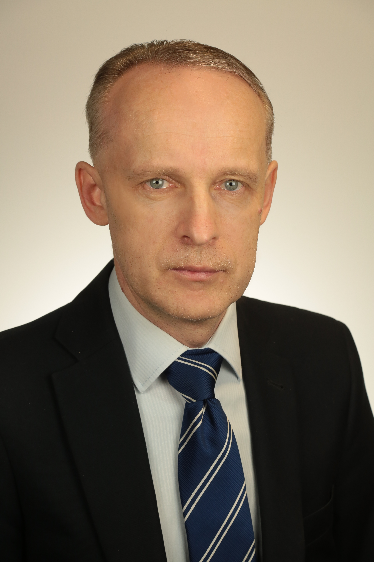
Simone Bachleitner is a Researcher at the Institute of Microbiology and Microbial Biotechnology within the Department of Biotechnology and Food Science at University of Natural Resources and Life Sciences, Vienna (BOKU) . Her work focuses on fungal genetics, epigenetic regulation, and metabolic engineering of yeast for organic acid production. She actively investigates chromatin structure's role in secondary metabolite gene expression in Fusarium species and develops engineered Komagataella phaffii strains for bio-based acid production from methanol. Her research bridges molecular biology, industrial biotechnology, and plant pathology. Recent publications highlight her contributions to: H3K27me3 epigenetic regulation in plant pathogens Mxr1/Mit1 transcriptional activation for lactic acid production Nonribosomal peptide synthetase cluster analysis in Fusarium Methanol-based itaconic acid bioprocess optimization She supervises graduate students and contributes to collaborative projects funded by the Austrian Science Fund (FWF) and European Commission.
Ling Ding is an Associate Professor at the Department of Biotechnology and Biomedicine, Technical University of Denmark, and a key member of the DTU Microbes Initiative and Center for Microbial Secondary Metabolites. Their research focuses on microbial ecology, secondary metabolite biosynthesis, and antifungal compound discovery. Recent work involves genome mining in Streptomyces species, NMR spectroscopy, and studying microbial interactions such as actinobacterial and Pseudomonas fluorescens systems. Projects explore bioactive phosphorus-containing molecules, in situ detection of metabolites, and data-driven biosynthesis mechanisms. Their research contributes to UN Sustainable Development Goals (SDGs) related to health and environmental sustainability, with publications spanning microbial chemistry, drug discovery, and synthetic biology. Supervised PhD projects include omics-driven antifungal metabolite discovery and microbial interaction studies. Key publication trends include Streptomyces-derived bioactive compounds (e.g., lydicamycins, alligamycin), azoxy/polyketide metabolites, and computational approaches for fungal interaction classification. Methodologies emphasize NMR, genome mining, and deep learning models. Advising: PhD students: M. Haahr, A. Kostoglou, D. J. Otto, A. Svetlova, A. Kaltenyte Projects: Active roles in omics-driven antifungal metabolite discovery, phosphorus-containing molecule mining, and secondary metabolite biosynthesis mechanisms.
Dr. Shulin Chen Dr. Shulin Chen is a Professor in the Department of Biological Systems Engineering at Washington State University (WSU), affiliated with the College of Agricultural, Human, and Natural Resource Sciences (CAHNRS). His research focuses on bioenergy and bioproducts engineering, particularly in anaerobic digestion systems for dairy waste conversion, sustainable biorefinery processes, and microbial metabolic engineering. Research Interests: Biodegradable plastics and anaerobic digestion Industrial biotechnology for biofuel production Wastewater nutrient recovery Algal-bacterial synergies in bioremediation Thermophilic microbial systems His team has developed six anaerobic digestion systems in Washington State, reducing greenhouse gas emissions and mitigating water pollution. In 2022, he received the WSU Innovation and Entrepreneurship Award for advancing sustainable industrial processes. Dr. Chen leads a multidisciplinary research group of over 20 scientists, graduate students, and visiting scholars. Awards: 2022 Innovation and Entrepreneurship Award, Washington State University Key Projects: Conversion of dairy manure to bioenergy Bioconversion of lignocellulosic biomass Biopolymer production via engineered microbes
Ali Demirci is a Professor in the Department of Agricultural and Biological Engineering at the College of Agricultural Sciences, Pennsylvania State University, where he leads research in food safety engineering and sustainable bioprocessing. His work bridges agricultural engineering with microbiology to develop innovative solutions for food safety and bioresource utilization. His research program focuses on three interconnected domains: Non-thermal Food Safety : Development and characterization of pulsed UV light, electrolyzed oxidizing water, and ozone for microbial inactivation on food surfaces and equipment Advanced Bioreactor Systems : Design of biofilm bioreactors for enhanced production of high-value compounds like menaquinone-7 and nisin using immobilized microbial cultures Waste Valorization : Conversion of agricultural byproducts (particularly distillers' dried grains) into biofuels, enzymes, and functional food ingredients through optimized fermentation processes Analysis of his 2022-2025 publications reveals a strategic research trajectory toward sustainable bioprocess intensification. His work increasingly integrates circular economy principles, focusing on non-sterile processing, waste stream utilization, and techno-economic feasibility. Key technological threads include biofilm reactor scalability, lignocellulosic enzyme optimization, and pulsed light decontamination systems for industrial implementation. Professional recognition includes being honored as part of the Penn State College of Agricultural Sciences faculty by a national society in October 2024, highlighting his contributions to agricultural engineering. Dr. Demirci's research program demonstrates strong industry relevance through development of practical technologies for food safety enhancement and agricultural waste conversion. His collaborations span microbiology, food science, and chemical engineering disciplines, with publications appearing in leading journals including Bioprocess and Biosystems Engineering, Journal of Food Engineering, and Food and Bioprocess Technology. Current projects focus on scaling biofilm reactor technologies and integrating first- and second-generation bioethanol production systems.
Dr. D. Grant Allen is a Professor and Frank Dottori Chair in Pulp and Paper Engineering at the University of Toronto's Department of Chemical Engineering and Applied Chemistry (Faculty of Applied Science and Engineering). He serves as Principal Investigator at the Bioprocess Engineering Lab and BioZone research center. His education includes a B.A.Sc. and M.A.Sc. from the University of Toronto, and a Ph.D. from the University of Waterloo. Dr. Allen's research focuses on environmental bioprocess engineering , with emphasis on: Microalgae cultivation for biofuels/chemicals using CO₂ and wastewater Advanced biological wastewater treatment and toxicity reduction Biosolids dewatering using novel bioflocculants and enzymatic methods Bioconversion of waste streams into value-added products Biofilm/floc microbiology and process optimization His publications demonstrate strong interdisciplinary trends in sustainable waste valorization, algal biotechnology, and advanced sludge treatment techniques, with consistent focus on industrial applications in pulp/paper and wastewater sectors. Awards & Honors: Sustained Excellence in Teaching Award (2022) Professor Diran Basmadjian Teacher of the Year Award Fellow: Chemical Institute of Canada, AAAS, Canadian Academy of Engineering, Engineering Institute of Canada LeSuer Memorial Award for Technical Excellence He currently advises graduate students and leads collaborative projects with industry/government partners. As Principal Investigator at BioZone, he coordinates interdisciplinary teams developing bioscience solutions for sustainability. Current projects include photocatalytic wastewater pretreatment and microfluidic carbon capture systems.
Per Erik Saris is a Professor at the Department of Microbiology, Faculty of Agriculture and Forestry, University of Helsinki. His research spans microbiology, food biotechnology, and functional food development. Research focuses on microbial applications in food systems including probiotic and postbiotic development, fermentation processes, bioactive compound production, and food safety innovations. Key areas include bacteriocin applications, microbial genomics, and sustainable food processing. Recent publications demonstrate advancements in functional foods, novel fermentation techniques, and microbiome interactions with human health. Research integrates microbiology with food science and biotechnology principles. Ongoing projects include Parkinson's microbiome interactions, cereal-based fermented foods for nutrition enhancement, and spray-drying stabilization techniques for probiotics.
Dr. Guido Bosch is an Assistant Professor in the Department of Animal Sciences at Wageningen University & Research, Netherlands. His research focuses on feed evaluation in pets, zoo, and production animals, particularly investigating how food properties influence appetite and intake behavior. Key areas include fermentable fibers, Maillard reaction products in pet foods, and the nutritional potential of insects as protein sources. He holds a PhD in canine nutrition and has strong interests in evolutionary feeding ecology and animal physiology. Education: PhD in Animal Nutrition (focus on canine behavior and nutrition). Affiliations: Animal Nutrition Group at Wageningen University, collaborating with institutions like Protix and Petgood AB on insect-based feed studies. Expertise spans animal health, food technology, and in vitro digestibility analysis. Research highlights include studies on black soldier fly larvae (BSFL) meal in cat diets, pellet manufacturing optimization, and bioconversion of organic waste via insect larvae. His work bridges nutritional science with sustainable agriculture, emphasizing circular economy solutions.
Prof. Alexander Mathys is an Associate Professor at the Department of Health Sciences and Technology, ETH Zurich, and Deputy Head of the Institute of Food, Nutrition, and Health. His research focuses on sustainable food processing, with a systems-oriented approach to optimize food value chains and address environmental, economic, and social impacts. Key areas include microalgae and insect-based protein sources, bioconversion of food waste, and novel preservation technologies. Education: PhD in Food Processing (2008), Tenured Professor (2022). Affiliations: Singapore-ETH Centre, Bezos Centre for Sustainable Protein (NUS). Research Interests: Sustainable food systems, bioeconomy principles, multi-indicator sustainability assessments. Innovations include urban farming concepts, microalgae cultivation for nutrition, and mechanical/biotechnological food processing techniques. Awards: IAFoST Fellow (2024), ETH Zurich Dandelion Award (2022), IFT International Food Security Award (2020), Young Researcher (Nobel Laureates Meeting, 2010). Grants & Advising: Over 200 publications (140 peer-reviewed articles), 13 patents, and extensive international collaborations. Leads the Sustainable Food Processing group at ETH Zurich. Labs/Teams: Directs interdisciplinary research teams exploring novel protein sources, food waste valorization, and scalable bioprocessing technologies.
Dr. Franjo Cecelja is a Reader in the School of Chemistry and Chemical Engineering at the University of Surrey. He holds a Dipl. Eng. from the University of Zagreb, an M.Sc. from Cranfield Institute of Technology, and a Ph.D. from Brunel University. His research focuses on systems engineering for energy and industrial applications, optimization, decision making, and semantic technologies. He has led projects such as the FP7 (Marie Curie LTN) initiative on renewable energy systems engineering (£425k, 2013–2018). His work spans ontology engineering applications in biorefining, waste valorization, and sustainable processing. Notable contributions include semantic frameworks for model and data integration in biorefineries and decision support systems for industrial symbiosis. Education: Ph.D., Brunel University (Optical Sensors for Electric Fields) M.Sc., Cranfield Institute of Technology (Control & Signal Processing) Dipl. Eng., University of Zagreb (Aerospace Technology) His research interests integrate ontology engineering with process systems engineering to address challenges in biorefining, industrial symbiosis, and sustainable resource management. Recent publications emphasize semantic technologies for waste valorization, PFAS treatment, and decision-making frameworks in biorefining. Dr. Cecelja’s FP7 project demonstrated leadership in renewable energy systems, leveraging semantic networking facilities and value chain optimization. His work bridges academic research with industrial applications, emphasizing circular economy principles and model-driven decision support. Labs/Teams: His research is conducted within the University of Surrey’s School of Chemistry and Chemical Engineering facilities, collaborating with interdisciplinary teams on biorefining and process systems engineering.
Prof. Marc van der Maarel serves as Director of the School of Science and Engineering and holds a Professorship in the Faculty of Science and Engineering at the University of Groningen. His academic career includes roles as a University lecturer in Microbial Ecology (1995–1999), Senior scientist and project manager at TNO Quality of Life (1999–2008), and Manager Product and Application Development at AVEBE Food Innovation Center (2009–2011). He currently maintains affiliations as a visiting professor (2006–2011) and advisor to industrial entities like modAlgae BV and Imem Holding BV. Van der Maarel earned his M.Sc. in Applied Biology (microbiology and biochemistry) from Radboud University (1986–1991) and a Ph.D. in Microbiology from the University of Groningen (1991–1995), with a thesis titled “Anaerobic microbial degradation of methylated sulphur compounds” . He also attended the Summer School Microbial Diversity at the Marine Biological Laboratory in Woods Hole, USA (1994). His research focuses on carbohydrate bioprocessing , including glycogen structure and biosynthesis in microorganisms, starch modification via microbial enzymes, and applications of glycoside hydrolases. He explores enzyme engineering for industrial biocatalysis, functional food development, and sustainable biomass utilization. His work aligns with UN Sustainable Development Goals related to food security and innovation. Van der Maarel leads research projects on glycogen synthesis in red microalgae (Galdieria), synergistic enzyme systems in thermophiles, and Indonesian starch bioconversion. His publications emphasize enzymatic mechanisms, structural carbohydrate analysis, and industrial applications of microbial enzymes. He advises students such as PhD candidate C. Yang and collaborates with institutions like TNO and AVEBE. External roles include leadership in pharmacy and biology education boards and participation in academic committees (e.g., CCTO, ALAMY_6). His research portal highlights active engagement with enzyme characterization and microbial metabolism studies. Labs and teams: Directs the Bioproduct Engineering department and collaborates on the Centre for Carbohydrate Bioprocessing (UGR-TNO) and Carbohydrate Competence Centre. Maintains research ties with the AVEBE Food Innovation Center and modAlgae BV.
Professor Sławomir Borysiak is a distinguished academic at Poznań University of Technology, where he serves as Head of the Polymer Department within the Faculty of Chemical Technology. With a career spanning over two decades, he earned his Master of Science in Engineering in 1996, PhD in Chemical Sciences in 2000, completed his habilitation in 2013, and achieved the rank of university professor in 2020. His work bridges academic research and industry applications, serving as Faculty Coordinator for Cooperation with Industry and as a member of the University Team for Cooperation with the Economy. Current Position: Professor, Head of Polymer Department Institution: Poznań University of Technology, Faculty of Chemical Technology Scientific Disciplines: Chemical Sciences (75%), Materials Engineering (25%) ORCID: 0000-0003-3485-4787 Professor Borysiak's research focuses on the physicochemistry of polymers, plastics processing and recycling, and polymer composites containing renewable fillers of plant origin. His work extends to structural studies of low molecular weight compounds, minerals, polymers and nanomaterials, with particular emphasis on the functional properties of plastics and composite materials. His laboratory investigates innovative approaches to wood-polymer composites, nanocellulose applications, and sustainable material development. Analysis of Professor Borysiak's publication record reveals a strong focus on sustainable polymer composites, with particular emphasis on lignocellulosic materials, nanocellulose applications, and renewable fillers. His recent work shows increasing integration of nanotechnology with traditional polymer science, particularly in developing antimicrobial properties, enhanced mechanical characteristics, and improved sustainability profiles for polymer composites. The research spans fundamental material science to practical applications in construction, packaging, and biomedical fields. Professor Borysiak has received recognition through his appointment as Vice-Chairman of the University Disciplinary Committee for Doctoral Students and as a member of the Board of the Polish Chemical Society, Poznań Branch. He also serves on the Polish Society of Calorimetry and Thermal Analysis and the Awards Committee of the Polish Chemical Society. As an educator, Professor Borysiak has supervised multiple doctoral dissertations, including those of Majka Odalanowska (2023) and Aleksandra Grząbka-Zasadzińska (2017). His teaching portfolio includes courses on physicochemistry of polymers, composites, nanomaterials, polymer materials technology, and chemical technology. He maintains active scientific collaborations with institutions including University of Edinburgh, Institute of Molecular Physics of the Polish Academy of Sciences, Casimir the Great University in Bydgoszcz, and several other Polish universities. His laboratory focuses on polymer research with particular expertise in wood-plastic composites, nanocellulose applications, and sustainable material development. Current projects involve developing antimicrobial polymer composites, enhancing material properties through novel hybrid fillers, and investigating the effects of various treatments on lignocellulosic materials.
Magnus Carlquist is a Professor at the Division of Biotechnology and Applied Microbiology , Lund University, and a member of the LTH Profile Area: Food and Bio . His research focuses on biocatalysis, yeast engineering, and synthetic biology applications for sustainable biochemical production. Key Affiliations : Lund University, LTH (Faculty of Engineering), LU Microbial Flow Cytometry Labs. His work addresses UN Sustainable Development Goals like SDG 12 (Responsible Consumption and Production) and SDG 13 (Climate Action) , emphasizing bioprocess optimization and microbial engineering for bioactive compounds. Recent projects include yeast peroxisome engineering (Swedish Research Council) and sustainable alkylamine production (FORMAS). Notable research trends include CRISPR-Cas9 for reductive amination, heterologous protein expression in yeast, and flow cytometry for dynamic bioprocess control. His team investigates stress tolerance in yeast and compartmentalization strategies for capsaicinoid biosynthesis. He organizes interdisciplinary conferences on synthetic biology governance and mentors PhD students. Infrastructure managed: LU Microbial Flow Cytometry Labs.
Professor Volker F. Wendisch serves as Professor and Chair of Genetics of Prokaryotes at Bielefeld University's Faculty of Biology. He is Scientific Director of the Center for Biotechnology (CeBiTec) since 2024 and has held leadership roles including Dean of the Department of Biology (2016-2018) and Vice Chairman of the Cluster of Industrial Biotechnology (CLIB) since 2023. His research focuses on microbial metabolic engineering, particularly using Corynebacterium glutamicum as a cell factory for sustainable production of valuable compounds. His work spans industrial biotechnology, molecular genetics, and synthetic biology with applications in pharmaceuticals, food additives, and bio-based materials. His team develops novel metabolic pathways for producing amino acids, carotenoids, pharmaceutical precursors, and specialty chemicals from renewable resources. Wendisch's recent publications reveal a strong focus on sustainable bioproduction from waste streams, optimization of microbial processes, and development of novel microbial cell factories. His research increasingly emphasizes circular economy principles, utilizing agricultural sidestreams and food waste as feedstocks for amino acid and specialty chemical production. Distinguished Scientist Award of the International Bioprocessing Association (2019) Schwarzbich Inventor Award (2019) As Scientific Director of CeBiTec and former Dean of Biology at Bielefeld University, Wendisch has secured significant research funding and established numerous collaborative projects including the CLIB-Competence Centre Biotechnology. His leadership extends to coordinating the BMBF collaborative research network on Genome reduction and serving on the Senate of Bielefeld University. Wendisch leads the Prokaryote Genetics Group at CeBiTec, which focuses on fundamental and applied research in bacterial genetics and metabolic engineering. His team maintains strong industry partnerships through CLIB and works on translating basic research into industrial applications, particularly in the bioeconomy sector.
Hariklia N. Gavala is a Professor in the Department of Chemical and Biochemical Engineering at the Technical University of Denmark (DTU). She leads research activities at the PROSYS - Process and Systems Engineering Centre and CERE – Center for Energy Resources Engineering, contributing to the DTU Microbes Initiative. Her work focuses on sustainable biorefinery concepts, leveraging mixed microbial consortia for bioconversion of biomasses and industrial effluents into chemicals, biofuels, and materials. Key areas include anaerobic digestion, fermentation process optimization, PHA production, and membrane-based downstream processing. Research expertise includes bioconversion kinetics modeling, pretreatment methods for biomass exploitation, and innovative reactor designs like trickle bed reactors for high-rate gas fermentation. Her work aligns with UN Sustainable Development Goals, particularly addressing clean energy and sustainable production. Current projects involve supervision of PhD students in areas such as CO bioconversion in trickle bed reactors, syngas fermentation, and membrane-integrated bioprocesses. She collaborates internationally on scaling gas fermentation technologies and advancing microbial electrosynthesis. Her contributions are evident in over 140 publications, with recent work emphasizing thermophilic fermentation scalability, CO conversion optimization, and electrochemical systems for chemical production.
Dr. Shahrooz Rahmati is a Senior Research Assistant in the School of Biology & Environmental Science at Queensland University of Technology (QUT) . His research focuses on nanomaterials synthesis, biosensor development, biomass conversion, and environmental sustainability. He holds a PhD in Chemistry from QUT and has contributed to over 20 publications, earning an H-index of 13. Education: BSc in Agricultural Engineering - Food Science and Technology MSc in Food Science PhD in Chemistry (QUT) Research Interests: Development of nanomaterial-based biosensors for disease diagnosis and environmental monitoring Conversion of agricultural waste into valuable products like xylooligosaccharides and biofuels Advanced analytical techniques including XRD, SEM, TEM, and spectroscopic methods Articles Trends: His work emphasizes sustainable solutions, with recent studies on catalytic biomass conversion, CO₂ capture materials, and SARS-CoV-2 detection biosensors. Key contributions include cover articles in Green Chemistry and impactful reviews in Biomass and Bioenergy . Lab/Teams: Affiliated with QUT's Centre for Materials Science and Centre for Agriculture and the Bioeconomy .