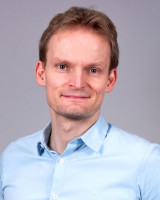
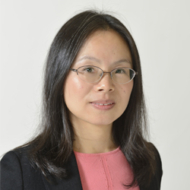
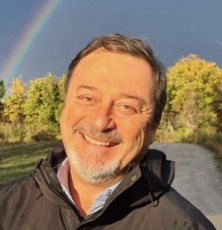
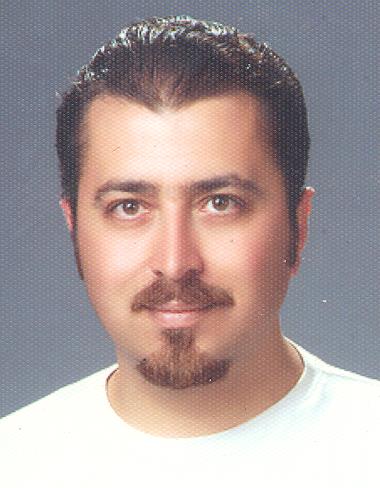
Luis Joaquim Pina da Fonseca is an Associate Professor at the University of Lisbon, affiliated with the Institute Bioengineering and Biosciences (iBB). His research focuses on industrial biotechnology, biochemical engineering, and enzyme immobilization, with applications in biocatalysis and bioprocess optimization. He teaches courses such as Biofuels and Principles of Bioprocess Engineering. His scientific activities include contributions to enzyme stability, biocathode microbial diversity analysis, and the development of magnetoresistive biochips. Collaborations span topics like DNA hybridization, bioelectricity generation, and biocatalyst design. He holds patents related to bioprocess engineering and enzyme immobilization technologies. Key research directions include improving biocatalyst performance in organic solvents, optimizing enzyme stability under varying conditions, and advancing biosensor technologies for biomedical and environmental applications. His work bridges fundamental bioengineering principles with applied industrial solutions.
Prof. Dr. Robert Wille is a Full Professor at the Technical University of Munich (TUM) in the School of Computation, Information and Technology and Chief Scientific Officer at the Software Competence Center Hagenberg GmbH . He leads the Chair for Design Automation , focusing on automatic methods for complex system design in conventional and future technologies. Studied Computer Science (Diploma) at the University of Bremen (2002-2006) Doctorate (summa cum laude) from the University of Bremen (2009) His research spans quantum computing , microfluidic biochips , field-coupled nanotechnologies , and reversible circuits , with applications in machine learning , artificial intelligence , and cyber-physical systems . Recent work includes quantum circuit verification, radar-camera fusion, and silicon dangling bond logic optimization. Robert Wille has received prestigious awards such as the ERC Consolidator Grant , Google Research Award , and Distinguished Professor appointment . He serves as Associate Editor for journals like IEEE TCAD and Springer LNCS, and has chaired conferences including DATE and ICCAD.
Dr. Amnon Buxboim is an Assistant Professor at the Hebrew University of Jerusalem, affiliated with the Alexander Grass Center for Bioengineering and the Department of Cell and Developmental Biology. His research focuses on mechanobiology, particularly the roles of mechanical forces in stem cell differentiation, nuclear mechanics, and embryo development. He leads the Buxboim Lab, which combines single-cell genomics, microrheology, and AI to study mechanotransduction in contexts like preimplantation embryos and inflammation. Key achievements include securing an ERC Starting Grant (2015) for bovine reproduction mechanobiology and developing novel technologies like the MechanoSCOPE for in situ embryo mechanics analysis. His lab trains students in biology, bioengineering, physics, and computer science, collaborating with clinicians for translational impact. Notable students include Yoav Kan-Tor (PhD, Computer Science), Nir Zabari (MSc), and Shlomi Brielle (PhD). Research interests span matrix-directed stem cell fate, embryo development prediction via deep learning, and nuclear lamina interactions. The lab also investigates inflammation's mechanical aspects in IBD and GvHD.
Dr. Junling Joyce-Hu is a Professor and Chair at the School of Engineering within the University of Bridgeport. Her research focuses on transport phenomena, welding engineering, and multiphysics modeling applied to manufacturing, electronics cooling, and drilling operations. Education: Ph.D. in Mechanical Engineering (Missouri University of Science and Technology, 2005) Key Research Areas: Computational Fluid Dynamics, Thermal Stress Analysis, Welding Process Simulation Labs Directed: Applied Computational Fluid Dynamics (CFD) Laboratory, Computer Aided Engineering (CAE) and Rapid Prototyping Laboratory Her publications address gas metal arc welding, plasma dynamics, and thermal management, with a focus on aerospace and drilling applications. She has received honors including recognition as an Excellent Reviewer for Metallurgical and Materials Transactions and Advanced Communicator Bronze from Toastmasters International.
Yangpo Cao is an Associate Professor and Ph.D. supervisor in the Department of Pharmacology at the School of Medicine, Southern University of Science and Technology (SUSTech). He joined SUSTech in June 2023 as an Assistant Professor and was promoted to Associate Professor in December 2023. Dr. Cao leads an independent research group focusing on cardiac development and diseases, utilizing cutting-edge technologies in molecular biology, cell biology, and epigenetics. Dr. Cao's educational background includes: Bachelor of Science in Agriculture from Northwest A&F University (2009-2014) Doctor of Philosophy from Peking University (2014-2020) Dr. Cao's research primarily focuses on the transcriptional regulation of cardiac development and diseases. His laboratory investigates the molecular mechanisms underlying cardiac physiology and pathophysiology, with particular emphasis on conditions such as cardiac hypertrophy, heart failure, and atrial fibrillation. By combining advanced techniques in molecular biology, cell biology, and epigenetics, his team aims to identify new therapeutic targets for cardiac diseases. His three primary research thrusts include epigenetic mechanisms regulating cardiomyocyte fate, mitochondrial quality control in cardiac pathology, and metabolic-epigenetic interactions in cardiovascular disease. Dr. Cao's publication record demonstrates significant contributions to cardiovascular research, with numerous first-author papers in high-impact journals including Circulation , Circulation Research , Nature Cardiovascular Research , PNAS , and Developmental Cell . His work spans transcriptional regulation, epigenetic mechanisms, and mitochondrial quality control, with several papers selected as highlight articles in American Association of Cardiology scientific issues and as cover articles in top cardiovascular journals. Dr. Cao's scientific achievements have been recognized through several prestigious awards: Academic Innovation Award in Peking University (2018) Academic New Talent Award of School of Basic Medical Sciences, Peking University (2019) Outstanding Graduates of Beijing City (2020) Outstanding Graduates of Peking University (2020) Excellent Doctoral Dissertation in Peking University (2020) National High-Level Young Talent (2023) Shenzhen Pengcheng Peacock Distinguished Expert (2023) As a doctoral supervisor at SUSTech, Dr. Cao mentors graduate students in cardiovascular research. His laboratory employs a range of high-throughput, multi-omics approaches including AAV-MPRA, AAV-Perturb-seq, HiC, HiChIP, snMultiomics, CASAAV, and bioChiP-seq to investigate transcriptional regulation in cardiac development and cardiomyopathy. He has secured research funding that supports his innovative approaches to understanding cardiac disease mechanisms. Dr. Cao's research group operates within the Department of Pharmacology at SUSTech's School of Medicine, collaborating with various institutions including Harvard Medical School where he completed his postdoctoral training. His work bridges basic science and clinical applications, with the goal of developing novel therapeutic strategies for cardiac diseases. He serves on committees including the Clinical and Basic Research Branch of the Guangdong-Hong Kong-Macao Greater Bay Area Cardiology Association and is an active member of both the American Heart Association and International Society for Heart Research.
Federico Pepi is an Associate Professor at the Department of Chemistry and Pharmaceutical Technologies, University of Rome "La Sapienza", Faculty of Pharmacy and Medicine. His research focuses on gas-phase ionic chemistry, mass spectrometry applications, and microdroplet reactivity, with significant contributions to surface functionalization techniques. Dr. Pepi earned his Degree in Chemistry and Pharmaceutical Technologies from University of Rome "La Sapienza" in 1989 with a grade of 106/110. He completed his PhD in Chemical Sciences in 1993 and has been at the University of Rome "La Sapienza" since 1995, first as a University Researcher (1995-2003) and then as Associate Professor (2004-present). His research primarily investigates the structure and reactivity of ionic and neutral species in the gas phase. He specializes in using mass spectrometry, particularly triple quadrupole and ion trap techniques, to study gas-phase ion chemistry. A significant portion of his work focuses on the interactions between ions and solid surfaces, developing techniques like "reactive landing" for functionalizing electrode surfaces with redox proteins, which has applications in biosensors and biofuel cells. His publications demonstrate expertise in analyzing reaction mechanisms, particularly in carbohydrate chemistry and dehydration processes. Analysis of his recent publications reveals a continued focus on gas-phase ion chemistry while expanding into applications in food science, pharmaceutical development, and green chemistry. His work increasingly combines traditional gas-phase studies with microdroplet chemistry, exploring accelerated reactions in confined volumes and thin films. There's also a growing interest in the application of his techniques to biomedical problems, including inflammation research and SARS-CoV-2 related studies. Dr. Pepi has received several scientific awards throughout his career: Winner of two PhD competitions (Chemical Sciences and Pharmaceutical Sciences) in 1990 CNR scholarship from the National Committee for Chemical Sciences in 1993 Degree prize named after Prof. Giordano Giacomello in 1993 Winner of the Post-doctoral competition in Pharmaceutical Sciences in 1994 CNR-NATO scholarship for research abroad in 1999 Dr. Pepi has held multiple teaching positions at the Faculty of Pharmacy and Medicine, including General and Inorganic Chemistry for Pharmacy (10 credits), Analytical Chemistry and Complements of General and Inorganic Chemistry for Pharmacy (8 credits), and General and Inorganic Chemistry for Biotechnology (6 credits). His research has been supported by projects including "Study of the reactivity of ionic species in charged microdroplets by 'Ambient' Ion Soft-landing." He has collaborated with researchers at Purdue University (Prof. Graham Cooks), CNR research institutes, and several Italian universities (Tor Vergata, University of Campania, University of Perugia). His laboratory work focuses on developing and applying "reactive landing" techniques for surface functionalization, particularly for creating modified electrodes with biological molecules. This research has led to advancements in biosensor technology and the study of direct electron transfer between redox molecules and electrode surfaces. His team has successfully deposited enzymes and mediators on gold electrodes and nanostructured materials like multi-walled carbon nanotubes.
Assistant Professor Murat Akbaba is affiliated with Gaziantep University Faculty of Medicine , where he contributes to the Department of Forensic Medicine . His academic career spans from 2018 to present as Assistant Professor, with prior roles as Lecturer (2012-2018) and Research Assistant (2006-2008). He holds a medical specialization from Gaziantep University (2008-2012) and completed medical education at Akdeniz University (1993-2000). Research Interests : Forensic medicine, legal medicine, forensic toxicology, child abuse cases, genetic studies in juvenile delinquency (CRHR1/FKBP5 genes), immunohistochemical wound aging, occupational accident analysis. Projects : Led studies on synthetic cannabinoids, forensic document analysis, and wound age determination. Completed four national projects, including a 2022-2023 LC-MS/MS stability analysis for NPS. Publications : Authored 24 peer-reviewed articles, focusing on interdisciplinary topics like Forensic Toxicology , Journal of Forensic and Legal Medicine , and European Journal of Therapeutics . Key areas: drug screening methods, suicide risk factors, and forensic genetics. Editorial Roles : Editorial board member of European Journal of Therapeutics (2024). Teaching : Delivered courses on medical ethics, forensic psychiatry, wound analysis, and legal responsibilities since 2017. Memberships : Member of the Forensic Toxicology Association (2013) and Association of Forensic Medicine Specialists (2009).
Javier Davila Martin serves as a Professor in the Department of Aerospace Engineering and Fluid Mechanics at the Higher Technical School of Engineering, University of Seville. His academic career focuses on experimental and theoretical fluid dynamics with applications spanning renewable energy systems, environmental engineering, and industrial processes. His research expertise encompasses multiphase flow phenomena, turbulence-particle interactions, electrohydrodynamics, and vortex dynamics. Key investigation areas include micro-droplet/bubble generation mechanisms, particle settling in turbulent flows, Taylor cone electrospraying, and fluid dynamics in algae-based wastewater treatment systems. Current work emphasizes optimizing raceway pond designs and developing vortex-based mixing technologies for photobioreactors. Analysis of his 10 publications (1992–2005) reveals consistent focus on fundamental fluid mechanics principles applied to environmental challenges. Dominant themes include turbulence-enhanced particle coalescence (cloud physics applications), electrohydrodynamic scaling laws for electrospraying, and three-dimensional bubbly vortex structures. His work bridges theoretical modeling with experimental validation across solar thermal energy, microalgae cultivation, and industrial atomization processes. Davila Martin has secured extensive research funding as principal investigator for 15+ national and European projects. Notable initiatives include the H2020 INCOVER project for algae-based wastewater treatment, solar thermal steam generation systems (ENE2004-06907), and vortex-based devices for microalgae bloom control (BLOOM project). His patent portfolio includes 15+ inventions related to droplet generation, vortex reactors, and water treatment technologies. He leads the MPFlow (Multiphase Flows) research group at the University of Seville, which specializes in experimental and numerical analysis of complex fluid phenomena. Current team activities focus on developing high-efficiency mixing systems for raceway ponds, optimizing oxygen transfer in SBR wastewater reactors, and creating patented vortex technologies for industrial applications in desalination and biochip production.