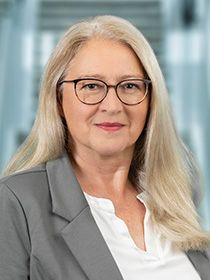
Aleksandra Trojanowska is a tutor at the Academy of Fine Arts in Wrocław , affiliated with the Faculty of Graphics and Media Art's Media Art Department. She teaches subjects including Video , Intermedia Graphics , and Time-based and Interactive Media . Education BSc in General Biology (University of Life Sciences in Wrocław, 2020) MA in Media Art (Eugeniusz Geppert Academy of Art and Design, 2016) PhD in Interdepartmental Doctoral Studies (Eugeniusz Geppert Academy of Art and Design, 2019) Her research bridges science and art , focusing on biocentric phenomena , ecosystem degradation , and altruism in an egocentric world . She develops bio-workshops to inspire students through biological experimentation, emphasizing social activism and natural education. Her 2017 publication Moved Image Previous Next explores interdisciplinary approaches to bio-audiovisual installations, reflecting trends in merging ecological critique with interactive media. Scientific Awards : J. Grotowski Scholarship of the President of Wrocław for PhD students (2018) Lower Silesian Small Grants (2017) Scholarship of the Minister of Culture and National Heritage (2015) She has organized and curated international exhibitions (Detroit, Wrocław, Wellington) and participated in conferences like the National Media Art Conference Dynamic Systems (2018), focusing on biocentrism-anthropocentrism.
Anna Wienhues is a tenure-track lecturer at the Higher Institute for Philosophy at KU Leuven, affiliated with the Center for Political Philosophy and Ethics (RIPPLE). Her research focuses on environmental ethics, ecological justice, and the moral dimensions of biodiversity conservation. She explores topics such as distributive justice in resource allocation, interspecies relations, and the ethical implications of climate change and species extinction. Her work critically examines how political and philosophical frameworks address planetary boundaries and the role of nature in justice theories. She has contributed to debates on reparative justice for biodiversity loss, the moral status of microbial life, and the ethics of intensive animal agriculture. Her interdisciplinary approach bridges philosophy with practical environmental policy. Wienhues' recent publications emphasize the urgency of integrating ecological considerations into distributive justice theories, particularly in contexts like land use and conservation. She advocates for frameworks that recognize the intrinsic value of diverse life forms and address inequities between global and local stakeholders in environmental governance. While no formal awards are listed, her contributions to ecological justice theory have positioned her as a leading voice in contemporary environmental philosophy. She collaborates with networks like Ethics @ KU Leuven and actively engages in public discourse through blogs and commentary on just conservation practices.
Figen GİRGİN is an Associate Professor at Trakya University’s Faculty of Education, Department of Fine Arts Education. She holds a PhD in Education Sciences from Marmara University (2015) and a BSc in Art and Crafts Teacher Education from Trakya University (2009). Her academic journey includes roles as Research Assistant (2015), Assistant Professor (2021), and Associate Professor (2021) with a focus on art education and contemporary art practices. BSc: Art and Crafts Teacher Education, Trakya University (2009) PhD: Education Sciences, Marmara University (2015) Her research spans art education , painting , reproduction techniques , and interdisciplinary explorations of light, shadow, and genetic motifs in contemporary art. She examines how artists like Joseph Beuys and Diego Velazquez inform modern practices and investigates themes such as migration and climate change through visual media. Key trends from her 15 most recent publications include studies on repetition in art , light-based techniques , and science-art intersections . Articles like "Traces of Art: Artist Diaries and Notebooks" (2023) and "Global Climate Change in Contemporary Art" (2022) highlight her emphasis on documentation, environmental themes, and cross-disciplinary methodologies.
Dr. Elfriede Neuhold is a Researcher at the University for Continuing Education Krems, affiliated with the Platform for Sustainable Development (SDGs). Her work focuses on transdisciplinary approaches to sustainability, ethical responsibility in facility management, and urban development. She leads projects such as the life cycle assessment of sustainable investments in buildings and actively participates in initiatives like UniNETZ beWEGt to advance sustainable university practices. Research Interests Her research spans biocentric ethics, the intersection of law and sustainability ethics, and the application of Vedantic constructivism in transdisciplinary contexts. She explores macro-, meso-, and micro-level strategies for sustainable urban planning and real estate development. Recent work includes analyzing energy management in facility operations and advancing low-carbon economies through building science innovations. Key Contributions Neuhold has authored or co-authored influential publications including The Epistemology of Vedantic Constructivism (2025), Transformation der Hochschullehre (2023), and edited conference proceedings on sustainable urban quarters. Her lectures address topics like biocentric ethics, transnational sustainability frameworks, and the legal dimensions of facility management accountability. Grants & Projects As principal investigator, she led the FFG-funded project Life cycle assessment of sustainable investments in buildings and facilities (2015). Her work bridges academic research with practical implementation through engagement with institutions like INservFM and the Forum Building Science.
Professor Marcus Stueck leads research at DPFA Academy and International Biocentric Research Academy in Leipzig. His pioneering work develops biocentric approaches to human development, examining psychological impacts of crises like the COVID-19 pandemic across diverse populations. Research Focus: Integrates psychological theory with sustainability through: Biocentric development frameworks Cross-cultural stress management Pandemic mental health interventions Trauma-to-growth pathways Editorial Leadership: Serves as Guest Associate Editor for Frontiers in Psychology, coordinating research on educational and environmental psychology. His work spans Germany, Indonesia, Iran and Portugal with 26+ publications examining crisis adaptation.
Prof. Dr. Mehmet TUNÇER is a renowned academic in urban planning and cultural heritage conservation, affiliated with the Faculty of Engineering and Architecture, City and Regional Planning Department at Abant İzzet Baysal Üniversitesi. He holds a PhD in Political Science and Public Administration from Ankara Üniversitesi (1995) and has extensive academic experience, including serving as Department Chair (2007–2012). His career spans over 40 years, focusing on urban conservation, sustainable development, and cultural heritage preservation. Education: PhD in Political Science/Public Administration, Ankara Üniversitesi (1992–1995) Master's in Restoration, Middle East Technical University (1982–1984) Bachelor's in Urban and Regional Planning, Middle East Technical University (1975–1980) Research Interests: Urban planning principles, cultural heritage conservation, environmental planning, sustainable urban development, and historical urban studies. His work emphasizes interdisciplinary approaches to urban challenges, integrating ecological, historical, and social dimensions. Key Contributions: Authored over 90 publications, including books on Ankara's urban history and cultural preservation. Directed 16 theses on urban regeneration, sustainable housing, and heritage protection. Consulted on major projects like the Amasra Conservation Plan and Dicle Valley Environmental Master Plan. Recipient of the 2. Mansiyon Award (2001) for contributions to local governance studies. Teaching & Grants: Taught courses such as Urban Conservation and Priority Area Planning. Led research projects funded by national and international bodies, focusing on sustainable urban design and environmental planning. Labs/Teams: Active in interdisciplinary urban research initiatives, including the Ankara Urban Monitoring Center and collaborations with organizations like UNESCO and ICCROM.
Aneta Dawidowicz is a Professor at Maria Curie-Skłodowska University (UMCS), Faculty of Political Science and Journalism, Department of Political Thought and Political Communication. She holds a doctorate (2005) and habilitation (2017) in political science, with a focus on Polish nationalist political thought. PhD: Political Science, UMCS (2005) Habilitation: Political Science, UMCS (2017) Her research focuses on Polish political thought from 19th–20th centuries, particularly National Democracy ideology, political communication , and nationalist press history. She has published extensively on topics including: Interwar nationalist economic debates Christian values in political doctrine Women's position in nationalist ideology Kresy (borderlands) population policy Biographical analysis of key figures Press as ideological tool Her research grants include the National Science Center (NCN) OPUS 5 project (2014–2017) on National Party political thought. She has received multiple scientific awards including the Jan Baszkiewicz Award (2019) and UMCS Rector's distinctions (2018).
Joana Rita Fonseca is a Researcher at ISTAR-Iscte, affiliated with the Digital Living Spaces group. She graduated in Architecture from the University of Coimbra in 2006 and has over a decade of professional experience in architectural projects spanning housing, schools, and commercial spaces. Current affiliation: ISTAR-Iscte - Research Center in Information Sciences, Technologies and Architecture Alumni: University of Coimbra Her research focuses on ecological sustainability in architecture and urban planning , particularly in rehabilitation processes. She explores how human activities in urban development can be rebalanced to promote ecosystem self-regeneration, emphasizing regenerative systems and the environmental impact of buildings . The thematic scope of her publications since 2006 includes urban sustainability , regenerative design , and paradigm shifts in development . Key subtopics revolve around place-based architectural theory , biocentric ethics , and ecosystem integration in urban environments. As a former research fellow at the University of Coimbra, she contributed to projects analyzing historical urban contexts and sustainable intervention strategies. Her professional portfolio includes managing architectural projects and mentoring students through internships and tutoring.
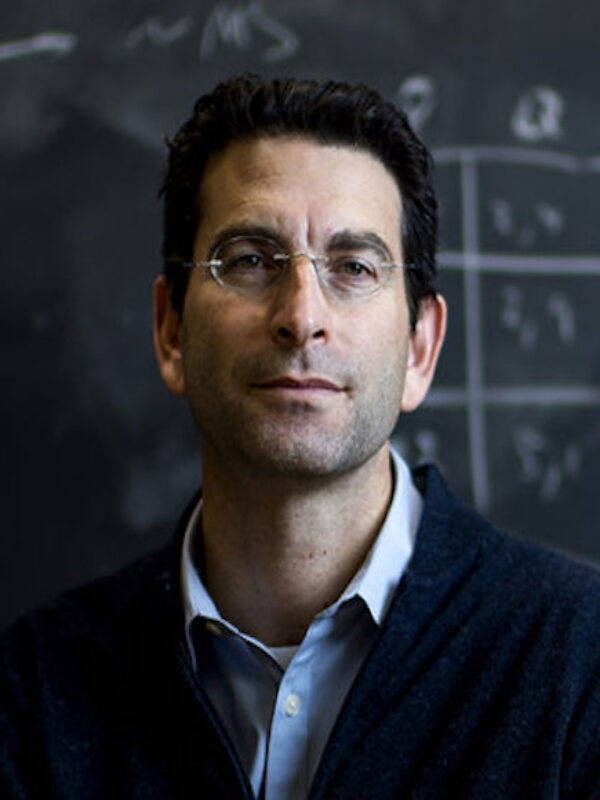
Ronald Sandler is a Professor of Philosophy and Director of the Ethics Institute at Northeastern University’s College of Social Sciences and Humanities. His work bridges theoretical and applied ethics, with a focus on environmental ethics, emerging technologies, and Spinoza’s philosophical contributions. Ph.D., Philosophy, University of Wisconsin-Madison (2001) His research explores the ethical dimensions of ecological crises, the moral implications of technological advancements, and the integration of virtue ethics into environmental frameworks. Publications like Environmental Ethics: Theory in Practice and The Ethics of Species reflect his commitment to addressing anthropocentrism, biodiversity, and sustainability. Ronald has received Northeastern University’s Excellence in Teaching Award, underscoring his dedication to pedagogy in moral philosophy and applied ethics. He collaborates with colleagues such as Elizabeth Bucar and Patricia Illingworth in the Department of Philosophy and Religion. Excellence in Teaching Award, Northeastern University Ronald’s leadership of the Ethics Institute and affiliations with the Social Science Environmental Health Research Institute highlight his interdisciplinary engagement. His work intersects with the broader missions of the College of Social Sciences and Humanities and Northeastern’s initiatives in global sustainability and ethical inquiry.
Sune Hannibal Holm is an Associate Professor in Philosophy at the University of Copenhagen's Department of Food and Resource Economics, specifically within the Section for Consumption, Bioethics and Governance. He holds a Ph.D. from the University of St. Andrews (UK) and has established himself as a leading scholar at the intersection of philosophy, ethics, and emerging technologies. Holm co-directs the Trustworthy AI Lab and serves on the scientific committee of the European Workshop on Algorithmic Fairness (EWAF), demonstrating his significant contributions to the field of AI ethics. His educational background includes: Ph.D. from the University of St. Andrews (2006) Cand. Mag. from University of Copenhagen (2000) M.Litt. from University of St. Andrews (1998) B.A. from University of Copenhagen (1997) Holm's research spans multiple interconnected domains including the ethics of artificial intelligence, philosophy of biology, and bioethics, with particular focus on synthetic biology and the machine-organism analogy. His work examines privacy, autonomy, transparency, responsibility, and discrimination in AI systems, while also exploring foundational questions in moral theory related to risk imposition and the precautionary principle. He has published extensively on the moral status of organisms in light of synthetic biology advancements and has contributed to interdisciplinary work on CRISPR/Cas9 technology ethics. Analysis of his publication record reveals consistent thematic development across two decades, with early work focusing on philosophical foundations of biology and ethics gradually expanding to address contemporary challenges in AI. His recent scholarship demonstrates increasing engagement with practical applications and policy implications, particularly regarding algorithmic fairness and trustworthy AI systems. The interdisciplinary nature of his work bridges humanities, social sciences, and technical domains, creating valuable dialogue between theoretical philosophy and real-world technological challenges. Holm has successfully secured research funding, most notably serving as Principal Investigator for the DFF2-project 'Living Machines?' (2016-2020), which examined philosophical issues relating to the machine-organism analogy. He is an experienced supervisor at BA, MA, and PhD levels, contributing significantly to academic training in philosophy and ethics. His leadership extends to co-directing the Trustworthy AI Lab, which focuses on developing ethical frameworks for AI implementation in healthcare and other critical domains. Within his institutional context, Holm actively participates in multiple research networks and collaborative projects addressing the ethical dimensions of emerging technologies. His work bridges academic research with public policy engagement, as evidenced by numerous media appearances and contributions to public discourse on AI ethics. The European Workshop on Algorithmic Fairness committee membership further demonstrates his standing in the international research community focused on responsible technology development.
Alice Bleby is a Lecturer in the Department of Business Law and Taxation at Monash Business School, Monash University, specializing in environmental, sustainability, and climate law with expertise in rights of nature, Anthropocene legal frameworks, and climate change legislation. She employs theoretical, doctrinal, and empirical methodologies to analyze legal responses to environmental crises. Her academic qualifications include: Master of International and European Environmental Law from Aix-Marseille Université Graduate Diploma of Legal Practice from Australian National University Bachelor of Arts/Bachelor of Laws (Honours) from the University of Melbourne Diploma of Modern Languages (French) from the University of Melbourne Bleby's research explores transformative legal concepts including Earth System Law, planetary boundaries integration, and climate mainstreaming mechanisms. Her work critically examines how legal systems can recognize nature's personhood and strengthen environmental protection during ecological crises, bridging theoretical frameworks with practical implementation challenges in rapidly evolving regulatory landscapes. Analysis of her 2020-2024 publications reveals concentrated scholarly focus on climate change mainstreaming frameworks and rights-of-nature jurisprudence, with significant contributions to understanding subnational climate governance and the operationalization of climate legislation. Her research demonstrates methodological innovation through multi-modal case studies examining law both 'on paper' and 'in practice'. No scientific awards were documented in the source materials. Bleby serves as Unit Coordinator for BTX3100 Sustainability Regulation for Business and has provided strategic policy advice through submissions to government committees including the Senate Standing Committee on Environment and Communications. Her prior professional experience encompasses Victorian Government policy roles and advisory positions focused on environment and climate change. She operates within Monash Business School's Impact Labs initiative, contributing to research that directly informs environmental policy development and legal innovation in sustainability governance.
Josh Rottman is an Associate Professor of Psychology and Scientific & Philosophical Studies of Mind at Franklin & Marshall College, where he also serves as Department Chair. He directs the Developing Moral Values Lab and holds a Research Associate position at the Oxford Uehiro Institute. Rottman earned his B.A. in Cognitive Science from Vassar College (2008) and Ph.D. in Psychology from Boston University (2015). His research bridges cognitive development and moral psychology, focusing on moral norm acquisition, disgust's role in judgment, and environmental ethics. Courses taught include Origins of Moral Thought, Nature/Nurture, and Minds, Machines, & Morals. His work appears in journals like Psychological Science and Cognition , with media features in National Geographic and Through the Wormhole . Rottman’s research explores how moral judgments develop in childhood and adulthood, addressing questions like the influence of disgust on harsher moral stances, religious impacts on moral beliefs, and expanding the moral realm to include environmental concerns. He collaborates with students on lab projects investigating moral flexibility and ethical decision-making. Beyond academia, he enjoys outdoor activities and creative pursuits like photography and world-building with his family. Labs/Teams: Directs Developing Moral Values Lab at Franklin & Marshall. Collaborates with Oxford Uehiro Institute. Advises students on moral psychology research projects through courses like PSY 489.
Luis JIMENEZ is a Senior Research Assistant at the Singapore University of Technology and Design (SUTD), specializing in architecture and urban planning with a focus on sustainable, biocentric design. He currently supports Belinda and her team on the 'Our Place, Vibrant Spaces for East Coast' project. Education: Master of Science in Urban Science, Policy and Planning, SUTD (2024) Bachelor of Architecture, University of Costa Rica (2022) Research Interests: Enhancing human-nature connections in urban spaces, promoting community well-being through sustainable design, and integrating social and environmental principles into public spaces. His work emphasizes innovative approaches to urban planning that prioritize ecological balance and human experience. Publications: His 2021 thesis explored sustainable urban design methodologies, contributing to the field of eco-centric architectural practices. Projects & Collaboration: Active contributor to community-driven projects in Costa Rica and Singapore, focusing on participatory urban development.
Dr. Pedro Miguel Cardoso is a visiting scholar at the Finnish Museum of Natural History under the Faculty of Biological and Environmental Sciences at the University of Helsinki . As a researcher and doctoral program supervisor, his work spans ecology, evolutionary biology, and environmental sciences, with interdisciplinary links to computer science. His recent research emphasizes biodiversity assessment, island biogeography, and the application of artificial intelligence in ecological studies. Research Interests: Cardoso’s primary focus lies in ecology and environmental sciences , particularly biodiversity conservation, island biogeography, and spider community dynamics. He has pioneered tools like the R package 'red' for IUCN Red List assessments and explored metacommunity functional structures through projects like METAFOR. Scientific Trends: His 2025 publications highlight AI-driven ecological modeling and biodiversity quantification under landscape transformation, reflecting a shift toward computational approaches in conservation biology. Earlier works (2017–2020) address biogeographic patterns, taxonomic variation, and insect decline. Projects & Collaborations: Key projects include Biodiversity drivers on islands and continents , Trait-based prediction of extinction risk , and the global trade of live tarantulas. He collaborates with institutions across Portugal, Finland, and the U.S., and chairs roles in the International Union for Conservation of Nature . Labs & Teams: Based at Biocentre 3 in Helsinki, he engages in hosting academic visitors and peer-review activities, contributing to global biodiversity research networks.
Constantin Stoenescu is a Professor at the University of Bucharest's Faculty of Philosophy, where he serves as Director of the Department of Theoretical Philosophy and holds multiple leadership roles including membership in the Doctoral School Council of the Romanian Academy's Institute of Philosophy. With a doctorate in philosophy from 1999 focusing on epistemology and philosophy of language, he has built a distinguished career spanning over two decades at the University of Bucharest, progressing from University Assistant (1997-2000) to Associate Professor (2007-2014) and finally University Professor since 2014. His educational background includes a Doctor of Philosophy degree (1994-1999) and a Bachelor of Philosophy (1981-1985), both from the University of Bucharest. Stoenescu's research spans epistemology , philosophy of science , knowledge management , and environmental ethics , with particular focus on Mill's phenomenalism, Kuhn's philosophy of science, sustainability ethics, and the intersection of philosophy with contemporary scientific challenges. His extensive publication record demonstrates consistent scholarly output across multiple philosophical subfields, with recent work examining Mill's epistemology, Kuhn's linguistic turn, deliberative democracy in nuclear energy policy, and pandemic-related vulnerabilities in scientific practice. These publications reflect his dual commitment to historical philosophical analysis and contemporary ethical challenges. Stoenescu has coordinated or participated in numerous research projects including European Science Foundation initiatives on intergenerational human rights, EU-funded programs on sustainable development education, and collaborative research networks across Central and Eastern Europe. His leadership extends to editorial roles for journals including Revista de Filosofie Analitică (as Editor-in-Chief) and Public Reason , where he shapes philosophical discourse in Eastern Europe. His institutional affiliations demonstrate deep engagement with both national and international philosophical communities, including membership in the Romanian Committee for the History and Philosophy of Science and Technology (CRIFST) at the Romanian Academy, the Romanian Society for Advanced Research, Nanotechnologies and Quantum Technologies, and various international research networks focused on sustainability and knowledge management.