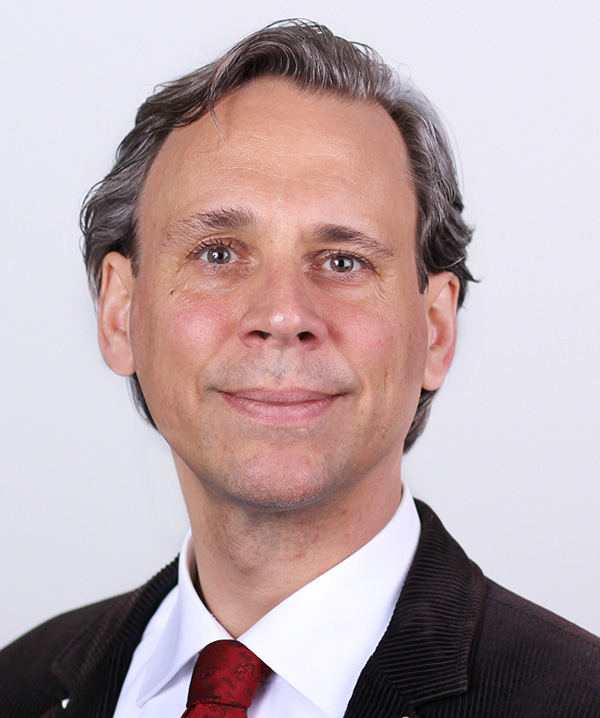
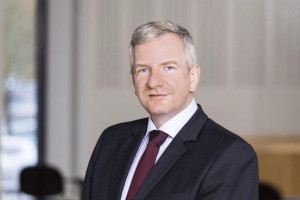
Markus Schmidt is a Professor of Fiber Optics at Friedrich Schiller University Jena and serves as Head of the Research Department of Fiber Photonics at the Leibniz Institute for Photonic Technologies (IPHT), where he leads the Hybrid Fibers work group. He previously held a team leadership position at the Max Planck Institute for the Science of Light (2006–2012) and conducted research at Imperial College London (2011). His research integrates fiber optics and photonics for applications in biophotonics, optofluidics, plasmonics, and nonlinear optics. Key innovations include 3D nanoprinted holograms for remote focus control, liquid-core fibers for stable supercontinuum generation, and fiber-integrated platforms for nanorheology and quantum spectroscopy. His work bridges materials science and applied photonics , enabling advancements in telecommunications, environmental monitoring, and bioanalytics. Scientific awards and student mentorship details are not explicitly mentioned in the provided texts. His email is markus.schmidt@leibniz-ipht.de .
Prof. Dr. Jürgen Janek is a leading researcher in solid-state electrochemistry, affiliated with the Institute of Physical Chemistry at Justus Liebig University Giessen and serving as Scientific Director of the KIT/BASF Joint Laboratory BELLA . He manages the Giessen Center for Materials Research and leads the FestBatt competence cluster. Expertise in atomic mobility in solids Focus on electrochemical energy storage Key participant in the POLIS Cluster of Excellence His recent research explores solid-state batteries , post-lithium systems (sodium/magnesium), and bioanalytics using TOF-SIMS. Collaborations with BASF AG and Degussa AG drive application-oriented projects on material stability and degradation. Scientific accolades include: Four-time Highly Cited Researcher (Clarivate) 2022 Leopoldina Greve Prize (with Kerstin Volz) Election to the German National Academy of Sciences Leopoldina (2022) Prof. Janek's work involves interdisciplinary collaborations across KIT, Ulm University, and industry partners. His group investigates mixed-ion conductors , electrode kinetics , and plasma-electrochemistry interfaces , supported by grants from BMBF and industry.
Prof. Frieder W. Scheller is affiliated with the Institute of Biochemistry and Biology at the University of Potsdam, Germany. His work centers on advanced biosensing technologies, particularly molecularly imprinted polymers (MIPs), bioelectronics, and biomimetic recognition systems. Research Interests: His primary fields include Bioanalysis, Bioelectronics, Biosensors, Molecularly Imprinted Polymers, Electrochemical Sensing, and Plastibodies. His research bridges chemistry, materials science, and biotechnology to develop synthetic alternatives to biological receptors for medical and environmental applications. The recent publications (2019–2024) highlight a strong trend in designing MIP-based nanofilms for protein and virus recognition, including applications in SARS-CoV-2 detection and enzyme monitoring. These studies focus on improving selectivity, stability, and reliability of electrochemical biosensors using innovative polymer architectures. Scientific Contributions: Developed Strep-tag imprinted polymer platforms for bio(electro)catalysis. Explored ACE2-mimicking MIPs for viral epitope recognition. Investigated challenges in MIP sensor reliability and non-specific binding. Advanced the concept of plastibodies for biomacromolecules, viruses, and cells. Collaborations and Advising: Prof. Scheller has collaborated with over 145 co-authors globally, indicating strong network engagement. While no formal students are listed in the provided text, his collaborative output suggests mentorship and team leadership roles in multidisciplinary research projects involving materials, electrochemistry, and biotechnology. Laboratories and Research Teams: His work is conducted within the Institute of Biochemistry and Biology at the University of Potsdam, likely involving a research group focused on bioanalytical chemistry and sensor development. The frequent co-authorship with researchers like Aysu Yarman and Xiaorong Zhang indicates an active, interdisciplinary team working on next-generation biosensing platforms.
Prof. Dr. Sebastian Schlücker is a full professor in the Department of Physical Chemistry at the University of Duisburg-Essen , where he leads the Molecular Biophotonics and Nanodiagnostics research group within the Faculty of Chemistry. He is actively engaged in research, teaching, and academic leadership, with a strong focus on advanced spectroscopic techniques for biomedical and analytical applications. His research interests lie at the intersection of nanophotonics, plasmonics, and bioanalytical chemistry . Key areas include surface-enhanced Raman spectroscopy (SERS) , single-particle spectroscopy , laser diagnostics , and the design of functionalized metal colloids for biosensing and tumor diagnostics. He emphasizes a theory-guided approach combining simulation and experiment to tailor nanoparticle properties. His recent publications (2023–2025) reflect a strong trend toward quantitative, label-free molecular diagnostics , point-of-care testing , and in situ monitoring of catalytic and biological processes . The work spans fundamental plasmonics to clinical applications, particularly in cancer detection and immunoassays using SERS nanotags. International Raman Innovation Prize He mentors students and researchers, supervises theses, and collaborates widely across disciplines. His group develops advanced instrumentation, including portable SERS readers , fs-laser laboratories , and automated nanoparticle synthesis systems (e.g., BONAPARTE robot). He teaches master’s courses such as NanoBioPhotonics and Optical Spectroscopy , and is involved in STEM outreach.
Prof. Can Dincer is a Professor of Sensors and Wearables for Healthcare at the TUM School of Computation, Information and Technology, Technische Universität München (TUM). His research focuses on bioanalytical materials, wearable sensors, and AI-driven diagnostics for One-Health applications, integrating disposable sensor technology with data science. He holds a doctorate from the University of Freiburg (summa cum laude, 2016) and worked as a visiting scientist at Imperial College London before joining TUM in 2024. He is a member of the Munich Institute of Biomedical Engineering (MIBE). Key research interests include: Development of wearable biosensors for real-time health monitoring CRISPR-based diagnostics for nucleic acids and proteins AI integration for therapeutic drug monitoring in sepsis and other critical conditions Environmental health connections via point-of-need diagnostics Notable achievements include the 2021 Biosensors & Bioelectronics Best Paper Award and inclusion in Stanford's World's Top 2% Scientists since 2022. His work spans clinical applications, microfluidic platforms, and nanotechnology-based solutions for healthcare challenges. Publications highlight innovations like optogenetic bioassays (Science Advances, 2024), CRISPR-powered multiplexed biosensors, and wearable systems for continuous biomarker monitoring. His research bridges material science, electrical engineering, and biomedicine to create practical diagnostic tools. Prof. Dincer collaborates across disciplines, focusing on translating lab innovations into clinical and commercial applications through advanced sensor technologies.
Prof. Dr. Beate Escher is Head of the Department of Cell Toxicology at the Helmholtz Centre for Environmental Research (UFZ) in Leipzig, Germany. She holds professorial positions at Eberhard Karls University of Tübingen , is a Privatdozent at ETH Zurich , and is affiliated with the University of Queensland and Griffith University in Australia. Her research program focuses on advancing in vitro bioassays and New Approach Methods (NAMs) for environmental and human health risk assessment of micropollutants. Her research interests lie at the intersection of environmental toxicology , molecular toxicology , and exposure science . She develops and applies bioanalytical tools for water quality assessment, with a focus on pharmaceuticals, pesticides, and transformation products. Her work includes mechanism-based toxicity assessment , toxicokinetic-toxicodynamic (TKTD) modeling , and the development of the CITEPro robotic bioassay platform for high-throughput screening. She integrates omics data , computational modeling , and machine learning to improve chemical hazard characterization. Recent publications highlight trends in chemical mixture toxicity , safe-by-design chemicals , ionic compound assessment , and machine learning applications in toxicology. Her work increasingly leverages data-driven approaches to prioritize contaminants and predict biological effects across species. Scientific Awards: Highly Cited Researcher (Web of Science/Clarivate, Top 0.1%, 2020) Outstanding Achievements in Environmental Science and Technology (ES&T & ACS ENVR, 2023) Advising and Grants: She supervises multiple doctoral students and leads major collaborative projects such as InCeTo, MibiTox, nanoINHALE, and SafePol. She received an Australian Research Council grant (2011–2014) and leads Swiss National Science Foundation-funded initiatives. She was a member of the German Science Council (2017–2024) and serves on the Board of Reviewing Editors of SCIENCE . Labs and Teams: She leads the Cell Toxicology team at UFZ, which includes researchers such as Dr. Luise Henneberger, Dr. Julia Huchthausen, and Dr. Haotian Wang. The team operates the CITEPro platform and contributes to international consortia focused on exposome research and chemical safety.
Henning Urlaub serves as Professor at the University Medical Center Göttingen (UMG) and Research Group Leader of the Bioanalytical Mass Spectrometry group at the Max Planck Institute for Multidisciplinary Sciences. His group maintains dual operations: the primary facility at the Max Planck Institute providing proteomics services as a Core Facility, and a branch laboratory at UMG's Institute for Clinical Chemistry comprising both the Proteomics Research Group and Proteomics Service Facility. The group sustains long-term collaborations including the Center for Internal Medicine at University Hospital Frankfurt/Main. Urlaub's research specializes in high-sensitivity protein analysis using electrospray ionization (ESI) and MALDI mass spectrometry, with core projects in high-throughput proteomics, detection of post-translational modifications, quantitative protein analysis, and structural characterization of protein complexes and protein-nucleic acid interactions. Recent breakthroughs include deciphering modular assembly of mitochondrial protein factories and identifying long-lived proteins essential for egg cell maintenance, demonstrating significant contributions to cellular machinery understanding. The Bioanalytical Mass Spectrometry group actively supports the research community through its Core Facility services while pursuing clinically relevant projects at UMG. Current work focuses on mitochondrial function and reproductive biology, reflecting Urlaub's leadership in advancing mass spectrometry applications for complex biological systems.
Apl. Prof. Dr. Felix von Stetten is an Associate Professor and Senior Scientist at the Laboratory for MEMS Applications within the Department of Microsystems Engineering (IMTEK) at the University of Freiburg. He also serves as an Executive Board Member at the Hahn-Schickard Institute of Microanalysis Systems. His work bridges academia and industry, focusing on lab-on-a-chip technologies, microfluidics, and energy harvesting for biomedical applications. Education: Studied Agricultural Sciences and Biotechnology at the Technical University of Munich, earned a PhD in Microbiology there. Post-2004, he joined IMTEK’s MEMS Applications Lab, later co-founding Hahn-Schickard’s Lab-on-a-Chip division in 2008, which became an independent institute in 2016 under his leadership. Research Interests: His work centers on miniaturized diagnostic systems (e.g., Lab-on-a-Disk platforms), energy harvesting for medical implants, and microfluidic applications. Key innovations include centrifugal microfluidic systems, smartphone-integrated diagnostic tools, and glucose fuel cell technologies. Publications: Over 1200 citations highlight contributions to microfluidic unit operations, digital PCR, and field-deployable diagnostics. Recent work emphasizes automation in pathogen detection and flexible lab-on-foil platforms. Awards: Not explicitly listed in provided texts. However, his leadership roles and impactful research suggest significant recognition in microsystems engineering. Advising/Grants: Leads major projects like BrainLinks–BrainTools and contributes to initiatives such as FRIAS and PlanOS. Manages interdisciplinary teams and collaborates with industry partners like Endress+Hauser and TwistDx. Labs/Teams: Oversees the Hahn-Schickard Institute for Microanalysis Systems and collaborates with IMTEK’s Application Development group. Active in spin-off ventures such as SpinDiag GmbH.
Dr. Thomas Brandstetter is a researcher and group leader at the University of Freiburg's Department of Microsystems Engineering (IMTEK), leading the Bioanalytical Surfaces group since 2007. He holds a Ph.D. in Biology from the University of Freiburg (2000) and has extensive postdoctoral experience in biochip technologies and clinical applications. His research focuses on developing innovative bioanalytical platforms for DNA/RNA detection, protein analysis, and biomedical applications such as tumor cell capture and biofilm prevention. He has pioneered surface-attached polymer networks and hydrogel coatings to enhance biochip sensitivity and reusability. Key research areas include biochip technology, microfluidics, surface chemistry, and materials science. His work integrates interdisciplinary approaches to address challenges in diagnostics, such as point-of-care testing and in vivo diagnostics. Notable projects include hydrogel-based sensor surfaces, PCR-compatible metallic coatings, and functionalized medical wires for capturing rare cells in blood. He oversees a team of PhD students and postdocs, contributing to advancements in analytical chemistry and biomedical engineering. Dr. Brandstetter has published extensively on topics like DNA microarray platforms, NASBA amplification, and antibacterial coatings. His lab collaborates with industry partners like Genescan Europe AG and contributes to translational research through patents on biochip fabrication and medical devices. He is actively involved in teaching and mentoring, fostering the next generation of researchers in bioanalytical technologies.
Sergey A. Piletsky is a Professor of Bioanalytical Chemistry and Research Director in the School of Chemistry at the University of Leicester, UK. He leads the Leicester Biotechnology Group and has previously held leadership roles at Cranfield University. His research is highly interdisciplinary, focusing on molecularly imprinted polymers and biosensor development for clinical and environmental applications. His research interests include: Molecular Imprinting and Biomimetic Polymers Biosensors and Electrochemical Detection Computational Design of Receptors Environmental and Clinical Diagnostics Reduction of Animal Testing via Synthetic Antibody Alternatives Nanomaterials and Polymer Chemistry The recent publications (2023–2025) highlight a strong trend in developing practical, portable, and sensitive sensors using molecularly imprinted polymers for detecting contaminants like bisphenol A and glyphosate, as well as advancements in synthesis protocols and nanomaterial integration. His work bridges chemistry, materials science, and environmental health. Scientific awards and recognitions include: JSPS Fellowship DFG Fellowship Leverhulme Fellowship Royal Society Wolfson Research Merit Award Recognition from the President of Ukraine DSc from Cranfield University Sergey Piletsky has supervised numerous students and collaborators, including Elena Piletska, Tetyana Sergeyeva, and Kal Karim. His research has been funded by 11 EU projects and major UK and international agencies such as MRC, EPSRC, Wellcome Trust, and NOAA, as well as industrial partners. He has established global collaborations with experts like Prof. Karube (Tokyo), Prof. Wolfbeis (Regensburg), and Prof. Turner (Cranfield). He leads the Leicester Biotechnology Group, which focuses on innovative solutions in analytical biotechnology, sensor development, and sustainable alternatives to biological receptors. The team integrates experimental and computational approaches to design next-generation diagnostic tools.
Zhang Yang is an Associate Professor at the School of Medical Engineering, Harbin Institute of Technology (Shenzhen), with a joint appointment as Visiting Professor at the University of Tokyo starting in July 2024. He holds a PhD from the University of Cambridge's Department of Pathology and an M.Phil. from the University of Hong Kong's HKU-Pasteur Research Center. Previously, he served as an Assistant Professor at Harbin Institute of Technology (Shenzhen) from September 2015 to December 2020. His research integrates computational and experimental approaches to address challenges in pathogen and cancer research. On the computational side, his work focuses on developing AI-powered microscopic imaging systems, applying deep learning to analyze multi-omics data (including proteins, DNA, miRNAs, LncRNAs, and mRNAs), and utilizing deep learning in cheminformatics for drug discovery. On the experimental side, his laboratory combines imaging, high-throughput sequencing, mass spectrometry, and chemical biology to understand disease mechanisms at the molecular level. His publication record demonstrates significant impact, with over 50 SCI-indexed papers in high-impact journals including Nature Communications, Briefings in Bioinformatics, Bioinformatics, Analytical Chemistry, and Trends in Biotechnology. His work has been cited by prestigious journals such as Nature Reviews Methods Primers and Nature Communications, with three ESI highly cited papers. His research spans multiple interdisciplinary fields, combining artificial intelligence with biomedical applications to advance diagnostic and therapeutic approaches. World's Top 2% Scientists 2021 Fellow of the Royal Society of Biology Three ESI Highly Cited Papers Five authorized national invention patents As an academic leader, he serves as Associate Editor for BMC Biology and Frontiers in Microbiology, Academic Editor for PLOS Genetics, Editorial Board Member for Communications Biology, and Guest Editor for a Special Issue on AI in analytical chemistry in Trends in Analytical Chemistry. His laboratory actively collaborates with international institutions, with graduates pursuing further studies at Hong Kong Chinese University, Hong Kong University of Science and Technology, Hong Kong Polytechnic University, Macau University, and the University of New South Wales. He teaches Introduction to Modern Biology for undergraduates and Bioanalytical Chemistry for graduate students.
Albert Sickmann is a Professor of Applied Proteomics and Bioanalytics at Ruhr-Universität Bochum and Director of the Bioanalytics Department at the Leibniz Institute for Analytical Sciences (ISAS) in Dortmund. He serves as Chairman of ISAS’s Board of Directors and leads the Proteomics research group. His research focuses on quantitative analysis of post-translational modifications, protein networks, and developing analytical methods for precision medicine. He completed his PhD at Ruhr-Universität Bochum on 'Proteome Analysis of Human Cerebrospinal Fluid' and held positions at the Rudolf Virchow Centre in Würzburg before returning to his alma mater in 2008. His recent work includes optimizing detergent-based proteome profiling and investigating the effects of spermidine supplementation on aging. Key publications include advancements in hybrid detergent applications for protein solubilization and studies on dietary interventions in aging models. Notably, his research on hybrid detergents demonstrated a significant increase in observable protein identities in E. coli proteomes. Funding sources include grants from North Rhine-Westphalia’s Ministry of Culture and Science, the Academy of Sciences, and industry collaborations. His lab at ISAS is a hub for proteomic innovation, emphasizing interdisciplinary approaches to biomedical challenges.
Prof. Henning Urlaub is a Professor at the Faculty of Medicine at Georg August University Göttingen and Group Leader of the Bioanalytical Mass Spectrometry Group at the Max Planck Institute for Multidisciplinary Sciences (formerly Max Planck Institute for Biophysical Chemistry). His roles include leading a research group focusing on proteomics and clinical biochemistry at the University Medical Center Göttingen (UMG). He holds dual affiliations in both academic and clinical research sectors. He earned his Ph.D. in biochemistry from the Free University of Berlin (1993–1996) and conducted postdoctoral research at institutions including the Max Delbrück Center for Molecular Medicine (Berlin) and the Philipps University of Marburg. His career includes leadership roles since 2010 in both the Max Planck Institute and UMG. Research Interests : Dr. Urlaub’s work centers on modern mass spectrometry applications for analyzing proteins, post-translational modifications, and protein interactions. Key projects include: Quantitative analysis of synaptic proteins under stimulation Protein cross-linking studies in B cells and other systems Method development for protein-RNA/DNA interactions Structural elucidation of large complexes via CX-MS and cryo-EM His group operates as a core proteomics facility for the Max Planck Institute and collaborates with external institutions like the University Hospital Frankfurt. They also maintain a clinical proteomics branch at the UMG’s Institute for Clinical Chemistry. Collaborations & Infrastructure : The group provides proteomics services to researchers across disciplines, emphasizing translational and clinical applications. Their instrumentation includes advanced mass spectrometry platforms (e.g., ESI, MALDI) for high-throughput proteomic analysis.
Carsten Hopf is a Professor of Bioanalytics and Drug Discovery at Mannheim University of Applied Sciences, leading the Institute of Instrumental Analytics and Bioanalytics and the CeMOS (Center for Mass Spectrometry and Optical Spectroscopy). His work focuses on developing spatially resolved omics technologies (e.g., MALDI-MS imaging) for neurodegenerative and oncological research. He explores lipidomics, proteomics, and metabolomics to understand Alzheimer's disease, glioblastoma, and other neurodegenerative disorders. Key projects include the SMART-CARE-2 BMBF initiative (2023–2026) and DFG-funded research on spatial multi-omics in glioblastoma (SFB 1389). Research interests center on mass spectrometry innovations, including matrix optimization, AI-driven data analysis, and multimodal imaging (e.g., infrared microscopy integration). His lab develops label-free cell assays for drug discovery and studies molecular mechanisms of neurodegeneration. Collaborations span academia and industry, with projects like the M 2 Aind partnership addressing 3D cell culture toxicity assessments. Grants include BMBF, DFG, and EU funding for systems medicine, organoid analysis, and mass spectrometry cores. His technological advancements aim to improve biomarker discovery and translational medicine in neuro-oncology and neurodegeneration.
Prof. Dr. rer. nat. Andreas Tholey is a faculty member at the Institute for Experimental Medicine (IEM) of Kiel University (CAU) , where he leads the Division for Proteomics & Bioanalytics . His research focuses on advanced analytical techniques in proteomics and biochemistry. Role: Principle Investigator of Project 8 Key initiatives: Vice-chair of the initiative on multi-organism proteomics (iMOP) under HUPO , Speaker of the mass spectrometry network Kiel Research groups: P8 and collaborative work with Rupp / Tholey groups on IBD-relevant microbes Collaborations include institutions like the Research Center Borstel , HMGU , Max Planck Institute for Evolutionary Biology , and UKSH . Funded by the Deutsche Forschungsgemeinschaft (DFG) .