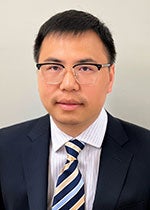
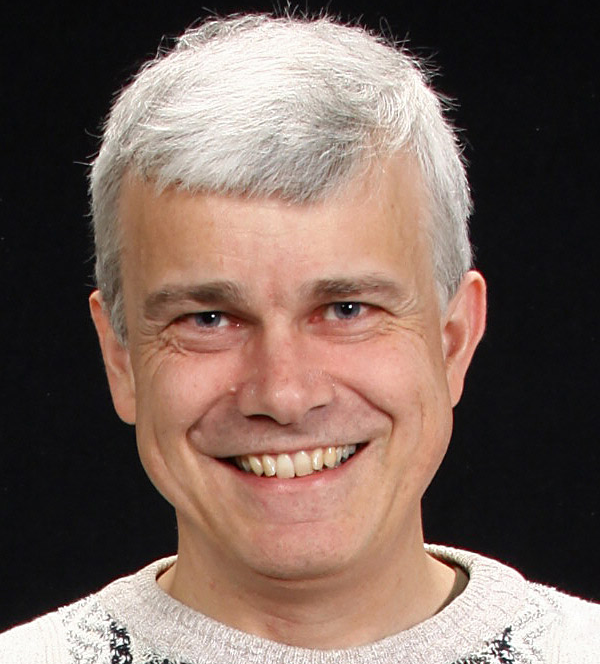
Ying Ge is a Professor at the University of Wisconsin–Madison, jointly appointed in the Department of Cell and Regenerative Biology and the Department of Chemistry. Her research integrates chemistry, biology, and medicine, focusing on advanced mass spectrometry-based proteomic and metabolomic technologies to address cardiovascular diseases. Education: B.S., Peking University (1997) Ph.D., Cornell University (2002) Ying Ge's work centers on developing ultra high-resolution mass spectrometry platforms for top-down proteomics and metabolomics, applied to systems biology studies of heart failure and regenerative medicine. Key projects include myofilament protein modification mapping, stem cell therapy evaluation, and biomarker discovery for cardiac conditions. The 15 most recent articles highlight her lab's methodological innovations (e.g., photocleavable surfactants, native mass spectrometry) and biological discoveries in AMPK structural heterogeneity, RBM20-mediated cardiotoxicity, and sarcomere-metabolism cross-talk during regeneration. These publications span proteomics, metabolomics, structural biology, and clinical applications.
Xian Wu, Ph.D., serves as a Research Assistant Professor in the Department of Pharmacology & Toxicology at East Carolina University's Brody School of Medicine. Her research leverages human stem cell models to investigate developmental vulnerabilities to environmental contaminants in cardiovascular and neural systems, with emphasis on epigenetic mechanisms and disease modeling. Dr. Wu's academic credentials include: Ph.D. in Toxicology from the University of Georgia M.S. in Biomedicine from East China Normal University B.S. in Biotechnology from Anhui University Her postdoctoral training comprised a Fellowship at the National Institute of Environmental Health Sciences and an ORISE Fellowship at the U.S. Food and Drug Administration. Research focuses on creating human stem cell-derived organoid systems to model developmental toxicology, particularly examining cardiac and neural development under chemical exposure. The laboratory employs fluorescence reporter systems and RNA-seq to identify critical vulnerability windows during early development, with recent work targeting Parkinson's disease mechanisms through dopaminergic neuron models and cardiac fibrosis via advanced organoids. Methodological innovations include high-content imaging for neurogenesis quantification and epigenetic pathway analysis. Publication trends (2016-2025) demonstrate consistent advancement in stem cell-based toxicology testing, with increasing emphasis on micro/nanoplastics risk assessment, arsenic neurotoxicity mechanisms, and doxorubicin cardiotoxicity modeling. The work bridges environmental health, epigenetics, and regenerative medicine through interdisciplinary approaches. Scientific recognition includes: 2025 SPARC Award (ECU) 2024 Top Abstract Award (Developmental Origins of Health and Disease Society) 2024 NIEHS P30 Center Travel Award 2023 ECU Research and Creative Activity Award Dr. Wu actively mentors graduate researchers including Ph.D. candidate Cate Duncan and M.S. students Kamilah Muhammad and Bailey Skeen, alongside undergraduate Bryce Tilghman. Former trainees McKyrah Brown and Monica Cross completed honors theses in the laboratory. Current grants include ECU's SPARC Award funding stem cell model development for environmental contaminant testing. The BSOM 6S-11 laboratory maintains specialized capabilities in cardiac and cerebral organoid generation, fluorescence-based toxicity screening, and RNA-seq epigenetic analysis. Collaborative networks include the National Institute of Environmental Health Sciences and ECU's Center for Human Health and the Environment, supporting translational research on developmental vulnerability periods.
Joshua J. Coon is a Professor at the University of Wisconsin-Madison with appointments in the Department of Biomolecular Chemistry and the Department of Chemistry. He leads the Coon Group, focusing on advancing mass spectrometry technologies for proteomics, metabolomics, and lipidomics. His research addresses fundamental questions in cell biology, including stem cell differentiation, epigenetic regulation, and cancer biomarker discovery. Affiliations : Director of the NIGMS National Center for Quantitative Biology of Complex Systems. Research Emphasis : Instrumentation development, data analysis software, ion chemistry, and biological applications of proteomics. Laboratory : Located in the Genome Center of Wisconsin with a dozen hybrid mass spectrometers, including Orbitrap systems. Collaborations : Long-term partnership with Thermo Fisher Scientific and the Wisconsin Alumni Research Foundation (WARF) for technology commercialization. Training : Mentored 27 Ph.D. students since 2009, emphasizing interdisciplinary research and professional development.
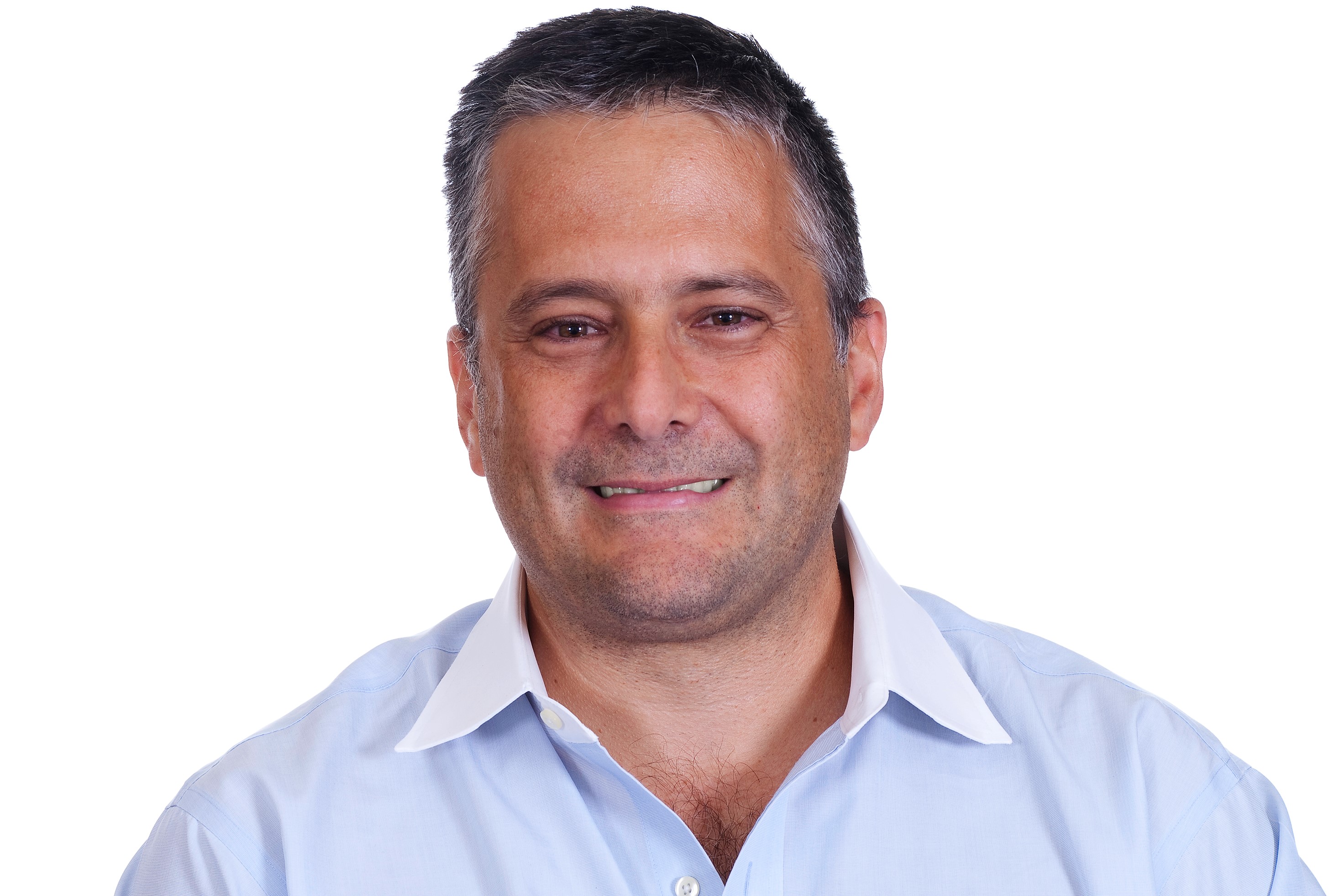
Facundo M. Fernandez is a Regents' Professor and Vasser-Woolley Chair in Bioanalytical Chemistry at the Georgia Institute of Technology, where he leads the Fernandez Research Group within the School of Chemistry and Biochemistry in the College of Sciences. His research spans multiple cutting-edge areas of analytical chemistry with significant applications in medicine, forensics, and basic science. Dr. Fernandez earned his M.Sc. in Chemistry (1996) and Ph.D. in Analytical Spectrometry/Metallomics (1999) from the Facultad de Ciencias Exactas y Naturales at Buenos Aires University, Argentina. His research program focuses on Bioanalytical Mass Spectrometry with particular emphasis on Ambient Sampling/Ionization & Molecular Imaging, Ion Mobility Spectrometry, Metabolomics, and Pharmaceutical Forensics. His work has pioneered new approaches in ambient ionization techniques that enable direct analysis of complex samples without extensive preparation. His recent publications reveal a strong trend toward spatial metabolomics, particularly in traumatic brain injury and ovarian cancer research, with increasing integration of machine learning approaches for data analysis. His work also extends to pharmaceutical quality control, exercise physiology through the MoTrPAC consortium, and prebiotic chemistry investigations. The interdisciplinary nature of his research is evident in collaborations across Georgia Tech's campus and with external institutions. NSF CAREER Award (2007) 3M Non-tenured Faculty Award (2008) CETL/BP Junior Faculty Teaching Excellence Award (2009) Ron A. Hites Award for Outstanding Research Publication (2010) Sigma Xi (GT Chapter) Best Faculty Paper Award (2010) Vasser-Wooley Faculty Fellow (2012) Dr. Fernandez has secured significant funding for his research, including NSF CAREER support, and leads projects related to metabolomics for ovarian cancer detection, pharmaceutical forensics through the CODFIN network, and participation in the large-scale Molecular Transducers of Physical Activity Consortium (MoTrPAC). His laboratory develops advanced instrumentation for mass spectrometry applications and maintains strong collaborations with the Integrated Cancer Research Center, the College of Computing, and the Center for Chemical Evolution at Georgia Tech.
Prof. Dr. Sebastian Schlücker is a full professor in the Department of Physical Chemistry at the University of Duisburg-Essen , where he leads the Molecular Biophotonics and Nanodiagnostics research group within the Faculty of Chemistry. He is actively engaged in research, teaching, and academic leadership, with a strong focus on advanced spectroscopic techniques for biomedical and analytical applications. His research interests lie at the intersection of nanophotonics, plasmonics, and bioanalytical chemistry . Key areas include surface-enhanced Raman spectroscopy (SERS) , single-particle spectroscopy , laser diagnostics , and the design of functionalized metal colloids for biosensing and tumor diagnostics. He emphasizes a theory-guided approach combining simulation and experiment to tailor nanoparticle properties. His recent publications (2023–2025) reflect a strong trend toward quantitative, label-free molecular diagnostics , point-of-care testing , and in situ monitoring of catalytic and biological processes . The work spans fundamental plasmonics to clinical applications, particularly in cancer detection and immunoassays using SERS nanotags. International Raman Innovation Prize He mentors students and researchers, supervises theses, and collaborates widely across disciplines. His group develops advanced instrumentation, including portable SERS readers , fs-laser laboratories , and automated nanoparticle synthesis systems (e.g., BONAPARTE robot). He teaches master’s courses such as NanoBioPhotonics and Optical Spectroscopy , and is involved in STEM outreach.
Maxim V. Berezovski is a Full Professor in the Department of Chemistry and Biomolecular Sciences at the University of Ottawa , Faculty of Science. His research focuses on bioanalytical chemistry , aptamer development , and biomarker discovery , particularly in cancer and immune cell biology. His lab specializes in Kinetic Capillary Electrophoresis (KCE) , aptamer-based biosensors, and single-cell analysis. Research interests include: Therapeutic and diagnostic applications of nucleic acid and peptide aptamers Biomarker identification for cancers (e.g., breast, glial tumors) Proteomic/metabolomic analyses of exosomes and extracellular vesicles Recent work emphasizes aptamer-driven innovations, such as: Fluorescence-guided brain tumor surgery Quantitative detection of SARS-CoV-2 proteins Molecular imaging of tumors using infrared-labeled aptamers Publications span aptamer engineering , cancer diagnostics , and environmental impacts on proteomics . Collaborations focus on interdisciplinary applications in medicine, biotechnology, and environmental science.
Rainer Schuhmacher is a Full Professor for Plant and Microbe Metabolomics at the University of Natural Resources and Life Sciences, Vienna (BOKU), affiliated with the Department of Agricultural Sciences and the Institute of Bioanalytics and Agro-Metabolomics in Tulln an der Donau. His research focuses on metabolomics, analytical chemistry, and plant-microbe interactions, with emphasis on fungal secondary metabolites, mycotoxin resistance, and environmental stress responses in crops. He leads projects funded by the Austrian Science Fund (FWF), European Commission, and national agencies. Research interests span: Metabolomic profiling of plant-pathogen interactions (e.g., Fusarium -wheat systems) Stable isotope-assisted techniques for metabolic pathway analysis Cold stress mitigation in plants using Antarctic bacteria Development of computational tools for untargeted metabolomics data processing His work integrates analytical chemistry, bioinformatics, and molecular biology to study metabolic crosstalk in agricultural systems. Awards include the Fritz-Feigl-Preis (2012) and Dr.-Wolfgang-Houska-Preis (2005). He has supervised multiple PhD projects and leads the Plant-Microbe Metabolomics group, managing core metabolomics platforms and international collaborations. Key projects: Chemical crosstalk in mycoparasitic interactions (FWF) Metabolomics of cold stress tolerance mediated by psychrotolerant bacteria Extension of metabolomics platforms for plant-pathogen studies
Christoph J. Fahrni is a Professor at the School of Chemistry and Biochemistry, Georgia Institute of Technology. He earned his M.S. from the Federal Institute of Technology (ETH) in Zurich and a Ph.D. in Chemistry from the University of Basel in 1995. After postdoctoral work at Northwestern University, he joined Georgia Tech in 1999, where his research focuses on metal ion biochemistry, particularly copper and zinc, using fluorescent probes and X-ray fluorescence imaging. Education: M.S., Federal Institute of Technology (ETH), Zurich Ph.D., University of Basel, 1995 His research integrates synthetic fluorescent probes and X-ray fluorescence microscopy to study intracellular metal ion dynamics, including copper trafficking, zinc homeostasis, and their roles in diseases like Menkes syndrome. The lab develops high-affinity ligands for copper buffering, investigates P-type ATPase transporters, and uses 3D X-ray tomography to map metals in zebrafish embryos. Key methodologies include ratiometric two-photon microscopy and bioorganometallic catalyst design. Recent publications highlight advancements in subzeptomolar copper probes, dynamic zinc imaging during development, and metal chelation therapy applications. Collaborative projects with Prof. Robert Dickson explore low-background fluorescent protein imaging. The Fahrni group trains graduate students like Daisy Bourassa and Adam McCallum, focusing on biochemical copper/zinc interactions and probe development.
Jung-Ho Yu is Assistant Professor of Chemistry at the University of Waterloo, specializing in nanoscale bioanalytical platforms. His research develops nanotechnology for multiplexed molecular monitoring in biological systems, with applications in cancer imaging and diagnostics. Research focuses on: Design of excretable nanoparticle contrast agents Multiplexed tumor imaging using surface-enhanced Raman spectroscopy Advanced microscopy techniques for deep-tissue visualization Professional associations include the American Chemical Society and World Molecular Imaging Society. Teaches courses in Multi-Component Analysis and Analytical Chemistry.
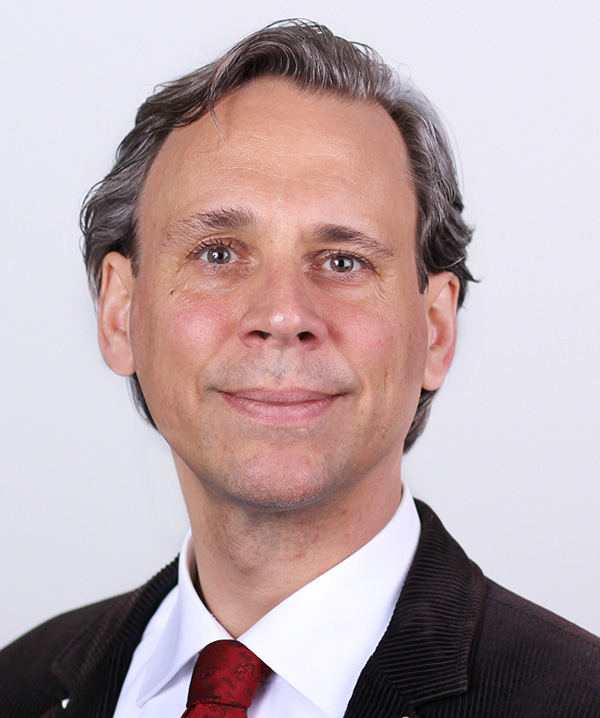
Henning Urlaub serves as Professor at the University Medical Center Göttingen (UMG) and Research Group Leader of the Bioanalytical Mass Spectrometry group at the Max Planck Institute for Multidisciplinary Sciences. His group maintains dual operations: the primary facility at the Max Planck Institute providing proteomics services as a Core Facility, and a branch laboratory at UMG's Institute for Clinical Chemistry comprising both the Proteomics Research Group and Proteomics Service Facility. The group sustains long-term collaborations including the Center for Internal Medicine at University Hospital Frankfurt/Main. Urlaub's research specializes in high-sensitivity protein analysis using electrospray ionization (ESI) and MALDI mass spectrometry, with core projects in high-throughput proteomics, detection of post-translational modifications, quantitative protein analysis, and structural characterization of protein complexes and protein-nucleic acid interactions. Recent breakthroughs include deciphering modular assembly of mitochondrial protein factories and identifying long-lived proteins essential for egg cell maintenance, demonstrating significant contributions to cellular machinery understanding. The Bioanalytical Mass Spectrometry group actively supports the research community through its Core Facility services while pursuing clinically relevant projects at UMG. Current work focuses on mitochondrial function and reproductive biology, reflecting Urlaub's leadership in advancing mass spectrometry applications for complex biological systems.
Kaiyu Fu is an Assistant Professor in the Department of Chemistry and Biochemistry at the University of Notre Dame, where she leads a multidisciplinary research lab at the intersection of electrochemistry, nanoscience, and synthetic biology. Her work aims to develop ultrasensitive analytical platforms for biomedical applications, particularly in point-of-care diagnostics and chronic disease management. Education: Ph.D. in Chemistry, University of Notre Dame (2018) M.S. in Polymer Chemistry, Fudan University, China (2014) B.E. in Polymer Science & Engineering, Sichuan University, China (2011) Her research focuses on three core areas: (1) nanoscale electrochemistry enabling single-entity detection; (2) electrochemical biosensors for real-time, in vivo monitoring of therapeutic agents; and (3) nanobiotechnology, including DNA nanotechnology and directed evolution of nucleic acids for precise molecular recognition. Her lab develops innovative instrumentation and materials to overcome biofouling and enhance sensor performance. The recent publications highlight a strong trend toward implantable and miniaturized sensing systems, with applications in cancer therapeutics, drug delivery, and infectious disease diagnostics. These works span advanced materials, surface engineering, and hybrid electrophotonic systems. Scientific Awards: ACS Division of Analytical Chemistry Graduate Fellowship (2018) J. Peter Grace Fellowship, University of Notre Dame (2014–2015) Kaiyu Fu advises graduate students and postdoctoral researchers, and her lab actively recruits creative and dedicated individuals. She has secured research funding to support her innovative work in biosensor development and has contributed to significant advances in electrochemical detection mechanisms, including electron transfer acceleration in nanostructured electrodes and surface charge engineering for molecular discrimination. Her collaborative work with teams at Stanford and other institutions further strengthens her research impact. The Fu lab is engaged in developing next-generation diagnostic platforms, including implantable microelectrode arrays for intratumoral pharmacokinetic monitoring and hydrogel-based aptamer switches for real-time signaling molecule detection. These projects involve interdisciplinary teams working across chemistry, engineering, and biomedical sciences.
Apl. Prof. Dr. Felix von Stetten is an Associate Professor and Senior Scientist at the Laboratory for MEMS Applications within the Department of Microsystems Engineering (IMTEK) at the University of Freiburg. He also serves as an Executive Board Member at the Hahn-Schickard Institute of Microanalysis Systems. His work bridges academia and industry, focusing on lab-on-a-chip technologies, microfluidics, and energy harvesting for biomedical applications. Education: Studied Agricultural Sciences and Biotechnology at the Technical University of Munich, earned a PhD in Microbiology there. Post-2004, he joined IMTEK’s MEMS Applications Lab, later co-founding Hahn-Schickard’s Lab-on-a-Chip division in 2008, which became an independent institute in 2016 under his leadership. Research Interests: His work centers on miniaturized diagnostic systems (e.g., Lab-on-a-Disk platforms), energy harvesting for medical implants, and microfluidic applications. Key innovations include centrifugal microfluidic systems, smartphone-integrated diagnostic tools, and glucose fuel cell technologies. Publications: Over 1200 citations highlight contributions to microfluidic unit operations, digital PCR, and field-deployable diagnostics. Recent work emphasizes automation in pathogen detection and flexible lab-on-foil platforms. Awards: Not explicitly listed in provided texts. However, his leadership roles and impactful research suggest significant recognition in microsystems engineering. Advising/Grants: Leads major projects like BrainLinks–BrainTools and contributes to initiatives such as FRIAS and PlanOS. Manages interdisciplinary teams and collaborates with industry partners like Endress+Hauser and TwistDx. Labs/Teams: Oversees the Hahn-Schickard Institute for Microanalysis Systems and collaborates with IMTEK’s Application Development group. Active in spin-off ventures such as SpinDiag GmbH.
Prof. Alessandro Bertucci is an Associate Professor at the University of Parma, Department of Chemical, Life and Environmental Sustainability Sciences, specializing in Analytical Chemistry (CHIM/01). He earned his Ph.D. in Chemical Sciences through a dual Italian-French program at the University of Parma and the University of Strasbourg, receiving the "Best Scientific Thesis in France" award. Education: Master's in Chemistry (2011, University of Parma), Ph.D. in Chemical Sciences (2015, University of Parma/Strasbourg) Postdoctoral Experience: University of Rome Tor Vergata (2015-2016), Sanford Burnham Prebys Medical Institute (2016), University of Melbourne (2016), UC San Diego (2017-2020) His research integrates molecular recognition with synthetic design for biomolecular systems programming , focusing on nanoscale diagnostics and precision medicine . Key methodologies include DNA nanotechnology, electrochemical biosensing, and responsive nanomaterials. Recent publications highlight CRISPR-based diagnostics and low-cost spectrophotometric platforms . His work has been recognized with the Galileo Galilei International Prize (2021) and ISSNAF Young Investigator Finalist (2018). Scientific Awards: Galileo Galilei Prize (2021), ISSNAF Finalist (2018) Fellowships: Marie Skłodowska-Curie Global Fellowship (2017), Endeavour Research Fellowship (2016), Umberto Veronesi Fellowship (2020) He teaches Bioanalytical Methods (Master's in Genomic, Molecular and Industrial Biotechnology) and Analytical Chemistry for Materials (Bachelor's in Materials Science), with extensive experience in course coordination and curriculum development.
Zhang Yang is an Associate Professor at the School of Medical Engineering, Harbin Institute of Technology (Shenzhen), with a joint appointment as Visiting Professor at the University of Tokyo starting in July 2024. He holds a PhD from the University of Cambridge's Department of Pathology and an M.Phil. from the University of Hong Kong's HKU-Pasteur Research Center. Previously, he served as an Assistant Professor at Harbin Institute of Technology (Shenzhen) from September 2015 to December 2020. His research integrates computational and experimental approaches to address challenges in pathogen and cancer research. On the computational side, his work focuses on developing AI-powered microscopic imaging systems, applying deep learning to analyze multi-omics data (including proteins, DNA, miRNAs, LncRNAs, and mRNAs), and utilizing deep learning in cheminformatics for drug discovery. On the experimental side, his laboratory combines imaging, high-throughput sequencing, mass spectrometry, and chemical biology to understand disease mechanisms at the molecular level. His publication record demonstrates significant impact, with over 50 SCI-indexed papers in high-impact journals including Nature Communications, Briefings in Bioinformatics, Bioinformatics, Analytical Chemistry, and Trends in Biotechnology. His work has been cited by prestigious journals such as Nature Reviews Methods Primers and Nature Communications, with three ESI highly cited papers. His research spans multiple interdisciplinary fields, combining artificial intelligence with biomedical applications to advance diagnostic and therapeutic approaches. World's Top 2% Scientists 2021 Fellow of the Royal Society of Biology Three ESI Highly Cited Papers Five authorized national invention patents As an academic leader, he serves as Associate Editor for BMC Biology and Frontiers in Microbiology, Academic Editor for PLOS Genetics, Editorial Board Member for Communications Biology, and Guest Editor for a Special Issue on AI in analytical chemistry in Trends in Analytical Chemistry. His laboratory actively collaborates with international institutions, with graduates pursuing further studies at Hong Kong Chinese University, Hong Kong University of Science and Technology, Hong Kong Polytechnic University, Macau University, and the University of New South Wales. He teaches Introduction to Modern Biology for undergraduates and Bioanalytical Chemistry for graduate students.
Albert Sickmann is a Professor of Applied Proteomics and Bioanalytics at Ruhr-Universität Bochum and Director of the Bioanalytics Department at the Leibniz Institute for Analytical Sciences (ISAS) in Dortmund. He serves as Chairman of ISAS’s Board of Directors and leads the Proteomics research group. His research focuses on quantitative analysis of post-translational modifications, protein networks, and developing analytical methods for precision medicine. He completed his PhD at Ruhr-Universität Bochum on 'Proteome Analysis of Human Cerebrospinal Fluid' and held positions at the Rudolf Virchow Centre in Würzburg before returning to his alma mater in 2008. His recent work includes optimizing detergent-based proteome profiling and investigating the effects of spermidine supplementation on aging. Key publications include advancements in hybrid detergent applications for protein solubilization and studies on dietary interventions in aging models. Notably, his research on hybrid detergents demonstrated a significant increase in observable protein identities in E. coli proteomes. Funding sources include grants from North Rhine-Westphalia’s Ministry of Culture and Science, the Academy of Sciences, and industry collaborations. His lab at ISAS is a hub for proteomic innovation, emphasizing interdisciplinary approaches to biomedical challenges.