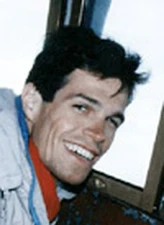
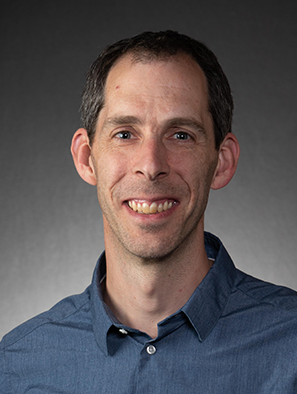
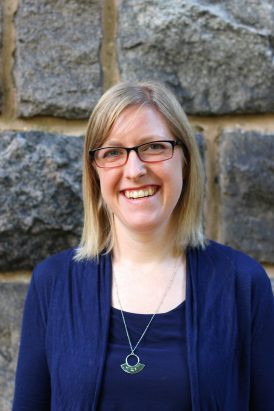
Professor Jiyuan Tu is a Professor in the Department of Mechanical and Automotive Engineering at RMIT University's School of Engineering. He specializes in computational fluid dynamics (CFD), multiphase flows, and their applications in renewable/nuclear energy, biomedical engineering, and built environment systems. His research has led to over 500 peer-reviewed articles, 9 books, and $10M+ in ARC grants. He has supervised over 50 postgraduate students and received prestigious awards such as the RMIT Research Excellence Award (2012) and Fulbright Senior Scholar Award (2008). Research interests include CFD modelling of bioaerosol transport, drug delivery systems, and thermal energy storage. He pioneered numerical models for multiphase flows, contributing to software implementations in industries. Notable works include books on CFD and multiphase flow analysis, and leadership in international conferences like COBEE 2018. He holds honorary professorships at Tsinghua University and is Editor-in-Chief of the Experimental and Computational of Multiphase Flow journal. Industry experience includes roles at ANSTO (1996-2001). Awards span fellowships from JSPS, KOSEF, and Fulbright programs. Grants include ARC Discovery, Linkage, and LIEF projects. His work ranks him among the world’s top researchers in pebble bed reactors and airborne infection studies (SciVal 2016-2025).
Saji George is an Associate Professor at McGill University's Macdonald Campus, affiliated with the Department of Food Science and Agricultural Chemistry. Their research focuses on sustainable nanotechnology applications for food and agricultural systems, emphasizing safety and environmental responsibility. Research Areas: Sustainable crop/livestock systems, safe food supply, human nutrition, bioaerosols, and antibacterial nanotechnology. Awards: Canada Research Chair (Tier 2) in Sustainable Nanotechnology for Food and Agriculture. Contact: Email saji.george@mcgill.ca or call 514-398-7920.
Prof. Dr. Jing Wang is a Full Professor at the Department of Civil, Environmental and Geomatic Engineering at ETH Zürich. His research focuses on air pollution control, nanoparticle transport, and environmental health and safety (EHS) impacts of nanomaterials. He has held roles including Assistant Professor at ETH Zürich (2010–present), Research Assistant Professor at the University of Minnesota (2007–2010), and postdoctoral associate in Particle Technology (2005–2007). Education: Bachelor’s in Engineering (2000) – Tsinghua University, Beijing Master’s in Computer Sciences (2003) – University of Minnesota PhD in Aerospace Engineering (2005) – University of Minnesota Research Interests: Air/water filtration technologies Nanoparticle emission reduction and measurement Multiphase flow mechanics Environmental impacts of nanomaterials Collaborations: Industrial partnerships include 3M, BASF, Boeing, Intel, Samsung, and others in nanoparticle measurement and filtration solutions. Honors: 2011 Smoluchowski Award (Association for Aerosol Research) 2006 ‘Best Dissertation’ Award (University of Minnesota) 2004 Doctoral Dissertation Fellowship Teaching: Courses include Air Pollution Control, Environmental Engineering Seminars, and Excursions for Environmental Engineers. Labs/Teams: Leads the Particle Technology Lab and collaborates with the Institute of Environmental Engineering at ETH Zürich.
Jeppe Lund Nielsen is a Professor in the Department of Chemistry and Life Sciences at the Faculty of Engineering and Science, Aalborg University, Denmark. His research lies at the intersection of microbial ecology, genomics, and environmental biotechnology, with a strong focus on sustainable solutions for wastewater treatment, anaerobic digestion, and environmental monitoring. His primary research interests include Microbial Ecology, Functional Ecology, Genomics, Molecular and Technical Microbiology, Anaerobic Digestion, Metagenomics, and eDNA Metabarcoding . He applies molecular tools to understand microbial community dynamics in engineered and natural systems, particularly in wastewater and marine environments. His work contributes to the UN Sustainable Development Goals related to clean water, sustainable cities, and climate action. The recent publication trends reflect a strong emphasis on environmental applications of microbiome science, including nitrogen cycling in wastewater, bioaerosol exposure in workers, eDNA-based biodiversity monitoring, and valorization of waste streams through biotechnology. His articles frequently appear in high-impact environmental and microbiological journals and demonstrate interdisciplinary collaboration across engineering, ecology, and public health. Among his notable scientific contributions are leadership roles in significant research projects such as the AAU Bubble Project (Power2Proteins), JAMBO seabed impact study, and investigations into biotechnological pesticides. He has also contributed to public discourse through media engagement on topics like pesticide regulation and environmental innovation. Professor Nielsen has supervised PhD students, including M. Eskeldsen, and is actively involved in grants and collaborative research across Europe. He is a key member of research teams focused on environmental microbiology, wastewater biotechnology, and marine impact assessments. His lab integrates molecular biology, bioinformatics, and environmental engineering to address pressing sustainability challenges.
Dr. Heike Wex is a prominent atmospheric scientist at the Leibniz Institute for Tropospheric Research in Leipzig, Germany, where she serves as a Researcher in the Atmospheric Microphysics department. With over two decades of continuous research since completing her PhD in 2002, she has established herself as a leading expert in aerosol-cloud interactions and ice nucleation processes. Her work spans multiple international collaborations and major research initiatives including (AC)³, PICNIC, MarParCloud, and PI-ICE projects. Her research focuses on experimental investigations and theoretical descriptions of aerosol-cloud interactions, with specific expertise in hygroscopic growth at high relative humidities (>99% RH), particle activation to cloud droplets, heterogeneous ice nucleation processes, and the role of atmospheric aerosol particles as nuclei for cloud droplets and ice formation. Her work bridges atmospheric physics, climate science, and environmental chemistry, with significant contributions to understanding how microscopic processes affect cloud formation and climate. Analysis of her recent publications reveals a strong focus on polar and marine environments, with particular attention to biological contributions to ice nucleation, seasonal variations in Arctic aerosols, and the development of advanced measurement techniques. Her work consistently addresses fundamental questions about how aerosols influence cloud properties and climate systems, with increasing emphasis on climate-relevant processes in polar regions. Dr. Wex has held significant leadership positions, including serving as Vice President of the International Commission on Clouds and Precipitation (ICCP) from 2021-2024. She is also actively engaged with Scientists for Future in Leipzig, demonstrating her commitment to addressing climate change through scientific expertise and public engagement. Beyond her research, she has organized numerous scientific workshops and field campaigns, including leadership roles in the LExNo experiment, FROST projects, and the 16th International Conference on Clouds and Precipitation. Her work has established important methodological approaches for studying ice nucleation and has contributed significantly to our understanding of aerosol impacts on cloud formation across diverse environments from the Arctic to the tropics.
Dr. Zaheer Nasar is a Reader in Atmospheric Aerosols at Cranfield University's School of Aerospace, Transport and Manufacturing. His work focuses on real-time bioaerosol characterization, indoor/outdoor air quality dynamics, and environmental health impacts of particulate matter. He leads the NERC-funded Light-Induced Fluorescence sensor project and contributes to the BioAirNet network (NE/V002171/1) as Co-I. Research Interests Physico-chemical and biological characterization of aerosols Spatio-temporal dynamics of particulate matter (PM) and bioaerosols Quantitative microbial risk assessment (QMRA) methodologies Low-cost air quality sensor networks and machine learning calibration Urban green infrastructure effects on air pollution Policy development in Hindu Kush Himalayan air quality Recent publications emphasize machine learning-enhanced sensor calibration (2024 IEEE paper), wastewater plant bioaerosol risks (2024 Water Research), and urban air quality interventions across the UK and Lahore. He has secured over £1.6M in grants from NERC, STFC, and UKRI GCRF, with significant work on BTEX exposure in Nigeria and SARS-CoV-2 risks in wastewater facilities. Scientific Recognition Fellow of the Higher Education Academy (FHEA) Co-investigator in multiple NERC/UKRI projects Active participant in BSI bioaerosol standards committee As an advisor, he mentors five postgraduate researchers including Reece Dillon and Hathaikarn Tathong, with a strong publication record in journals like Environmental Science: Atmospheres , Risk Analysis , and BJPsych Open . His work bridges environmental science, public health, and policy implementation through interdisciplinary research.
Thierry Badard is an Associate Professor at the Department of Geomatics Sciences , Université Laval, where he also serves as Director of the Center for Research in Geospatial Data and Intelligence (CRDIG) . With over 28 years of experience in geospatial science, he leads research initiatives at the intersection of GeoAI , LiDAR processing , and smart city technologies . Director, CRDIG (2016-2022) Steering Committee Member, Big Data Research Centre (CRDM) Researcher, Institute for Intelligence and Data (IID) Research Expertise spans geospatial big data, GeoNLP, and IoT applications for digital twins. His work addresses flood risk modeling , 3D urban analytics , and environmental monitoring through AI-driven solutions. Recent publications focus on contrastive learning for LiDAR segmentation and geospatial ontologies for early warning systems. Grant Leadership includes collaborative projects on smart insurance analytics (2018-2025), Arctic bioaerosol research (2019-2025), and Quebec-Morocco digital twin partnerships (2022-2023). He has advised 15+ graduate students in geomatics and related fields.
Kunfeng Gao is a researcher at ETH Zürich's Staff of Experimental Atmospheric Physics , affiliated with EPFL's School of Architecture, Civil and Environmental Engineering (ENAC) . His work focuses on aerosol-cloud interactions, ice nucleation mechanisms, and atmospheric aging of particles. Key research areas: Ice Nucleation, Biological Aerosols, Soot Particles, Dust Particles, Cirrus Cloud Thinning, Climate Modeling. Contributed to major studies on diurnal variability of ice nucleating particles in the Eastern Mediterranean. Developed novel methods for characterizing particle morphology and ice nucleation efficiency. Scientific Awards : Highlight article in Atmospheric Chemistry and Physics (2024). Two awarded Chinese patents related to particle classification and graphene-based filtration. His research has garnered significant media attention, including features in ScienceNews , Le FIGARO , and Radio Télévision Suisse , highlighting biological particles' role in extreme weather events.
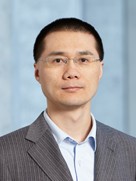
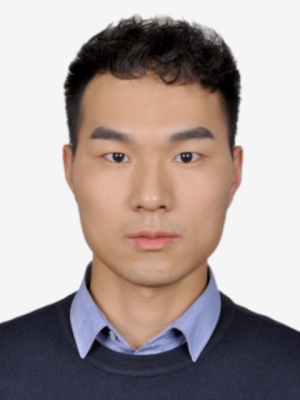
Trym Vegard Haavardsholm is a 20% part-time Lecturer at the University of Oslo (UiO) within the Section for Autonomous Systems and Sensor Technologies. He also serves as Principal Scientist at the Norwegian Defence Research Establishment (FFI) and is a PhD candidate at the Department of Engineering Cybernetics, NTNU. His research focuses on computer vision, machine learning, robotics, and image analysis, with a particular emphasis on multispectral imaging systems and unmanned aerial vehicles (UAVs). Haavardsholm has contributed to advancements in sensor technologies for tactical reconnaissance, autonomous navigation, and real-time data processing. His work spans applications in defense, environmental monitoring, and emergency response systems. Research Interests Haavardsholm’s research integrates interdisciplinary approaches to develop innovative sensor systems and algorithms. Key areas include compact multispectral imaging for small UAVs, in-operation camera calibration, and anomaly detection in hyperspectral data. His contributions emphasize practical applications such as urban feature classification, collaborative indoor navigation, and bioaerosol detection. His work bridges theoretical computer science with applied engineering, addressing challenges in autonomous systems and sensor fusion. Publications His publications highlight trends in multispectral sensor design, UAV imaging, and real-time georeferencing. Recent work includes compact sensor systems for tactical use and advancements in pushbroom image rectification. Earlier research explored band selection algorithms for target detection and GPU-accelerated anomaly detection. Professional Roles As a lecturer, Haavardsholm contributes to academic supervision and teaching in autonomous systems. His dual role at FFI and UiO reflects his commitment to translating academic research into practical defense and civilian applications. His PhD candidacy at NTNU underscores his ongoing academic engagement in engineering cybernetics.
Professor Frederic Coulon holds the position of Professor of Environmental Chemistry and Microbiology at the Cranfield Water Science Institute, part of Cranfield University's School of Management. His work focuses on transdisciplinary environmental science, including soil and water chemistry, bioremediation, wastewater treatment, and risk assessment. He leads research on microbial interactions in engineered systems, biodegradation of petroleum hydrocarbons, and emerging contaminants. His professional interests span soil and water chemistry, fate of chemicals in environmental systems, hazardous waste site remediation, and policy-influencing research. Key collaborators include BBSRC, NERC, Defra, and the European Commission. He has advised on contaminated land management and developed solutions for pragmatic risk-based remediation strategies. Research activities include microbial adaptations in cold environments, environmental monitoring technologies, and anaerobic digestion optimization. Over 200 peer-reviewed articles highlight his contributions to environmental engineering and science, with a focus on bioremediation, bioaerosol risk assessment, and sustainable waste management. Current projects address challenges in low-carbon remediation, landfill mining, and antimicrobial resistance in agricultural environments. He supervises multiple PhD students and collaborates internationally on initiatives like the UK-India vWa project and the REGENERATIS program for metallurgical site regeneration.
Dr. Lara Urban is a Principal Investigator at Helmholtz Munich and Helmholtz AI, and a TUM Junior Fellow at the Technical University of Munich's Life Sciences School. Her research integrates genomics and artificial intelligence to address One Health challenges, focusing on environmental health, biodiversity conservation, and pathogen surveillance. She holds a PhD from EMBL-EBI and the University of Cambridge (2019) and Master's degrees from Julius-Maximilians-University of Würzburg (2015). Her work leverages portable genomic technologies for real-time data analysis in clinical, environmental, and conservation contexts. Key areas include studying bioaerosols, pathogen detection, and genomic diversity in endangered species like the kākāpō. Awards include the Young Scientist of the Year 2022 and Humboldt Research Fellowship. Her team has published on nanopore sequencing applications, antibiotic resistance, and conservation genomics. Collaborations span institutions like the University of Zurich and ETH Zurich, funded by EU Horizon Europe, BMBF, and Helmholtz grants. Current initiatives include fieldwork in Chile and advancing genomic equity through democratized tools.
Dr. Congrong He is a Senior Research Fellow at the School of Earth & Atmospheric Sciences, Faculty of Science, Queensland University of Technology (QUT), Australia. He has been affiliated with the International Laboratory for Air Quality and Health (ILAQH) at QUT since 1999, contributing over three decades of research in atmospheric and environmental sciences. BSc in Atmospheric Physics, Nanjing University, China (1982) MSc in Environmental Sciences, Murdoch University, Australia (1999) PhD in Aerosol Sciences, Queensland University of Technology, Australia (2005) His research focuses on atmospheric environment, air quality, aerosol science, particle emissions, indoor air, VOCs, and the building environment . He has extensive experience in monitoring and analyzing airborne particles, their formation, health impacts, and environmental behavior. His work bridges environmental science, public health, and engineering, particularly in urban and indoor settings. The recent publications (2019–2025) highlight a strong trend in aerosol dynamics, bioaerosols, indoor air quality, and pollution control . Key themes include the behavior of printer emissions, secondary organic aerosol formation in urban-forest interfaces, the impact of prescribed burning on light-absorbing carbon, and the use of UV-C for pathogen inactivation. His collaborative work with leading researchers like Morawska and Ristovski underscores his integration into high-impact environmental health research. Dr. He has not received any explicitly mentioned scientific awards in the provided text. He has been actively involved in research grants and collaborative projects, particularly within ILAQH, focusing on air quality monitoring, health impacts of aerosols, and emission sources. While no formal students are listed, his work supports broader research teams and projects. He is based at QUT and continues to contribute to critical environmental and public health research.
Ulrich Pöschl is Director of the Multiphase Chemistry Department at the Max Planck Institute for Chemistry and Professor in the Department of Chemistry, Pharmacy and Geosciences at Johannes Gutenberg University (JGU) in Mainz, Germany. He has held leadership roles at MIT, the Max Planck Society, and the Technical University of Munich, and is a globally recognized expert in atmospheric and multiphase chemistry. Education: PhD (Doctor technicae) in Chemistry, Technical University of Graz (1995) Habilitation in Geochemistry, JGU Mainz (2007) Habilitation in Chemistry, Technical University of Munich (2006) Research Interests: His research centers on multiphase processes at the interface of atmosphere, biosphere, and hydrosphere. Key areas include aerosol chemistry, climate interactions, oxidative stress, protein modification, and the health impacts of air pollution. His work integrates field observations, laboratory experiments, and modeling. Publication Trends: His recent research spans atmospheric new particle formation in the Amazon, health effects of air pollution, open access science, and the role of bioaerosols in disease transmission. The work is highly interdisciplinary, bridging environmental science, chemistry, public health, and climate science. Scientific Awards: Highly Cited Researcher (Web of Science, 2014–2024) AGU Union Fellow (2023) Copernicus Medal (2015) Pius XI Gold Medal (2012) EGU Union Service Award (2005) Advising and Grants: Pöschl has mentored numerous PhD and postdoctoral researchers, many of whom now hold senior academic positions worldwide. He leads major international collaborations and has secured significant research funding. He is a strong advocate for open science, having founded the journal Atmospheric Chemistry and Physics and co-leading the OA2020 initiative. Labs and Teams: He leads the Multiphase Chemistry Department at MPIC, overseeing a large interdisciplinary team conducting cutting-edge research on aerosols, climate, and health. His group collaborates globally and uses advanced analytical, experimental, and computational methods.
Alex Huffman is an Associate Professor in the Department of Chemistry & Biochemistry at the University of Denver's College of Natural Sciences and Mathematics, holding this position since 2011 after joining the faculty following postdoctoral research in Germany. Education: B.S. in Chemistry from Pepperdine University Ph.D. in Analytical/Atmospheric Chemistry from the University of Colorado-Boulder Research Focus: Dr. Huffman specializes in atmospheric aerosol analysis with emphasis on bioaerosols and custom instrumentation development. His work critically examines aerosol impacts on human health—including urban pollution effects on allergies and respiratory disease transmission—and investigates fundamental atmospheric processes like ice nucleation and cloud formation. He integrates environmental chemistry with public health concerns through experimental and field-based approaches. Professional Engagement: American Association of Aerosol Research American Chemical Society American Geophysical Union Research Leadership: He directs the Huffman Research Group from the Seeley G. Mudd Building, maintaining active collaborations highlighted through media coverage by Colorado Public Radio, The New York Times, PBS Newshour, and The Project (Australia). His laboratory website ( https://www.huffmangroupdu.com/ ) details current projects on aerosol characterization techniques and environmental health applications.
Kerri A. Pratt is a Professor of Chemistry, Earth & Environmental Sciences, and Program in Applied Physics at the University of Michigan, where she is affiliated with the Department of Chemistry within the College of Literature, Science, and the Arts. Her research focuses on the chemical interactions between atmospheric trace gases, particles, clouds, and snow through field-based measurements in wintertime environments and the rapidly warming Arctic. Education: Postdoc, Chemistry, Purdue University Ph.D., Chemistry, University of California, San Diego B.S., Chemistry, Pennsylvania State University Professor Pratt's research centers on atmospheric and environmental chemistry, particularly in polar regions. Her work examines chemical mechanisms in the atmosphere and at the air-snow interface through innovative field measurements. The Pratt Lab employs custom-built, field-portable instruments including single-particle mass spectrometers and chemical ionization mass spectrometers to measure atmospheric composition in real-time. Her research has significant implications for understanding climate change and air quality in rapidly changing Arctic environments. Her publication record demonstrates a consistent focus on Arctic atmospheric chemistry, with particular attention to halogen chemistry, aerosol composition, and cryosphere-atmosphere interactions. Her work often involves interdisciplinary collaborations across atmospheric science, chemistry, and environmental science, with publications appearing in high-impact journals including Proceedings of the National Academy of Sciences and Nature Geoscience. Scientific Awards: Fulbright Scholar Award to Australia, 2025 National Brown Investigator Award, 2024 Blavatnik National Awards for Young Scientists - Chemistry Finalist, 2023 University of Michigan Faculty Recognition Award, 2022 American Geophysical Union Atmospheric Sciences Ascent Award, 2021 American Meteorological Society Henry G. Houghton Award, 2021 College of Literature, Science, and the Arts Class of 1923 Memorial Teaching Award, 2020 American Chemical Society James J. Morgan ES&T Early Career Award, 2018 Department of Energy Early Career Award, 2018 Professor Pratt has received substantial research funding from prestigious sources including the Department of Energy Early Career Award, Sloan Research Fellowship, and National Academy of Sciences Gulf Research Program Early Career Fellowship. Her laboratory actively mentors undergraduate and graduate students in atmospheric chemistry research, with a focus on developing novel instrumentation for field measurements. The Pratt Lab operates as a dynamic research group specializing in atmospheric measurements, with expertise in mass spectrometry, chromatography, and field instrumentation. The lab conducts research in challenging environments including the Arctic, where they study chemical processes in snow, clouds, and the atmosphere to understand climate change impacts.




/trymh/trym.jpg)