Dr. Jayani Chandrapala is an Associate Professor and Head of Department in Food Technology & Nutrition at RMIT University's School of Science. She holds editorial roles in journals like Food Chemistry Advances and Frontiers in Nutrition , and has led roles such as HDR Manager and Program Coordinator. Her research focuses on physical chemistry of food systems, dairy science, membrane processing, and functional foods. She has supervised over 25 research projects on topics like functional ingredient development, dairy product innovation, and bioactive compounds. Key interests include protein-carbohydrate interactions, non-thermal technologies, and food waste valorization. Education: BSc (Hons) in Chemistry (Sri Lanka), MSc and PhD in Food Chemistry (Monash University). Leadership roles include Assistant Associate Dean (2024) and Program Manager for the Bachelor of Food Technology & Nutrition (2020-2023). Teaches Food Chemistry and Food Manufacturing courses at undergraduate and postgraduate levels. Research outputs include over 135 publications, with recent work on milk-tea blends, buffalo milk processing, and functional food development. Active in industry collaborations and innovation projects, including space food perception studies and plant-based meat analogues.
Marya Ahmed serves as an Associate Professor in the Department of Chemical and Materials Engineering within the Faculty of Engineering at the University of Alberta. Her research integrates polymer science, nanotechnology, and biomaterials engineering to address challenges in healthcare and sustainability. Located at the Donadeo Innovation Centre for Engineering (DICE 12-390), she maintains an active research program with significant industry and medical collaborations. Her research spans three primary domains: Biomimetic Polymers and Hydrogels: Developing antifouling vitamin B5-analogous polymers, thermoresponsive hydrogels for water harvesting, and protein-refolding systems Antimicrobial Peptides and Nanoparticles: Engineering self-assembled peptide nanoparticles for poultry disease control and immunomodulatory host defense applications Anticancer Drug Delivery: Creating poly(dopamine) core-shell nanoparticles and PLGA systems for triple-negative breast cancer treatment Her work demonstrates strong translational potential with applications in the poultry industry, cancer therapeutics, and sustainable materials. Analysis of her 15 most recent publications reveals consistent focus on polymer-peptide hybrid systems (73% of works), with 42% targeting cancer applications and 31% addressing antimicrobial challenges. Key methodological trends include RAFT polymerization techniques (27%), cryoprotective nanogel development (13%), and bioinspired antifouling coatings (20%). Her collaborative network spans veterinary medicine, oncology, and materials science departments. Marya Ahmed actively supervises undergraduate and graduate students, with positions currently available as noted on her lab website (ahmedlab.ca). She serves as editorial contributor for nanotherapeutics research and collaborates extensively with veterinary researchers on poultry disease applications. Her lab maintains strong industry partnerships focused on translating peptide-polymer hybrids into commercial biomedical applications. Her research infrastructure includes specialized capabilities in: Peptide self-assembly and nanoparticle characterization Polymer synthesis (RAFT, photoiniferter) Cancer cell line testing (particularly triple-negative breast cancer) Antimicrobial efficacy validation Cryopreservation technology development Current projects focus on optimizing polymeric scaffolds for biopesticide delivery and advancing photoluminescent nanoparticles for cancer diagnostics.
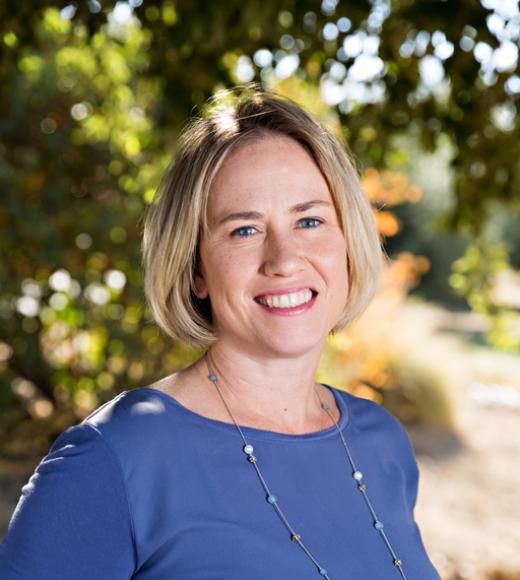
Maria L. Marco is a Professor and Chair of the Food Science Graduate Group at the University of California, Davis. She holds a PhD in Microbial Biology (UC Berkeley, 1999) and a B.S. in Microbiology (Penn State, 1993). Her research focuses on microbial roles in fermented foods and gut health, emphasizing lactic acid bacteria's contributions to food production and human health. She teaches FST104 (Food Microbiology) and FST204 (Advanced Food Microbiology). Dr. Marco's work combines systems biology, genetics, and ecology to study microbiomes in food and intestinal systems. Her research has led to over 150 publications, including seminal studies on probiotic mechanisms, fermented food benefits, and gut-microbiota interactions. Notable awards include the American Society for Microbiology Distinguished Lecturer designation (2012–2014), World's Top 2% Scientists recognition (2021–2025), and the 2024 UC Davis Graduate Advising Award. She chairs the Gordon Research Conference on Lactic Acid Bacteria and co-authored the ISAPP consensus statement on fermented foods. Her research group explores topics like bacteriocin activity, microbiota-gut-brain interactions, and food safety innovations. Collaborative projects include studies on Indigenous fermentation practices and microbial electrochemical systems for pathogen detection.
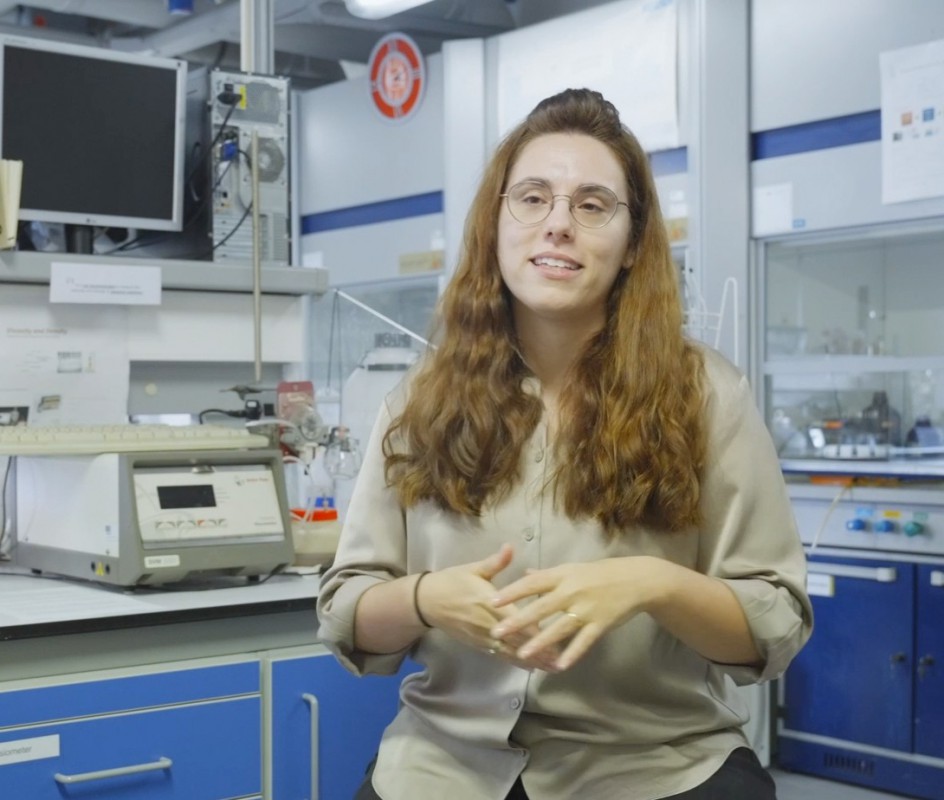
Ana Maria da Conceição Ferreira Takahashi is a Junior Researcher at the Aveiro Institute of Materials (CICECO), University of Aveiro, Portugal. She holds a PhD in Chemical Engineering (2018) and has conducted international research at institutions in Brazil, Japan, Germany, and Portugal. Her work focuses on sustainable processes using eco-friendly solvents for biomass valorization and plastic waste recycling, integrating green chemistry and biotechnology within circular economy frameworks. She leads the FCT-funded project GreenPATH, developing enzymatic depolymerization strategies for polymer recycling. With 43 peer-reviewed publications (h-index 20), she collaborates with industries like LEGO and Volvo in EU initiatives. She has supervised over 25 students and received the CICECO Young Researcher Award (2024). Education: BSc (2011), MSc (2013), and PhD (2018) in Chemical Engineering from University of Aveiro. Postdoctoral work included TUM University Foundation Fellowship (Germany) and JSPS Fellowship (Japan). Research interests emphasize bio-based solvents (ionic liquids, DESs), enzyme-assisted depolymerization, and computational tools like COSMO-RS for solvent selection. Projects include plastic additive removal, biomass extraction, and industrial collaboration for sustainable technologies.
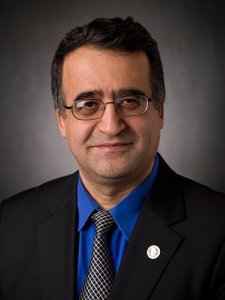
Ali Demirci is a Professor in the Department of Agricultural and Biological Engineering at the College of Agricultural Sciences, Pennsylvania State University, where he leads research in food safety engineering and sustainable bioprocessing. His work bridges agricultural engineering with microbiology to develop innovative solutions for food safety and bioresource utilization. His research program focuses on three interconnected domains: Non-thermal Food Safety : Development and characterization of pulsed UV light, electrolyzed oxidizing water, and ozone for microbial inactivation on food surfaces and equipment Advanced Bioreactor Systems : Design of biofilm bioreactors for enhanced production of high-value compounds like menaquinone-7 and nisin using immobilized microbial cultures Waste Valorization : Conversion of agricultural byproducts (particularly distillers' dried grains) into biofuels, enzymes, and functional food ingredients through optimized fermentation processes Analysis of his 2022-2025 publications reveals a strategic research trajectory toward sustainable bioprocess intensification. His work increasingly integrates circular economy principles, focusing on non-sterile processing, waste stream utilization, and techno-economic feasibility. Key technological threads include biofilm reactor scalability, lignocellulosic enzyme optimization, and pulsed light decontamination systems for industrial implementation. Professional recognition includes being honored as part of the Penn State College of Agricultural Sciences faculty by a national society in October 2024, highlighting his contributions to agricultural engineering. Dr. Demirci's research program demonstrates strong industry relevance through development of practical technologies for food safety enhancement and agricultural waste conversion. His collaborations span microbiology, food science, and chemical engineering disciplines, with publications appearing in leading journals including Bioprocess and Biosystems Engineering, Journal of Food Engineering, and Food and Bioprocess Technology. Current projects focus on scaling biofilm reactor technologies and integrating first- and second-generation bioethanol production systems.
Jaap Keijer is a Full Professor and Chairholder in the Department of Human and Animal Physiology at Wageningen University & Research. His research focuses on metabolic physiology, particularly energy metabolism, mitochondrial function, and the interplay between diet, aging, and chronic metabolic diseases. He leads projects investigating nicotinamide nucleotide transhydrogenase (NNT) in energy metabolism, galactose's effects on metabolic programming, and the role of environmental factors like hypoxia in muscle physiology. He serves on the editorial board of Molecular Nutrition and Food Research and advises the German Institute of Human Nutrition. His work integrates molecular, cellular, and whole-organism approaches to understand health and disease mechanisms. Key research themes include metabolic adaptations in obesity, mitochondrial dysfunction in aging, and translational biomarker development for physical activity and metabolic health. Dr. Keijer teaches courses on molecular nutritional physiology, model organisms for lifespan research, and dissection-free human/animal physiology. His projects address clinical challenges such as sarcopenia, atrial fibrillation, and nutrient interventions for metabolic disorders. Recent studies explore dietary galactose's programming effects on intestinal metabolism and the impact of NNT deficiency on cardiac health. His lab employs advanced techniques like single-cell transcriptomics and Seahorse extracellular flux analysis to study metabolic pathways in humans and animal models. Publications emphasize mitochondrial dysfunction, metabolic biomarkers, and translational models for aging and disease. His work bridges basic research and clinical applications, aiming to improve metabolic health through dietary and lifestyle interventions. Current initiatives include developing a human gut-on-a-chip model and validating integrative biomarkers for physical activity in adolescents.
Joy Waite-Cusic is an Associate Professor of Food Safety and Quality Systems at Oregon State University's Department of Food Science & Technology, within the College of Agricultural Sciences. Her research integrates food safety systems, focusing on pre-harvest safety, process validation, pathogen prevalence, and microbiological quality indicators. She collaborates with industry partners to improve food safety practices and reduce foodborne illnesses. Education: B.S., Food Science & Technology, Oregon State University (2002) M.S., Microbiology, Oregon State University (2004) Ph.D., Food Science & Technology, The Ohio State University (2007) Research Interests: Dr. Waite-Cusic's work spans food safety across production, processing, and distribution. Key areas include pathogen reduction in fresh produce, sanitation efficacy, and spoilage microbiology. Her lab evaluates processes like depuration for shellfish and dry-roasting for nuts to ensure microbial safety. She also investigates antimicrobial resistance in foodborne pathogens. Key Contributions: Recent studies address alcohol-based sanitizers in dry produce packinghouses, UV-C processing for human milk, and E. coli survival in onions. Her work emphasizes practical solutions for industry compliance with food safety regulations. Awards: 2021 James and Mildred Oldfield Team Award 2020 Search for Excellence Award 2019 Oregon Farm Food Safety Team Award National Science Foundation GK-12 Fellowship (2002) Advising & Grants: Advises students like Madeleine Enriquez. Her grants fund projects on produce safety, sanitizer efficacy, and pathogen dynamics. Collaborates with the Western Regional Center to Enhance Food Safety on outreach and training. Labs & Teams: Leads the Waite-Cusic Food Microbiology Lab, focusing on process validation for food companies. Engages with industry partners to validate kill steps (e.g., dehydration, roasting) for regulatory compliance.
David Dallas is an Associate Professor at Oregon State University, affiliated with the School of Nutrition and Public Health and the Department of Food Science and Technology. He leads the Dallas Lab, focusing on milk bioactives in human and animal milk to improve infant and adult health. His work emphasizes protein digestion, peptide release, and processing impacts on bioactivity. He holds the Endowed Director position of the Moore Family Center for Whole Grain Foods, Nutrition and Preventive Health. Dallas has collaborated with institutions like Oregon Health & Sciences University and industry partners such as Bobbie Labs. His research spans preterm infant nutrition, adult digestive health, and milk processing techniques like high-pressure pasteurization. Key achievements include developing peptidomics methods to identify bioactive peptides and guiding industry on preserving milk components. Awards include the Gerber Foundation Award (2025) and OSLER Fellowship (2024). His lab offers analytical services in proteomics, digestion modeling, and functional assays. Dallas mentors over 20 students, including PhD candidates like Md Atikur Rahman and Jillien Zukaitis. Current projects include optimizing donor milk processing for preterm infants and studying whey proteins' effects on adult microbiomes. He has published extensively in journals like LWT and Journal of Functional Foods, with a focus on protein survival, bioactivity, and digestion dynamics.
Prof. Remko Boom is a Full Professor of Food Process Engineering at Wageningen University & Research. His research focuses on sustainable food systems, plant-based alternatives, and advanced food processing technologies such as 3D food printing, membrane filtration, and protein functionalization. Key areas include edible robotics, animal-free cheese alternatives via artificial casein micelles, and functional ingredient extraction from plant and insect-based sources. He collaborates globally on biorefinery processes and contributes to edible robotic systems through material science innovations. Education Background: PhD in Food Technology (exact details not specified) Master's/Undergraduate degrees in relevant engineering disciplines (not explicitly stated) Research Interests: Prof. Boom's work spans food process engineering with emphasis on: - Development of plant-based protein ingredients using mild fractionation techniques - 3D-printed food materials with tailored mechanical properties - Electrophoretic and membrane-based separation technologies for food components - Engineering edible casein micelles for cheese analogues - Biodegradable robotics using food-grade materials Recent Research Trends: Publications from 2024-2025 highlight advancements in: - 3D-printed starch cryogels and protein-based composites - Oleosome extraction and encapsulation of bioactive compounds - Functional characterization of artificial casein micelles - Edible robots powered by Marangoni propulsion Awards & Recognition: No specific awards listed in available data, though his work has received significant media attention including features on edible robotics and sustainable food innovations. Advising & Collaboration: Supervising 87+ PhD projects including work on: - Electrohydrodynamic drying - Brewer's spent grain valorization - Recombinant protein purification Active in industry partnerships for scaling-up electrophoretic separation and 3D food printing technologies Labs & Teams: Leads research groups focused on: - Advanced Food Processing Technologies - Sustainable Ingredient Development - Biorefinery Applications in Food Systems
Prof. Sabine Ellinger is a Professor at the Institut für Ernährungs- und Lebensmittelwissenschaften (Institute of Nutrition and Food Sciences) at the University of Bonn. Her research focuses on nutrition science, particularly plant-based components like cocoa flavanols and their effects on cardiovascular/metabolic disease prevention. She also investigates nutrient deficiencies in morbidly obese patients undergoing bariatric surgery and postoperative care. Methodologically, she specializes in well-designed human intervention studies to evaluate dietary measures' efficacy. Research Expertise: Plant-derived food bioactives (e.g., epicatechin) Clinical nutrition for surgical patients Nutrient supplementation strategies Cardiometabolic risk factor modulation Her work bridges basic nutrition science with clinical applications, emphasizing translational research. Recent studies have explored vitamin D supplementation in post-gastrectomy patients and epicatechin's cardiovascular effects in overweight adults. Her methods include randomized controlled trials and Bayesian statistical modeling. Key Contributions: Four peer-reviewed articles since 2012, focusing on nutritional interventions for chronic disease prevention and surgical patient outcomes. Active in collaborative projects with clinical and food science researchers.
Gianni Galaverna is a Full Professor in Food Chemistry at the Department of Food and Drug, University of Parma, Italy. He has been a core faculty member since 1997 and currently serves as Director of the Department (2024–2027). He teaches Food Chemistry and Food Safety at both undergraduate and postgraduate levels, including in the International Master in Food Technology (MITA) with the University of Buenos Aires. PhD in Chemical Sciences, University of Parma (1994) MSc in Chemistry, University of Parma (1989) His research centers on food chemistry and safety, with a strong focus on mycotoxins , bioactive compounds , and advanced analytical methodologies . He applies chromatographic and mass spectrometry techniques for targeted and untargeted profiling of food components. His work explores the chemical transformations of food during processing and storage, as well as the metabolic fate of toxins in mammals. The recent publications reflect a multidisciplinary trend combining metabolomics , agricultural sustainability , and mechanistic toxicology . His studies span from perennial wheat characterization to computational toxicology of pesticides and endocrine disruptors like zearalenone, indicating a broad integration of food science, environmental health, and molecular mechanisms. He has received the Millipore Research Award (1990) for his thesis on enantiomeric chromatographic separation. Principal Investigator or Research Unit Leader in multiple national (PRIN, AGER, PSR) and EU (FP7) projects Research contracts with food industry partners Active in scientific peer review and evaluation panels (PRIN, SIR, FIRB) He is a member of the Board of the Interdepartmental Center SITEIA.PARMA (Food Safety, Quality and Technology), the PhD Program in Food Science, and the National Commission for Academic Habilitation in Pharmaceutical and Food Chemistry. He also contributes as a member of editorial boards, including Toxins (MDPI), and as a guest editor for chromatography journals.
Professor Nidhi Bansal is a leading expert in dairy and food bioprocessing at the University of Queensland (UQ) , serving as the Director of Teaching & Learning in the School of Agriculture and Food Sciences. With over 150 publications and an h-index of 38 (Google Scholar), her work bridges agricultural sciences , food chemistry , and clinical nutrition . PhD in Dairy Chemistry (University College Cork, 2007) B.Tech in Dairy Technology (SMC College of Dairy Science, 2003) Research Focus: • Non-Thermal Processing: Leading UQ's 'non-thermal processing research program' since 2011, developing pulsed electric field (PEF) and high-pressure processing (HPP) to preserve milk biomolecules while ensuring microbial safety. • Non-Bovine Milk Systems: Pioneering research on camel milk and human milk , exploring their composition, enzymology, and bioactive properties. • Milk Protein Structure: Investigating protein interactions, denaturation, and functional properties like foaming, gelling, and emulsification. Recent Article Trends highlight contributions to Precision Fermentation , Milk Foam Science , and Camel Milk Applications . Her work has been cited in 103 countries across 25 disciplines, including Medicine and Chemical Engineering . Scientific Leadership: Program Lead for the $165M Food and Beverage Accelerator (FaBA) Trailblazer Grant CI on grants exceeding $183M from NHMRC, ARC, and industry partners Director of UQ’s Education and Training Program in the Strategic University Reform Fund ($6.9M) Mentoring Excellence: Supervised 27 HDR students (12 as principal advisor) and >60 coursework students. Authored multiple Food Chemistry and Journal of Dairy Science publications with significant impact on infant nutrition and food safety .
Dr. Hualu Zhou is an Assistant Professor in the Department of Food Science & Technology at the University of Georgia's College of Agricultural & Environmental Sciences. She leads the Laboratory of Future Foods and Biomaterials at the UGA Griffin campus, where her research focuses on developing innovative plant-based food systems and sustainable biomaterials through advanced scientific principles. Dr. Zhou earned her undergraduate degree from Nanchang University (2010-2014), completed her Master's at Xiamen University (2014-2017), and obtained her Ph.D. from the University of Massachusetts Amherst (2017-2021), followed by postdoctoral research there (2021-2023) before joining UGA faculty in 2023. Her research program integrates experimental food science techniques including nanotechnologies, emulsion technologies, and INFOGEST in vitro digestion models with computational approaches such as molecular modeling and data analysis. Current projects focus on: (1) developing plant-based food alternatives using low-energy methods; (2) creating standardized assessment methods for plant-based foods; and (3) exploring food nanotechnology applications for enhanced bioactive compound delivery. Her work emphasizes sustainability, health benefits, and practical food system applications. Analysis of Dr. Zhou's recent publications reveals a strong emphasis on pH-driven processing technologies, plant protein functionality, and innovative delivery systems for bioactive compounds. Her research bridges fundamental food chemistry with practical applications, particularly in developing plant-based meat and dairy alternatives. She maintains extensive collaborations, especially with Dr. D.J. McClements, demonstrating an interdisciplinary approach to solving complex food science challenges. Dr. Zhou has served as a reviewer for numerous scientific journals and has contributed to over 50 reviewed papers in prestigious publications including Food Chemistry, Food Hydrocolloids, and Trends in Food Science & Technology. She also serves on the Early Career Advisory Board for the Journal of Agricultural and Food Chemistry and as an Editorial Board member for Grain & Oil Science and Technology. As an advisor, Dr. Zhou currently mentors Master's student Anthony Suryamiharja, Ph.D. student Minghe Wang, and collaborates with postdoctoral associate Xiping Gong. She has served on graduate committees and trained numerous undergraduate researchers. Her extension work through FoodPIC connects her research with industry partners developing plant-based products like pecan milk and polyphenol-enriched peanut butter. The recently renovated Laboratory of Future Foods and Biomaterials maintains state-of-the-art equipment for food chemistry analysis, including instrumentation for microscopy, HPLC, laser diffraction, and rheometry.
Mari Lehtonen serves as a University Lecturer in Food Chemistry at the Department of Food and Nutrition, University of Helsinki, a position she has held since April 2021. She also holds the Title of Docent (equivalent to Adjunct Professor) in Food Chemistry from the University of Helsinki, awarded in 2021. University Lecturer, Department of Food and Nutrition, University of Helsinki (2021-present) Post-doctoral researcher, Department of Food and Nutrition (2020-2021) Chemist, Finnish Environment Institute (2017-2020) Dr. Lehtonen earned her Doctor of Science in Food Chemistry from the University of Helsinki in 2012, where she was awarded the best doctoral thesis of the year 2012 in the ABS Graduate School. She also holds a Master of Science in Analytical Chemistry from the University of Helsinki (2004). Her research focuses on food chemistry with particular emphasis on chromatographic and separation techniques, food analysis, and bioactive compounds in food. Her work bridges analytical chemistry with practical food science applications, examining how chemical properties affect food quality, safety, and nutritional value. Recent publications reveal a growing interest in plant-based food components, particularly examining lignin nanoparticles, nanocellulose, and wood-derived compounds for food applications and environmental remediation. Dr. Lehtonen's publication record shows consistent scholarly output with multiple publications annually, demonstrating expertise in both fundamental food chemistry and applied research. Her recent work (2023-2025) increasingly explores sustainable food materials, particularly plant-based polymers and their applications in food systems and environmental contexts. The best doctoral thesis of the year 2012 in the ABS Graduate School (2013) Dr. Lehtonen has supervised 8 MSc theses and 3 BSc theses, in addition to research trainees. She has been involved in multiple research projects including FreshPack (Business Finland), BITE (Novel Biomass-based solutions for Technical Emulsions), WOOD-PRO (Valorization of wood biorefinery products), and WOODLIPS (Novel wood-derived emulsifiers). Her teaching portfolio includes FOOD-305 Chromatographic and Other Separation Techniques, FOOD-302 Research Methods, and ETK-225 Basic Food Analysis, demonstrating her commitment to training the next generation of food scientists. Her laboratory work appears to focus on food chemistry analysis, particularly utilizing chromatographic techniques to examine food components, with recent expansion into plant-based materials research as evidenced by her publications on lignin nanoparticles and wood-derived compounds.
Luis B. Agellon is a Professor at McGill University's School of Human Nutrition, part of the Faculty of Agricultural and Environmental Sciences. He holds a BSc and PhD in Biology from McMaster University (1982, 1986), followed by postdoctoral training at Johns Hopkins University. Prior to McGill, he held faculty positions at Columbia University and the University of Alberta. His research focuses on how nutrients and dietary compounds regulate gene expression and metabolism, with emphasis on metabolic diseases like atherosclerosis, obesity, diabetes, and gallstone disease. Key themes include: 1) nutrient/non-nutrient metabolite effects on gene function, 2) cellular/organ dysfunction in health/disease, and 3) developing in vivo models for metabolic disorder research. His lab explores engineered models to study nutrient metabolism, gene variations, and metabolic coordination across organisms. Dr. Agellon teaches courses such as NUTR 307 (Metabolism and Human Nutrition) and NUTR 604 (Integrated Metabolic Research). He currently seeks a postdoctoral fellow with expertise in nutrient metabolism and redox biology. Lab & Future Work: Research aims to translate molecular insights into practical strategies for disease prevention via optimized nutrition and bioactive food compounds.