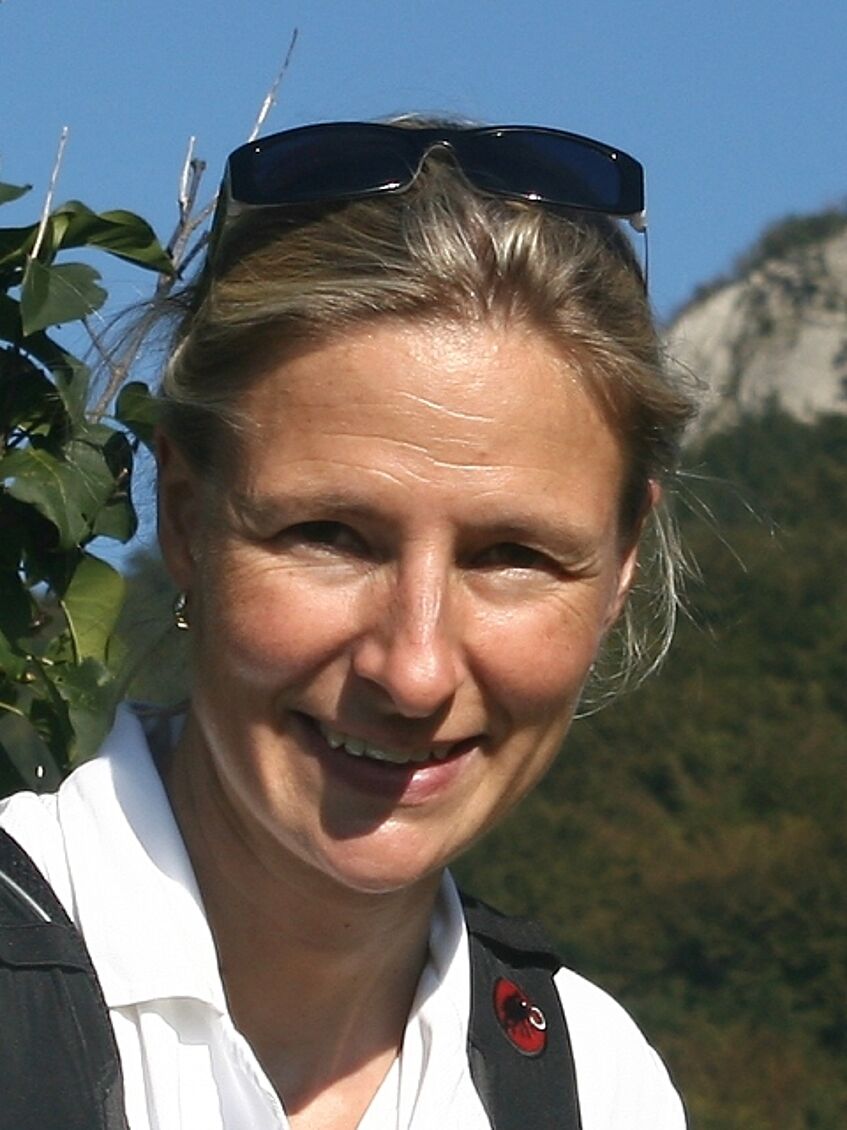
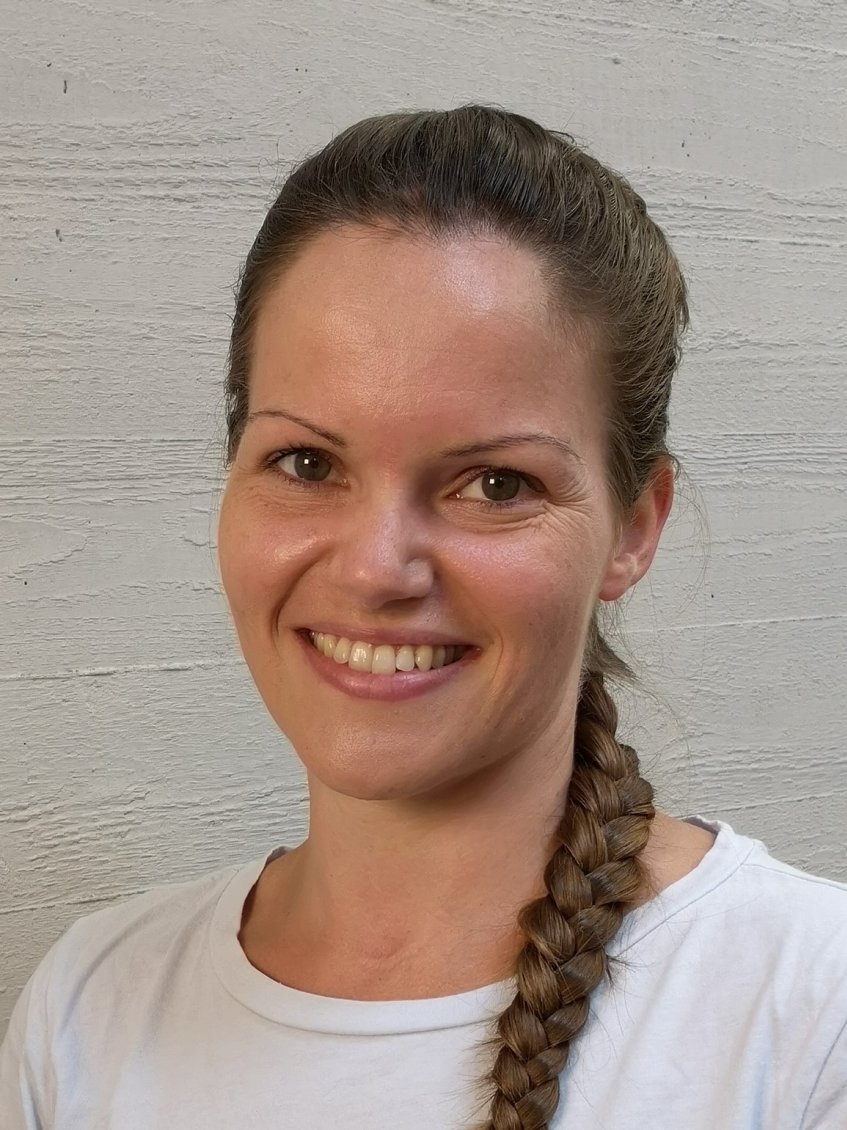
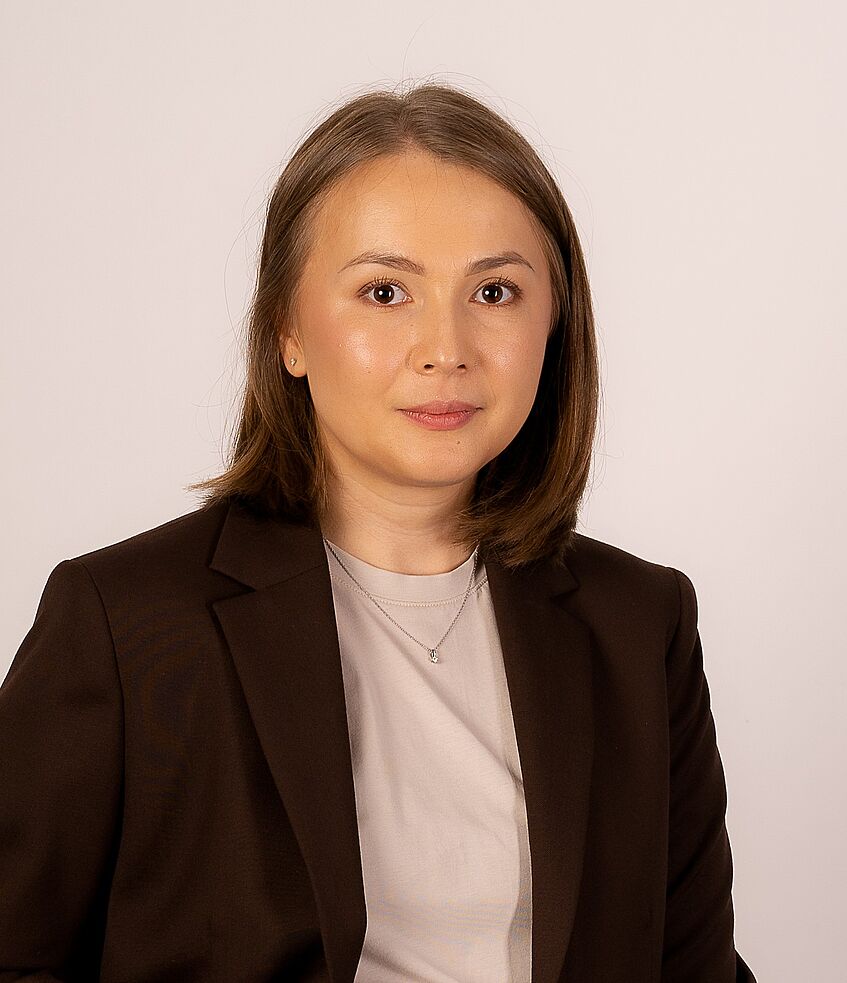
Sabine Glasl-Tazreiter is a Lecturer at the University of Vienna's Faculty of Life Sciences , specifically within the Department of Pharmaceutical Sciences and its Division of Pharmacognosy . Her office is located in room 2E 412 on the 4th floor at Josef-Holaubek-Platz 2, Vienna, Austria (1090). Contact details include telephone number +43-1-4277-55207 and email sabine.glasl@univie.ac.at . Principal research focus: Phytochemistry & Biodiscovery Specialization: Secondary metabolites from ethnomedicinally used plants across Europe, Mongolia, and Latin America Key techniques: Isolation of bioactive compounds, structural elucidation, pharmacological evaluation Quality control expertise: Macroscopic/microscopic identification, chemical analytics Recent publications highlight her work in: 2024 - Development of the VOLKSMED Database for Austrian folk medicine wound healing plants 2025 - Advanced mucociliary clearance research in respiratory systems 2023 - Innovations in optoacoustic imaging technology 2019 - Structure-function analysis of phycobiliproteins for medical imaging 2017 - Phytochemical characterization of Latin American antidiabetic plants
Lea Atanasova is a Senior Researcher and Principal Investigator at the Institute of Food Technology, Department of Biotechnology and Food Science, University of Natural Resources and Life Sciences Vienna (BOKU). She holds a PhD (Dr. rer. nat.) and a Master’s degree (Mag. rer. nat.) and has extensive postdoctoral experience in fungal molecular biology and genomics. Her research is centered on mycoparasitic fungi such as Trichoderma and Clonostachys , with a focus on carbohydrate-active enzymes, signal transduction, gene expression, and ecological genomics. Her research interests span molecular biology, genetics, genomics, microbiology, mycology, and enzyme technology. She investigates the functional roles of genes and proteins in fungal biocontrol, nutrient acquisition, and host interactions. Her work integrates comparative genomics, transcriptomics, and functional proteomics to understand fungal evolution and ecological niches. The most recent publications highlight a strong trend in understanding fungal signaling pathways (e.g., TOR and MAPK), enzyme diversification (e.g., CDHs, pectate lyases), and the molecular mechanisms of mycoparasitism. Her work also extends to fungal secondary metabolites, host-microbe interactions, and advanced imaging techniques for protein localization. Scientific Awards: Carl Trygger scholarship for research at SLU (Uppsala, Sweden) GSA fungal meeting award, Genetics Society of America (Asilomar, CA, United States) FEMS Young Scientist Meeting Grant, Federation of European Microbiological Societies (Sant Feliu de Guíxols, Spain) Price Award for best Master-/Diploma research, Ecological Society of Germany, Austria and Switzerland (GFÖ) (Bayreuth, Germany) Austria National Park Research Award, Austrian Federal Ministry of Agriculture, Forestry, Environment and Water Management (Vienna, Austria) Ad Futura Special Achievements Fellowship for studies abroad, Slovene human resources development and scholarship fund (Ljubljana, Slovenia) Lea Atanasova has supervised several Master’s and Diploma theses on topics related to fungal biotechnology and enzymology. She leads an Austrian Science Fund (FWF)-funded project on GMC oxidoreductases in Clonostachys rosea . She is actively engaged in the scientific community, serving on editorial boards and as a guest editor. She has organized and chaired sessions at major conferences, including ECFG, and frequently presents her research internationally. She is a key member of the research community at BOKU, contributing to knowledge transfer through student supervision, editorial roles, and conference participation. Her work bridges fundamental fungal biology with applications in agriculture and biotechnology.
Rainer Schuhmacher is a Full Professor for Plant and Microbe Metabolomics at the University of Natural Resources and Life Sciences, Vienna (BOKU), affiliated with the Department of Agricultural Sciences and the Institute of Bioanalytics and Agro-Metabolomics in Tulln an der Donau. His research focuses on metabolomics, analytical chemistry, and plant-microbe interactions, with emphasis on fungal secondary metabolites, mycotoxin resistance, and environmental stress responses in crops. He leads projects funded by the Austrian Science Fund (FWF), European Commission, and national agencies. Research interests span: Metabolomic profiling of plant-pathogen interactions (e.g., Fusarium -wheat systems) Stable isotope-assisted techniques for metabolic pathway analysis Cold stress mitigation in plants using Antarctic bacteria Development of computational tools for untargeted metabolomics data processing His work integrates analytical chemistry, bioinformatics, and molecular biology to study metabolic crosstalk in agricultural systems. Awards include the Fritz-Feigl-Preis (2012) and Dr.-Wolfgang-Houska-Preis (2005). He has supervised multiple PhD projects and leads the Plant-Microbe Metabolomics group, managing core metabolomics platforms and international collaborations. Key projects: Chemical crosstalk in mycoparasitic interactions (FWF) Metabolomics of cold stress tolerance mediated by psychrotolerant bacteria Extension of metabolomics platforms for plant-pathogen studies
Karl-Heinz Wagner is Full Professor of Nutrition and Food Quality at the University of Vienna, Faculty of Life Sciences, Department of Nutritional Sciences. He directs an experimental research group investigating how lifestyle factors—diet, specific food components, phytochemicals, physical activity and bioactive non-food compounds—modulate oxidative stress and DNA stability in humans, with emphasis on aging and sarcopenia. He initiated the university-wide “Active Ageing” research platform and coordinates EU projects such as SHIFT2HEALTH. Education & Affiliations: University of Vienna, Faculty of Life Sciences, Department of Nutritional Sciences – Professor and Chair of Nutrition and Food Quality Principal investigator of the Emerging Field “Oxidative Stress and DNA Stability” Head of the “Active Ageing” research platform activeageing.univie.ac.at Research Focus: Prof. Wagner’s group applies state-of-the-art biochemical and molecular techniques to quantify antioxidant compounds, ROS-induced DNA and chromosomal damage, DNA repair capacity and transcriptional regulation of antioxidant defenses. Human intervention trials, cross-sectional cohorts and in-vitro models are used to examine: Impact of plant-based vs. animal-based diets on multimorbidity risk Nitrate-rich beetroot juice effects on microbiome, vascular function and oxidative stress Bilirubin biology and metabolic health in Gilbert’s syndrome High-protein nutrition and resistance training on DNA damage and muscle quality in older adults Microbiota-derived metabolites that enhance CD8 T-cell antitumor immunity after exercise Publication Trends 2023-2025: Recent output demonstrates a strategic shift toward multi-omics integration (metabolomics, lipidomics, proteomics) to dissect diet–microbiome–immune crosstalk and to identify predictive biomarkers of healthy ageing. Papers consistently appear in top-tier journals (Cell, Lancet Healthy Longev, Redox Biol, Mol Nutr Food Res) and embrace large multinational cohorts, randomized controlled trials and mechanistic animal/cellular work. Funding & Networks: Research is mainly funded by the Austrian Science Fund (FWF), National Bank, European Commission (Horizon 2020, Horizon Europe), EU Cross-Border Co-operation and the University of Vienna. A dense national and international partner network ensures continuous biomarker development and knowledge transfer. Student Training & Citizen Science: Prof. Wagner actively involves MSc/PhD students and post-docs in externally funded projects and advertises internships via ERASMUS+. Study participant recruitment portals for projects like SHIFT2HEALTH, NUTRIAGING and bilirubin clinical studies are maintained to engage the public and foster translational impact.
Simone Bachleitner is a Researcher at the Institute of Microbiology and Microbial Biotechnology within the Department of Biotechnology and Food Science at University of Natural Resources and Life Sciences, Vienna (BOKU) . Her work focuses on fungal genetics, epigenetic regulation, and metabolic engineering of yeast for organic acid production. She actively investigates chromatin structure's role in secondary metabolite gene expression in Fusarium species and develops engineered Komagataella phaffii strains for bio-based acid production from methanol. Her research bridges molecular biology, industrial biotechnology, and plant pathology. Recent publications highlight her contributions to: H3K27me3 epigenetic regulation in plant pathogens Mxr1/Mit1 transcriptional activation for lactic acid production Nonribosomal peptide synthetase cluster analysis in Fusarium Methanol-based itaconic acid bioprocess optimization She supervises graduate students and contributes to collaborative projects funded by the Austrian Science Fund (FWF) and European Commission.
Thomas Schnabel is a Research Group Leader and Senior Researcher in Design and Green Engineering at Salzburg University of Applied Sciences, where he heads the Green Materials and Processing research group and leads the Salzburg Center for Smart Materials 2.0 initiative. His work bridges academic research with practical industrial applications in sustainable materials science. His research focuses on: Valorization of wood byproducts, particularly tree bark extracts for multiple applications Development of natural fiber insulation materials from recycled wood residues Life cycle assessment of sustainable material production processes Application of bioactive compounds from bark for biomedical uses Green chemistry approaches to material processing and purification Dr. Schnabel's publication record shows a cohesive research trajectory focused on extracting maximum value from wood processing byproducts. His recent articles demonstrate increasing sophistication in characterizing bark extracts and developing practical applications across construction, biomedical fields, and sustainable manufacturing. The research directly contributes to UN Sustainable Development Goals related to responsible consumption, climate action, and industry innovation. He leads multiple significant research initiatives including: NETTLE: Cross-border cooperation for alpine plant bioactive compounds (2024-2026) DRWO4.0: Danube Region Wood Industry Transformation toward Industry 4.0 (2024-2025) SCSM 2.0: Salzburg Center for Smart Materials 2.0 (2023-2026) User-centered teaching materials development in forestry and bioeconomy (2023-2026) His collaborative network spans the Danube region and beyond, reflecting the international significance of his work in advancing sustainable materials science and engineering practices.
Günter Klambauer is a Professor at the Institute for Machine Learning , Johannes Kepler University Linz, and leads the LIT Artificial Intelligence Lab in Austria. His research bridges artificial intelligence with life sciences , focusing on deep learning applications in retinal imaging , drug discovery , and hydrological modeling . Affiliation: JKU Institute for Machine Learning & LIT Artificial Intelligence Lab Key Research Areas: Medical Imaging AI, Biological Sequence Modeling, Generative Models for Molecules, Time-Series Forecasting His recent publications highlight extended LSTM architectures (xLSTM) for biological sequence modeling, contrastive learning in retinal imaging, and in-context learning for low-data drug discovery. He has pioneered frameworks like TiRex for zero-shot forecasting and LaM-SLidE for spatial dynamical systems. Scientific Awards: Austrian Life Science Award (2012) Award of Excellence (2014) ELLIS Society Scholar (2020) Director, ELLIS Machine Learning for Molecules Discovery Program (2023) Professor Klambauer collaborates extensively on AI-driven biomedical projects , including retinal image analysis and antibody design, while advancing foundational neural network architectures for diverse domains from healthcare to climate modeling.
Joseph Strauss is a Full Professor at the University of Natural Resources and Life Sciences Vienna (BOKU), leading the Institute of Microbial Genetics. With a career spanning over three decades, he has focused on fungal genetics, epigenetics, and bioactive metabolite discovery, particularly in filamentous fungi and pathogens. His work bridges fundamental research with applications in agriculture, medicine, and environmental biotechnology. Research Focus: Epigenetic regulation of fungal secondary metabolism, chromatin dynamics, bioactive compounds, nitrate signaling, and microbial interactions. Projects: Leads multiple grants from Austrian Science Fund (FWF), European Commission, and industry partners, including studies on chromatin engineering, fungal biotechnology, and toxin biosynthesis. His recent publications highlight advancements in chromatin proteomics, fungal pathogenicity, and novel bioactive molecules like luteapyrone and rasfonin. Articles emphasize broad disciplines such as Fungal Genetics, Epigenetics, and Natural Product Discovery, with subfields including secondary metabolite clusters, histone modifications, and stress response mechanisms. Scientific Awards: 2021 - Keratinophyton straussii fungal species named after him 1999 - START Preis 1995 - EMBO Stipendium 1994 - OTTO LOEWI Stipendium He has supervised over 69 theses and contributed to 186 publications, reflecting his leadership in fungal genomics and its applications. Projects like 'Bioaktive Mikrobielle Metaboliten' and 'TASSMATA' underscore his commitment to translating research into sustainable solutions.
Helmut Mayer is an Associate Professor in the Department of Food Sciences at the University of Natural Resources and Life Sciences, Vienna (BOKU), where he leads research in food chemistry and analysis. He is based at the Institut für Lebensmittelwissenschaften and is actively involved in projects related to food authenticity, protein analysis, and advanced chromatographic techniques. His research interests span food chemistry, food authenticity, adulteration control, protein and amino acid analysis, biogenic amines, vitamins, UHPLC, electrophoresis, and molecular biology . He specializes in the analysis of milk proteins, DNA fingerprinting, lactic acid bacteria, and food biotechnology, with a strong focus on method development for detecting food fraud and ensuring quality. His recent publications and projects highlight a strong trend in vitamin B12 analysis , particularly distinguishing biologically active forms from pseudo-vitamins in algae and fermented foods, as well as assessing heat treatment in dairy products using markers like β-lactoglobulin and furosine. His work integrates analytical chemistry with nutritional science and food safety. Scientific awards received include: Hochschuljubiläumsstiftung (2006, 1998, 1996) Wirtschaftskammerpreis (2006) Bodenkulturpreis der Wirtschaftskammer Wien (1999, 1996) Dr. Hermann Zittmayr-Preis (1994) Min. Ök.-Rat Josef Kraus-Stipendium (1990) Dr. Mayer has led and participated in numerous research projects, including those funded by the EU, national agencies, and private companies. His work involves advising on food authenticity, thermal processing indicators, and allergen detection. He frequently collaborates with industry and regulatory bodies, providing expert opinions and technical reports. He is active in knowledge transfer, presenting at conferences such as ALVA, EuroFoodChem, and HPLC, and contributing to public discourse on food quality and safety, particularly regarding ESL milk and nutritional supplements.
Tobias Pointner is a researcher at the Institute of Physiological Chemistry, Faculty of Chemistry, University of Vienna, Austria. His scientific career focuses on applying machine learning to food quality and shelf-life prediction, particularly for edible oils and meat products. He has collaborated internationally, including the DoSChem Exchange Programme at the Faculty of Veterinary and Agricultural Sciences, University of Melbourne, Australia (October-December 2024). Master's Degree in Food Technology and Nutrition (University of Applied Sciences Upper Austria, 2021) Bachelor's Degree in Food Technology and Nutrition (University of Applied Sciences Upper Austria, 2019) His research integrates computational methods with food science, emphasizing predictive models for food preservation and structural analysis of meat during freeze-drying. He has received multiple early-career awards for his work on oil analysis and bioactive compounds. Best Early Career Researcher Poster Award (2025) DoSChem Poster Award (2025) Student Travel Grant (AOCS, 2024) DoSChem International Exchange Award (2024)
Veronika Somoza is a University Professor at the University of Vienna , affiliated with the Faculty of Chemistry and the Centre for Microbiology and Environmental Systems Science . Her research focuses on Bitter Taste , Food Chemistry , and Pharmacology , particularly exploring interactions between taste receptors and bioactive compounds. Key Research Areas Bitter Taste Receptors (TAS2R4, TAS2R43, TAS2R16) Gastric Acid Secretion Serotonin Release Plant-Derived Compounds (Resveratrol, Nonivamide, Capsaicin) Mass Spectrometry Imaging Scientific Awards AGFD Fellow Award 2020 Her work spans Gastric Physiology , Food Toxicology , and Sustainable Nutrition , aligning with UN Sustainable Development Goals. Recent publications highlight LA-ICP-MS imaging for zinc mapping and AFM probing of bitter peptide interactions. She has also contributed to understanding Chlorogenic Acid and Advanced Glycation End-Products in food science. Veronika Somoza actively participates in scientific communication , including invited talks on flavor research and media engagement on food chemistry topics.
Elke H. Heiß is an Associate Professor at the University of Vienna , affiliated with the Faculty of Life Sciences and the Department of Pharmaceutical Sciences, Division of Pharmacognosy . Her research focuses on molecular mechanisms of natural products in cellular stress resistance, redox balance regulation, and metabolic immunomodulation. Key research areas include: AMPK-Nrf2 signaling crosstalk in cellular homeostasis Impact of biogenic compounds on glucose homeostasis and cellular bioenergetics Metabolic regulation of macrophage polarization Molecular pharmacology of indirubin derivatives in cardiovascular disease Current projects investigate: FWF Project P33778 (2021-2026): AMPK-mediated phosphorylation of Nrf2 targets FWF Project P32600 (2019-2024): Metabolic immunomodulation by natural products FWF Project P29392 (2016-2019): AMPK-Nrf2 interactions in stress response Her work combines chemical biology approaches with metabolic profiling to uncover novel therapeutic strategies for chronic diseases and aging-related conditions.
Karin Ortmayr serves as an Assistant Professor at the University of Vienna within the Faculty of Life Sciences, Department of Pharmaceutical Sciences, specifically in the Division of Pharmacognosy. Her research laboratory is located in room 2G 154 (floor 1) at Josef-Holaubek-Platz 2, A-1090 Vienna, Austria. Her primary research interests focus on Phytochemistry & Biodiscovery , Molecular Targets , and MS-based metabolome profiling . Dr. Ortmayr investigates the impact of cellular plasticity on cellular metabolism and responses to stress & bioactive compounds. Her work addresses fundamental questions on the interplay between different cell states, cellular metabolism, and the action of bioactive compounds, with particular emphasis on (1) harnessing cell state-specific vulnerabilities to target disease-relevant cell subpopulations like quiescent cancer cells (cancer recurrence), and (2) considering cell state switches to improve cell-based systems for drug discovery. Her research employs advanced analytical tools in mass spectrometry-based metabolomics for systematic studies in human health and disease. She utilizes combined metabolic- and phenotypic profiling approaches, with technologies including mass spectrometry-based metabolomics (non-targeted and targeted), in vitro cell cultivation and multiparallel perturbation studies (96-well format), live-cell microscopy imaging, and integrative computational data analysis. Her publication record demonstrates consistent research output from 2014 through 2025, with a recent focus on metabolic mapping of pharmacological perturbations, biopharmaceutical profiling of natural compounds, and the relationship between cellular plasticity and metabolism in disease contexts. Her work spans microbiology, cancer research, metabolomics, and phytochemistry, reflecting interdisciplinary approaches to understanding metabolic pathways and their therapeutic applications. Dr. Ortmayr utilizes mass spectrometry-based metabolomics as her primary analytical approach, with applications ranging from antibacterial compound discovery to cancer cell metabolism and natural product analysis. Her research bridges fundamental metabolic understanding with practical applications in drug discovery and disease treatment. Her laboratory work involves in vitro cell cultivation, high-throughput perturbation studies, live-cell imaging, and computational data analysis to investigate metabolic responses to various stressors and bioactive compounds. This integrated approach allows for comprehensive analysis of cellular metabolic states and their implications for disease mechanisms and therapeutic interventions.
Nadiia Gumerova , PhD, is a researcher at the Institute of Biophysical Chemistry under the Faculty of Chemistry at the University of Vienna , Austria. Her work focuses on polyoxometalate chemistry, including targeted synthesis, structural analysis, and biomedical applications. She has published extensively on aqueous speciation, metal-substituted polyoxometalates, and their interactions with proteins and biological systems. PhD in Inorganic Chemistry (2014), Donetsk National University Post-doctoral fellow (2019–present), University of Vienna Lise Meitner fellow (2017–2019), University of Vienna Her research interests encompass polyoxometalate design, structural transformations in biological environments, and development of bioactive materials. Recent work includes studies on vanadate-protein interactions, antibiotic activity of Preyssler-type clusters, and enzyme inhibition by polyoxotungstates. Publications (15 most recent) highlight trends in polyoxometalate speciation under varying ionic strengths, biomedical applications of Anderson-Evans and Keggin-type derivatives, and structural insights into metal-substituted tungsten clusters. Keywords span Inorganic Chemistry , Biochemistry , and Materials Science . Grants include the FWF Meitner Program M2203 (2017–2019) and FWF Stand-Alone Project P33927 (2021–2023). She collaborates with the RompelLab and contributes to interdisciplinary projects applying inorganic chemistry in biological contexts.
Assoc.-Prof. Dr. Marietta Zille is an Associate Professor at the University of Vienna , Faculty of Life Sciences, Department of Pharmaceutical Sciences. She leads the Cerebrovascular Pharmacology research group, focusing on novel therapies for stroke, brain hemorrhage, vascular dementia, and brain aging. Her work integrates advanced technologies like deep learning and in vitro models to study neuronal and vascular cell death mechanisms. University of Vienna, Faculty of Life Sciences Department of Pharmaceutical Sciences Cerebrovascular Pharmacology & Toxicology Research Interests include: Neurodegenerative disease etiology Stroke and hemorrhage pathophysiology Blood-brain barrier aging Ferroptosis and necroptosis Marine bioactives for neuroprotection Her recent publications span axonal degeneration (2025), blood-brain barrier aging (2025), microglial activation (2025), and SARS-CoV-2 vascular pathology (2024). She supervises Master’s thesis projects in cell culture, in silico modeling, and cerebrovascular research. Grants include Austrian Academy of Sciences (2024-2027), Hochschuljubiläumsfonds (2023), and BMBF projects (2018-2019).