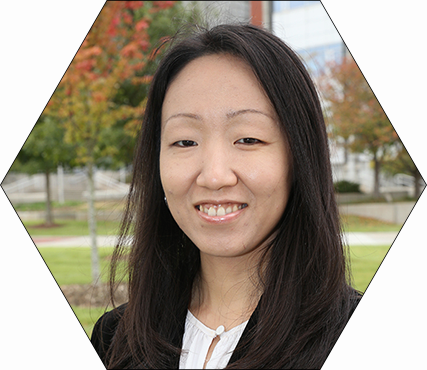
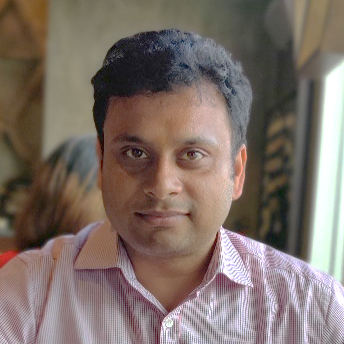
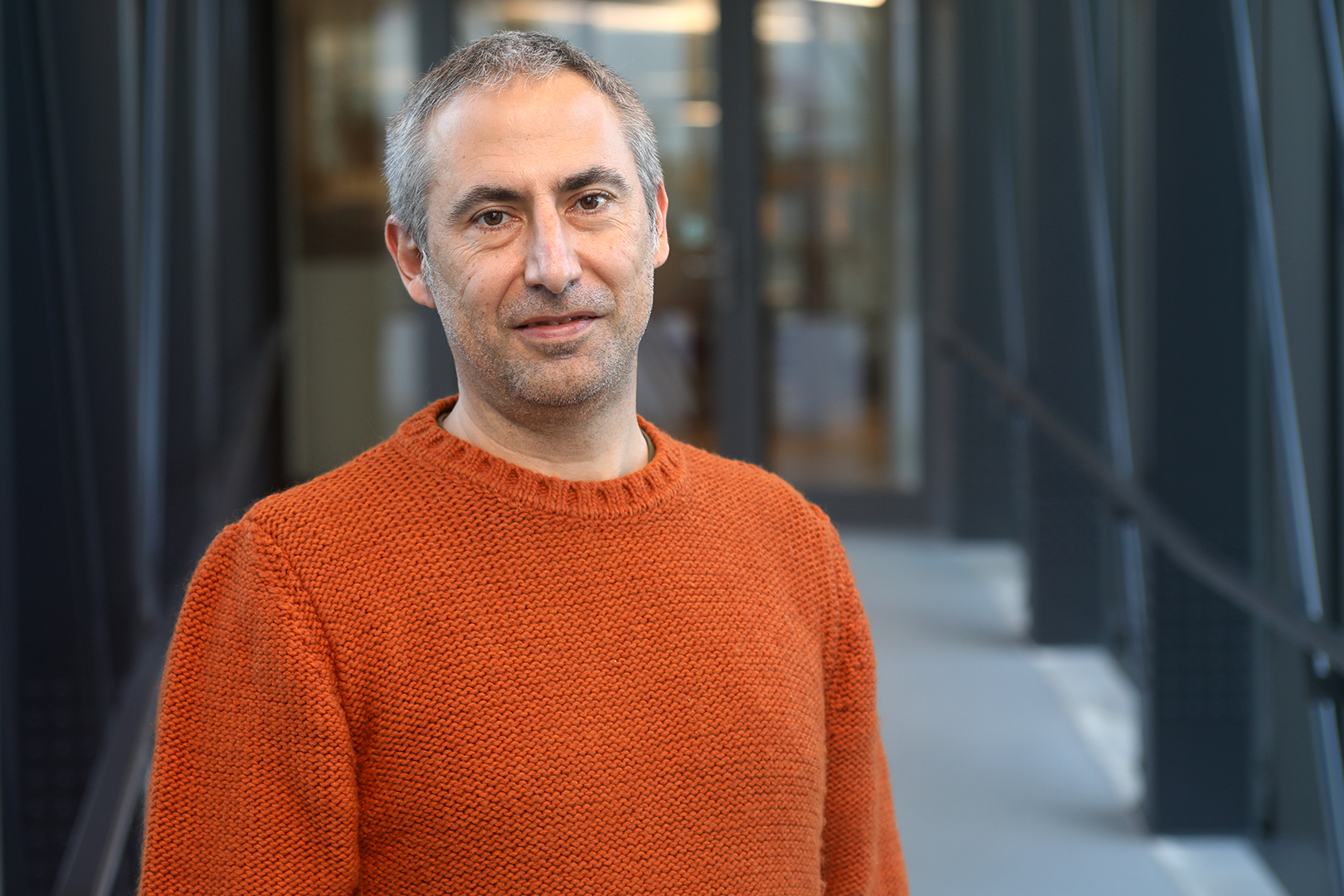
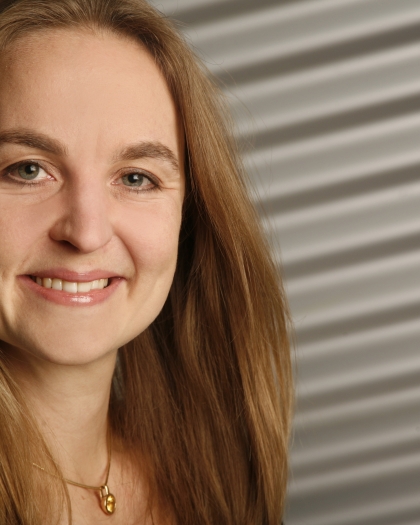
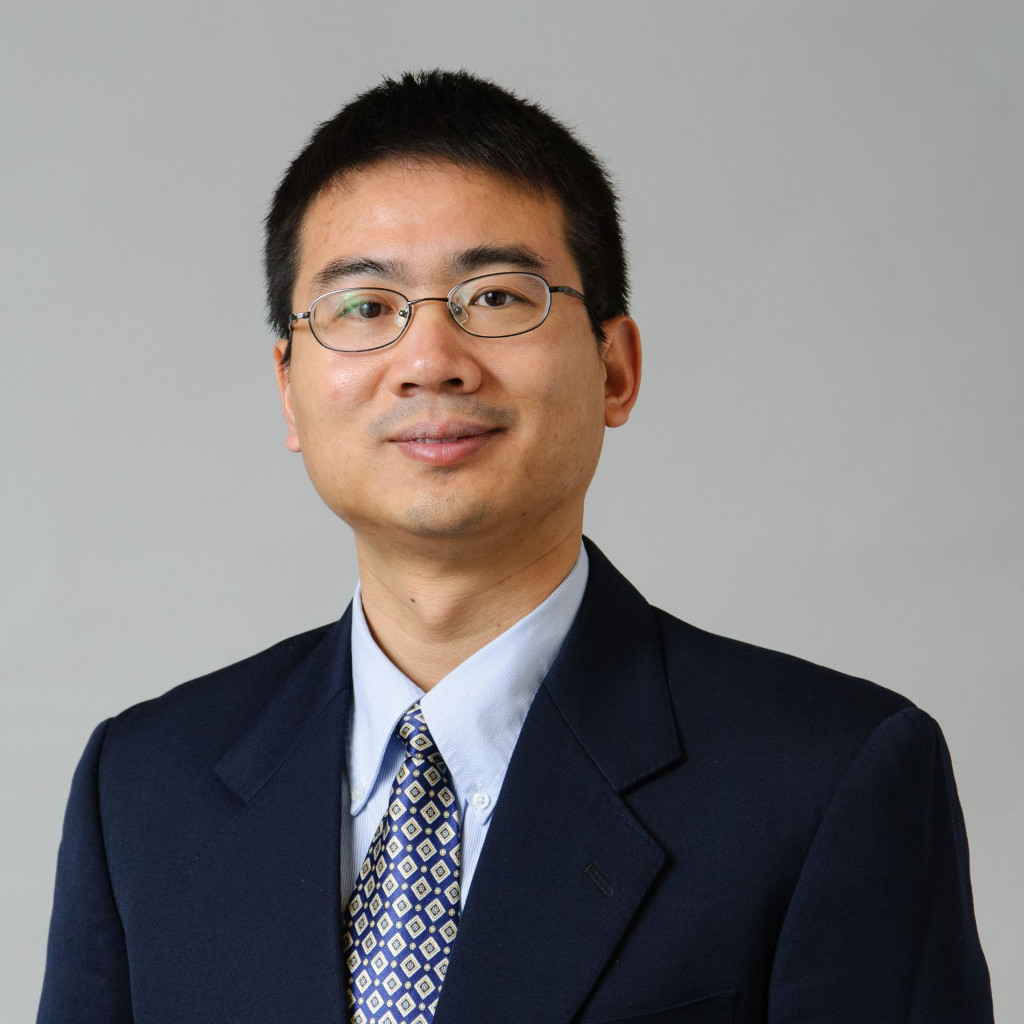
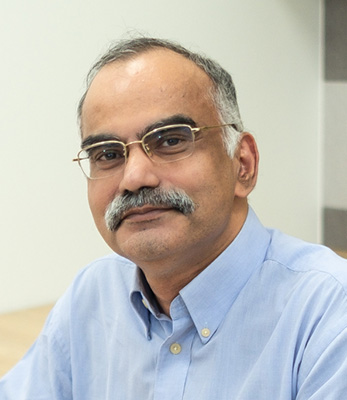
Dr. Yuhang Hu is an Associate Professor at the Georgia Institute of Technology, affiliated with the George W. Woodruff School of Mechanical Engineering and the School of Chemical and Biomolecular Engineering. Her research focuses on soft active materials, particularly hybrid systems combining solid and liquid components. She explores chemo-mechanical modeling, mechanical characterization of soft materials, and the development of dynamic multi-functional materials for applications like energy conversion and biomedical devices. Education: Ph.D. in Engineering Sciences from Harvard University (2011), M.S. in Applied Physics (Harvard, 2009), and prior degrees from Nanyang Technological University and Shanghai Jiao Tong University. She previously held positions at the University of Illinois at Urbana-Champaign and Harvard. Research Interests: Soft materials mechanics, stimuli-responsive gels, bio-inspired materials, and material characterization challenges. Her work integrates experimental and theoretical approaches to bridge mechanics and materials chemistry. Outreach: Active in STEM education through initiatives like B.T. Washington Elementary STEM Academy and the Midwest Experimental Mechanics Student Conference. Her lab emphasizes interdisciplinary innovation at the Chemomechanics of Soft Materials Lab.
Dr. Daniel L.M. Suess is an Associate Professor in the Department of Chemistry at the Massachusetts Institute of Technology (MIT). He holds a B.A. in Chemistry and English from Williams College (2007) and a Ph.D. in Inorganic Chemistry from the California Institute of Technology (2013), under Prof. Jonas Peters. After postdoctoral research with Prof. R. David Britt at UC Davis, he joined MIT in 2017. His research focuses on the chemical mechanisms of iron-sulfur clusters in biological and synthetic systems. Key areas include catalytic functions of these clusters in processes like nitrogen fixation, photosynthesis, and DNA repair. The Suess Lab bridges synthetic and biological chemistry to study cluster bonding, reactivity, and their roles in shaping Earth’s molecular composition. Techniques include isotopic labeling, spectroscopy, and computational modeling. Recent work explores reaction mechanisms of iron-sulfur clusters in nitrogenase cofactors and synthetic analogs, with implications for sustainable catalysis. Group members (Ph.D., master’s, and undergraduate students, plus postdocs) contribute to projects on cluster assembly, site-specific labeling, and catalytic activity. Collaborations span institutions like Harvard, Princeton, and UC Berkeley. Advising includes over 15 students and postdocs, many moving to industry or academia. The lab is supported by grants focusing on biogeochemical cycles and synthetic bio-inspired catalysts. Future directions aim to expand understanding of cluster-based catalytic systems and their environmental applications.
Dr. Bai Ziqian is an Assistant Professor in the School of Automation and Intelligent Manufacturing at Southern University of Science and Technology (SUSTech) in Shenzhen, China. Recognized as a Pujiang Scholar and Shenzhen Pengcheng Peacock Talent, she has established herself as a leading researcher at the intersection of wearable technology, textile engineering, and human-computer interaction. Her work bridges technical innovation with practical design applications, focusing on user-centered solutions that enhance human experience through technology integration. Dr. Bai's educational background includes: PhD in Smart Wearable Product Design (2011-2015), Hong Kong Polytechnic University MA in Fashion and Textile Design (2005-2006), Hong Kong Polytechnic University BA in Fashion Design and Engineering (2001-2005), South China Agricultural University Her research spans wearable technology, tangible interactive interfaces, IoTs, ergonomics, functional garments, wearables for healthcare, material innovation, smart home applications, and user-centered design. Dr. Bai has pioneered work in smart wearable fabrics and sensing mechanisms based on flexible materials, with a particular focus on human-computer interaction theory and practice. She has established a research team that has mastered key technologies in smart fabrics, interactive textiles, physiological signal monitoring, and human-computer interaction systems. Her approach consistently emphasizes user-centered design principles, ensuring that technological innovations serve practical human needs while maintaining aesthetic appeal. Dr. Bai's publication record demonstrates a clear evolution from foundational work in photonic textiles toward increasingly sophisticated wearable healthcare and human-computer interaction systems. Her recent publications focus on advanced sensor technologies, energy harvesting for wearables, and sophisticated data analysis for human motion and physiological monitoring. The interdisciplinary nature of her work is evident in publications spanning materials science, biomedical engineering, textile technology, and design methodology, with papers appearing in high-impact journals including Advanced Functional Materials (IF: 19.5), ACS Sensors (IF: 8.9), and Computers in Industry (IF: 10). Dr. Bai has received numerous prestigious awards that highlight both the technical and artistic dimensions of her work: 2024 German Red Dot Design Award for Best Design 2013 Neo-Neon, permanent collection at China Silk Museum (State grade 1 museum) 2019 Finalist, ThermoBlanket, TechStyle for Social Good International Competition 2017 1st Prize Teaching Award, Donghua University 2017 China National Textile and Apparel Council Teaching Award Multiple Service Learning Awards from Hong Kong Polytechnic University She has successfully secured research funding from prestigious sources including the National Natural Science Foundation of China and Guangdong Province's General Project. Her projects include a collaborative effort with the Guangdong Provincial Department of Education and Li Ning Company on a 'flexible wearable lower limb functional electrical stimulation system.' Dr. Bai has extensive teaching experience across multiple institutions and has guided student teams to success in national competitions. She currently leads the Human-Computer Interaction Design Laboratory (HCID) at SUSTech, which focuses on advanced design, engineering, and technology research at the intersection of disciplines, training the next generation of interdisciplinary designers and engineers.
Prof. Kwang W. Oh is a Professor and Director of Graduate Studies in the Department of Electrical Engineering at the University at Buffalo (SUNY), with an adjunct appointment in the Department of Biomedical Engineering. He directs the Sensors and MicroActuators Learning Lab (SMALL), focusing on biomedical microfluidic devices, sensors, and actuators for applications in medical diagnostics and biological research. His educational background includes: PhD in Electrical and Computer Engineering from the University of Cincinnati (2001) MS in Electrical and Computer Engineering from the University of Cincinnati (1997) BS in Physics with summa cum laude from Chonbuk National University, Korea (1994) Prof. Oh's research centers on microfluidics and BioMEMS (Bio Micro Electro Mechanical Systems), with specializations in LOC (lab-on-a-chip), MicroTAS (Micro Total Analysis Systems), and SANS (Sample-to-Answer Nano/microfluidic Systems). His work develops practical microfluidic devices for medical diagnostics, including point-of-care blood testing, single cell manipulation, and nanobiosensors. His lab has pioneered innovative approaches like the "pysanky" wax-based technique for rapid prototyping of microfluidic devices and vacuum-driven micropumps for plasma separation from finger-prick blood samples. His recent publications reveal a strong trend toward practical medical applications of microfluidics, particularly in photoacoustic imaging test phantoms, point-of-care diagnostics, and nanoparticle synthesis for viral treatment. His research bridges engineering with clinical needs, focusing on making laboratory functions portable and accessible through microfluidic integration. Among his notable awards: The SUNY Chancellor's Award for Excellence in Teaching (2020) President Emeritus and Mrs. Meyerson Award for Distinguished Undergraduate Teaching and Mentoring (2019) Qualcomm Faculty Award (2019) Senior Teacher of the Year Award, SEAS, UB (2017) Emerging Investigators 2012, Lab Chip, Royal Society of Chemistry (2013) Honor of CEO, Samsung Electronics for development of a micro PCR system (2003) Prof. Oh has advised numerous graduate students including Dr. Anyang Wang, Dr. Nikhila Nyayapathi, and Dr. Domin Koh, who have gone on to successful careers in academia and industry. His research has been supported by significant grants, including a Qualcomm Faculty Award in 2019, which recognizes research that "inspires students and sparks new approaches in key technology areas." He actively participates in professional service as an editorial board member for several journals including Sensors and Micromachines. He directs the Sensors and MicroActuators Learning Lab (SMALL), which houses state-of-the-art facilities for microfluidic device fabrication and testing. The lab focuses on developing practical microfluidic solutions for medical diagnostics, with recent projects including test phantoms for photoacoustic imaging, vacuum-driven micropumps for point-of-care blood separation, and microfluidic devices for nanoparticle synthesis targeting viral treatments. The lab fosters interdisciplinary collaboration between engineering, medicine, and life sciences to translate microfluidic innovations into real-world medical applications.
Dr. Yasmine Abdin serves as an Assistant Professor in the Department of Materials Engineering within the Faculty of Applied Science at the University of British Columbia (UBC). Her research focuses on advancing polymer matrix composite materials through innovative digital simulation and probabilistic design methodologies. Her academic credentials include: B.Sc. from KU Leuven M.Sc. from KU Leuven Ph.D. from KU Leuven Dr. Abdin's research program centers on overcoming limitations in composite material durability through probabilistic design frameworks and multi-scale modeling. She integrates finite element analysis, machine learning, and Industry 4.0 technologies to predict structural reliability under stochastic service conditions, with emphasis on damage tolerance, manufacturing-process-structure relationships, and optimization of carbon fiber production from sustainable precursors like lignin and asphaltenes. Her recent publications (2023-2025) demonstrate strong focus on sustainable composite manufacturing, including carbon fiber production from renewable resources, 4D printing of shape memory polymers, flax fiber-reinforced composites, cellulose nanofibril modification, and fatigue behavior analysis. Key thematic trends include the convergence of digital twin technologies with composite manufacturing, sustainable precursor development, and the application of machine learning to enhance modeling efficiency in structural reliability prediction. Information regarding doctoral students, research grants, laboratory facilities, or scientific awards was not provided in available sources.
Timothy Jackson is a Professor of Chemistry at the University of Kansas, specializing in bioinorganic and bio-inspired chemistry. He investigates metalloenzyme mechanisms involving manganese, iron, and copper, focusing on oxidative transformations critical to biological and industrial processes. Ph.D. (2004) and B.S. (2000) in Chemistry NIH Postdoctoral Fellow (2007) at the University of Minnesota Research Interests: His lab combines synthetic, spectroscopic, and computational methods to study metal-oxygen species like Mn III -hydroxo and Mn IV -oxo complexes. Key areas include C-H and O-H bond cleavage, dioxygen activation, and green catalysis using earth-abundant metals. Recent Publications: His team explores ligand sphere perturbations in manganese complexes, hydrogen-atom tunneling mechanisms, and non-macrocycle-based cobalt catalysts for selective O 2 reduction. Articles emphasize spectro-structural correlations and environmentally benign oxidation processes. Collaborations: Active partnerships with labs at Roosevelt University, University of Montana, Université Paris Diderot, and Univ. Grenoble Alpes focus on electronic structure analysis and high-valent metal reactivity. Lab Members: Current graduate students include Markell Lomax, Zahra Aghaei, Anagha Puthiyadath, and Purti Patel. Former students hold positions at institutions like Ohio State University and companies like Intel and Catalent.
Dr. Suhash Ranjan Dey is a Professor in the Department of Materials Science and Metallurgical Engineering at Indian Institute of Technology Hyderabad , India. He earned his Ph.D. in Materials Science and Physics from the University of Metz, France, and holds advanced degrees from IIT Kanpur and University of Delhi. His research focuses on advanced electrochemical materials processing for energy, biomedical, and sustainability applications. Key Research Areas: High Entropy Alloys/Oxides, CIGS/CZTS Solar Cells, Electrodeposition, Biomedical Devices, E-Waste Recycling, Hydrogen Production His research group specializes in synthesizing multi-component alloy thin films via non-vacuum electrochemical methods, with recent breakthroughs in one-dimensional nanostructures and bio-inspired hydrogels . He has secured over INR 3.5 crores in competitive research grants from agencies like DST, CSIR, and TATA Steel. Dr. Dey's publications (over 15 in last 3 years) span high entropy materials , perovskite solar cells , and electrochemical sensors . He serves as Associate Editor for Bulletin of Materials Science and maintains active collaborations with institutions in Germany, Japan, and China. Notable Awards: Humboldt Fellowship (Germany), BASE Fellowship (USA), IEI Young Engineers Award As department Head (2020-2023), he drove INR 6 crores in TEQIP funding. His laboratory (Room 304, MSME Block) houses state-of-the-art facilities for electrochemical synthesis and advanced materials characterization .
Dr. Olaf Rüdiger is a Group Leader at the Max Planck Institute for Chemical Energy Conversion (MPI CEC), leading the Spectroelectrochemistry group within the Department of Inorganic Spectroscopy. His research focuses on understanding and designing bio-inspired catalysts for hydrogen production/oxidation and energy conversion systems, particularly using hydrogenases and earth-abundant metal complexes. He earned his B.Sc. from the University of Valencia (2003), M.Sc. from Universidad Autónoma de Madrid (2006), and Ph.D. from Universidad Autónoma de Madrid and CSIC (2009). His work combines electrochemistry with advanced spectroscopic techniques to study catalyst dynamics under operational conditions. Key research areas include: Development of redox hydrogels to protect oxygen-sensitive hydrogenases Electrochemical and spectroscopic analysis of OER catalysts (e.g., cobalt oxides) Immobilization strategies for bio-inspired and enzymatic catalysts on electrodes His group has pioneered methods to stabilize hydrogenases in harsh environments using redox polymers, enabling their application in fuel cells. Recent studies emphasize operando characterization of catalysts during turnover, revealing insights into active site structures and reaction mechanisms. Laboratory collaborations include partnerships with Ruhr University Bochum (W. Schuhmann, N. Plumeré) and the Savitsky/Cox groups for in situ EPR/XAS studies. Current projects explore single-atom catalysts for water oxidation and light-responsive spin-state switches in iron complexes.
Bodil Holst is a Professor at the University of Bergen's Department of Physics and Technology , specializing in surface science and scientific instrumentation development . Her research spans 2D materials , helium atom scattering , and archaeometry applications. She leads projects like Nanometer-Resolution Matter-Wave Lithography (FET-Open), 2D Material Properties (NFR FRIPRO), and Wind Turbine Erosion Prevention (Equinor). Her Nanophysics Group has produced groundbreaking work on graphene's temperature-dependent rigidity and icephobic surfaces . First neutral helium microscope images (2008) Recorded bending rigidity of 2D materials (2018-2021) Developed solid-state conversion techniques for sapphire (2017-2021) Her teaching innovations in classical mechanics explore retrieval practice and digital learning structure , documented in Physics Education and Physical Review Physics Education Research .
Professor Luyi Sun is a faculty member at the University of Connecticut in the Department of Chemical and Biomolecular Engineering. He earned his Ph.D. from The University of Alabama in 2004 and has held academic positions at Texas State University and Texas A&M University before joining UConn. Current research focuses on multi-functional nanostructured materials for structural, environmental, and energy applications. Specializes in polymer nanocomposites, wearable electronics, soft robotics, and stimuli-responsive materials. Develops green science solutions using biomass-derived materials and novel polymer processing techniques. Recent publications highlight advancements in 4D printing of polymers, MXene-based flexible electronics, and defect engineering in photocatalysts. His work spans nanoscale design for energy storage, flame-retardant coatings, and self-assembled nanosheets for dielectric performance. Awards include Fellow of the National Academy of Inventors, Morand Lambla Award, and Composites Educator of the Year. Professional memberships span American Chemical Society (ACS), American Institute of Chemical Engineers (AIChE), and Society of Plastics Engineers (SPE). 2021 Fellow of the National Academy of Inventors 2020 Morand Lambla Award (Polymer Processing Society) 2018 Composites Educator of the Year (SPE) 2016 Fellow of the Royal Society of Chemistry and SPE His lab develops scalable methods like rotational coating and doctor-blade-assisted casting for thin nanocomposite films. Research includes bio-inspired mechanochromisms, superhydrophilic silica coatings, and enzyme-linked microneedle patches for diabetic wound healing. Current projects explore 4D-printed nerve guidance conduits, dual photo-mechano-responsive materials, and sustainable phase change materials for thermal energy storage.
Gitanjali Kolhatkar is an Assistant Professor in the Department of Engineering Physics at McMaster University and holds a Canada Research Chair in Bioinspired Smart Materials (Tier 2). She is also an Associate Member of the McMaster School of Biomedical Engineering. Her research focuses on developing smart materials for neuromorphic computing, leveraging ferroelectric materials to mimic synaptic functions while optimizing energy efficiency. Key techniques include microwave-assisted hydrothermal synthesis, magnetron sputtering, and advanced characterization methods like aSNOM and AFM-IR. Education: BSc and MSc in Physics, University of Ottawa (2008, 2010) PhD in Electrical Engineering, University of Sherbrooke (2014) Postdoctoral Fellowship, Institut National de la Recherche Scientifique (2015-2019) Alexander von Humboldt Fellow, University of Kiel, Germany (2019-2022) Research Interests: Neuromorphic materials, piezoelectric/ferroelectric systems, III-V semiconductors, thin films, photovoltaics, and smart sensors. Her work bridges material nanostructure and macroscopic properties to enable applications like artificial synapses, energy harvesters, and tactile sensors. Scientific Awards: Alexander von Humboldt Post-doctoral Fellowship Canada Research Chair (Tier 2) Invited Professorship at Munich University of Applied Sciences Teaching & Labs: Instructs courses in semiconductor devices (ENGPHYS 3PN4) and manufacturing (ENGPHYS 4Z04). Her lab (JHE A318/A313) focuses on interdisciplinary materials research. Current projects emphasize neuromorphic systems and bio-inspired smart materials.
Suresh Valiyaveettil is an Associate Professor in the Department of Chemistry at the National University of Singapore (NUS). He holds a Ph.D. from the University of Victoria and postdoctoral experience at the Max-Planck Institute Mainz and Cornell University. His research focuses on synthesizing and characterizing functional polymers, nanomaterials, and cellulose-based materials for environmental applications, including nanosafety, microplastic remediation, and sustainable material circularity. Key achievements include the Erudite Professorship from Kerala Government (2012) and NUS’s Outstanding Scientist Award (2008). He teaches CM4252 Polymer Chemistry 2 and CM5161 Advanced Chemical Laboratory Safety . His group investigates bio-inspired adhesives, nanoparticle toxicity, and renewable adsorbents for water purification, with notable contributions to understanding nanoplastics’ environmental and biological impacts. Research Highlights: Synthesized novel perylene dyes and functional polymers for 2D/3D architectures. Developed cellulose-based adsorbents for removing plastic nanoparticles from water. Explored nanoparticle interactions with biological systems, including human cells and marine larvae. He serves on editorial boards for Nanomaterials , MRS Communications , and Cancer Nanotechnology . Current projects emphasize sustainable waste conversion, eco-friendly water treatment solutions, and nanomaterial safety assessments.
Krister Wolff is an Associate Professor of Adaptive Systems at the Department of Mechanics and Maritime Sciences (M2) at Chalmers University of Technology. He also serves part-time as Vice Head of Department for Education. His research focuses on applying artificial intelligence, machine learning, and bio-inspired methods to robotics, autonomous systems, and self-driving vehicles. He teaches in the international Master's program in Complex Adaptive Systems. His work includes projects such as AI-supported vehicle suspension design, propeller optimization using genetic algorithms, and developing interactive robots for social distancing in healthcare settings. He has contributed to over 39 publications and 9 research projects, collaborating with organizations like VINNOVA and the Swedish Transport Administration. Notable projects include ISOLDE for hospital robots and Tactical Decision-Making in Autonomous Driving funded by the Wallenberg Foundation. Key areas of expertise include reinforcement learning for autonomous vehicles, evolutionary algorithms in design optimization, and driver behavior modeling in critical scenarios. His research bridges theory and practical applications, emphasizing collaboration between academia and industry.
Prof. Dr. Renato Negra is a faculty member at RWTH Aachen University, serving as the Chair of High Frequency Electronics within the Faculty of Electrical Engineering and Information Technology. His research is centered on advanced electronic systems with a focus on reconfigurable and low-power architectures for real-time applications. Research Interests: His work spans high frequency electronics, neuromorphic computing, embedded systems, and cyber-physical systems. He develops FPGA-based and edge-computing solutions for computer vision, robotics, and smart infrastructure, particularly in elderly monitoring and autonomous navigation. His research integrates deep learning with hardware optimization for energy efficiency and real-time performance. The recent publications highlight a strong trend toward event-based vision , neuromorphic sensors , and low-power embedded AI , applied in domains such as smart cities, healthcare, and robotics. There is a consistent emphasis on real-time processing, reconfigurable systems, and the deployment of neural networks on constrained hardware platforms. Scientific Awards: No awards or honors were mentioned in the provided text. Advising and Grants: While no specific students or advising roles are listed, the volume and depth of publications suggest active supervision or collaboration within research projects. Although no grants are explicitly named, involvement in EU-level initiatives (e.g., FitOptiVis ECSEL Project) and national R&D programs (e.g., BIO-PERCEPTION) can be inferred from the research topics and publication contexts. Labs and Teams: Prof. Negra leads the research activities in High Frequency Electronics at RWTH Aachen. While not directly linked to the Computer Vision and Robotics Lab (CVR-Lab) mentioned in the text, his work aligns closely with neuromorphic and CPS research themes, suggesting potential interdisciplinary collaboration.
Nancy A. Lynch is the NEC Professor of Software Science and Engineering and Professor of Electrical Engineering and Computer Science at the Massachusetts Institute of Technology, where she heads the Theory of Distributed Systems (TDS) group within CSAIL. Research Interests Distributed computing algorithms and lower bounds Real-time and fault-tolerant systems Formal modelling and verification Wireless network algorithms Biological distributed algorithms Neural computation and spiking networks Across her work, Lynch blends rigorous theoretical analysis with practical relevance, tackling problems ranging from consensus and leader election in unreliable networks to modelling decision-making circuits in the brain. Publications & Trends Since 2020 she has published extensively on distributed algorithms , swarm robotics , neuromorphic architectures , and biologically-inspired computation . Notable recent directions include hierarchical concept learning in spiking neural networks, nanobot locomotion modelling for cancer detection, and superconducting nanowire platforms for energy-efficient neural hardware. Scientific Awards & Honors Best Paper Award, OPODIS 2018 Best Paper Award, IEEE NCA 2014 Highlight Paper, Neuromorphic Computing and Engineering 2022 Teaching & Advising Lynch teaches core graduate and undergraduate subjects at MIT including 6.042J Mathematics for Computer Science , 6.852J/18.437 Distributed Algorithms , and 6.885/6.006 Algorithms . She has supervised dozens of PhD students and post-docs whose names are listed on her Past Students page. Laboratory & Teams She leads the Theory of Distributed Systems (TDS) Group , a vibrant research team within MIT CSAIL . TDS is part of the larger Theory of Computation group and hosts weekly seminars, reading groups, and collaborative projects with partners across MIT and worldwide.