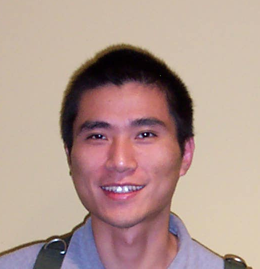
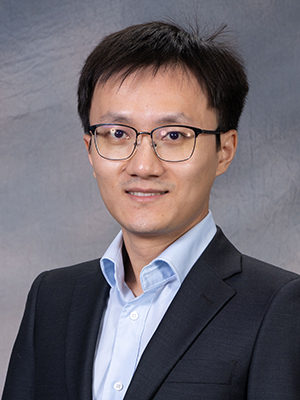
Dr. Victor Reys is a 30-year-old Researcher at the Utrecht University , affiliated with the College of Science and the Biomolecular Sciences group. His work focuses on NMR Spectroscopy and the application of Bio-Chemo-Informatics tools to understand living systems. Expertise: Bioinformatics, Machine Learning, Cheminformatics Skills: Python, HTML, Bash, JavaScript His research bridges Chemistry and Biology , emphasizing computational approaches to study small compound-protein interactions and regulatory mechanisms in life sciences. He holds a PhD from the University of Montpellier and is dedicated to advancing integrative bioinformatics methodologies.
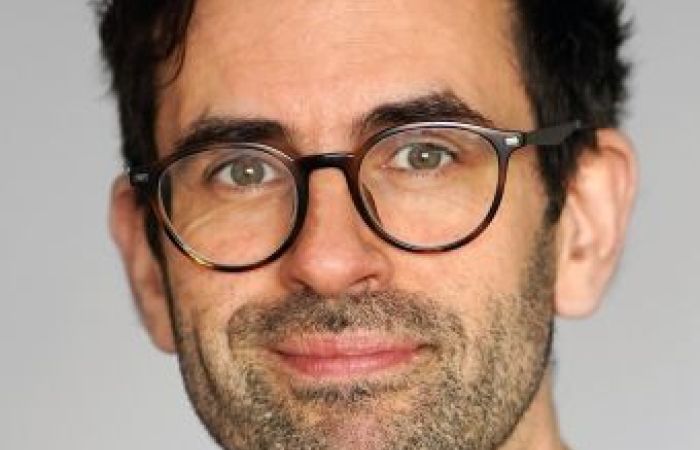
Prof. Dr. Wolfgang Nejdl is a Professor at the Institute for Data Science within the Faculty of Electrical Engineering and Computer Science at Leibniz University Hannover. He serves as Executive Director of the L3S Research Centre and Leibniz Forschungszentrum Inclusive Citizenship. Web Science Information Retrieval Artificial Intelligence Deep Learning His recent research focuses on AI applications in medicine , multimodal data fusion , and ethical AI systems . Projects include CAIMed (AI in Causal Medicine) and DAISEC (AI & Cybersecurity). His publications span conferences like AAMAS, WWW, and SIGIR. Notable awards include membership in the National Academy of Science and Engineering (acatech) . Former students hold positions at institutions like Stanford, TU Dresden, and ETH Zürich. Current projects involve climate resilience AI , federated learning for healthcare , and quantum-inspired data science .
Xiaoning Qian is a Professor in the Department of Electrical and Computer Engineering at Texas A&M University, where he also serves on the Faculty Advisory Committee for the Texas A&M Institute of Data Science (TAMIDS) and the Executive Committee for the Texas A&M TRIPODS Research Institute for Foundations of Interdisciplinary Data Science (FIDS). He holds a joint appointment in the Applied Math group within the Computational Science Initiative at Brookhaven National Laboratory (BNL). Previously, he was an Associate Professor (2018-2022) and Assistant Professor (2013-2018) at Texas A&M, and an Assistant Professor in the Department of Computer Science and Engineering at the University of South Florida (2009-2013). Dr. Qian received his B.S.E. and M.S.E. degrees from Shanghai Jiaotong University, China, and his M.Ph. and Ph.D. degrees in Electrical Engineering from Yale University. Dr. Qian's research focuses on developing mathematical models and computational algorithms in signal processing, machine learning, and Bayesian methods, particularly in learning, uncertainty quantification, and experimental design. His work spans multiple disciplines, with applications in life sciences and materials science. His research group, the Biomedical Imaging, Sensing, and Genomic Signal Processing Group, actively applies probabilistic models and optimization algorithms to solve complex problems in interdisciplinary domains. His research has evolved from foundational work in bioinformatics and biomedical image processing to more recent applications in materials science and broader AI for science initiatives. Dr. Qian has received numerous scientific awards and recognitions including: National Science Foundation (NSF) CAREER Award Segers Family Dean's Excellence Professorship II in the College of Engineering TEES (Texas A&M Engineering Experiment Station) Senior Faculty Fellow Montague-Center for Teaching Excellence Scholar J. T. Oden Faculty Fellow at the University of Texas, Austin Finalist of the 2023 INFORMS QSR Best Paper Faculty Impact Fellow from the Department of Electrical & Computer Engineering As an advisor , Dr. Qian has mentored numerous graduate students through their PhD and MS programs, with many of his alumni securing positions at prestigious institutions and companies including NIH/NCBI, Microsoft, Baidu Research Lab, and Qualcomm. His research has been supported by multiple grants, including an NSF CAREER award and collaborative research funding from the Information Integration and Informatics program. He is actively recruiting postdoc and graduate student research assistants for projects in machine learning and optimization methods with applications in bioinformatics and materials science. Dr. Qian is involved with several research initiatives including the Objective-Based Uncertainty Quantification (ObjectiveUQ) project, which provides a mathematical framework for integrating prior knowledge and data while enabling effective operational and experimental design under uncertainty. He also co-organizes the Bio-Seminar series for the Biomedical Imaging, Sensing & Genomic Signal Processing group at Texas A&M.
Dr. Ting Hu is an Associate Professor in the School of Computing at Queen's University, affiliated with the Faculty of Arts and Science. She leads the Machine Intelligence & Biocomputing (MIB) Laboratory, focusing on bio-inspired AI and bioinformatics. Her research bridges evolutionary computing, machine learning, and biomedical data analysis. Dr. Hu holds a PhD in Computer Science from Memorial University and completed postdoctoral training at Dartmouth College. She teaches courses with strong student evaluations, winning the Howard Staveley Teaching Award (2019-2020) and recognition as a Mental Health Champion (2023). Education: B.Sc. in Computational Mathematics, Wuhan University M.Sc. in Computer Science, Wuhan University PhD in Computer Science, Memorial University Postdoctoral Fellowship, Geisel School of Medicine, Dartmouth College Research Interests: Evolutionary algorithms and genetic programming Interpretable and explainable AI Biomedical data mining (metabolomics, genomics) Complex network analysis Applications in precision medicine and disease prediction Awards & Recognition: Queen's AMS Undergraduate Mentorship Award (2025) IEEE CIBCB Best Student Award (2022) Howard Staveley Teaching Award (2019-2020) NSERC Discovery Grant Reviewer (2019) Memorial University's Best Professor Award (2016) Lab & Collaborations: MIB Lab develops tools like geneDRAGNN (graph neural networks for gene-disease prioritization) Active roles in IEEE Computational Intelligence Society and EuroGP Advances include vaccination strategies via graph-RL and interpretable clustering methods
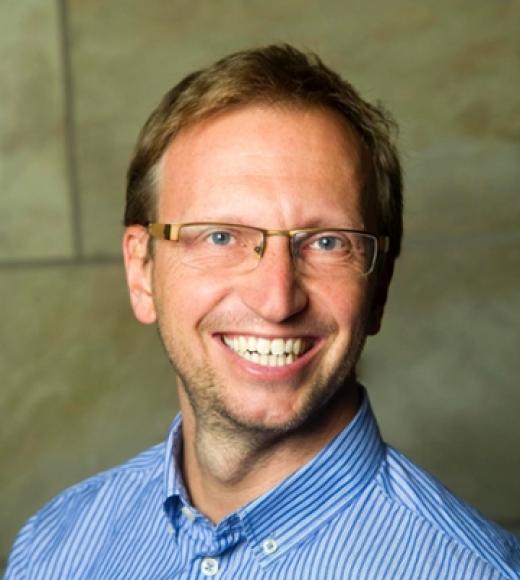
Lukas Engelmann is a Senior Lecturer at the University of Edinburgh , specifically within the Science, Technology and Innovation Studies department under the School of Social and Political Science . His research focuses on the history and sociology of biomedicine , with particular interest in epidemiological reasoning , visual cultures of disease , digital epidemiology , and decolonial approaches to medical history . The Epidemy Lab , which he founded, explores the historical development of epidemiology and its contemporary influence on data-driven public health and pandemic policy-making . Engelmann's work has been funded by prestigious grants including an ERC Starting Grant (2021-2025) for his research on the history of epidemiological reasoning, and support from the Wellcome Trust for projects examining the social dimensions of digital health . His book 'Mapping AIDS' (2018) established him as a leading scholar in medical visualization , while 'Sulphuric Utopias' (2020) with Christos Lynteris explores the technological history of maritime sanitation and its political implications. Recent publications emphasize the visual and data practices that have shaped epidemiology, including works on epidemic modeling during the COVID-19 pandemic , the history of plague mapping , and the ethical implications of digital phenotyping . He has also contributed to interdisciplinary discussions on syndemics , co-infection epistemology , and the commercialization of bacteriology in the early 20th century. His scientific contributions have earned recognition through editorial roles in journals like Big Data and Society , and collaborative projects such as 'Working with Diagrams' (2022) which investigates the epistemological role of visual tools in medical knowledge production. Scientific Awards and Funding: ERC Starting Grant (2021-2025) Wellcome Trust Institutional Support Fund British Academy/Leverhulme Small Research Grant Chancellor's Fellowship (University of Edinburgh) 'Sulphuric Utopias' listed in The Guardian's 30 Books to Understand the World (2020)
Wei Pang is a Professor of Computer Science and Bicentennial Research Leader at the School of Mathematical and Computer Sciences, Heriot-Watt University, Edinburgh. He leads the BCML Lab and is affiliated with the Edinburgh Centre for Robotics and National Robotarium. His expertise spans bio-inspired computing, machine learning, and AI applications in healthcare, robotics, and sustainability. Pang holds a PhD in Computing Science from the University of Aberdeen, with prior roles including Senior Lecturer at the University of Aberdeen and research fellowships in systems biology. Affiliations: Heriot-Watt University, Edinburgh Centre for Robotics, National Robotarium Education: PhD in Computing Science (2009), MEng (by research), BSc (Jilin University, China) Research Interests: Bio-inspired computing (e.g., artificial immune systems, swarm intelligence), machine learning (deep learning, explainable AI), healthcare applications (medical imaging, disease detection), and interdisciplinary projects in robotics and environmental science. His work addresses challenges in robust AI, fairness, and accountable machine learning. Recent Projects: EPSRC-funded RAIns and MI projects, CRUK-funded Endo.AI, and PRIME project on minority ethnic communities' digital experiences. His research has secured over £10M in grants, including £3.5M institutional funding. Awards: Scottish Crucible Award (2015), ADMA Best Paper Runner-Up (2016), EPSRC PRIME Award (2024) Grants/Advising: Supervised 12 PhD completions; contributed to £10M+ external funding. Labs/Teams: BCML Lab (focusing on bio-inspired AI), collaborations with Oxford, Cambridge, and industrial partners like Weather2 and Data2Text.
Associate Professor Mathias Baumert is affiliated with the University of Adelaide, where he holds a position in the School of Electrical and Mechanical Engineering under the Faculty of Sciences, Engineering and Technology. He leads the Health Technology research theme in the School of Electrical Electronic Engineering and specializes in biomedical signal processing, focusing on dynamic electrocardiography and sleep-related phenomena. His work integrates clinical applications and technological advancements to address challenges in cardiology and sleep disorders. His research interests include the physiological underpinnings of ventricular repolarization variability and its clinical implications, particularly in post-myocardial infarction patients and those with sleep-disordered breathing. He also develops brain-computer interface (BCI) systems for stroke rehabilitation, leveraging real-time EEG analysis and motor function recovery techniques. Collaborations with clinical partners such as the Women’s and Children’s Hospital, Adelaide Institute of Sleep Health, and the Victor Chang Cardiac Research Institute highlight his translational research focus. His recent articles emphasize signal processing applications for risk stratification in cardiovascular disease, sleep apnea, and diabetes. Key themes include nocturnal hypoxemic burden prediction, REM sleep dynamics, and the development of novel diagnostic markers using ECG and EEG data. His work often bridges engineering and medicine, aiming to translate findings into clinical tools like adaptive servo-ventilation treatment optimization and personalized BCI systems. No scientific awards or fellowships are explicitly listed in the provided texts. He is eligible to supervise Masters and PhD students but current advisee names are not available. His research projects are supported by grants such as ARC DP110102049 (as noted in some articles). He teaches courses including Biomedical Instrumentation and Introduction to Medical Technology . His facilities include ECG equipment, polysomnogram repositories, and a BCI workstation with 64-channel EEG capabilities. He collaborates on lab-based and clinical partner studies to advance cardiac sensing algorithms and sleep-related diagnostic technologies.
Prof. Andreas Bender is a Professor for Machine Learning in Medicine at the Department of Medicine, Khalifa University, Abu Dhabi. He focuses on integrating heterogeneous chemical, biological, and medical data for clinically relevant decision-making. PhD, University of Cambridge Diplom-Chemiker, University of Frankfurt His research interests include Drug Discovery , Artificial Intelligence , Cheminformatics , and Computational Biology , particularly in the context of life science data analysis and AI/ML applications. He has been involved in founding biotech companies such as Healx Ltd., PharmEnable Ltd., and Pangea Bio. His work bridges academic research and translational drug discovery, with a focus on in silico methods and solubilizing difficult-to-drug targets.
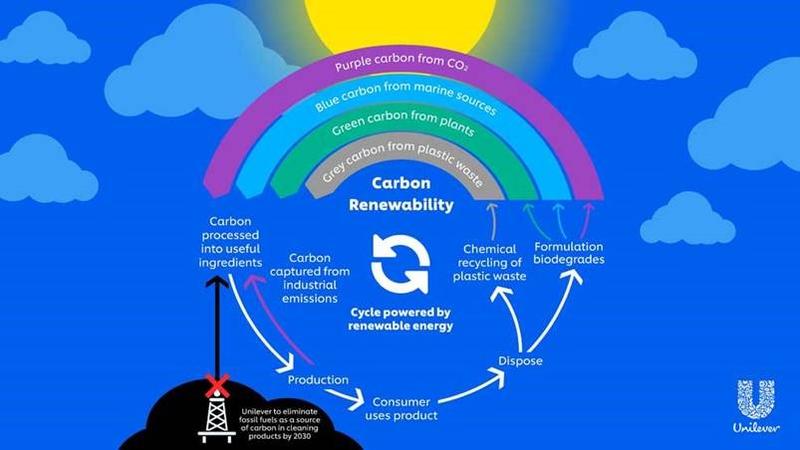
Professor Charlotte Williams is a leading academic in sustainable materials science at the University of Oxford. Her research focuses on developing catalysts to transform renewable resources and CO₂ into polymers, aiming to replace petrochemicals in scalable materials production. She collaborates with Unilever on the Clean Future initiative, pioneering recyclable and biodegradable polymers for consumer products. Her work was recognized with the 2021 Unilever Clean Future Supplier Brilliance Award, jointly awarded with Professors Rosseinsky and Cooper. Williams’ research spans heterodinuclear catalyst design, ring-opening copolymerization, and chemical recycling of polymers. She leads a multidisciplinary team including scientists, engineers, and policy experts to decarbonize chemical supply chains, contributing to the UK’s net-zero goals. Key collaborations include the EPSRC Prosperity Partnership with the Universities of Liverpool and Oxford, focusing on low-carbon laundry detergent materials. Education: Not explicitly detailed in text. Grants: EPSRC Prosperity Partnership (2021–2026), Unilever-funded projects. Labs/Teams: Collaborations with Liverpool University and industry partners like Unilever. Future Work: Expanding applications of CO₂-derived polymers in consumer goods and advancing recyclable materials. Her publications emphasize catalyst innovation, sustainable polymer synthesis, and materials lifecycle analysis, reflecting her commitment to bridging academic research with industrial sustainability challenges.
Professor Klaus McDonald-Maier is a full Professor in the School of Computer Science and Electronic Engineering (CSEE) at the University of Essex , where he leads the Embedded and Intelligent Systems (EIS) Research Laboratory and heads the Intelligent Embedded Systems and Environments Research Group . He is also Director of Impact , Visiting Professor at the University of Kent, and Visiting Research Affiliate at NASA Jet Propulsion Laboratory, California Institute of Technology. Education PhD in High-Performance Parallel Neural Network Architectures, Friedrich-Schiller-University Jena (Germany, 1999) Electronic Engineering studies, University of Ulm (Germany) Electronic Engineering studies, Cardiff University (Wales) Electronic Engineering studies, École Supérieur de Chimie Physique Électronique de Lyon (CPE-Lyon) (France) Research Interests Professor McDonald-Maier’s research integrates embedded systems , System-on-Chip (SoC) architectures , and AI-driven robotics . He pioneers visual place recognition techniques that remain robust under severe appearance and viewpoint changes, develops cybersecurity frameworks based on ICMetrics for autonomous vehicles and IoT, and designs approximate real-time computing solutions for energy-constrained multicore and FPGA platforms. His work on radiation-tolerant systems supports space and nuclear applications, while his bio-inspired algorithms enable lightweight, neuromorphic perception on resource-limited robots. Publication Trends Between 2022 and 2025 his output converges on FPGA-accelerated AI , secure edge intelligence , visual navigation for autonomous systems , and healthcare analytics . He repeatedly couples rigorous algorithmic innovation with practical hardware deployment, yielding energy-efficient, real-time systems validated in domains ranging from autonomous driving to post-stroke rehabilitation. Scientific Awards & Recognition Best Paper Award – IEEE Transactions on Sustainable Computing (2024) Best Paper Award – IEEE/ACM DATE (2024) Best Paper Award – IEEE Systems Journal (2022) Best Paper Award – IEEE Sensors Journal (2021) Best Paper Award – IEEE Access (2020) Research Grants & Industrial Collaboration He has secured major funding from EPSRC , EU Horizon 2020 , Innovate UK , and industry partners. Current projects span trustworthy autonomy, radiation-hardened edge AI, and AI-enhanced rehabilitation technologies. He is Chief Scientist of UltraSoC Technologies Ltd and CEO of Metrarc Ltd , commercialising University research in semiconductor debug and cybersecurity respectively. Laboratory & Team Leadership As Director of the Embedded and Intelligent Systems Laboratory (EIS Lab) , he oversees a multidisciplinary team of researchers and PhD students, providing state-of-the-art FPGA, robotics, and embedded-systems facilities. The lab collaborates closely with NASA JPL, UK Atomic Energy Authority, and leading semiconductor firms to translate fundamental research into high-impact industrial solutions.
Dr. Pradip Sharma is an Associate Professor of Cybersecurity & AI at the University of Aberdeen, UK, within the School of Natural and Computing Sciences, Department of Computing Science. He is a globally recognized academic and researcher with expertise in Cybersecurity, Artificial Intelligence, Blockchain, and Edge Computing. His research interests span multiple domains including Cybersecurity, Blockchain, Edge Computing, Software-defined Networking, and IoT Security. Dr. Sharma's work focuses on developing innovative solutions for security challenges in emerging technologies, with particular emphasis on privacy-aware AI systems, secure data sharing frameworks, and intelligent network security mechanisms. His interdisciplinary approach bridges theoretical foundations with practical implementations across healthcare, smart mobility, and consumer electronics domains. Senior Fellowship Advance HE (SFHEA) IEEE Senior Member (SMIEEE) Dr. Sharma actively supervises doctoral researchers and is accepting new PhD students in Computing Science. His funded research portfolio exceeds £1M from sources including EPSRC, Innovate UK, and international agencies. Current projects include 'Secure, Privacy-aware, and Trusted Data Share in Smart Mobility' (EPSRC, £200K), 'ZECURE Data Exchange Platform' (Innovate UK, £236K), and 'Quantum-resistant Cybersecurity' (Royal Embassy of Saudi Arabia, £73K). He also serves as an editor for leading journals and is a regular keynote speaker at international conferences.
Gheorghe Asachi Technical University of IasiRomania
Elena Niculina Dragoi is a Lecturer at the Faculty of Chemical Engineering and Environmental Protection 'Cristofor Simionescu' at Gheorghe Asachi Technical University in Iasi, Romania. Her academic work integrates Artificial Intelligence and Machine Learning tools for solving complex problems in Chemical Engineering and Environmental Protection . With over 30 published papers and six active research projects, her contributions span process optimization, nanomaterials, and sustainable technologies. Teaches Applied Informatics (Years 1 & 4) and Artificial Intelligence at the Faculty of Chemical Engineering Contributes to Programming Engineering at the Faculty of Computer Science, University 'Alexandru Ioan Cuza' Engaged in interdisciplinary courses at the Faculty of Automatic Control and Computer Engineering Research Interests : Elena's work focuses on modelling and optimization (90% emphasis) of chemical processes using AI methodologies, with cross-disciplinary applications in environmental engineering (70%) and chemical engineering (95%). Her recent publications highlight innovations in: 3D-printed nanocomposite adsorbents for pollutant removal Metaheuristic optimization algorithms for industrial processes Hydrogen generation via nanocatalysts Electrochemical biosensors for environmental and health monitoring AI-driven wastewater treatment systems Green chemistry applications in pharmaceutical and dye removal
Professor Pantelis Georgiou holds a faculty position in the Department of Electrical and Electronic Engineering at Imperial College London, leading the Bio-inspired Metabolic Technology Laboratory within the Centre for Bio-Inspired Technology. His research focuses on biomedical electronics, lab-on-chip technology, and micro-electronic medical devices. Key contributions include the bio-inspired artificial pancreas for diabetes treatment and CMOS-based pH sensors for DNA sequencing and infectious disease diagnostics. Education: 1st Class Honours MEng (2004) and PhD (2008) in Electrical & Electronic Engineering from Imperial College London. Professional roles include Head of Lab (2010), IEEE Distinguished Lecturer in Circuits and Systems, and Co-founder/Director of ProtonDx. Research interests span ultra-low power microelectronics, bio-inspired circuits, wearable technologies for chronic conditions, and antimicrobial resistance diagnostics. He has pioneered ISFET sensor integration and developed rapid diagnostic platforms for infectious diseases like dengue and mpox. Notable awards include the IET Mike Sergeant Medal (2013) and IEEE Sensors Council Technical Achievement Award (2017). Current projects involve AI-driven clinical decision support systems, antibiotic stewardship tools, and global health technologies for resource-limited settings. Affiliations include the CRUK Convergence Science Centre, Organ-on-chip Network, and Imperial College Network of Excellence in Malaria. His work bridges engineering and medicine, addressing global challenges through interdisciplinary innovation.
Davide Donadio is a Professor of Chemistry at the University of California, Davis. His research focuses on molecular modeling and simulations of materials, particularly in non-equilibrium processes, thermal transport, and nanostructure assembly. He leads the Naotheory Group, which develops predictive multiscale models for energy-related materials. Education : Habilitation in Materials Science, Italian Ministry for University and Research (2013) Ph.D. in Materials Science, University of Milano (2003) M.S. in Physics, University of Milano (1998) Research Interests : His work spans molecular-level understanding of energy conversion, thermal management, and nanostructure formation. Key areas include phononics, thermoelectrics, and interfacial phenomena in materials like ice surfaces, semiconductors, and clathrates. He employs machine learning and first-principles methods to bridge simulation and experiment. Awards : UC Davis Hellman Fellow (2017–2018) Young Scientist Award, Italian Institute for the Physics of Matter (1998) Grants & Labs : His funding and collaborations drive advancements in nanostructured materials and computational tools like PLUMED tutorials. The Naotheory Group actively publishes in high-impact journals and collaborates internationally on thermal transport and materials design.
Chen Wei Wayne is an Assistant Professor in the Department of Mechanical Engineering at Texas A&M University. His research focuses on generative design AI, machine learning, uncertainty quantification, and advanced manufacturing. He leads the DIGIT Lab, which develops AI methods for design innovation, automation, and manufacturing integration. Education: Ph.D., Mechanical Engineering, University of Maryland, College Park (2019) M.S., Mechanical Engineering, Chongqing University, China (2015) B.S., Mechanical Engineering, Chongqing University, China (2012) Research Interests: Generative adversarial networks (GANs) for design synthesis Data-driven metamaterials and multiscale systems Uncertainty quantification in engineering design AI-driven design automation Awards & Honors: ASME Journal of Mechanical Design Reviewer of the Year Award (2023) ASME DAC Best Paper Award (2022) Journal of Mechanical Design Editors’ Choice Honorable Mention (2021) Lab Activities: Recent lab milestones include successful completion of TAMUQ Summer Research Programs (2024) Hosts undergraduate researchers like Wisam Gadam and Eddie Guerrero