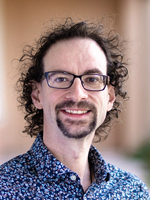
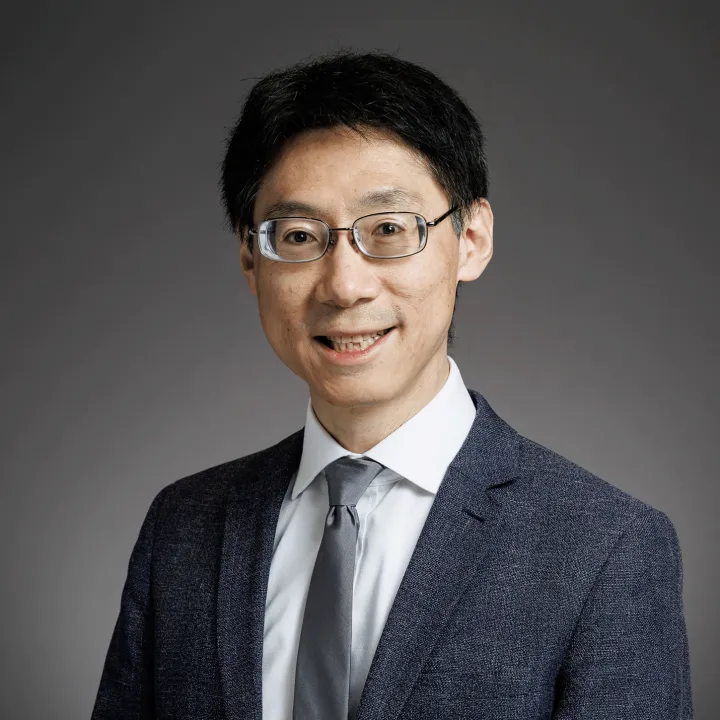
Nonappa Nonappa is an Associate Professor (tenure track) in Nanochemistry at Tampere University's Faculty of Engineering and Natural Sciences since 2020. With a multidisciplinary background spanning organic chemistry, supramolecular systems, nanoparticle self-assembly, and advanced electron microscopy, he leads research at the intersection of materials science and biomedical applications. PhD in Organic Chemistry (IISc Bangalore, 2008) Docent in Soft Matter Microscopy (Aalto University, 2017) Executive MBA (Quantic School, 2020) Research focuses on bio-based optical materials using nanocellulose for sustainable photonics, breast cancer models via lab-on-a-chip systems, and precision nanomaterials through tailored self-assembly mechanisms. His team develops 3D extracellular matrices for cancer tissue culture and plasmonic nanodevices for photonic applications. Recent publications highlight gold/silver nanocluster assemblies (43+ citations in 2021-2025), electron tomography for structural analysis, and metastasis modeling systems. Key awards include Italy's Abilitazione Scientifica Nazionale (2018) and Aalto University's Docent title (2017).
Ashwani K. Gupta is a Distinguished University Professor at the University of Maryland, holding the Minta Martin Professorship in Engineering. He serves as Professor in the Department of Mechanical Engineering, Professor at the Institute of Physical Science and Technology, and Affiliate Professor in the Department of Aerospace Engineering. With over 45 years of experience in combustion engineering since graduating from Southampton University in 1970, Gupta has established himself as a leading authority in advanced combustion technologies. Dr. Gupta earned his Ph.D. from the University of Sheffield in 1973, followed by a D.Sc. from the same institution in 1986 and another D.Sc. from Southampton University in 2013. His academic journey includes six years at MIT as a research staff member and three years at Sheffield University as an independent research worker before joining the University of Maryland in 1983. Gupta's research focuses on revolutionizing combustion technology through innovations in swirl flows, high-temperature air combustion (HiTAC), and distributed combustion systems. His pioneering work on 'colorless distributed combustion' has enabled ultra-low emission combustion processes with significant applications in gas turbine engines and waste-to-energy conversion. His research spans biofuels, CO2 utilization, sulfur chemistry, waste conversion, and advanced laser diagnostics, addressing critical challenges in sustainable energy and environmental protection. Analyzing his recent publications reveals a strong emphasis on waste-to-energy conversion, biomass processing, and CO2-assisted technologies. Gupta's work demonstrates a clear trajectory toward sustainable energy solutions, with increasing integration of artificial intelligence for combustion optimization and emission control. His research bridges fundamental combustion science with practical engineering applications for cleaner energy systems. Among Gupta's numerous accolades are: Election to Fellowship of the Royal Academy of Engineering (2023) Honorary Fellowship of the Royal Aeronautical Society (2020) Recognition as one of the top 2% of scientists worldwide by Stanford University (2022-2024) Multiple prestigious medals from ASME and AIAA including the Soichiro Honda Medal (2018) and AIAA Air Breathing Propulsion Award (2014) Honorary doctorates from three international universities Gupta has secured substantial research funding throughout his career, resulting in over 850 technical papers, three books, 18 edited books, and 22 book chapters. He has delivered over 100 plenary/keynote/invited presentations at international conferences. His mentorship has shaped numerous graduate students who continue to contribute to the field of combustion engineering. Gupta directs the Combustion Laboratory at the University of Maryland, which serves as a hub for cutting-edge research in sustainable combustion technologies. The Combustion Laboratory, under Gupta's leadership, has become a center of excellence for advanced combustion research, particularly in distributed combustion systems, waste-to-energy conversion, and alternative fuels. The lab maintains strong collaborations with industry partners and international research institutions, facilitating technology transfer and practical implementation of research findings. Gupta's team employs state-of-the-art diagnostics and computational tools to advance fundamental understanding while developing practical engineering solutions for cleaner energy systems.
John A. Rogers is the Louis Simpson and Kimberly Querrey Professor at Northwestern University, holding joint appointments in Materials Science and Engineering, Biomedical Engineering, Mechanical Engineering, Chemistry, and Neurological Surgery. He directs the Querrey-Simpson Institute for Bioelectronics. His work bridges soft materials science, bio-integrated electronics, and nanotechnology, with a focus on wearable medical devices, bioresorbable systems, and neural interfaces. Educations: B.A. & B.S. from University of Texas Austin (1989), S.M. from MIT (1992), Ph.D. in Physical Chemistry from MIT (1995). Prior roles include Director of Bell Labs' Condensed Matter Physics Department and faculty positions at University of Illinois at Urbana-Champaign. Research emphasizes soft materials for bio-inspired electronics, including flexible sensors, microfluidic platforms, and bioresorbable implants. His lab has pioneered epidermal electronics, injectable optoelectronics, and neural interfacing systems. Over 1000 peer-reviewed publications and 100+ patents highlight his contributions to nanotechnology and biomedical engineering. Awards include the Benjamin Franklin Medal (2019), MRS Medal (2018), and MacArthur Fellowship (2009). He is a member of the National Academies of Sciences, Engineering, and Medicine. Current projects span bioelectronic medicines, wearable health monitors, and advanced medical imaging tools.
Sunitha Nagrath is a Professor of Chemical Engineering at the University of Michigan, leading the Nagrath Lab. Her research focuses on developing microfluidic and nanotechnology-based tools to isolate and analyze circulating tumor cells (CTCs) and extracellular vesicles (EVs) for cancer diagnostics and personalized medicine. She holds an AIMBE Fellowship and has pioneered technologies like the Graphene Oxide Chip and Microfluidic Labyrinth. Education PhD in Mechanical Engineering, Rensselaer Polytechnic Institute (2004) MS in Nuclear Engineering, Rensselaer Polytechnic Institute (2000) B.Tech in Chemical Engineering, Sri Venkateswara University (1992) Research Interests Her lab integrates engineering, biology, and clinical expertise to study CTCs' role in metastasis, develop high-throughput isolation methods, and leverage exosomes as liquid biopsy biomarkers. Key projects include: CTC-based monitoring of therapy response in lung and pancreatic cancers Microfluidic devices for simultaneous CTC and exosome analysis Functional studies of CTC-derived organoids for drug sensitivity testing Notable Achievements AIMBE Fellow (Junior Faculty, Harvard Medical School/MGH, 2008-2010) Over 150 peer-reviewed publications and patents on CTC/exosome technologies Recipient of the 2021-22 Chemical Engineering Staff Incentive Award (via lab member Mina Zeinali) Labs & Collaborations The Nagrath Lab collaborates with clinicians and engineers to translate technologies like the OncoBean Chip and EVOD chip into clinical settings. Current work emphasizes real-time CTC monitoring and exosome-based immuno-oncology strategies.
JIANG Xingyu is Chair Professor and Head of the Department of Biomedical Engineering at the Southern University of Science and Technology (SUSTech) . Since 2018 he has led a multidisciplinary team developing advanced micro- and nano-scale tools for analytical chemistry, microfluidics and nanomedicine. Education Postdoctoral Research, Harvard University (2004–2005) Ph.D. in Chemistry, Harvard University (2004) B.S. in Chemistry, University of Chicago (1999) Research Interests Professor Jiang’s research integrates analytical chemistry , microfluidics , biomedical engineering and nanomedicine . His laboratory designs microfluidic chips for point-of-care diagnostics, engineers gold nanoclusters and nanoparticles for antimicrobial and anticancer therapy, and develops soft flexible bio-electronics for neural interfaces and wearable health monitoring. Across 400+ publications, recent work demonstrates a clear trend toward translational nanomedicine : point-of-care viral variant detection, nanoantibiotic strategies against multidrug-resistant bacteria, CRISPR delivery systems for cancer therapy, and conformal electronic tattoos for human-machine interfaces. Scientific Awards & Honours Fellow, American Institute for Medical and Biological Engineering (2020) Fellow, Royal Society of Chemistry (2016) Tencent Science Exploration Award (2019) Chief Scientist, National Key R&D Program (2019–) National Science Fund for Distinguished Young Scholars (2010) Young Investigator Award, Human Frontier Science Program (2007) Research Funding & Teams He currently directs the Nanoscience Laboratory at SUSTech, hosts National Key R&D Program projects as Chief Scientist, and serves on editorial boards of Advanced Healthcare Materials , Lab on a Chip , Nanoscale Horizons , Nanoscale and Nanoscale Advances . The group is actively recruiting post-docs, research professors and technicians across chemistry, materials, biology and medical engineering disciplines.
Matthew Lakin is an Associate Professor with tenure in the Department of Computer Science at the University of New Mexico, with a courtesy appointment in the Department of Chemical & Biological Engineering. He is affiliated with the UNM Center for Biomedical Engineering and the School of Engineering, and collaborates extensively with the UNM Health Sciences Center and external institutions. Education: Ph.D., Computer Science, University of Cambridge, 2010 M.A. (Cantab), University of Cambridge, 2009 B.A. (Hons), Computer Science, University of Cambridge, 2005 Dr. Lakin's research focuses on molecular computing, DNA nanotechnology, synthetic biology, and formal verification of biomolecular circuits. He develops computational models and experimental systems for programmable biological devices, especially using heterochiral DNA to enhance stability in living cells. His work spans software tools for biodesign and experimental validation in mammalian systems, with applications in nanomedicine and biosensing. The recent publications highlight a strong trend in engineering robust, intelligent biomolecular systems. His work integrates machine learning concepts into chemical reaction networks, advances geometric modeling of DNA systems, and pioneers L-DNA-based circuits for intracellular applications. The research spans theoretical foundations, software tools, and wet-lab experimentation, emphasizing interdisciplinary innovation. Scientific Awards: Presidential Early Career Award for Scientists and Engineers (PECASE), 2025 NSF CAREER Award, 2021 UNM School of Engineering Junior Faculty Research Excellence Award, 2021 Multiple student awards under his mentorship, including the Outstanding Graduate Student Award and DNA28 Best Student Presentation recognition Dr. Lakin has advised numerous graduate and undergraduate students, including Ph.D. graduates in Biomedical Engineering and Computer Science. He leads major funded projects such as the NSF CAREER grant on heterochiral molecular computing, an EPSCoR Research Fellowship, and a $3M NSF grant on heavy metal biosensing in collaboration with Native American communities. He is also PI on multiple NSF grants related to synthetic cells and nucleic acid technologies. He directs the Lakin Lab for Programmable Biology, which operates within the Department of Computer Science and collaborates with Chemical & Biological Engineering and the Center for Biomedical Engineering. The lab emphasizes both computational modeling and experimental molecular biology, and runs an NSF-funded biotechnology summer camp in partnership with ¡Explora! science museum to strengthen STEM education in New Mexico.
Dr. Daniel Roxbury is an Associate Professor and Graduate Director at the Department of Chemical, Biomolecular and Materials Engineering within the University of Rhode Island's College of Engineering. With expertise in nanoscience and carbon nanomaterials, his research focuses on nano-bio interactions, developing functionalized nanotubes for biomedical applications and environmental monitoring through his NanoBio Engineering Laboratory. His work spans multiple disciplines including: Biomedical nanosensors Smart wearable biomaterials Targeted drug delivery systems Environmental nanotechnology Single-molecule imaging Nanotoxicology Recent publications emphasize machine learning-enhanced spectral analysis, coral reef conservation nanotechnology, and wearable stress monitoring textiles. His 2024 ACS Nano study introduces AI-driven macrophage phenotyping, while 2023 Nature Nanotechnology work explores coral reef restoration strategies using nanomaterials. Awarded the 2019 NSF CAREER grant for cellular nanometrology, he leads multiple NIH-funded projects including: $820,000 NSF CAREER: Spectral Imaging for Sub-Cellular Nanometrology $140,000 Miriam Hospital COBRE: Cortisol Detection Textiles $700,000 NSF EAGER: Multiplexed Wound Biomarker Detection His laboratory houses state-of-the-art equipment including: Near Infrared Hyperspectral Microscope Custom NIR Fluorescence Spectrometer Jasco UV/VIS/NIR Spectrophotometer Biosafety Cabinet Cell Culture Incubator Cryo-Storage System
Dr Nga Wun (Doris) Li is a Senior Lecturer at the University of Technology Sydney (UTS) within the Faculty of Design, Architecture and Building, Department of Fashion and Textiles. She leads research in seamless knitting technology, smart textiles, and sustainable fashion innovation. PhD in Fashion & Textile Design (HK PolyU, 2021) BA (Hons) in Fashion & Textiles (HK PolyU, 2012) Certifications in Wholegarment Machine (Shima Seiki, Japan) and Higher Education Pedagogy (UTS) Her research focuses on functional garments, knitting technology, and bio-informed textile design. Key projects include smart socks for DVT prevention , one-size sports bras , and buoyant swimwear for children . She combines knitting with machine learning and 3D printing for material innovation. Recent publications highlight her work on compression textiles (2025), wearable glucose sensors (2025), and knitted metasurfaces for acoustic comfort (2024). She has secured AU$52,000+ in grants across 5 funded projects. Fashion Design Award (Jeanswest, China) Outstanding Presentation & Research Paper Awards (2024) Dr Li supervises PhD and MPhil students in smart textiles and sustainable design while coordinating machine knitting courses. She collaborates with AiDLab (Hong Kong) and Powerhouse Museum (Australia).
Dr. Thomas E. Doyle is an Associate Professor at the McMaster School of Biomedical Engineering and the Department of Electrical & Computer Engineering at McMaster University. His research focuses on biomedical signal processing, human-computer interfacing (HCI), and machine learning applications for healthcare augmentation, rehabilitation, and enhancement. He holds a Ph.D. from Western Ontario, Canada, and teaches courses like COMPENG 2DI4 (Logic Design). His work bridges cybernetics and clinical applications, emphasizing AI-driven solutions for medical diagnostics, patient monitoring, and space exploration. Education: B.E.Sc, B.Sc, M.E.Sc, Ph.D. from Western Ontario, Canada Recent Projects: Developed AI systems for remote healthcare diagnostics (2023) Collaborated with NASA on medical emergency simulators for deep space missions (2017–2023) Led ventilator development efforts for local hospitals during the pandemic (2020) His research interests span machine learning for mental health diagnostics, trust quantification in medical AI, and extended reality (XR) for medical training. He emphasizes interdisciplinary approaches, integrating computational methods with healthcare challenges. Recent publications highlight applications in pediatric emergency care, chronic pain management, and reliable medical device design. Dr. Doyle actively engages in educational initiatives, including first-year engineering pedagogy and experiential learning programs. He has received funding for projects such as the Educating the Engineer of 2025 (EtE-25) awards and contributes to initiatives like the Digital & Smart Systems and Health & Bio-innovation research clusters at McMaster.
Leonardo Chamorro is a Professor in the Department of Mechanical Science and Engineering at the University of Illinois at Urbana-Champaign (UIUC), with affiliations in Earth Science and Environmental Change, Aerospace Engineering, and Civil and Environmental Engineering. His research focuses on fluid dynamics, renewable energy systems, and turbulence modeling. He holds a Ph.D. in Civil Engineering from the University of Minnesota (2010) and has held academic positions at UIUC since 2013, advancing to Full Professor in 2024. Chamorro's work spans experimental and theoretical investigations of wind and hydrokinetic energy, geophysical flows, and particle dynamics. His research group, the Renewable Energy & Turbulent Environment Group (RE-TE-G), explores topics like tidal flow multifractality, vortex dynamics, and bio-inspired robotics. Key achievements include Nature and Lab on a Chip cover articles, and contributions to turbulence modeling for tidal energy systems. He has received awards such as the Best Paper Award in Energies (2018) and recognition for pandemic-related research (2021). His editorial roles include associate editorships at journals like Journal of Renewable and Sustainable Energy and Frontiers in Energy Research . Chamorro has supervised numerous graduate students and postdocs, contributing to over 150 peer-reviewed publications since 2009.
W. Hong Yeo is a Professor in the Woodruff School of Mechanical Engineering and Program Faculty in Bioengineering at the Georgia Institute of Technology, where he also directs the WISH Center. He holds adjunct appointments in the Wallace H. Coulter Department of Biomedical Engineering. Previously, he was an Assistant Professor at Virginia Commonwealth University (2014-2016) and a postdoctoral fellow at the University of Illinois Urbana-Champaign's Beckman Institute. Dr. Yeo's research integrates nanomechanics, soft materials, and nano-microfabrication to develop bio-interfaced systems. Key areas include: Flexible Bioelectronics : Wearable/implantable sensors for health monitoring Human-Machine Interfaces : Neural prosthetics and soft robotics Translational Nanoengineering : Nanoparticle biosensing and diagnostics His publications (2023-2025) demonstrate strong focus on wireless health technologies, including multi-modal wearable systems, implantable sensors for cardiovascular/neurological monitoring, and AI-integrated diagnostics. Trends show increasing emphasis on closed-loop therapeutic systems and scalable manufacturing. Awards & Recognition : BMES Innovation and Career Development Award Virginia Commercialization Award Blavatnik Award Nominee NSF Summer Institute Fellowship Research funding sources include MEDARVA Foundation, NIH, DARPA, and industry partners like CooperVision. He leads the Center for Human-Centric Interfaces & Engineering , developing next-generation bio-interfaced systems.
Dr. Vasileios Stavropoulos is the Associate Dean, Higher Degree Research at RMIT University's Department of Health and Biomedical Sciences. His research focuses on behavioral addictions, digital phenotyping, and the psychological impacts of digital media, particularly in gaming and social media contexts. He supervises numerous research projects addressing topics like cyber-phenotyping via text mining, disordered gaming, and the interplay between digital media and mental health. Key research interests include the psychological mechanisms underlying problematic gaming and social media use, network analysis of addiction symptomologies, and the role of user-avatar bonds in behavioral disorders. His work integrates machine learning and behavioral science to predict and analyze addictive behaviors. Dr. Stavropoulos has published extensively on gaming disorder, social media addiction, and the mental health implications of digital media use. His collaborations span clinical psychology, public health, and computational methods, reflecting his interdisciplinary approach to addressing modern behavioral challenges. He is actively engaged in higher degree research governance at RMIT, overseeing doctoral programs and fostering innovation in research methodologies. His contributions include developing scales for measuring addiction behaviors and advancing longitudinal studies on mental health correlations with digital engagement.
Matthias Barz is a Professor of Biotherapeutic Delivery at the Leiden Academic Centre for Drug Research (LACDR) , Faculty of Science , Leiden University . He leads the Barz Lab , focusing on polymer science and biomedical applications of functional nanoparticles. Professor of Biotherapeutic Delivery (Leiden University) Head of the Division of BioTherapeutics Researcher in reactive polymer systems and nanocarrier design His research bridges polymer chemistry with biomedical applications, emphasizing polypept(o)ide-based nanocarriers for targeted drug delivery in cancer, inflammation, and neurodegenerative diseases. Key areas include: Stimuli-responsive polymer architectures Secondary structure-driven self-assembly Core-crosslinked micelles for controlled cargo release Redox-sensitive disulfide bonds for intracellular delivery Protein-repellent nanoparticle shells Riboflavin-functionalized nanocarriers for tumor targeting The lab's publications highlight advancements in polysarcosine-containing copolymers , orthogonal functional group utilization , and modular nanoparticle platforms with precise control over morphology and function. Current projects explore the clinical translation of these systems for immunotherapy and diagnostics. Scientific recognition includes: Dozentenpreis des Fonds der Chemischen Industrie (2018) PMSE Young Investigator Award (2018) Nachwuchswissenschaftlerstipendium der GDCh (2017) His team trains graduate students in polymer synthesis, nanoparticle characterization, and biomedical application testing. Collaborations span institutions like the University of Tokyo and Johannes Gutenberg University Mainz , with ongoing projects under the SFB 1066 initiative for malignant melanoma immunotherapy.
Max Lau is an Assistant Professor in the Department of Biostatistics and Bioinformatics and the Department of Epidemiology at Emory University. His research focuses on integrating machine learning and computational methods with epidemiological and genomic data to study infectious disease dynamics. He teaches courses such as BIOS 790R (Advanced Seminar in Biostatistics) and DATA 534 (Applied Machine Learning). Dr. Lau's work emphasizes scalable Bayesian inference, graph neural networks, and stochastic modeling to address challenges in disease transmission, outbreak control, and pathogen evolution. His recent research includes developing tools like ScITree and Epilearn, and he has contributed to understanding measles dynamics, tuberculosis treatment, and livestock disease management. His academic contributions span over 30 publications since 2010, with a particular focus on phylodynamics, epidemic modeling, and vaccine strategy evaluation. His interdisciplinary approach bridges computational methods with public health applications, aiming to enhance disease prediction and intervention efficacy.
Dr. Rong Fan is the Harold Hodgkinson Professor of Biomedical Engineering and Professor of Pathology at Yale University. His research focuses on developing and applying single-cell and spatial omics technologies to study immune systems, cancer, and aging. His lab has pioneered technologies like the IsoCode microchip for high-throughput protein profiling, and spatial multi-omics platforms (e.g., DBiT-seq, spatial-ATAC-seq) to analyze tissue complexity at cellular resolution. He co-founded IsoPlexis, Singleron Biotechnologies, and AtlasXomics to commercialize these innovations. Education: PhD in Chemistry from UC Berkeley (2006), B.S. in Applied Chemistry from University of Science and Technology of China (1999). Postdoctoral training at Caltech before joining Yale in 2010. Research interests include CAR-T cell therapy optimization, spatial epigenomics, and multi-omics integration. Key achievements include discovering biomarkers predictive of CAR-T efficacy and defining spatial genomic landscapes in cancer and neuroinflammation. Awards: NSF CAREER Award, Packard Fellowship, election to AIMBE, CASE, and NAI. Serves on advisory boards for Bio-Techne and Yale Ventures. Active in training future scientists via the Yale Biomedical Engineering and Yale School of Medicine programs.