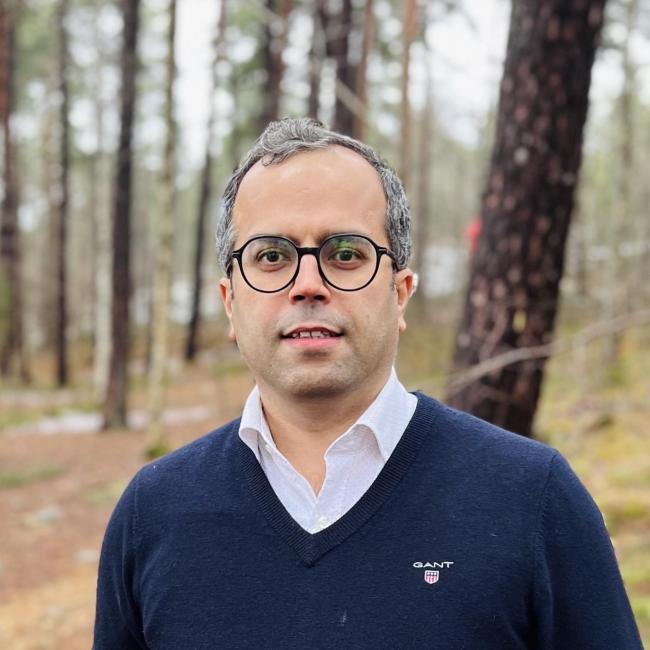
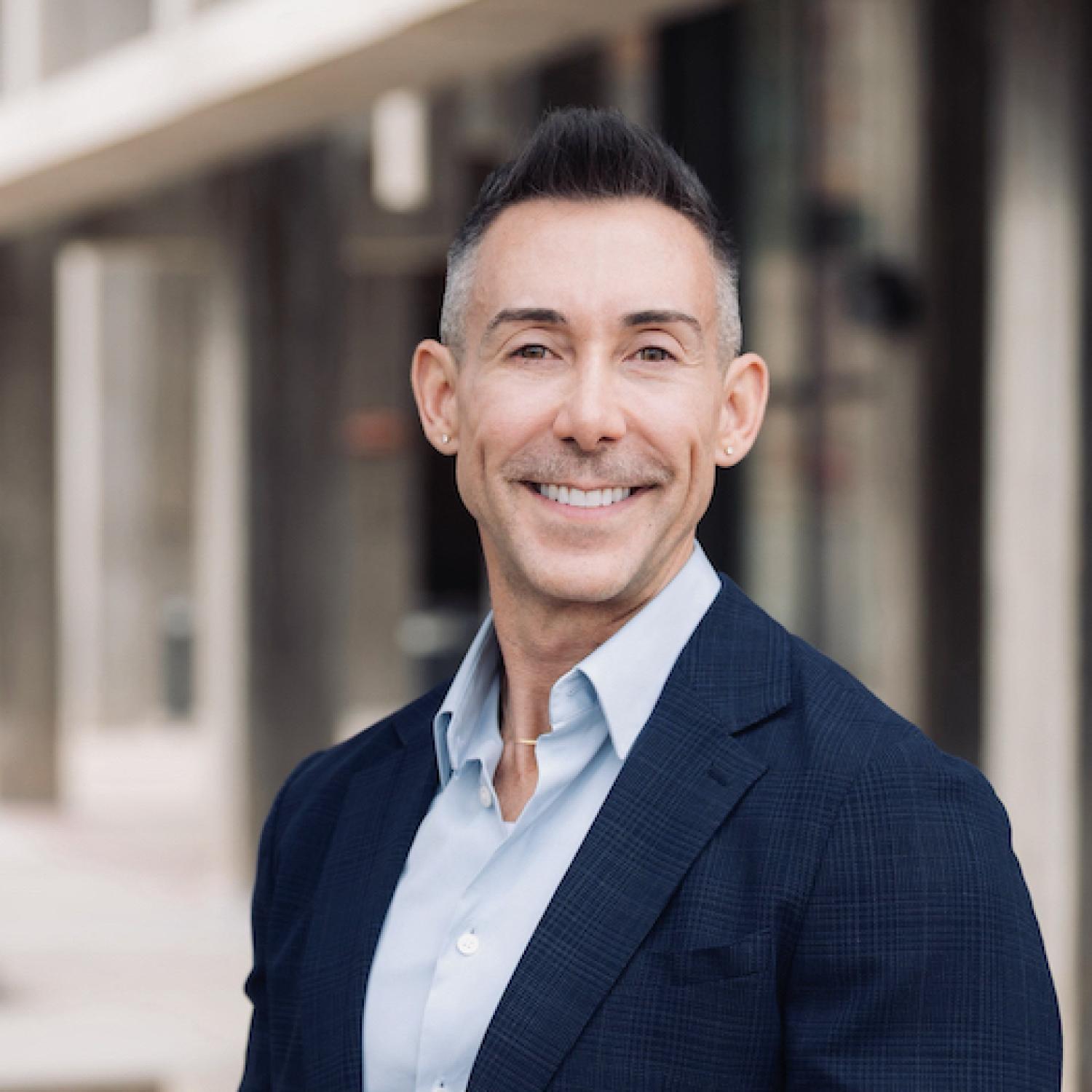
Marcos Djun Barbosa Watanabe is a Senior Researcher at the Industrial Ecology (IndEcol) Programme within the Department of Energy and Process Engineering at NTNU. His research focuses on prospective life-cycle assessment (LCA) of energy systems, bioenergy, sustainable land management for biofuels, and climate change mitigation strategies. He holds a background from a postdoctoral fellowship at IndEcol/EPT, specializing in LCA of biofuel production for maritime applications. His work emphasizes modeling tools for evaluating bioenergy systems' environmental impacts, integrating biomass availability and value chain configurations. Research interests include advanced biofuel production technologies (e.g., Fischer-Tropsch synthesis, hydrothermal liquefaction), renewable energy integration in industrial processes, and policy-driven decarbonization pathways. Key areas of focus are aviation, maritime, and heavy-duty transport sectors' transition to sustainable fuels. Publications span techno-economic and environmental assessments of bioenergy systems, with emphasis on Brazil's sugarcane industry and European policy contexts. Recent work explores Power-to-X fuels, hydrogen-based biofuels, and land-use strategies for climate mitigation. Outreach activities include lectures on hydrogen-based fuels' climate impacts and presentations at international biomass conferences. He collaborates with institutions like the Norwegian Centre for Sustainable Bio-based Fuels and Energy. Labs/Teams: Active in the IndEcol Programme, focusing on industrial ecology and sustainability science. Collaborates with global research networks on bioenergy and climate policy.
Ali Mohammadi is an Associate Professor at Karlstad University specializing in Environmental and Energy Systems Research. His work focuses on environmental sustainability in bioeconomy systems, using methodologies like Life Cycle Assessment (LCA), Absolute Environmental Sustainability Assessment (AESA), and Techno-Economic Analysis (TEA) to evaluate biomass utilization. He holds a PhD from the University of New England (Australia) and conducted postdoctoral research at Karlstad University (KaU). Research Interests: Environmental sustainability of bio-based systems Bioenergy production and circular economy pathways Socioeconomic impacts of bioeconomy innovations Life Cycle Assessment (LCA) method development Valorization of forest residues and municipal solid waste Lead Projects: WoodVALOR Consortium (€3.5M, 2022–2025) WoodPro Consortium (€900k, 2021–2022) Miscanthus-based biofuel pellets project (SEK114k, 2020–2021) Teaching: Courses include Sustainability Assessment Methods, Life Cycle Assessment, and Biorefinery Project Development.
Wil V. Srubar is a Professor and Charles Victor Schelke Endowed Professor in the Department of Civil, Environmental and Architectural Engineering at the University of Colorado Boulder. He serves as the Deming Associate Dean for Innovation & Entrepreneurship. His research focuses on biomimetic and living materials, alternative cement materials, and reducing embodied carbon in construction. He holds a PhD from Stanford University (2013), MS from UT Austin (2008), and BS from Texas A&M (2006). His work integrates synthetic biology with civil engineering to develop self-healing materials and carbon-negative construction solutions. Notable achievements include pioneering engineered living building materials and developing bio-inspired antifreeze polymers for concrete durability. He has been recognized with awards including the 2025 American Ceramic Society Fellowship and the 2023 Schmidt Science Polymaths Award. Education: PhD, Civil Engineering, Stanford University, 2013 MS, Civil Engineering, University of Texas at Austin, 2008 BS, Civil Engineering, Texas A&M University, 2006 Research emphasizes interdisciplinary approaches to sustainable materials, including biomineralization processes, carbon sequestration in construction, and AI-driven material optimization. His lab explores novel applications of microbial-induced carbonation and diatom-based materials. Recent work addresses whole-life carbon emissions of building materials and scalable low-carbon cement alternatives. Awards: 2025 Srubar Lab/Campus Sustainability Award 2023 Pritzker Emerging Environmental Genius Nominee 2020 NSF CAREER Award 2017 ENR Top 20 Under 40 Led initiatives like the Carbon-Negative Pilot project and contributed to DOE building energy studies. Current projects investigate 3D-printed bio-based insulation and AI for material property prediction. His work bridges academia and industry, fostering entrepreneurial ventures in sustainable construction technologies.
Professor Dominic C.Y. Foo is a distinguished academic at the University of Nottingham Malaysia, serving as Professor of Process Design and Integration and Founding Director of the Centre of Excellence for Green Technologies . He holds multiple prestigious fellowships including Fellow of the Institution of Chemical Engineers (IChemE) and Fellow of the Academy of Sciences Malaysia (ASM) , and is recognized in the Stanford list of top 2% scientists for several consecutive years. Department of Chemical and Environmental Engineering Active in international collaborations across Asia, Europe, Americas, and Africa Editor-in-Chief of Process Integration and Optimization for Sustainability (Springer Nature) Research Focus : His work centers on process integration and optimization for sustainability, particularly through pinch analysis and mathematical programming to address resource conservation , CO2 reduction , and decarbonization . Key areas include water minimization , energy planning , and carbon management networks , with applications spanning from the oil palm industry to hydrogen production systems. Scientific Contributions : With over 190 journal papers , 8 books , and 30+ keynote speeches , Professor Foo's research has had significant global impact. He has examined 40+ PhD/MSc theses internationally and developed specialized software like RCNet and DECO2 for resource conservation and carbon management. 2009 IChemE Innovator of the Year 2013 Outstanding Asian Researcher (SCEJ, Japan) 2016 Top Research Scientist Malaysia (ASM) International Engagement : He serves as Visiting Professor at several institutions including University of the Philippines Los Baños and De La Salle University in the Philippines. His editorial roles span multiple leading journals in chemical and environmental engineering.
Spyros Foteinis is a Researcher at Heriot-Watt University, affiliated with the School of Engineering & Physical Sciences and the Institute of Mechanical, Process & Energy Engineering. His work focuses on environmental sustainability, climate intervention strategies, and geochemical processes. He has contributed significantly to research on carbon dioxide removal (CDR), life cycle assessment (LCA), and ocean-based negative emission technologies (NETs). His recent studies include techno-economic analyses of ocean iron fertilization and alkalinity enhancement, emphasizing scalable and sustainable climate mitigation approaches. Research Interests: Carbon Dioxide Removal (CDR) via ocean alkalinization and iron fertilization LCA methodologies for evaluating climate interventions Waste water treatment and emerging contaminant removal Environmental policy and capacity-building for CDR implementation Sustainable energy solutions and resource management Key Recent Contributions: His 2025 papers on ocean alkalinity enhancement frameworks and universities' roles in CDR capacity-building highlight strategic pathways for global climate action. He also explores microbial regrowth in drinking water networks and cost-benefit analyses of marine interventions. Collaborations span institutions worldwide, focusing on interdisciplinary solutions to environmental challenges. Labs/Teams: Active in the Institute of Mechanical, Process & Energy Engineering’s climate and environmental research groups, contributing to projects on geochemical processes and sustainable technologies.
Prof. Mirjam Röder is a Professor at the Energy and Bioproducts Research Institute (EBRI) within the College of Engineering and Physical Sciences at Aston University. She leads the EBRI Systems Analysis group, specializing in sustainable bioenergy systems and low-carbon transition strategies. Her work integrates engineering, natural, and social sciences to address global climate challenges. Key research areas include bioenergy sustainability, BECCS, land-use dynamics, and socio-economic impacts of renewable energy policies. Education: PhD in Cultural Ecological Approaches to Food Security (2008) from an unspecified institution, with prior academic qualifications in related fields. Research Interests: Bioenergy systems, climate change mitigation, sustainability assessment frameworks, and policy analysis. She focuses on interdisciplinary solutions for equitable energy transitions, particularly in low- and middle-income countries. Articles Trends: Recent work emphasizes carbon removal technologies, bioenergy policy design, and socio-economic feasibility studies in regions like Nigeria and the Philippines. Methodological contributions include Life Cycle Assessment (LCA) advancements for CDR interventions and GIS-based deforestation risk modeling. Completed Athena Swan Gold Award leadership for her college and contributed to Aston University's institutional awards. Supervised 3 current PhD students and 1 completed doctoral researcher. Consulting expertise spans sustainability frameworks, EDI policy design, and grant review processes. Labs/Teams: Heads the EBRI Systems Analysis group, collaborating with industry, governments, and international organizations to advance bioenergy solutions. Active in editorial roles for Biomass and Bioenergy and WIREs Energy and Environment .
Prof Barry McMullin is a Full Professor in the School of Electronic Engineering at Dublin City University (DCU). His work spans climate change mitigation strategies, carbon budgeting frameworks, and negative emissions technologies. He has contributed to policy analyses assessing national contributions to global climate goals, particularly focusing on Ireland's role in achieving 1.5°C targets. Earlier research explored artificial life systems, computational autopoiesis, and bio-inspired computing. Research interests include integrating multi-gas mitigation strategies, societal-level climate scenarios, and the ethical implications of climate policy. His work on carbon dioxide removal (CDR) technologies and net-negative emissions pathways has informed national and OECD-level policy discussions. He has also published extensively on autopoietic systems and the evolution of self-replicating machines in computational models. Prof McMullin’s recent publications emphasize the critical need for methane mitigation in agriculture and the limitations of relying on uncertain CDR methods. His interdisciplinary approach bridges environmental science, policy analysis, and computational systems, aiming to develop equitable solutions for climate change challenges.
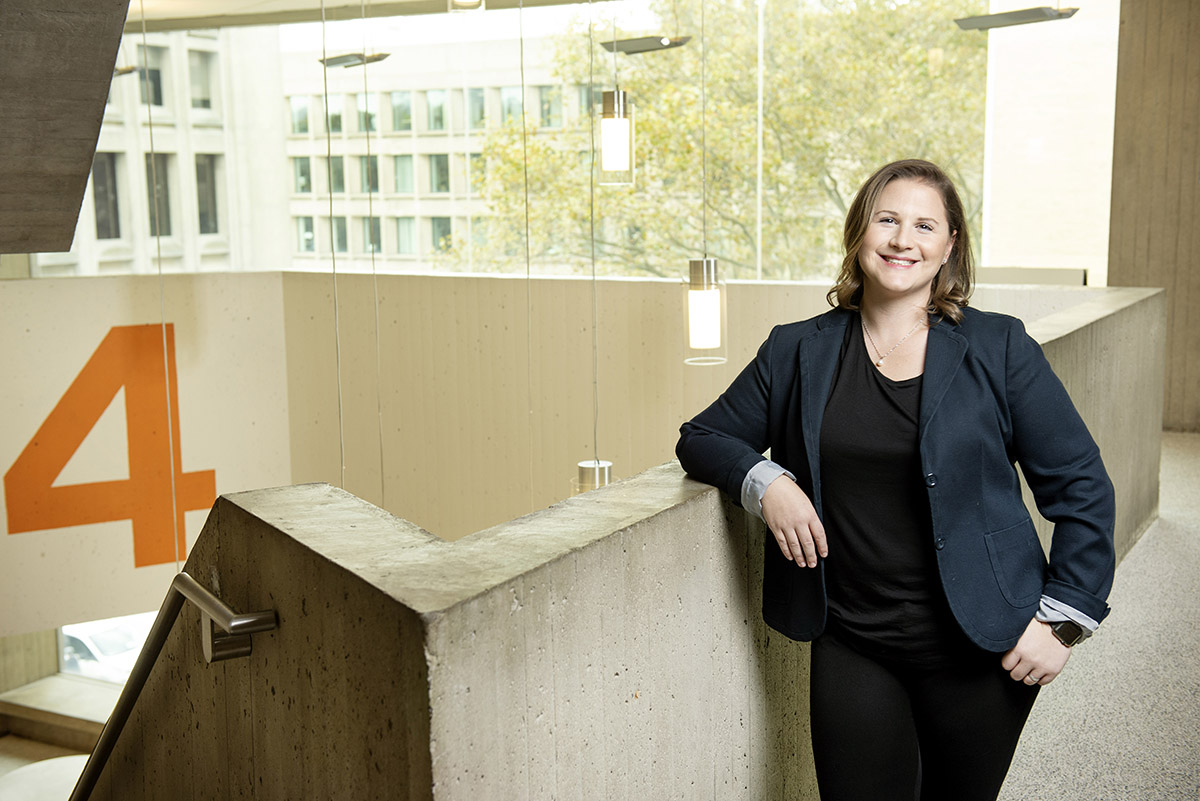
Ariel L. Furst is an Assistant Professor in the Department of Chemical Engineering at the Massachusetts Institute of Technology (MIT), where she bridges chemistry, biology, and materials science to develop innovative electrochemical solutions for healthcare, sustainability, and agriculture. Her research focuses on bioelectrochemistry, clinical diagnostics, and sustainable biotechnology, with a strong emphasis on surface chemistry and self-assembly. Ph.D., California Institute of Technology, 2015 B.S., University of Chicago, 2010 Her work spans three primary research areas: bioelectrochemical sensing for diagnostics, electrochemical resource recovery for circular economies, and biomolecular engineering for sustainable technologies. She has pioneered DNA-based catalyst immobilization strategies and developed microbial systems for lanthanide recovery and climate-resilient agriculture. Key trends in her publications reflect expertise in metal-phenolic networks , conductive polymers , and electrochemical biosensors , with applications in CO2 reduction, pesticide degradation, and low-cost diagnostic platforms. Her research integrates principles from enzyme-inspired design and materials engineering. C&EN: Talented Twelve, 2025 Sloan Research Fellowship, 2025 National Science Foundation CAREER Award, 2024 NIH Director's New Innovator Award, 2023 Camille Dreyfus Teacher-Scholar Award, 2023 As a mentor, Furst has guided students and postdocs in developing affordable diagnostic technologies and sustainable chemical processes. Her lab collaborates on projects ranging from microbial engineering to advanced sensor design, supported by grants from J-WAFS and the Beckman Fellowship. She leads interdisciplinary research teams focusing on negative emissions science and electrochemical innovation.
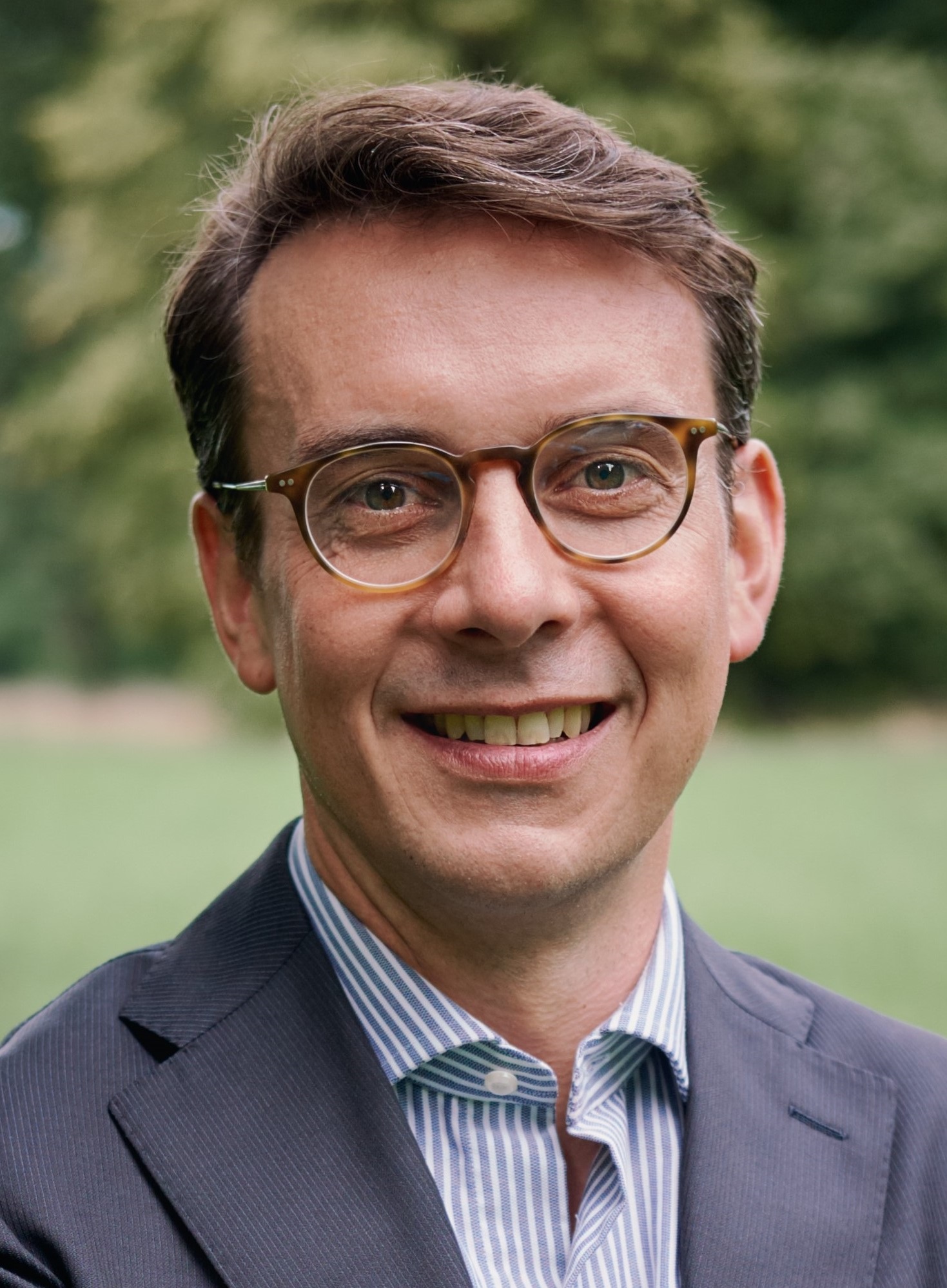
Thomas Helmer Pedersen is an Associate Professor at Aalborg University in the Department of Energy Technology, Faculty of Engineering and Science. His research is centered on sustainable energy systems, with a focus on carbon capture, biofuels, and thermal conversion technologies. He is actively involved in multiple research projects and PhD supervision, contributing to Denmark's green transition. His research interests include: Sustainable Energy Systems Carbon Capture and Utilization (CCU) Hydrothermal Liquefaction Biofuels and Renewable Fuels Direct Air Capture (DAC) Energy System Integration Waste-to-Energy Technologies Life Cycle Assessment (LCA) Dr. Pedersen's recent publications reflect a strong emphasis on integrating novel carbon capture technologies with renewable fuel production, optimizing process efficiency, and assessing environmental impacts. His work spans experimental research, process modeling, and technoeconomic analysis, particularly in closed-loop plastic recycling, bio-oil production, and sustainable aviation fuels. The trend indicates a growing focus on system-level integration of decarbonization technologies within flexible energy sectors. Scientific contributions and outreach include media appearances and participation in public discussions on climate solutions, such as negative CO2 strategies and sustainable aviation. Notable projects under his supervision include Large Scale Integration of DAC in Energy Systems and Direct Air Capture for Fuel Production . He advises multiple PhD students and is a principal investigator or supervisor in several funded research projects, including those related to circular plastics and hydrothermal processing. While specific grant amounts are not listed, his leadership in interdisciplinary projects highlights his role in securing and managing research funding. Dr. Pedersen is associated with research teams working on hydrothermal processing, carbon utilization, and sustainable fuel synthesis, contributing to AAU's broader mission of advancing a sustainable Danish energy system.
Dr. Johannes Förster is a Researcher at the Helmholtz Centre for Environmental Research (UFZ) in Leipzig, Germany, working within the Department of Environmental Politics under the Environment and Society research area. He serves as a member of the UFZ Science-Policy Expert Group and lectures on Economics of Global Environmental Change at the University of Bayreuth's MSc Programme in Global Change Ecology since 2017. His work bridges scientific research with international policy frameworks including UNFCCC, CBD, and IPBES. Dr. Förster earned his MSc in Global Change Ecology from the University of Bayreuth (2006-2009), where he completed his thesis on REDD potential in Western Ghana. He also holds an MSc in Physical Geography and BSc in Biology from Umea University, Sweden (2004-2006), and studied Landscape Ecology and Nature Conservation at the University of Greifswald (2001-2003). His research focuses on ecosystem services valuation, climate change mitigation and adaptation strategies, and the integration of biodiversity considerations into economic and corporate reporting systems. He leads the BMBF-funded Bio-Mo-D project on modernizing economic accounting for biodiversity in Germany and contributes to the BioNET project assessing bio-based negative emission technologies. His work examines the intersection of environmental science and policy implementation, particularly regarding The Economics of Ecosystems and Biodiversity (TEEB) framework and REDD+ initiatives. Analysis of his recent publications (2023-2025) reveals a strong emphasis on integrating biodiversity considerations into economic and corporate reporting systems, with particular focus on German policy implementation. His work spans environmental economics, climate policy, and sustainability accounting, with recurring themes of carbon dioxide removal technologies, ecosystem service valuation, and policy coherence between international frameworks and national implementation. Member of the Ecosystem Service Partnership (ESP) Member of IUCN Commission on Ecosystem Management (CEM) Alumnus of Studienstiftung des deutschen Volkes (German Academic Scholarship Foundation) 2010-2011: Member of review panel for ecosystem services assessment in Alberta, Canada Dr. Förster has secured substantial research funding through multiple BMBF projects including BioNET (since 2022), Bio-Mo-D (since 2021), and previous projects under the International Climate Initiative (IKI) totaling millions of euros. His work involves extensive international collaboration with UNEP, GIZ, The Nature Conservancy, and academic institutions worldwide. He has contributed to major international assessments including IPBES and TEEB, supporting national ecosystem assessments and capacity building in developing countries. As part of the UFZ's Department of Environmental Politics, Dr. Förster works within the broader Environment and Society research area, collaborating with colleagues on projects related to sustainable finance, corporate biodiversity accounting, and climate policy coherence. His research group focuses on developing methods for integrating ecosystem services into policy and decision-making processes, with growing emphasis on the intersection of biodiversity conservation and climate change mitigation.
Benoît Gabrielle is a Professor at AgroParisTech and a researcher at the Functional Ecology and Ecotoxicology of Agroecosystems laboratory (ECOSYS - Univ. Paris-Saclay, INRAE, AgroParisTech). Since January 1, 2021, he has served as the director of the Graduate School Biosphera of Université Paris-Saclay, which comprises approximately one hundred research teams, one thousand students, six Master's degrees, and two doctoral schools. Dr. Gabrielle's research focuses on modeling biophysical processes to assess environmental impacts of agricultural systems, with particular emphasis on bioenergy and the bioeconomy. His work bridges engineering sciences, life sciences, and human and social sciences to address complex sustainability challenges related to the biosphere. He has made significant contributions to understanding greenhouse gas emissions from agricultural systems and developing assessment methodologies for biofuels. His research trajectory shows a clear evolution from early work on first-generation biofuels (particularly rapeseed-based biodiesel) to modeling carbon and nitrogen dynamics in agroecosystems, and more recently to second-generation biofuels and the broader bioeconomy concept. This progression reflects both scientific advancements in the field and growing policy demands for sustainable alternatives to fossil fuels. Dr. Gabrielle has played leadership roles in major European research initiatives, including coordination of an FP7 project on energy crops (2012-2016) and leadership in the EERA Bioenergy alliance (2010-2016). His 2015 publication in Nature Climate Change on negative emission technologies coincided with the COP21 climate conference in Paris and contributed to important policy discussions. As director of the Graduate School Biosphera, Dr. Gabrielle oversees a significant interdisciplinary educational and research ecosystem focused on biology, ecology, environment, agriculture, and food systems. He emphasizes that Université Paris-Saclay provides an ideal environment for integrating diverse scientific disciplines to address global sustainability challenges through a holistic approach to the biosphere.
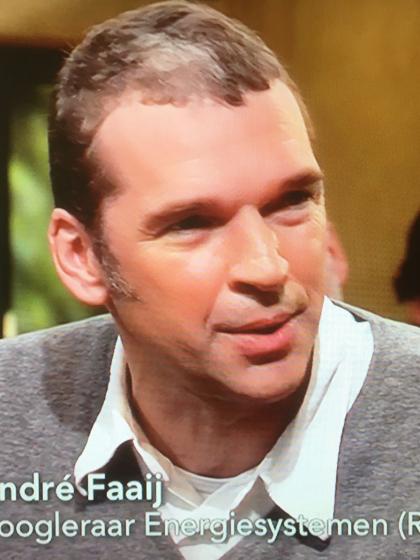
Prof. André Faaij is a Distinguished Professor (part-time) in Energy System Analysis at the University of Groningen and Director of Science at ECN part of TNO, the Netherlands' largest energy research organization. His research focuses on energy system integration, decarbonization pathways, and sustainable bioenergy. He leads international initiatives like the Energy Academy Europe (a Public-Private Partnership) and the New Energy Coalition. Education: MSc Chemistry & Environmental Sciences (Utrecht University, 1991); PhD in Energy from Biomass & Waste (Utrecht University, 1997). Extensive academic career includes roles as Scientific Director of Utrecht University's Copernicus Institute and Chair of the Science, Technology & Society department. Research Interests: Energy transitions, renewable energy technologies, carbon capture and storage (CCS), bioenergy sustainability, hydrogen economy, and policy design for low-carbon systems. His work integrates technical, economic, and societal dimensions of energy systems. Articles Trends: Recent publications emphasize offshore wind potential, North Sea energy system modeling, decarbonization pathways for industries (steel, chemicals), and stakeholder-driven local energy planning. Key themes include spatial analysis, techno-economic assessments, and participatory decision-making frameworks. Awards: Nobel Peace Prize (IPCC, 2007), Linneborn Prize (2015), ENI Award nomination (2014), and recognition as a 'Young Global Leader' by the World Economic Forum. H-index 91 (Google Scholar). Grants & Supervision: Secured over €45 million in research funding. Supervised 42 PhD students and >80 master’s students. Active in multi-stakeholder projects like the Global Energy Assessment and IEA Bioenergy Task 40. Labs & Initiatives: Leads Energy Academy Europe (500+ researchers), coordinates the North Sea Energy Transition Centre (€7M budget), and advises UN agencies, the IPCC, and national governments on energy policy.
Harish Jeswani is a Research Fellow specializing in environmental sustainability, climate change mitigation, and lifecycle assessment of industrial activities. His work focuses on carbon capture technologies, renewable energy systems, and bio-based negative emissions strategies. He contributes to global sustainability goals, particularly in UN SDGs related to climate action and responsible consumption. Research Interests: - Environmental Impact Assessment of industrial processes - Bioenergy and waste valorization - Sustainable energy technologies (e.g., hydrogen, photovoltaics) - Circular economy practices in materials and energy systems - Policy frameworks for carbon neutrality and emissions reduction Notable Projects: - Co-developed the CCaLC tool for lifecycle carbon accounting in industrial sectors - Analyzed sustainability of biochar, reforestation, and energy crops in Malaysia and Turkey - Evaluated carbon capture in steel production and blue hydrogen technologies Grants & Advising: Supervised 3 academic projects (details unlisted). Collaborates on multidisciplinary teams addressing energy-water-food nexus challenges.