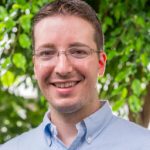
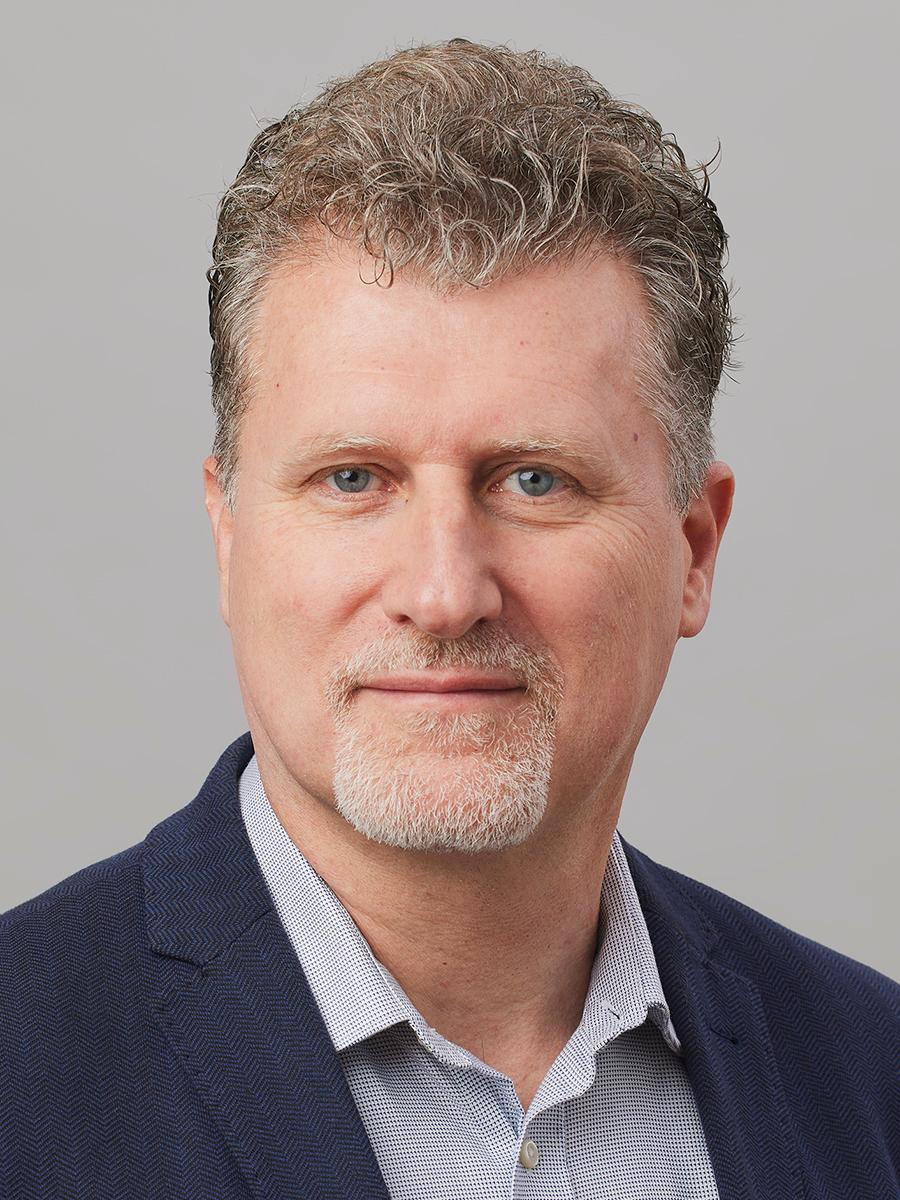
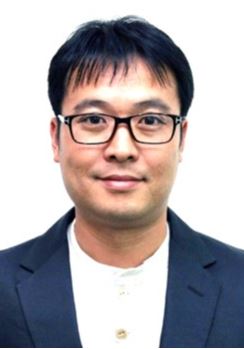
Professor Thomas Bein is affiliated with the Department of Chemistry at Ludwig-Maximilians-Universität München (LMU) , where he leads the Functional Nanosystems research group. His work focuses on synthesizing and characterizing nanostructured materials with applications in energy, catalysis, and biomedical delivery. Mesoporous nanoparticles for drug delivery Semiconductor nano-morphologies for photovoltaics Photoelectrochemical water splitting Metal-organic frameworks (MOFs) Electroactive networks His research emphasizes atomic-scale control of material architectures using self-assembly, hydrogen bonding, and covalent interactions, enabling precise tuning of electronic, optical, and catalytic properties. A review of his recent publications reveals cutting-edge investigations into covalent organic frameworks (COFs), perovskite-inspired solar materials, and functional nanoparticle systems. Key trends include optimizing energy conversion efficiency, enhancing stability in optoelectronic devices, and exploring bio-compatible nanocarriers for targeted therapies. Professor Bein’s group actively contributes to interdisciplinary projects at the intersection of chemistry, physics, and biomedical engineering, with ongoing collaborations in solar energy, sustainable materials, and nanomedicine.
Sarah Billington is the UPS Foundation Professor of Civil and Environmental Engineering at Stanford University and a Senior Fellow at the Woods Institute for the Environment. Her research program focuses on sustainable building design, human wellbeing, and ethical supply chain practices. Education: PhD, University of Texas at Austin, Structural Engineering (1997) MSE, University of Texas at Austin, Structural Engineering (1994) BSE, Princeton University, Civil Engineering & Operations Research (1990) Her lab employs interdisciplinary methods to study how built environments impact human physical, psychological, and social wellbeing. Current projects include developing tools to quantify nature exposure in buildings, exploring affordable housing's role in wellbeing, and using AI to assess forced labor risks in material supply chains. While no longer active in this area, her group previously pioneered research on sustainable construction materials like bio-based composites and ductile cement-based composites. Her recent publications address topics such as nature integration in architecture, workplace design optimization, and health impacts of building materials. The Billington Lab at Stanford fosters collaborative team science, welcoming partnerships to advance occupant-centric engineering solutions.
Robert MacCurdy is an Assistant Professor at the Department of Mechanical Engineering, University of Colorado Boulder . He leads the Matter Assembly Computation Lab (MACLab) focused on automating robot design and fabrication. His research bridges computational design and advanced manufacturing to create "robots that walk out of the printer." The lab develops tools like OpenVCAD , an open-source volumetric multi-material geometry compiler.
Bradley D. Olsen is a full professor in the Department of Chemical Engineering at the Massachusetts Institute of Technology (MIT), where he leads research at the intersection of polymer science, soft matter physics, and bioengineering. His work focuses on designing materials for critical applications in biotechnology, hemostasis, and sustainable polymer development while advancing fundamental understanding of polymer network mechanics and self-assembly. Education: Ph.D. in Chemical Engineering, University of California Berkeley (2007) S.B. in Chemical Engineering, Massachusetts Institute of Technology (2003) Olsen's research spans protein-based materials, block copolymer phase behavior, and mechanochemical hydrogels. He has pioneered methods for quantifying polymer network topology, developing hemostatic nanoparticles, and creating bio-inspired materials for selective biomolecular transport and medical applications. His recent publications emphasize data-driven approaches to polymer characterization and educational outreach in materials science. Scientific Awards: American Physical Society (APS) Fellow (2023) Fulbright Amazonia Scholar (2023) Alexander and I. Michael Kasser Chair in Chemical Engineering (2021) ACS Macro Letters Young Investigator Award (2021) MIT Committed to Caring Honor (2019) AIChE Owens Corning Early Career Award (2019) APS Dillon Medal (2018) Kavli Emerging Leader in Chemistry (2017) ACS Polymer Division Fellow (2016) Camille Dreyfus-Teacher Scholar (2015) Alfred P. Sloan Research Fellow (2014) NSF Career Grant (2013) NIH Postdoctoral Fellowship (2008-2009) Hertz Fellow (2003-2007) Barry M. Goldwater Scholarship (2002) Olsen has received significant grant support including NSF Career (2013) and AFOSR (2012) awards. His teaching activities include innovative international outreach like the 2025 soccer-themed science camp in Brazil. The Olsen Group at MIT explores advanced materials with applications ranging from trauma care to sustainable polymers.
Vikramaditya G. Yadav is an Associate Professor at the University of British Columbia (UBC) in the Department of Chemical and Biological Engineering, Faculty of Applied Science. He directs the Master of Engineering Leadership (MEL) Program in Sustainable Process Engineering and leads the BioFoundry research group. Education: B.A.Sc., University of Waterloo (2007) Ph.D., Massachusetts Institute of Technology (2013) Postdoctoral Associate, Harvard University (2014) His research spans sustainable chemical manufacturing, metabolic engineering, and biotechnology. Key areas include: Designing biosynthetic enzymes for biomass valorization Developing bioremediation strategies for industrial water quality Creating innovative drug delivery systems and tissue engineering solutions Advancing synthetic biology for pharmaceutical and bioenergy applications His recent work focuses on ocular drug delivery, cannabinoid biosynthesis in E. coli, lignin-based nanoparticles for cancer therapy, and computational analysis of plant secondary metabolites. Collaborations with start-ups, industry, and medical labs drive innovation in Canada's bioeconomy. Professional Leadership: Chair, Biotechnology Division of the Chemical Institute of Canada Associate Editor, The Canadian Journal of Chemical Engineering He is affiliated with UBC's BioProducts Institute and contributes to project-based learning pedagogy.
Dr. Robert Huber serves as a Lecturer at the Department of Environmental Systems Science at ETH Zürich, specializing in Agricultural Economics and Policy. His research focuses on the integration of interdisciplinary knowledge to analyze and evaluate management and policy options that promote sustainable development in the agricultural sector. Institution: ETH Zürich Department: Agricultural Economics and Policy Research Focus: Sustainable Agriculture and Policy Methodologies: Bio-economic and agent-based modeling Dr. Huber's research explores how multifunctional agricultural sectors can provide essential non-market goods and services while maintaining their primary economic function of food production. His work applies bio-economic and agent-based modeling techniques to understand farmers' decision-making processes regarding ecosystem services provision, coupled with economic valuation techniques to analyze societal demand for these services. His research aims to identify effective and efficient policy measures that align supply and demand for ecosystem services at landscape scale. His recent publications demonstrate strong expertise in agricultural policy analysis, climate change mitigation strategies, sustainable farming practices, and innovative modeling approaches. His work spans topics from herbicide-free agriculture using remote sensing technologies to biodiversity enhancement in agricultural landscapes and the cost-effectiveness of different climate change mitigation policies at various scales. Remote sensing applications in sustainable agriculture Behavioral aspects of farmer decision-making Policy evaluation methodologies Climate change adaptation in farming systems Economic valuation of ecosystem services Digitalization impacts on agricultural policy Dr. Huber has published extensively in high-impact journals including Journal of Agricultural Economics, People and Nature, and Q Open. His collaborative research often involves interdisciplinary teams addressing complex agricultural sustainability challenges. His publications demonstrate a consistent focus on practical policy implications derived from rigorous empirical analysis.
Rebecca Schulman is an Associate Professor in the Department of Chemical and Biomolecular Engineering at the Whiting School of Engineering, Johns Hopkins University. She holds secondary appointments in Chemistry and Computer Science and is affiliated with multiple interdisciplinary institutes, including the Institute for NanoBioTechnology, the Hopkins Extreme Materials Institute, the Chemistry-Biology Interface Program, the Center for Cell Dynamics, and the Laboratory for Computational Sensing and Robotics. She currently co-directs the Passport to Future Technology Leadership program for PhD students. Research Interests: Schulman's research lies at the intersection of DNA nanotechnology, synthetic biology, and smart materials. Her group develops intelligent, adaptive biomolecular materials and nanostructures by integrating concepts from materials science, biochemistry, circuit design, and soft matter physics. The team focuses on engineering dynamic self-assembly processes using DNA to create reconfigurable materials, molecular circuits, and autonomous soft micro-robots. Key themes include self-healing nanostructures, feedback-regulated crystallization, programmable hydrogels, and synthetic genetic networks for materials control. Publication Trends: Her recent publications demonstrate a consistent focus on using DNA-based chemical reaction networks to program spatial and temporal behavior in materials. The work spans from fundamental mechanisms like catalytic polymerization and crystal growth regulation to applications in soft robotics, self-wiring circuits, and synthetic pattern formation. The research is highly interdisciplinary, combining synthetic biology with materials engineering to achieve life-like functionalities in non-living systems. Scientific Awards: AIMBE Fellowship Award Vannevar Bush Faculty Fellowship Award Hartwell Individual Biomolecular Research Award President’s Early Career Award in Science and Engineering (PECASE) DARPA Young Faculty Award DARPA Directors Fellowship NSF CAREER Award Turing Scholar Award DOE Early Career Award Advising and Grants: Schulman mentors graduate students and leads a vibrant research group focused on next-generation biomolecular engineering. Her work is supported by major federal grants, including the NSF CAREER, DOE Early Career, DARPA, and the Vannevar Bush Fellowship—a prestigious Department of Defense award for basic research. She is actively involved in training future leaders through programs like the Passport to Future Technology Leadership. Labs and Teams: The Schulman Lab at Johns Hopkins is a multidisciplinary team working on DNA-powered materials and molecular programming. The lab is embedded within several collaborative centers, enabling strong cross-departmental and cross-institutional research. Their work combines experimental biochemistry with theoretical modeling to design and implement complex molecular systems.
John M. Woodley is a distinguished Professor in the Department of Chemical and Biochemical Engineering at the Technical University of Denmark (DTU), where he leads research at the PROSYS - Process and Systems Engineering Centre and contributes to the DTU Microbes Initiative. With over 30 years of experience, he has established himself as a leading expert in biocatalysis and bioprocess engineering, with research spanning both theoretical and experimental work across multiple scales. His primary research interests focus on the interface of bioprocess engineering, process chemistry, and reaction engineering. Dr. Woodley's work encompasses multi-step biocatalysis (including systems biocatalysis and flow chemistry), downstream processing from biocatalytic reactors and fermentations (including ISPR), modeling tools for bioprocess assessment (thermodynamics, kinetics, process simulation, economic evaluation), and bio-oxidations (including oxygen supply methods). His enzymatic investigations particularly target alcohol oxidases, carbohydrate oxidases, cytochrome P450s, Baeyer-Villiger monooxygenases, and transaminases. His research portfolio demonstrates consistent innovation in sustainable chemical production, with particular emphasis on enzymatic synthesis of pharmaceuticals and chemicals from renewable resources. Analysis of his recent publications reveals a strong focus on overcoming industrial implementation challenges, particularly regarding enzyme stability in various reactor environments, optimization of multi-enzyme systems, and scale-up methodologies for biocatalytic processes. Dr. Woodley actively supervises multiple PhD students and leads several significant research projects, including 'P450-based biocatalytic processes for the pharmaceutical industry' (2025-2028), 'Integrated model for up- and downstream bioprocess intensification' (2024-2027), and 'ENFACE: A tool for prediction of enzyme stability at gas-liquid interfaces' (2024-2027). His work has resulted in an impressive publication record of 781 research outputs across various formats, including journal articles, book chapters, and conference proceedings. His research group operates within the Department of Chemical and Biochemical Engineering at DTU, utilizing advanced facilities for biocatalysis research, including specialized reactor systems for studying gas-liquid interfaces, computational modeling resources, and laboratories for enzyme characterization and bioprocess development. Through his leadership in the PROSYS center, he contributes to DTU's strategic focus on sustainable process technologies and systems engineering.
Dr. Jeremy Guest is the Levenick Professor in Civil and Environmental Engineering (and courtesy appointment in Chemical & Biomolecular Engineering) at the University of Illinois Urbana-Champaign (UIUC). He serves as Associate Director for Research at the Institute for Sustainability, Energy, and Environment (iSEE) and leads the Center for Advanced Bioenergy and Bioproducts Innovation (CABBI). His research focuses on advancing circular bioeconomies through sustainable sanitation systems, resource recovery from wastewater, and biofuel/bioproduct development from lignocellulosic biomass. Guest's work emphasizes Quantitative Sustainable Design (QSD) methodologies to bridge engineering innovation with policy and investment decisions. Education: PhD in Environmental Engineering (University of Michigan, 2012); MS (Virginia Tech, 2007); BS (Bucknell University, 2005). Research interests include wastewater treatment innovation, nutrient recovery, bioenergy systems design, and sustainable agriculture practices. Key contributions include the EcoRecover phosphorus recovery process, the QSDsan modeling platform, and leadership in CABBI's $262.5M DOE-funded initiative. Guest has secured funding from NSF, US EPA, USDA, and the Bill & Melinda Gates Foundation. Recognitions include the NSF CAREER Award, 2021 James J. Morgan Early Career Award, and the Paul L. Busch Award. He advises over 15 graduate students and leads multiple high-impact projects like the NEWgenerator sanitation system and oilcane biorefinery integration. Lab/Group: Guest Research Group focuses on experimental, computational, and policy-oriented research to solve global sustainability challenges. Current projects address algae-based wastewater treatment, fecal sludge management in low-income regions, and precision fermentation systems development.
John P.A. Ioannidis is the C.F. Rehnborg Professor in Disease Prevention and Professor of Medicine, Health Research and Policy, Biomedical Data Science, and Statistics at Stanford University. He is Co-Director of the Meta-Research Innovation Center at Stanford (METRICS) and an Einstein BIH Visiting Fellow at Charité - Universitätsmedizin Berlin. His academic appointments span multiple departments and institutes at Stanford, including the Stanford Prevention Research Center, Biomedical Data Science, and Statistics. He is internationally recognized for his work in meta-research, evidence-based medicine, and research reproducibility. Ioannidis holds an MD and DSc in Biopathology from the National University of Athens, with training in internal medicine and infectious diseases from Harvard and Tufts. He previously chaired the Department of Hygiene and Epidemiology at the University of Ioannina Medical School and held adjunct positions at Harvard, Tufts, and Imperial College. He joined Stanford in 2010, where he launched the PhD program in Epidemiology & Clinical Research, the MS in Community Health & Prevention Research, and METRICS in 2014. His research focuses on improving research methods, appraising biases, enhancing reproducibility, and integrating evidence across scientific disciplines. He is a pioneer in meta-research, with seminal contributions on the reliability of published findings, statistical practices, and research synthesis. His influential 2005 paper, "Why Most Published Research Findings Are False," is the most-accessed article in PLoS history. His recent work examines peer review, data sharing, AI in medicine, and pandemic research impact, consistently advocating for transparency and methodological rigor. His publications span epidemiology, statistics, genomics, clinical trials, and meta-analysis, with a strong emphasis on bias detection, replication, and open science. Trends in his recent articles highlight concerns about research integrity, citation practices, peer review reform, and the scientific response to global health crises. Founders' Medal for Lifetime Contributions to Meta-science (2024) Honorary doctorates from McMaster, Thessaloniki, Edinburgh, Tilburg, Athens, and Rotterdam Elected member, US National Academy of Medicine (2018) Elected member, European Academy of Sciences and Arts (2015) President, Association of American Physicians (2023–2024) President, Society for Research Synthesis Methodology Gordon Award, NIH (2019) Chanchlani Global Health Award (2017) Highly Cited Researcher (Clarivate) in Clinical Medicine, Social Sciences, and Psychiatry Ioannidis has advised numerous students and mentored early-career researchers. He has served as Senior Advisor for Knowledge Integration at the National Cancer Institute (2012–2016) and Editor-in-Chief of the European Journal of Clinical Investigation (2010–2019). He has received over 700 invited lectures and is deeply involved in shaping research policy and scientific infrastructure. He leads METRICS, a hub for meta-research innovation, and is affiliated with multiple Stanford institutes, including Bio-X, the Cardiovascular Institute, and the Stanford Cancer Institute.
Abbas Milani is a tenured Professor of Mechanical Engineering at the University of British Columbia's Okanagan campus, where he holds the Tier 1 Principal's Research Chair in Sustainable & Smart Manufacturing and serves as Director of the Materials and Manufacturing Research Institute (MMRI). He also serves as Technical Director of the Composites Research Network (CRN), Lead of the Canadian-International Biocomposites Research Network, and leads multiple major initiatives including the UBC-Pacific Economic Development Canada-Advancing Circular Economy (ACE) program and the UBC-NRC IRAP National Circular Economy CtO Program. Dr. Milani's primary research focuses on advanced modeling, simulation, and multi-criteria design optimization of composite and biocomposite materials, structures, and manufacturing processes. His expertise spans Textile Composites/Biocomposites, Materials Constitutive Relations, Finite Element Modeling, Robust Inverse Methods, Material Selection for End-of-Life Design Strategies, Multiple Criteria Decision Making, and Industry 5.0 applications. His interdisciplinary research bridges mechanical engineering, sustainable materials science, and smart manufacturing technologies. Analysis of his recent publication record reveals a strong emphasis on sustainable materials development, with particular focus on biocomposites, life cycle assessment methodologies, and optimization of manufacturing processes. His work integrates computational modeling with experimental validation across diverse application areas including medical devices, sustainable packaging, and circular economy strategies. The publications demonstrate increasing integration of artificial intelligence and machine learning approaches with traditional engineering methods. 2015 UBC Okanagan Researcher of the Year Award Killam Faculty Research Award (2016) Inducted into Royal Society of Canada - College of New Scholars (2020) Gold Medal Service Contribution Award by Academics World Reviewer Contribution Award by ASM International Multiple teaching excellence awards from UBC Dr. Milani has successfully mentored over 100 students and postdoctoral fellows who have secured positions in both industry and academia. His research program has been supported by more than $15 million in funding from government and industrial organizations. He leads the NSERC CREATE in Immersive Technologies (CITech) program and co-leads the Advanced Materials and Fabrication Core Competency within the Survive and Thrive Applied Research (STAR) program, demonstrating his commitment to training the next generation of engineers and advancing applied research.
Associate Professor LI Zhi leads the Chemical & Biomolecular Engineering Department at the National University of Singapore (NUS). His research focuses on advanced biocatalysis for sustainable manufacturing, bio-based fuels, and functional materials. He holds a PhD in Organic Chemistry from the University of Vienna (1991), an MEng from Chinese Academy of Forestry (1985), and a BSc from Nanjing University (1982). Institutional Affiliations: NUS Faculty of Engineering, NUS ChBE Department. His lab actively collaborates with global institutions like A*STAR and the Singapore Catalysis Society. Research highlights include enzyme engineering for cascade reactions, CO₂ utilization, and biomaterial synthesis. Research Interests: Discovery of novel biocatalysts, engineering of biocatalytic systems, renewable feedstock utilization, and smart material development. Recent work emphasizes cascade biotransformations for chiral chemicals and sustainable processes. Lab Activities: Hosted international conferences (e.g., Southeast Asia Catalysis Conference 2019), collaborations with industry leaders (GSK, Pfizer), and visits from distinguished researchers like Prof. Zhao Huimin. Student milestones include PhD completions (e.g., Wang Wen, Joel Choo Ping Syong) and postdoc contributions across institutions. Grants & Labs: Active in grants related to biocatalysis and green chemistry. Lab members include researchers like Dr. Nicholas Goh and PhD students Li Li. Infrastructure includes advanced facilities for biotransformations and material synthesis.
Prof. Raffaele Mezzenga is a Full Professor at ETH Zürich's Department of Health Sciences and Technology and Head of the Institute of Food, Nutrition, and Health. He earned his master's from Perugia University (Italy) and a PhD in Polymer Physics from EPFL, followed by postdoctoral work at UC Santa Barbara. His career includes roles at the Nestlé Research Center and the University of Fribourg before joining ETH in 2009. His research focuses on self-assembly processes in polymers, biopolymers, and colloidal systems, with applications in environmental remediation, bioplastics, and biomedical materials. Key contributions include pioneering protein-based materials and advancing understanding of amyloid fibrils. Education: Master's, Materials Science & Engineering, Perugia University PhD, Polymer Physics, EPFL Research Interests: Self-assembly, biopolymers, amyloid materials, sustainable technologies, food colloids, and soft condensed matter. Awards: 2011 AOCS Award, 2017 APS Fellowship, and 2013 Biomacromolecules Young Investigator Award. Visiting Roles: Held visiting professorships at Aalto University, RMIT, Monash University, Nanyang Technological University, and others. Labs/Teams: Leads the Institute of Food, Nutrition, and Health at ETH, focusing on interdisciplinary research in food science and biomaterials. His work bridges fundamental science and applied innovation, addressing global challenges in sustainability and health through materials science. Recent projects include creating bioplastics from food waste, developing amyloid-based water purification systems, and advancing targeted drug delivery via lipidic mesophases.
Professor Petri Kuosmanen is affiliated with Aalto University as a faculty member of the School of Engineering and holds a position in the Department of Energy and Mechanical Engineering and the Mechatronics unit. Doctoral Degree in Engineering and Technology, Helsinki University of Technology (2004) Licentiate Degree in Engineering and Technology, Helsinki University of Technology (1992) Master's Degree in Engineering and Technology, Helsinki University of Technology (1988) His research focuses on Industrial Internet and Rotor Dynamics , with significant contributions to elevator systems , hydraulics , and wastewater treatment plant design . Recent work includes optimizing natural frequencies in rotor systems and developing digital twins for engineering education . Key trends in his 2024 publications include: Rotor dynamics and vibration analysis Smart data validation in industrial IoT networks Cold-climate adaptations for wastewater treatment Automated fiber optics coating mechanisms Energy efficiency in aeration systems As Principal Investigator, he leads projects like DRIVE FORWARD (2024–2027) and GOOD (2021–2024), focusing on electrified mobile machinery. He actively collaborates with networks such as DAAAM International (Chair) and European CLUSTER-university network (Member).
Sungkwon Park is a Professor in the Department of Food Science and Biotechnology at Sejong University, specializing in advanced food science and biotechnology research with a focus on meat science, cultured meat production, and sustainable food systems. His research integrates molecular biology, food biotechnology, and systems biology to develop innovative food solutions. His educational background includes a Ph.D. from Purdue University (2008), M.S. from Yeungnam University (2001), and B.S. from Yeungnam University (1999). Prior to his current position, he worked as a Postdoctoral Fellow at Virginia Tech (2008-2012) and as a Research Officer at the National Institute of Animal Science, RDA (2012-2015). Professor Park's research interests focus on livestock production optimization, meat processing for health functionality, environmentally friendly animal production systems, and in vitro meat production. His work has led to significant achievements including the identification of calcium and glucose interaction mechanisms in muscle metabolism, development of oleogel-based meat processing techniques, optimization of feed ingredients for sustainable livestock, and establishment of in vitro meat production systems. His recent publications (2023-2025) demonstrate a strong focus on cultured meat technology, meat science, and sustainable food production. The research spans cellular mechanisms for cultured meat production, safety and regulatory aspects of alternative proteins, comparative analysis of muscle satellite cells, and optimization of meat processing techniques. His work shows a clear trend toward developing practical applications for next-generation meat products with emphasis on health functionality and environmental sustainability. Professor Park actively serves as a reviewer for Frontiers in Veterinary Science and is an Editorial Board Member of the Korean Society of Animal Science. His laboratory, the M&M'a lab (Functional Food Lab), conducts research on high-value-added, health-functional BioFood and future foods using bio-convergence technologies.