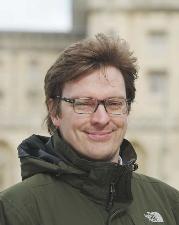
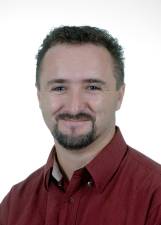
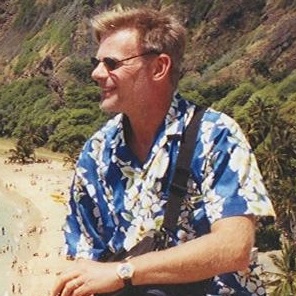
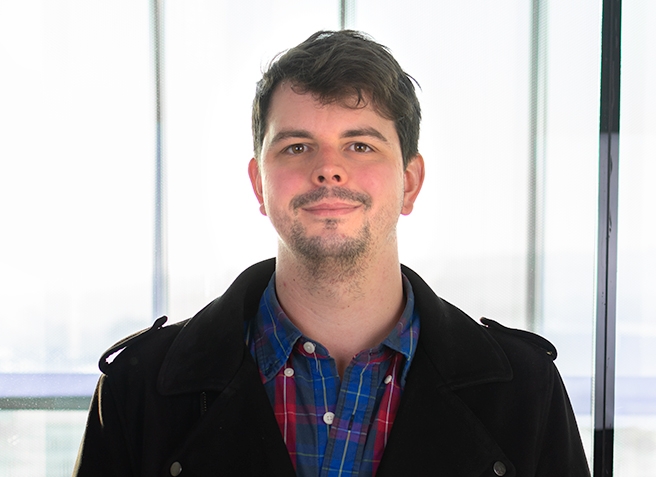
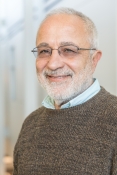
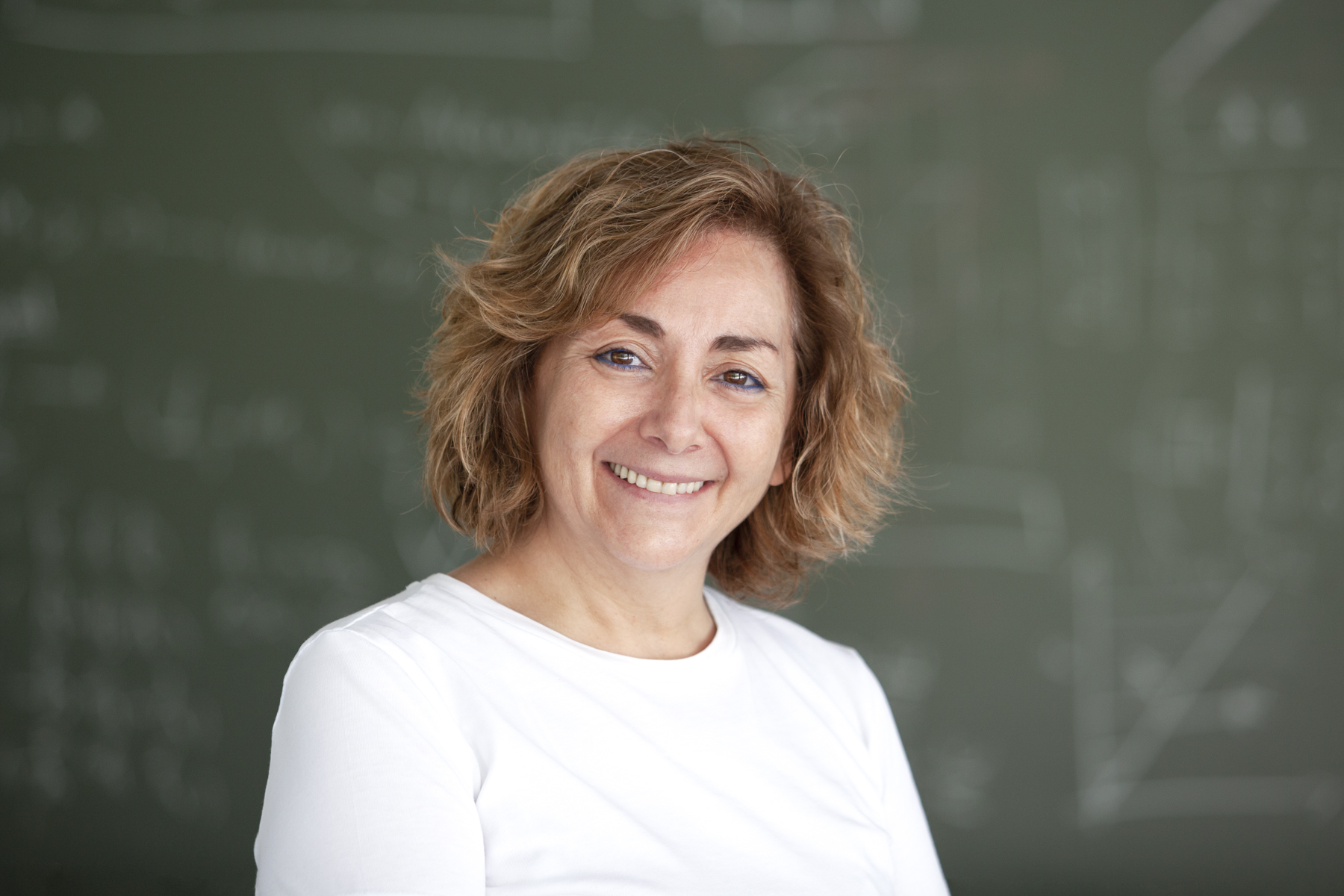
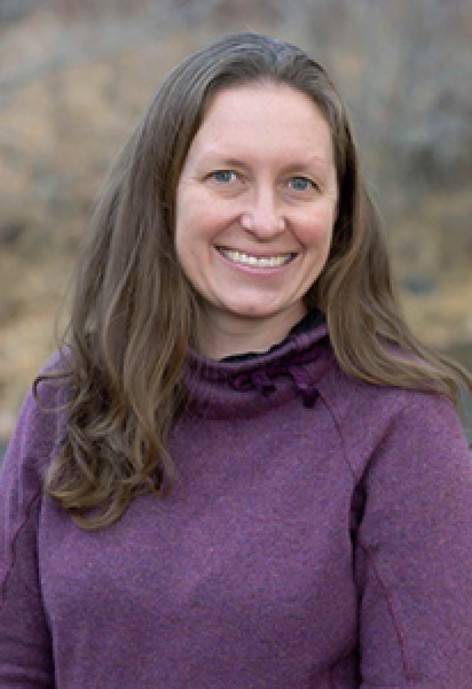
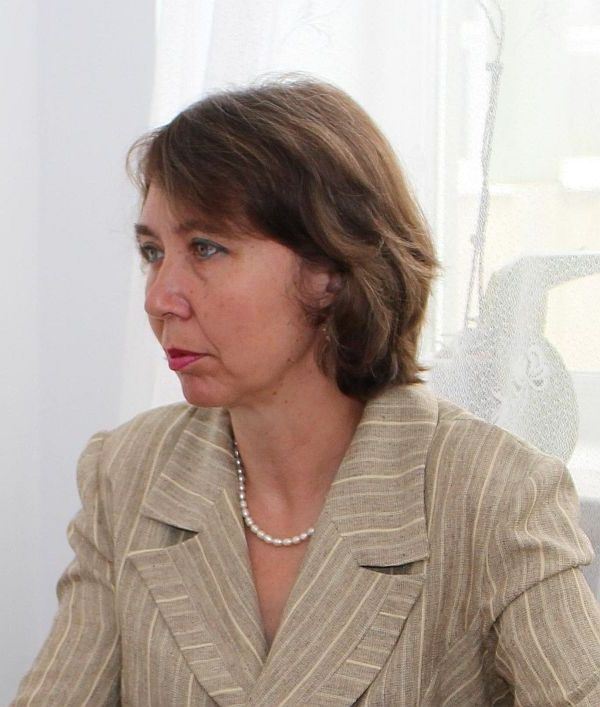
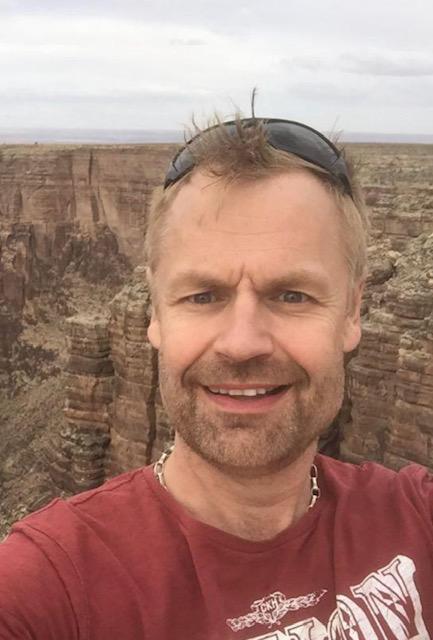
Professor Erwin Reisner is a leading academic in energy and sustainability at the University of Cambridge , affiliated with the Yusuf Hamied Department of Chemistry and St John’s College . He directs the Christian Doppler Laboratory for Sustainable SynGas Chemistry and co-leads the EPSRC Center for Doctoral Training in Functional and Sustainable Nanoscience. Research Focus: Artificial photosynthesis, solar fuels, CO2 valorization, and waste-to-chemicals technologies. Interdisciplinary Leadership: Integrates synthetic chemistry, nanoscience, and biotechnology for circular economy solutions. Key Collaborations: Active in Cambridge Global Challenges , emphasizing SDG-driven research. His lab develops photocatalytic systems using nanostructured semiconductors and enzymes to convert CO2, water, and waste into sustainable fuels. Recent publications highlight innovations in CO2-to-fuel conversion , floating solar panels , and biohybrid catalysis . Awards include leadership roles in EPSRC-funded networks and the Christian Doppler Society.
Seden Beyhan is a Researcher in the Department of Chemistry at Istanbul Technical University, with a focus on electrochemistry, catalysis, and material science. Her work emphasizes the development of advanced catalysts for fuel cells, particularly in ethanol oxidation and oxygen reduction reactions. She has led significant projects, including the development of carbon quantum dot-based bio-composites for food packaging and hybrid catalysts for CO₂ conversion. Her research integrates in situ FTIR spectroscopy and nanomaterial characterization to explore catalyst performance and mechanisms. Her research interests span electrocatalytic processes, nanomaterial synthesis, and applications in renewable energy technologies. She has extensively studied Pt-based trimetallic catalysts, exploring their structural properties and electrochemical behaviors in alkaline and acidic media. Her contributions include optimizing catalyst efficiency through the addition of transition metals like Ni, Co, and Rh. In her publications, she addresses topics such as ethanol adsorption/oxidation on gold electrodes, acetic acid electrooxidation mechanisms, and the structural analysis of Pt-Sn/C nanoparticles via electron microscopy. Her articles highlight advancements in catalyst design for direct ethanol fuel cells and environmental applications like CO₂ valorization. Grants & Projects: PI of "Karbon kuantum noktalı biyo kompozit ince filmlerinin hazırlanması ve gıda ambalajı olarak kullanımının geliştirilmesi" (2023-2025) PI of "ORGANİK/INORGANİK YAPILIDA HIBRİT KATALİZÖRLERİN GELİŞTİRİLMESİ" (2023-2026) Her lab focuses on interdisciplinary research, bridging electrochemistry and materials engineering to address challenges in energy storage and environmental sustainability.
Nesrin Köken serves as an Associate Professor (Docent) in the Department of Chemistry at Istanbul Technical University, where she has established herself as a prominent researcher in polymer science and materials engineering. Her academic work spans over two decades with 28 research outputs and leadership of 14 research projects, demonstrating sustained scholarly productivity and research leadership in her field. Dr. Köken's research interests center around polymer science with particular emphasis on sustainable materials development. Her fingerprint analysis reveals strong expertise in copolymer and block copolymer systems (100% and 64% respectively), polymerization techniques (59%), and specialized chemical systems including phosphonic acid (47%), acrylonitrile (45%), acrylic acid (40%), vinyl monomers (39%), and methylene compounds (38%). This diverse expertise enables her to address complex materials challenges across multiple application domains. Analysis of her recent publications (2023-2024) reveals three dominant research trajectories: bio-based adhesives utilizing natural materials like starch and tannins, advanced polyurethane coating systems with modified surface and mechanical properties, and fire-retardant materials with smoke suppression capabilities. These research streams reflect a strategic focus on sustainable materials development while addressing critical performance requirements in industrial applications. Dr. Köken currently leads seven research projects, including four active initiatives extending through 2027. Her current research portfolio includes wood adhesives for high-performance applications, polysulfone nanocomposite membranes for fuel cells, single-component reactive polyurethane adhesives, low-formaldehyde-emission resins for wood panels, PDMS-containing polymers for surface coatings, bio-based nanocomposite adhesives, and high-performance polymeric surface coating materials. This diverse project portfolio demonstrates her ability to secure research funding across multiple domains within polymer science and materials engineering.
Liss C. Werner is a computational design researcher at Dessau International Graduate School of Architecture , focusing on the intersection of cybernetics, architecture, and digital systems. Her work explores bio-computational reactors, digital twins for buildings, and slime mold-based architectural models. She contributes to urban planning through GIS-based tools and investigates historical cybernetic principles in design. Key Research Areas: Cybernetics, computational architecture, bio-digital integration, digital twins, and urban systems. Collaborations: Projects with scholars in Germany, Austria, and Sweden, including studies on microbial fuel cells and particle physics applications. Theoretical Contributions: Extended Gordon Pask's Conversation Theory into architectural design, proposed 'sixth ecology' frameworks, and critiqued bio-digital fantasies in design. Tools & Methods: Uses Python OpenCV, Grasshopper/Rhinoceros, Arduino-Uno, and parametric CAD environments for bio-reactor monitoring and urban optimization. Publications: 15 recent works cover topics from digital infrastructure in the Anthropocene to cybernetic feedback mechanisms in architecture, with a focus on adaptive geometries and human-machine co-evolution.
Les Bowtell is an Associate Professor in Electronic Engineering at the University of Southern Queensland (UniSQ), where he also earned his BEng, MEng, and PhD. He has been a key academic in the School of Engineering, serving as the Electrical Discipline Lead from 2006 to 2023, and maintains interdisciplinary affiliations with the School of Surveying and Built Environment, School of Nursing and Midwifery, and the Centre for Agricultural Engineering. His research spans renewable energy, power electronics, ultrasound-based water treatment, biochar applications, and precision livestock farming. He has supervised numerous doctoral and master’s students on topics such as biomass gasification, methane mitigation in cattle, and environmental remediation using biochar. His work integrates engineering with agricultural and environmental sustainability, often focusing on practical, scalable solutions. Les Bowtell’s recent publications (2020–2024) reflect a strong trend in sustainable energy and environmental technologies, particularly in biomass valorization (e.g., wheat straw pellets), ultrasound-enhanced water treatment, and carbon-based adsorbents. His work frequently employs experimental and modeling approaches, including thermogravimetric analysis, CFD simulations, and pilot-scale reactor studies. He has collaborated extensively with researchers such as Raed A. Al-Juboori, Guangnan Chen, and Talal Yusaf. His scientific contributions are disseminated through high-impact journals in energy, environmental engineering, and water treatment. Les Bowtell is actively involved in research supervision and education innovation, having developed remote access laboratories and interactive emulators to enhance nursing education. He has no listed scientific awards in the provided text, but his prolific output and leadership roles indicate significant academic impact. He leads or contributes to research teams working on renewable energy systems, agricultural waste conversion, and sustainable water purification. His labs and projects often involve interdisciplinary collaboration across engineering, agriculture, and environmental science, aiming to develop scalable technologies for real-world implementation.
Hanzade Açma is a Professor at the Department of Chemical Engineering, Istanbul Technical University. Her research focuses on energy conversion, environmental remediation, and sustainable materials development using lignocellulosic biomass and industrial byproducts. University: Istanbul Technical University Department: Chemical Engineering Email: hanzade@itu.edu.tr Key research areas include: Thermal reactivity of lignocellulosic materials Co-combustion technologies Production of bio-pellets and carbon materials Heavy metal removal via biosorption Oil/water separation using carbon aerogels Hybrid nanocomposite materials Recent publications highlight her work in: Developing hierarchical porous carbon from agricultural waste for supercapacitor applications Creating tannin-based biosorbents for precious metal recovery Enhancing mechanical properties of carbon fiber composites with graphene and CNTs Optimizing torrefaction processes for improved biofuel characteristics
Dr. Michael S. Elioff is an Assistant Professor in the Department of Chemistry at Millersville University, part of the College of Science and Technology. He joined the department in August 2012, bringing extensive research and teaching experience in physical chemistry and molecular dynamics. His educational background includes a B.S. in Mathematics (1991) and an M.S. in Chemistry (1995), both from the University of Texas, followed by a Ph.D. in Chemistry from Boston University in 2001. He completed a postdoctoral fellowship at Sandia National Laboratories (2001–2004) and held two prior tenure-track assistant professor positions before arriving at Millersville. Dr. Elioff's research centers on atmospheric photophysics, fluorescence dynamics, cold molecule formation, and combustion chemistry . He investigates quantum state-resolved energy transfer, solid-phase heats of formation for propellants and explosives, and the synthesis of III-V semiconductor thin films. His work integrates experimental and computational approaches to probe energy flow in molecular systems. The 15 most recent publications reflect a strong focus on vibrational energy transfer, collisional quenching, sub-kelvin cooling of molecules, and the development of fluorescent sensors for biological and environmental applications. Keywords span physical chemistry, spectroscopy, analytical chemistry, and materials science, with subfields including molecular dynamics, sensor design, and thermochemistry of energetic materials. Dr. Elioff has mentored several students who appear as co-authors on his publications, including J. Hu, M. Joshi, and J. Wurtzel. While no specific grants are mentioned, his research program appears to be supported through institutional and possibly federal funding, given the scope and publication venues. He teaches core courses such as Introductory Chemistry, Physical Chemistry, and Molecular Spectroscopy, and advises undergraduate research. His research group engages in projects related to energetic materials, fluorescent probes, and cold molecular dynamics , often involving hands-on experimentation and computational modeling. The lab supports undergraduate involvement through research and senior seminars.
Liam Johnson is a pre-doctoral researcher at CIC energiGUNE, specializing in interfacial phenomena, colloids, and porous media within the Thermal Storage area. He holds an MSci in Natural Sciences from Lancaster University (2017), with a focus on Chemistry, Materials Science, and Mathematics. Education: MSci Natural Sciences, Lancaster University (UK) His research interests include Energy Storage , Green Technology , and Materials Science , with a strong foundation in computational modeling and experimental work on solar thermal fuels and bio-based adhesives. No scientific awards or publications listed in the provided text.
Abbas Ghassemi is a Teaching Professor and Executive Committee Chair at the School of Engineering , University of California, Merced. His research focuses on critical areas including renewable energy systems, carbon management, water desalination technologies, and process control optimization. Education: Ph.D. in Chemical Engineering (1991) - New Mexico State University M.S. in Chemical Engineering (1989) - New Mexico State University B.S. in Chemical Engineering (1979) - University of Oklahoma His work emphasizes risk-based decision-making and pollution prevention strategies, addressing global energy and environmental challenges through practical engineering solutions.
Dr. Silvina Cerveny Murcia is a Tenured Scientist at the Consejo Superior de Investigaciones Científicas (CSIC) in Donostia/San Sebastián, Spain, and an Associate at the Donostia International Physics Center (DIPC). She is affiliated with the Centro de Física de Materiales (Material Physics Centre), where she leads research on water dynamics, environmental remediation, and biodegradable polymers. Dr. Cerveny's research spans three interconnected domains: Supercooled water dynamics: Investigating fundamental properties of water in polymeric and biological systems under nanoconfinement and supercooled conditions Biodegradable polymers: Developing sustainable materials with tailored properties for environmental applications Water remediation technologies: Creating advanced adsorbents for removing pharmaceuticals, heavy metals, and organic pollutants from water Her recent publications (2022-2025) reveal a strategic shift toward practical environmental solutions derived from fundamental physical chemistry research. She has pioneered nanofiber-based adsorbents using electrospinning techniques, incorporating europium, iron oxide nanoparticles, and biopolymers like pectin. These materials demonstrate exceptional performance in removing antibiotics and arsenic from contaminated water sources, representing significant advances at the intersection of materials science and environmental engineering. Dr. Cerveny actively mentors the next generation of scientists: Current PhD students: Renata Matekalo, Francesco Coin, Carolina Iacovonne, and Ayelén Santos (visitor) Postdoctoral researcher: Dr. Alejandro Miccio She maintains an extensive international collaboration network spanning Argentina, Spain, Sweden, Germany, Israel, and Costa Rica. Her laboratory has produced numerous successful researchers who have established careers in academia and industry worldwide.
Karen Wawrousek is an Associate Professor in the Department of Chemical and Biomedical Engineering at the University of Wyoming, where she also serves as the ABET Coordinator. She is affiliated with the university’s College of Engineering and Applied Science and the interdisciplinary Molecular and Cellular Life Science Program . Her work integrates chemical engineering, microbiology, and bio-analytical chemistry to tackle global challenges in sustainable energy and public health. Education & Professional Experience Ph.D., Biochemistry & Molecular Biophysics, California Institute of Technology (2001–2009) Postdoctoral Scientist (Photobiology), National Renewable Energy Laboratory (2010–2011) Lead Scientist (Waste & Environmental Management), Western Research Institute (2012–2014) Research Interests Wawrousek’s group engineers non-model bacteria to convert low-value waste streams into high-value fuels and chemicals. Using organisms such as Rhodococcus opacus and Rubrivivax gelatinosus , her team has advanced metabolic pathways for biodiesel precursors, hydrogen, and commodity chemicals. Parallel projects explore microbial life in the deep subsurface, elucidating how extreme pressure, salinity, and nutrient limitation shape community structure and function. More recently, her laboratory pivoted to biomedical diagnostics, developing ultrasensitive SERS-based assays that detect SARS-CoV-2 in saliva at femtogram levels—work that emerged from an earlier initiative on novel point-of-care diagnostics. Publication & Patent Highlights Across 2022–2025, Wawrousek’s publications reveal a clear trajectory from fundamental microbial physiology toward applied bio-products and rapid diagnostics. Key themes include valorization of agricultural by-products (e.g., sugar beet molasses), nanomaterial-enhanced remediation, and plasmonic biosensors for viral antigens. Her patent portfolio (five granted or pending since 2017) protects innovations in CO₂-to-fuel bioprocessing, rare-earth recovery, and COVID-19 detection platforms. Current Funding & Collaborative Teams National Science Foundation – metabolic engineering of non-model bacteria for fuels and chemicals U.S. Department of Energy – microbial ecology of extreme subsurface environments Interdisciplinary COVID-19 diagnostics consortium involving virologists, immunologists, and optical engineers Laboratory & Infrastructure Research is conducted in Engineering Hall 4029, equipped for anaerobic microbiology, metabolic flux analysis, optical biosensor prototyping, and high-throughput SERS screening. The lab hosts graduate students and postdoctoral researchers drawn from chemical engineering, molecular biology, and environmental science programs at Wyoming’s R1 university.
Maria Harja is a Professor at the Department of Chemical Engineering within the Faculty of Chemical Engineering and Environmental Protection at Gheorghe Asachi Technical University of Iași. With a career spanning over 30 years, she has held positions from Tutor (1990-1993) to Head of Works (1997-2013) before becoming an Associate Professor (2013-2020) and Professor (2020-present). Her research focuses on adsorption/absorption processes, chemical reactor modeling, CO2/SO2 capture, and waste valorization for sustainable materials. Doctor in Chemistry (1999), Habilitation in Advanced Waste Valorization (2016) Over 190 publications (40+ ISI), 464 Scopus citations, H-index 17 Recipient of 1 international and 7 national grants Her teaching spans Chemical Engineering, Non-polluting Process Engineering, and Medical Bioengineering, covering topics like reactor design, inorganic products, and biocomposites. Research projects include developing eco-friendly binders, phase change materials for buildings, and antibiotic removal technologies. She has published extensive teaching materials, including 163-page course notes on chemical reactor modeling. Scientific contributions include: International Grant: Capacități Program – Module III, Bilateral Cooperations and Leonardo da Vinci 7 National Grants 6 R&D contracts with companies (4 as lead) 2 national projects for protected natural areas awareness
Indrek Kulaots serves as a Teaching Professor of Engineering at Brown University's School of Engineering. He earned his PhD in Chemical Engineering from Brown University in 2001, following an MS in Applied Mathematics from the same institution in 2000. Prior to that, he completed an MS in Thermal Engineering at Tallinn Technical University in Estonia in 1995. Dr. Kulaots' research focuses on environmental applications of carbon-based materials, particularly graphene and biochars. His work spans several key areas including the development of biochars for environmental cleanup, graphene-based materials for environmental applications, and the utilization of oil shale byproducts. His research has significant implications for environmental remediation, particularly in addressing pollutants like PFAS and mercury. His recent publications demonstrate a strong trend toward practical environmental applications of advanced carbon materials, with particular emphasis on water and air purification technologies. The research shows progression from fundamental material characterization to applied environmental solutions, with increasing focus on real-world contaminants like PFAS and industrial waste streams. Dean's Award for Excellence in Teaching in Engineering (2022) Dedicated Faculty Award for superior teaching (2015) Excellence in Review Award for service to Elsevier journal Carbon (2015) Patent application for 'Graphene-based nanosheet film use as a passive air sampler' Dr. Kulaots has secured research funding from Cabot Corporation ($10,000 for graphite oxide research) and Advanced Fuel Research ($4,800 for biochar research). He collaborates extensively with Professor Robert Hurt and other colleagues at Brown University, focusing on the environmental applications of nanomaterials. His research team investigates sustainable uses of carbon-based materials, particularly examining bio-wastes as potential sorbent materials for environmental pollutants and exploring applications for oil shale semi-coke byproducts.
Waheed Miran is an Associate Professor at the Department of Green Technology, University of Southern Denmark. His research integrates electromicrobiology, electrochemistry, and materials science to address challenges in sustainable energy, environmental remediation, and bioelectrochemical systems. PhD in Environmental and Energy Engineering, Kyungpook National University (2018) MSc in Environmental and Energy Engineering, Kyungpook National University (2014) BSc in Chemical Engineering, University of the Punjab (2009) His work focuses on microbial fuel cells, MXene-based materials, and nanobioscience applications for wastewater treatment and bioenergy generation. Recent publications highlight advancements in anode/cathode modifications, biofilm dynamics, and heavy metal removal. Key article trends include innovations in photosynthetic microbial desalination, drug delivery nanoparticles, and bioelectrochemical systems for pollutant degradation. Awards include the JSPS Postdoctoral Fellowship (2019), Early Career Researcher Award (2024), and Best Teacher Award (2024). University Level Early Career Researcher Award (2024) Best Teacher Award, National University of Sciences and Technology (2024) JSPS Postdoctoral Fellowship (2019) He supervises research projects on bioelectrochemical optimization and teaches courses in chemical engineering and fuel technology. His collaborations span Asia-Europe networks in materials science and environmental engineering.
Arthur G Richards serves as Professor of Robotics and Control within the Dynamics and Control department at the University of Bristol's School of Engineering Mathematics and Technology. His research specializes in trajectory optimization for aerospace applications, focusing on UAV autonomy, spacecraft rendezvous, and air traffic management through advanced optimization techniques. His educational foundation includes an M.Eng. from the University of Cambridge and S.M./Ph.D. degrees from MIT. Research interests center on solving complex aerospace challenges through: Non-convex optimization for obstacle avoidance in cluttered environments Robust model predictive control for real-time disturbance compensation Distributed optimization enabling large-scale vehicle cooperation Scalable algorithms for high-traffic scenarios with minimal fuel consumption Analysis of his 132 research outputs reveals evolving emphasis on reliability-aware UAV path planning, interpretable reinforcement learning for aircraft control, and swarm robotics with real-world validation. Recent work increasingly integrates machine learning with traditional control theory while addressing practical constraints like sensor noise and system failures. Professor Richards has supervised 22 research students and secured funding for 11 projects, including the active Aerial Robotics for Search and Rescue (2022-2026) and PORTAL (2022-2024) initiatives. His industry collaborations with Thales and focus on technology transfer demonstrate strong academic-industrial integration. He actively contributes to the Smart Networks for Sustainable Futures and Robotics research groups, developing frameworks for multi-robot systems that balance theoretical rigor with practical deployment requirements in conservation, inspection, and exploration scenarios.