Dr. Mudrika Khandelwal is an Associate Professor in the Department of Materials Science and Metallurgical Engineering at Indian Institute of Technology Hyderabad. She holds a Ph.D. from the University of Cambridge (2013) and completed her M.Tech and B.Tech at IIT Bombay. Her research focuses on sustainable materials development through cellulose-based composites and nanotechnology for applications in drug delivery, food packaging, energy storage, and environmental remediation. Education: Ph.D. (University of Cambridge), M.Tech/B.Tech (IIT Bombay) Current Role: Associate Professor & Dean of Alumni Relations (appointed 2022) The Cellulose Group at IIT Hyderabad emphasizes interdisciplinary research combining materials science, chemistry, and biomedical engineering. Their work involves manipulating cellulose at nano and micro scales with inspirations from natural structures to address societal challenges in healthcare, food preservation, and renewable energy systems. Key funded projects include the SERB Women Excellence Award for medicated dressings, National Technical Textiles Mission initiatives for filtration applications, and several SERB/DST grants for cellulose-derived energy materials. The group maintains active collaborations across India, UK, Australia, and Singapore. Scientific Awards SERB Women Excellence Award (2022) IIT Hyderabad Faculty Research Excellence Award (2021) Young Associate, Indian National Academy of Engineering (2020) Platinum Jubilee Young Scientist Award (NASI, 2021) Young Engineer Award (INAE, 2020) The group has advanced laboratory facilities including battery testing systems, nanofabrication equipment, and drug release characterization tools. Dr. Khandelwal supervises both PhD and M.Tech students while leading multiple industrial collaborations with companies like Malai Biomaterials and Eaton.
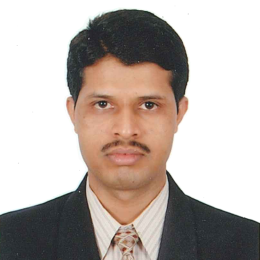
Somnath Maji is an Associate Professor in the Department of Chemistry at the Indian Institute of Technology Hyderabad . He holds a Ph.D. from IIT Bombay (2009) and has held postdoctoral positions at the Institute of Chemical Research of Catalonia (ICIQ) (2009-2013) and the Swedish Consortium for Artificial Photosynthesis (2013-2015). His research bridges synthetic coordination chemistry, bio-inorganic applications, and catalysis for energy conversion. Ph.D.: Indian Institute of Technology, Bombay (2009) M.Sc.: Burdwan University, West Bengal (Specialization: Inorganic Chemistry) B.Sc.: Raghunathpur College, Burdwan University His research focuses on synthetic coordination chemistry and organometallic catalysts for critical applications. Key areas include metal-catalyzed water splitting , CO2 reduction , and hydrogen generation . He explores bio-inorganic systems like Ru(II) arene complexes for anticancer activity, DNA binding/cleavage with transition metal polypyridyl complexes, and photoactive ruthenium nitrosyls for controlled nitric oxide delivery. His work also integrates molecular catalysts into functional devices to produce solar fuels . Recent publications highlight advancements in Ru/Cu/Co-based complexes for electrocatalytic CO2 reduction , DNA-targeting agents , and biomimetic models for enzymatic activities. Collaborations span Swedish Consortium for Artificial Photosynthesis and ICIQ , with a focus on redox-sensitive ligands and mechanistic catalysis . Scientific Awards: Torres Quevedo del Ministerio de Ciencia e Innovación Fellowship Swedish Consortium for Artificial Photosynthesis Fellowship ICIQ Post Doctoral Fellowship Teaching: He instructs undergraduates, postgraduates, and Ph.D. students in courses like Coordination Chemistry , Metals in Biological Systems , and Bio-Inspired Catalysis . His lab, the Bio-Inspired Catalysis Lab , trains students in synthetic methods, structural characterization, and energy-related catalysis.
Kantesh Balani is a Professor in the Department of Materials Science & Engineering at Indian Institute of Technology Kanpur. His research spans multiple areas of materials science with a focus on advanced materials for biomedical and structural applications. Education: PhD from Florida International University (2007) M.S. from University of Kentucky (2002) M.Tech. from Indian Institute of Technology Madras (2001) B.E. from PSG College of Technology (1999) Research Focus: Professor Balani's research primarily centers on surface engineering, nanomechanics, and the development of advanced biocomposites with antibacterial properties. His work integrates experimental and computational approaches to develop materials for biomedical applications, aerospace alloys, and energy systems. He has made significant contributions to understanding the mechanical behavior of nanocomposites and developing novel processing techniques like spark plasma sintering for bioceramics. Publication Trends: His recent publications demonstrate a strong focus on biocomposite materials, particularly those incorporating silver nanoparticles and carbon nanotubes for antibacterial applications. His work spans from fundamental material characterization to practical biomedical applications, with a consistent emphasis on understanding material interfaces and mechanical properties at the nanoscale. Awards & Recognition: P. K. Kelkar Research Fellowship (2013) TMS Materials Processing & Manufacturing Division Young Leader Professional Development Award (2012) Materials Science and Engineering C Young Researcher Award (2011) INAE Young Engineer Award (2010) NASI Young Scientist Platinum Jubilee Award (2010) Young Metallurgist of the Year award (2010) Research Leadership: Professor Balani leads research efforts in advanced materials processing, particularly focusing on bioceramics and nanocomposites. His lab at IIT Kanpur develops innovative processing techniques for advanced materials with applications in healthcare and aerospace. His research has attracted significant recognition in both national and international materials science communities.
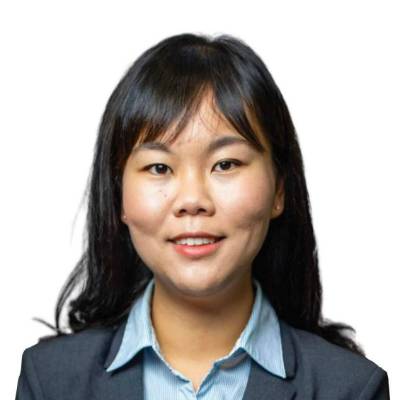
Dr. Lin Jiang serves as Assistant Professor in the Department of Mechanical Engineering at San José State University's Charles W. Davidson College of Engineering, where her research bridges biomechanics and robotics to develop medical assistive technologies and human-robot interaction systems. Her educational background includes a Ph.D. and M.Sc. in Mechanical Engineering from the University of Texas at Dallas (2021, 2019), complemented by an M.Sc. in Control Engineering and B.Sc. in Aerospace Engineering from Nanjing University of Aeronautics & Astronautics (2014, 2011) with a minor in Industrial Business Management. Dr. Jiang's research focuses on translating aerospace control systems expertise into medical applications, particularly in rehabilitation robotics and breastfeeding technology. Her work emphasizes human-centered design for devices like the patented SmartLact8 breast pump, with recent publications demonstrating significant contributions to teleoperated rehabilitation systems and lactation biomechanics. Her 15 most recent publications (2020-2025) reveal consistent specialization in medical robotics, with dominant themes in rehabilitation devices (knee braces, upper extremity therapy), breastfeeding technology innovation, and human-robot interaction frameworks for healthcare and driving safety applications. Scientific recognition includes: New Investigator Award from CSUPERB Small Group Project Award from SJSU College of Engineering Exemplary Teaching award from UT Dallas Diversity Award from Summer Biomechanics Conference Best Paper award at ASME IMECE 2018 Research funding includes NSF support for hospital-based human-robot interaction studies. Dr. Jiang actively contributes to IEEE HKN, BMES, ASME, and ISHRML while mentoring students through her Biomechanics and Robotics Lab at SJSU. The Biomechanics and Robotics Lab serves as the primary research hub for developing medical assistive technologies, with current projects focusing on rehabilitation robotics, breastfeeding simulation systems, and human-robot interaction protocols for clinical environments.
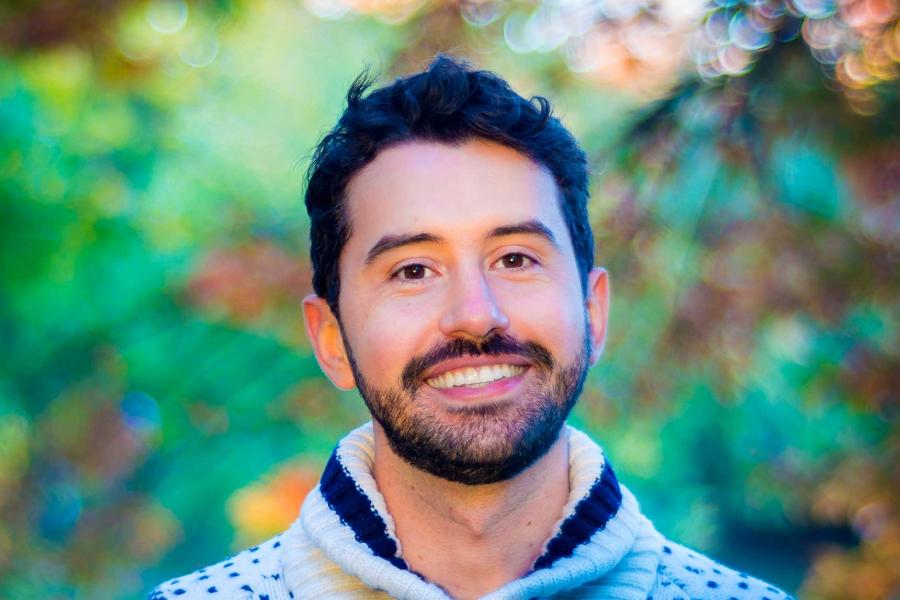
Andrea Cristofaro is an Associate Professor at the Department of Computer, Control and Management Engineering, Sapienza University of Rome. He holds an M.Sc. in Mathematics (2005) from Sapienza University of Rome and a Ph.D. in Information Science and Complex Systems (2010) from the University of Camerino. His academic trajectory includes postdoctoral positions at INRIA Rhône-Alpes (France) and the Norwegian University of Science and Technology, followed by faculty appointments at the University of Camerino and University of Oslo before joining Sapienza in 2019. His research spans: Robotic systems : Fault-tolerant control, multi-agent coordination, and hybrid dynamics Distributed parameter systems : Stability analysis, observer design, and optimal control of PDEs Hybrid systems : Control synthesis for systems with state-driven jumps and switching logic Recent publications (2024-2025) predominantly explore fault-tolerant control architectures for multi-robot systems, decentralized task allocation, adaptive observer designs for biological and thermal systems, and optimal control of reaction-diffusion equations. This reflects a consistent focus on robustness in complex dynamical systems with applications ranging from industrial robotics to biomedical engineering. He serves as Associate Editor for Automatica and IEEE Transactions on Control Systems Technology , and is a member of the IEEE CSS Conference Editorial Board.
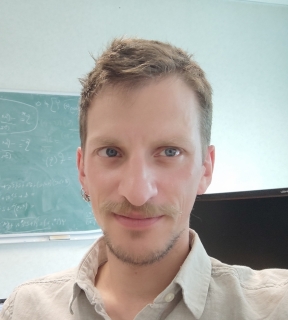
Jack Christopher Landy is an Associate Professor in the Department of Physics and Technology at UiT The Arctic University of Norway , specializing in Earth Observation and Arctic sea ice dynamics . His work integrates satellite altimetry , microwave backscatter , and data assimilation to study climate impacts on polar ice. Research Focus : Arctic sea ice thickness and freeboard estimation Snow depth modeling via CryoSat-2 and ICESat-2 Multi-decadal SAR analysis of ice types Climate change effects on ice roughness and transport Collaborations : Torgny Vinje Ice and Climate Laboratory INTERAAC (Norway-China air-snow-ice-ocean interactions) Multi-institutional Arctic climate projects
Michale Fee is the Glen V. and Phyllis F. Dorflinger Professor of Neuroscience at the Massachusetts Institute of Technology (MIT) , where he serves as Department Head of Brain and Cognitive Sciences and Investigator at the McGovern Institute for Brain Research . His research focuses on understanding how the brain generates and learns complex sequential behaviors using songbirds as a model system. Education: B.E. in Engineering Physics, University of Michigan (1985) Ph.D. in Applied Physics, Stanford University (1992) Research Interests: Fee’s work combines advanced electrophysiological techniques , optical imaging , and computational modeling to study neuronal circuits underlying sequence learning and motor control in songbirds. His lab investigates how neural circuits support vocal learning, temporal coordination, and behavioral adaptation. Scientific Awards: MIT Fundamental Science Investigator Award (2017) MIT School of Science Teaching Prize (2016) BCS Award for Excellence in Teaching (2015) Lawrence Katz Prize (2012) Dart Scholar (2003) Advising and Grants: Fee has mentored numerous PhD students , Masters students , and postdoctoral researchers . He leads the Fee Laboratory at MIT, which develops innovative neurotechnologies and contributes to global neuroscience collaborations , including the Simons Collaboration on the Global Brain.
Audrey Favrelle-Huret is an Associate Professor (Maître de Conférences) at the University of Lille, specifically within the Institute of Technology A (IUT A) Department of Chemistry. She is affiliated with the Catalysis and Molecular Chemistry department, particularly the Catalysis and Eco-Compatible Synthesis (CASECO) research group at the Solid State Catalysis and Chemistry Unit (UCCS - UMR CNRS 8181). Her research focuses on developing sustainable polymerization methods, with particular emphasis on organocatalysis for ring-opening polymerization (ROP) of cyclic esters. Her work centers on creating biodegradable polyesters from renewable resources, exploring alternatives to conventional metal-catalyzed methods to avoid residual metal traces in final materials. Key research areas include: Organocatalytic ROP using phosphoric acid derivatives and Brønsted acids Functionalization of aliphatic polyesters with saccharidic derivatives Development of nucleobase-functionalized polymers for biomedical applications Water-based polymerization methods for graft copolymer synthesis Biobased polymers from microalgae biomass Her publication record demonstrates consistent contributions to polymer science, with numerous articles in high-impact journals focusing on sustainable polymer synthesis, organocatalysis, and biobased materials. Her research shows a clear trajectory toward increasingly sophisticated polymer architectures and greener synthesis methods. Among her notable recognitions is a Journal Cover and Highlights feature in 'Advances in Engineering' (March 2015). She actively participates in major collaborative research projects including two Interreg V France-Wallonie-Flandres initiatives: Project ALPO (developing new polymer materials from microalgae biomass) and Project ELASTOPLAST (focusing on thermoplastic elastomers). As an educator, she teaches Organic Chemistry at IUT A and serves as module coordinator. She supervises PhD theses, Master's, and Bachelor's students, and participates in professional development for chemistry graduates. Her academic service includes membership in the French Chemical Society (SCF), the French Polymer Group (GFP), and the European Polysaccharide Network of Excellence (EPNOE).
Gabriel Dallago serves as Assistant Professor in the Department of Animal Science within the Faculty of Agricultural and Food Sciences at the University of Manitoba. His research integrates advanced data analytics with livestock production systems to enhance animal welfare and farm decision-making processes. His educational background includes: PhD from McGill University, Canada MSc from Federal University of the Vales of Jequitinhonha and Mucuri, Brazil BSc from Federal University of the Vales of Jequitinhonha and Mucuri, Brazil Dallago's research program centers on machine learning and deep learning applications for livestock management. Key initiatives include developing predictive models for animal bio-responses, integrating multimodal data streams to analyze complex farm systems, and optimizing dairy cow longevity through data-driven interventions. His work bridges computational science with practical agricultural challenges, focusing on tangible improvements in production efficiency and animal well-being. Precision monitoring of dairy cow behavior and welfare Early-life management impacts on herd productivity Computer vision applications for livestock assessment Economic modeling of livestock production systems Analysis of his 15 most recent publications (2022-2025) reveals strong thematic concentration in dairy science (47%), swine production (20%), and animal nutrition (20%), with consistent application of computational methods. Notable trends include increasing use of machine learning for welfare assessment (evident in 60% of recent works), growing emphasis on economic sustainability metrics, and innovative sensor integration for real-time livestock monitoring. Dallago teaches ANSC 7500 (Methodology in Agricultural and Food Sciences) and AGRI 4100 (Current Issues in Agricultural Systems), though specific advising relationships and grant details remain unreported in available materials. His research appears to operate through interdisciplinary collaborations leveraging computational tools and on-farm data collection systems, though dedicated laboratory descriptions are absent from current documentation.
Dr Luke Kelleher is an Associate Professor in Environmental Policy at University College Dublin (UCD), working within the UCD School of Architecture, Planning and Environmental Policy. He is a member of the UCD Environmental Policy Group, a research-intensive faculty group central to national and international debates and policy action in environmental policy. Kelleher also serves as a Principal Investigator in the UCD Earth Institute and is a member of both BiOrbic, the National Bioeconomy Research Centre funded by Science Foundation Ireland, and the UCD Centre for Irish Towns. Dr Kelleher holds a BA and PhD from Queen's University Belfast, an MSc from the University of Ulster, and a UCD Professional Certificate in Creativity and Innovation for Education. Prior to joining UCD, he was a lead researcher at the University of Hertfordshire in its high-impact transport evaluation group. Before his academic career, he gained nearly 10 years of experience in the public service, including roles in local government, the Land Registers of Northern Ireland, Northern Ireland Water Service, and the global consulting firm RPS Group. Dr Kelleher's research focuses on two main areas: transport policy and environmental performance, and bioeconomy policy. His work applies strong theoretical and methodological expertise in spatial analysis, policy analysis and evaluation, stated preference techniques, and demand-side policy instruments. His research has been published in prestigious journals such as Energy Policy, Atmospheric Environment, Environment and Planning B, and Transport Research Part A, and presented at leading conferences including the World Conference on Transport Research and Transportation Research Board Annual Meeting. Analysis of Dr Kelleher's recent publications reveals a strong focus on the bioeconomy and its policy coherence, transport poverty, and just transition frameworks. His work often employs spatial analysis methodologies to address environmental policy challenges, with a particular emphasis on creating practical tools for policymakers. There's a clear trajectory showing increasing focus on the bioeconomy in his more recent work, while maintaining strong connections to transport policy and environmental justice issues. Dr Kelleher has secured research funding from multiple prestigious sources including the Economic and Social Research Council (ESRC), Northern Ireland Department of Education (DENI), Arts and Humanities Research Council (AHRC), and Science Foundation Ireland (SFI). Current projects include "Enable-BIO Project" funded by the Environmental Protection Agency, "Aerodynamic Design and CFD Analysis of Drag Reducing Appendable Devices for Large Ground Vehicles" funded by Science Foundation Ireland, and "Just Transition for Agriculture in the Circular Bioeconomy" (JusTACE) also funded by the Environmental Protection Agency. Dr Kelleher actively supervises PhD students and contributes to multiple educational programs including the BSc (City Planning & Environmental Policy), MRUP, MSc (Environmental Policy), the Graduate Diploma Bioeconomy with Business, and the BSc in Transport City Planning and Environmental Policy at Chang'an University. His teaching philosophy emphasizes active participation, critical analysis, and the development of informed judgment. Dr Kelleher maintains strong connections with policy makers at multiple levels, having provided expert advice to the European Commission, UK Department of Transport, Department of Education (DENI), Department of Agriculture, Food and Marine (DAFM), Department of Environment, Climate and Communications (DECC), and various city councils. He has been particularly active in the Heritage Council led Collaborative Town Centre Health Check Programme since 2016.
Dr. Stephanie Lansing is a Professor in the Department of Environmental Science & Technology at the University of Maryland's College of Agriculture and Natural Resources. She directs the Bioenergy and Biotechnology Lab, focusing on renewable energy systems, waste treatment, and the Food-Energy-Water Nexus. Her work spans ecological engineering, antimicrobial resistance mitigation, and sustainable bioplastic production from organic waste. College of Agriculture and Natural Resources Environmental Science & Technology Bioenergy and Biotechnology Lab Her research integrates anaerobic digestion , microbial fuel cells , and nutrient recovery to address global sustainability challenges. Recent projects examine bioplastic formation from food waste and AMR dynamics in manure systems , with fieldwork in the US, Africa, and Latin America. She co-developed the NourishNet platform combining real-time surplus food distribution ( FoodLoops ) with spoilage detection ( Quantum Nose ). Active grants exceed $6 million, including two major DOE awards for biofuel and bioplastic production from food waste. Her lab collaborates with institutions like Virginia Tech, Idaho National Laboratory, and international partners. Current team members include PhD candidates Maureen Nabulime and Adanyro Atilago, MS student Rafian Aziz, and undergrad researchers exploring waste-to-energy systems.
Andreas Lemmer serves as a Privatdozent (equivalent to Associate Professor) at the University of Hohenheim, where he holds a scientific staff position at the State Institute for Agricultural Engineering and Bioenergy. He actively teaches core courses including Fundamentals of Agricultural Engineering, Process Technology of Biogas Production and Utilization, and Project Design of Plants for Renewable Resources for the upcoming Winter Semester 2025/26. His research centers on advancing bioenergy systems through biogas optimization and renewable fuel production. Key focus areas include enhancing methane yield from challenging feedstocks like horse manure using mechanical pretreatment, developing machine learning models for anaerobic digestion stability prediction, and creating resource-efficient bio-LNG production chains. His work bridges agricultural engineering, environmental technology, and sustainable resource management with strong practical implementation in full-scale biogas facilities. Lemmer's recent publications demonstrate a clear trajectory toward industrial-scale bioenergy solutions, particularly in integrating agricultural residues into circular economy models and optimizing process economics for grassland biomass utilization. His work consistently addresses real-world implementation challenges in biogas technology and renewable fuel production chains. He leads significant research initiatives including the Hohenheimer Biogasforum 2023 and industrial research projects on bio-LNG/CNG production chains for bus operations using manure and organic residues. Current projects focus on resource-efficient bio-LNG production processes developed in collaboration with the State Institute for Agricultural Engineering and Bioenergy and the Field of Agricultural Engineering in the Tropics and Subtropics.
Prof. Wilfried Kubinger serves as the Head of the Department of Electronic Engineering at the University of Applied Sciences Technikum Wien, Austria. He holds a PhD in Technical Sciences from the Technical University of Vienna (1999) and has extensive experience in research and industry. His academic roles include leading the 'Automation & Sensor Technology' competence field and managing the 'Automation & Robotics' research area. **Research Focus:** His work centers on embedded systems, machine vision, autonomous robotics, and real-time control systems. Notable projects include obstacle detection for autonomous vehicles, stereo vision algorithms, and agricultural robotics applications. He actively contributes to IEEE and OVE engineering associations. **Professional Journey:** Prior to academia, he worked at Siemens Austria (2000–2003) as a software developer and project manager, and at AIT Austrian Institute of Technology (2003–2010) managing research projects in autonomous systems. He participated in DARPA Grand Challenge/Urban Challenge as a principal scientist for vision-based obstacle detection. **Publications:** His research spans embedded vision systems, FPGA implementations, and autonomous vehicle technologies. Recent work emphasizes agricultural robotics and Industry 4.0 applications. He also leads R&D project acquisition and implementation for Technikum Wien.
Henrik Tolvanen is an Assistant Professor (tenure track) and University Lecturer specializing in Materials Science and Environmental Engineering. His research focuses on sustainable biomass conversion technologies, including pyrolysis, bio-oil stability, and waste-to-energy systems. He holds a Doctor of Science (Technology) in Energy Engineering (2016), a Master of Science (Technology) (2010), and additional technical education. His work contributes to UN Sustainable Development Goals related to affordable and clean energy, climate action, and responsible consumption. Key research interests include thermal processing of biomass, bioenergy production, and environmental engineering solutions. Recent studies explore hydrothermal carbonization for nutrient recovery, pyrolysis optimization for agricultural residues, and techno-economic assessments of decentralized energy systems. Tolvanen has reviewed for journals like Energy and Fuels and Fuel , and contributed to international collaborations in India and beyond.
Hiroko H. Dodge is a Full Professor of Neurology at Harvard Medical School and serves as Director of Research Analytics at the Interdisciplinary Brain Center, Massachusetts General Hospital (MGH) in Boston, Massachusetts, USA. Her work bridges clinical neurology, data science, and epidemiology with a focus on dementia research. Dr. Dodge's research spans multiple critical areas in aging and cognitive decline, with particular emphasis on clinical trials (both behavioral and pharmacological) in dementia research. Her expertise includes the epidemiology of dementia, application of demographic methods to clinical fields, and advanced data science approaches to understanding cognitive aging. She has made significant contributions to understanding the relationship between social isolation and cognitive decline, as demonstrated through her leadership of the Internet-Based Conversational Engagement Clinical Trial (I-CONECT). Her work explores how social engagement, environmental factors, and nutritional status impact cognitive trajectories in older adults. Dr. Dodge has pioneered research on digital biomarkers for early detection of cognitive impairment, utilizing computerized cognitive testing, speech analysis, and facial expression recognition through projects like the ARMADA study. She has also investigated the role of environmental exposures such as air quality and lead in dementia risk. Editorial Board Member for The Journals of Gerontology Series B Editorial Board Member for Alzheimer's & Dementia Associate Editor for Alzheimer's & Dementia: Translational Research & Clinical Interventions Her research has been widely recognized, with 445 publications that have garnered over 15,000 citations. Dr. Dodge leads innovative clinical trials and methodology development for dementia research, including decentralized trial approaches and synthetic control methods that address challenges in contemporary Alzheimer's disease therapeutic development. She leads "Hiroko Hayama Dodge's Lab" which focuses on innovative approaches to dementia research, particularly through the integration of technology and clinical assessment. Her I-CONECT project, which investigates the impact of frequent social interactions via webcam/internet on cognitive function in socially isolated older adults, represents a novel approach to dementia prevention. Dr. Dodge collaborates extensively with researchers across multiple institutions, with notable partnerships at Oregon Health & Science University and other leading research centers.