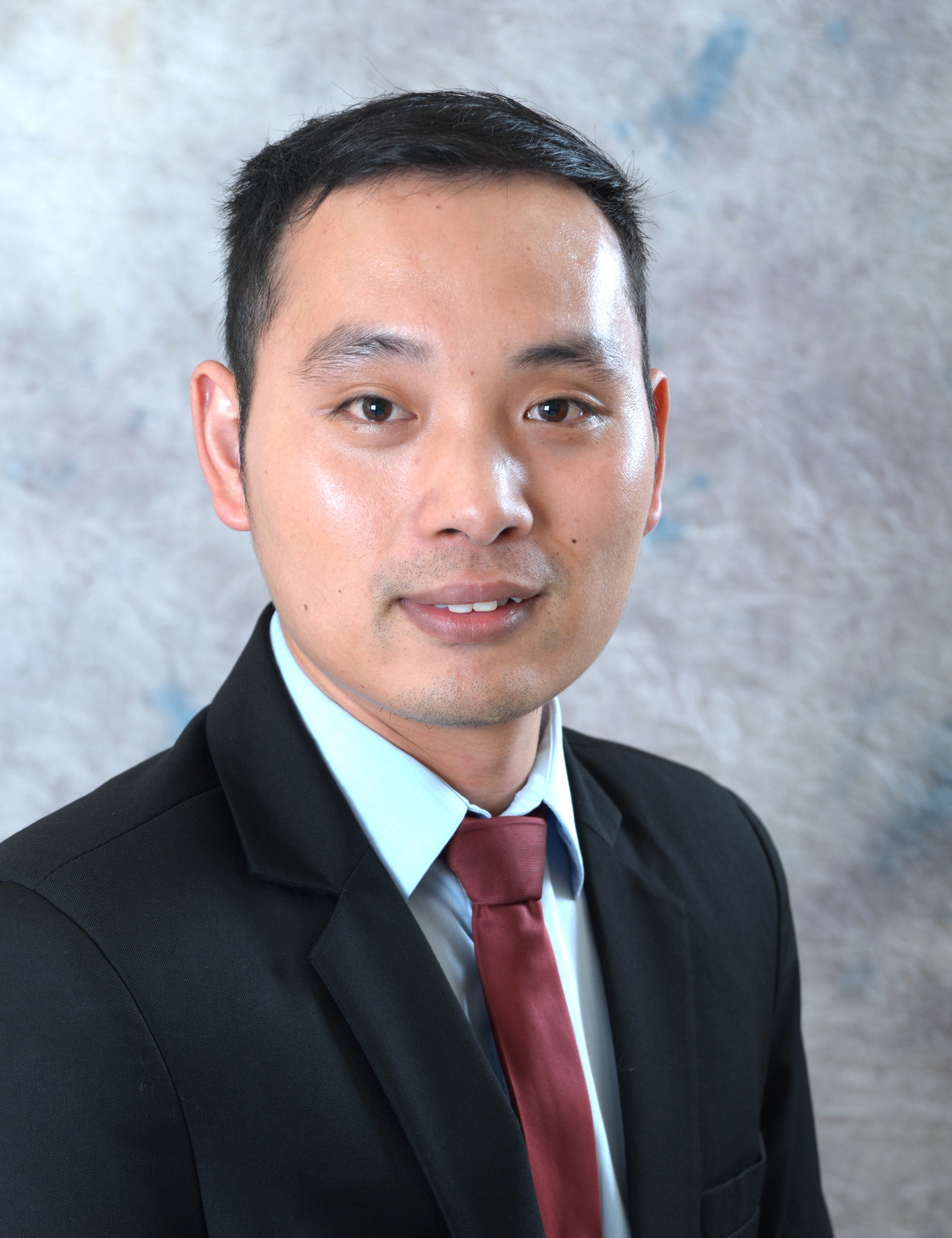
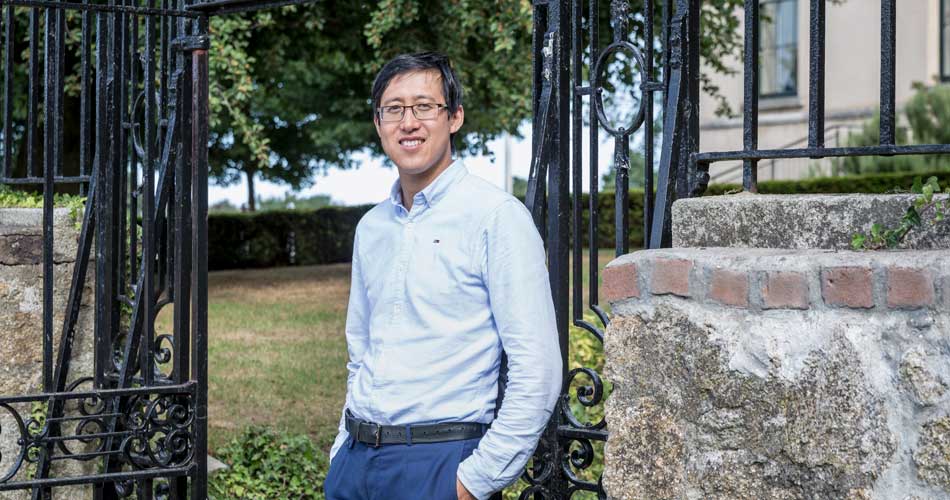
Michael McAlpine is a Professor in the Mechanical Engineering department at the University of Minnesota . He also holds affiliations with the Biomedical Engineering and Electrical and Computer Engineering departments. His research focuses on 3D printing functional materials & devices , Nanoscale inks , Biomedical devices , Bioelectronics , and Flexible Microsystems . Research Interests : 3D Printing, Biomedical Engineering, Nanotechnology, Flexible Electronics, Microfluidics Labs : ME 361/363 Contact : mcalpine@umn.edu , (612) 626-3303, ME 117 Recent Research Trends include 3D Printed Biomedical Devices , Flexible Electronics , and Bioprinting Applications . His work spans from Spinal Organoid Formation to Programmable Drug Release Capsules . Scientific Award : Circulation Research 2020 Best Manuscript Award
John P.A. Ioannidis is the C.F. Rehnborg Professor in Disease Prevention and Professor of Medicine, Health Research and Policy, Biomedical Data Science, and Statistics at Stanford University. He is Co-Director of the Meta-Research Innovation Center at Stanford (METRICS) and an Einstein BIH Visiting Fellow at Charité - Universitätsmedizin Berlin. His academic appointments span multiple departments and institutes at Stanford, including the Stanford Prevention Research Center, Biomedical Data Science, and Statistics. He is internationally recognized for his work in meta-research, evidence-based medicine, and research reproducibility. Ioannidis holds an MD and DSc in Biopathology from the National University of Athens, with training in internal medicine and infectious diseases from Harvard and Tufts. He previously chaired the Department of Hygiene and Epidemiology at the University of Ioannina Medical School and held adjunct positions at Harvard, Tufts, and Imperial College. He joined Stanford in 2010, where he launched the PhD program in Epidemiology & Clinical Research, the MS in Community Health & Prevention Research, and METRICS in 2014. His research focuses on improving research methods, appraising biases, enhancing reproducibility, and integrating evidence across scientific disciplines. He is a pioneer in meta-research, with seminal contributions on the reliability of published findings, statistical practices, and research synthesis. His influential 2005 paper, "Why Most Published Research Findings Are False," is the most-accessed article in PLoS history. His recent work examines peer review, data sharing, AI in medicine, and pandemic research impact, consistently advocating for transparency and methodological rigor. His publications span epidemiology, statistics, genomics, clinical trials, and meta-analysis, with a strong emphasis on bias detection, replication, and open science. Trends in his recent articles highlight concerns about research integrity, citation practices, peer review reform, and the scientific response to global health crises. Founders' Medal for Lifetime Contributions to Meta-science (2024) Honorary doctorates from McMaster, Thessaloniki, Edinburgh, Tilburg, Athens, and Rotterdam Elected member, US National Academy of Medicine (2018) Elected member, European Academy of Sciences and Arts (2015) President, Association of American Physicians (2023–2024) President, Society for Research Synthesis Methodology Gordon Award, NIH (2019) Chanchlani Global Health Award (2017) Highly Cited Researcher (Clarivate) in Clinical Medicine, Social Sciences, and Psychiatry Ioannidis has advised numerous students and mentored early-career researchers. He has served as Senior Advisor for Knowledge Integration at the National Cancer Institute (2012–2016) and Editor-in-Chief of the European Journal of Clinical Investigation (2010–2019). He has received over 700 invited lectures and is deeply involved in shaping research policy and scientific infrastructure. He leads METRICS, a hub for meta-research innovation, and is affiliated with multiple Stanford institutes, including Bio-X, the Cardiovascular Institute, and the Stanford Cancer Institute.
Prof. Dr. Urs F. Greber is an Ordinary Professor of Molecular Cell Biology at the Department of Molecular Life Sciences, Faculty of Mathematics and Natural Sciences, University of Zurich. His research focuses on understanding how viruses interact with host cells, particularly adenoviruses and rhinoviruses that cause human respiratory diseases. He leads the Greber Lab, which investigates viral entry mechanisms, replication processes, and the cellular responses to infection. Greber's research interests span virology, molecular cell biology, and infection mechanisms. His lab explores how viruses take control over membrane and lipid functions, cytoplasmic transport processes, and cellular metabolism to support their gene expression and progeny formation. They employ system-wide profiling, molecular cell biology approaches, light microscopy, and machine learning for image analysis to map the cell state underlying viral infections of cultured and primary human cells, including lung organoids and iPSC-derived macrophages. A key focus is understanding cell-to-cell variability in infection phenotypes and the mode-of-action of antiviral compounds. The Greber Lab has published extensively on adenovirus biology, including viral entry, uncoating, nuclear import, and assembly mechanisms. Their recent work has identified broad-spectrum antiviral compounds, elucidated alternative virus entry pathways, and developed innovative imaging and AI-based approaches for quantifying virus infectivity. Their research contributes to understanding how viruses break down host defense barriers and has implications for antiviral therapy development. Greber has supervised numerous PhD and Master's students including Cornelia Bircher, Alessandro Savi, Franziska Tomas, Alfonso Gomez-Gonzalez, Anthony Petkidis, and Dominik Olszewski. His lab has received funding from the Swiss National Science Foundation, including a grant for coronavirus research during the pandemic. The lab actively collaborates with other research groups at University of Zurich, ETH Zurich, and international institutions. Current projects include exploring how viral DNA interactions contribute to infection outcome variability, investigating adenovirus egress mechanisms, and developing high-throughput screening methods for antiviral compounds.
João F. Mano is a Full Professor at the Department of Chemistry, University of Aveiro, and Director of the Doctoral Program on Biotechnology. He leads the COMPASS Research Group and serves as Vice-Director at CICECO - Aveiro Institute of Materials. His academic appointments include Invited Professor at University of Lorraine (France), Visiting Professor at KAIST (South Korea), and Adjunct Professor at Ajou University (South Korea). Education: PhD in Chemistry (1996, Technical University of Lisbon); D.Sc. in Tissue Engineering, Regenerative Medicine and Stem Cells (2012, University of Minho) Research Interests focus on Biomaterials for Regenerative Medicine , integrating Nanotechnology , Microtechnology , and Biofabrication . His group develops Bioinspired Materials using polymer chemistry, Decellularized Extracellular Matrix , and 3D Bioprinting to engineer Cell Microenvironments for therapeutic applications. Recent Publications highlight advancements in Human-Derived Hydrogels , Photopolymerizable Scaffolds , Magneto-Responsive Biomaterials , and Programmable Bioinks . Trends show emphasis on Organ-on-a-Chip integration, Smart Living Materials , and Green Bioprinting methodologies. Scientific Awards include: European Research Council Advanced Grants (2015, 2020) Fellow at IUPAC, European Academy of Sciences, and American Institute of Medical and Biological Engineering ERC Proof of Concept Grants Doctor Honoris Causa from University of Lorraine and Utrecht UNESCO Chair on Biomaterials George Winter Award (European Society for Biomaterials) Supervisions & Collaborations encompass 74+ MSc, 26+ PhD students, and 40+ postdocs. He co-founded METATISSUE and CELLULARIS Biomodels , and serves as Editor-in-Chief of Materials Today Bio .
Naim U. Rashid, PhD, is an Associate Professor with tenure in the Department of Biostatistics at the UNC Gillings School of Global Public Health and holds a joint appointment as Research Associate Professor at the Lineberger Comprehensive Cancer Center. He serves as Associate Director of the Lineberger Biostatistics Shared Resource and co-directs the Biostatistics Cores of the UNC Pancreatic and Breast Cancer SPOREs. His work bridges statistical methodology development with collaborative cancer research, focusing on translating genomic discoveries into clinical applications. Dr. Rashid's research spans precision medicine, genomics, statistical computing, and machine learning with specific applications to pancreatic and breast cancers. His lab develops novel statistical methods for high-throughput genomic data analysis, cancer subtyping, missing data problems in deep learning, and clinical trial design. Recent work includes developing an AI tool that recommends optimal clinical trials to pancreatic cancer patients, funded by a $311,000 Department of Defense grant in 2024. His methodological contributions focus on improving replicability in gene signature selection and clinical prediction, with emphasis on addressing racial disparities in cancer outcomes. His publication record shows consistent output in top statistical and medical journals, with recent work focusing on high-dimensional statistics, missing data methods, and cancer genomics. His research demonstrates a clear trajectory from methodological innovation to clinical implementation, particularly in pancreatic cancer where his PurIST classifier has gained recognition. The work increasingly incorporates machine learning approaches while maintaining strong statistical foundations. Delta Omega Faculty Award (2021, UNC Chapel Hill) IBM and R.J. Reynolds Junior Faculty Development Award (2017, UNC Chapel Hill) Barry H. Margolin Dissertation Award (2013, UNC Chapel Hill) Training Grant recipient (2006-2011, Genomics and Cancer) Dr. Rashid actively mentors graduate students and serves as trial statistician on multiple cancer clinical trials. He teaches BIOS 735, a doctoral-level course on statistical computing, and is involved with the Translational Breast Cancer Research Consortium Statistical Working Group. His lab collaborates extensively with clinicians at UNC Lineberger and beyond, with recent work including the PROCLAIM Study examining mHealth apps to improve diverse recruitment in pancreatic cancer trials. The Rashid Lab focuses on developing computational tools that directly impact clinical decision-making while addressing methodological challenges in genomic data analysis.
Dr. Huang Changjin is an Assistant Professor at the School of Mechanical & Aerospace Engineering, Nanyang Technological University (NTU), Singapore. He leads the C.J. Huang Research Group, focusing on interdisciplinary research at the intersection of mechanics, materials, and biology. His work emphasizes the mechanics and manufacturing of soft and living systems, with applications in bio-inspired engineering, biomechanics, and advanced materials. Dr. Huang holds a B.Eng. from the University of Science and Technology of China (2008), a Ph.D. from Pennsylvania State University (2014), and completed postdoctoral fellowships at Northwestern University (2014–2015) and Carnegie Mellon University (2016–2018) before joining NTU. His research explores cell mechanics, biofabrication, lipid membrane dynamics, and soft material manufacturing, with recent advancements in 3D printing, shape-morphing composites, and drug delivery systems. His group collaborates widely, addressing challenges in tissue engineering, nanomedicine, and plant immunity. Key research themes include membrane mechanics, bio-interface transport, and the development of in vitro systems for medical and engineering applications. Dr. Huang has mentored numerous students and postdocs, many of whom have transitioned to academic and industrial roles globally. He actively engages in academic activities, including invited talks at international conferences and editorial roles in journals. His lab facilities include advanced biological and mechanical testing equipment, enabling cutting-edge interdisciplinary research.
Nathalie Katsonis is a Professor of Chemistry at the University of Groningen, affiliated with the Faculty of Science and Engineering and the Molecular Active Systems department within the Stratingh Institute of Chemistry. Her research focuses on understanding and designing active molecular systems inspired by biological mechanisms, emphasizing the transmission of movement across molecular to macroscopic scales, particularly in liquid crystals, supramolecular chemistry, and molecular machines. She holds a Ph.D. in Chemistry from Sorbonne Université (2004), followed by postdoctoral research at the University of Groningen (2004–2007) and a Veni Fellowship (2009–2011). Prior to her current position, she held academic roles at the University of Twente, including Professor, Associate Professor, and Assistant Professor from 2011–2020. Her research explores molecular motion mechanisms, chirality control, and the creation of functional materials like light-responsive polymers and self-actuating systems. Key contributions include studies on rotaxane-based liquid crystal switches and macroscopic motion driven by molecular dynamics. She leads an international research group and chairs committees such as the Binding Study Advice Commission (FSE) and the Van't Hoff Foundation. Notable awards include the Professor-Werdelmann Award (2022), Koninklijke Hollandsche Maatschappij der Wetenschappen membership (2021), and an ERC Consolidator Grant (2017). Her work bridges fundamental science and applications in soft robotics, smart materials, and origins-of-life research.
Associate Professor Justin Chu Jang Hann is affiliated with the Department of Microbiology and Immunology at the National University of Singapore (NUS), within the Yong Loo Lin School of Medicine. He holds additional roles as Assistant Dean (Academic Affairs) in the School of Medicine, Director of the NUS Medicine BSL-3 & ABSL-3 Core Facility, and Joint Senior Principal Investigator at the Institute of Molecular and Cell Biology (IMCB) A*STAR. His research focuses on molecular RNA virology, antiviral strategies, and high-throughput imaging technologies to study host-pathogen interactions. Key projects include genomic screening of viral-host interactions, high-content bio-imaging platforms, and development of anti-viral compounds against pathogens like SARS-CoV-2, dengue, and enteroviruses. Recent work explores broad-spectrum antivirals, vaccine candidates, and diagnostic approaches for viral infections. His contributions span virology, immunology, and translational medicine, with a strong emphasis on combating emerging and re-emerging RNA viruses.
Professor Kripa K. Varanasi is a faculty member in the Department of Mechanical Engineering at the Massachusetts Institute of Technology, operating within the School of Engineering. Her interdisciplinary research spans physico-chemical phenomena, thermal-fluids, interfacial science, and electrochemical systems, with applications in energy, water, biomedical technologies, and sustainable manufacturing. Alumnus of Indian Institute of Technology Madras (B.Tech, 1998), MIT (M.S. 2002, Ph.D. 2004) Former GE Global Research lead with multiple technology awards Her research program uniquely bridges fundamental surface science with scalable industrial solutions, evidenced by startup ventures like LiquiGlide, Infinite Cooling, and AgZen. Expertise lies in Nanostructured surfaces , electrochemical fluid control , and bio-inspired material design . The group's visible light-responsive TiO 2 surfaces enable transformative approaches to oil-water separation and microfluidic manipulation. Scientific recognition includes: NSF Career Award DARPA Young Faculty Award ASME Bergles-Rohsenow Heat Transfer Award MIT Graduate Advising Excellence Award Multiple startup competition victories Key publications reveal systematic innovations in optically modulated wetting , dye-sensitized interfacial engineering , and industrial fluid dynamics . The group's startups have won prestigious competitions including the MIT-100K and MassChallenge Diamond Winner distinction.
Jaap M.J. den Toonder is a Professor in the Department of Microsystems at Eindhoven University of Technology (TU/e), where he chairs the Microsystems research section. His work bridges technology and biology through biologically inspired innovations. Current research focus: Microfluidics, Soft Microrobotics Notable funding: ERC Advanced Grant (2019) Affiliations: hDMT Institute, ICMS Core Member Academic Background: MSc in Applied Mathematics (cum laude), Delft University of Technology PhD in Mechanical Engineering (cum laude), Delft University of Technology Research Trends: Recent articles emphasize magnetic microactuation, particle manipulation, and organ-on-chip cancer models. Collaborative work spans biomedical devices, energy applications, and sustainable technology. Scientific Awards: ERC Advanced Grant recipient (2019) Netherlands Academy of Engineering Fellow (2023) Education & Outreach: Authored over 140 papers, 45 patents, and 60+ invited lectures. Founded and directs TU/e's Microfab/lab facility for advanced microsystem development.
Amrinder Nain is a Professor in the Department of Mechanical Engineering at Virginia Tech. His research focuses on bio-inspired engineering, nanotechnology, and mechanobiology, with emphasis on understanding cellular interactions with fibrous environments. He leads the Spinneret-based Tunable Engineered Parameters (STEP) Lab, developing advanced materials and biomaterials for biomedical applications. Nain holds a Ph.D. in Mechanical Engineering from Carnegie Mellon University (2007) and has held faculty positions at Virginia Tech since 2009. Education: Ph.D., Mechanical Engineering, Carnegie Mellon University, 2007 M.S., Chemical Engineering, Carnegie Mellon University, 2007 B.E., Mechanical Engineering, Manipal Institute of Technology, 1990 Research Interests: Cellular dynamics and tissue engineering Nanofiber-based biomaterials Biomechanics of cancer and cellular migration Organ-on-a-chip technologies Advanced manufacturing of fibrous scaffolds Awards & Collaborations: John Jones Faculty Fellowship NIH-funded collaborations on blood-brain barrier models and cancer cell migration Global partnerships with institutions like Weizmann Institute of Science and Nara Institute of Science and Technology Labs & Teams: The STEP Lab pioneers nanofiber platforms to study cell-fiber interactions, with applications in drug testing and tissue engineering. Current projects include coiling dynamics of cellular protrusions, mitotic spindle orientation, and ultra-thin nanofiber mimics of biological membranes.
Dr. Yue (Jessica) Wang is an Associate Professor of Chemical and Materials Engineering at the University of California, Merced. She holds additional appointments in the Chemistry and Biochemistry and Bioengineering departments, reflecting her interdisciplinary expertise. Her research focuses on creating biomimetic electronic materials that replicate biological systems' mechanical and physiological properties. Ph.D., Inorganic Chemistry (2014) - University of California, Los Angeles B.S., Chemistry (2008) - University of California, Los Angeles Dr. Wang's laboratory develops advanced materials with four core research areas: (1) dynamically adaptive electronic materials, (2) additive manufacturing of functional metamaterials, (3) organic reconfigurable materials, and (4) slime mold-aided bio-designed networks. These innovations enable patient-specific biomedical devices capable of detection, sensing, and stimulation, while prioritizing environmental and intellectual sustainability. The lab's recent research trends include 3D-printed conductive polymers, strain-invariant electronic foams, and graphene-based nanomaterials. This work intersects soft electronics, biomimicry, and advanced manufacturing techniques to create materials with unprecedented mechanical and electrical properties. Dr. Wang's team combines expertise in polymer synthesis, device fabrication, and mechanical characterization, operating at the intersection of chemistry, engineering, and biotechnology. She can be reached at yuewang@ucmerced.edu or +1 (209) 228-3611.
Andrew J. Broadbent is an Assistant Professor in the Department of Animal and Avian Sciences at the University of Maryland, College Park, within the College of Agriculture & Natural Resources. His research focuses on the molecular virology of avian viruses, including avian influenza virus (AIV), infectious bursal disease virus (IBDV), and avian reovirus (ARV), with an emphasis on vaccine development, pathogenesis, and zoonotic disease prevention. Education and Experience 2002-2005: MA in Pathology, University of Cambridge 1999-2002: MA in Pathology, University of Cambridge 2006-2010: PhD in Microbiology & Immunology, Imperial College London 2010-2014: Postdoctoral Visiting Fellow, NIH 2014-2019: Research Fellow, The Pirbright Institute 2019-2021: Group Leader, The Pirbright Institute 2020-2021: Teaching Fellow, University of Surrey 2021-Present: Assistant Professor, University of Maryland Research Focus Broadbent's work centers on understanding how avian RNA viruses replicate and cause disease, particularly their interactions with host immune systems. His lab investigates immunosuppression mechanisms, viral evolution, and vaccine efficacy using in vitro and in vivo models like chicken bursal cells and molecular imaging techniques. Article Trends His publications emphasize segmented RNA viruses (IBDV, influenza), viral replication structures (virus factories), immune evasion strategies, and cross-species transmission dynamics. Recent studies explore antigenic drift modeling and zoonotic potential of avian pathogens. Scientific Contributions MPower Partnership Seed Grant ($300,765) for zoonotic virus prevention Involved in six UMD Grand Challenge Grants Elected ASV Veterinary Virology Councilor Students and Lab Current lab members include PhD students Andrew Brodrick and Jyothsna Girish, postdoc Dr. Sofia Egana-Labrin, and technician Alex Broadwway. The lab utilizes primary tissue culture, molecular biology, and bio-imaging to study avian viral diseases.
Dr. Nan Zhang is a research leader at the UCD School of Mechanical and Materials Engineering , focusing on precision manufacturing technologies for micro/nano-scale devices. His work bridges lab-scale prototyping and industrial mass production, with applications in medical devices, microfluidics, and functional surfaces. Research Keywords : Precision Manufacturing, Microfluidics, Nanotechnology, Materials Science, Medical Devices, Advanced Manufacturing Research Trends : Recent publications highlight advancements in digital light processing (DLP) 3D printing, machine learning-optimized microfabrication, liquid metal antenna technologies, and scalable nanocomposite mold development. His work emphasizes industrial feasibility, biocompatibility, and surface engineering. Scientific Awards : Smurfit Kappa Newman Fellowship Award ERC Grants (contextual institutional affiliation) Labs & Collaborations : Based at the UCD Engineering and Materials Science Centre, Dr. Zhang’s research involves partnerships with industry and academic networks, focusing on precision tooling, microfluidic scale-up, and novel material applications (e.g., bulk metallic glasses, bio-plastics).
Dan Breznitz is a University Professor and Munk Chair of Innovation Studies at the Munk School of Global Affairs & Public Policy, University of Toronto, with a cross-appointment in the Department of Political Science. He co-directs the Innovation Policy Lab and the CIFAR program on Innovation, Equity & the Future of Prosperity. His work focuses on innovation policy, political economy, and economic growth, emphasizing equitable distribution and the governance of global production networks. Education and career highlights include eight years at Georgia Institute of Technology, where he held roles in the Scheller College of Business, Sam Nunn School of International Affairs, and School of Public Policy. He also founded a software company. His research spans innovation agency design, China’s industrial policies, and the socio-economic impacts of technological change. Key research interests include innovation equity, global value chains, and the interplay between public policy and economic growth. Recent work critiques Silicon Valley-centric innovation models and advocates for place-based strategies to address inequality. His books, including Innovation in Real Places (2021), won major awards and challenge conventional narratives on prosperity and policy. His articles analyze topics like disability-inclusive innovation, China’s digital economy regulation, and the resurgence of regional industrial clusters. Awards include the Donner Prize and Balsillie Prize for public policy. Breznitz advises governments and international organizations on innovation and economic restructuring, notably serving as the Clifford Clarke Economist for Canada’s Department of Finance. Beyond academia, he leads interdisciplinary initiatives at Massey College and collaborates with global think tanks. His work bridges theory and practice, aiming to inform policies that foster inclusive economic growth in an interconnected world.