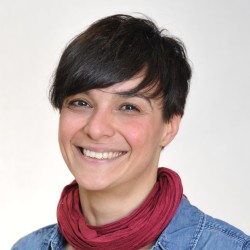
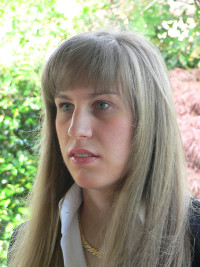
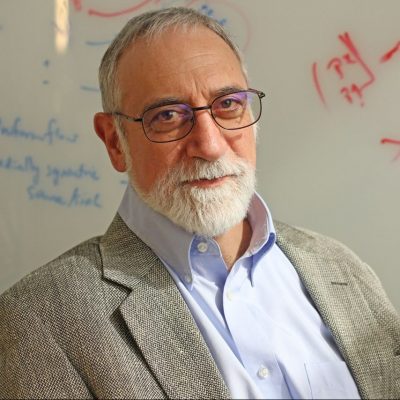
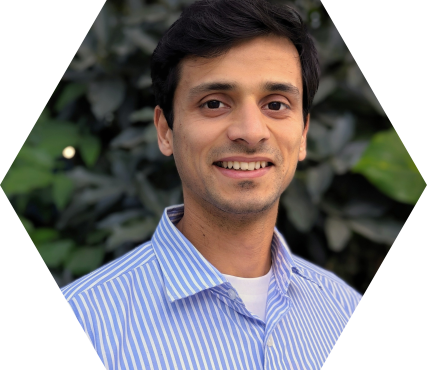
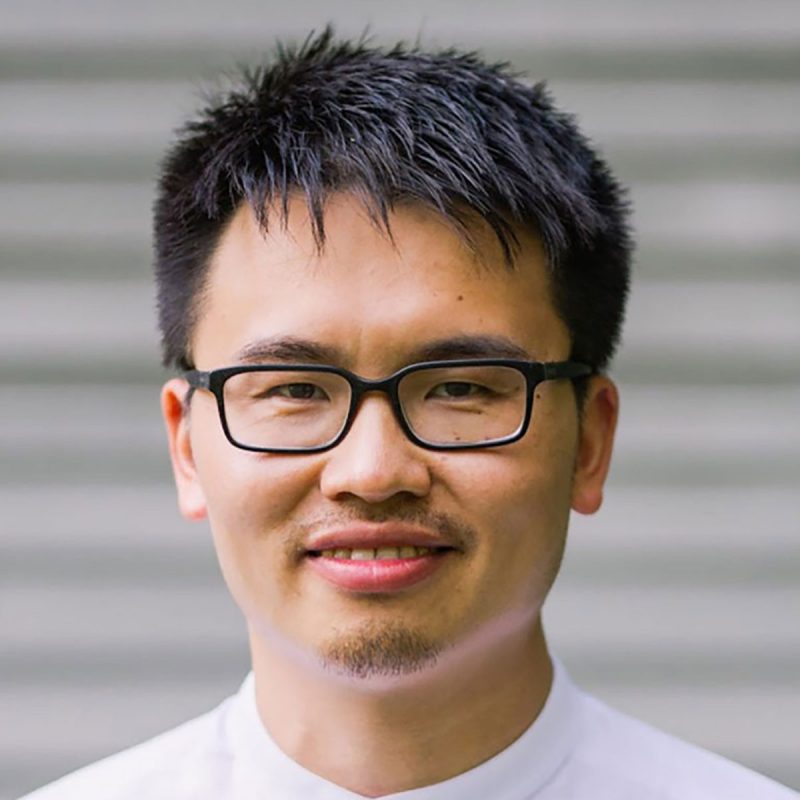
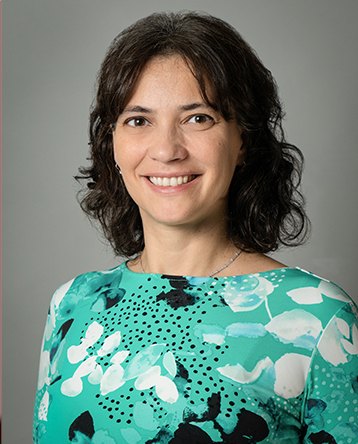
Isabella Guido is a Senior Lecturer in Experimental Soft Matter Physics at the University of Surrey's School of Mathematics and Physics. She holds a PhD from TU Berlin (2010) and has conducted postdoctoral research at Peking University and the Max Planck Institute for Dynamics and Self-Organization. Her research focuses on synthetic biology, active bioinspired systems, and microtubule-motor protein dynamics. Guido's work bridges active matter physics and synthetic biology, aiming to develop minimal systems mimicking natural cellular structures. Key projects include synthetic beating structures resembling cilia, 3D active nematics, and investigations into cellular symmetry breaking via biomimetic systems. Her education includes a PhD on dielectrophoretic effects in mammalian cells, followed by postdoctoral studies on cell mechanics, microfluidics, and electroporation. Guido's interdisciplinary approach combines experimental biophysics with synthetic biology to uncover principles governing living matter. She leads the Synthetic Active Systems group and collaborates internationally on projects such as light-powered artificial cells and motor-driven microtubule networks. Her work addresses sustainable development goals through bio-inspired material design and active matter applications. Publications highlight contributions to electrotaxis mechanisms, live-cell imaging techniques (e.g., MIET), and microtubule network dynamics under depletion forces. Guido's research has advanced understanding of ciliary beating patterns, synthetic axoneme models, and biopolymer self-organization under mechanical stress.
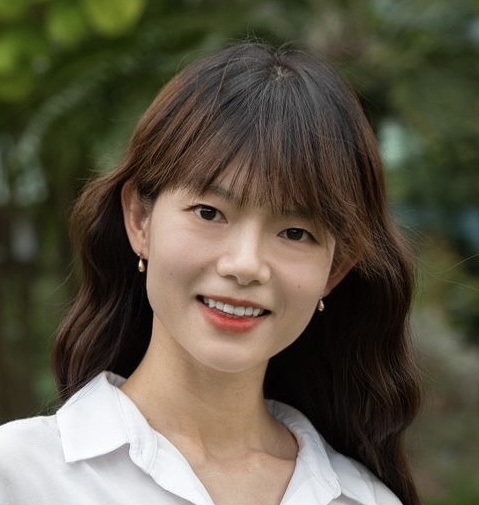
Christiana Mavroyiakoumou is a Courant Instructor/Assistant Professor at the Courant Institute of Mathematical Sciences, New York University. She specializes in fluid dynamics and fluid-structure interactions, with a focus on vortex dynamics, membrane flutter, and bio-inspired systems. Her research integrates modeling, numerical simulations, and experimental insights to study phenomena such as bird flock formations and fish swimming hydrodynamics. Mavroyiakoumou holds a Ph.D. from the University of Michigan (2022), an M.Sc. from the University of Oxford (2017), and a B.Sc. from Imperial College London (2016). Education: PhD in Applied & Interdisciplinary Mathematics, University of Michigan (2017–2022) MSc in Mathematical Modeling and Scientific Computing, University of Oxford (2016–2017) BSc in Mathematics, Imperial College London (2013–2016) Her research interests span fluid-structure interactions, vortex dynamics, and collective locomotion. She investigates how fluid flows mediate interactions between bodies, such as the aerodynamics of bird formations and the hydrodynamics of flapping foils. Her work bridges theoretical models with experimental observations, contributing to both fundamental science and bio-inspired engineering. Mavroyiakoumou has received prestigious awards including the Joseph B. Keller Fellowship (NYU), Peter Smereka Award (U-M), and ProQuest Distinguished Dissertation (U-M). She actively engages in academic service, organizing conferences and mentoring students. Her teaching experience includes courses on mathematical modeling, differential equations, and algebra at NYU and the University of Michigan. Key Research Themes: Flow-mediated collective behavior and instability mechanisms Vortex wake interactions and their role in locomotion Membrane dynamics in inviscid and viscous flows She collaborates with experimentalists like Leif Ristroph and Jun Zhang at NYU's Applied Math Lab, focusing on experimental validation of theoretical models. Her recent work explores self-amplifying waves in bird formations and the aerodynamic origins of flight coordination.
Professor Guoxiu Wang is a Distinguished Professor and Industry Laureate Fellow at the University of Technology Sydney (UTS), leading the Centre for Clean Energy Technology. His expertise spans battery technologies, materials chemistry, and electrochemistry, with a focus on lithium-ion, sodium-ion, and other advanced energy storage systems. He holds prestigious fellowships, including from the Royal Society of Chemistry and the European Academy of Sciences. His research has been recognized through numerous awards, including being listed as a Highly Cited Researcher since 2018. Research Interests: Professor Wang’s work addresses challenges in energy storage through innovative materials design, including electrode materials for sodium-ion and lithium-sulfur batteries, MXenes, and electrolyte development. His team explores strategies to enhance battery performance, such as heterostructure engineering and defect-rich catalysts. Publications & Impact: With over 750 refereed papers, including in Nature Energy , Advanced Materials , and Angewandte Chemie , his work has garnered >78,000 citations (H-index 153/165). Recent trends focus on sodium-ion battery materials, MXene-based capacitors, and sustainable energy solutions like osmotic energy harvesting. Awards & Leadership: Awards include Fellowships from the Royal Society of Chemistry (2017), International Society of Electrochemistry (2018), and European Academy of Sciences (2020). He serves as an Associate Editor for Energy Storage Materials and Electrochemical Energy Reviews , and leads international collaborations, including a Royal Society Wolfson Visiting Fellowship at the University of Manchester (2024–2026). Grants & Supervision: Secured significant external grants, with active supervision of PhD/Masters students in battery technologies. His labs prioritize sustainable energy solutions and advanced material synthesis. Labs & Teams: Directs the Centre for Clean Energy Technology, fostering interdisciplinary research to advance clean energy technologies, from novel battery designs to electrochemical catalysts for CO2 and nitrate conversion.
Dr. Yi Huang is a Senior Lecturer in Climate Science at the School of Geography, Earth and Atmospheric Sciences , University of Melbourne . She holds a Ph.D. in Mathematical Sciences General from Monash University , where her work focused on cloud and precipitation systems over the Southern Ocean. Her research addresses fundamental questions in atmospheric processes, Earth's energy budget, and water cycle dynamics. She specializes in cloud-climate interactions, precipitation systems, geographical variability in atmospheric phenomena, and the application of field observations, remote-sensing data, and numerical modeling to improve weather and climate predictions. The recent Google Scholar articles suggest interdisciplinary work in solar cell materials and semiconductor physics, though this is not explicitly detailed in her official bio. The scientific awards section is currently empty due to no explicit mentions in the provided text. She has not been described as advising students or participating in specific lab teams in the scraped content.
Andrew Li is an Associate Professor of Operations Research at Carnegie Mellon University's Tepper School of Business since 2024, previously serving as Assistant Professor since 2018. His research bridges statistics, optimization, and machine learning with applications to healthcare operations and retail management. Current teaching: Optimization, Business Analytics Capstone, and Topics in Optimization and Statistics PhD from MIT's Operations Research Center (2018), BS in Operations Research/Applied Mathematics from Columbia University (2012) Research Focus: Dr. Li develops data-driven decision frameworks for complex systems. Key areas include: Experience-based learning models with fairness constraints (organ allocation) Anomaly detection in low-rank matrices (retail inventory accuracy) Nanoparticle-based diagnostic systems for CAD and Alzheimer's Nonstationary demand forecasting in supply chains Publication Trends: Recent work combines bandit algorithms with healthcare applications (split liver transplants, CAD detection) and retail operations (inventory accuracy). Theoretical contributions include regret-optimal policies and entrywise anomaly detection guarantees. Scientific Honors: INFORMS Nicholson Award (2018) INFORMS Pierskalla Award (2021) NSF CAREER Award (2023) Professional Leadership: Active in INFORMS and CMU committees including MBA Analytics Curriculum, Thompson Award, and ENAiBLE AI-driven retail collaborative co-founder since 2021.
Professor Bing-Jie (Bruce) Ni is an Adjunct Professor at the University of Technology Sydney (UTS) within the School of Civil and Environmental Engineering and a full Professor at UNSW Sydney. He is an internationally recognised leader in environmental engineering, wastewater treatment, greenhouse-gas mitigation, microplastics fate, electrocatalysis and sustainable energy systems. Education PhD in Environmental Engineering, University of Science and Technology of China, Hefei (2005–2009) Research Interests Professor Ni’s research integrates process engineering, microbial biotechnology, materials science and mathematical modelling to develop sustainable technologies for high-efficiency pollutant removal, minimal carbon footprint and maximal energy recovery from wastewater. He is a global pioneer in: Modelling and control of nitrous oxide (N₂O) and methane (CH₄) emissions from wastewater systems, Micro- and nano-plastics ecotoxicity and mitigation in anaerobic digestion, Transforming sewage sludge into high-value liquid bio-energy (medium-chain fatty acids and long-chain alcohols), Designing cost-effective electrocatalysts from natural minerals for green hydrogen production and wastewater electrolysis. Research Output & Impact Over the last decade he has published 2 research books, 30 book chapters and >400 refereed journal papers , including 35 in Environmental Science & Technology and 85 in Water Research . His work has influenced global policy: the IPCC adopted his nitrous-oxide-emission model in 2019 to revise national greenhouse-gas inventories for the first time in 13 years. Awards & Recognition ARC Future Fellowship & ARC DECRA Fellowship Clarivate Analytics Highly Cited Researcher (Web of Science) Royal Society of Chemistry Highly Cited Researcher (2020–present) Mendeley Data Top 2 % Cited Researchers worldwide Listed among “Australia’s Most Innovative Engineers” (Engineers Australia, 2018) 50+ additional awards including Scopus Young Researcher Award, South Australian Water Awards, UQ Research Excellence Awards, and Outstanding Doctoral Dissertation Awards. Research Funding & Leadership He has secured ≈ AUD $10 million in competitive funding (six major ARC grants plus >20 government, university and industry projects). He serves as: Lead Guest Editor, Water Research Editorial Advisory Board, Environmental Science & Technology Associate Editor for Journal of Cleaner Production , Environmental Chemistry Letters , Environmental Research , Journal of Environmental Management Editorial Board member for five additional high-impact journals. Teaching & Supervision At UTS he teaches Renewable Energy Technologies , Environmental and Sanitation Engineering , Process Dynamics and Control , and Water and Wastewater Treatment . He is available to supervise Masters and PhD students in environmental biotechnology, process modelling and sustainable energy systems. Laboratory & Commercial Translation He heads active research teams at both UNSW and UTS and is the inventor of >10 granted patents , some of which are currently being commercialised to deliver real-world impacts in greenhouse-gas-neutral wastewater treatment and renewable energy production.
Dr. Craig S. Levin is a Professor of Radiology at Stanford University's Molecular Imaging Program at Stanford (Nuclear Medicine), with courtesy appointments in Physics, Electrical Engineering, and Bioengineering. He also holds memberships in Bio-X, the Cardiovascular Institute, the Wu Tsai Human Performance Alliance, and the Stanford Cancer Institute. Dr. Levin received his B.S. Summa Cum Laude in Physics and Mathematics from UCLA in 1985, followed by M.S., M.Phil., and Ph.D. degrees in Physics from Yale University in 1987 and 1993. His educational achievements were recognized with multiple honors including Phi Beta Kappa, Sigma Pi Sigma, and various departmental awards at UCLA. Dr. Levin's research focuses on the development of novel instrumentation and software algorithms for molecular imaging. His work spans medical physics, biomedical engineering, and instrumentation development with specific emphasis on positron emission tomography (PET), gamma camera technology, and multimodal imaging systems. His laboratory explores new concepts in radiation detection, image reconstruction algorithms, and the application of these technologies to cancer, heart disease, and neurological disorders. A notable aspect of his research involves pushing the physical limits of sensitivity and spatial, spectral, and/or temporal resolutions in imaging systems. His recent publications demonstrate a strong focus on enhancing PET technology, particularly time-of-flight capabilities, with significant work on improving coincidence timing resolution, developing MR-compatible PET systems, and applying deep learning techniques to image reconstruction and normalization. His research shows a clear trajectory toward higher resolution imaging with improved quantitative accuracy for both clinical and preclinical applications. Dr. Levin's scientific achievements have been recognized with numerous awards: American Institute for Medical and Biological Engineering's College of Fellows Academy of Radiology Research Distinguished Investigator Recognition Award National Research Service Award from NIH (1993-5) Pilot Research Award from the Society of Nuclear Medicine (1996) Multiple honors from UCLA including Phi Beta Kappa and Sigma Pi Sigma Full Tuition and Research Fellowship and Bates Graduate Fellowship from Yale University As an educator and mentor, Dr. Levin directs the NIH-NCI funded T32 Stanford Molecular Imaging Scholars postdoctoral training program and serves as a Doctoral Dissertation Advisor for students in Bioengineering and Biophysics. He currently advises five postdoctoral scholars and three doctoral candidates. His laboratory, the Molecular Imaging Instrumentation Laboratory, comprises approximately 20 members who work on developing new imaging technologies and translating them into clinical applications. Dr. Levin has secured substantial NIH funding as Principal Investigator along with grants from other government agencies, industry partners, and private institutions to support his research program. Dr. Levin's Molecular Imaging Instrumentation Laboratory is at the forefront of developing new imaging technologies that bridge physics, engineering, and medicine. The lab focuses on creating instrumentation for in vivo imaging of cellular and molecular signatures of disease, with particular emphasis on pushing the physical limits of imaging performance. Their work spans computer modeling, sensor development, electronics design, data acquisition systems, and advanced image processing algorithms. The lab maintains strong industry partnerships to translate their innovations into products used for patient care worldwide.
Ming Cao is a Full Professor at the University of Groningen (Netherlands), holding positions in the Department of Discrete Technology and Production Automation, the Engineering and Technology Institute Groningen, and serving as Chair of the Jantina Tammes School of Digital Society, Technology and AI. His academic roles include Director of the Jantina Tammes School and membership in prestigious organizations such as the International Federation of Automatic Control (IFAC) and the European Commission’s DG CNECT. Cao’s research focuses on multi-agent systems, autonomous robotics, complex networks, and cooperative control, with applications in robotics, epidemic modeling, and biomimetic sensors. Education: PostDoc in Mechanical Engineering from Princeton University (2008), PhD in Electrical Engineering from Yale University (2007). Research Interests: Multi-agent systems, distributed decision-making, cooperative control, robotic teams, seal whisker-inspired flow sensing, and privacy-preserving control systems. Recent Trends in Articles: Recent work emphasizes co-evolutionary dynamics in social-technical systems, privacy in control systems, and biomimetic robotics. Key topics include feedback mechanisms in cooperation, hypergraph-based epidemic models, and seal whisker mechanics for underwater sensing. Awards: European Control Award (2016), Manfred Thoma Medal (2017), ERC Grant (2012). Grants: Vidi Grant from NWO (2015) for agent coordination research. Labs/Teams: Jan C. Willems Center for Systems and Control, Research Center for Data Science and Systems Complexity (DSSC). Active in editorial roles for journals like Artificial Life and Robotics and the SIAM Journal on Control and Optimization .
Prof. Dr. Urs F. Greber is an Ordinary Professor of Molecular Cell Biology at the Department of Molecular Life Sciences, Faculty of Mathematics and Natural Sciences, University of Zurich. His research focuses on understanding how viruses interact with host cells, particularly adenoviruses and rhinoviruses that cause human respiratory diseases. He leads the Greber Lab, which investigates viral entry mechanisms, replication processes, and the cellular responses to infection. Greber's research interests span virology, molecular cell biology, and infection mechanisms. His lab explores how viruses take control over membrane and lipid functions, cytoplasmic transport processes, and cellular metabolism to support their gene expression and progeny formation. They employ system-wide profiling, molecular cell biology approaches, light microscopy, and machine learning for image analysis to map the cell state underlying viral infections of cultured and primary human cells, including lung organoids and iPSC-derived macrophages. A key focus is understanding cell-to-cell variability in infection phenotypes and the mode-of-action of antiviral compounds. The Greber Lab has published extensively on adenovirus biology, including viral entry, uncoating, nuclear import, and assembly mechanisms. Their recent work has identified broad-spectrum antiviral compounds, elucidated alternative virus entry pathways, and developed innovative imaging and AI-based approaches for quantifying virus infectivity. Their research contributes to understanding how viruses break down host defense barriers and has implications for antiviral therapy development. Greber has supervised numerous PhD and Master's students including Cornelia Bircher, Alessandro Savi, Franziska Tomas, Alfonso Gomez-Gonzalez, Anthony Petkidis, and Dominik Olszewski. His lab has received funding from the Swiss National Science Foundation, including a grant for coronavirus research during the pandemic. The lab actively collaborates with other research groups at University of Zurich, ETH Zurich, and international institutions. Current projects include exploring how viral DNA interactions contribute to infection outcome variability, investigating adenovirus egress mechanisms, and developing high-throughput screening methods for antiviral compounds.
Subash Jonnalagadda, Ph.D., is a Professor and Department Head of Chemistry & Biochemistry at Rowan University's College of Science & Mathematics, also affiliated with the Biological & Biomedical Sciences program. He holds a B.S. from Pondicherry University, M.S. from University of Hyderabad, and Ph.D. in Organic Chemistry from Purdue University, with postdoctoral training at University of Pennsylvania and University of Minnesota. Recipient of Rowan University's Wall of Fame Teaching Award (2013, 2016) Eli Lilly International Graduate Scholar (2000-2005) Research focuses on: Medicinal Chemistry: Developing boron-based small molecules (e.g., benzoboroxoles) and betulinic acid derivatives as anti-cancer agents Biomass Valorization: Converting cellulose into chemicals like hydroxymethylfurfural for bio-based polymers Publications emphasize anti-cancer drug design, nanocarrier systems, and enzyme inhibition strategies. Advised over 50 graduate/undergraduate students, many progressing to academic and pharmaceutical careers. Collaborates with Rowan School of Osteopathic Medicine on Alzheimer's drug candidates.
Giulia Giordano is a Full Professor in the Department of Industrial Engineering at the University of Trento, Italy, where she leads the Dynamical Networks and Systems Biology research group. She also holds a dual appointment as Visiting Professor and Delft Technology Fellow at the Delft Center for Systems and Control, Delft University of Technology, The Netherlands. Her career includes previous positions as Assistant Professor at Delft University of Technology (2017-2019), Postdoctoral Research Fellow at Lund University, Sweden (2016-2017), and Research Fellow at the University of Udine, Italy (2016). Giulia earned her Ph.D. in Industrial and Information Engineering: Automation (Excellent) from the University of Udine with a thesis titled "Structural Analysis and Control of Dynamical Networks." She completed her M.Sc. and B.Sc. in Electrical Engineering (both Summa cum laude) at the same institution. She also undertook research visits at Caltech (2012) as a SURF Fellow and at the University of Stuttgart (2015) as a DAAD Research Scholar. Her primary research focuses on the analysis and control of dynamical networks with applications in systems biology, mathematical ecology, and mathematical epidemiology. She develops mathematical frameworks that bridge control theory, network theory, and dynamical systems to address complex problems in biological systems. Her recent work spans epidemic modeling, opinion dynamics, biochemical networks, and neurological disorders, with a particular emphasis on structural analysis of networked systems. She employs both theoretical and computational approaches to understand system behavior under uncertainty. Giulia's publications reveal a strong interdisciplinary focus, spanning from theoretical control systems to practical applications in epidemiology and biology. Her recent work shows increasing emphasis on epidemic modeling (particularly related to mpox and SARS-CoV-2), network synchronization, and the application of control theory to biological phenomena like fibromyalgia pathogenesis and opinion formation. Many of her papers appear in top-tier control journals including Automatica and IEEE Transactions on Automatic Control. 2024: Outstanding Service as Associate Editor of IEEE Control Systems Letters 2021: SIAM Activity Group on Control and Systems Theory Prize 2020: Outstanding Reviewer, Annals of Internal Medicine 2017: NAHS Best Paper Prize and EECI PhD Award 2016: Outstanding TAC Reviewer, IEEE Transactions on Automatic Control Giulia actively mentors students and postdoctoral researchers, currently supervising five postdoctoral researchers and two Ph.D. students at the University of Trento. She has advised numerous M.Sc. and B.Sc. students on topics ranging from bio-inspired modeling to optimal control of epidemic systems. Her research is supported by competitive grants including the ERC Starting Grant INSPIRE (Integrated Structural and Probabilistic Approaches for Biological and Epidemiological Systems). She serves as Associate Editor for IEEE Control Systems Letters and Automatica, and is a Senior Member of IEEE and the Control Systems Society. Giulia leads the Dynamical Networks and Systems Biology research group at the University of Trento, which maintains strong international collaborations across Europe and North America. The group's work combines theoretical advances in control theory with practical applications to pressing problems in public health and biological systems, demonstrating the power of mathematical approaches to understanding complex phenomena in the life sciences.
Daniel E. Koditschek is the Alfred Fitler Moore Professor in the Department of Computer and Information Science at the University of Pennsylvania’s School of Engineering and Applied Science. He also holds primary appointments in the Department of Electrical and Systems Engineering and a research affiliation with the Department of Mechanical Engineering and Applied Mechanics. He is a leading figure in the GRASP Lab, where he leads the Kod*lab, a specialized group focused on physical interaction and locomotion in autonomous robots. His research lies at the intersection of dynamical systems theory and robotics, emphasizing legged locomotion, hybrid control systems, and bio-inspired design. Koditschek's work integrates formal mathematical modeling with empirical testing of physical robots that run, jump, climb, and manipulate objects. He actively explores how biological insights into animal mobility can inform robotic autonomy and control. His group maintains strong collaborations with biologists and emphasizes embodied intelligence in machine behavior. The recent publications reflect a strong trend in applying theoretical control frameworks—such as hybrid dynamical systems, averaging methods, and navigation functions—to practical robotic challenges in unstructured environments. Topics include terrain adaptation, energy-efficient locomotion, reactive planning, and affordance-based interaction. There is a clear focus on bridging abstract mathematical models with real-world robotic performance, particularly in legged and mobile manipulation systems. IEEE RAS Pioneer Award Heilmeier Research Award AFOSR MURI Award (2010) Daniel Koditschek has advised numerous PhD students and postdoctoral researchers, many of whom now hold faculty positions or leadership roles in robotics companies like Ghost Robotics and Boston Dynamics. His research is supported by major grants from the NSF and AFOSR, including the MURI award and REU/RET programs that engage K-12 and undergraduate educators. He has also been involved in international outreach, including activities at the Penn Wharton China Center. Koditschek leads the Kod*lab within the GRASP Lab’s PERCH facility, which houses advanced legged robots such as the Ghost Minitaur, XRHhex, Inu, Delta Hopper, and Jerboa platforms. The lab emphasizes experimental validation of control theories using custom hardware and real-world terrain challenges.
Karthik Menon serves as an Assistant Professor with a joint appointment in the Woodruff School at Georgia Institute of Technology and the Coulter Department of Biomedical Engineering. His research integrates fluid mechanics, computational modeling, and data-driven methodologies to address critical challenges in healthcare, renewable energy, and bio-inspired engineering systems. His academic credentials include: Ph.D. in Mechanical Engineering, Johns Hopkins University (2021) M.S. in Mechanical Engineering, Johns Hopkins University (2019) B.E. in Mechanical Engineering, Birla Institute of Technology and Science, Pilani, India (2015) Menon's research program centers on three interconnected domains: cardiovascular flows for personalized treatment of heart disease, fluid-structure interactions in biological systems like heart valves and bio-mimetic robots, and vortex-dominated flows for renewable energy applications. His approach combines high-fidelity computational modeling with machine learning to uncover fundamental physics and develop clinical solutions, such as cardiovascular digital twins for non-invasive risk assessment. Current projects focus on patient-specific hemodynamics using CT imaging and uncertainty quantification to improve surgical planning. Analysis of his 15 most recent publications (2023-2025) reveals a dominant focus on advancing multi-fidelity computational frameworks for cardiovascular applications. Key trends include Bayesian uncertainty quantification, zero-dimensional solver development, and integration of clinical imaging data to create predictive digital twins. His work bridges fluid dynamics with clinical cardiology, targeting improved outcomes in coronary artery disease and Kawasaki-related complications through physics-informed machine learning. Menon's scholarly contributions have been recognized through competitive awards: WCCM-PANACM 2024 Travel Award, U.S. Association for Computational Mechanics (2024) Future Faculty Symposium Travel Award, Society of Engineering Science Conference (2023) Mark O. Robbins Prize in High-performance Computing, Johns Hopkins University (2021) Corrsin-Kovasznay Outstanding Paper Award, Johns Hopkins University (2020) Prosperetti Travel Award, Johns Hopkins University (2017) Mechanical Engineering Departmental Fellowship, Johns Hopkins University (2016) As principal investigator of the ComBiNE Fluid Dynamics Lab, Menon mentors graduate students in developing computational tools for fluid-structure interaction problems. His collaborative projects with cardiologists at Stanford and Emory hospitals translate engineering principles into clinical applications for cardiovascular disease management. Current grant activities focus on NSF and NIH-funded initiatives for uncertainty-aware cardiovascular modeling and bio-inspired flow energy harvesting. The ComBiNE Fluid Dynamics Lab operates as an interdisciplinary hub where engineers, clinicians, and data scientists collaborate on fluid mechanics challenges. Current lab initiatives include developing real-time hemodynamic simulators for surgical planning, creating reduced-order models for cardiac device optimization, and investigating vortex dynamics in fish schooling for underwater vehicle design. The lab maintains strong partnerships with Children's Healthcare of Atlanta and the Parker H. Petit Institute for Bioengineering and Bioscience.
Suyi Li is an Associate Professor in the Department of Mechanical Engineering at Virginia Tech's College of Engineering, where he leads the Dynamic and Architected Robot and structurE (DARE) Lab. Previously, he served as an Assistant Professor at Clemson University from 2016-2022 after completing postdoctoral research at the University of Michigan. Ph.D. in Mechanical Engineering, University of Michigan, Ann Arbor (2014) M.Sc. in Mechanical Engineering, Pennsylvania State University (2008) B.S. Summa Cum Laude in Mechanical Engineering, University of Michigan, Ann Arbor (2006) Dr. Li's research focuses on pioneering new paradigms of intelligent robots and functional structures by exploiting the interplay between geometry, mechanics, actuation, and computation. His work spans origami-inspired morphing structures, physically computing materials that perform machine learning tasks without traditional electronics, and soft/reconfigurable robots that can move like animals or grow like plants. His innovative approach combines mechanical engineering principles with computational thinking to create systems with 'mechano-intelligence'. Analysis of Dr. Li's recent publications reveals a strong trajectory toward embodied intelligence and mechanical computing, where physical structures themselves perform computational tasks. His work increasingly integrates origami/kirigami principles with advanced materials to create systems that can sense, process information, and actuate without conventional electronics. The research shows progression from fundamental mechanics of adaptive structures to sophisticated applications in robotics and computing. Dean's Awards of Excellence – Faculty Fellow, Virginia Tech (2024) C.D. Mote Jr Early Career Award, ASME Design Engineering Division (2022) Gary Anderson Early Achievement Award, ASME Aerospace Division (2021) Junior Researcher of the Year Award, College of Engineering, Clemson University (2020) CECAS Dean's Faculty Fellow, Clemson University (2018) CAREER Award, National Science Foundation (2018) ASME Freudenstein Young Investigator Award Dr. Li has secured nearly two million dollars in research funding, including the prestigious NSF CAREER award and an NSF EFRI project to build mechano-bio hybrid reservoir computers. He advises multiple Ph.D. and Master's students in the DARE Lab, with recent successes including Vishrut Deshpande's Ph.D. defense. His research has generated close to 80 journal and conference papers, demonstrating significant impact in the fields of adaptive structures and materials systems. Dr. Li also serves on editorial boards for several prominent journals including Journal of Intelligent Material Systems and Structures and Philosophical Transactions of the Royal Society A. The DARE Lab at Virginia Tech comprises a multidisciplinary team of researchers working on origami-inspired meta-structures, physically computing materials, and soft robotics. Current projects include developing electronics-free crawling robots with mechanical central pattern generators, creating kirigami-based wearable medical devices, and engineering metamaterials with programmable mechanical properties. The lab actively collaborates with institutions across the country and has received recognition for its innovative approaches to combining mechanical design with computational capabilities.
Ana Inés Torres is an Associate Professor in the Department of Chemical Engineering at Carnegie Mellon University's College of Engineering. She leads an active research group focused on sustainable process systems engineering, with affiliations at the Center for Advanced Process Decision-Making and the Wilton E. Scott Institute for Energy Innovation. Her work bridges chemical engineering with sustainability challenges, particularly in decarbonization and circular economy applications. Dr. Torres earned her educational credentials from Universidad de la República Oriental del Uruguay and the University of Minnesota: Ph.D. in Chemical Engineering, University of Minnesota (2013) Diploma in Chemical Engineering, Universidad de la República Oriental del Uruguay (2005) B.S. in Chemistry, Universidad de la República Oriental del Uruguay (2003) Her research interests span process systems engineering with a sustainability focus, particularly in chemical industry decarbonization through electrification and biomass utilization, circular economy network analysis, and environmentally-friendly rare earth element recovery processes. She integrates modeling, analysis, and optimization to design clean and sustainable chemical processes, with growing emphasis on machine learning applications in process optimization. Analyzing her recent publications reveals a strong focus on decarbonization strategies for existing industrial infrastructure, particularly oil refineries, and circular economy network design. Her work demonstrates increasing integration of machine learning with traditional process systems engineering approaches to tackle complex sustainability challenges across multiple scales, from molecular recovery processes to entire supply chain networks. Dr. Torres has received several prestigious recognitions: NSF CAREER award (2024) Dean's Early Career Fellowships award (2025) Consultant for United Nations Industrial Development Organization (UNIDO) (2024) Associate editor of Clean Technologies and Environmental Policy She actively mentors a diverse group of graduate students working on cutting-edge sustainability challenges, with recent projects focusing on circular economy networks, rare earth element recovery, and bio-refinery design. Her research has attracted significant funding, including the NSF CAREER award, and she participates in multiple collaborative initiatives through CMU's energy research centers. Dr. Torres also serves as an invited speaker at major conferences including FOCAPD and FOCAPO/CPC. Dr. Torres leads the Torres Research Group at CMU, which maintains strong connections with industry partners and international organizations including UNIDO. The group operates within CMU's robust energy research ecosystem, collaborating with the Wilton E. Scott Institute for Energy Innovation and the Center for Advanced Process Decision-Making to address complex sustainability challenges through interdisciplinary approaches.