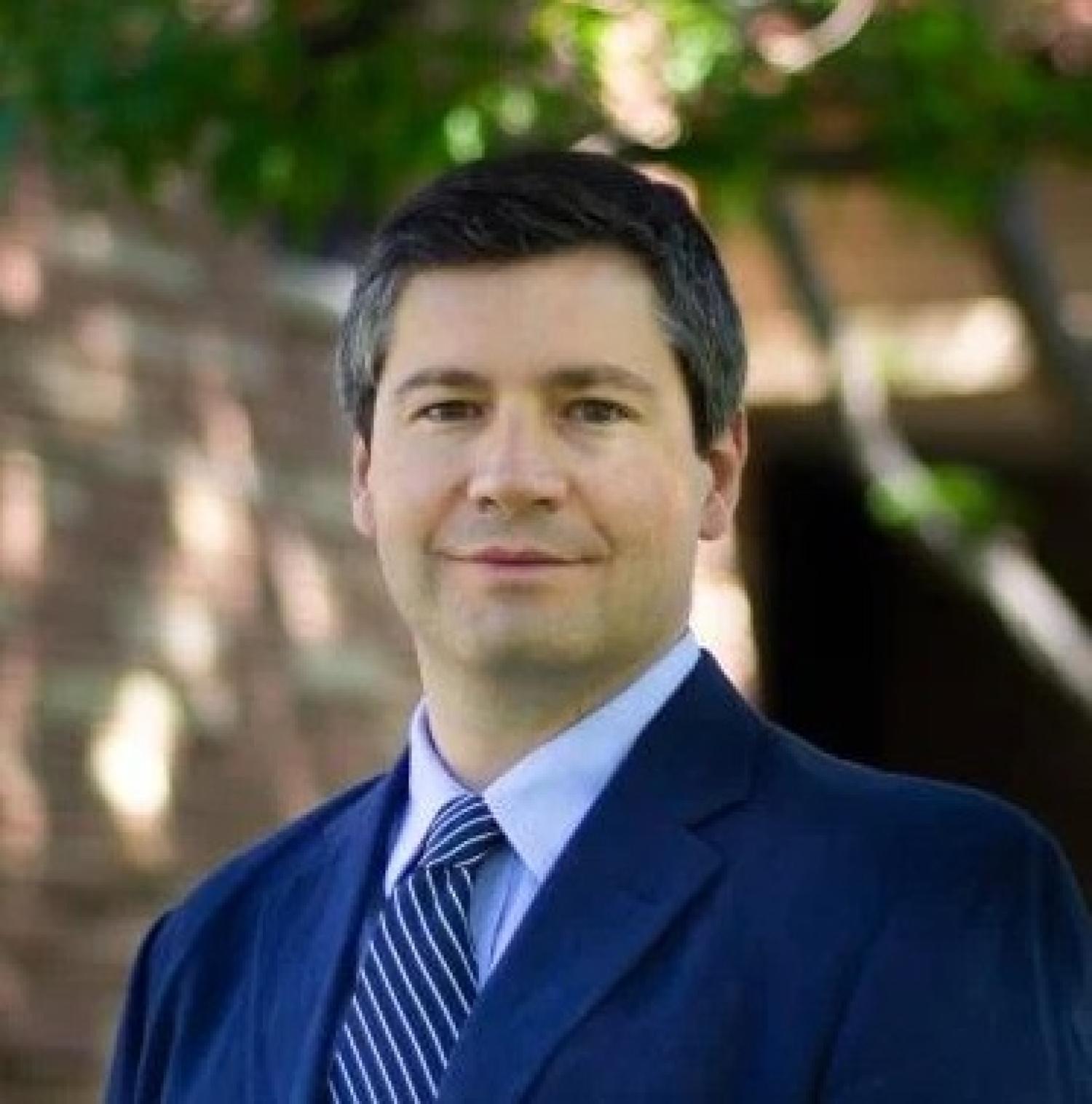
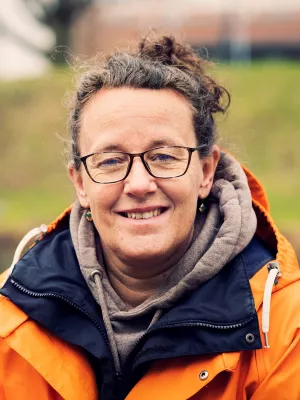
Robert MacCurdy is an Assistant Professor at the Department of Mechanical Engineering, University of Colorado Boulder . He leads the Matter Assembly Computation Lab (MACLab) focused on automating robot design and fabrication. His research bridges computational design and advanced manufacturing to create "robots that walk out of the printer." The lab develops tools like OpenVCAD , an open-source volumetric multi-material geometry compiler.
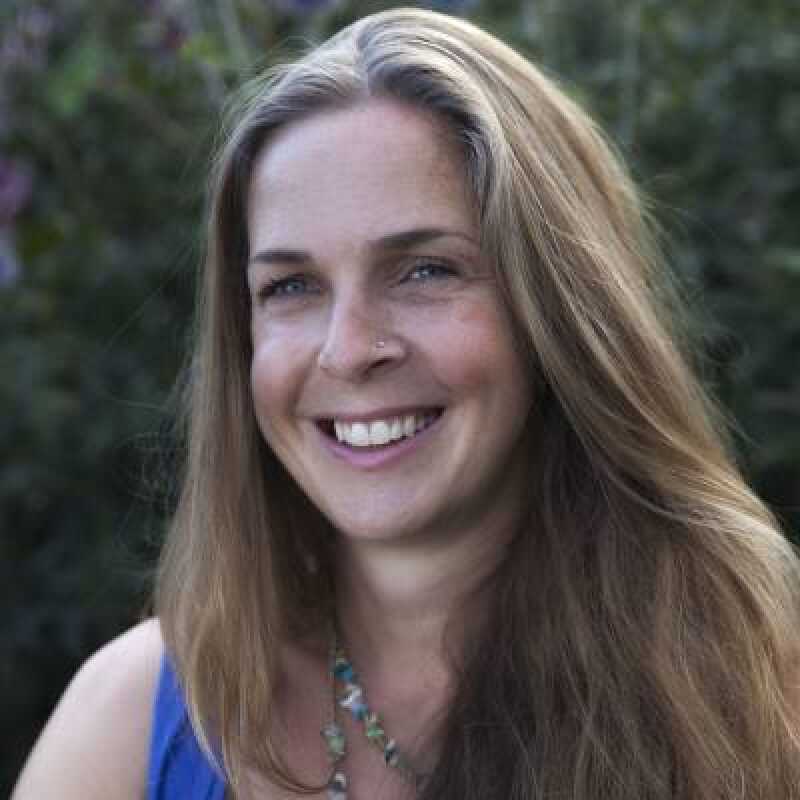
Dr. Marianna Chimienti is a Lecturer in Marine Top Predators Ecology at the School of Ocean Sciences, Bangor University. She is a quantitative ecologist specializing in animal movement processes, responses to environmental change, and their links to population dynamics. Her research employs advanced bio-logging technologies including GPS, accelerometers, and Time Depth Recorders to study marine predators across diverse ecosystems from the Arctic to Antarctica. Education: PhD in 'Foraging strategies of diving seabirds across scales: the use of high frequency tracking data to reveal movement decisions in dynamic environments' from the University of Aberdeen (2017) Marianna's research focuses on understanding how, where, when, and why animals move through their environments. She combines fieldwork with statistical and individual-based modeling (IBMs) to investigate movement ecology, habitat conservation, and species monitoring. Her work spans diverse taxa including seabirds, marine mammals, and reptiles across polar, temperate, and tropical regions. She is particularly interested in how environmental changes affect animal energetics, fitness, behavior, decision-making, and habitat use. Her recent publications reveal a strong focus on marine predator ecology, with particular emphasis on penguins, seals, and seabirds. Using innovative approaches including deep learning and advanced statistical modeling, her work addresses critical questions about energy expenditure, foraging behavior, habitat selection, and responses to climate change. Her research bridges the gap between individual behavior and population-level consequences, providing valuable insights for conservation efforts in a changing ocean. Marianna actively supervises postgraduate students and serves as an external examiner for theses at other institutions including Swansea University and La Rochelle University. She is enthusiastic about fieldwork and collaborates with researchers across multiple international institutions to advance understanding of marine top predators.
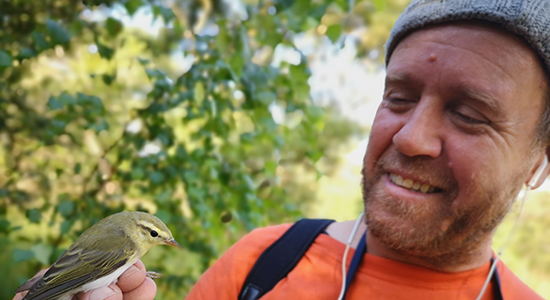
Kasper Thorup is a Professor in Movement Ecology at the Globe Institute , University of Copenhagen , and serves as Section Head of the Center for Macroecology, Evolution and Climate . He is also an Affiliated Scientist at the Max Planck Institute of Animal Behavior in Radolfzell, Germany, and holds advisory roles at the Copenhagen Bird Ringing Centre and the Natural History Museum of Denmark . Education PhD in Zoology , University of Copenhagen (2004) MSc in Biology , University of Copenhagen (2000) Research Interests Thorup’s research lies at the intersection of movement ecology , behavioral ecology , ornithology , and conservation . His work focuses on the mechanisms and drivers of bird migration , using advanced tracking technologies such as satellite telemetry, geolocators, and radio transmitters. His lab investigates orientation systems , climate change impacts , and conservation strategies for migratory birds across continents. His team also explores animal navigation , disease spread via migratory birds , and habitat use across breeding and wintering grounds. Fieldwork has taken him to remote locations including Kamchatka, Angola, Svalbard, and the Ural Mountains. Scientific Awards Corresponding Member , Deutsche Ornithologen-Gesellschaft Sapere Aude – Research Leader , Danish Fund for Independent Research Fellow , International Ornithologist's Union Post-doc Scholarship , Danish Fund for Independent Research DTUsat Payload Competition , DTU Supervision and Teaching Thorup has supervised 6 postdocs , 9 PhD students , and 19 Master’s students since 2005. He teaches Danish vertebrates (BSc) and Ornithology (MSc) at the University of Copenhagen, and welcomes theoretical and field-based student projects in bird migration, orientation, and conservation. Labs and Teams He leads the Bird Migration Lab and is head of the Thorup Group within the Section for Biodiversity at the Globe Institute. His team is closely affiliated with the Copenhagen Bird Ringing Centre and collaborates globally with institutions like the Max Planck Institute and Lund University.
Martina Carrete is an Associate Professor in the Department of Physical, Chemical and Natural Systems at Universidad Pablo de Olavide, while also maintaining an active research position at CSIC (Spanish National Research Council) in Conservation Biology. Her academic career spans over two decades since earning her doctorate from Universidad de Murcia in 2002 with a thesis focused on eagle conservation in Mediterranean environments. Universidad Pablo de Olavide: Faculty member in Ecology CSIC: Post-Doctoral Researcher in Conservation Biology Research Group: ORGSIS Organismos y Sistemas Former Affiliation: ESTRUCTURA Y FUNCIÓN EN ECOSIS Carrete's research focuses on conservation ecology, particularly avian species with emphasis on scavengers and invasive birds. Her work spans multiple critical areas including vulture conservation, parrot ecology, invasive species management, and human-wildlife conflict resolution. She has made significant contributions to understanding population dynamics, species reintroduction strategies, and the ecological impacts of human activities on bird populations. Her publication record demonstrates consistent research output across high-impact journals, with recent work examining transcontinental migration patterns, pharmaceutical contamination in scavengers, and the hidden dimensions of wildlife poaching. Carrete's research often combines field observations with advanced analytical techniques to address pressing conservation challenges. Conservation Biology: Vulture population management, reintroduction strategies Ornithology: Raptor ecology, parrot behavior, urban adaptation Human Dimensions: Wildlife trade, human-wildlife conflict, policy implications Dr. Carrete has contributed significantly to understanding the ecological services provided by scavengers and the consequences when these are disrupted by human policies. Her work on the greenhouse gas emissions resulting from replacing natural carcass removal by vultures with mechanical processing has provided important evidence for conservation policy.
Professor Zoe Davies is a Professor of Biodiversity Conservation at the University of Kent, affiliated with the Durrell Institute of Conservation and Ecology (DICE). She holds roles including Senior Associate Editor for Conservation Letters , Chair of the British Trust for Ornithology Board of Trustees, and member of Natural England committees. Her research focuses on conservation policy, biodiversity-human wellbeing relationships, urban ecology, and rewilding, emphasizing empirical data for management and policy. She has supervised numerous PhD and MSc students, contributing to over 117 publications in conservation science. Notable contributions include frameworks for global conservation area coverage and studies on tropical deforestation impacts. Education: BSc Zoology (Royal Holloway, University of London), PhD (University of Leeds). Professional memberships include the British Ecological Society. Her work addresses conservation challenges through interdisciplinary approaches, including participatory research and robotics for biodiversity monitoring. Publications highlight her expertise in urban green spaces' mental health benefits, tropical forest degradation thresholds, and stakeholder-driven conservation strategies. Awards include DICE’s 2019 Queen’s Anniversary Prize for Higher Education (institutional). Advising spans rewilding, deforestation, and urban biodiversity, with grants supporting global projects in Guyana, Indonesia, and Kenya. Labs/teams: Active in the Biodiversity and Macroecology Group (BIOME) and robotics for environmental sustainability initiatives. Collaborates internationally on projects like the BIO-WELL wellbeing scale and Wallacea conservation efforts.
Bengt Nilsson is a University Lecturer at the Department of Forest and Wood Technology within the Faculty of Engineering at Linnaeus University. His academic career spans forest bioenergy research and rural emergency services, with a particular focus on sustainable forest management practices and community resilience. He serves as Deputy Head of Department and is an active member of "The Bridge" collaboration council between IKEA and Linnaeus University, contributing to multidisciplinary research on home life and production conditions. Dr. Nilsson completed his doctoral thesis in 2016 titled "Extraction of logging residues for bioenergy – effects of operational methods on fuel quality and biomass losses in the forest" at Linnaeus University. His educational background demonstrates a strong foundation in forest technology and sustainable resource management, though specific undergraduate and master's details aren't provided in the available materials. Dr. Nilsson's research interests span two primary domains: forest bioenergy systems and rural emergency response. His early work focused on optimizing forest fuel extraction methods, particularly comparing traditional dried-stacked versus fresh-stacked approaches for logging residues. More recently, his research has shifted toward forest fire management and sustainable co-utilization of rescue resources in rural Sweden. His work addresses critical challenges in sustainable forestry practices while simultaneously strengthening community resilience against natural disasters. This dual focus reflects his commitment to practical solutions that bridge environmental sustainability and public safety concerns in rural communities. An analysis of Dr. Nilsson's publication history reveals a clear transition from forest bioenergy research (2015-2018) toward rural emergency services (2020-2024). His earlier work centered on technical aspects of logging residue extraction, moisture content, and nutrient cycling in forest ecosystems. More recently, his research has examined volunteer emergency response systems, part-time firefighter integration, and multi-agency collaboration during forest fires. This evolution demonstrates how his expertise in forest management naturally extended to emergency response systems in rural communities. The interdisciplinary nature of his work combines forestry science with social science perspectives on community resilience and emergency management. Dr. Nilsson has secured funding for several significant research initiatives: "Sustainable shared use of rescue resources in Swedish rural areas" (2020-2024), where he served as project manager "SimWood" project optimizing biomass use in Kronoberg, particularly in Uppvidinge municipality "Sustainable use of virgin and recovered raw material streams for innovative bio-based products" initiative As project manager for the "Sustainable shared use of rescue resources" project (2020-2024), Dr. Nilsson led a multidisciplinary team of researchers from Health and Care Sciences, Fire Technology, Political Science, and Forestry. This collaboration challenged traditional scientific methods to develop evidence-based strategies for organizing part-time firefighters, SMS lifeguards, and resource mobilization during forest fires. His work has directly contributed to knowledge development for increased safety in rural areas, with findings now being used to shape new emergency response strategies. He has successfully bridged academic research with practical implementation in community safety systems. Dr. Nilsson is actively involved with the Forest Management research group at Linnaeus University, where he contributes to advancing sustainable forestry practices. His current "Seed Project" focuses on integrating human and technological resources to strengthen local community resilience against forest fires. This initiative represents a practical application of his research, bringing together academic expertise with on-the-ground emergency response needs. His work with "The Bridge" collaboration further extends his impact into product development and home safety considerations through the IKEA partnership, demonstrating his ability to translate research into real-world applications.
Tyler Survant serves as an Assistant Professor in the Department of Architecture, Design, and Sustainability at Montana State University's College of Arts and Architecture. His work integrates architectural practice with social impact initiatives through nonprofit engagement, emphasizing practical, durable, and eco-friendly design solutions for community benefit. His educational foundation includes: B.A. in Architecture from Washington University (2006) M.Arch. in Architecture from Yale University (2011) Survant's research examines architecture's intersection with political systems, social equity, and environmental sustainability. He investigates how built environments reflect power structures (e.g., Oval Office analysis), address social responsibility, and implement regional parametric approaches. His pedagogical focus emphasizes ecological integration and interdisciplinary curriculum development. Publication trends reveal consistent exploration of architectural observation as critical methodology, with recurring themes in political symbolism, sustainable regionalism, and ethical design practice. His work frequently appears in Log journal, demonstrating rigorous site-specific analysis applied to broader theoretical frameworks. Design recognition includes: Architecture Masterprize Winner for Tatopani Hospital (Conceptual category, 2022) Twin A+ Awards Finalist positions for Tatopani Hospital (Unbuilt Sustainable Non-Residential, 2023) and Bethany Home for Children (Unbuilt Sustainable Residential, 2023) Through Building Bureau—a nonprofit he leads as President since 2022—Survant directs community-focused design initiatives that translate academic research into tangible social impact projects, particularly in sustainable public infrastructure. His leadership extends to nonprofit governance and design advocacy, with Building Bureau serving as primary vehicle for connecting academic expertise with community development needs through sustainable architectural solutions.
Professor Daniel Ierodiaconou is a marine ecologist at Deakin University, where he serves as Professor in Marine Science and leads the Deakin Marine Mapping Group. He acts as Victorian Node Leader for the Integrated Marine Observing System (IMOS), Board Director for the Great Ocean Road Coast and Parks Authority, and Coastal Lead Scientist for the CoastRI Initiative. His work combines multi-disciplinary approaches to advance marine ecosystem-based management. Doctor of Philosophy, Deakin University Bachelor of Science (Aquatic Science), Deakin University Bachelor of Science (Fisheries Management & Aquaculture), Deakin University Daniel's research focuses on Benthic Habitat Mapping , Marine Protected Areas , and Coastal Process Monitoring . His work integrates Remote Sensing , Image Classification , and Change Detection techniques to inform marine conservation and climate adaptation strategies. Recent publications highlight advancements in Seafloor Habitat Classification , Coastal Erosion Modeling , and Seagrass Restoration . Scientific awards include: 2020 Eureka Prize for Innovation in Citizen Science 2020 Victorian Coastal Award for Innovative Applied Research 2018 Victorian Coastal Award for Partnership Research 2009 Tall Poppy Award Daniel supervises 10 current doctoral students and has advised 16 PhD completions. His grants portfolio exceeds $7 million, including a $5 million NCRIS-funded CoastRI Coastal Monitoring Network. He specializes in integrating Geospatial Technologies with Marine Conservation through his leadership in citizen science drone programs and Victoria's first wave buoy network.
Dr. Christian Hansmann is a researcher at the Institut für Holztechnologie und Nachwachsende Rohstoffe , part of the Department für Biotechnologie und Lebensmittelwissenschaften at the University of Natural Resources and Life Sciences, Vienna (BOKU) . With a doctorate in wood technology (2004) and graduation in timber industry (2002), he has focused on wood modification, drying processes, and sustainable material applications. Education Doctorate, BOKU Vienna (2004) Graduation in Timber Industry (2002) His research explores wood science through innovations in wood drying , chemical modification , and bio-based composites . Notable projects include supercritical CO2-assisted impregnation, thermal insulation panels from agricultural byproducts, and eco-efficient hardwood utilization. He has supervised 15 university theses, including studies on wood laminates and bark beetle control. Recent publications highlight his work on wood modification techniques , with 15 articles from 2005–2025 covering topics like hydrophobic wood surfaces , dimensional stability , and flame-retardant treatments . Key methods include UV microscopy, siloxane treatments, and adhesive bonding analysis. Scientific Awards: tecnet Call 2009 'Eco-efficient Products' 1st Prize (2010) Dr. Wolfgang Houska Recognition Award (2009) Schweighofer Innovation Prize (2009) He has delivered 57 lectures across 15 countries, including presentations at SWST International Conventions and European Wood Modification Conferences . As a reviewer for journals like Wood Science and Technology and European Journal of Wood Products , he contributes to quality control in his field.
Johanna Alkan Olsson is a Senior Lecturer and key academic at Lund University 's Centre for Environmental and Climate Science (CEC). She serves as Assistant Director and Director of First/Second Cycle Studies at CEC, while also acting as Principal Investigator for BECC's project on Biodiversity and Ecosystem Services in a Changing Climate. Her work bridges environmental policy, social science, and climate adaptation. Role : Senior Lecturer, Assistant Director, Director of Studies Projects : ClimApp, STACCATO, ProcSIBE, LU Land Her research focuses on three interconnected areas: 1) Participatory governance and evidence-based environmental management using ICT tools, 2) Stakeholder collaboration for climate adaptation of cultural heritage and urban areas, and 3) Cross-scale institutional frameworks for sustainable development goals. She specializes in socio-legal analysis of environmental policies, particularly in urban planning, PFAS pollution management, and agricultural sustainability. Recent publications emphasize nature-based solutions (NBS) in Nordic cities, biodiversity offsetting in Sweden, and climate-vulnerable maize farming systems. She supervises doctoral students Jasmine Livingston and Björn Wickenberg, collaborating with institutions like the EU Commission, Swedish County Administrative Boards, and private entities such as Skanska and Riksbyggen. Her work intersects with multiple UN Sustainable Development Goals, particularly in climate action, sustainable cities, and life on land. She actively engages in transdisciplinary research, connecting legal frameworks with ecological practices across Sweden, Turkey, France, and international contexts.
Nane Kratzke is a Professor at Lübeck University of Applied Sciences, specializing in cloud computing and cloud-native applications. His research addresses practical challenges in container orchestration, cloud security, and vendor lock-in for small and medium enterprises. He holds a Diplom in Computer Science and a Doctorate in Natural Sciences, though specific institutions are not documented in available sources. Research interests include cloud-native architecture design, Kubernetes orchestration, moving target defenses for cloud security, and cost modeling of cloud services. His work bridges academic research and industry needs, particularly for SMEs seeking cloud portability through multi-cloud strategies and runtime transferability. Analysis of recent publications (2022-2024) reveals a strategic shift toward AI-driven cloud management techniques like prompt engineering, building on foundational contributions in cloud observability, security mechanisms, and transferability frameworks established between 2016-2021. Key recurring themes include mitigating vendor lock-in and enabling seamless application migration across cloud environments. No scientific awards are documented in the provided information sources. Details regarding graduate student advising, research grants, and laboratory facilities are not specified in current datasets, though his publications on programming assessment tools indicate engagement with computer science education.
Raoof Gholami is a Professor of Energy Resources at the University of Stavanger's Faculty of Science and Technology, Department of Energy Resources. His research focuses on subsurface energy storage, particularly hydrogen and CO₂ sequestration in geological formations. He has contributed extensively to understanding mechanisms like hydrogen leakage in salt caverns, CO₂-mineral interactions in chalk reservoirs, and bio-reactive transport modeling in storage sites. Key research interests include: (1) Hydrogen storage in porous media, (2) CO₂ sequestration risks and geomechanical stability, (3) Reactive transport modeling, and (4) Machine learning applications in reservoir characterization. His work bridges experimental studies (e.g., salt precipitation dynamics) with numerical modeling (e.g., caprock integrity analysis). Recent publications emphasize hydrogen storage challenges (2025), CO₂ storage in chalk (2023), and leakage risk assessment frameworks (2021). His research also explores novel materials like biodegradable surfactants for drilling fluids (2023) and advanced well path design techniques (2022). Collaborations span institutions globally, addressing topics like shale reservoirs, geothermal energy, and subsurface imaging.
Karola Vorauer-Uhl is an Associate Professor at the Institute of Biochemical Engineering, Department of Biotechnology and Food Sciences, University of Natural Resources and Life Sciences, Vienna (BOKU). She is based at Muthgasse 18, Vienna, and holds a doctorate in life sciences and biotechnology. Her work is deeply rooted in biopharmaceutical technology, particularly in liposomal drug delivery and recombinant protein production. Her research interests center on advanced bioprocess technologies. She specializes in liposomal formulations for therapeutic and vaccine delivery, with a focus on protein encapsulation and liposome-protein interactions. A key methodological expertise is bio-layer interferometry (BLI) , which she uses for real-time, label-free analysis of molecular binding. Her work also encompasses CHO cell culture processes , quality by design (QbD) , process analytical technology (PAT) , and the development of recombinant proteins like erythropoietin and HIV envelope proteins for biomedical applications. The 15 most recent publications highlight a consistent research trajectory in biopharmaceutical process development and nanoparticle-based delivery systems . Early works focused on protein purification and liposome production, while recent contributions emphasize advanced analytical methods like BLI for characterizing protein-liposome interactions and implementing QbD/PAT in mammalian cell cultures. The dominant themes are liposome technology , protein characterization , and bioprocess optimization , with applications in drug and vaccine delivery. ao.Univ.Prof. (Associate Professor), BOKU Vienna Habilitation in Biopharmaceutical Technology, 2002 Promotion (PhD) in Food and Biotechnology, 1993 Dipl.-Ing. in Food and Biotechnology, 1988 Karola Vorauer-Uhl has made significant contributions to the development of liposomal therapeutics and vaccines. Her work on GMP-compliant liposome production and novel techniques like the cross-flow injection method demonstrates a strong focus on translating research into industrial applications. She has been involved in projects related to HIV vaccine development using virosomes and the therapeutic use of liposomal superoxide dismutase. Her community service includes participation in numerous scientific conferences and workshops, particularly in the fields of bioprocessing and liposome research. She is actively engaged in academic advising, as evidenced by her supervision of university theses. Her laboratory or research group appears to focus on bioprocess engineering, with expertise in recombinant protein expression, liposome formulation, and advanced analytical characterization. Collaborations with industry partners and other research institutions, especially in the area of biopharmaceuticals, are a consistent feature of her work.
Martin Riegler is a researcher at the Institute of Physics and Materials Science , part of the University of Natural Resources and Life Sciences, Vienna (BOKU). His work focuses on advanced material analysis and sustainable construction within the wood technology sector. Specializes in electrical resistivity measurements of wood Applies machine learning to wood machining acoustics Studies adhesive bondlines modified with carbon fillers Investigates moisture dynamics in wood Recent publications highlight his contributions to smart wood composites , non-invasive testing , and machine learning applications in wood processing. He has presented research at international conferences and collaborated with institutions like the Northern European Network for Wood Science and Engineering. Riegler's work intersects with Materials Science , Wood Technology , and Sustainable Engineering , particularly in optimizing particleboard production and wood moisture prediction . His research spans technical innovation and environmental stewardship in forestry applications.
Chrysostomos Kasimis is a Lecturer in the Electronics and Computers Department at the University of Patras, affiliated with the School of Sciences. He holds a Master's Degree (2007) and a PhD (2013) in Electronics from the University of Patras. His primary roles include teaching laboratory courses such as Physics Laboratory IV/V, Computer Programming I/II, and Analog Electronics Laboratory. He is a member of the Laboratory Teaching Staff (EDIP) in the Electronics Laboratory. His research focuses on neural networks for control systems and analog VLSI integrated circuits , with contributions to adaptive filter design, low-power circuits, and bio-inspired neural network applications. His work spans hyperbolic function-based filters, zeroing neural networks for optimization, and companding techniques in biomedical signal processing. Publications highlight innovation in analog circuit design (e.g., sinh-domain filters, OTA-based systems) and interdisciplinary applications in finance through neural networks. His career demonstrates expertise in both theoretical and applied electronics, with a strong emphasis on practical laboratory instruction.