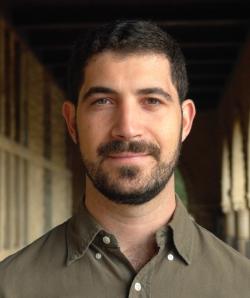
Gregory Timp is the Keough-Hesburgh Professor of Electrical Engineering and Biological Sciences at the University of Notre Dame, with a cross-appointment in the Department of Electrical Engineering within the College of Engineering. He leads a multidisciplinary research group at the intersection of nanotechnology and biology, operating laboratories in both Stinson-Remick Hall and Galvin Life Sciences. Ph.D., Electrical Engineering, Massachusetts Institute of Technology, 1984 M.S., Electrical Engineering, Massachusetts Institute of Technology, 1980 B.S., Electrical Engineering, University of Illinois, 1978 His research focuses on developing nanoscale tools for biomedical applications, particularly using nanopore sensors for single-molecule detection of proteins and nucleic acids, and live cell lithography via optical tweezers to engineer 3D tissue models. He also investigates THz transistors and high-frequency CMOS devices. His lab leverages advanced nanofabrication, electron microscopy, and microfluidics to push the boundaries of bio-nano integration. The recent publications highlight a strong trend toward single-molecule biophysics , protein sequencing via nanopores , and synthetic tissue engineering . His work spans from fundamental physics of ion transport to translational applications in diagnostics and synthetic biology. Gregory Timp has not been explicitly awarded any scientific prizes in the provided text, but his extensive publication record in top journals like Nature , Science Advances , and ACS Nano reflects high scientific impact. He actively mentors students and postdoctoral researchers, with recent job postings indicating ongoing research in nanobiotechnology , confocal imaging , and transmission electron microscopy . His collaborations include work with Professor Tetsuya Tanaka on single-cell electroporation. His research is supported by access to state-of-the-art facilities including a 9,000 sq ft cleanroom, the Notre Dame Integrated Imaging Facility, and advanced microscopy suites. His lab, the Timp Nano-Bio Group, utilizes facilities such as the NDNF cleanroom, Stinson-Remick microscopy suite (including Jeol 2010 and FEI Titan TEMs), and specialized quiet rooms for low-noise electrical measurements. The integration of semiconductor processing with biological experimentation enables unique capabilities in creating solid-state nanopores , optical trapping systems , and microfluidic devices for real-time single-cell analysis.