Neelakantan R. Krishnaswami is a Professor of Computer Science at the University of Cambridge's Computer Laboratory , and a Fellow of Trinity College . His research focuses on the intersection of program verification, programming language design, and foundational topics like type theory and semantics. His work spans areas such as refinement types, parser design, separation logic for systems software, and the semantics of reactive programming. Notable contributions include the Datafun language for higher-order Datalog and the λert type theory for explicit refinement types. He has also developed foundational frameworks for verifying imperative programs using advanced type systems and logical relations. Key publications include 'Explicit Refinement Types' (ICFP 2023), 'flap: A Deterministic Parser with Fused Lexing' (PLDI 2023), and 'CN: Verifying Systems C Code' (POPL 2023). His work frequently addresses challenges in efficiency, correctness, and modularity for both functional and imperative systems. His awards include Distinguished Paper Awards at PLDI 2019 and POPL 2020. His research integrates theoretical rigor with practical tooling, exemplified by contributions to languages like Coq, Lean, and Haskell.
Pavel Panchekha is an Assistant Professor in the School of Computing at the University of Utah, where he holds the Warnock Chair for Junior Faculty. His research spans programming languages, web browsers, and numerical analysis, with a focus on developing programming language techniques to address challenges across computer science. Dr. Panchekha received his educational training at prestigious institutions: PhD in Computer Science from the Paul G. Allen School for Computer Science and Engineering at the University of Washington, advised by Michael D. Ernst and Zachary Tatlock BS in Mathematics from MIT Panchekha's research program has two major thrusts. First, he works on web browser internals , with projects including fuzzing layout invalidation, multi-tenant garbage collection, and optimizing 2D graphics. He is also authoring a textbook on web browsers that informs much of this research. Second, he focuses on automatic numerical analysis , with projects such as automatic accuracy improvement, synthesis via term rewriting, scalable static accuracy analysis, and math library implementation. He leads the FPBench and Herbie projects, which are major deployments of his research. His scholarly output demonstrates consistent contributions across programming languages, verification, and numerical methods. Recent work shows a growing emphasis on bidirectional typing systems, layout invalidation in browsers, and robust floating-point error analysis. His publications reveal a trajectory from foundational work on floating-point accuracy (notably the Herbie tool that won a Distinguished Paper Award at PLDI 2015) toward more comprehensive systems for program synthesis, verification, and browser optimization. Panchekha has received significant recognition for his research contributions: NSF Fellowship ARCS Foundation Fellowship Adobe Research Fellowship Wissner-Slivka Foundation Fellowship 2015 PLDI Distinguished Paper Award for work on the Herbie numerical analysis and repair tool As an advisor, Panchekha mentors a substantial group of students across multiple levels. He currently advises six students: Marisa Kirisame (PhD), Bhargav Kulkarni (PhD), Yumeng He (PhD), Artem Yadrov (MS), Jesus Ponce (BS), and Jonas Regehr (BS). Previously, he has advised over twenty students including PhD candidates like Ian Briggs and numerous MS and BS students. His advising spans theoretical topics in programming languages and practical applications in web browsers and numerical computing. Panchekha leads research groups focused on programming languages applications to web browsers and numerical analysis. His work on the Herbie tool for floating-point accuracy improvement has become influential in the programming languages community, and his more recent work on browser internals is shaping how researchers understand and optimize modern web rendering engines. He is currently developing a textbook on web browsers that aims to synthesize knowledge about browser architecture and implementation.
Dr. Sam Ferguson is a Senior Lecturer at the School of Computer Science, University of Technology Sydney (UTS), with a multidisciplinary background in music performance, cognitive science, and psycho-acoustics. His research explores the intersection of sound, music, and human experience through creative coding, machine learning, and interactive systems. Key Research Areas: Sound and Music Computing, Human-Computer Interaction, Creative Coding, Cognitive Science, Installation Art, and Acoustics. Current Projects: ARC Linkage project on creative coding and multiplicitous media; industry collaborations on IoT-based audiovisual systems. Recent Publications: Focus on spatial audio complexity, gestural interaction with networked sound, music emotion recognition frameworks, and robotic performance through genre-based cultural platforms. Leadership Roles: Director of Teaching & Learning Engagement; former Deputy Head of School (Teaching and Learning); active in ACM Creativity and Cognition Steering Committee. Teaching: Courses like Digital Media Studio , Prototyping Physical Interaction , and Data Processing using R within UTS's interdisciplinary Software Development Studio.
James Lacefield is a Professor in both the Department of Electrical and Computer Engineering and the Department of Medical Biophysics at Western University. He serves as Director of the School of Biomedical Engineering and maintains his research laboratory in the Amit Chakma Engineering Building. His academic appointments span multiple disciplines, reflecting the interdisciplinary nature of his work in biomedical ultrasound imaging. Dr. Lacefield earned his Ph.D. and B.S.E. in Biomedical Engineering from Duke University. His educational background established the foundation for his current research program that bridges engineering principles with medical applications. His research focuses on the physical acoustics and signal processing aspects of ultrasound imaging, with particular emphasis on quantitative vascular imaging applications. Dr. Lacefield's laboratory develops novel methods for color Doppler, power Doppler, and contrast-enhanced ultrasound imaging, with primary applications in cancer research. Current projects include optimization of high-resolution ultrasound systems for tumor vascular characterization and development of methods to quantify spatial blood flow distribution in tumors. Analysis of his recent publications reveals a strong focus on quantitative ultrasound techniques for cancer applications, with particular attention to tumor perfusion assessment using contrast-enhanced ultrasound. His work demonstrates increasing sophistication in speckle analysis methods to improve the reliability of perfusion measurements in preclinical tumor models. Associate Editor, IEEE Transactions on Ultrasonics, Ferroelectrics, and Frequency Control Member, Council of Chairs of Bioengineering and Biomedical Engineering Member, College of Reviewers, Canadian Institutes of Health Research Dr. Lacefield maintains active collaborations with multiple research groups including the Imaging Research Laboratories at Robarts Research Institute. His professional activities include editorial work for major ultrasound journals and participation in national review panels for biomedical research funding.
E. Jennifer Edelman, MD, MHS is a Professor of Medicine (General Internal Medicine) at Yale School of Medicine and an Associate Professor on Term in Social and Behavioral Sciences at Yale School of Public Health. She serves as an HIV provider at the Yale-New Haven Hospital Nathan Smith HIV Clinic and is the physician consultant in the Addiction Medicine Treatment Program. Dr. Edelman is certified as an internist, HIV specialist, and in Addiction Medicine, and holds multiple appointments across Yale's medical and public health institutions. Professor of Medicine, General Internal Medicine (Primary) Associate Professor on Term, Social and Behavioral Sciences (Secondary) Addiction Medicine Fellowship Program AIDS Care Program Internal Medicine Program in Addiction Medicine Yale Center for Clinical Investigation (co-Director of Education) Yale-Drug use, Addiction, and HIV prevention Research Scholars (DAHRS) Dr. Edelman's research focuses on optimizing HIV prevention and treatment in the context of substance use, including opioid, alcohol, and tobacco use. Applying a range of methodologies, she leads and collaborates on NIH-funded projects to evaluate novel and implement evidence-based addiction treatment in medical settings, especially HIV treatment settings. Her work has focused on understanding harms associated with opioid use among people with HIV and promoting HIV prevention, including use of pre-exposure prophylaxis (PrEP). She collaborates extensively with community-based and public health partners to advance these goals. Analysis of her recent publications (2024-2025) reveals a strong emphasis on integrated care models addressing substance use disorders within HIV treatment settings. Her research spans multiple methodologies including randomized controlled trials, implementation science, qualitative studies, and epidemiological analyses. Key themes include contingency management for alcohol use disorder among people with HIV, PrEP implementation among high-risk populations, and interventions for tobacco cessation in HIV clinics. Her work demonstrates a consistent focus on addressing health disparities and improving outcomes for vulnerable populations. Dr. Robert A. Savitt & Dr. George D. McCormack Award (2022) Lipkin Award Finalist, Society of General Internal Medicine National Annual Meeting (2021) Lipkin Award Finalist, Society of General Internal Medicine National Annual Meeting (2019) Veterans Affairs Locally-Initiated Project Funding Award New England Society of General Internal Medicine Award for Excellence in Clinical Investigation Society of General Internal Medicine Lawrence Linn Award Dr. Edelman actively mentors trainees including post-doctoral fellows and public health students, and serves as Associate Director of the Research on Addiction Medicine Scholars (RAMS) Program. She regularly serves on NIH grant review committees and is Associate Editor of Addiction Science and Clinical Practice. Her current research includes the EXHIT ENTRE trial (Exemplar Hospital Initiation Trial to Enhance Treatment Engagement), which focuses on addressing untreated alcohol use disorder in hospital settings. She has received substantial grant funding from the National Institutes of Health, National Institute on Alcohol Abuse and Alcoholism, and National Cancer Institute to support her work in addiction medicine and HIV care.
Donghao Lu is a Professor at Karolinska Institutet's Institute of Environmental Medicine, where he leads the Epidemiology of Women's Mental Health Lab. His research program focuses on psychiatric epidemiology with specialization in women's reproductive mental health, using large-scale population cohorts to investigate biological mechanisms and health outcomes. Primary research domains include: Risk factors and health consequences of perinatal depression and premenstrual disorders Bidirectional relationships between autoimmune diseases and mood disorders Gender disparities in mental health presentation and outcomes Cardiometabolic comorbidities in reproductive psychiatric conditions His recent publications (2023-2025) demonstrate strong methodological consistency, predominantly using Scandinavian national registries for longitudinal cohort designs. Research themes show progression toward understanding systemic health impacts of reproductive mood disorders, particularly cardiovascular risks and mortality. Over 90% of recent work incorporates population-level data analysis with sample sizes exceeding 10,000 participants. Laboratory focus includes integrating epidemiological methods with biomarker research to bridge obstetrics/gynecology and psychiatry. Current projects investigate inflammatory pathways in perinatal depression and genetic determinants of premenstrual disorder trajectories. The team maintains international collaborations across Scandinavia, China, and North America.
Professor Rafal Bogacz is a leading academic at the University of Oxford, affiliated with St Edmund Hall and the MRC Brain Network Dynamics Unit . He teaches computational neuroscience and statistics at both undergraduate and postgraduate levels, including the MSc in Neuroscience and BSc in Biomedical Science programs. MSc: Wroclaw University of Technology PhD: University of Bristol Postdoctoral Researcher: Princeton University His research focuses on computational neuroscience , particularly modeling brain networks involved in action selection , decision making , and Parkinson's disease pathophysiology. Key themes include: Developing predictive coding models of cortical computations Understanding basal ganglia neural circuits in healthy and diseased states Designing closed-loop deep brain stimulation paradigms Recent publications highlight work in neural plasticity , dopamine signaling , and computational psychiatry , with a notable Wellcome Discovery Award supporting research on learning in neurons . The Bogacz Group maintains strong collaborations with experimental neuroscientists and shares open datasets through the MRC BNDU Data Sharing Platform . Wellcome Discovery Award (2025): For learning in neurons Europe PMC Open Access (multiple): For numerous PLoS, Nat Neurosci, and J Neural Eng publications As a computational neuroscientist, Professor Bogacz supervises D.Phil. students and leads research programs that bridge theoretical neuroscience with clinical applications . The group actively participates in MRC BNDU training initiatives and public engagement activities like Schools Open Day demonstrations.
Dr. Kosala Gunawardane is an Associate Professor in Renewable Energy Engineering at the University of Technology Sydney (UTS), School of Electrical and Data Engineering. Previously, she held roles as Associate Professor and founding Director of the Centre of Future Power and Energy Research (CFPER) at Auckland University of Technology (AUT), New Zealand. She also served as Deputy Program Leader in the Blue Economy Corporate Research Centre in Australia. Her academic journey includes a PhD in Power Electronics (University of Waikato, 2014) and a BEng in Electronics and Telecommunications Engineering (University of Moratuwa, Sri Lanka, 2005). She is an IEEE Senior Member and former Vice Chair of the IEEE Women in Engineering NZ North Chapter. Dr. Gunawardane’s research focuses on renewable energy systems, hydrogen and fuel cells, DC microgrids, supercapacitor applications, and power electronics. She has secured significant funding from NZ government and Australian CRC grants as a primary investigator. Her work emphasizes sustainable energy solutions, including grid stability, energy storage optimization, and offshore renewable systems. Her research highlights include pioneering hybrid energy storage systems, advanced DC circuit breaker designs, and hydrogen integration in microgrids. She has published over 111 articles and edited sections on hydrogen energy conversion and management. Awards include a 2018 finalist position in the NZ Women of Influence (Science & Innovation category). Dr. Gunawardane leads funded projects such as the Blue Economy CRC’s offshore power systems and UTS’s energy transition initiatives. She actively contributes to IEEE conferences as an organizer and associate editor of the IEEE Transactions on Power Electronics. Her teaching spans circuit analysis, sustainable energy systems, and energy policy.
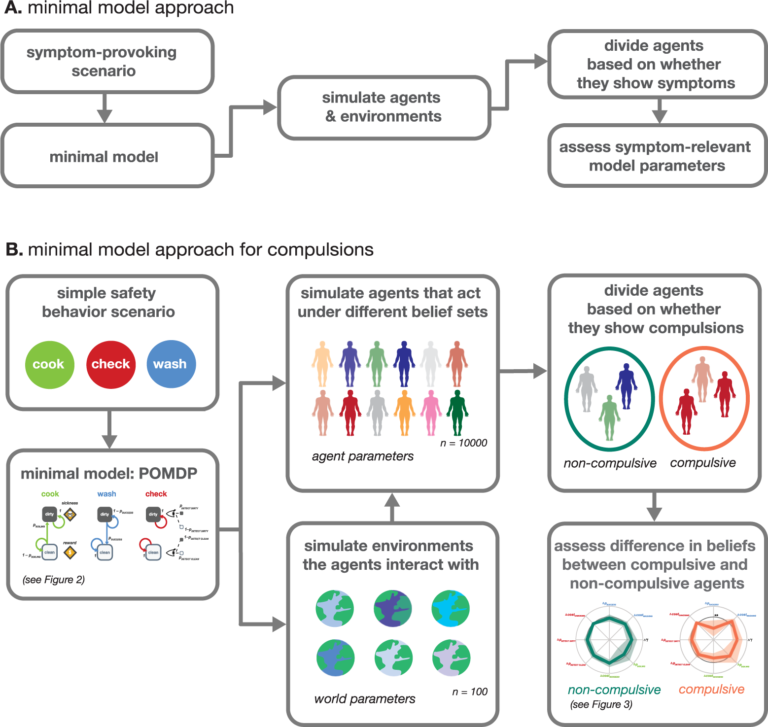
Dr. Frederike Petzschner is an Assistant Professor at the Department of Psychiatry and Human Behavior and the Carney Institute for Brain Science at Brown University. She directs the Carney Brainstorm Program, focusing on translating computational brain science to clinical and commercial applications. Her research explores embodied intelligence, emphasizing the bidirectional brain-body interactions that influence perception, emotion, and well-being. Education: PhD in Systemic Neuroscience from Ludwig-Maximilians University Munich (2013) MS in Physics with Honors from University of Würzburg (2009) BS in Physics from University of Würzburg (2008) Research Interests: Frederike integrates mathematical models, behavioral experiments, and brain imaging to study brain-body-world dynamics in healthy individuals and patients with psychosomatic symptoms, Disordered Gambling, Obsessive-Compulsive Disorder, and Chronic Pain. Her work spans Computational Psychiatry, Interoception, and Neuroimaging. Trends in Publications: Recent articles analyze belief formation in mental health, reward processing, and spatial cognition. These studies employ computational modeling, behavioral neuroscience, and translational approaches to address clinical and cognitive challenges. Scientific Awards: MIT Prize (2024) Pitch Competition Winner for SOMA App (2023) Leadership and Collaborations: She leads the Carney Brainstorm Program and collaborates with institutions like the University of Zurich and ETH Zurich. Her work intersects with digital ecology through membership in Germany’s national council for digital ecology (Rat für digitale Ökologie) and global engagement via the WEF Global Shapers alumni network.
Steve Zdancewic is the Schlein Family President's Distinguished Professor and Associate Chair in the Department of Computer and Information Science at the University of Pennsylvania's School of Engineering and Applied Science. He is a leading researcher in programming languages, formal methods, and computer security with over two decades of impactful contributions to the field. His research interests span programming languages, type theory, logic, computer security, quantum programming, and formal verification. Zdancewic has made significant contributions to information-flow security, memory safety, program synthesis, and the verification of low-level systems. His work often bridges theoretical foundations with practical applications, particularly through the development of verified systems using Coq and other proof assistants. Analysis of his recent publications reveals a strong focus on formal verification techniques, particularly using Interaction Trees and the Coq proof assistant. His research trajectory shows consistent evolution from foundational work on information-flow security toward increasingly sophisticated verification of complex systems including LLVM, quantum computing, and distributed systems. His work demonstrates a commitment to building practically useful verification tools while maintaining rigorous theoretical foundations. Distinguished Paper Award for Semantics for Noninterference with Interaction Trees (ECOOP 2023) Schlein Family President's Distinguished Professor (2021) Distinguished Paper Award for Interaction Trees (POPL 2020) Christian R. and Mary F. Lindback Foundation Award for Distinguished Teaching (2018) IEEE MICRO top picks (2013) Alfred P. Sloan Fellow (2009-2010) NSF CAREER award (2004) Zdancewic has advised numerous PhD students who have gone on to successful careers in academia and industry. His research has been supported by significant grants from NSF, including the NSF Expedition on the Science of Deep Specification. He is actively involved in multiple major research projects including Vellvm (verified LLVM), DeepSpec, and quantum programming verification. Zdancewic also co-organizes Penn's PL Club programming languages research group with Benjamin Pierce and Stephanie Weirich.
Craig Coburn is a Full Professor in the Department of Geography and Environment at the University of Lethbridge, where he has served since 2002 with promotions to Associate Professor in 2009 and Full Professor in 2019. His research centers on remote sensing physics, specializing in bidirectional reflectance properties and the development of low-cost remote sensing instrumentation for environmental monitoring and satellite calibration. Dr. Coburn's academic foundation includes: B.Sc. (Honours) in Geography from the University of Saskatchewan (1994) M.Sc. in Geography from the University of Alberta (1996) Ph.D. in Geography/Remote Sensing from Simon Fraser University (2002) His work spans instrument design to data processing algorithms, with emphasis on surface bidirectional reflectance. He pioneered world-leading goniometers and low-cost camera systems deployed via aircraft, UAVs, and high-altitude balloons for agricultural monitoring, biological system analysis, and global satellite validation. His research bridges theoretical physics with practical environmental applications. Analysis of his 2017-2021 publications reveals sustained focus on radiometric calibration, BRDF characterization, and sensor development. Key trends include interdisciplinary collaborations in atmospheric science (airborne metals), ecology (riparian systems), and soil science (erosion detection), alongside growing emphasis on UAV platforms and low-cost sensor validation for democratizing remote sensing. No scientific awards were specified in the source material. Dr. Coburn holds Principal Investigator status for the Prairie Farm Rehabilitation Administration-funded cattle wintering sites project ($45,000) and contributes as Co-Investigator to Alberta Ingenuity Centre for Water Research initiatives totaling $568,000. His grant portfolio spans riparian ecology, watershed analysis, and historical projects including National Land and Water Information System (Agriculture Canada) and Mountain Pine Beetle monitoring. His laboratory innovations include robotic goniometers for surface reflectance measurement and thermal imaging systems deployed globally for satellite calibration, supporting both research objectives and hands-on student training in remote sensing physics.
Dr. Christine So is an Assistant Professor of Psychology at Washington State University, where she leads the Laboratory for Understanding Nocturnal behaviors and Affect (LUNA). Her research focuses on the intersection of sleep, trauma, and psychopathology, investigating how sleep disturbances serve as both causes and consequences of mental health disorders through multimodal research approaches. Dr. So's educational background includes: Ph.D. in Clinical Psychology from the University of Houston (2022) Pre-doctoral clinical internship at the University of Pittsburgh Medical Center Western Psychiatric Hospital MIRECC postdoctoral fellowship in trauma-related sleep disturbances at the Corporal Michael J. Crescenz VA Medical Center Her primary research interests examine mechanisms of trauma-related sleep disturbances, particularly nightmares, and how sleep problems function as transdiagnostic risk factors for health issues. Dr. So employs ecological momentary assessment, polysomnography, actigraphy, and computerized tasks to investigate cognitive and affective processes underlying sleep disruptions. Additional research areas include sleep health disparities, environmental influences on sleep, and personalized behavioral sleep medicine interventions targeting Alzheimer's risk biomarkers. Dr. So's publication record demonstrates consistent growth in sleep and trauma research, with recent work examining neighborhood effects on sleep in trauma-exposed populations, bidirectional sleep-pain relationships among Veterans, and sleep health disparities. Her research bridges clinical psychology, sleep medicine, and public health with particular attention to vulnerable populations including trauma survivors and Veterans. Dr. So has been recognized through a MIRECC postdoctoral fellowship supporting her specialized training. Her work appears in leading journals including Psychological Trauma: Theory, Research, Practice, and Policy , Sleep Health , and International Journal of Psychophysiology . As a licensed clinical psychologist in Washington state, Dr. So mentors graduate students in WSU's Clinical Psychology PhD program, with recruitment for Fall 2025 and 2026 cohorts underway. She maintains active collaborations with researchers at the University of Pittsburgh, University of Houston, and VA medical centers, particularly with Drs. Phil Gehrman and Katherine Miller. Her laboratory provides training opportunities for students interested in the intersection of sleep, trauma, and health. The Laboratory for Understanding Nocturnal behaviors and Affect (LUNA) serves as the hub for Dr. So's research program, focusing on how disrupted sleep acts as both precipitating and exacerbating factors of psychopathology, particularly in trauma contexts. The lab employs multimodal approaches to characterize cognitive and affective processes underlying nightmares and investigates environmental influences on sleep health disparities, with plans to expand into identifying sleep biomarkers of Alzheimer's risk.
Dr. Erica C Jansen serves as Assistant Professor in the Department of Nutritional Sciences at the University of Michigan School of Public Health and holds a secondary appointment as Research Assistant Professor in Neurology. Her work bridges nutritional epidemiology and sleep science, focusing on lifespan health impacts with specialized attention to adolescent and women's health outcomes. Her educational foundation includes: PhD in Epidemiology, University of Michigan School of Public Health (2016) MPH in Epidemiology, University of Michigan School of Public Health (2014) BS in Biology, Hope College (2012) Dr. Jansen's research program centers on bidirectional sleep-nutrition interactions and their cardiometabolic consequences. Key pillars include: Early-life nutritional environments and puberty timing Objective sleep metrics (duration, timing, quality) and cardiometabolic risk Epigenetic mechanisms in sleep-diet-health pathways Toxicant exposures through dietary sources Life-stage specific analyses (adolescence, pregnancy, midlife) She primarily leverages the ELEMENT cohort—a 25+ year Mexican birth cohort—and complementary datasets like NHANES and BioCycle. Analysis of her 2021-2025 publications reveals consistent methodological approaches: Integration of actigraphy for objective sleep measurement Dietary pattern analysis over single-nutrient approaches Epigenome-wide assessments of circadian genes Focus on health disparities through socioeconomic and environmental lenses Strong emphasis on Mexican and US minority populations Her work increasingly incorporates machine learning for sleep data analysis and examines policy-relevant questions like food expenditure patterns. Current funding includes: NHLBI K01 grant (K01HL151673) examining sleep-cardiometabolic links in adolescents Gilmore Grant and MNORC Pilot funding for circadian gene methylation studies in pregnancy and midlife Dr. Jansen actively mentors through: NUTR703: Guiding MS students in thesis development and scientific communication PUBHLTH417: Teaching undergraduates to investigate sleep-nutrition interplay through hands-on research Her collaborative network spans Michigan Medicine, environmental health scientists, and international cohorts studying developmental origins of health. Her research team operates within the ELEMENT study infrastructure and partners with clinical departments to translate findings into public health interventions targeting sleep hygiene and dietary patterns for cardiometabolic risk reduction.
Overview Ron Rapee is a Distinguished Professor of Psychology at Macquarie University and Founding Director of the Centre for Emotional Health. He specializes in clinical psychology, focusing on anxiety and related disorders across the lifespan. His research emphasizes treatment efficacy, prevention strategies, and mental health service delivery. Research Interests Rapee’s work spans anxiety, depression, and internalizing disorders. Key areas include prevention of mental health issues, treatment development (e.g., the Cool Kids programs), and factors influencing mental health outcomes. He explores body image, stigma reduction, and culturally adapted interventions. Awards & Recognition 2009: Distinguished Career Award 2009: Distinguished Contribution to Science 2012: Member in the General Division, Order of Australia Professional Engagement Rapee advises on research globally, collaborates with international teams (e.g., Denmark, China), and engages with communities through workshops and media. He chairs the Anxiety Disorders Advisory Committee for WayAhead NSW. Research Impact His Cool Kids programs are used in 30+ countries. Recent projects include school-based mental health screening and interventions targeting anxiety and alcohol use in young adults.
Ying Zhang serves as an Assistant Professor in the Department of Psychology within Clarkson University's Lewis School of Health & Life Sciences, where her research examines developmental trajectories of cognitive, social, and emotional functioning from early childhood through emerging adulthood. Her work emphasizes contextual influences including cultural dynamics, socioeconomic conditions, and family relationships on self-regulation development. Her educational background includes: Ph.D. in Psychology from Syracuse University (2021) M.Ed. in Education from Jilin University (2012) B.Eng. in Engineering from University of Jinan (2008) Grounded in Diversity Science , Dr. Zhang investigates ecological influences on child self-regulation, particularly examining how intimate partner violence exposure, parental mental health, and socioeconomic disparities create pathways for risk and resilience. Her methodological approach integrates advanced statistical modeling with longitudinal designs, latent profile analyses, and machine learning techniques to analyze large secondary datasets, generating insights applicable to real-world interventions for vulnerable populations. Analysis of her 15 most recent publications (2023-2025) reveals three dominant research streams: (1) intricate mechanisms linking intimate partner violence to child self-regulation through parenting stress pathways, (2) socioeconomic and cultural influences on developmental outcomes using machine learning methodologies, and (3) diversity promotion in higher education contexts. Her work increasingly incorporates technology applications, including AI-based violence detection systems. Dr. Zhang actively involves undergraduate researchers in her projects, as evidenced by numerous student co-authorships, and teaches courses including Introduction to Psychology, Cultural Psychology, Diversity Science, and Prenatal/Child Development. Her office is located in Clarkson's Science Center (Box 5825) with open hours Mondays and Fridays 1-3:30pm.