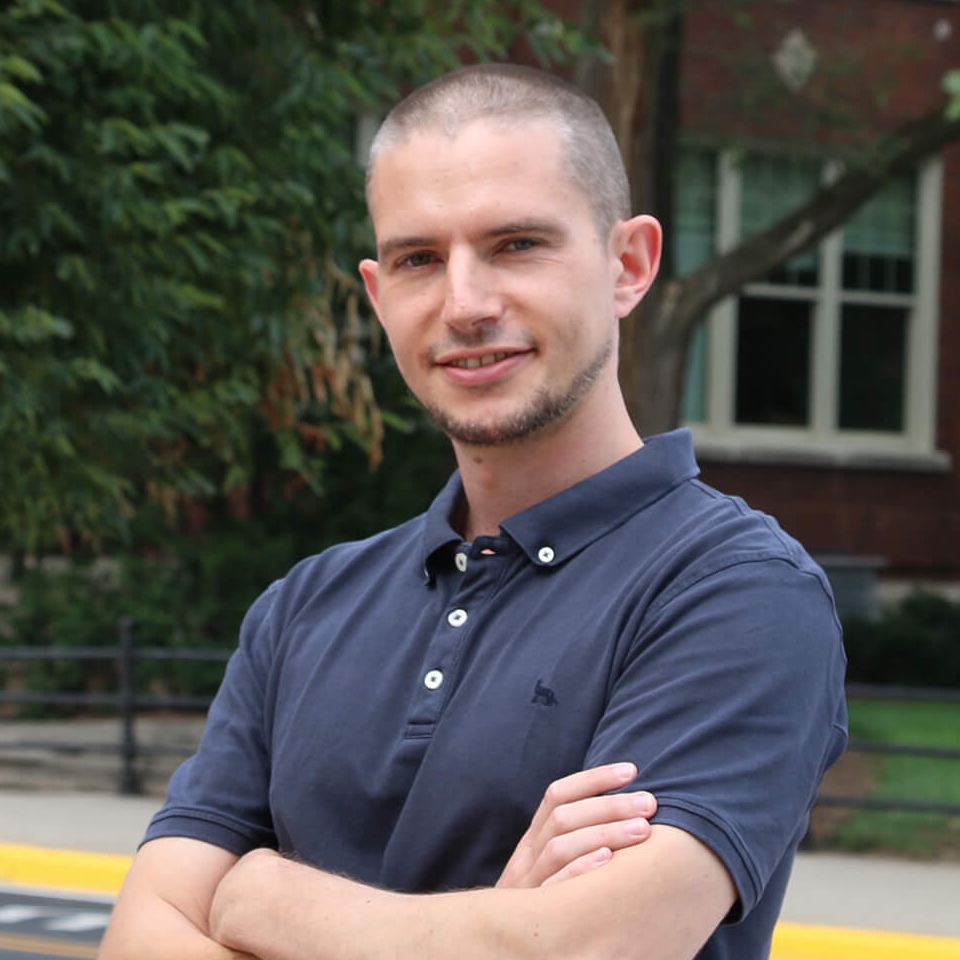
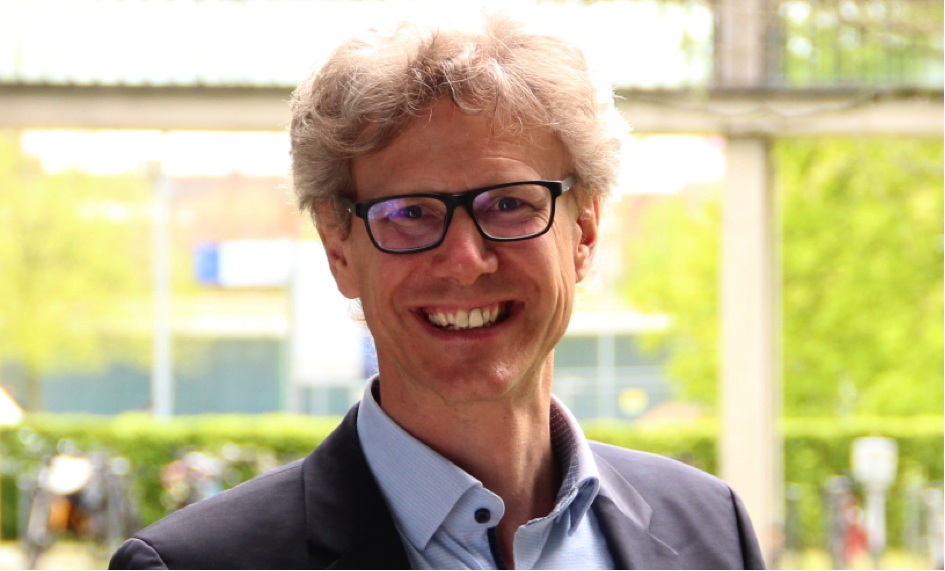
Tiark Rompf is the Kevin C. and Susanne L. Kahn New Frontiers Associate Professor at Purdue University, with a scientific focus on programming languages, compilers, and systems research. He co-directs the Purdue Center for Programming Principles and Software Systems (PurPL) and serves as a Scientific Advisor at SambaNova Systems. His research spans Reachability Types (integrating Rust-style lifetime tracking with higher-order abstractions), Rhyme (query languages for nested data), and formal verification using Coq and logical relations. Key techniques include Graph IRs , Mechanized Proofs , and E-Graphs . Scientific Awards : GPCE Test of Time Award (2020) ACM SIGPLAN PL Software Award (2019) NSF CAREER Award (2016) Google Faculty Research Award (2017, 2018) DOE Early Career Research Award (2017) He teaches graduate courses on compilers (CS 502, CS 590) and software foundations. His lab actively recruits PhD students for projects involving type systems, compiler design, and metaprogramming.
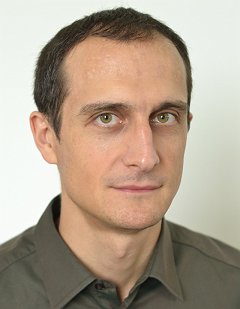
Viktor Kunčak is an Associate Professor with tenure at the École Polytechnique Fédérale de Lausanne (EPFL) in the School of Computer and Communication Sciences. He leads the Laboratory for Automated Reasoning and Analysis (LARA) and has been at EPFL since 2007 after completing his PhD at the Massachusetts Institute of Technology (MIT). His educational background includes: PhD from Massachusetts Institute of Technology (MIT), 2007 Professor Kunčak's research focuses on bridging the gap between human goals and computational realizations through program synthesis , verification , and automated reasoning . His work has significant applications in software development, formal methods, and programming languages. He is particularly known for developing practical tools like Leon and Stainless that implement theoretical advances in automated reasoning. His recent publications demonstrate a consistent focus on advancing program synthesis techniques, verification frameworks, and formal methods. The research trajectory shows progression from foundational theoretical work to practical applications and tools that can be used by developers. Many papers focus on making verification and synthesis more accessible and efficient for real-world programming tasks. His notable scientific achievements include: ACM SIGSOFT Distinguished Paper Award for work on automated testing European Research Council (ERC) Grant of 1.5M EUR (2012) Communications of the ACM Research Highlight for a PLDI paper Professor Kunčak has supervised 13 completed PhD theses and teaches courses on functional and parallel programming, compilers, and verification at EPFL. He has also co-taught a popular MOOC on Parallel Programming that reached over 100,000 learners worldwide. His research has been supported by significant funding including a 5-year ERC grant. He has served in leadership roles for major conferences including as program co-chair for FMCAD 2014 and VMCAI 2012. He leads the Laboratory for Automated Reasoning and Analysis (LARA) at EPFL, which develops tools like Stainless for program verification. The lab has established an international presence through collaborations including a European COST Action to establish standardized formats for verification and synthesis (Rich Model Toolkit).
Prof. Dr. Uwe Meyer is a faculty member at Technische Hochschule Mittelhessen (THM), where he serves as the Head of the Computer Science BSc program and Deputy Managing Director of the Institute for Programming Languages and their Application. He has held leadership roles in international conferences such as Program Chair of the 15th International Conference on Reversible Computation (RC 2023) and member of program committees for RC2024 and RC2025. Research Focus: Reversible programming, compiler construction, and automata theory. Key Contributions: Development of the RC3 compiler and reversible syntax analysis methods. Recent Publications center on deterministic automata, hybrid computing models, and language design. His work spans conferences like RC, DLT, and IFL, as well as journals including Acta Informatica and Theoretical Computer Science. Notable projects include the Janus programming language and RSSA virtual machine . Scientific Awards : Program Chair for RC2023 Program Committee Member for RC2024 and RC2025 Advising topics include compiler development, functional programming, and reversible computing projects. His teaching includes courses like Compiler Construction and Functional Programming .
Prof. Dr. Seraphine Valeska Wegner is a Full Professor at the Institute of Physiological Chemistry and Pathobiochemistry within the Medical Faculty of the University of Münster. She leads the AG Wegner research group focused on light-controlled systems, with her laboratory located at Waldeyerstraße 15, 48149 Münster. Her research integrates principles from synthetic biology, optogenetics, and tissue engineering to develop innovative approaches for controlling cellular behavior. Dr. Wegner's research centers on the spatiotemporal control of cell-material and cell-cell interactions using visible light. Her group develops photoswitchable interactions that enable non-invasive remote control over cell adhesions, allowing precise self-assembly and self-sorting of cells into multicellular functional architectures. This work bridges fundamental cell biology with practical applications in tissue engineering and synthetic biology. Her research spans from creating synthetic minimal cells that reduce complexity while capturing key cellular features to engineering light-controlled bacterial biofilms with specific properties. Her recent publications demonstrate a strong focus on optogenetic control systems, photoswitchable protein engineering, and the development of light-responsive biomaterials. The research trends show increasing sophistication in multi-color control systems (green, red, and far-red light), reversible adhesion mechanisms, and applications in both fundamental biological questions and translational biomedical contexts including cancer immunotherapy and antimicrobial strategies. ERC Consolidator Grant (2024): LIGHTHOUSE project on nonchemical cell-to-cell communication ERC Starting Grant (2018): ARTIST project on artificial cell-cell interactions Faculty Member of the Max Planck Graduate Center (MPGC) Young Leaders in Science Program, Schering Foundation Research Grant from the Daimler and Benz Foundation Professor Wegner actively mentors numerous PhD students and postdoctoral researchers, with her lab comprising multiple technical staff and a substantial alumni network. Her research group is involved in several collaborative networks including CRC 1348, where she is scheduled to present a lecture in October 2025 titled 'Bottom-up Synthetic Biology - A Building Block Kit for the Cell.' The group's work has significant implications for understanding fundamental biological processes while developing novel therapeutic and biotechnological applications.
Lia Schütze is a Researcher at the Max Planck Institute for Software Systems (MPI-SWS) in Kaiserslautern, Germany, with an office in Room 612, Building G 26. Her work falls under the institute's research domains including Algorithms, Theory & Logic, Programming Languages & Verification, Cyber-Physical Systems, and Security & Privacy. She maintains an active research profile with publications spanning theoretical foundations to applied verification systems. Her research program centers on formal verification of infinite-state computational models, with dual expertise in theoretical computer science and network performance analysis. Key contributions include: Advancing verification techniques for Vector Addition Systems with States (VASS) and reversal-bounded counter machines Developing novel approaches to unboundedness problems through amalgamation methods Establishing tighter bounds for coverability and reachability in computational models Applying network calculus to verify industrial control systems and stochastic network performance Investigating well-quasi-orderings and monotone descending chains for termination analysis Analysis of her 2017-2025 publications reveals a clear evolution from applied network calculus toward increasingly sophisticated theoretical verification frameworks. Her work consistently bridges abstract mathematical foundations with practical verification challenges, particularly in cyber-physical systems where theoretical guarantees meet real-world performance constraints. The recurring focus on improving computational bounds demonstrates her commitment to making verification techniques practically feasible. No scientific awards or fellowships are documented in the available information about Dr. Schütze's career. While specific doctoral advisees are not mentioned in the provided materials, her active publication record and institutional role at MPI-SWS suggest ongoing mentorship within research teams. Similarly, though no explicit grants are referenced, her sustained research output implies successful funding acquisition for projects in formal methods and verification. As a core researcher at MPI-SWS, Dr. Schütze contributes to one of Europe's premier computer science research environments. Her work intersects with multiple institute focus areas, particularly within the Algorithms and Theory group and Programming Languages and Verification initiatives. The collaborative structure of MPI-SWS enables her theoretical advances to directly impact practical verification tools and methodologies used across the software systems research community.
Chenren Xu is an Associate Professor in the Department of Computer Science at Peking University's School of Electronics Engineering and Computer Science. With a prolific publication record spanning from 2016 to 2025, Xu has established themselves as a leading researcher in wireless networking, mobile systems, and novel communication technologies. Their work frequently appears in top-tier conferences including SIGCOMM, MobiCom, NSDI, and SenSys, as well as leading journals such as IEEE Transactions on Mobile Computing and IEEE Journal on Selected Areas in Communications. Xu's research focuses on cutting-edge problems in wireless communications, with particular emphasis on visible light communication, backscatter networking, high-speed rail networking, and satellite-terrestrial integrated systems. Their work bridges theoretical innovation with practical implementation, often developing novel systems that address real-world networking challenges. Recent publications demonstrate growing leadership in the field, with Xu increasingly serving as first author on significant contributions. The research portfolio shows consistent evolution from foundational mobile networking concepts toward more specialized areas including acoustic sensing, visible light communication, and space-air-ground integrated networks. Xu's work demonstrates strong interdisciplinary connections between networking, systems, and hardware design, with practical applications spanning transportation systems, healthcare monitoring, and next-generation wireless infrastructure. Xu actively collaborates with researchers across institutions, maintaining particularly strong ties with Peking University colleagues including Daqing Zhang, Xuanzhe Liu, and Lingyang Song. Their research has practical implications for 5G/6G deployment, IoT systems, and future mobile networking architectures.
Wenwen Zhang is a Professor at the Department of Electronic Engineering, College of Information Science and Electronic Engineering, Zhejiang University. With an extensive publication record spanning from 2016 to 2025, Dr. Zhang has established herself as a prominent researcher in multiple interdisciplinary fields at the intersection of computer vision, machine learning, and sensor systems. Her work demonstrates significant contributions to medical imaging, sensor array systems, wireless communications, and AI-assisted applications. Dr. Zhang's research interests encompass a wide range of topics including medical image analysis, sensor array systems, wireless communications, and AI-assisted applications. Her work demonstrates particular expertise in developing innovative deep learning architectures for medical imaging tasks such as cardiac segmentation and nuclei detection, as well as creating sophisticated models for gas sensing and wireless communication systems. She has made significant contributions to the fields of one-shot object detection, medical image segmentation, and sensor fusion techniques, with her research often bridging theoretical advancements with practical applications in healthcare and engineering. Analysis of Dr. Zhang's recent publications reveals a strong focus on cutting-edge deep learning approaches applied to medical imaging and sensor systems. Her work shows increasing sophistication in model architectures, moving from traditional CNNs to more complex transformer-based and hybrid models. There's a clear trajectory toward more explainable and clinically relevant AI systems, particularly in medical applications. Her research also demonstrates growing interest in multimodal approaches, combining different types of data and sensors to improve system performance. Dr. Zhang maintains active collaborations with researchers at Zhejiang University, particularly with Yuanjin Zheng and Zhiping Lin in the field of electronic engineering and sensor systems. She also collaborates extensively with Fei-Yue Wang from the University of Chinese Academy of Sciences, evidenced by multiple publications on parallel vision frameworks. Her international collaborations include work with researchers from institutions in Canada on intelligent knee sleeves and other biomedical applications. Her publication record shows consistent productivity with 12 publications in 2025 (as of this writing), 25 in 2024, and 26 in 2023, indicating an active and growing research program across multiple high-impact journals and conferences.
Prof. Martin Schmelz is a leading academic at the Medical Faculty Mannheim of Heidelberg University, heading the Experimental Pain Research department. His work focuses on translational pain mechanisms, particularly the role of nerve fibers and inflammatory mediators in chronic pain and itch. He employs advanced techniques like microneurography and microdialysis, leveraging pig skin models for their similarity to human tissue. Schmelz is actively involved in collaborative research initiatives including the FOR 2690 'Translational Pruritus Research' and the CRC 1158 'Structure-function properties of neural pathways.' His team investigates NGF/GDNF modulation, axonal excitability, and nerve terminal dynamics across species. Recent projects include drug development (e.g., opioid conjugates) and understanding diabetic neuropathy's pathophysiology. Funding sources include the Medical Faculty Mannheim and specific grants for translational pain/itch studies. Research interests emphasize the bidirectional interactions between nervous systems and immune/tissue cells, with a focus on neurotrophins' long-term modulation and acute mediator effects. His lab develops in vitro models to study nociceptor subtypes and employs porcine DRG cultures. Notable contributions include identifying NGF-induced sensitization patterns and linking axonal abnormalities to clinical pain symptoms. He collaborates internationally on pruritus medicine and neuropathic conditions, contributing to interdisciplinary efforts through the Heidelberg Pain Consortium and the International Research Training Group GRK 1874 DIAMICOM. Lab facilities include Tridomus buildings in Mannheim with specialized equipment for single fiber recordings and cell culture systems. Current staff includes PhD students Zeinab Abbasi and Lisa Tiebl, alongside senior researchers like Dr. Richard Carr and Prof. Roman Rukwied. While no open positions are listed, the group maintains active translational research programs bridging clinical and experimental findings. Recent work highlights the failure of quantitative sensory testing in certain contexts and explores novel biomarkers for chronic pain conditions.
Prof. Moritz Diehl is a Professor at the University of Freiburg, leading the Systems Control and Optimization Laboratory within the Department of Microsystems Engineering (IMTEK) and affiliated with the Department of Mathematics. Born in Hamburg, Germany, he holds a Ph.D. from Heidelberg University (2001) and previously served as a professor at KU Leuven (2006–2013), where he directed the Optimization in Engineering Center (OPTEC). His research focuses on optimization and control, emphasizing numerical methods for engineering applications, particularly embedded systems and renewable energy. Key areas include model predictive control (MPC), nonlinear optimization, and real-time control systems. Education: He studied physics and mathematics at Heidelberg University and the University of Cambridge (1993–1999), culminating in a Ph.D. in Scientific Computing. His academic journey includes roles at KU Leuven and Freiburg, where he has developed influential tools like the AWEbox framework for airborne wind energy systems and the acados optimization library. Research Interests: His work spans numerical optimal control, MPC algorithms, and their applications in robotics, energy systems, and automotive engineering. Recent advancements include collision-free motion planning, real-time NMPC with convex-concave constraints, and stochastic control methods for mobile robots. He also explores optimization for hybrid systems, leveraging finite elements and switch detection for nonsmooth dynamics. Publications: His 2023–2025 work highlights contributions to MPC stability, energy-efficient control systems, and software tools like LCQPow for quadratic programming. His research bridges theory and practice, addressing challenges in industrial processes, renewable energy integration, and autonomous systems. Labs & Teams: He leads the Systems Control and Optimization Lab, fostering interdisciplinary projects in optimal control, robotics, and sustainable energy. His group collaborates on tools like acados, emphasizing real-time feasibility and scalability for complex systems.
Prof. Dr. rer. nat. Dominik Schultes is an academic faculty member at the Technische Hochschule Mittelhessen (THM) with a focus on Computer Science , particularly in Mobile Application Development and Software Transpilation . His contact details include email Dominik.Schultes@iem.thm.de and office location B1.3.06 . Research Areas SequalsK : A Bidirectional Swift-Kotlin Transpiler Mobile Learning : Development of educational apps Teaching Activities Prof. Schultes teaches multiple computer science courses across semesters, including: Software Development (MIB8, MIB4) Theoretical Computer Science and Algorithmics (MIB15) Mobile Applications (MIB19, MIB29, MIM2) Web Programming (MIB7) Team Project (MIM5) StudiumPlus programs focusing on Algorithms, Data Structures, and Mobile Technologies
Prof. Dr. Wolfgang Enard is a faculty member at Ludwig Maximilian University of Munich, leading research in Primate Genomics , Evolutionary Biology , and Computational Biology . His work bridges evolutionary genomics with experimental molecular mechanisms to understand human-specific traits, particularly focusing on speech evolution and brain size development. Studying FOXP2 transcription factor in human speech evolution using mouse models Investigating genetic basis of brain size evolution through cross-species genomic comparisons Generating and analyzing induced pluripotent stem cells (iPSCs) from primates for evolutionary studies His laboratory employs RNA-Seq , ChIP-Seq , and proteomics to explore regulatory networks, with recent publications emphasizing cross-species comparisons, epigenetic evolution, and stem cell engineering. While no explicit awards are listed, his work has been cited in numerous high-impact publications across genomics, neurobiology, and disease modeling. Key trends in his research include comparative epigenomics of neural development, iPSC-based evolutionary studies , and multiomic approaches to disease mechanisms . His lab maintains active collaborations and generates specialized stem cell lines for cross-primate investigations.
Arne Weiberg is a Principle Investigator and Research Group Leader at the Department for Genetics, Biocenter, Ludwig-Maximilians University Munich (LMU), Germany. His work focuses on cross-kingdom RNA interference (RNAi) in plant-pathogen interactions, particularly small RNA effectors from the fungal pathogen Botrytis cinerea and oomycete Hyaloperonospora arabidopsidis . Affiliation: LMU Munich, Germany Research Interests: Pathogen small RNAs, RNAi mechanisms, extracellular vesicles, plant immunity suppression His research employs genomics, transcriptomics, bioinformatics, molecular genetics, and biochemical approaches to uncover the molecular basis of cross-kingdom RNAi, including the role of extracellular vesicles (EVs) in RNA transport and the molecular diversity of small RNA effectors. He investigates how pathogens like Botrytis cinerea (gray mold) and Hyaloperonospora arabidopsidis (downy mildew) exploit host pathways for virulence. Recent work explores EV-mediated RNA delivery and comparative genomics of wild Botrytis isolates to identify selective pressures on small RNA sequences. His lab has established protocols to study EV RNA cargoes in plant-microbe interactions. Research is supported by grants including SFB924, RU5116, and the Cost Action CA20110 (exRNA-PATH). Key publications include foundational studies on cross-kingdom RNAi (Science 2013), reviews on small RNA virulence strategies (Annual Review of Phytopathology 2014), and mechanistic analyses of pathogen EVs (Current Opinion in Plant Biology 2022). Collaborative projects with institutions like University of California, Riverside, and Julius-Maximilians University Würzburg highlight his interdisciplinary approach.
Dr. George Miller Jr is the John F. Enders Professor of Pediatrics (Infectious Diseases) and Professor of Epidemiology (Microbial Diseases) and Molecular Biophysics and Biochemistry at Yale School of Medicine. He maintains primary appointment in the Department of Pediatric Infectious Diseases with secondary appointments in Epidemiology of Microbial Diseases and Molecular Biophysics and Biochemistry. His institutional affiliations include Yale Cancer Center, Yale School of Public Health, Yale Combined Program in Biological and Biomedical Sciences, and the Pediatric Infectious Diseases Consultation Program. Dr. Miller earned his AB from Harvard College (1958) and MD from Harvard Medical School (1962), followed by clinical training at University Hospital, Cleveland, CDC, and Children's Hospital Boston. His 45+ year career at Yale has established him as a leading expert in viral pathogenesis, particularly regarding oncogenic herpesviruses. His research focuses on the molecular mechanisms underlying the switch between latency and lytic replication of Epstein-Barr virus (EBV) and Kaposi's sarcoma-associated herpesvirus (KSHV). His laboratory discovered that ZEBRA and Rta proteins in EBV, and ORF50 in KSHV, serve as master regulators of viral reactivation. Current work explores how viral and cellular transcription factors binding to methylated DNA control viral and cellular gene expression, and how cellular proteins regulate viral DNA replication. Recent studies investigate novel antiviral agents that inhibit EBV reactivation from latency. Dr. Miller's publication record demonstrates consistent contributions to understanding herpesvirus biology, with research spanning molecular virology, viral oncogenesis, and immune responses to viral infection. His work has elucidated fundamental mechanisms of viral gene regulation, cellular tropism, and viral protein function across multiple herpesvirus-related diseases. Active researcher with publications spanning five decades Primary investigator for NIH-funded research on viral pathogenesis Mentor to numerous trainees in virology and infectious diseases Collaborator with immunologists, oncologists, and molecular biologists As both a clinician and scientist, Dr. Miller treats pediatric patients at Yale New Haven Children's Hospital while leading a productive research program. His dual expertise enables translation of basic virology discoveries into clinical insights for managing viral diseases and virus-associated malignancies, particularly in immunocompromised children.
Muhammad Naeem is a Postdoctoral Researcher at the Institute of Community Medicine, University Medicine Greifswald, specializing in epidemiological investigations of metabolic diseases. His primary affiliation is with Till Itterman's Lab within the Study of Health in Pomerania (SHIP) consortium, with additional affiliations at the Max Planck Institute for Demographic Research and DGepi (German Society for Epidemiology). Previously associated with the Department of Zoology at University of Malakand, Pakistan, his research bridges population health and clinical medicine. Dr. Naeem's research focuses on the epidemiology of metabolic disorders, with particular emphasis on body composition analysis , hepatic/splenic volume assessment , and their relationships with diabetes, cardiovascular risks, and mortality. His work uniquely compares measurement modalities (anthropometry, bioelectrical impedance, MRI) to determine optimal biomarkers for disease prediction. Current investigations examine sex-specific lipid mediator effects, organ volume-fitness relationships, and longitudinal inflammatory dynamics. His publication record shows significant productivity with 12 peer-reviewed articles (2016-2025), including 8 in the last three years. Analysis of his recent work reveals a strong trend toward multimodal assessment of body composition and organ volumes as predictors of metabolic disease, with increasing methodological sophistication in longitudinal and sex-stratified analyses. Research consistently leverages the SHIP cohort's rich dataset combining clinical, imaging, and biochemical parameters. Member of DGepi (German Society for Epidemiology) Affiliated with Max Planck Institute for Demographic Research Active contributor to SHIP study consortium Dr. Naeem's research program demonstrates robust institutional support through access to the SHIP cohort infrastructure, including advanced imaging facilities and population databases. His collaborative network spans multiple German research institutions and international partners, facilitating comprehensive investigations into metabolic disease pathways. The lab environment emphasizes rigorous epidemiological methods and translational applications of population findings to clinical practice.
Danel Ahman is an Associate Professor of Programming Languages at the Institute of Computer Science, University of Tartu, Estonia. He is a member of the Chair of Programming Languages and the Laboratory for Software Science (SWS). His academic journey includes postdoctoral positions at the University of Ljubljana and Inria Paris, as well as research internships at Microsoft Research. Education: PhD in Theoretical Computer Science, University of Edinburgh (2012-2017), thesis: "Fibred Computational Effects" MPhil in Advanced Computer Science, University of Cambridge (2011-2012), thesis: "Computational effects, algebraic theories and normalization by evaluation" BSc in Informatics, Tallinn University of Technology (2007-2010), Cum Laude Danel Ahman's research focuses on programming languages, their design and semantics. He is particularly interested in dependent and refinement types, computational effects (especially algebraic effects, effect handlers, and runners), modal types for verifying temporal resource usage, and category-theoretic denotational and operational semantics. His work bridges theoretical foundations with practical applications in verified software development, exploring how programming language features can ensure correctness while maintaining expressiveness and efficiency. His recent publications demonstrate a consistent focus on computational effects, modal types, and verified programming. The trajectory shows increasing sophistication in handling temporal resources and asynchronous effects, with several papers published in top programming languages conferences (POPL, ICFP) and journals. His work often combines theoretical category-theoretic foundations with practical implementations, particularly using the F* verification language. Scientific Awards: 2025: Estonian Research Council grant on "Explainable Verification" (co-investigator) 2024: EuroProofNet COST Action Short-Term Scientific Missions to University of Ljubljana 2019: Horizon 2020 Marie Skłodowska-Curie Individual Fellowship 2018: 1st prize at the Estonian Ministry of Education and Research dissertations competition 2012: Google prize and Citrix prize for best research dissertation at University of Cambridge Ahman actively supervises graduate students and has served on numerous program committees for programming languages conferences. His grant portfolio includes significant funding for research on programming language foundations and verification. He collaborates extensively with researchers across Europe and the US, particularly in the F* verification ecosystem and effect handler communities. He is a key member of the Laboratory for Software Science at the University of Tartu, contributing to research on programming language theory and verified software development. His work intersects with several research groups focusing on formal methods, programming language design, and software verification.