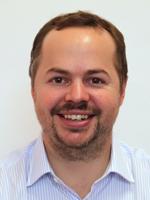
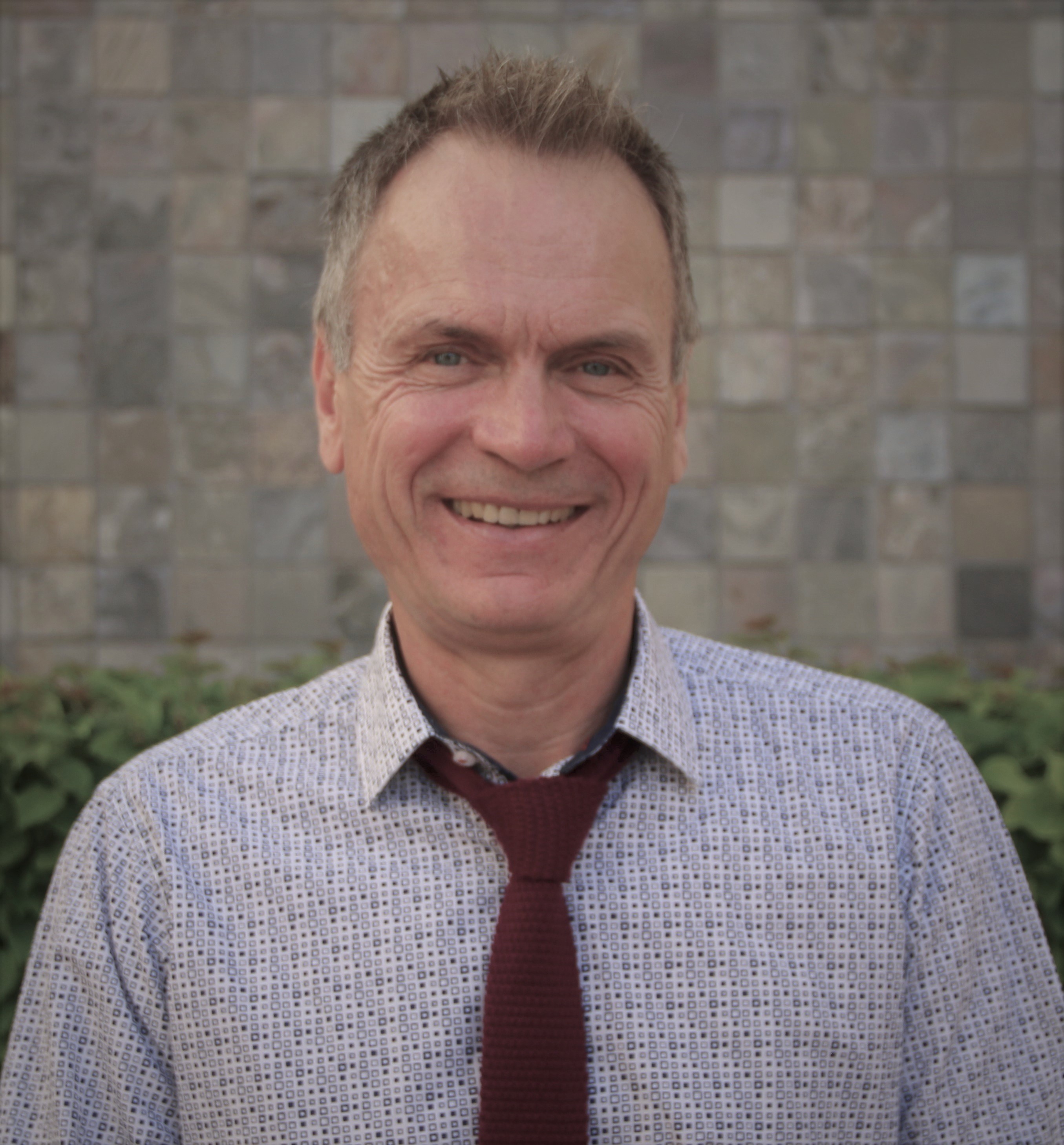
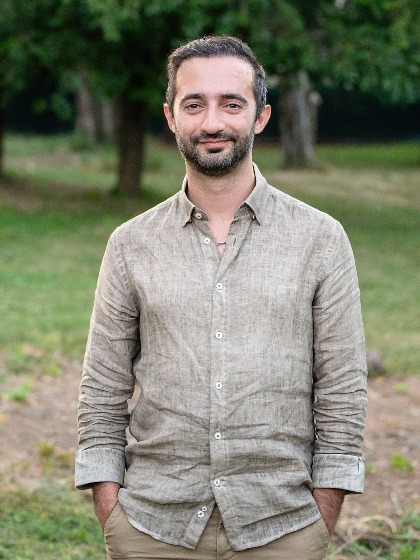
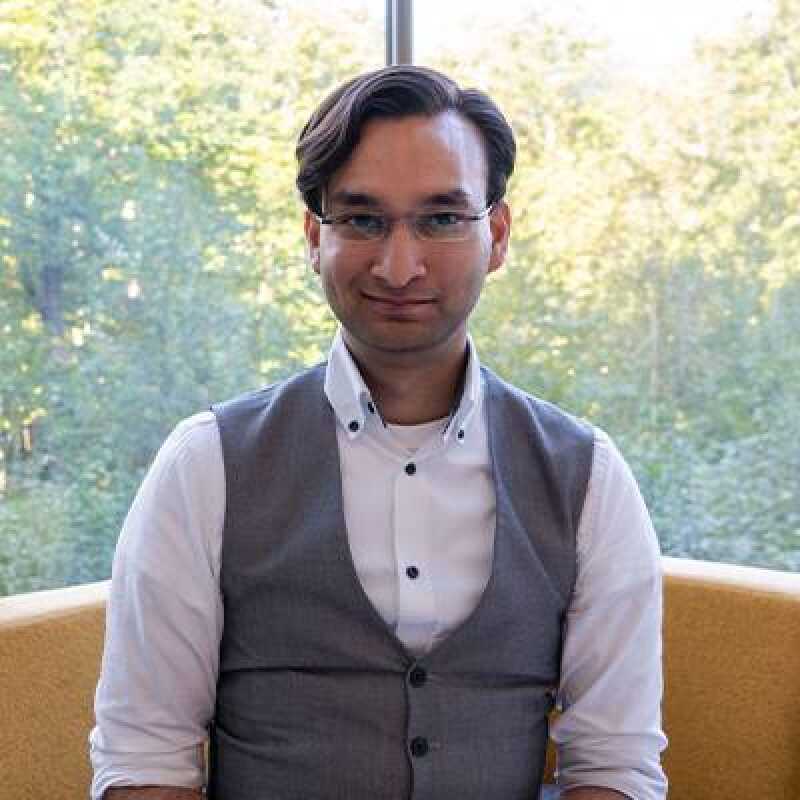
Dr. Shanshan Lan is a researcher affiliated with the University of Amsterdam’s Faculty of Social and Behavioural Sciences, where she contributes to the Moving Matters programme group. Her work focuses on urban anthropology, migration patterns, and racial formations across Asia and Euro-America. She examines transnational student mobility, global cities, African diasporas in China, and Chinese diasporas in the U.S., with a particular emphasis on class dynamics and social change. Her research employs ethnographic methods, including walking ethnography in urban environments, to explore how race and migration intersect with globalization. Notable projects include studies on African communities in Guangzhou, the role of the Catholic Church in African diasporas, and the experiences of Western entrepreneurs during the pandemic. Key Interests: Transnational migration, racial knowledge circulation, pandemic sociology, and global urban studies. Recent Focus: Whiteness studies in China, precarious migrant identities, and the impact of globalization on education and labor markets. Lan has received recognition for her work, including the Honorary Mention of the 2006 SUNTA Graduate Student Prize. Her publications span academic journals and edited volumes, addressing topics from racial inclusion policies to transnational business networks.
Dr James Herbert-Read is an Associate Professor and Whitten Lecturer in Marine Biology at the Department of Zoology, University of Cambridge. He serves as Deputy Head of Department (Postgraduate Education) and leads the Marine Behavioural Ecology Group. His research focuses on understanding how animals, particularly marine organisms, collect and process information from their environments to make behavioral decisions, with emphasis on social interactions, adaptation mechanisms, and ecological constraints. His group employs theoretical frameworks, controlled experiments, and quantitative field studies to investigate behavioral diversity in marine species. Key themes include collective behavior, predator-prey dynamics, camouflage strategies, and the impacts of environmental stressors on animal decision-making. Recent publications highlight work on lionfish vocalization mechanisms, cuttlefish camouflage, citizen science applications in marine research, and behavioral responses to visual and acoustic noise. Scientific awards and affiliations include: Whitten Lecturer in Marine Biology Associate Professor, University of Cambridge He has supervised research projects on topics such as: Social attraction in invasive fish species Evolution of coordinated movement Neurophysiological basis for leadership in shoals Maternal effects on offspring exploration
Brett Laursen is a Professor of Psychology at Florida Atlantic University's Charles E. Schmidt College of Science, with additional Docent Professor appointments in Educational Psychology at the University of Helsinki and in Social Developmental Psychology at the University of Jyväskylä in Finland. His research focuses on developmental psychology, particularly adolescent development, peer relationships, and social dynamics. Dr. Laursen earned his Ph.D. and M.A. in Child Psychology from the Institute of Child Development at the University of Minnesota and his B.A. in Psychology from Nebraska Wesleyan University. He also holds an Honorary Ph.D. from Örebro University in Sweden. His research program examines influence within close relationships, with particular focus on peer relationships during childhood and adolescence. Current projects include longitudinal studies of elementary and middle school children in Florida, Lithuanian youth transitioning from middle to secondary school, and child characteristics affecting parent engagement in literacy activities. His work consistently explores how social dynamics shape development, with special attention to friendship formation, dissolution, and influence processes. Analysis of his recent publications reveals a strong focus on peer relationships, social status, and developmental transitions. His research employs sophisticated longitudinal and genetically informed designs to examine how social contexts shape development across childhood and adolescence, with particular emphasis on the mechanisms through which peer influence operates. Fellow, American Psychological Association (Division 7, Developmental; Division 8, Social) Fellow and Charter Member, Association for Psychological Science Fellow, International Society for the Study of Behavioural Development Distinguished Alumnus, College of Education and Human Development, University of Minnesota Florida Atlantic University Scholar of the Year (2023-24 and 2016-17) Dr. Laursen has mentored numerous doctoral and master's students who have gone on to successful careers in academia and research. His research has been supported by major funding sources including the US National Institute of Child Health and Human Development, the US National Institute of Mental Health, the US National Science Foundation, Trygfonden, the Jacobs Foundation, and the European Social Fund. As Editor-in-Chief of Merrill Palmer Quarterly and Founding Editor of Cambridge Elements in Research Methods for Developmental Science, he plays a significant role in shaping the field's scholarly discourse. The Laursen Lab operates as a collaborative research team involving current students, alumni, and international collaborators including Professors Goda Kaniušonytė and Rita Žukauskienė of Mykolas Romeris University in Lithuania. The lab regularly presents research at major conferences including the Society for Research on Child Development.
Laia Becares is a Professor of Social Science and Health at King's College London, part of the School of Global Affairs and the Department of Global Health & Social Medicine. She previously held roles at the University of Sussex (2018-2022) and the University of Manchester (2010-2018), where she maintains an Honorary position. She serves as an Editor of Sociology of Health and Illness and on the Academic Reference Group of the NHS Race and Health Observatory. Her work is funded by organizations such as the Nuffield Foundation and the Health Foundation. Laia holds a PhD in Social Epidemiology from University College London (UCL) and a Master's in Public Health from Boston University School of Public Health. Her research employs an interdisciplinary approach, collaborating with sociologists, psychiatrists, geographers, and demographers to understand how discrimination and marginalization perpetuate social and health inequities. Key areas include racism, homophobia/heterosexism, LGBTQ+ inequalities, and the impact of systemic oppression across life stages. She co-developed the Queerantine Study on pandemic impacts on LGBTQ+ communities and leads the ESRC Centre for Society and Mental Health, fostering student mentorship in health inequality topics. Her scientific awards include ESRC/MRC Postdoctoral Research Fellowship (2010-2012), Hallsworth Research Fellowship (2012-2016), and ESRC Future Research Leader Fellowship (2012-2015). Recent work focuses on ethnic healthcare disparities in multimorbidity and longitudinal studies of racism's effects on health outcomes. Ongoing projects include LGBTQ+ policymaking networks and the GHSM Anti Racism Steering Group, addressing structural inequities in academia and healthcare. Laia’s grants include Nuffield Foundation funding for ethnic inequalities in later life and Health Foundation support for healthcare equity studies. She advocates for integrating lived experiences into research design, particularly through the Evidence for Equality National Survey (EVENS). Her lab affiliations include Queer@King’s and the ESRC Centre for Society and Mental Health, emphasizing collaborative, community-driven approaches.
Marcel Lubbers is a Professor of Interdisciplinary Social Science: Relations between groups and cultures at Utrecht University's Faculty of Social and Behavioural Sciences. He leads the European Research Centre on Migration and Ethnic Relations (ERCOMER) and serves as a board member of the Interuniversity Center for Social Science Theory and Methodology (ICS). As associate editor of the European Sociological Review (ESR), he significantly influences academic discourse in migration and political sociology. His work represents Utrecht University in the focus area Migration and Societal Change, connecting research with broader societal implications. Professor Lubbers' research program centers on migration's societal impacts, particularly examining how immigration influences nationalism, Euroscepticism, and voting behavior. His work adopts both macro-level perspectives on societal cohesion and micro-level analyses of immigrant integration processes. Recent publications reveal his focus on political extremism, interethnic relations, and the psychological mechanisms behind public attitudes toward migration. His methodology combines large-scale survey analysis, comparative European studies, and longitudinal approaches to track attitude changes over time. Lubbers' scholarly output shows consistent engagement with contemporary political challenges, including analyses of radical right voting patterns, the workplace as a setting for interethnic contact, and the impact of national nostalgia on political attitudes. His research demonstrates methodological sophistication through meta-analyses, mixed-methods approaches, and innovative survey designs like the Dutch Parliamentary Election Study and Dutch Ethnic Minority Election Study. Through web publications on platforms like Stukroodvlees.nl and contributions to the Migration Advisory Council, Lubbers actively bridges academic research and public policy debates. His work provides evidence-based insights on migration policy, electoral behavior, and societal integration that inform both scholarly and policy discussions in the Netherlands and beyond.
Dr. Vincent Homburg is an Associate Professor in Public Administration at Erasmus University Rotterdam and holds the ERA Chair in 'e-Governance and Digital Public Services' at the University of Tartu, Estonia. He holds a Master’s degree from Twente University and a PhD from Groningen University. His research focuses on e-government, public management theory, and information systems. He has co-authored/co-edited influential books such as Understanding E-Government and The Information Ecology of E-Government . He has supervised multiple PhD students and received the 2010 Best PhD Supervisor Award from NIG. His research interests include e-government in the Netherlands and globally, digital public services, and the role of social media in citizen-government interactions. He has published over 112 peer-reviewed articles and actively contributes to academic journals as an editor and reviewer. His recent work explores institutional trust in digital governance, cross-border digital services in the EU, and social media adoption in China and Canada. Education: PhD in Organisation Studies/Information Systems (Groningen University) Master’s in Public Administration (Twente University) Awards: Best PhD Supervisor Award (2010) His research bridges theoretical and practical aspects of governance, emphasizing institutional dynamics and technology’s role in public administration. He collaborates internationally, contributing to policy discussions on digital transformation and citizen engagement.
Dr. Georgie Agar is a Lecturer at the School of Life & Health Sciences, Aston University , affiliated with the College of Health and Life Sciences and the Applied Health Research Group . Her research focuses on sleep disorders, self-injurious behavior, and caregiver impact in individuals with intellectual disabilities and rare genetic syndromes like Smith-Magenis and Angelman syndromes. Research Interests : Dr. Agar specializes in developing inclusive clinical assessment tools for sleep, pain, and behavior in neurodevelopmental populations. She employs mixed-methods, meta-analytic approaches, and longitudinal studies to explore sleep trajectories, behavioral conditioning models, and caregiver experiences. Publications : Her work spans sleep management in Smith-Magenis syndrome, overactivity metrics in genetic conditions, and systematic reviews on self-restraint in autism. Key journals include Molecular Autism , Orphanet Journal of Rare Diseases , and Research in Developmental Disabilities . Labs & Collaborations : She collaborates with the Aston Institute of Health & Neurodevelopment , focusing on neurodevelopmental research and cross-institutional partnerships in sleep and behavioral science.
Professor Heejung Chung is Professor of Work and Employment at King’s College London and Director of the King's Global Institute for Women's Leadership. She is based in the HRM & Employment Relations department within King’s Business School. Her research focuses on flexible working, gender and racial inequalities, work-life balance, and comparative labour market policies. Institution: King’s College London School: King’s Business School Department: HRM & Employment Relations Role: Professor and Director Her research interests include human resource management, gender inequalities at work, remote and hybrid working, work-family conflict, division of domestic labour, and advanced quantitative and qualitative methods. She employs large-scale longitudinal datasets and digital diaries to examine how flexible working affects marginalized groups and shapes social policy. The most recent articles reflect a strong trend toward investigating the social implications of remote and hybrid work, particularly focusing on gender and racial equity, flexibility stigma, and policy impacts. Her work increasingly emphasizes intersectionality, national policy contexts, and organizational change. Short-listed for the Rosabeth Moss Kanter Awards for Excellence in Work-Family Research Long-listed for the Cambridge University Press Excellence in Social Policy Research Named in Onalytica’s Top Voices in Future of Work 2023 Named in HR Magazine's 'Most Influential' list Professor Chung has secured over £10 million in research funding as PI or Co-I from ESRC, ERC, Nuffield, NORFACE, and others. She actively supervises PhD students and contributes to editorial boards of journals such as Gender & Society and Work, Employment & Society. She is a member of the executive boards of the European Social Policy Analysis Network and the Work and Family Researchers Network. She leads the King's Global Institute for Women's Leadership, where she promotes research and policy initiatives on gender equality, including the Gender Equality Index UK. Her work has directly influenced the European Commission’s Work-Life Balance Directive and ongoing discussions about the 'Right to Disconnect'.
Dr Jonathan Green is a seabird biologist and currently serves as Programme Director for the BSc Environmental Science at the University of Liverpool. He has held roles such as Head of Discipline in Ecology & Marine Biology and Deputy Assessment Officer within the School/Institute. His professional activities include chairing conferences, convening sessions, and serving on editorial boards for journals like Emu - Austral Ornithology (since 2008) and Endangered Species Research (2009–2013). Education: Zoology, University of Cambridge (1995) PhD in Zoology, University of Birmingham (2001) Postdoctoral Research, University of Birmingham Fellowship at La Trobe University, Australia (2005–2008) Research Interests: Jonathan Green's research explores the intersection of ecology, physiology, and behavior in seabirds. He investigates how seabirds adapt to contrasting marine and terrestrial environments, particularly regarding foraging strategies, energy expenditure, and moult ecology. His work addresses anthropogenic threats such as overfishing, climate change, and offshore wind farm developments. He also leads conservation projects in the Caribbean UK Overseas Territories, collaborating with local organizations and government bodies to protect seabird populations. Advising and Grants: Jonathan Green supervises PhD student Elayna Daniels through the CASE studentship grant. His research is supported by grants from NERC, Defra's Darwin+ programme, and UKRI, focusing on topics like marine bird energetics, wind farm impacts, and Caribbean conservation. These projects often involve collaboration with government agencies and industry partners to ensure applied outcomes. Labs/Teams: Jonathan Green collaborates with interdisciplinary teams and institutions, including the Joint Nature Conservation Committee (JNCC), RSPB, BTO, and renewable energy developers. His fieldwork is conducted at sites such as Puffin Island, North Wales, and various locations in the Caribbean UK Overseas Territories.
Dr. Yasin Koc is an Assistant Professor of Social Psychology at the University of Groningen, affiliated with the Department of Psychology within the Faculty of Behavioural and Social Sciences. His research focuses on identity dynamics, intergroup relations, and the psychological experiences of disadvantaged groups. He holds a PhD from the University of Sussex and dual BA degrees in Psychology and Comparative Literature from Istanbul Bilgi University. Education: 2014–2018: PhD in Social Psychology, University of Sussex 2006–2011: BA in Psychology (High Honours), Istanbul Bilgi University 2006–2010: BA in Comparative Literature (High Honours), Istanbul Bilgi University Research Interests: Dr. Koc investigates how disadvantaged groups navigate identity conflicts within privileged systems, majority perceptions of marginalized groups, and new masculinities. His five core research lines include multiple conflicting identities, experiences of disadvantaged groups, majority perceptions, responses to privilege, and evolving masculinities. He employs mixed-methods approaches, combining experimental and qualitative studies. Key Achievements: Recipient of the APS Rising Star Award (2022) Principal Investigator of the Koc Social Identities Lab Editorial board member for British Journal of Social Psychology and Journal of LGBTQ Issues in Counseling Awards & Grants: APS Rising Star Award (2022) Netherlands Research Council (NWO) grants for intergroup psychology projects Lab & Collaboration: He leads the Koc Social Identities Lab , exploring identity integration, prejudice, and systemic inequality. Collaborations include global projects like the PsyCorona consortium analyzing pandemic-related behavioral responses.
Ralf Bierig joined Maynooth University's Computer Science Department in 2017, teaching topics including information retrieval, software testing, interaction design, and virtual reality. He is the programme director of the Higher Diploma in Human-Computer Interaction (HCI) and User Experience (UX). He earned his BSc (2002) from University of Furtwangen and PhD (2008) from Robert Gordon University. Research Interests His work spans information retrieval, interactive information retrieval, personalisation, information search behavior, usability (UX), and virtual reality (VR). Recent publications focus on multimodal concept indexing, hybrid IR approaches, and contextual adaptation in search systems. Publication Trends His research combines statistical semantics, graph modeling, and multimodal data analysis across academic collaborations in Austria, Germany, and international venues like ECIR and SIGIR.
Dr. Yanqing Hu is an Associate Professor at the Department of Statistics and Data Science, School of Science, Southern University of Science and Technology (SUSTech). With a Ph.D. in Systems Theory from Beijing Normal University (2011) and postdoctoral experience at the Levich Institute, City University of New York (2011-2013), his work focuses on big data analysis of complex systems, particularly in social media dynamics, network resilience, and graph neural network applications. Ph.D.: Beijing Normal University (Systems Theory, 2011) Postdoctoral: Levich Institute, CUNY (2011-2013) Research spans complex network analysis, information spreading mechanisms, and predictability of network structures. His work combines theoretical frameworks with real-world applications in social networks, infrastructure systems, and brain connectivity. Recent publications explore information percolation in social media, resilience quantification in interdependent networks, and intrinsic structure predictability. These studies appear in high-impact journals like Nature Human Behaviour (IF: 24.3), Nature Communications (IF: 17.7), and PNAS (IF: 10). World AI Conference Youth Outstanding Paper Nomination Beijing Outstanding Doctoral Dissertation Award Guangdong Special Support for Young Talents Guangdong Outstanding Youth Fund Collaborations include leading researchers from Boston University, King's College London, and Shenzhen-Hong Kong Institute of Microelectronics. His work informs network defense strategies and efficient navigation mechanisms in complex systems.
Dr. David Goretzko is an Assistant Professor in the Department of Methodology and Statistics at Utrecht University's Faculty of Social and Behavioural Sciences. He leads the Measurement and Machine Learning Lab and specializes in the integration of data science techniques with psychometric theory. His academic journey includes: Ph.D. in Psychological Methods from LMU Munich (2020) M.Sc. in Statistics from LMU Munich (2018) M.Sc. in Psychology from LMU Munich (2016) B.Sc. in Physics from LMU Munich (2015) B.Sc. in Psychology from LMU Munich (2014) Dr. Goretzko's research primarily focuses on the intersection of machine learning and psychometrics. His work addresses critical challenges in factor analysis, measurement invariance, and model fit assessment. He develops innovative methods that combine traditional psychometric approaches with modern data science techniques, particularly in the areas of exploratory factor analysis trees, regularized factor analysis, and cost-sensitive machine learning applications in psychological assessment. His research has significant implications for improving the validity and reliability of psychological measurements across diverse populations. His recent publications reveal a strong trend toward integrating machine learning methodologies with traditional psychometric approaches. A significant portion of his work focuses on factor analysis techniques, particularly addressing the challenge of determining the appropriate number of factors. His research also extensively covers measurement invariance testing across multiple covariates using tree-based approaches, and he has made notable contributions to evaluating model fit in confirmatory factor analysis. The interdisciplinary nature of his work spans psychology, statistics, and computer science. Dr. Goretzko serves as an Associate Editor for the European Journal of Psychological Assessment and is an active reviewer for numerous prestigious journals including Psychological Methods, Behavior Research Methods, and Structural Equation Modeling. He also reviews grant proposals for major funding agencies such as the German Research Foundation (DFG), National Science Foundation (NSF), and Dutch Research Council (NWO). He currently holds a Project Grant from the German Research Foundation (DFG GO 3499/1-1) since 2021. His research program focuses on developing and validating new methodologies for psychological assessment that incorporate machine learning techniques while maintaining psychometric rigor. His work has practical applications in educational measurement, clinical psychology, and organizational assessment. Dr. Goretzko leads the Measurement and Machine Learning Lab at Utrecht University, which focuses on developing innovative methodologies that bridge the gap between traditional psychometrics and modern data science. The lab's research has particular relevance for improving measurement practices in cross-cultural research, educational assessment, and clinical psychology settings where measurement invariance and factor structure validation are critical concerns.
Dr. Ralf Steinhauser serves as a Senior Research Fellow at the Australian National University's POLIS: The Centre for Social Policy Research and as a Fellow at the Tax and Transfer Policy Institute. His research leverages advanced data analysis and experimental design to inform economic policy across carbon emissions forecasting, consumer behaviour, corporate governance, and taxation domains. He holds a Ph.D. and M.S. from the University of California, Berkeley, and an M.A. and B.A. from Humboldt University Berlin. Steinhauser's research spans Behavioural Economics, Fiscal Policy, Applied Econometrics, Experimental Economics, Environmental and Resource Economics, and Corporate Social Responsibility. His work consistently addresses policy-relevant questions through rigorous econometric analysis of large datasets and experimental methodologies, with particular emphasis on environmental and public finance applications. Analysis of his 2023-2025 publications reveals concentrated focus on green economy collaborations, behavioral public economics frameworks, and testing foundational economic hypotheses. His research demonstrates evolving integration of environmental sustainability with behavioral insights while maintaining methodological rigor in policy evaluation. Dr. Steinhauser actively contributes to collaborative research projects: Cost of road crashes in Australia (2021-2022) The use of nudges as a local government environmental policy instrument (2023-2025) Research services to investigate barriers to and boosters of the total fertility rate (2021) Impact of ACT Government tax reform (2019-2020) Estimation of elasticities for revenue bases (2018-2019) He maintains active affiliations with POLIS and the Tax and Transfer Policy Institute, where he participates in interdisciplinary teams addressing contemporary social policy challenges through evidence-based research approaches.
Dr. Sideeq Mohammed is a Senior Lecturer in HRM - Organisational Behaviour and Associate Dean of Education at the University of Kent's Kent Business School. He joined in 2017 after completing his PhD in Business and Management at the University of Manchester. His research focuses on Critical Management Studies, examining the moral and ecological sustainability of business practices through Deleuze and Guattari's philosophy. He explores themes like sustainability discourse, ethnography, and capitalist critique. Dr. Mohammed's doctoral work analyzed a shopping centre ethnography, rethinking empirical-theoretical boundaries. His monograph Stories and Organization in the Anthropocene critiques sustainability narratives within capitalism. Pedagogically, he challenges students to critically assess management's societal impact. Education: PhD in Business and Management (University of Manchester) Teaching Modules: Introduction to Management, Critical Perspectives on Business Ethics, Business Management Project His recent publications include works on necrocapitalism, melancholic pedagogy, and storytelling in the Anthropocene. He actively supervises doctoral projects in critical management studies involving poststructural theory and sustainability. As Associate Dean, he oversees undergraduate education quality, ensuring program excellence. His work bridges critical theory with practical business education, emphasizing ethical and sustainable organizational practices.