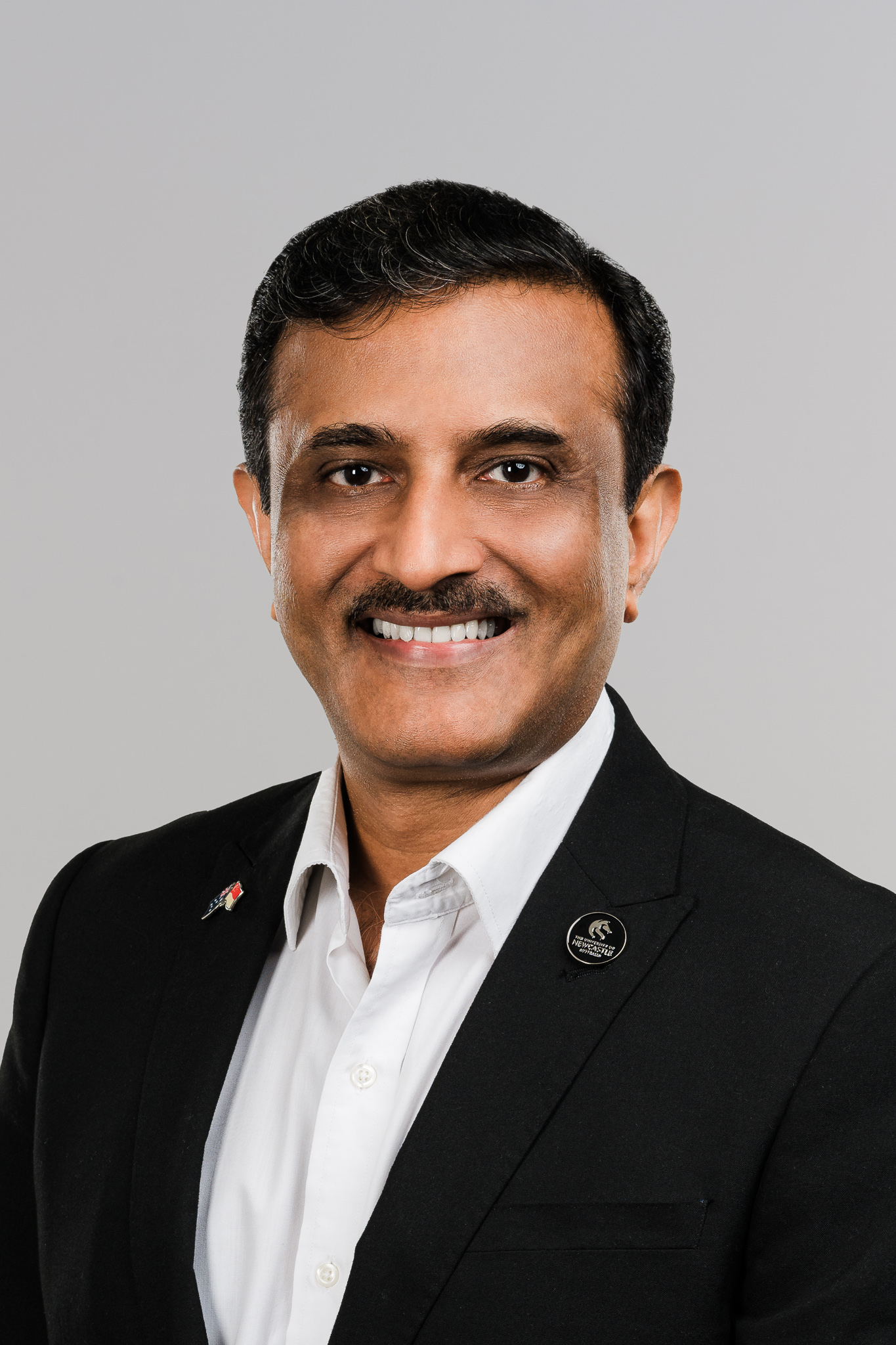
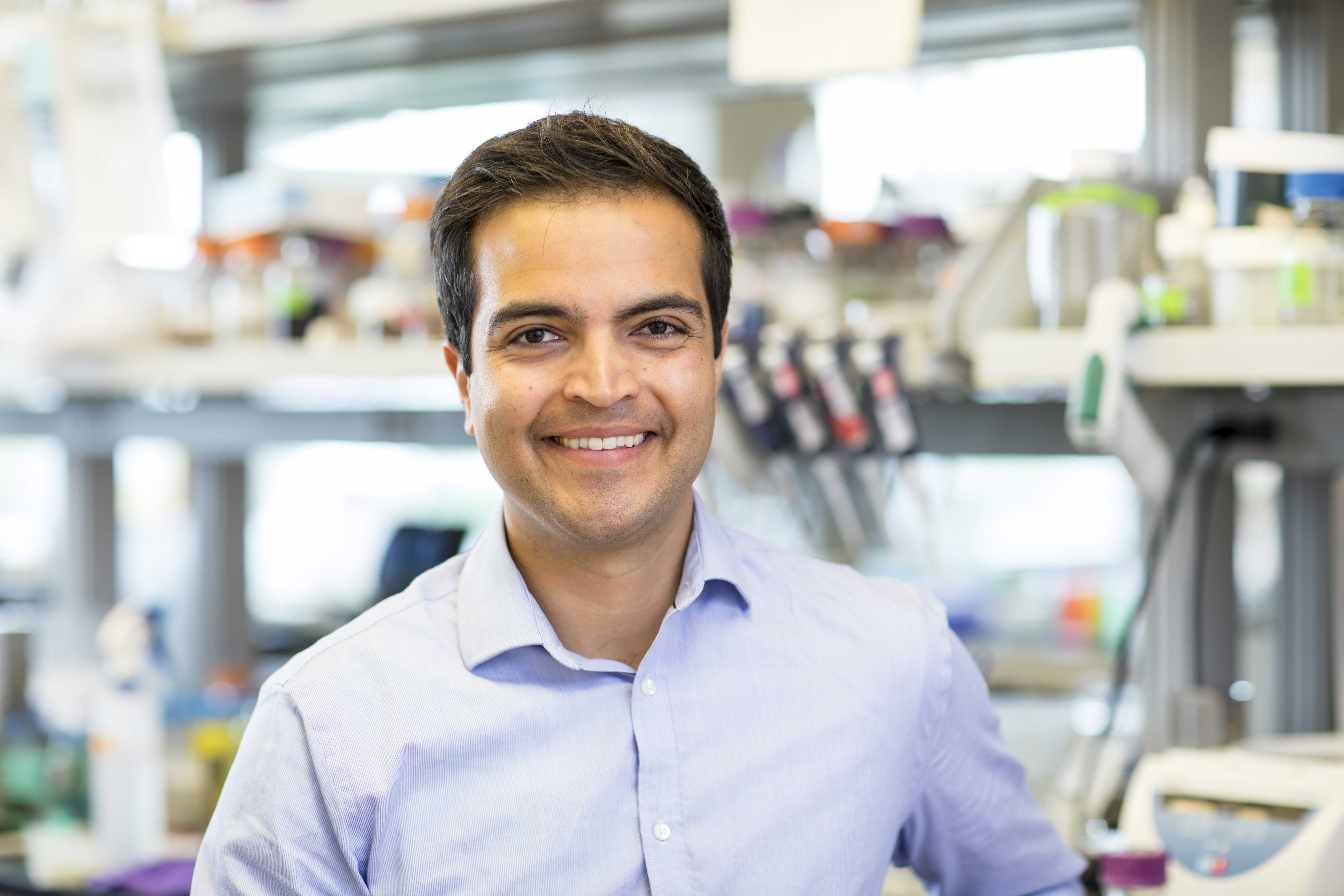
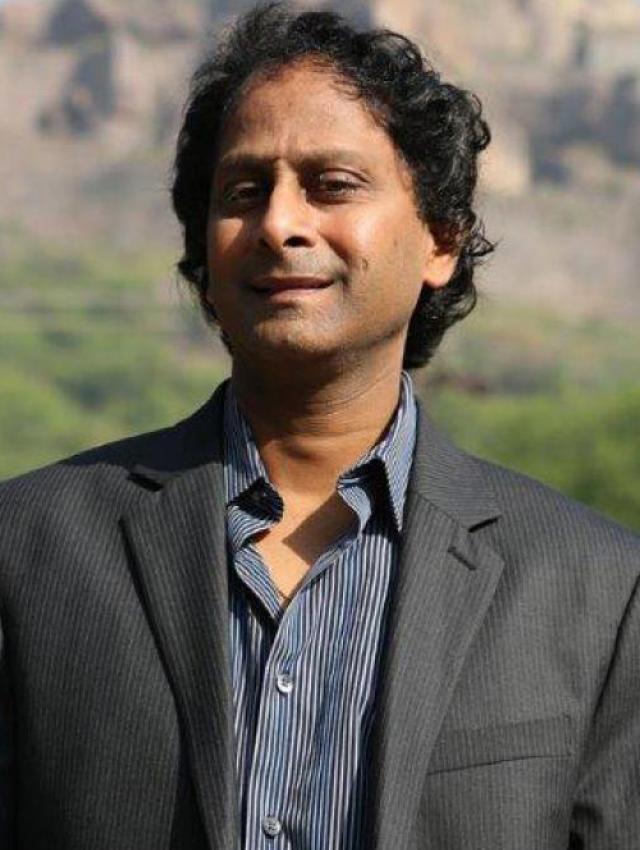
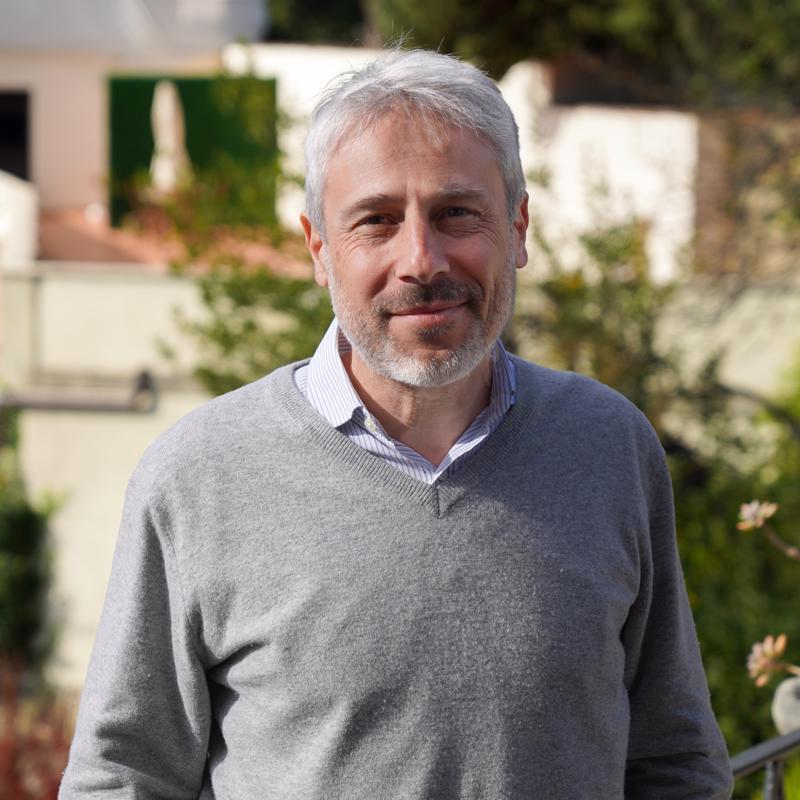
Professor Abhishek Singh Bhati is the Pro Vice-Chancellor and CEO at the Newcastle Australia Institute of Higher Education. He is a distinguished academic and administrator with a focus on tourism management and scholarship of learning and teaching. His research explores technology-driven tourism transformations, low-carbon tourism, and the alignment of tourism with United Nations Sustainable Development Goals (SDGs). Bhati’s work also emphasizes tourist behavior, resilience planning, and vandalism management in tourism settings. PhD (Tourism Management), James Cook University, Australia MBA (Marketing Management), Maastricht School of Management, Netherlands Bachelor of Arts (Economics), Bombay University, India Diploma in Adult and Continuous Education, Institute of Adult Learning, Singapore Graduate Certificate in Education (Tertiary Teaching), James Cook University, Singapore His research spans technology’s role in tourism, sustainable development, and educational innovation. Recent publications address energy-economic synergies, AI in tourism, and post-pandemic travel behavior. Bhati has secured grants from organizations like the World Wide Fund for Nature (WWF) and the Australian Government’s Office of Learning and Teaching (OLT). Scientific Honors: Fellow of the Higher Education Academy (FHEA)
Friederike Mengel is a Professor of Economics at the University of Essex and holds a Visiting Professorship at Erasmus University Rotterdam. She is also a Fellow of the Academy of Social Sciences (UK). Her research focuses on Behavioural Economics , integrating Game Theory , Evolutionary Dynamics , and Social Network Analysis . Key research themes include social influence in networks , opinion dynamics , emergence of social norms , and links between social identity, bounded rationality, and discrimination . Recent work explores Covid-19 impacts on productivity and innovation in hybrid work environments . Her scientific awards include the Best Paper Award from Quantitative Economics (2018) and recognition as an Academy of Social Sciences Fellow. Her publications span topics like cooperation in viscous populations , strategic behavior in repeated games , and gender bias in opinion aggregation , with media coverage in outlets like The Economist and Financial Times .
Kees van Veen is an Associate Professor at the University of Groningen, affiliated with the Faculty of Behavioural and Social Sciences and the Department of Sociology. His expertise spans Corporate Governance , Policy Evaluation , and Sustainable Food Systems , with significant contributions to International Business & Management and Social Psychology during the pandemic. Education : MSc in Sociology (cum laude) from the University of Groningen. Research Focus : Interdisciplinary work bridging organizational behavior, prosociality, and global health behaviors, leveraging machine learning for cross-national pandemic analysis. His recent publications analyze prosocial behavior , conspiracy beliefs , and lockdown psychology through multi-country longitudinal data, emphasizing UN Sustainable Development Goals . He supervises MSc theses in Business Administration and Sociology and collaborates on open datasets like PsyCorona .
Jacques Gautier is an Assistant Professor in Geovisualization at LASTIG, part of the French National Geographic Institute (IGN France) since September 2020. He is a member of the GEOVIS research team focusing on advanced geovisualization techniques for spatio-temporal data analysis. Prior to his current position, he served as a Postdoctoral Researcher at LASTIG working on the Urclim European project, developing geovisualization methods for climate data in urban environments. His educational background includes a PhD in Geography from Université Grenoble Alpes (2015-2018), where his dissertation focused on "GrAPHiST: An exploratory analysis approach for identifying the dynamics of spatio-temporal phenomena," and an Engineering degree in Geographical Information Science from ENSG (2009-2012). Dr. Gautier's research focuses on innovative approaches to visualize complex spatio-temporal data across multiple domains. His expertise spans meteorological data visualization, epidemiological data visualization, 2D/3D geovisualization techniques, and exploratory data analysis of spatio-temporal phenomena. He has developed specialized methods for identifying cyclic patterns in time-series data, visualizing uncertainty in ensemble forecasting systems, and creating interactive visualization environments for domain experts in urban planning, public health, and emergency response. Analysis of Dr. Gautier's publication record reveals a consistent focus on developing visualization techniques that bridge theoretical advances with practical applications. His work spans urban climate analysis, pandemic response (particularly during COVID-19), and mountain rescue operations. A distinctive aspect of his research is the integration of harmonic analysis with visual exploration to identify cyclic patterns in spatio-temporal data, as demonstrated in his GrAPHiST framework. Dr. Gautier has been actively involved in several significant research projects including ORACLES (focusing on ensemble forecasts of marine submersion), Urclim (aiming to develop integrated Urban Climate Services), and Choucas (an interdisciplinary project to assist mountain rescue operations). These projects highlight his ability to translate visualization research into practical decision-support tools for critical situations. As a member of the GEOVIS research team, Dr. Gautier contributes to advancing geovisualization methodologies through both theoretical development and practical implementation. His work on mixed temporal diagrams, helical time representations, and uncertainty visualization has provided new approaches for exploring complex spatio-temporal datasets across multiple disciplines.
Jörg Spenkuch is an Associate Professor of Managerial Economics & Decision Sciences at Kellogg School of Management, Northwestern University, where he has been since 2013. He holds a Ph.D. in Economics (2013) and M.A. (2009) from the University of Chicago, and dual B.A. degrees in Economics and Business Administration (2007) from the University of St. Gallen, Switzerland. Education: Ph.D., 2013, Economics, University of Chicago M.A., 2009, Economics, University of Chicago B.A., 2007, Economics, University of St. Gallen B.A., 2007, Business Administration, University of St. Gallen Professor Spenkuch's research bridges political economy and applied microeconomics , with a focus on ideological behavior, strategic decision-making, and social dynamics. His work examines topics like: Political Economy: Campaign finance, electoral accountability, and ideological sorting. Behavioral Economics: Satisficing behavior, memory-driven choices, and strategic voting. Public Policy: School desegregation effects, bureaucratic performance, and immigration-crime linkages. His recent publications analyze: Long-term ideological shifts from 1975 school desegregation (2025 working paper). Memory premiums in decision-making (2025 working paper). Complexity's role in chess strategy (2024 Review of Economic Studies ). Political accountability during natural disasters (2025 American Economic Journal ). Scientific Recognition: MinE Best Paper Award (European Economic Association) Chair's Core Teaching Award Deutschlands "Top 40 unter 40" (Capital magazine) FEEM Award (European Economic Association) Best Paper Award, RGS Doctoral Conference At Kellogg, he teaches Leadership and Crisis Management (PACT-440-5) and Business Analytics (DECS-435-0). His work has been published in top journals like Econometrica , American Economic Review , Quarterly Journal of Economics , and Review of Economic Studies , covering topics from partisan spatial sorting to expressive vs. strategic voting behavior.
Shiqing (Frank) Yao is a Senior Lecturer in Operations Management at the Department of Management, College of Business, Monash University. Holding a PhD in Decision Sciences and Managerial Economics from the Chinese University of Hong Kong, Dr. Yao's research focuses on analytical modeling approaches to supply chain management challenges. PhD - Chinese University of Hong Kong (Operations Management) His primary research interests include economic modeling in supply chains, quality management, collusion dynamics, and optimization strategies. Dr. Yao's work aligns with multiple UN Sustainable Development Goals, particularly those related to responsible consumption and production. Recent research outputs demonstrate expertise in anti-counterfeiting strategies, collusion risk mitigation, and sustainable operations. His publications cover topics ranging from digital transformation in retail to responsible audit systems. Scientific Awards: M&SOM Meritorious Service Award (2020) Dr. Yao maintains active editorial roles with leading journals including Operations Research, Management Science, and Transportation Research Part E. He is currently accepting PhD students for supervision.
J. Ilja Siepmann is a Distinguished McKnight University Professor and Distinguished University Teaching Professor at the University of Minnesota's Department of Chemistry, with affiliations spanning Chemical Engineering, Materials Science, and Data Science. His research integrates molecular simulations, force field development, and machine learning to study adsorption phenomena, phase equilibria, polymer chemistry, and nanoporous materials. Education: Undergraduate: University of Freiburg, Germany (1983-1987) Graduate: University of Cambridge, UK (PhD, 1988-1991) Post-doctoral: IBM Zurich Research Lab, Koninklijke/Shell Lab, and University of Pennsylvania (1991-1994) Research interests focus on chemical theory, materials genomics, and environmental chemistry, with emphasis on energy-efficient separations, nanostructured materials, and sustainable chemical processes. Computational methods like Monte Carlo algorithms and machine learning underpin his investigations into fluid interfaces, nucleation, and catalytic systems. Recent publications emphasize adsorption thermodynamics, molecular simulations of complex fluids, data-driven materials discovery, and polymer self-assembly. Trends include integration of machine learning with molecular modeling, nanoporous materials for clean energy, and phase behavior of refrigerants. Awards: Distinguished McKnight University Professor Distinguished University Teaching Professor Advises graduate and undergraduate researchers in computational chemistry projects. Leads the Siepmann Group at Kolthoff Hall, part of the Chemical Theory Center and Nanoporous Materials Genome Center. Research funded through MURI and industry partnerships.
Aaron Puri is an Assistant Professor of Chemistry at the University of Utah, specializing in chemical ecology and natural product discovery. His research focuses on bacterial interactions in methane-oxidizing communities and the biosynthesis of secondary metabolites. Education: B.S. from University of Chicago, Ph.D. from Stanford University School of Medicine Dr. Puri's work bridges microbiology and chemistry, with projects targeting: Chemical Ecology: Decoding interspecies signaling in methane-oxidizing bacteria Natural Products: Discovering therapeutics from underexplored bacterial genomes Biosynthesis: Activating cryptic gene clusters for novel compound production Recent publications highlight advancements in quorum sensing mechanisms (2025), inverse stable isotopic labeling techniques (2024), and methanotroph community dynamics. His research also explores spatially resolved model ecosystems for studying microbial phenotypes (2023-2024). Key methods include GNPS Dashboard for mass spectrometry analysis (2021-2022). Dr. Puri leads the CAREER-funded project on quorum sensing in methanotrophs (2024) and has developed genetic tools for industrial methanotrophs (2015). His lab maintains a strong focus on environmental microbiology and biotechnological applications.
Rachel Hess, MD, MS is Professor of Population Health Sciences and Internal Medicine and Associate Vice President for Research-Health Sciences at the University of Utah Schools of the Health Sciences. She co-directs the Utah Clinical and Translational Science Institute and was founding Chief of the Division of Health System Innovation and Research (2014-2022). A board-certified General Internist and internationally recognized health-services researcher, she focuses on translating evidence into practice through health-information technology and patient-centered outcomes. Education & Training MD – University of New Mexico School of Medicine MS Clinical Research – University of Pittsburgh Fellowship – General Internal Medicine & Women’s Health, University of Pittsburgh / VA Pittsburgh Medical Center Chief Residency – Internal Medicine, Western Pennsylvania Hospital Residency – Internal Medicine, Temple University Hospital BA Mathematics – Washington University in St. Louis Research Focus Dr Hess’s program is dedicated to improving patient-centered outcomes by leveraging implementation science, health-information technology, and patient-reported measures. Her work spans: Design and nationwide deployment of EHR-integrated clinical decision support for cancer genetics, lung-cancer screening, heart-failure management, and antibiotic stewardship. Large multi-site pragmatic trials (ADAPTABLE, RECOVER, BRIDGE, MAINTAIN) examining effectiveness, equity, and scalability of digital-health interventions. Women’s health across the lifespan, including studies on menopause, sexual function, and post-COVID sequelae. Advanced analytics linking patient-reported outcomes (PROs) with healthcare utilization and cost. Scientific Awards & Recognition Board Certification, American Board of Internal Medicine (Internal Medicine) Leadership of NIH RECOVER Consortium adult cohort—one of the largest studies of Long COVID worldwide Principal investigator on >$50 million in federal and foundation funding (PCORI, NHLBI, NCI, AHRQ, CDC) Leadership & Service As Associate Vice President for Research she sets strategic priorities for the Schools of Medicine, Nursing, Pharmacy, Dentistry, and Health. She co-chairs the Utah Clinical and Translational Science Institute, oversees campus-wide clinical-trials infrastructure, and mentors interdisciplinary teams spanning informatics, behavioral science, epidemiology, and clinical medicine. Laboratories & Teams Dr Hess leads the Health System Innovation and Research (HSIR) group—an interdisciplinary unit of data scientists, implementation researchers, clinicians, and patient partners—dedicated to rapid-cycle testing and national scale-up of digital-health solutions.
Praveen K. Kopalle is the Signal Companies' Professor of Management, professor of marketing, and area chair at the Tuck School of Business, Dartmouth College. He served as associate dean for the MBA program (2015–18) and chairs the marketing area (2012–15, 2022–present). He teaches courses in retail pricing analytics, marketing concepts, and new product development. Education: PhD in Marketing (Columbia University, 1992), MBA (Indian Institute of Management, 1988), BE in Mechanical & Product Engineering (Osmania University, 1986) His research focuses on marketing , machine learning , artificial intelligence , pricing strategy , retail analytics , and new product innovation . Recent work addresses digital customer orientation, loyalty programs in the big data era, and predictive analytics in retailing. He has published in top journals like Journal of Consumer Research , Management Science , and Marketing Science . Praveen serves as departmental editor for Production and Operations Management and associate editor for multiple journals. He has held leadership roles in the INFORMS Society for Marketing Science and contributed to editorial boards of 10+ journals. Scientific Awards: 2018 Lifetime Achievement Award (American Marketing Association’s Retailing and Pricing Special Interest Group) 2015 Core Teaching Excellence Award (Tuck School) 2011 Distinguished Alumni Award (IIM Bangalore) Multiple John Little and Davidson Awards 2022 Distinguished Alumnus Award (Osmania University) His teaching spans MBA core courses ( Marketing , Statistics for Managers ) and electives ( Retail Pricing Strategy , Marketing New Products ). He also leads executive education programs and the Tuck Integrative Experiential Learning (TuckINTEL) initiative.
Giacomo Calzolari is a Full-time Professor of Economics at the European University Institute (EUI) in Florence, Italy, and serves as Provost for Research and External Relations. He holds a Ph.D. from the University of Toulouse. His research focuses on Industrial Organization, Competition Policy, Artificial Intelligence, and Banking Regulation, with notable contributions to understanding algorithmic pricing, collusion, and regulatory frameworks. Education: Ph.D. in Economics from the University of Toulouse. Research Interests: Artificial Intelligence and Market Dynamics Competition Policy and Antitrust Economics Algorithmic Pricing and Collusion Banking Regulation and Supervision Behavioral and Experimental Economics Publications: Recent work includes studies on AI-driven markets, algorithmic collusion, and regulatory policy. His research emphasizes the intersection of technology and competition, with over 50 publications in top-tier journals like the American Economic Review and International Journal of Industrial Organization. Awards: Recognized with the 'Best Paper Award' from the Association of Competition Economics (2013) and the 'Young Economist Award' (2005). Advisory Roles: Advises the European Commission on competition policy and the European Parliament on AI in financial markets. Serves as Editor of the International Journal of Industrial Organization and European Economy - Banks and Regulation. Research Groups: Leads projects on digital transformations, technological change, and AI's impact on competition. Supervises numerous graduate students and collaborates with institutions like the Centre for Economic Policy Research (CEPR).
Sheng Lu is a Professor and Director of Graduate Studies in the Department of Fashion and Apparel Studies at the University of Delaware, part of the College of Arts & Sciences. His research focuses on the global textile and apparel industry, including trade policy, sustainability, and digital technologies' impact. He holds a PhD from the University of Missouri-Columbia and master's and bachelor's degrees from Donghua University. Dr. Lu's work has been cited in government reports by the U.S. Congress, World Bank, and United Nations. He has received prestigious awards such as the ITAA Mid-Career Excellence Award and Rising Star Award. His research explores sourcing strategies, supply chains, and trade policies, with a focus on Sub-Saharan Africa, recycled materials, and U.S.-China trade dynamics. Education: PhD, University of Missouri-Columbia MS and BS, Donghua University Research Interests: Global textile/apparel trade and policy Sustainability and social responsibility Impact of digital technologies on fashion Media Mentions: Wall Street Journal, New York Times, BBC Featured in Business of Fashion and Associated Press Consulting: International Trade Centre (ITC) consultant His 80+ publications cover topics like recycling in fashion, U.S. tariffs, and regional trade agreements. He advises on global supply chain strategies and teaches courses on sustainable sourcing and trade policy.
Deodat Edward Mwesiumo is a Professor of Supply Chain Management at Molde University College (HiMolde), part of the Faculty of Logistics. He holds a PhD in logistics from the same institution and has extensive teaching and research experience since 2012. His roles include Head of the Supply Chain Management Research Group and member of the PhD committee. Previously, he directed the Bachelor program in Supply Chain Management and Logistics. His research focuses on supply chain resilience, digital business transformation, and tourism management. Key areas include procurement strategies, sustainability, circular economy models, and interorganizational relationships in tourism. He has published in high-impact journals like Production Planning and Control , Journal of Purchasing and Supply Management , and Annals of Tourism Research . Dr. Mwesiumo has led externally funded projects and contributed to over 50 peer-reviewed publications. He is affiliated with research groups such as MIIBS (Marketing, Innovation, International Business & Strategy) and the Transport Research Group (TRG). His teaching spans BSc and MSc levels, including courses on value chain analysis, digital business, and supply chain theory. Recent work emphasizes airport digital maturity, supply chain risk mitigation, and the impact of data-driven decision-making in public procurement. He has authored books like Making Value Chains Work and Fundamentals of Digital Business Management , underscoring his commitment to both academic and applied knowledge dissemination.
Dr Lin Yue is a Lecturer at the University of Adelaide , affiliated with the Faculty of Sciences, Engineering and Technology and the School of Computer and Mathematical Sciences . She earned her PhD from Jilin University, with part of her doctoral studies completed as a joint PhD candidate at the University of Queensland. Past affiliations: Northeast Normal University, University of Queensland, University of Newcastle Her research focuses on Sequential Data Analysis and its applications in Medical Data Analytics, EEG Data Analysis, Brain-Computer Interfaces, Social Media Data Analytics, and Sentiment Analysis . She collaborates with academia, government, and professional organizations, supported by internal and external research grants. Dr Yue is eligible to supervise Masters and PhD students as a Co-Supervisor and contributes to advancing data mining and machine learning techniques in healthcare and time series analysis.
Roberto Martinez-Maldonado is an Associate Professor in the Department of Human Centred Computing at Monash University's Faculty of Information Technology. He holds a PhD in Human-Computer Interaction and Educational Data Mining from the University of Sydney. His research focuses on Learning Analytics, Artificial Intelligence in Education, and Collaborative Learning, with applications in healthcare and classroom settings. Prior to Monash, he worked at the Connected Intelligence Centre (CIC) and as a lecturer at the University of Technology, Sydney. His academic journey includes a Master's in Information Technology from Universidad Tecmilenio and a Bachelor's in Computer Systems Engineering from Instituto Tecnológico de Mérida. Key research projects include developing analytics dashboards for healthcare simulations, teamwork analytics for professional education, and AI-driven tools for reflective practice. His innovations include the HuCETA framework and the Data Storytelling editor, which enhance educational data visualization and teacher-student interaction. He has received multiple awards, including the 2022 Best Student Paper and 2020 Best Paper Award. His work contributes to UN Sustainable Development Goals related to quality education. He supervises PhD students in Multimodal Teamwork and Classroom Analytics. Roberto is actively involved in academic conferences, serving on program committees for LAK and AIED. Media engagements include ABC Radio interviews discussing classroom design and AI in education.