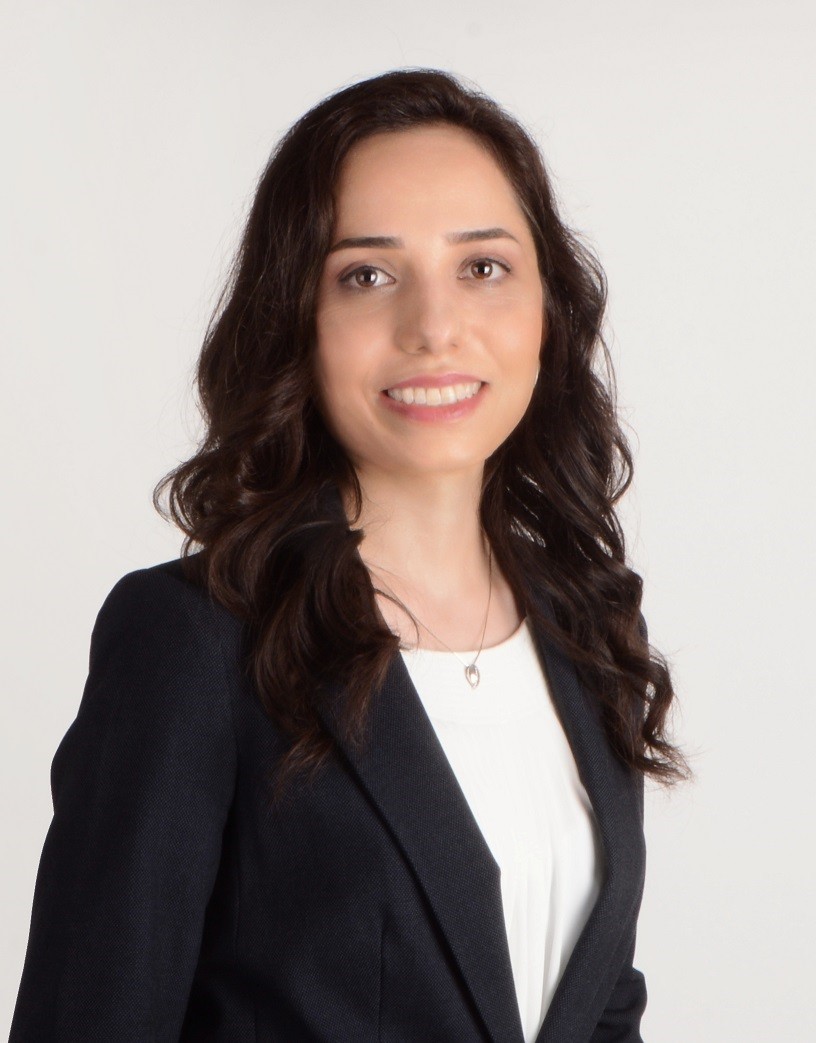
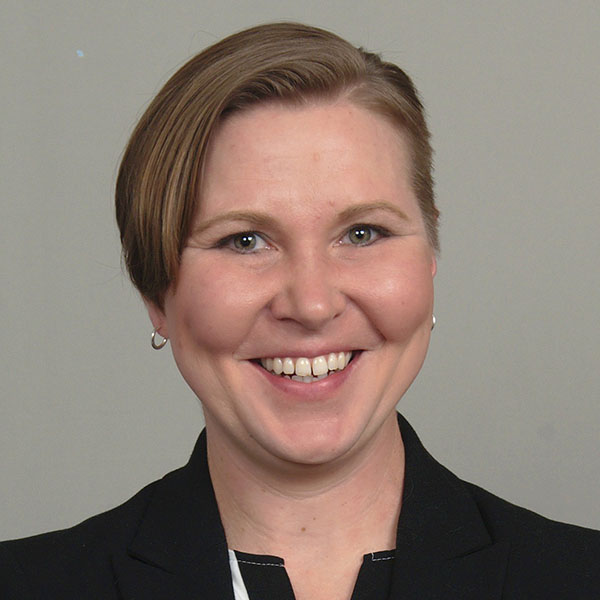
Thomas Bjørner is an Associate Professor at Aalborg University's Department of Architecture, Design and Media Technology within The Technical Faculty of IT and Design. He serves as Head of the Media Innovation & Game Research (Me-Ga) unit and co-founded the research network for qualitative methods (since 2007) with 40+ company collaborations. Specializes in qualitative/mixed methods for technology evaluation Teaches PhD courses in advanced qualitative methods EU expert evaluator for research grants His research focuses on gamified learning , VR for social communication , and technology acceptance studies , often addressing UN Sustainable Development Goals. Recent projects include: Audio-only VR for blind gamers Generative AI integration in education Plastic crisis awareness games Smart city implementation barriers Scientific Awards: Serious Game Competition Award (2022) International conference prizes (2020, 2018) With over 121 publications including two textbooks, his work emphasizes applied qualitative methods with improved validity in technology contexts, particularly for youth education and media research.
Gaétan de Rassenfosse is an Associate Professor at EPFL's School of Management of Technology (CDM), specializing in Science, Technology, and Innovation Policies. He joined EPFL in 2014 and holds a PhD in Economics from the Solvay Business School (Université Libre de Bruxelles). His research focuses on crafting evidence-based policies for knowledge economies, particularly in intellectual property, intangible capital measurement, and 'science of science.' He has published in top journals like Journal of Industrial Economics and Research Policy , secured over CHF 2.5M in research grants, and advised governments and international organizations such as the European Commission and Swiss Federal Office for Education and Research (SERI). He teaches courses on innovation economics and intellectual property management. Professional roles include membership in the CDM Management Board, the Conference of Section Directors (CDS), and doctoral program committees. His advising includes guiding 5 PhD students focusing on policy impacts in clean technology, innovation incentives, and science organization. Key research themes span patent systems, innovation policy efficacy, and cross-border knowledge flows. He actively engages with media and policymakers to translate academic insights into actionable public strategies.
Michel Beine is a Full Professor of Economics at the University of Luxembourg's Faculty of Law, Economics and Finance (FDEF), specializing in international economics with a focus on migration dynamics. He holds a PhD from Université Libre de Bruxelles (1997) and has taught at institutions including the University of Lille II and Université Libre de Bruxelles. His research spans international migration patterns, climate change impacts, brain drain/gain effects, and network influences on migration decisions. He coordinates the MINLAB and ACROSS PhD programs focusing on migration research. His work integrates econometric methods to analyze migration policies, student mobility, and institutional norms transfer. Notable contributions include studies on climate-driven migration, diaspora effects, and the economic implications of skilled worker movements. Research interests include: (1) International migration economics, particularly skilled labor flows and network effects; (2) Climate change impacts on human mobility; (3) Brain drain/brain gain mechanisms; (4) Policy analysis of immigration/asylum systems. Recent work explores substitution patterns among migration destinations using cross-nested logit models and evaluates the role of education fees in foreign student enrollment. His publications span top journals like Journal of Development Economics , Scandinavian Journal of Economics , and World Development . He advises policymakers on migration-related issues and collaborates with institutions like LISER and the World Bank. Teaching focuses on international economics, econometrics, and migration economics at the PhD level.
Dr. Uwe Grünefeld is a Visiting Professor at the Faculty of Computer Science , Institute for Computer Science and Business Information Systems (ICB) of the University of Duisburg-Essen. He has been actively contributing to Human-Computer Interaction research through multiple publications in 2025-2022 focusing on Virtual Reality , Augmented Reality , and Robotics . Research Interests span across immersive technology applications for health behavior change (situated artifacts, weight visualization mirrors), haptic feedback systems (EMS for weight perception, vibrotactile directional cues), and behavioral biometrics (hand tracking identification, gaze-based user recognition). His work addresses cross-reality system design , collaborative robotics , and human-in-the-loop simulation methodologies . Key Publications demonstrate significant contributions to VR/AR user engagement, with particular focus on Physical activity promotion through situated artifacts Advanced haptic feedback techniques for immersive environments Behavioral biometric identification systems Robot motion intent communication Cross-reality transition visualization His research often employs mixed-method approaches combining technical implementations with user studies involving quantitative and qualitative data collection.
Dr. Aida Haghighi is an Assistant Professor at the School of Occupational and Public Health, Toronto Metropolitan University. She holds a PhD from Polytechnique Montréal, with prior industrial experience at the National Gas Company. Her research focuses on occupational health and safety (OHS) management systems, Industry 4.0 integration, and risk mitigation strategies. She teaches courses like OHS 718: Systems Management and OHS 811: OHSE Management Systems. Education: BSc, MSc, PhD in Industrial Engineering from Iran and Canada. Professional Engineer (PEng) designation. Research highlights include developing assessment tools to prevent machine safeguard bypassing and analyzing Industry 4.0's impact on worker safety. Research Interests: Industrial safety systems, OHS risk management, integrated management systems, and continual improvement. Current projects explore emerging technologies in OHS frameworks and gender disparities in workplace health. Awards include the Best Doctoral Thesis (2020, Polytechnique Montréal) and NSERC-funded research abroad. She advises MSc students in Occupational and Public Health starting 2025-2026. Teaching and Grants: Active in curriculum development for OHS education. Collaborates on projects funded by industry partnerships and governmental grants focusing on safety innovation.
Dr. Vivek Jain is a Professor of Medicine and Infectious Diseases at the University of California, San Francisco (UCSF), affiliated with San Francisco General Hospital. He leads the Infectious Diseases Clinic, oversees SFGH’s Infection Control and Prevention Team, and directs outpatient therapies for HIV and COVID-19. His research focuses on HIV antiretroviral therapy (ART) in resource-limited settings, implementation science, and global health. He co-directs the SEARCH Study, a large-scale HIV testing and treatment initiative in East Africa, and has contributed to landmark trials like EARLI and RAPID-VL. Education: B.A. Biochemistry, Harvard University (1998) M.D., Stanford University School of Medicine (2003) UCSF Residency/Chief Residency in Internal Medicine (2006–2007) Infectious Diseases Fellowship, UCSF (2009) M.A.S. in Clinical Research, UCSF (2010) Research Interests: Dr. Jain’s work bridges clinical practice and global health, emphasizing early ART initiation, HIV viral load monitoring, and pandemic response strategies. His studies address challenges in Sub-Saharan Africa, including streamlined care delivery and hypertension integration. He also investigates SARS-CoV-2 epidemiology and telemedicine applications for infectious diseases. Publications: His 150+ publications span HIV pathogenesis, implementation science, and pandemic preparedness. Key themes include CD4+ T-cell dynamics in HIV, population-level viral suppression, and racial disparities in vaccine uptake. Awards: Fellow of the Infectious Diseases Society of America (FIDSA) Grants & Teams: Recipient of CDC and Gilead Sciences funding for studies like RAPID-VL (optimizing HIV viral load monitoring). Collaborates with institutions in Uganda/Kenya, including Makerere University and the Infectious Diseases Research Collaboration (IDRC). Labs/Teams: Leads the SEARCH Study and RAPID-VL Trial teams, focusing on scalable HIV interventions and pandemic response strategies in low-resource settings.
Dr. Sophie C. Boerman is an Associate Professor of Persuasive Communication in the Strategic Communication Group at Wageningen University & Research. She holds a PhD from the University of Amsterdam (2014) and leads research on digital persuasion mechanisms in social media environments. Her work examines how communication from influencers, user interactions, and advertisements shape beliefs, attitudes, and behaviors, with applied focus on sustainable and health decision-making. Research interests center on: Algorithmic persuasion frameworks in digital advertising Privacy calculus and surveillance perceptions in behavioral targeting Effectiveness of sponsorship disclosures across media formats Influencer marketing dynamics and regulatory compliance Behavioral interventions for sustainability and health promotion Her publications demonstrate strong focus on sponsored content disclosure effectiveness, privacy protection behaviors, influencer marketing regulations, and algorithmic persuasion across health/sustainability contexts. Recent works show increased attention to AI ethics, vulnerable populations, and cross-platform disclosure standardization. Honors include: Top 5 finalist for Women in AI Researcher Award 2023 Best Reviewer Award from International Journal of Advertising (2022) Research awards from ICA, EAA, ASCoR, and SWOCC Leadership roles: Board member: European Advertising Academy, SWOCC, GvR, Wageningen Young Academy Chair: Environmental Communication TWG of NeFCA Member: ECoLab, Cosmetic Procedures expert group, Better Personalized Ads initiative Editorial positions include Associate Editor for International Journal of Advertising (current) and former Associate Editor for Journal of Interactive Advertising (2020-2022).
Ales Popovic is a Full Professor of Information Systems at NEOMA Business School, France. He holds a PhD in Management and Information Systems. His research focuses on the value of information systems (IS) in organizations, digitalization, AI, behavioral and organizational issues in IS, and IT in inter-organizational relationships. He has published widely in journals like Journal of the Association for Information Systems and Technological Forecasting and Social Change . Dr. Popovic’s research explores topics such as fake news engagement on social media, blockchain adoption in real estate, and the impact of digital platforms on traditional media. He serves on editorial boards for journals including International Journal of Information Management and Industrial Management & Data Systems . His work bridges theoretical and practical aspects of IS, emphasizing business value creation and ethical considerations in AI. Key contributions include studies on digital transformation, crisis management technologies, and the role of privacy in technology adoption. His research frequently addresses contemporary challenges like misinformation dynamics, gig worker burnout, and healthcare AI applications.
Dr. Shima Hamidi is Assistant Professor in the Department of Environmental Health and Engineering at the Bloomberg School of Public Health, Johns Hopkins University. She is also a core faculty member of the Bloomberg American Health Initiative and holds the Bloomberg Assistant Professorship in American Health in Environmental Challenges. Her academic background includes a PhD from the University of Utah (2015), an MSc from the Technological University of Malaysia (2009), and a BA from Shiraz University (2005). PhD, University of Utah, 2015 MSc, Technological University of Malaysia, 2009 BA, Shiraz University, 2005 Dr. Hamidi's research centers on the built environment, transportation, housing, and social determinants of health, with a strong focus on equity and urban sprawl. Her work explores how urban form influences public health outcomes such as life expectancy, traffic safety, food access, and upward mobility. She utilizes geospatial data and longitudinal analysis to assess the impacts of urban planning policies. Her recent publications (2020–2024) reflect a sustained focus on transportation equity, urban form, and public health. Key themes include ride-hailing versus fixed-route transit preferences, cycling safety in bikeshare cities, high-tech cluster geography, and the effectiveness of growth management policies. These works demonstrate interdisciplinary engagement with urban economics, environmental health, and policy analysis. Dr. Hamidi has received numerous honors, including: Endowed Chair in Environmental Challenges, Bloomberg American Health Initiative (2020–) Eno Fellow, Future Leaders Development Program (2015) Ivory Medal for Doctoral Scholarship, University of Utah (2015) Best Poster Award, Association of Collegiate Schools of Planning (2017) Presidential Fellow, University of Texas at Arlington (2017) She has advised students, such as Ahoura Zandi, and previously led the Center for Transportation Equity, Decisions and Dollars (CTEDD) at the University of Texas at Arlington, directing a multi-university consortium on transportation and health. Her research has been supported by the US Department of Transportation and widely cited in national media including the Wall Street Journal and CNN Money. Dr. Hamidi leads research initiatives that integrate urban planning with public health, contributing to policy-relevant science on sustainable and equitable urban development.
Perry Hystad, PhD is a Professor of Environmental and Occupational Health at Oregon State University (OSU), leading the Spatial Health Lab. He holds affiliations with the School of Nutrition and Public Health and the College of Earth, Ocean, and Atmospheric Sciences. His research focuses on spatial epidemiology and environmental exposure assessment, particularly air pollution, built environments, and climate resilience. He earned his MSc in Geography from the University of Victoria and PhD in Epidemiology from the University of British Columbia. Key achievements include the NIH Early Independence Award for the PURE-AIR global cohort study examining air pollution's cardiopulmonary impacts across 21 countries. Notable contributions include linking greenspace exposure to improved birth outcomes and cardiovascular health, and analyzing traffic pollution’s effects on infant health. Recent recognition includes being named a 2024 Top Scholar by ScholarGPS (top 0.5% globally). Collaborations span OSU’s Environmental Health Sciences Center, Applied Economics, and interdisciplinary teams addressing climate change health impacts. Research integrates geospatial tools, machine learning, and crowd-sourced data to advance environmental health equity. Current projects include studying built environment influences on birth outcomes and highway reclamation’s population health effects.
Kevin Gary is an Associate Professor in the School of Computing and Augmented Intelligence (SCAI) within the Ira A. Fulton Schools of Engineering at Arizona State University (ASU). He joined ASU in 2004 after prior industry experience and faculty work at the Catholic University of America. His research focuses on software agility, open source software, and applications in healthcare and e-learning. He has contributed to mHealth platforms addressing pediatric chronic conditions and adaptive e-learning systems. Education: Ph.D. in Computer Science from Arizona State University (1999). Research Interests: Software Architecture, Agile Methods, Open Source Software, Healthcare Informatics, and Educational Technology. His recent work explores agile impact on regression testing and lean metrics in open source software. He has developed mobile health apps for asthma, epilepsy, and anxiety, leveraging agile principles and AI. Teaching & Innovation: Created the Software Enterprise program, an industry-aligned pedagogy integrated into ASU’s software engineering curriculum. This initiative earned the President’s Award for Innovation in 2011. He has taught courses in software engineering, web applications, and secure software systems. Grants & Projects: Led projects funded by NSF, industry partners (e.g., UNICON, GEORGETOWN UNIV MED CTR), and foundations (Children’s National Medical). Notable projects include the Image-Guided Surgical Toolkit and the ATIC-funded Software Enterprise pedagogy model. Service: Reviewed for journals/conferences, served as Associate Chair of computing programs, and contributed to professional organizations (IEEE, ACM, ASEE).
Dr. Erik Linstead is an Associate Professor and Senior Associate Dean at Chapman University, affiliated with the Fowler School of Engineering, School of Pharmacy, and George L. Argyros College of Business and Economics. His expertise spans Machine Learning, GPU Programming, Autism Spectrum Disorder, Assistive Technologies, Predictive Analytics, and Virtual Reality. Education: Bachelor of Science, Chapman University Master of Science, Stanford University Ph.D., University of California, Irvine Dr. Linstead's research integrates machine learning with diverse domains, including autism treatment, environmental monitoring, and software engineering. His recent publications focus on coral reef health, land surface temperature trends, and embedded machine learning systems. His scholarly work includes collaborations in remote sensing, medical informatics, and neurodiversity support. Articles highlight his interdisciplinary approach, applying AI to ecological challenges (e.g., Red Sea coral reefs, Nile Basin droughts) and human-centered technologies (e.g., VR therapy for autism, medication adherence analysis).
Amy Mullens is a Professor at the School of Psychology and Wellbeing , University of Southern Queensland. She serves as Research Theme Leader for Health Equity at the Centre for Health Research (CHR) and contributes to the Institute for Resilient Regions (IRR). Her work focuses on vulnerable communities , with emphasis on sexual health/HIV , diabetes , COPD , substance use , and health behavior change . Education : BA (St Catherine), MSc (North Dakota SU), PhD (QUT). She is a Fellow of the Australian Psychological Society with Clinical and Health Psychology Endorsements . Her research spans public health , gender studies , and clinical psychology , particularly transgender health , health equity , and social determinants of health . Recent work includes STI/HIV risk modeling , prison health interventions , and LGBTQIA+ mental health . Key scientific awards include: Fellow, Australian Psychological Society Clinical Psychology Endorsement Health Psychology Endorsement Accredited Supervisor (STAP) She supervises doctoral and masters students in areas like transgender incarceration , STI prevention , and health equity . Industry affiliations include clinical credentialed work with West Moreton Health Service , membership in Australasian Society of Behavioural Medicine , and advocacy through Sexual Health Society Queensland .
Kelly Searle, PhD, is an Associate Professor at the Division of Epidemiology & Community Health within the University of Minnesota . As an infectious disease epidemiologist, her research focuses on malaria transmission dynamics across endemic regions in central and southern Africa, integrating molecular biology, geographic information systems (GIS), spatial sciences, and ecological principles to inform control and elimination strategies. Education: PhD in Epidemiology, Johns Hopkins Bloomberg School of Public Health ScM in Epidemiology, Johns Hopkins Bloomberg School of Public Health BS in Pathobiology and Veterinary Science, University of Connecticut Postdoctorate, Johns Hopkins Bloomberg School of Public Health Research Interests span malaria transmission, vector-borne diseases, GIS, and global health. Her work aims to reduce malaria burden through efficient policy-driven interventions. Scientific Awards Louis I. and Thomas D. Dublin Award (2014) Contact: ksearle@umn.edu
Dr. Marie Monfils is Professor of Psychology and Neuroscience at the University of Texas at Austin, where she leads the Monfils Memory Lab in the Department of Psychology within the College of Liberal Arts. Her research focuses on understanding fear memory mechanisms and developing interventions to attenuate maladaptive fear memories. Dr. Monfils received her Ph.D. in behavioral neuroscience from the Canadian Centre for Behavioural Neuroscience and conducted a postdoctoral fellowship at New York University. Her work bridges basic rodent models with translational applications for anxiety, trauma-related, and addiction disorders. Her research program investigates three primary streams: Post-consolidation manipulations that can persistently attenuate fear memories Factors underlying affiliative kinship and social transmission of information Individual differences and their impact on fear attenuation Her work integrates behavioral, neural, and molecular approaches to understand memory modification processes, with particular focus on reconsolidation and extinction mechanisms. Dr. Monfils' publication record demonstrates consistent contributions to understanding fear memory mechanisms. Her recent work examines CO2 reactivity as a biomarker for treatment response, social transmission of fear in rodent models, and optimizing fear attenuation techniques through reconsolidation-extinction interactions. Her research spans both basic neuroscience and clinical applications, with implications for improving exposure therapy for anxiety disorders. 2025: Published work on neural mechanisms of social learning, mechanisms of change in exposure therapy, and social context as a source of variability 2024: Published research on fear attenuation collaborations, carbon dioxide reactivity predicting fear expression, and social transmission dynamics 2023: Published updates on reconsolidation-extinction interactions, estrous cycle effects on behavior, and retrieval-extinction effects on alcohol seeking Dr. Monfils actively mentors graduate students and is accepting applicants for Fall 2026 and 2027. Her lab follows rats through their lifespan with a commitment to humane treatment, euthanizing only when necessary to minimize suffering or at the end of life. She acknowledges the Indigenous lands of Turtle Island where her research takes place, specifically recognizing the Alabama-Coushatta, Caddo, Carrizo/Comecrudo, Coahuiltecan, Comanche, Kickapoo, Lipan Apache, Tonkawa and Ysleta Del Sur Pueblo.