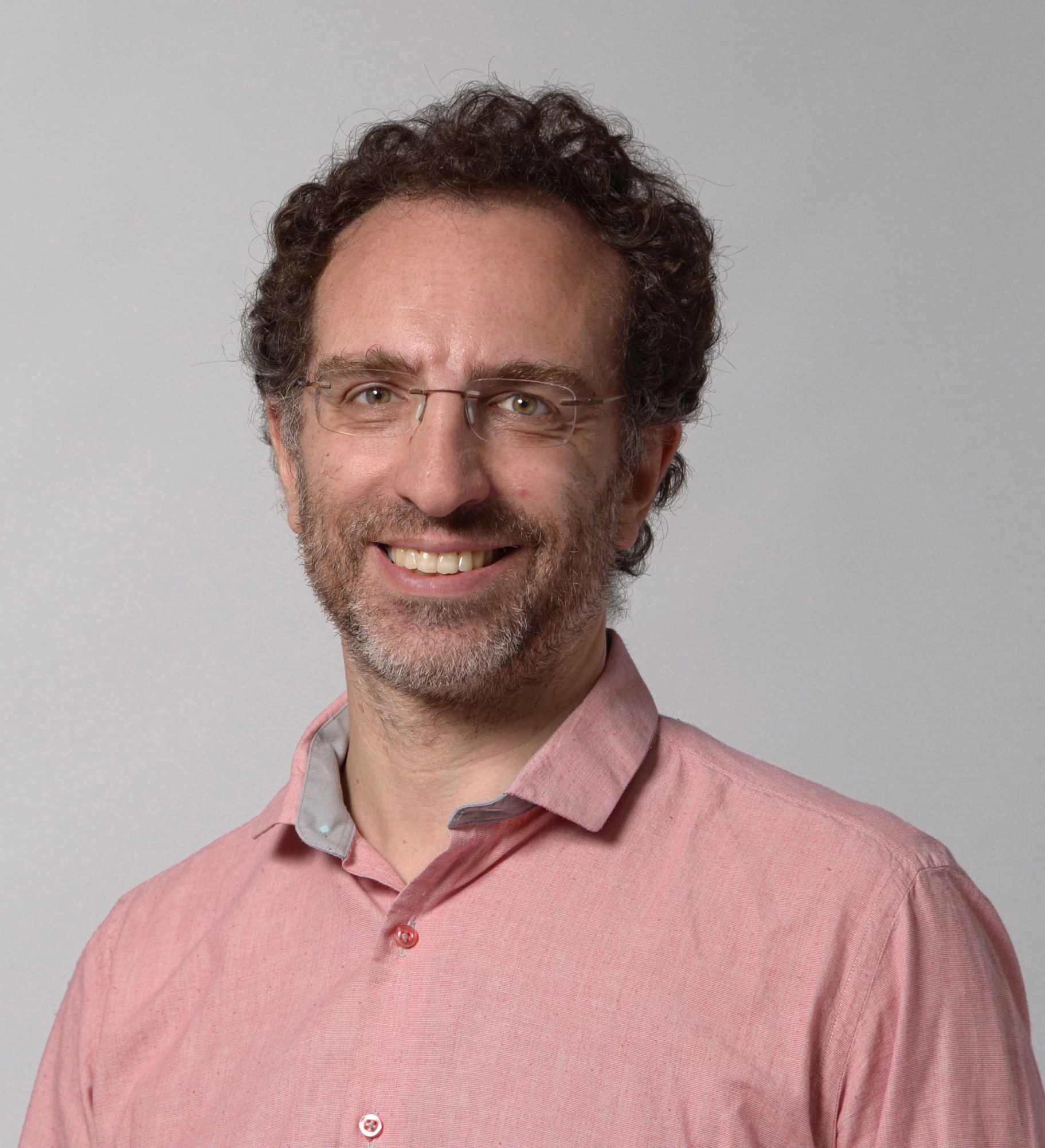
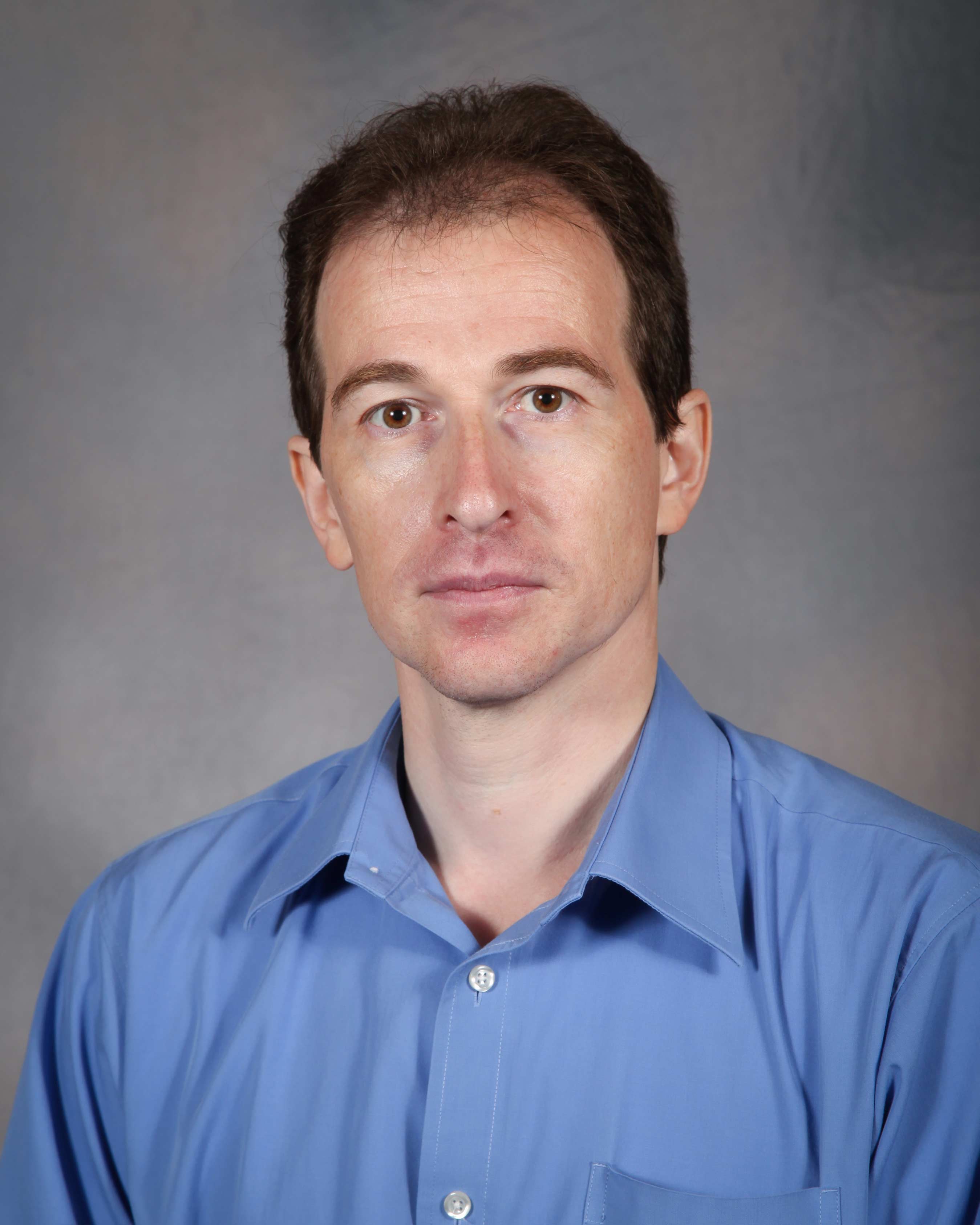
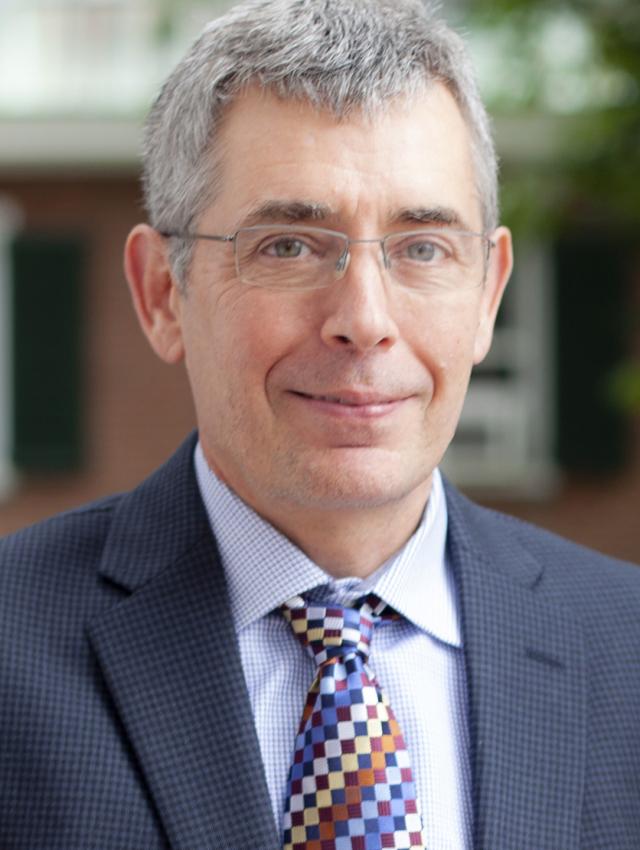
Prof. Dr. Mehmet Reşit Tolun is a full-time Professor in the Department of Software Engineering at Çankaya University (Turkey) since 2022. Previously held full-time professor positions at Konya Food and Agriculture University (2020-2022), Aksaray University (2013-2017), and TED University (2011-2013), along with a part-time professorship at Başkent University (2017-2020). Specializes in Artificial Intelligence , Machine Learning , and Data Mining , with a focus on deep learning applications in aerospace, biomedical data analysis, and software process improvement. PhD in Computer Science (University of Kent, 1985) MSc in Computer Science (University of Kent, 1982) BSc in Physics and Computer Science (University of Kent, 1981) Research Interests span deep learning frameworks, hybrid expert systems, software engineering methodologies, and biomedical signal processing. Publications emphasize practical implementations in medical diagnostics, robotics, and agricultural pest detection. Scientific Awards include the IEEE Third Millenium Medal (2000). Supervised over 55 graduate students, including Burak Çetin, Uğur Özotuk, and Mahinur Doğan. Collaborated with researchers from Orta Doğu Teknik Üniversitesi , Çankaya University , and Aksaray University .
Dr. Farzaneh Derakhshan is an Assistant Professor in the Computer Science Department at Illinois Institute of Technology (Illinois Tech), where she explores logical foundations of concurrency and develops formal methods for program verification. She earned her Ph.D. in Pure and Applied Logic from Carnegie Mellon University in 2021 under Frank Pfenning, followed by a postdoctoral fellowship at CMU with Limin Jia and Stephanie Balzer. Current affiliation: Illinois Tech (since ~2021) Previous affiliation: Carnegie Mellon University (Ph.D. and postdoc) Research focus: Type theory, logical verification, and security for concurrent systems Teaching: Courses on programming languages, type systems, and security Her research addresses fundamental challenges in concurrent programming, including: Developing modal logic frameworks for system verification Designing type systems for intermittent computing Creating behavioral type systems for security guarantees Applying relational logic to GPU security and secure compilation Investigating logical foundations of session-typed processes Formal verification of cyclic process networks Current research trends include: Hybrid dynamic verification for parallel systems Logical approaches to side-channel security Formal methods for cyber-physical systems Crash-resilient computing models Security verification in decentralized applications Noninterference proofs in session-typed concurrency Scientific recognition: NSF SaTC CORE Collaborative Award #2350217 Organizing committee member at Dagstuhl Seminar 26071 Professional leadership: Program committee co-chair for PLACES 2025 Committee roles at LICS 2026, ESOP 2026, ICFP 2025, and ECOOP 2025 Regular reviewer for ACM Transactions journals Laboratory involvement: Co-director of behavioral types research at Illinois Tech Collaboration with Carnegie Mellon's formal verification group Key participant in the FACCT workshop
Mohsen Malekinejad is an Associate Professor at the University of California, San Francisco (UCSF) School of Medicine and serves as the director of the Center for Resilient Societies and Technology (CREST) . He is a core member of the RESILIENT network at the University of California system, focusing on pandemic intelligence and community resilience. His career spans 20 years of public health experience with expertise in evidence-based medicine, systematic reviews, and translating research into policy. Education: DrPH (UC Berkeley, 2008), MPH (UC Davis, 2003), MD (Tehran Azad University, 1999), Postdoctoral Studies (UCSF, 2009) Dr. Malekinejad's research addresses health disparities among marginalized populations globally, focusing on substance use disorders, HIV/HCV, and pandemic response strategies . His work includes methodological innovations for sampling hard-to-reach groups (e.g., homeless populations, drug users) and economic evaluations of public health interventions . Recent publications highlight systematic reviews on topics like COVID-19 exposure notification systems, TB testing cascades, and HIV risk behaviors . His methodological strengths include respondent-driven sampling, meta-analysis, and health equity frameworks. He has led major projects funded by NIH, CDC, and WHO, including the California Department of Public Health's COVID-19 Exposure Notification system implementation. Dr. Malekinejad also maintains an active role in graduate-level public health education and collaborates across disciplines to strengthen translational research.
Thomas Schanding serves as Associate Professor and Department Head in the Department of Educational and Counselling Psychology, and Special Education at the University of British Columbia's Faculty of Education. He concurrently directs the Psychological Services and Counselling Training Centre. Previously, he held significant roles including core faculty in Special Education and Associate Director of Outreach and Leadership for the decade-long LoneStar LEND program at the University of Texas Health Science Center at Houston, alongside clinical supervision positions at Baylor College of Medicine/Texas Children’s Hospital. His educational foundation includes doctoral coursework at the University of Southern Mississippi (APA-accredited) and doctoral internship with Cypress-Fairbanks Independent School District (APA-accredited). Doctoral Coursework: University of Southern Mississippi Doctoral Internship: Cypress-Fairbanks Independent School District Dr. Schanding's research centers on social-emotional learning (SEL) and behavioral/mental health (B/MH) through three interconnected pillars: (1) assessment methodologies for SEL/B/MH, (2) evidence-based interventions to enhance youth well-being, and (3) cultural-linguistic considerations in school-community contexts. His clinical expertise spans Autism Spectrum Disorders and 2SLGBTQIA+ youth experiences, operating within Cognitive-Behavioral and Ecological theoretical frameworks. The SMART Lab ( https://blogs.ubc.ca/smartlab ) drives his applied research agenda focusing on inclusive practices and mental health promotion. Analysis of his recent publications reveals consistent emphasis on SEL assessment tools, helicopter parenting dynamics, and diversity-inclusive frameworks in school psychology. Key trends include validation studies of early literacy screeners, exploration of LGBTQ+ mental health predictors, and critical examinations of equity in educational literature, reflecting his commitment to evidence-based social justice. His scholarly contributions have been recognized through: President’s Distinguished Faculty Research Award, University of Houston – Clear Lake (2020) Group Teaching Excellence Award, University of Houston (2011) Early Career Scholar, Society for the Study of School Psychology (2009) As an educator, Dr. Schanding has supervised numerous practicum and intern students across settings including school districts and hospital systems. His leadership extends to directing the Psychological Services and Counselling Training Centre at UBC and previously leading outreach initiatives for neurodevelopmental disabilities through the LEND program. His teaching portfolio includes EPSE 506 (Applied Psychopathology), EPSE 555 (Academic & Social-Emotional Assessment), and specialized courses on Autism Spectrum Disorders. The SMART Lab (Social, Mental health, and Academic Research Team) operates as his primary research vehicle, conducting community-engaged projects on SEL implementation, mental health screening, and culturally responsive interventions for diverse youth populations, with particular attention to inclusive practices for 2SLGBTQIA+ students.
John M. Henderson is a Distinguished Professor at the University of California, Davis , affiliated with the Visual Cognition Lab . He holds additional roles at the Center for Mind and Brain , Center for Vision Science , Center for Neuroscience , and Plasticity and Memory Program . As an editor for Collabra: Psychology and associate editor for Journal of Experimental Psychology: General , he contributes to open science and cognitive research dissemination. Ph.D. in Cognitive Psychology, University of Massachusetts, Amherst (1988) M.S. in Cognitive Psychology, University of Massachusetts, Amherst (1986) B.S. in Psychology, University of Massachusetts, Amherst (1983) Professor Henderson’s research investigates how visual information is acquired, recognized, and integrated into cognitive systems to guide behavior. His work combines scene perception , reading processes , and visual memory using eye tracking , fMRI , brain stimulation , and computational modeling . Recent studies explore semantic guidance of attention in natural scenes, neural correlates of fixation duration, and developmental attentional patterns. His 15 most recent publications (2023-2025) reflect a focus on semantic processing in visual cognition , scene perception , and computational modeling of attention . Topics include meaning-based attentional guidance, deep learning applications in scene analysis, and neural mechanisms of memory-guided eye movements. Collaborations span cognitive neuroscience, developmental psychology, and AI-driven scene understanding. Scientific honors include: Google Scholar Classics recognition (2017) for groundbreaking 2006 paper Fellow of the Association for Psychological Science, American Psychological Association, and Psychonomic Society Grants from the National Eye Institute and National Institute on Aging support his work on visual cognition and aging. His lab trains students in cognitive methods and interdisciplinary research, bridging psychology, neuroscience, and computational modeling.
Mikael Johansson is a Professor in the Department of Psychology at Lund University, where he leads research on the cognitive and neural bases of memory and cognitive control. His academic appointments include membership in eSSENCE: The e-Science Collaboration, LAMiNATE (Language Acquisition, Multilingualism, and Teaching), LU Profile Area: Proactive Ageing, and LU Profile Area: Natural and Artificial Cognition. With 159 research outputs and leadership in 18 projects (8 active), he maintains a prominent position in cognitive neuroscience research. His research focuses on the neural mechanisms of memory using behavioral, electrophysiological (EEG/ERP), and functional magnetic resonance imaging (fMRI) methods. Key interests include interactions between memory systems, formation and retrieval of episodic memories, emotion regulation and emotional memory, mechanisms underlying incidental and intentional forgetting, and the relationship between eye-movements, mental imagery and memory. His work has significant implications for understanding memory functions in psychiatric conditions such as depression and post-traumatic stress disorder. Analyzing his extensive publication record spanning from 2012-2025 reveals a consistent focus on memory mechanisms with increasing integration of eye-tracking methodologies and clinical applications. His research demonstrates an evolving trajectory from basic memory processes toward understanding memory in real-world contexts and clinical populations, with recent work emphasizing the role of eye movements in memory construction and the neural dynamics of memory integration. Mikael Johansson serves as a member of The Swedish National Committee for Psychological Sciences at the Royal Swedish Academy of Sciences since 2011 and has received significant research funding including from The Bank of Sweden Tercentenary Foundation, Swedish Research Council, and Stiftelsen Marcus och Amalia Wallenbergs Minnesfond. His current major projects include TEAM: Transdisciplinary Approaches to Learning, Acquisition, Multilingualism (2024-2029), Tracking cognitive change as a function of normal ageing and different types of degenerative disease, and How the brain constructs the present and reconstructs the past via sequences of eye movements. He leads the Lund Memory Lab where his team investigates how the brain constructs and maintains coherent episodic memories through eye movements. His research group actively collaborates with international partners across multiple disciplines, bridging cognitive psychology, neuroscience, and clinical applications. The lab's work has gained significant attention, with several publications being highlighted in news outlets and academic discussions.
Assoc. Prof. PhD Daniela Lyubomirova Yordanova is an Associate Professor in the Department of Economic Management at the Faculty of Economics, St. Cyril and St. Methodius University of Veliko Turnovo. With numerous publications spanning over a decade, she has established herself as a prominent researcher in public sector management and risk management within Bulgarian academic circles. Her research interests primarily focus on public sector management, risk management, organizational crisis management, and public administration. She has extensively examined the dynamics of organizational resilience, ethical governance in public administration, and the integration of risk management frameworks in both public and private sector organizations. Her work particularly emphasizes the Bulgarian context while incorporating international best practices and theoretical frameworks. Analysis of her recent publications reveals a consistent thematic focus on organizational resilience during crises, ethical dimensions of public administration, and innovative approaches to risk management. Her research demonstrates an evolution from foundational studies on risk management toward more integrated approaches that combine governance, risk, and compliance frameworks. The publications also show increasing attention to practical implementation of theoretical concepts in the Bulgarian public sector context. Daniela Yordanova actively participates in research projects aimed at building partnerships and encouraging research activity among students and young scientists in the field of Administration and Management. She has contributed to projects focused on science communication in digital environments and strengthening the capacity of academic journals. Her scholarly contributions include numerous conference papers, journal articles, and textbooks that have significantly enriched the academic discourse on management practices in Bulgaria. She maintains an active research agenda with publications appearing consistently through 2025, demonstrating her ongoing scholarly engagement and contribution to her field.
Víctor Adrián Braberman is a Full-time Associate Professor at the Department of Computer Science, Faculty of Exact and Natural Sciences, University of Buenos Aires (UBA), and a CONICET researcher. He serves as Co-director of the LaFHIS (Tools and Foundations for Software Engineering) Research Lab at UBA, where he leads significant research in formal methods and software engineering. His academic career demonstrates sustained excellence in both teaching and research within Argentina's premier academic institution. Braberman's research focuses on Formal Verification , particularly Model Checking of Timed Systems, Controller Synthesis, Formal Specification of event-based properties, Aspect-oriented modeling, and Software Architectures. His work also extends to Software Analysis , including Memory Consumption Prediction and Static and Dynamic Program Analysis. These interests position him at the intersection of theoretical computer science and practical software engineering applications, addressing critical challenges in system reliability and performance. His recent publications (2022-2025) reveal a clear trajectory toward integrating artificial intelligence with formal methods , particularly through the application of reinforcement learning to controller synthesis problems and the exploration of Large Language Models for software verification and falsification. The research shows increasing attention to scalability challenges in formal methods and the integration of probabilistic approaches to handle uncertainty in system environments. Automated Reasoning Amazon Research Award (ARA) (2024) Braberman has successfully supervised numerous PhD and Licentiate students, establishing a strong academic lineage in formal methods research in Argentina. His research has been supported by substantial grants including European Community projects (MEALS), ANPCyT PICT grants, UBACyT projects, and Microsoft Research funding. His leadership extends to directing major research initiatives in formal software engineering. As Co-director of LaFHIS, Braberman oversees a vibrant research ecosystem that bridges theoretical computer science with practical software engineering challenges. The lab maintains strong international collaborations, particularly with European institutions, and has secured competitive funding from both national and international sources, demonstrating the global relevance of their work in formal methods and software engineering.
Vera Pantelic is an Adjunct Assistant Professor in the Department of Computing and Software at McMaster University. Her research focuses on software engineering practices for model-based development in automotive systems, particularly centralized Electrical/Electronic (E/E) architectures, Simulink modeling, and supervisory control of probabilistic discrete event systems. Education: Not explicitly mentioned in the text. Her scholarly activity includes extensive contributions to conferences and journals in automotive software engineering, model transformation, and real-time systems. Her work addresses challenges in modularity, documentation, and compliance within automotive embedded systems. Her recent publications emphasize advancements in centralized E/E architectures, model-driven testing, and assurance cases for automotive safety. She collaborates on topics integrating software engineering principles with automotive domain requirements. Scientific Awards: No specific awards mentioned in the text. She serves as an advisor in software engineering, though specific student names are not listed. Her projects involve simulation-based testing, model refactoring, and compliance frameworks, supported by industry partnerships and academic grants. Her work contributes to labs and teams focused on automotive software reliability and model-driven engineering. No explicit lab or team affiliations are detailed in the provided text.
Professor Pavel V. Tsvetkov is a faculty member at Texas A&M University , holding the rank of Professor of Nuclear Engineering and serving as the Director of the Graduate Program in Nuclear Engineering . He is also an Affiliated Faculty member of the Multidisciplinary Engineering program . His office is located in the AIEN M205B building, and he can be contacted at tsvetkov@tamu.edu . Educational Background: Ph.D. in Nuclear Engineering, Texas A&M University (2002) M.S. in Theoretical & Experimental Reactor Physics, Moscow State Engineering Physics Institute (1995) Research Interests: Professor Tsvetkov's research spans a wide range of advanced nuclear engineering topics. His primary focus includes system analysis and optimization methods , complex engineered systems , and symbiotic nuclear energy systems . He is deeply involved in waste minimization and sustainability , particularly through the development of high-temperature gas-cooled reactors (HTGRs) and molten salt reactors (MSRs) . His work also explores direct nuclear energy conversion systems and the integration of AI and deep learning into nuclear reactor control and monitoring systems. Research Trends in Publications: Over the past few years, Professor Tsvetkov has published extensively on the application of machine learning and deep learning in nuclear engineering. His recent works focus on autonomous reactor control , reactor dynamics simulation , and remote monitoring systems using satellite data and AI. He has also contributed to the design and analysis of microreactors for space applications and molten salt reactor dynamics . Scientific Awards: George Armistead, Jr ’23 Faculty Excellence Teaching Award Advising and Grants: As Director of the Graduate Program in Nuclear Engineering, Professor Tsvetkov plays a key role in mentoring and advising graduate students. While specific student names are not listed, his leadership in the program and extensive research output suggest active involvement in student research and training. Labs and Teams: Professor Tsvetkov is associated with the Nuclear Power Engineering group at Texas A&M University, contributing to both academic and applied research in nuclear systems design and safety.
Farzin Zareian is a Professor in Civil and Environmental Engineering at the Samueli School of Engineering, University of California, Irvine. His research focuses on performance-based earthquake engineering, collapse analysis, structural reliability, and structural control. Ph.D. in Structural Engineering, Stanford University (2006) M.S. and B.S. in Civil/Earthquake Engineering, Sharif University of Technology (1997, 1995) Zareian's research integrates analytical and experimental approaches to advance earthquake resilience in structural systems. Key areas include base plate connections, seismic response of asymmetric structures, and validation of simulated ground motions. His work with the Performance Based Earthquake Engineering Laboratory emphasizes practical applications in structural safety. Recent publications highlight innovations in column base modeling, seismic demand prediction, and infrastructure recovery frameworks. Notable trends in his 2021–2025 articles include machine learning for ground motion prediction, resettable structural systems, and probabilistic drift profile analysis for multistory buildings.
Sean B. Andersson is a Professor in the Department of Mechanical Engineering at Boston University's College of Engineering. His research focuses on optimal estimation, system identification, single particle tracking, robotics, and control theory. He earned his Ph.D. from the University of Maryland, College Park. Education : Ph.D. in Mechanical Engineering (University of Maryland, College Park) His work integrates control algorithms with applications in microscopy, nanofabrication, and multi-agent systems. Recent research trends highlight persistent monitoring, trajectory optimization, MRI reconstruction, and dip-pen nanolithography. He has mentored numerous graduate and undergraduate students, many of whom now hold positions at institutions like MIT Lincoln Labs, University of Pennsylvania, and Juniper Networks. Scientific Contributions : Developed robust multi-agent control policies for data harvesting Advanced single particle tracking with real-time feedback Innovated in non-raster scanning probe microscopy Optimized sensor scheduling via minimax and semidefinite programming His lab team combines theoretical and applied research in robotics and control systems, with alumni contributing to academia, industry, and research labs globally.
Vikram Iyer is an Assistant Professor at the Paul G. Allen School of Computer Science and Engineering and holds an Adjunct Appointment in Mechanical Engineering at the University of Washington. He co-directs the CS for Environment Initiative , focusing on interdisciplinary solutions that bridge computing, biology, and physical systems for environmental sustainability. Education : Ph.D. in Electrical & Computer Engineering (University of Washington), B.S. in Electrical Engineering and Computer Sciences (UC Berkeley) Research Interests revolve around bio-inspired wireless systems , environmentally sustainable electronics , and miniaturized autonomous robotics . His work includes: Biodegradable circuit boards Battery-free wireless sensors Insect-scale vision systems Wind-dispersed environmental monitors AI tools for sustainable design Article Trends highlight contributions to green hardware , energy-autonomous robotics , and environmental sensing networks , often integrating machine learning with physical world interaction . Awards include: NSF CAREER Award SIGMOBILE Dissertation Award Marconi Society Paul Baran Young Scholar Best Paper Awards (SIGCOMM 2016, Sensys 2018) Google/Amazon Research Awards Students advised include Kyle Johnson (NSF Fellow), Vicente Arroyos (GEM Fellow), and Qiuyue Xue (co-advised with Shwetak Patel). His lab collaborates with the Networks & Mobile Systems Lab and Urban Innovation Initiative .
Lianne Lefsrud serves as Associate Professor and Risk, Innovation, and Sustainability Chair (RISC) in the Department of Chemical and Materials Engineering at the University of Alberta's Faculty of Engineering. Her interdisciplinary research bridges engineering, social sciences, and policy to transform risk management practices across energy, mining, construction, and railroading industries, directly influencing regulations, building codes, and industry operations for sustainable development. Her academic credentials include: BSc in Civil Engineering (Cooperative Program), University of Alberta (1994) MSc in Interdisciplinary Civil & Environmental Engineering and Sociology, University of Alberta (1996) PhD in Strategic Management and Organization, Alberta School of Business (2014) Dr. Lefsrud's research centers on risk management frameworks for sustainability challenges. She examines hazard identification, social license to operate, and technology adoption drivers in high-hazard industries, with emphasis on prospective risk assessment (e.g., hydrogen infrastructure design) and retrospective analysis (e.g., microplastic pollution impacts). Her work integrates circular economy principles into energy systems while addressing unintended consequences across UN Sustainable Development Goals. Recent publications (2024-2025) demonstrate heavy focus on machine learning applications for rail and construction safety, hydrogen infrastructure risk analysis, and science denial mitigation. Key patterns show cross-industry adaptation of AI for incident prediction, regulatory gap analysis for emerging energy systems, and socio-technical approaches to reconcile sustainability goals with operational realities. Scientific recognition includes: Erb Post-Doctoral Fellowship (University of Michigan) Dow Sustainability Research Fellowship (Ross School of Business) Dr. Lefsrud mentors graduate students through industry-integrated projects like her Sustainable Design course where teams generated patents and city solutions. Her research secures Alberta Innovates funding with 1:4 industrial-to-federal matching, collaborating with Suncor, Transport Canada, and Canadian Standards Association. Grants target practical implementations including railcar inspection systems and hydrogen safety protocols. She co-founded Insight Risk Systems and leads the Lefsrud Lab, prioritizing inclusive teams with under-represented groups (women, Indigenous, LGBTQ2S+, neurodiverse) to tackle 'wicked problems' in sustainability. The lab leverages interdisciplinary partnerships across engineering, computer science, psychology, and environmental sociology for real-world risk management solutions.
James Smith is a Professor in Decision Science at the Tuck School of Business, Dartmouth College. He holds a PhD (1990), MS (1986), and BS (1984) from Stanford University. Education: PhD, MS, BS - Stanford University His research focuses on Decision Analysis , Operations Research , and Stochastic Optimization , with applications in energy systems, medical decision-making, and technology adoption. Recent work includes dynamic programming approaches to energy systems under uncertainty and information relaxation techniques in stochastic dynamic programs. Key publication trends: 15 most recent articles span 2025–2004, emphasizing stochastic dynamic programming , resource allocation , and risk evaluation across energy, finance, and public health domains. Scientific awards: Jack Byrne Distinguished Professor in Decision Science He has collaborated extensively in Operations Research and Management Science journals, with notable coauthors like David Brown, Canan Ulu, and Robert Winkler. His work addresses theoretical and applied problems in portfolio management, commodity pricing, and sequential decision modeling.