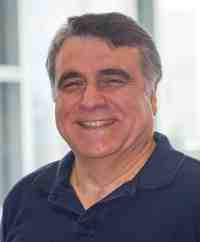
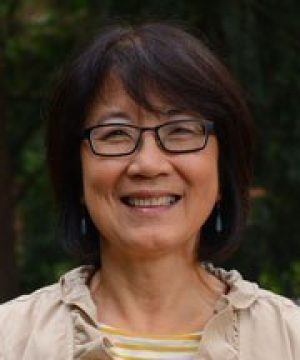
Christos Faloutsos is the Fredkin Professor of Computer Science at Carnegie Mellon University, with a courtesy appointment in Electrical and Computer Engineering. He holds a B.Sc. from the National Technical University of Athens and M.Sc./Ph.D. from the University of Toronto. His research focuses on data mining, graph analysis, fractals, and database systems. Notable contributions include foundational work on R-trees, graph mining laws (e.g., Kronecker graphs), and applications in medical imaging, network security, and fraud detection. Key projects include PEGASUS (petascale graph mining), fraud detection in online auctions (NetProbe), and tools for human trafficking analysis (TrafficVis). He has led NSF-funded projects on tensor mining, network anomaly detection, and bioinformatics. Over 300 refereed publications highlight his contributions across databases, data mining, and networks. Awards include the KDD Best Paper (2005, 2016), SIGMOD Test-of-Time Award, and recognition as a top nurturer in IT. His lab collaborations span the Parallel Data Lab (PDL), Machine Learning Department, and Computational Biology.
Frank Li is an Assistant Professor at Georgia Tech, affiliated with the School of Cybersecurity and Privacy and School of Electrical & Computer Engineering . His research focuses on computer security and privacy , particularly internet, network, and web security, with a data-driven approach. Education : PhD in Computer Science from UC Berkeley, BS in Computer Science from MIT (Course 6-3) Experience : Previously a visiting researcher at Facebook, with internships at Google and Microsoft Research Research interests include empirical computer security , internet measurement, password policies, IoT security, browser extensions, and DeFi vulnerabilities. His work combines large-scale data analysis, network traffic studies, and user behavior experiments. His publications highlight trends in IPv6 adoption , security notifications, password masking, third-party web content, and PLC security evaluation. Teaching awards include the Student Recognition of Excellence in Teaching (Annual CIOS Award and Semester Honor Roll) at Georgia Tech. He leads the BEES Lab (Better Empirically Established Security), which investigates security and privacy issues through internet-wide measurements, network traffic analysis, and data mining. Lab members include PhD and MS students in computer science.
Prof. Dr. Julia Bee holds a Professorship for Gender Media Studies with special emphasis on diversity at the Institute for Media Studies (IfM) at Ruhr-Universität Bochum. Her work focuses on critical intersections of gender, media, and social justice. Her research interests span Gender Media Studies, Diversity, Media Climate Justice, Digital Violence, Digital Misogyny, and Antifeminism. She examines how digital spaces perpetuate gender-based violence and how media can be leveraged for climate justice initiatives. Her recent publications include the experimental learning book Learning Experiments, Exchanging Techniques No. 2 (2025), which explores innovative pedagogical approaches in media studies. Her work shows a clear trend toward examining the connections between digital violence, climate justice, and gender politics. Prof. Bee is actively involved in numerous academic initiatives including the relaunch of the online journal Culture&Gender and organizing the Spring School Media Climate Justice. She frequently collaborates with colleagues like Prof. Dr. Henriette Gunkel on interdisciplinary projects. She organizes and participates in significant academic events, including the lecture series 'Conflicting Masculinities' and 'Digital Violence and Antifeminism,' which examine contemporary challenges in digital spaces from gender and intersectional perspectives. Her work on 'Politics and Ethics of Activist Research' demonstrates her commitment to ethical collaborations between academics and activists.
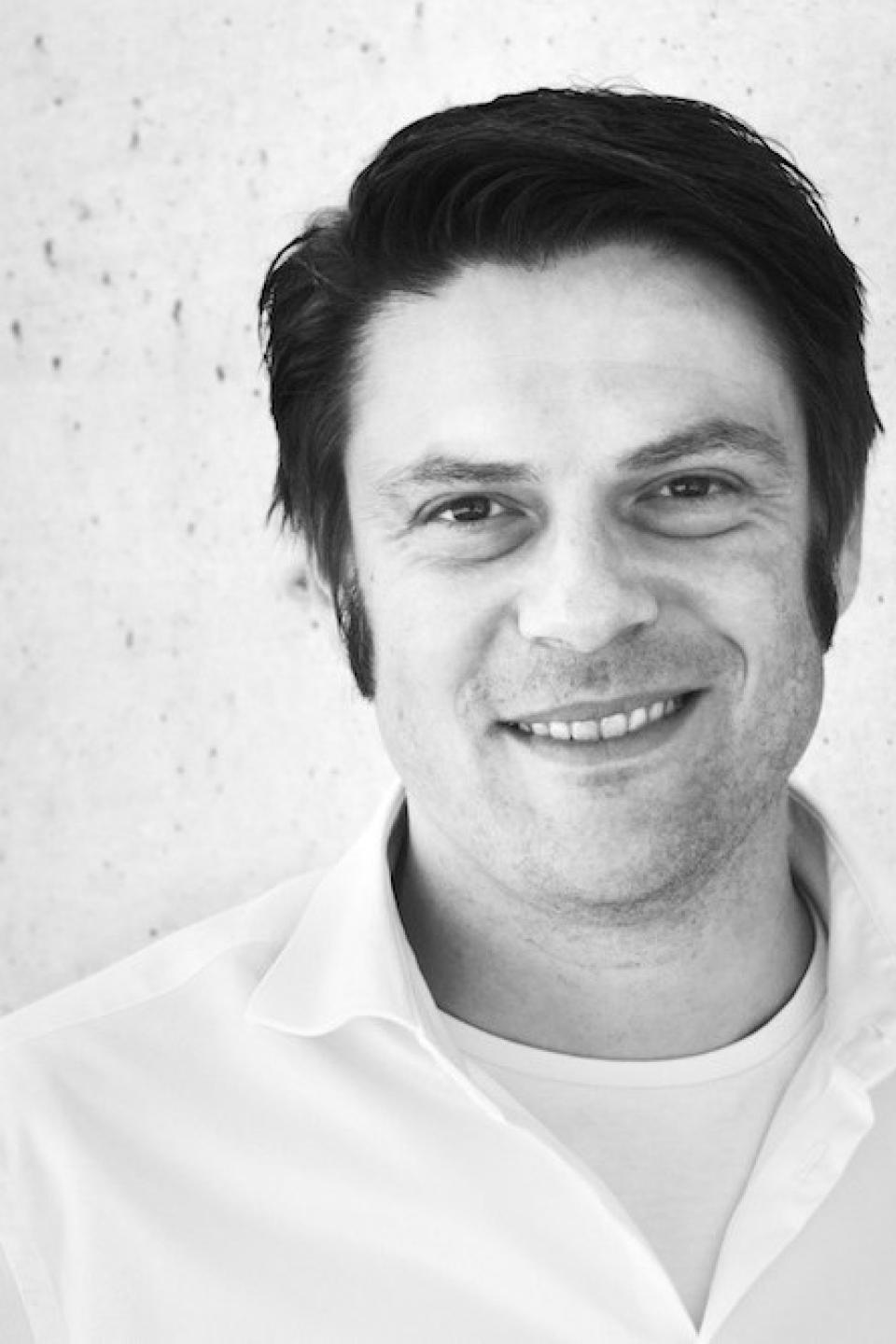
Peter Werner is a Full Professor of Behavioral Economics and Policy Design at Maastricht University's School of Business and Economics, where he leads research in the Department of Economics (Microeconomics & Public Economics section). He progressed from Assistant Professor (2016-2017) to Associate Professor (2018-2023) before attaining his current full professorship, demonstrating sustained academic contribution within the institution. His educational foundation includes: Ph.D. in Economics, University of Cologne (2005-2009), thesis: 'Behavioral Economics and Agency Problems: Empirical Studies' Diplom-Volkswirt in Economics, University of Cologne and Stockholm School of Economics (1999-2005) Werner's research centers on applying behavioral insights to real-world systems , with dual focus on fundamental social preference mechanisms and practical policy design. His work bridges laboratory experiments with field applications, particularly in wage transparency , pension decision architecture , and organizational incentive structures . Recent methodological innovations integrate population-level surveys with experimental economics to measure preference stability during crises like the COVID-19 pandemic. Analysis of his 2022-2025 publications reveals expanding scope from traditional labor economics into climate behavior and intergenerational solidarity, while maintaining core expertise in experimental methodology. Key trends include increased focus on Dutch pension systems, risk communication frameworks, and cross-generational discrimination patterns using nationally representative samples. His primary recognition includes: Marie Skłodowska-Curie Individual Fellowship (2017-2019) for 'Wage transparency in companies' (Horizon 2020 Grant 745894) Werner actively secures competitive funding through major initiatives: Current: Netspar Theme Project on risk preference measurement (Instituut Gak) Recent: Netspar pension savings project (2019-2023) Past: Marie Curie Fellowship (2017-2019) He coordinates the UM Behavioral Insights Center and co-organizes the M-BEES/M-BEPS symposia series, fostering research-practice integration. As co-director of the UM Behavioral Insights Center—one of the university's research spearheads—Werner leads interdisciplinary teams applying experimental economics to public policy challenges, with particular emphasis on pension communication and labor market transparency through partnerships with Dutch governmental and financial institutions.
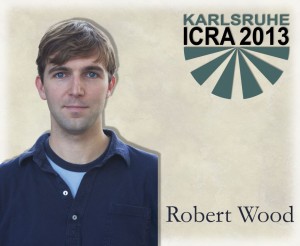
Robert Wood is the Charles River Professor of Engineering and Applied Sciences at Harvard University's School of Engineering and Applied Sciences and a founding core faculty member at the Wyss Institute for Biologically Inspired Engineering. He leads the Harvard Microrobotics Lab, focusing on the design and fabrication of biologically-inspired robots at the micro- to centimeter scale. His research spans microrobotics, microfabrication, soft robotics, and fluid mechanics of flapping wings . He develops novel manufacturing techniques and control systems for robots with extreme size and power constraints, notably advancing the field of insect-scale robotics. His work integrates principles from mechanical engineering, materials science, and biology to create morphable, autonomous systems. Wood's research has led to groundbreaking projects such as the NSF-sponsored RoboBees expedition, aiming to develop autonomous robotic bee colonies. His work emphasizes not only technological innovation but also broader impacts in STEM education, using robotics to inspire young learners. Scientific Awards: DARPA Young Faculty Award NSF Career Award ONR Young Investigator Award Air Force Young Investigator Award Technology Review TR35 Multiple Best Paper Awards Presidential Early Career Award for Scientists and Engineers (2010) Alan T. Waterman Award (2012) As principal investigator of major federally funded projects and leader of the Harvard Microrobotics Lab, Wood mentors students and researchers in cutting-edge robotics. His lab fosters interdisciplinary collaboration and innovation in biologically inspired engineering. While specific advisees are not listed, his role as a PhD advisor and research supervisor is central to his academic mission. The lab actively contributes to both fundamental science and practical applications, with future work likely expanding into swarm intelligence, environmental monitoring, and medical micro-robotics.
Paul O'Toole is a Professor of Microbial Genomics and Principal Investigator at the APC Microbiome Ireland, University College Cork. His research focuses on the gut microbiome's role in health, aging, and disease, particularly in the context of diet and probiotics. He leads projects like the ELDERMET study on elderly nutrition and the NU-AGE project exploring Mediterranean diets' anti-aging effects. He holds a BA (Mod.) from Trinity College Dublin and a PhD from Lund University, with postdoctoral training in Canada and New Zealand. Key grants include studies on dairy-derived microbiota, probiotic strain improvement, and microbiome analysis in aging populations. He has published extensively on Lactobacillus genomics, gut-brain interactions, and microbiome-driven health outcomes. His work bridges fundamental microbiology with clinical applications, emphasizing translational research. Scientific highlights include discovering microbiome links to cognitive decline, demonstrating dietary modulation of gut microbes to combat obesity, and identifying keystone species in healthy aging. He advocates for sustainability in conservation and food systems, reflecting his interdisciplinary approach to global health challenges.
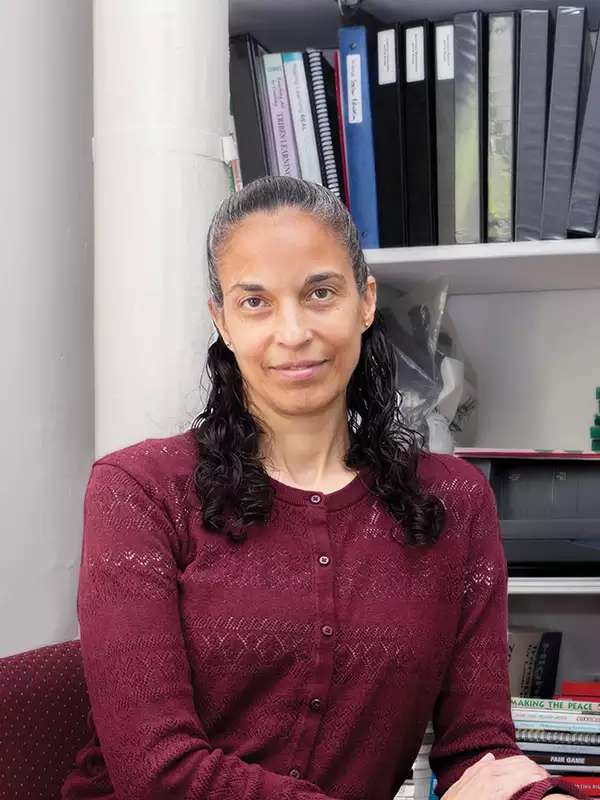
María Rivera Maulucci is the Ann Whitney Olin Professor of Education and serves as the Education Program Director/Chair at Barnard College, Columbia University. She is a proud alumna of Barnard (Class of 1988) and has been a faculty member since 2004. Her work centers on urban education, science pedagogy, and teacher development with a strong commitment to equity and social justice. Education: BS, Barnard College, Columbia University MFS, Yale School of Forestry & Environmental Studies M.Phil, Teachers College, Columbia University Ph.D., Teachers College, Columbia University Her research focuses on how teachers learn to teach for social justice, emphasizing the role of language, identity, and emotions in teacher development. She employs qualitative research and evaluation methods to explore transformative pedagogical practices in urban science education. Her scholarship bridges formal and informal learning contexts and investigates the interplay between teacher agency and structural constraints. Her recent publications and presentations highlight a sustained focus on equity, critical science inquiry, teacher identity, and professional development. She has contributed extensively to journals such as Journal of Research in Science Teaching and Cultural Studies of Science Education , and has authored chapters on social justice, identity, and assessment in science education. Scientific Awards: Barnard College Emily Gregory Teaching Award (2018) National Association for Research in Science Teaching Equity and Ethics Scholar (2007) She is the Principal Investigator of the NSF-funded Barnard College Robert Noyce Teacher Education Scholars Program, which supports future science teachers in urban schools. She advises students and collaborates with national organizations, including the National Association for Research in Science Teaching, Association for Science Teacher Education, and American Educational Research Association. Her teaching includes courses such as Science in the City , Urban School Practicum , and Performance Assessment of Teaching . She is actively engaged in professional development initiatives and has led workshops on family engineering nights, multicultural pedagogy, and social justice in science education. Her lab and programmatic work centers on the Noyce Scholars Program, which functions as a living laboratory for preparing socially conscious science educators.
Dr. Michael Ivie is a Professor in the Department of Plant Sciences & Plant Pathology at Montana State University (MSU), affiliated with the College of Agriculture. His research focuses on insect systematics, faunistics, and taxonomy, with a particular emphasis on beetles and bees. He holds a Ph.D. in Systematic Entomology from The Ohio State University (1985), an M.S. in Entomology (1981), and a B.S. in Entomology from the University of California, Davis (1977). His research contributions include groundbreaking work on beetle phylogenetics, integrative taxonomy of Coleoptera, and biodiversity studies of North American insects. Notable projects include phylogenomic analyses of Phengodidae and revisions of Lycidae genera. He has authored or co-authored numerous articles in journals like the Zoological Journal of the Linnean Society and The Coleopterists Bulletin. Grants: Exotic Woodborer traps (MDA), Pollinator Surveys (US Forest Service), Wild Bees of Montana (MDA/BLM), and biodiversity studies funded by BLM. Awards: Nominated for Fellow of the Royal Entomological Society (1991) and Honorary Member of the Coleopterists Society (2009). Service: Editor for Zootaxa and ZooKeys, former President of the Bozeman Creek Neighborhood Association, and President of the Coleopterists Society. Dr. Ivie is the Curator of the Montana Entomology Collection (MTEC), a major repository of North American invertebrates, with strengths in Coleoptera, Diptera, and Apoidea. The collection supports regional and global research, including studies on pollinators and aquatic insects.
Lee Yong Lim is a Professor of Pharmaceutics at The University of Western Australia (UWA), leading the Laboratory for Drug Delivery. She specializes in innovative drug delivery systems, particularly for pediatric populations and marine aquaculture. Her work focuses on overcoming medication challenges for children through taste-masked formulations and stable drug-loaded scaffolds for ear diseases. She has secured over $4.5 million in research grants from diverse funding bodies. Education: BSc (Pharmacy) Hons, National University of Singapore PhD, University of Manchester Research: Her team developed a patented chocolate-based formulation for bitter drugs and conducts pediatric trials. Collaborations include WA hospitals for safe compounded medicines and international projects in nanotechnology. Key research areas include pediatric medicinal products, veterinary drug delivery, and sustainable drug formulations aligned with UN SDGs. Grants & Funding: Major supporters include NHMRC, ARC, Telethon, and industry partnerships. Current active grants focus on pre-procedural chewables for children and perioperative analytics. Labs/Teams: Heads the Laboratory for Drug Delivery and collaborates with the Centre for Optimisation of Medicines and Institute for Paediatric Perioperative Excellence.
Bee-yan Roberts is a Professor of Economics and Asian Studies at the Pennsylvania State University, affiliated with the Department of Asian Studies within the College of the Liberal Arts. She holds a Ph.D. from the University of Wisconsin - Madison (1980). Her research focuses on development economics, international economics, and industrial organizations, particularly analyzing firm-level dynamics in Asian economies. She has conducted extensive studies on Taiwanese firms' productivity, export strategies, R&D investments, and global competitiveness. Dr. Roberts' work explores topics such as the impact of R&D investments on firm productivity, the role of exports in shaping labor markets, and the comparative productivity of Taiwanese and South Korean manufacturers. Her recent publications examine Taiwanese multinational firms' foreign location decisions, the relationship between exports and technological upgrading, and the productivity evolution of small and medium enterprises in Taiwan. Her research trends emphasize firm heterogeneity, global market participation, and the interplay between innovation, exports, and economic growth. She collaborates frequently with scholars like Mark J. Roberts and Yi Lee, focusing on empirical analyses of Asian manufacturing sectors. No scientific awards are explicitly listed, but her prolific publication record reflects significant academic contributions. Additional details on grants, labs, or teams are not provided in the text.
Dr. Jia Zhang is the Inaugural Robert H. Dedman Jr. Endowed Department Chair and Professor of Computer Science at Southern Methodist University (SMU Lyle School of Engineering). She holds the Cruse C. and Marjorie F. Calahan Centennial Chair in Engineering and has a courtesy appointment in the Department of Operations Research and Engineering Management. Her research focuses on applying machine learning, natural language processing, and information retrieval to data science infrastructure, particularly scientific workflows, provenance mining, software discovery, knowledge graphs, cloud computing, immune AI, and applications in earth science and healthcare. Education: Ph.D. in Computer Science, University of Illinois at Chicago M.S. in Computer Science, Nanjing University B.S. in Computer Science, Nanjing University Dr. Zhang's work emphasizes data science infrastructure and machine learning for scientific workflows and knowledge graphs. Her recent publications highlight deep learning , graph neural networks , and optimization algorithms in cloud computing, cybersecurity, and environmental applications. Key trends include spatiotemporal modeling , hybrid neural architectures , and AI-driven service ecosystems . Scientific Awards: Best Paper Awards IEEE SCC (2011, 2017) Best Student Paper Awards IEEE ICWS (2014, 2018), IEEE ICCC (2018) Distinguished Paper Award ICSOC (2023) First Outstanding Service Award IEEE Technical Committee on Services Computing (2016) She has secured over $5 million in federal grants (as PI) and $11 million as PI/Co-PI from NSF, NASA, NIH, UTSW, Ericsson, SAP, and Google. Her lab (Caruth Hall 308) actively recruits research assistants. She previously served as a faculty member at Carnegie Mellon University, Northern Illinois University, and Nanjing University, and worked in industry as a software architect.
Matteo Bolner is a Post-Doctoral Research Fellow at the University of Bologna's Department of Agricultural and Food Sciences, specializing in livestock genomics and metabolomics. He holds a PhD in Agricultural and Food Sciences (defended March 2025) and an International Master in Bioinformatics from the University of Bologna. His research integrates genomic and metabolomic data to improve livestock sustainability, particularly in pig production systems. Key focuses include identifying metabolic pathways influencing production traits, analyzing pig viromes for disease outbreaks, and leveraging big data for One Health applications. His educational background includes a Biological Sciences degree (2018) and a bioinformatics master's (2021). He interned at CINECA's SCAI department, focusing on HPC software containerization. Current affiliations include membership in the Animal and Food Genomics group, where he explores genomic solutions for breed conservation and sustainable production. Research trends in his articles emphasize multi-omics integration to understand pig metabolism, stress responses, and breed-specific adaptations. He also applies genomics to authenticate food products and enhance conservation strategies for endangered livestock breeds like the Mora Romagnola pig. His work bridges animal science, computational biology, and agricultural sustainability. Notable contributions include developing genomic tools for honey bee population analysis and creating a catalog of mitochondrial insertions in pig genomes. Future directions involve advancing metabolomics-based precision livestock farming and applying big data analytics to livestock One Health challenges.
Teresa Bonacci is an Associate Professor in the Department of Biology, Ecology and Earth Sciences at the University of Calabria (UNICAL), where she conducts research and teaches in zoology with a focus on entomology. She is also the Scientific Director of the Zoology Museum within the university's museum system (SIMU). Her academic affiliations include membership in the PhD School of Life Science and Technology and leadership roles in degree program coordination. Laurea in Natural Sciences, University of Calabria PhD in Animal Biology, University of Calabria Socrates/Erasmus Scholarship, University of Kiel, Germany Research Grant (Assegno di ricerca), SSD BIO/05, University of Calabria National Scientific Qualification for Full Professor (I fascia) Her research spans applied and medico-veterinary entomology, forensic entomology, and conservation biology. She investigates saproxylic beetles (e.g., Cucujus spp.), pollinators (bees, flies, beetles), and insect behavior, especially in forensic contexts such as post-mortem interval estimation and myiasis. Her work integrates taxonomy, morphology, ecology, and chemical signaling, often in collaboration with chemists, legal experts, and conservation agencies. She has published extensively in high-impact journals, with over 80 scientific publications and strong citation metrics. The most recent articles reflect a multidisciplinary trend, combining taxonomy, forensic science, biodiversity monitoring, and veterinary entomology. Topics include the discovery of new insect species in Italy, the role of beetles in decomposition, insect damage in cultural heritage, and myiasis in domestic and wild animals. These works highlight her expertise in both fundamental zoological research and practical applications in forensics and conservation. Scientific Contributions: Over 80 scientific publications Scopus h-index: 15; Google Scholar h-index: 20 Key researcher in saproxylic beetle conservation Pioneer in forensic entomology studies in Southern Italy Active collaborator with legal and medical institutions She supervises numerous PhD and master's students and has directed over 90 theses. Her teaching responsibilities include courses in Zoology, Entomology, Forensic Entomology, and Medical-Veterinary Entomology. She is deeply involved in student mentorship, thesis supervision, and academic service, including examination boards and curriculum development. She also leads biodiversity monitoring projects in Calabrian national parks and has contributed to the development of machine learning tools for insect identification. Her research team collaborates with national and international institutions, including the CNR, University of Milan, and forensic pathology units. She leads projects on bioindicators, insect-plant interactions, and the impact of climate change on mountain species. The Zoology Museum under her direction supports both research and public outreach.
Ana Maria Velez is an Associate Professor at the Department of Entomology, University of Nebraska-Lincoln. Her research focuses on insect responses to chemical stressors, particularly RNA interference (RNAi) and Bt toxins for pest management. With a 80% research and 20% teaching appointment, she leads the Insect Toxicology Lab and teaches courses like 'Toxins in the Environment' and 'Insecticide Toxicology.' Education: Ph.D. in Entomology, University of Nebraska-Lincoln, 2013 M.S. in Entomology, Universidad Nacional de Colombia, 2009 B.S. in Biology, Pontificia Universidad Javeriana, Colombia, 2006 Her research spans molecular, organismal, and population levels to evaluate transgenic crops and RNAi technologies. Key areas include resistance mechanisms, non-target effects, and risk assessment frameworks. She has extensive publications on western corn rootworm and fall armyworm, emphasizing sustainable pest control. Her work also addresses sublethal impacts on non-target species like monarch butterflies and honeybees. Recent articles highlight RNAi delivery optimization, Bt resistance dynamics, and ecological impacts of insecticides. Her lab collaborates on patents for RNAi-based pest suppression methods targeting chromatin remodeling and developmental genes. Scientific Awards Distinguished Multicultural Alumni (2019) DuPont Young Professor Award (2016) International Congress of Entomology Travel Awards (2016) Widaman Trust Distinguished Graduate Assistant (2011) Milton E. Mohr Teaching Fellowship (2012) The Vélez Arango Lab investigates durability and safety of insect control technologies, with emphasis on RNAi and Bt crops. Their work informs integrated pest management (IPM) systems and regulatory frameworks.
Stephanie Rogers is an Assistant Professor of Geosciences at Auburn University's College of Sciences and Mathematics, specializing in geospatial technologies and environmental applications. She leads the GeoIDEA Lab, focusing on GIScience, water quality modeling, and environmental impacts on honey bee colonies. Her research integrates emerging technologies like drones for ecological monitoring and addresses interdisciplinary challenges such as groundwater management and pollution tracking. Education: PhD in Geosciences from the University of Fribourg, Switzerland. Research Interests: Rogers' work bridges geospatial innovation with real-world problem-solving. Key areas include: GIS-driven environmental monitoring and modeling Drone-based assessment of water quality and algal blooms Groundwater contamination dynamics and public health implications Honey bee colony health through spatial analysis Advising & Grants: Currently mentors two trainees (Bethany Foust and Mallory Jordan) and collaborates on projects funded by environmental agencies. Her grants focus on geospatial data integration for ecological decision-making. Labs/Teams: GeoIDEA Lab coordinates multidisciplinary efforts in environmental geoscience, with active projects in Alabama's Black Belt region and international glacial archaeology initiatives.