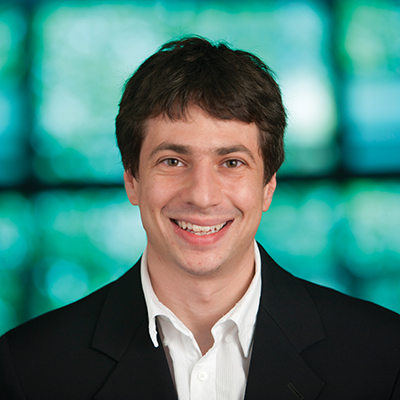
Michael Smith is the McCosh Professor of Philosophy at Princeton University. He holds a DPhil from Oxford University (1989) and has been a faculty member since 2004, previously at the Australian National University. His research focuses on ethics, moral psychology, philosophy of mind, political philosophy, and philosophy of law. Smith’s work integrates constitutivist theories of practical reason with analyses of moral agency. He has contributed to debates on moral rationalism, the nature of reasons for action, and the relationship between rationality and normativity. Education: MA, Monash University (1980); BPhil (1983), DPhil (1989), University of Oxford Smith’s scholarship emphasizes the interplay between ethical theory and psychological explanations of agency. Recent publications explore topics like carbon capture technologies, cultural clashes in moral reasoning, and probabilistic forecasting in oceanography. His philosophical contributions address foundational questions in meta-ethics, including the ‘moral problem’ and the implications of constitutivism for normative frameworks. He advises on interdisciplinary projects at the intersection of philosophy and emerging technologies. Notable research trends include applying philosophical analysis to environmental ethics and developing frameworks for resolving moral dilemmas through rational agency models. His work often bridges analytic philosophy with empirical inquiries in psychology and social science.
Hamsa Bastani is an Associate Professor of Operations, Information and Decisions at the Wharton School, University of Pennsylvania, with a secondary appointment in Statistics and Data Science. She co-directs the Wharton Healthcare Analytics Lab and serves as an Associate Editor for Operations Research, M&SOM and OR Letters. Her academic journey began with summa cum laude graduation from Harvard in 2012 with an A.M. in physics and A.B. in physics and mathematics. She completed her PhD in Stanford's Electrical Engineering department under Mohsen Bayati, followed by a Herman Goldstine postdoctoral fellowship at IBM Research. Professor Bastani's research focuses on developing novel machine learning algorithms for data-driven decision-making, with applications spanning healthcare operations, social good, and revenue management. Her work demonstrates particular expertise in sequential decision-making (bandits, reinforcement learning), learning from auxiliary data sources (transfer learning, meta-learning), and designing effective human-AI interfaces (interpretability, fairness). She has made significant contributions to understanding how AI systems affect and augment human behavior, with the goal of designing AI tools that help humans thrive. Her publications reveal a strong trend toward high-impact applications of machine learning in critical societal domains. A significant portion of her recent work focuses on healthcare applications, including optimizing health supply chains in low- and middle-income countries, designing clinical trial protocols, and creating targeted public health interventions. Another major theme examines the complex relationship between humans and AI systems, particularly how AI affects learning outcomes and decision-making processes. Her work frequently bridges theoretical advances with practical implementation, as evidenced by country-scale deployments in Greece and Sierra Leone. Wagner Prize for Excellence in Operations Research Practice (2021) Pierskalla Award for Best Paper in Healthcare (2021, 2019, 2016) Behavioral OM Best Paper Award (2021) Public Sector in OR Best Paper Award (2024) INFORMS Data Mining Best Paper Award (2022) Wharton Teaching Excellence Award (2019, 2020, 2021) Professor Bastani has advised numerous PhD students who have gone on to prominent positions, including Pia Ramchandani (Director of Responsible AI at PwC), Arielle Anderer (Assistant Professor at Cornell Johnson), and Kan Xu (Assistant Professor at ASU Carey). Her research has been supported by collaborations with national governments, including the Greek government where she co-designed Eva, the national-scale reinforcement learning system for targeted COVID-19 testing, and the Government of Sierra Leone where she improved patient access to essential medicines by nearly 20% via decision-aware learning. She has also conducted the first large field study deploying generative AI tutors in high school math classes. She leads the Wharton Healthcare Analytics Lab and serves on the Steering Committee for the Penn Center for Health Incentives and Behavioral Economics and on the statistics advisory committee for the AHA Food is Medicine Initiative. Outside academia, she serves on the Workday AI Advisory Board, demonstrating her commitment to translating academic research into practical applications.
Hedvig Kjellström is a Professor at the Division of Robotics, Perception and Learning within the School of Electrical Engineering and Computer Science at KTH Royal Institute of Technology. She holds significant affiliations with the Swedish e-Science Research Centre and the Max Planck Institute for Intelligent Systems in Germany. Her work spans multiple interdisciplinary domains and she serves as Editor-in-Chief for CVIU and was Program Chair for CVPR 2025. Her research centers on Computer Vision as a sub-field of AI, with three interconnected themes: Computational Aesthetics (exploring aesthetic aspects of human communicative behavior), Communicative Behavior (developing models of how humans and animals perceive and produce non-verbal communication), and Embodied Artificial Intelligence (creating methodologies for robots and autonomous agents to perceive the world through sensors, primarily vision). Her work has significant applications in medical diagnostics, animal welfare, human-robot interaction, and creative arts. Analysis of her recent publications reveals a strong trend toward multimodal AI systems that integrate vision, language, and action understanding. Her research increasingly focuses on animal-centered applications, particularly equine pain detection and behavior analysis, while maintaining strong foundations in human communication modeling, gesture recognition, and 3D reconstruction techniques. The interdisciplinary nature of her work bridges computer science with veterinary medicine, neuroscience, and performing arts. Hedvig Kjellström actively supervises numerous PhD and Master's students across various projects and maintains extensive collaborations with institutions including Karolinska Institutet, Swedish University of Agricultural Sciences, and international partners. Her research is supported by major funding bodies including WASP, VR, and SeRC. She leads or participates in several notable projects including OrchestrAI (communication between conductor and orchestra), ANITA (Animal Translator), MARTHA (3D horse motion analysis), and STING (synthesis and analysis with transducers and invertible neural generators). Her work with ACAI (Animal Centered Artificial Intelligence), which she co-founded and directs, demonstrates her commitment to applying AI for animal welfare.
Guillaume Lajoie is an Associate Professor in the Department of Mathematics and Statistics at Université de Montréal and a Core Academic Member of Mila – Quebec Artificial Intelligence Institute. He holds a Canada CIFAR AI Research Chair and a Canada Research Chair in Neural Computation and Interfacing. His research focuses on the intersection of AI and neuroscience, particularly in understanding neural network dynamics and developing brain-machine interfaces for clinical and scientific applications. He is affiliated with the Centre de recherches mathématiques (CRM), the Interdisciplinary Center for Research on the Brain and Learning (CIRCA), and the UNIQUE initiative. Education: PhD in Applied Mathematics from the University of Washington (Seattle), postdoctoral fellowships at the Max Planck Institute for Dynamics and the University of Washington Institute for Neuroengineering. Awards include the FRQS Scholar designation and leadership roles in strategic research initiatives like UNIQUE and CIRCA. Research interests include neural computations, recurrent neural networks, neurotechnology, and responsible AI development. Supervised students include François Paugam (PhD), Giancarlo Kerg (PhD), and others. Key grants include projects on adaptive neuroprosthetics, neural decoding, and Canada Research Chairs funding.
Daniel M. Wolpert is a Professor of Neuroscience at Columbia University and Principal Investigator at the Zuckerman Institute. His research focuses on computational models of movement, integrating sensory cues and cognitive elements to understand motor control, memory, and rehabilitation strategies for cerebellar disorders. Key Research Areas: Sensorimotor integration, probabilistic inference, reinforcement learning, predictive modeling of movement, and aging effects on motor learning. Selected Awards: Royal Society Fellow (2012), Minerva Golden Brain Award (2010), Fulbright Scholarship (1992-1995). Recent publications highlight his work on contextual learning, motor memory formation, and the computational basis of sensorimotor uncertainty. His lab develops robotic interfaces to study human motor behavior and collaborates on clinical applications for movement disorders. Current opportunities include postdoctoral fellowships in sensorimotor control and decision-making.
Dan Lizotte is an Associate Professor jointly appointed to the Department of Computer Science in the Faculty of Science and the Department of Epidemiology and Biostatistics in the Schulich School of Medicine & Dentistry at Western University. Additional affiliations include the Schulich Interfaculty Program in Public Health and a cross-appointment to the Department of Statistics and Actuarial Sciences. Based in Middlesex College, London, Ontario, his contact email is dlizotte@uwo.ca. His research centers on machine learning and biostatistics for health decision support, with emphasis on sequential decision-making in chronic disease management where evolving patient health status and preferences inform adaptive interventions. Core contributions involve adapting reinforcement learning frameworks to model dynamic health decisions in public health and primary care settings, addressing methodological challenges in personalized medicine and risk prediction. Analysis of his publication record reveals consistent focus on healthcare applications of machine learning, particularly in chronic disease risk modeling using electronic medical records, intersectionality frameworks in public health AI, and Bayesian methods for dose personalization. His work bridges reinforcement learning with clinical decision support systems, advancing dynamic treatment regimes and statistical methodologies for evolving patient data. No scientific awards were mentioned in the provided text. The text does not specify any advisees, grant funding, or educational background details. Lizotte leads a research laboratory focused on machine learning applications in health, as evidenced by the dedicated lab site referenced in his contact information. His team likely explores intersections of statistical methodology, AI ethics, and clinical implementation for personalized health interventions.
Amir-massoud Farahmand is an Associate Professor at the Polytechnique Montréal (Department of Computer and Software Engineering) and a Status-Only Associate Professor at the University of Toronto (Department of Computer Science). He is also a Core Academic Member at Mila (Quebec AI Institute). His research focuses on computational and statistical mechanisms for designing efficient reinforcement learning (RL) agents and adaptive algorithms. Dr. Farahmand's research spans reinforcement learning, optimal transport, adversarial robustness, and model-based methods. He has extensively studied regularization in RL, distributional approaches, and algorithm design for stability and convergence. His textbook Lecture Notes on Reinforcement Learning (2021) emphasizes mathematical intuition over algorithmic collections. Recent publications highlight trends in high-update-ratio RL, distributional equivalence, and self-prediction for task understanding. He is actively involved in teaching, having previously instructed courses on machine learning, neural networks, and RL at the University of Toronto. Scientific Awards : Ontario Early Researcher Award (2024) for Accelerated Reinforcement Learning Algorithms Dr. Farahmand has mentored numerous students, including his first PhD graduate Yangchen Pan (now at Oxford) and MSc students like Allen Bao (AMD) and Farnam Mansouri (University of Waterloo). He is currently recruiting graduate students at Polytechnique Montréal and Mila for 2025 admissions.
Vikas Singh is a Professor in the Department of Biostatistics at the University of Wisconsin-Madison, with appointments in Computer Sciences and Statistics. He also serves as a part-time Faculty Researcher at Google DeepMind. His research focuses on image analysis, machine learning, and medical imaging applications, particularly in neuroimaging and Alzheimer's disease studies. Singh holds a Ph.D. in Computer Science from SUNY Buffalo and has taught courses such as BMI/CS 767 (Medical Image Analysis) and CS 766 (Computer Vision). Affiliations: UW Computer Vision Group, Wisconsin Alzheimer's Disease Research Center (W-ADRC), Machine Learning@UW. Research: Develops algorithms for medical image analysis, including tools for neuroimaging and longitudinal biomarker studies. Grants: Collaborates on grants related to Alzheimer's progression modeling and imaging techniques. His work emphasizes interdisciplinary applications, bridging statistics, geometry, and optimization to solve real-world problems in healthcare and engineering.
Roxane de la Sablonnière is a Full Professor in the Department of Psychology at the University of Montreal, affiliated with the Faculty of Arts and Sciences. She directs the CSI—Laboratory on Social Change and Identity and is a member of the CÉCD—Centre for the Study of Democratic Citizenship and the CIRCA—Interdisciplinary Research Centre on the Brain and Learning. Her research focuses on social change, cultural identities, intercultural relations, and the psychological impacts of crises like the COVID-19 pandemic. She has advised over 20 graduate students and led numerous research projects funded by agencies such as the Fonds de recherche du Québec (FRQ) and the Social Sciences and Humanities Research Council (SSHRC). Education & Research Focus : Her work examines how rapid societal changes affect individuals, particularly in contexts of immigration, policy shifts (e.g., multiculturalism, secularism), and Indigenous communities. Recent studies include longitudinal analyses of pandemic-related behaviors, identity integration processes, and the role of cognitive strategies in managing conflicting identities. Grants & Collaborations : She leads projects like "S'engager pour mieux aller!" (FRQS-funded) and contributes to strategic networks such as the Centre pour l'Étude de la Citoyenneté Démocratique (CÉCD). Her research integrates psychology with sociology, leveraging mixed methods (e.g., text mining, longitudinal tracking) to address societal challenges. Labs & Teams : As CSI director, she oversees projects on social change dynamics and identity reconstruction. Her work bridges academic and applied domains, influencing policy debates on integration, public health, and community resilience.
Jesse Hoey is a Professor in the David R. Cheriton School of Computer Science at the University of Waterloo and leader of the Computational Health Informatics Lab (CHIL). He serves as a Faculty Affiliate at the Vector Institute and is Editor-in-Chief of the IEEE Transactions on Affective Computing. His research spans affective computing, health informatics, and socially assistive robotics, with a particular focus on developing technologies for elderly care and cognitive assistive applications. Hoey's research interests center around affective intelligence, Bayesian affect control theory (BayesACT), and decision-theoretic planning in uncertain domains. His work integrates social psychology with artificial intelligence to create emotionally aware systems that can interact naturally with humans, particularly those with cognitive impairments such as Alzheimer's disease. He has developed models for social interaction, emotion recognition, and uncertainty management in human-robot collaboration. His recent publications demonstrate a strong trend toward medical applications of AI, particularly in ultrasound analysis and healthcare technology. Many of his papers focus on self-supervised learning techniques for medical imaging and the application of affective computing principles to assistive technologies for dementia care. His work bridges theoretical AI with practical healthcare applications, showing increasing emphasis on real-world implementation. Editor-in-Chief of IEEE Transactions on Affective Computing Hoey has supervised numerous PhD and Master's students through the Computational Health Informatics Lab, with research spanning socially assistive robotics, affective computing, and health informatics. His lab has received funding for projects related to AI for dementia care, smart home technologies, and emotion-aware systems. The CHIL lab collaborates with healthcare institutions including the Toronto Rehabilitation Institute. The Computational Health Informatics Lab (CHIL) focuses on developing intelligent systems that understand and respond to human emotions and social contexts. Current projects include emotionally aligned social robots for dementia care, self-supervised learning for medical ultrasound, and models of social organization as uncertainty management. The lab combines theoretical work in Bayesian modeling with practical applications in healthcare technology.
Aaron Roth is the Henry Salvatori Professor of Computer and Cognitive Science at the University of Pennsylvania, affiliated with the Department of Computer and Information Science in the School of Engineering and Applied Science. He holds a secondary appointment in the Department of Statistics and Data Science at the Wharton School and is associated with several research centers including PRiML, the Warren Center for Network and Data Sciences, and the AMCS program. He received his PhD from Carnegie Mellon University under Avrim Blum and was a postdoc at Microsoft Research New England. His research focuses on algorithms and machine learning, particularly in private data analysis, fairness in machine learning, game theory, mechanism design, and learning theory. His work bridges theoretical computer science with societal concerns, advocating for ethically aware algorithm design. He co-authored the book The Ethical Algorithm with Michael Kearns, which explores how to embed social values like privacy and fairness into algorithmic systems. His recent publications show a strong trend toward uncertainty quantification, multicalibration, conformal prediction, and fairness in reinforcement learning and high-dimensional settings. He frequently publishes in top-tier venues such as STOC, FOCS, ICML, NeurIPS, and COLT, often with a focus on rigorous theoretical foundations with practical implications. Hans Sigrist Prize Presidential Early Career Award for Scientists and Engineers (PECASE) Alfred P. Sloan Research Fellowship NSF CAREER award Google Faculty Research Award Amazon Research Award Yahoo Academic Career Enhancement award Roth has advised numerous PhD students and postdocs, many of whom now hold academic or industry research positions. He is also an Amazon Scholar at AWS and has served in advisory roles for companies like Apple, Facebook, Leapyear, and Spectrum Labs. He has been active in organizing workshops and tutorials on differential privacy, fairness, and adaptive data analysis, and has given keynotes at major conferences and institutions worldwide. He leads research groups and collaborates widely across Penn, focusing on responsible AI, privacy, and algorithmic fairness. His lab produces foundational work on calibration, unlearning, privacy-preserving learning, and equitable decision-making systems.
Carlo Alberto Furia is an Associate Professor and Vice Dean at the Faculty of Informatics, Università della Svizzera italiana (USI). He is affiliated with the Software Institute, where he leads the ATOM research group. His academic journey includes prior roles as an Associate Professor at Chalmers University of Technology and a Senior Researcher at ETH Zurich’s Chair of Software Engineering. PhD in Computer Science, Politecnico di Milano Master of Science in Computer Science, University of Illinois at Chicago Laurea in Computer Science and Engineering, Politecnico di Milano His research centers on formal methods for software engineering, aiming to enhance software correctness, reliability, and quality through rigorous techniques. Key areas include automated program verification, contract-based development, loop invariant inference, and empirical evaluation using Bayesian data analysis. He emphasizes practical applicability and automation in formal methods. His recent publications reflect a strong focus on program analysis at the bytecode level, multilingual software analysis, automated repair of Android security issues, and empirical methodologies. These works span topics such as JVM substitutability, exception behavior in Java bytecode, and information flow security, demonstrating a consistent thread in improving software robustness through formal and automated techniques. He is actively involved in the software engineering research community as an Associate Editor of the Empirical Software Engineering (EMSE) journal and as a Program Committee member for major conferences including FASE, FM, ASE, ICSE, and CauSE. Carlo Furia has advised multiple research projects and supervised student theses. He has led and contributed to funded research initiatives, particularly in program analysis and verification. His group has developed tools such as AutoProof and other software artifacts available through the ATOM software page. He regularly teaches courses such as Software Analysis, Programming Fundamentals, and Software Design & Modeling. He leads the ATOM research group, which focuses on advancing automated techniques for software testing, analysis, and verification. The group develops practical tools and conducts empirical studies to validate research outcomes.
Jinjin Gu is a tenure-track Assistant Professor at Sofia University "St. Kliment Ohridski" 's INSAIT (Institute for Computer Science, Artificial Intelligence, and Technology), leading research on visual cognition and intelligence. Her work spans visual perception, processing, generation, and reasoning. Education: Ph.D. in Electrical and Computer Engineering (2024), University of Sydney B.Sc. in Computer Science and Engineering (2020), Chinese University of Hong Kong, Shenzhen Her research focuses on visual cognition , including agentic systems , diffusion models , GAN architectures , model interpretability , super-resolution , and multimodal vision-language systems . She has developed novel paradigms like HYPIR for diffusion-quality restoration at GAN speeds. Recent publications highlight advancements in image/video restoration , generative modeling , and visual reasoning . Her work addresses critical challenges in model generalization , causal interpretation , and real-world application robustness . Scientific Awards: Stanford University's World's Top 2% Scientists (2024) Yunfan Award at World Artificial Intelligence Conference (WAIC) (2023) She has advised students contributing to TPAMI, CVPR, and ICLR publications, and serves as Area Chair for ICLR 2026, NeurIPS 2025, and ICML 2025.
Julia Kempe is a Silver Professor of Computer Science, Mathematics, and Data Science at New York University (NYU), holding joint appointments at the Courant Institute and the Center for Data Science (CDS). She serves as Director of the CDS and is on research leave at the CSD, ENS, Paris (2023–24). Her expertise spans interdisciplinary research in quantum computing, machine learning, and data science. She holds PhDs in Mathematics (UC Berkeley, 2001) and Computer Science (École Nationale Supérieure des Télécommunications, Paris, 2001), alongside advanced degrees in theoretical physics and mathematics from prestigious institutions in France and Austria. Research Interests: Data Science, Machine Learning (theoretical foundations and applications to physics), and past contributions to quantum computing. She focuses on robustness in machine learning models, adversarial examples, and interdisciplinary applications of physics-informed AI. Awards and Honors: Knight of the National Order of Merit (France, 2010), Femme en Or de la Recherche (France, 2010), ERC Starting Grant (2007, top-ranked in Europe), and numerous academic fellowships. She is a member of Academia Europaea (2018) and a Fellow of the Asia-Pacific Artificial Intelligence Association (2022). Grants and Leadership: Principal investigator of NSF NRT grants for CDS PhD programs, co-PI on NASA TCAN grants, and leader in NYU’s Senior Leadership Team. She designed NYU’s Data Science undergraduate programs and expanded interdisciplinary collaborations in machine learning and quantum computing. Labs and Teams: Directs the CDS, collaborates with the Courant Institute, and leads research initiatives in Paris. Her work bridges theoretical computer science, physics, and applied data science, emphasizing interdisciplinary innovation.
Jon Brennan is an Assistant Professor in the Department of Linguistics at the University of Michigan, affiliated with the College of Literature, Science, and the Arts (LSA). His research focuses on neurolinguistics, computational linguistics, and psycholinguistics, particularly investigating how the brain processes language structure and meaning. He leads the Computational Neurolinguistics Lab, which develops neurocomputational models to study language comprehension mechanisms. Brennan received an NSF Grant for collaborative research with Christophe Pallier (Paris) on neurocomputational models of natural language processing. His work integrates EEG, fMRI, and MEG techniques to decode linguistic features in neural signals. Key research areas include syntax-semantics interfaces, multilingual processing, and developmental disorders like dyslexia. Notable contributions include studies on hierarchical syntactic structure, minimal pairs in language models, and neural correlates of theory of mind in children. Brennan collaborates internationally, exemplified by the US-French NSF-CRCNS grant. He has published extensively on topics like neural decoding of grammatical features, LLM internal representations, and bilingual processing mechanisms. Scientific awards include the NSF Collaborative Research in Computational Neuroscience (CRCNS) Grant (2016). His research bridges computational modeling and experimental neuroscience, aiming to reveal how language mechanisms are implemented in neural systems.